AC chargers are becoming the interface for electric cars
by B. Velonavy - 2026-07-10At first glance, the wallbox at home and the charging point in the car park appear to be relatively simple pieces of technology. A power connection, a charging cable and an interface to the vehicle – AC charging doesn’t seem to require much more than that.
In reality, however, the demands placed on modern chargers are increasing significantly. They need to be quick to install, capable of monitoring energy consumption and, at the same time, ready for new communication standards between electric cars, charging infrastructure and the electricity grid. At Power2Drive Europe in Munich, NexBlue showcased its AC charging solutions for private and commercial applications. The fledgling company focuses on compact hardware and a technical platform that is as uniform as possible. The focus is not on higher charging power, but on installation, billing and preparation for functions such as Vehicle-to-X and Plug & Charge.
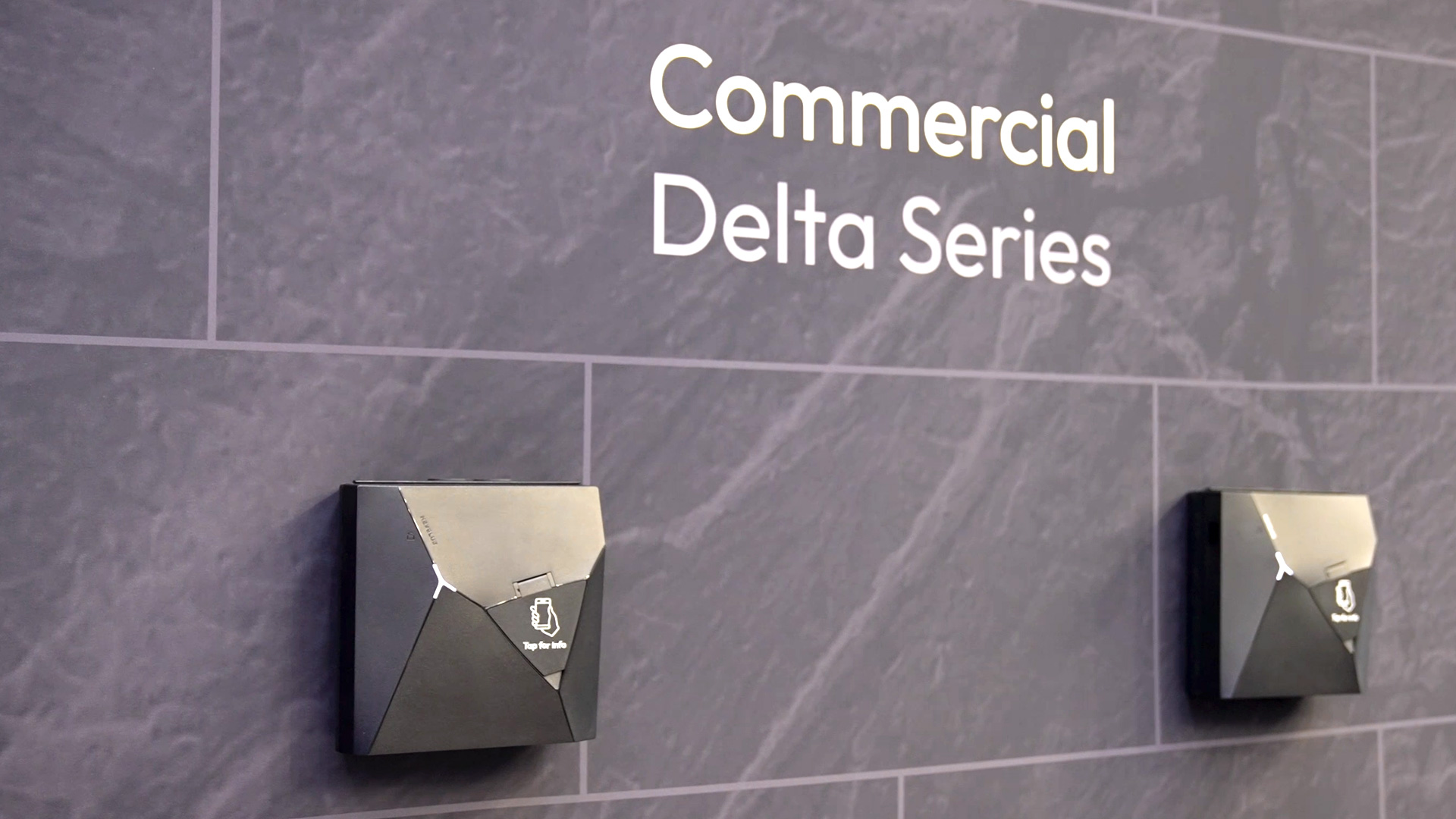

NexBlue develops Delta series for commercial charging points
With the Delta series, NexBlue is targeting commercial applications and larger charging installations. These include, for example, multi-storey car parks or locations where several electric cars are charged regularly. The compact AC chargers are available in two variants. The key difference lies in the MID certification. On appropriately equipped units, the energy consumption of a charging session can be monitored via an integrated display. In commercial settings in particular, recording the amount of energy charged is important when electricity consumption needs to be allocated to individual users or vehicles. The AC chargers are not, however, designed for heavy commercial vehicles. Due to their large battery capacities and the time they spend stationary, electric lorries usually require significantly higher charging power. Delta therefore focuses on electric cars and applications where vehicles remain at a single location for extended periods. This means that the application profile differs fundamentally from public fast charging. In car parks, businesses or other commercial buildings, it is often not the shortest charging time that matters, but rather the reliable integration of numerous charging points into the existing infrastructure.
Edge Series brings AC charging to the domestic sector
For home use, the manufacturer offers the Edge Series. Here too, variants with and without MID certification are available. Technically, the charger follows a similar approach to the commercial systems. The market for AC chargers has grown significantly in the meantime. Numerous manufacturers offer wallboxes and charging points with different functions, interfaces and software solutions. This presents a challenge for installers: Each new system may require different installation steps, configurations and commissioning processes. This is precisely where the development of the Edge and Delta series comes in. The hardware is designed so that electricians spend as little time as possible on installation and set-up. This is not just a question of ease of use. In larger charging projects, even a few minutes’ extra installation time per charging point can result in significant labour costs. Key features of the AC chargers include:
- Delta series for commercial charging installations
- Edge series for private use and home charging
- Variants with and without MID certification
- Preparation for the ISO 15118 communication standard
- Support for future functions such as Vehicle-to-X and Plug & Charge


ISO 15118 prepares chargers for new functions
The ISO 15118 communication standard plays a key role. It governs the exchange of data between electric vehicles and the charging infrastructure and forms the technical basis for various automated charging functions. This includes Plug & Charge. With this feature, the vehicle can automatically identify itself to a compatible charging point. Depending on the system, additional charging cards or manual authorisations may no longer be required. Auto-Charge concepts also aim to further automate the start of a charging process. Vehicle-to-X goes even further. The term encompasses various forms of bidirectional charging. In future, electric cars could not only draw energy from the electricity grid, but also feed it back into a building or other systems as required. Vehicle-to-Grid extends this principle to the public electricity grid. According to NexBlue, it is preparing all its chargers to comply with ISO 15118. This is intended to ensure that the technical requirements are in place regardless of whether a customer chooses a device for private or commercial use. This approach is relevant because many of these functions are still at different stages of market introduction. Vehicle models, grid requirements and regulatory standards are evolving in parallel. However, a wallbox installed today may remain in operation for many years. For buyers and operators, this raises the question of which communication standards will gain prominence during this period.

Standardised technology aims to simplify installation
The standardisation of the technical platform pursues yet another objective. Rather than reserving certain functions solely for individual premium devices, the aim is to make as many technologies as possible available across the entire product portfolio. For installers, such standardisation can simplify workflows. Anyone familiar with the setup and configuration of one product range does not need to familiarise themselves entirely with a new system when working on a different application. With the growing demand for charging infrastructure in particular, available installation capacity is becoming a key factor. The development of modern wallboxes is therefore increasingly driven by the question of how quickly and reliably they can be installed. A technically sophisticated charging solution is of little use if installation, configuration and support are unnecessarily complicated in day-to-day use.
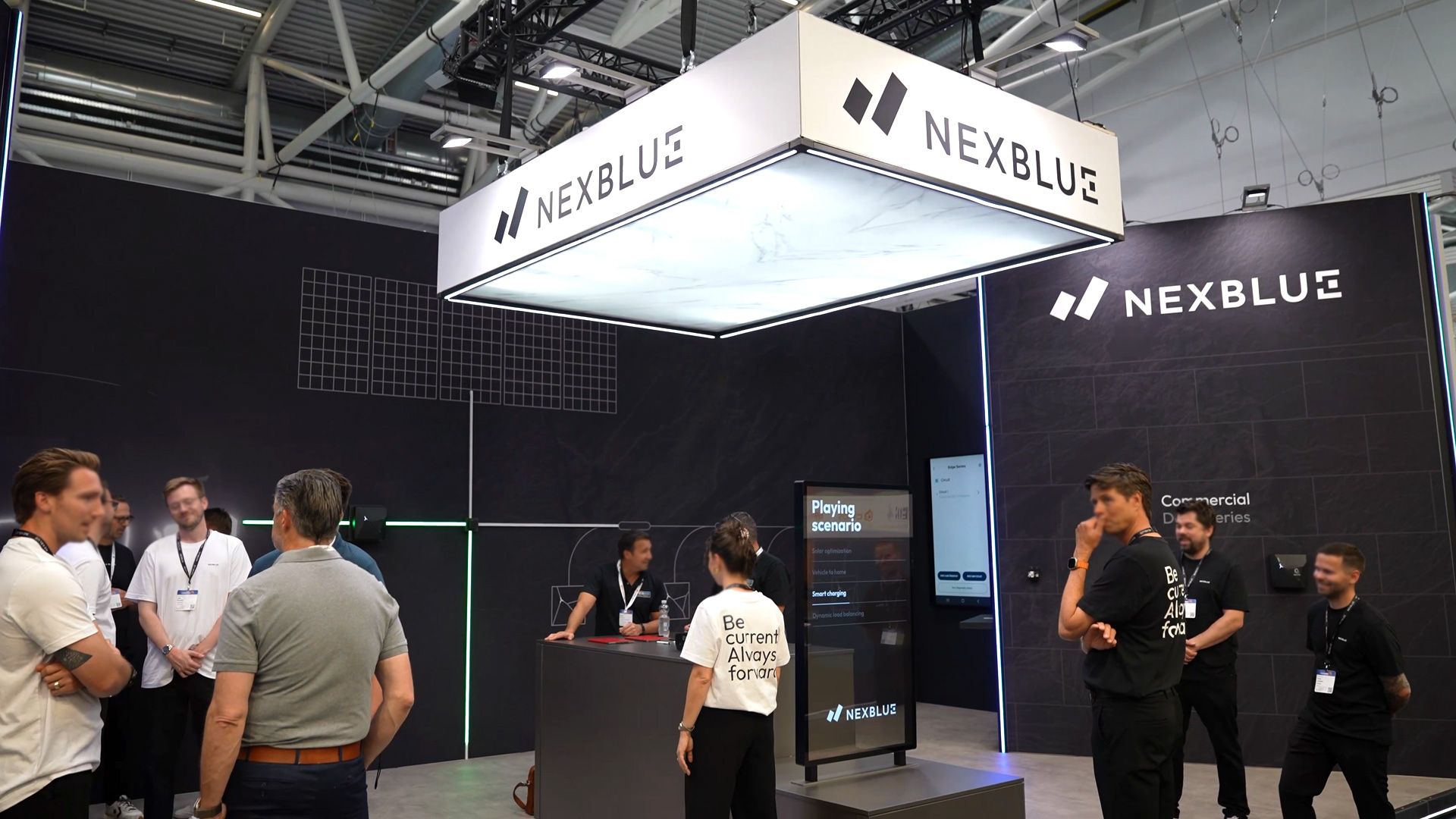
AI could transform support for charging devices
Alongside new communication standards, the industry is increasingly turning its attention to artificial intelligence. In the field of charging infrastructure, relatively simple applications could become relevant initially. These include, for example, the automated handling of recurring support enquiries. Complex technical problems will continue to require specialist knowledge and human judgement. However, for standardised questions regarding setup or operation, AI systems can match information more quickly and guide users through individual steps. For the further development of AC charging infrastructure, ISO 15118, Vehicle-to-X and automated charging processes are likely to be the most decisive factors initially. The Edge and Delta series demonstrate how manufacturers are preparing for this development. The wallbox is evolving from a simple power connection for electric cars into a digital interface that connects the vehicle, the building and, in future, possibly also the electricity grid.
Trade fair reporting Germany - Trade fair knowledge, dates & events


