Fast charging and wallboxes are converging to form the charging infrastructure
by J. Groh - 2026-06-28As the number of electric vehicles rises, so too do the demands on the charging infrastructure. Whilst in the early years the focus was often on individual charging points, today we are increasingly seeing integrated concepts that combine private charging, commercial applications and fast-charging parks.
At the same time, demands for cost-effectiveness, scalability and charging capacity are on the rise. At Power2Drive Europe in Munich, ABL presented the Supernova DC fast charger – a solution that not only enables high charging power but also focuses on the efficient use of existing power modules.
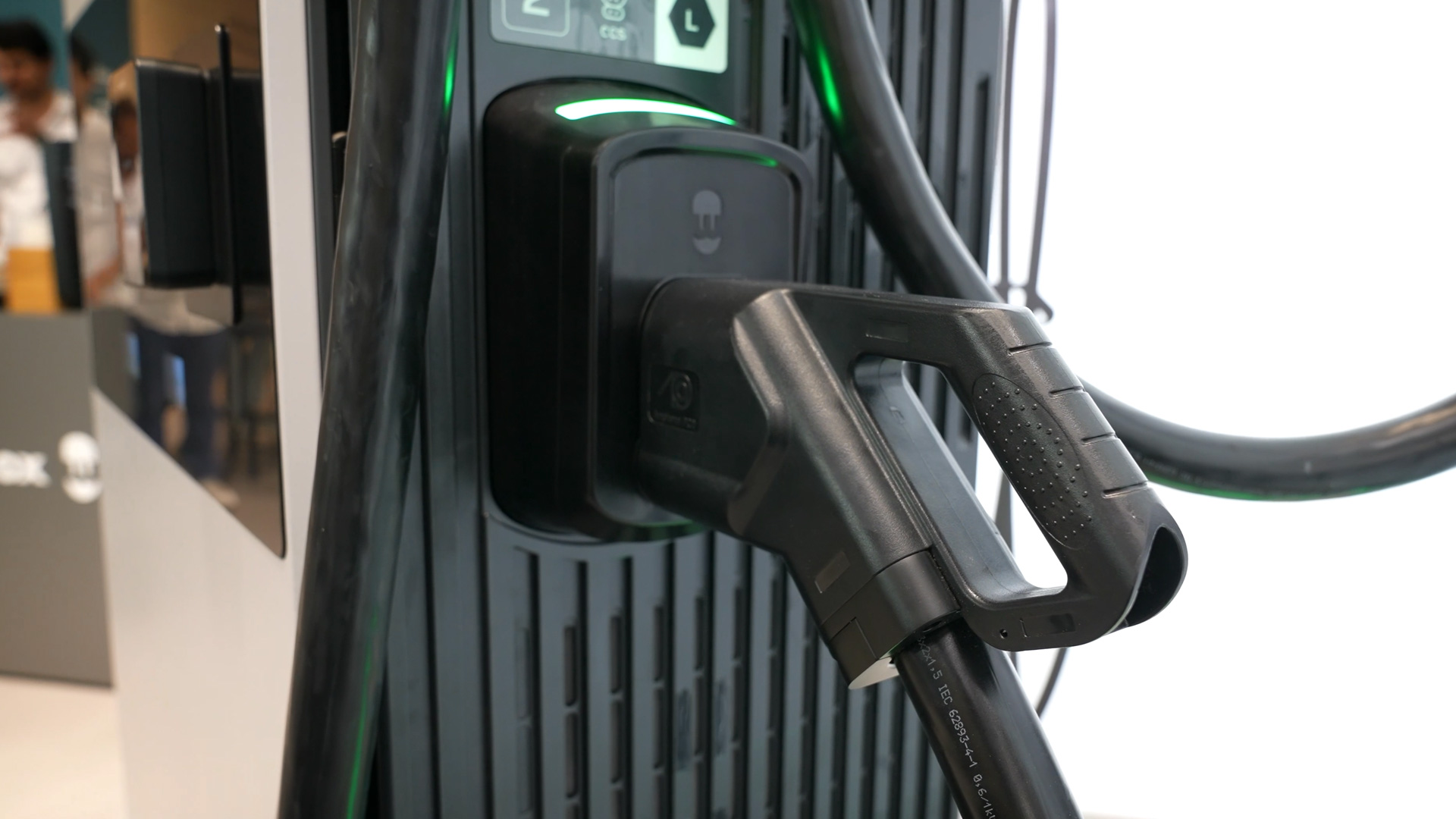

ABL presents Supernova with Power Ring
With the Supernova fast charger, ABL is expanding its portfolio in the field of high-performance DC charging. The system is available in Germany with a charging power of up to 220 kilowatts and complies with calibration regulations. Various power classes are available depending on the area of application. The system features two charging points and an integrated payment terminal, as well as the ability to intelligently connect multiple devices to one another. The focus is on the so-called Power Ring. This involves linking up to three fast chargers via additional DC cabling. This allows the power modules of several devices to be shared. As a result, charging capacities of up to 400 kilowatts can be achieved at individual charging points without each station having to be fully equipped with the maximum number of power units. This concept opens up new possibilities, particularly at locations with fluctuating utilisation rates. Often, not all charging points are in use at the same time. The spare power from other units can therefore be flexibly made available to a vehicle that needs to charge particularly quickly.
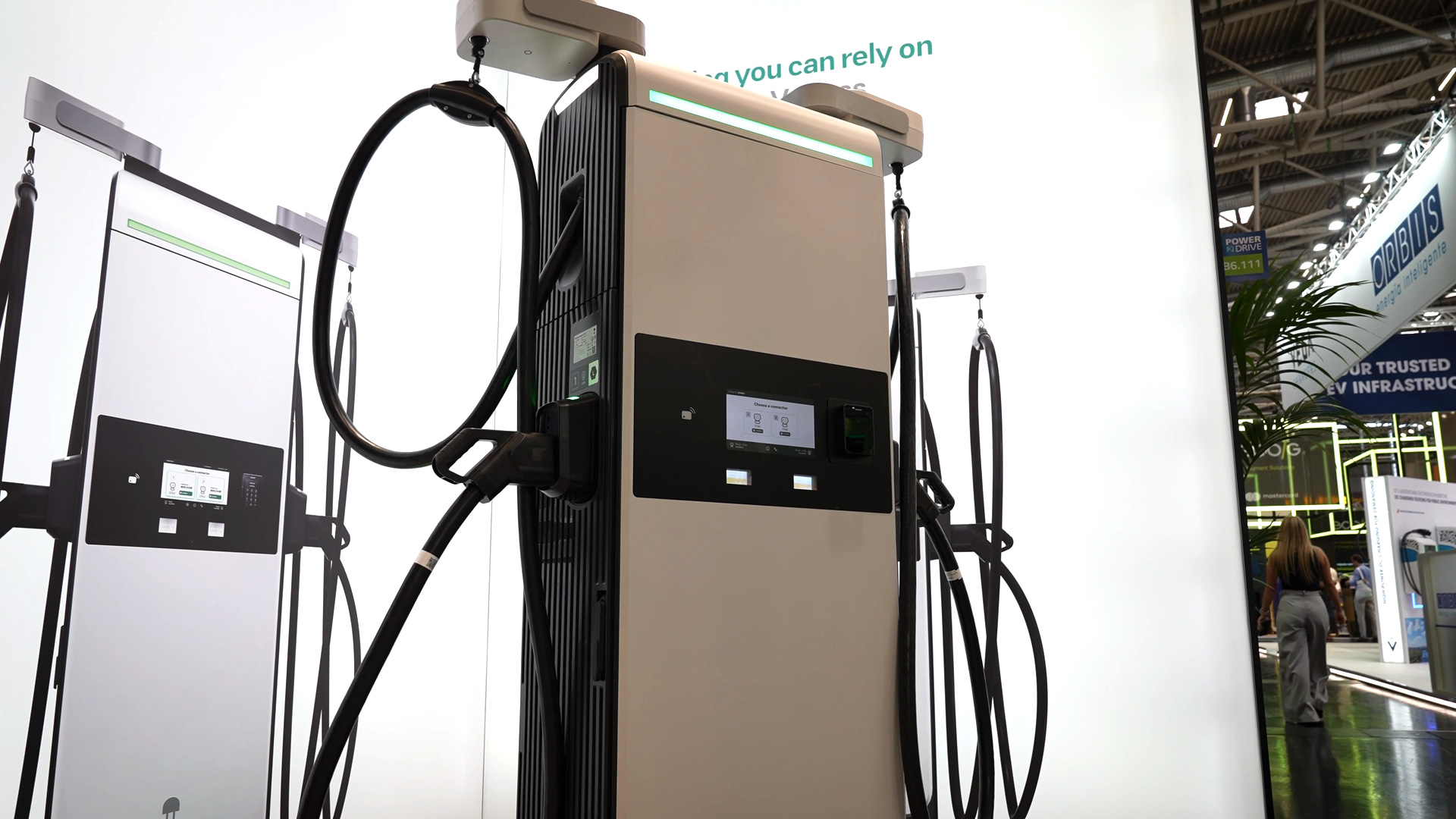
Shared power reduces investment costs
The concept takes an economic approach. Power modules are among the most cost-intensive components of a fast charger. If these are shared within a network, the investment required is lower than if every single charging point were fully equipped. Operators of public charging parks benefit from this in particular. They can provide high charging power without having to permanently configure all charging points for maximum power. This improves the business case whilst also increasing flexibility when operating larger facilities. The system’s key features:
- DC fast chargers with up to 220 kilowatts of charging power in Germany
- Power Ring connects up to three chargers to form a network
- up to 400 kilowatts possible at a single charging point
- shared use of existing power modules
- Compliance with metrology regulations, payment terminal and two charging points
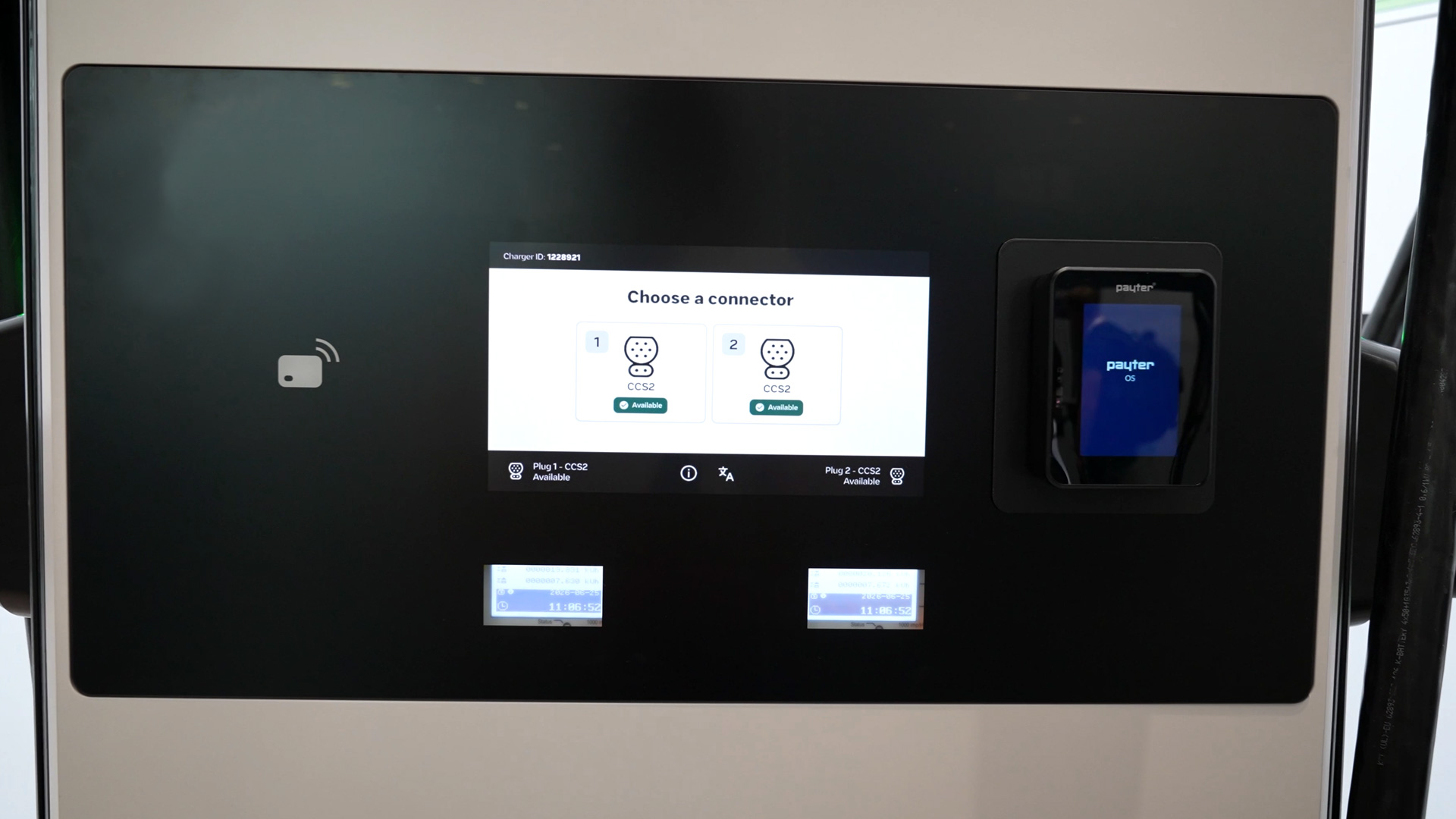
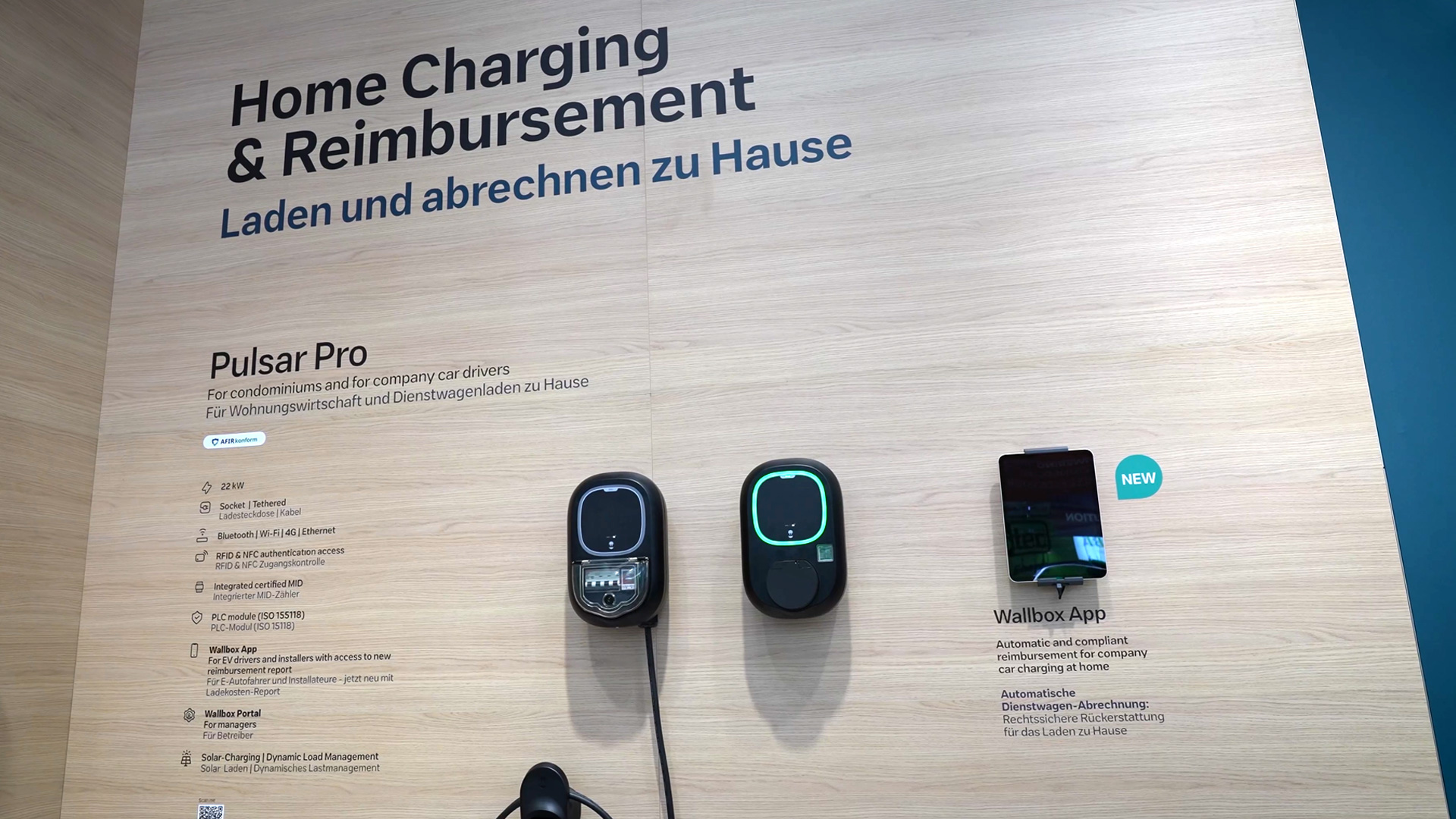
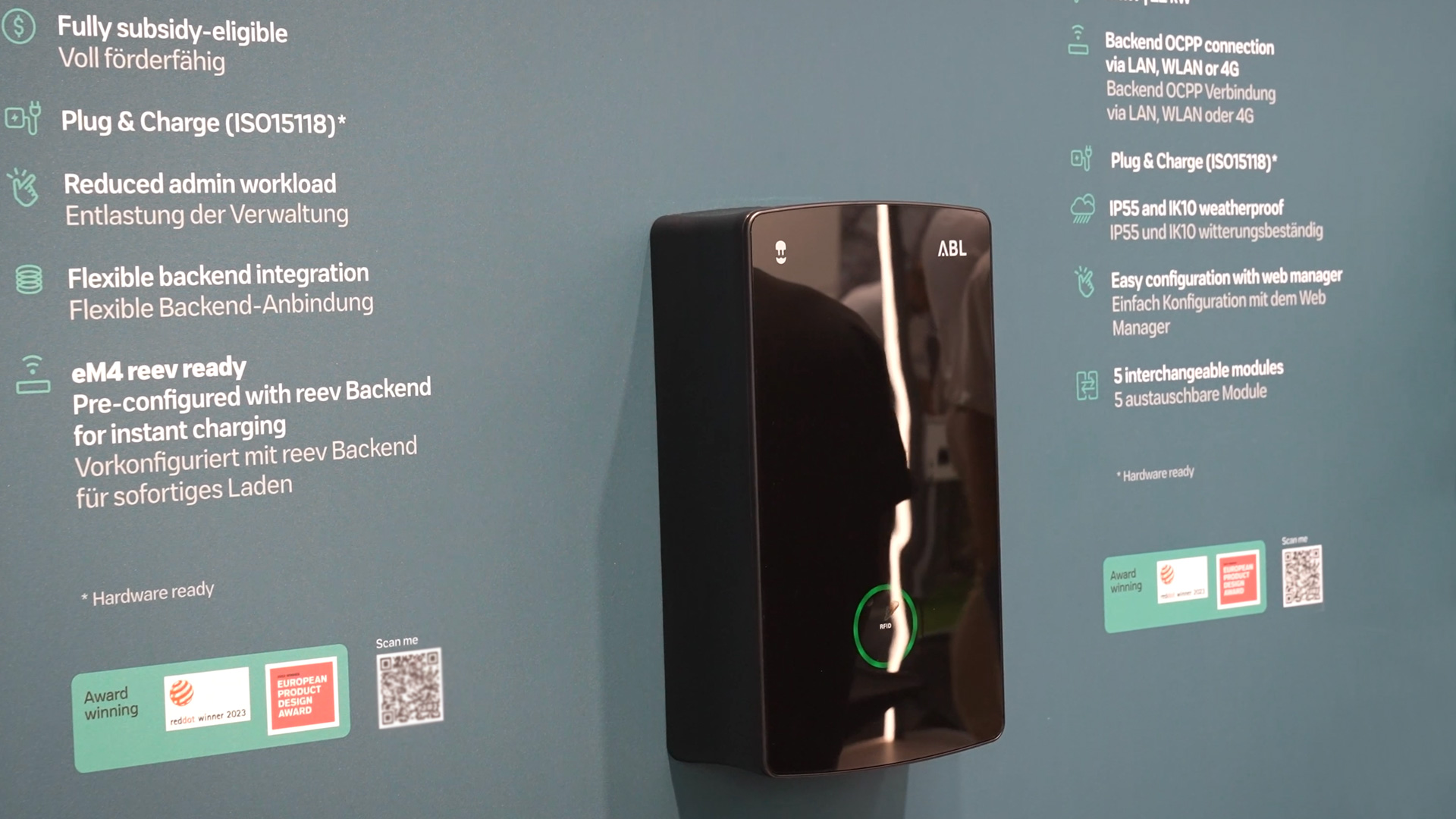
ABL combines wallboxes, AC and DC charging
However, the new fast charger forms only part of the portfolio. ABL’s approach is to cover all areas of the charging infrastructure. The range starts with wallboxes for private use, includes AC charging solutions for businesses and car parks, and extends to high-performance DC fast chargers for public charging parks. It is precisely this breadth of options that is becoming increasingly important. Many projects today combine different charging scenarios within a single site. Employees charge their vehicles via a wallbox or AC charging points during working hours, visitors use high-power fast-charging points, and fleet vehicles require both options depending on their usage profile. For planners and operators, this means fewer interfaces. Hardware and software come from a single source, as do the associated applications for control, billing and operation. The wallbox is therefore no longer regarded as an isolated product, but as part of a comprehensive, end-to-end concept for different charging requirements.
Combined charging parks are gaining in importance
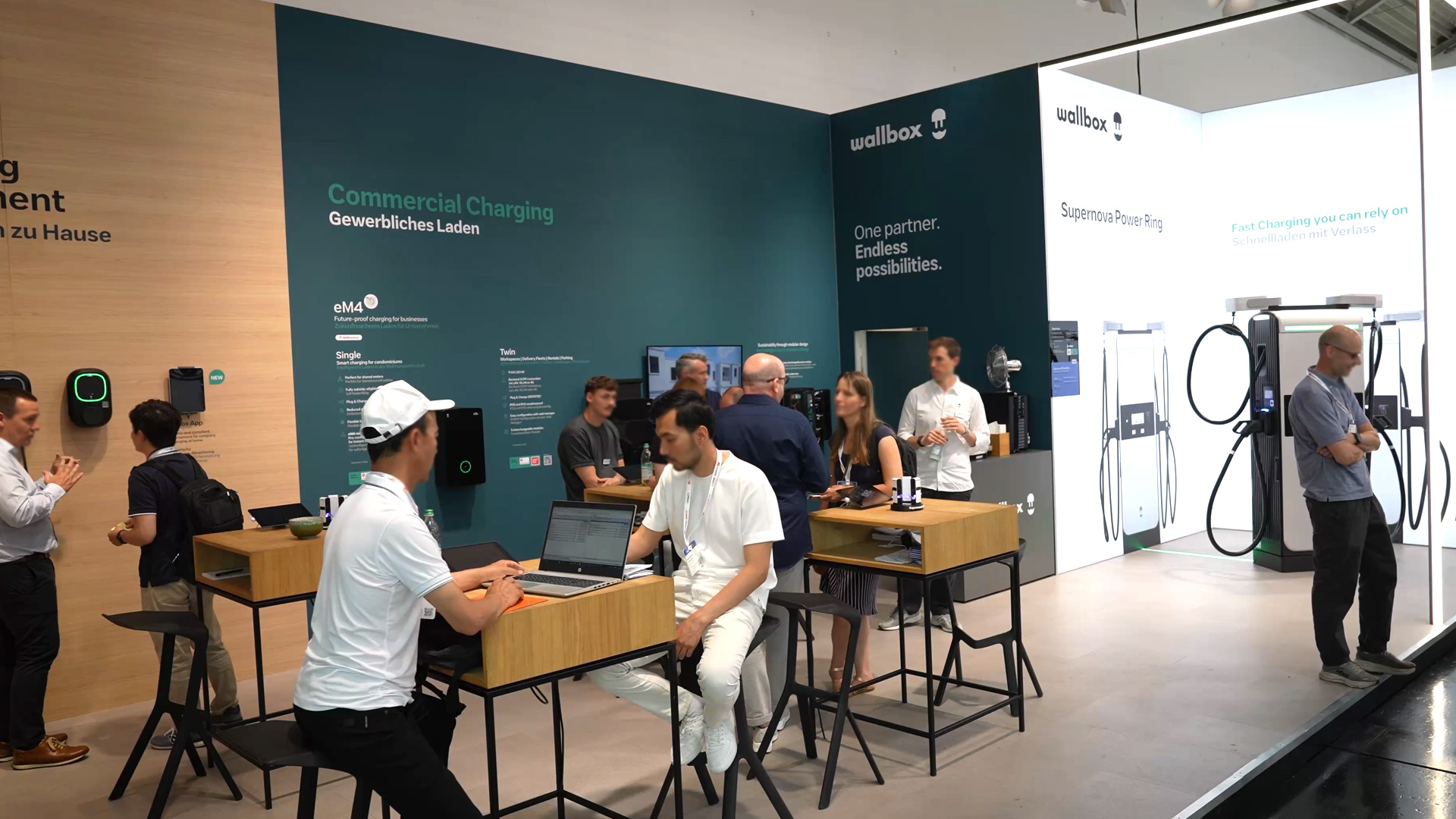
According to the company’s assessment, combined charging parks will continue to grow in importance in the future. Locations such as shopping centres, hotels, logistics companies or transport hubs are increasingly required to provide both AC and DC charging points. The wallbox remains cost-effective for longer charging times, whilst fast chargers enable short charging breaks. These different areas of application call for a common technical platform. In addition to the hardware, the offering therefore also includes software, apps and the management of charging points. This allows different power classes to be managed centrally and flexibly adapted to the respective requirements.
Smart systems define the next stage of development
As electric mobility continues to grow, demands are rising not only in terms of charging capacity but also in terms of infrastructure utilisation. Operators must deploy their investments as efficiently as possible whilst being prepared for increasing vehicle power outputs. The Supernova Power Ring demonstrates an approach to distributing existing capacity more intelligently. At the same time, ABL’s portfolio illustrates that modern charging infrastructure has long since ceased to consist of individual products. Wallboxes, AC charging stations and DC fast chargers are increasingly converging into networked systems that cover different use cases within a shared infrastructure and can be operated cost-effectively.
Trade fair reporting Germany - Trade fair knowledge, dates & events


