Charging solutions for electric trucks are developed through practical application
by A. Bergmeier - 2026-06-29The electrification of road freight transport is gathering pace. As new battery-electric lorries are introduced, the need for suitable charging infrastructure is growing in tandem.
For many haulage and logistics companies, the question is no longer whether electric mobility works in principle, but how vehicles, charging points and operational processes can be economically coordinated. This planning phase often proves to be a decisive factor for success. At Power2Drive Europe in Munich, Daimler Truck therefore showcased not only vehicles but, above all, consultancy and planning concepts for developing bespoke charging solutions.
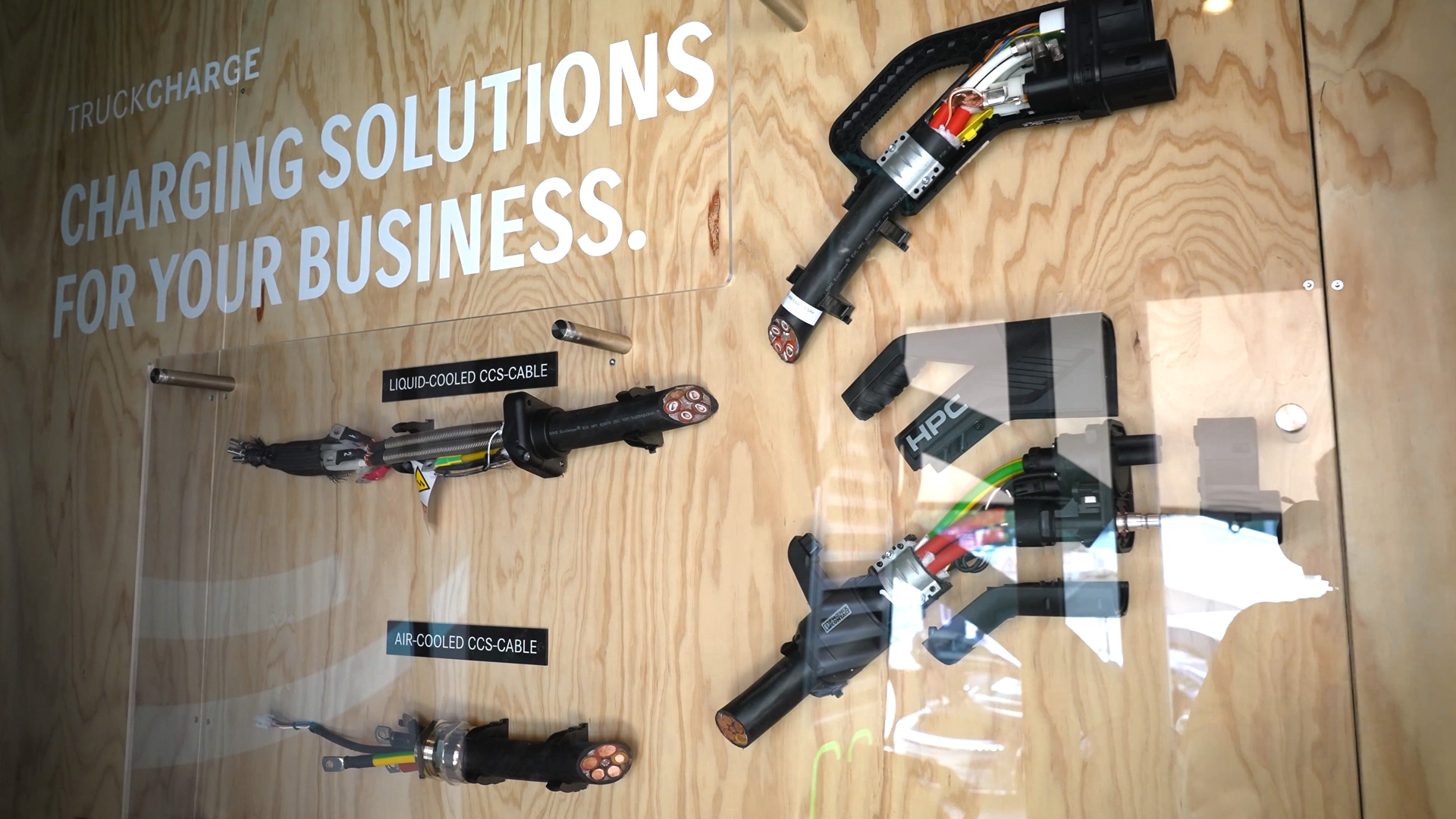

Daimler Truck plans charging infrastructure in collaboration with logistics companies
According to the company’s assessment, the transition to battery-electric lorries does not begin with the selection of a vehicle, but with a detailed analysis of the respective fleet. Existing routes, mileage and operational profiles are evaluated in collaboration with customers. Subsequently, an assessment is carried out to determine which routes can already be electrified cost-effectively today and what charging infrastructure is required for this. It becomes apparent that one-size-fits-all solutions rarely work. Whilst high-power fast chargers are necessary for some applications, in other cases a significantly lower charging capacity is sufficient. Vehicles parked overnight at the depot can often be fully charged for the next day’s operations using a 50-kilowatt charging point. The much-anticipated 400-kilowatt charging points are therefore by no means necessary in every scenario. This tailored approach is designed to help companies target their investments specifically at actual needs and avoid unnecessary costs when setting up the charging infrastructure.
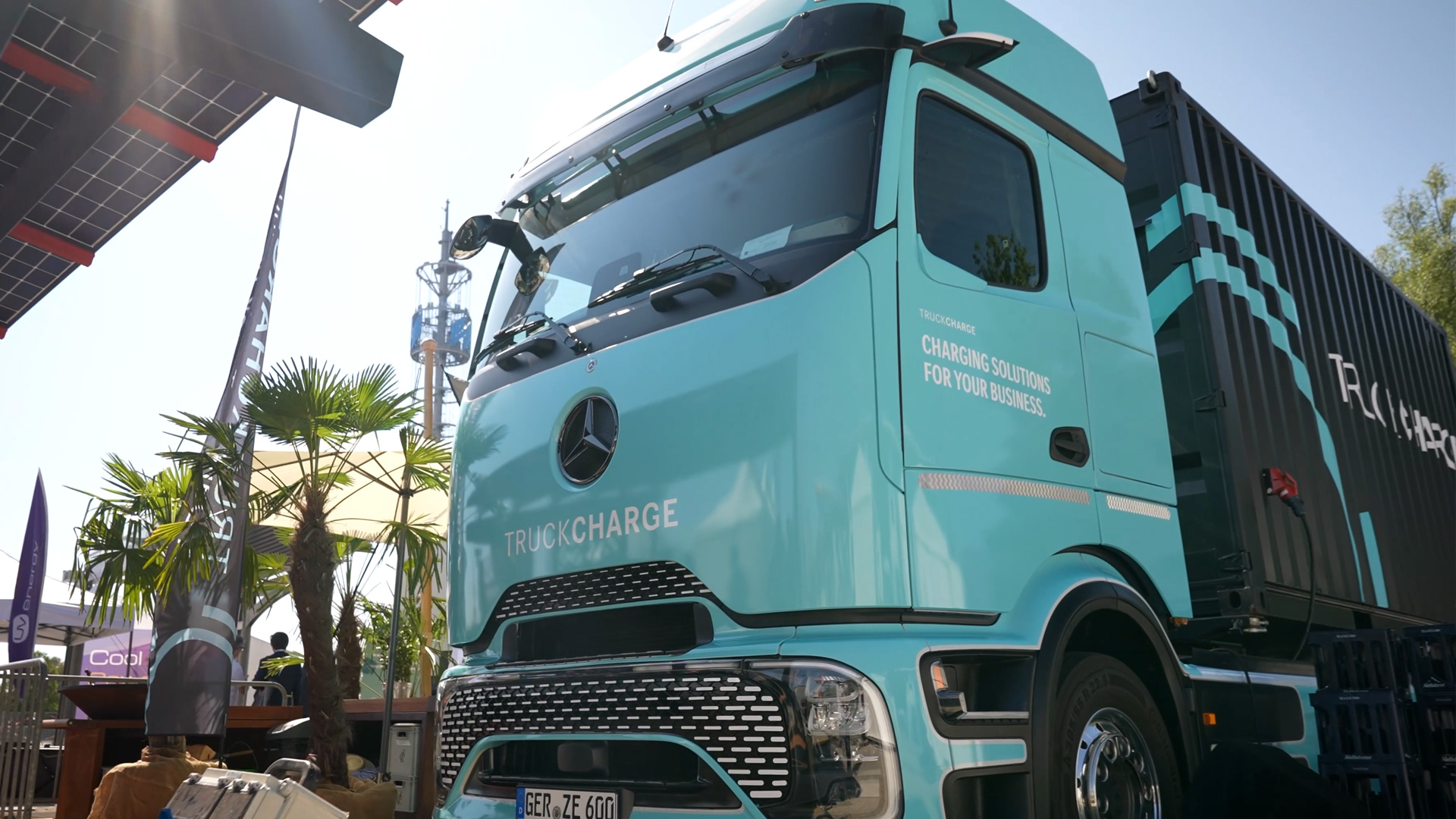
Route planning is key to successful operations
An important part of the consultancy service is the analysis of specific transport tasks. This involves more than just considering distances; information on vehicle types, payload, refrigerated transport or dry freight is also factored into the planning. Even international routes can be assessed in this way. For a journey from Munich to Porto, for example, suitable public charging points along the route would be identified and compared with operational requirements. Together with the customer, this results in a charging concept that takes downtime and energy supply into account. For such applications, Daimler Truck also utilises public fast-charging networks, including charging points operated by the joint venture Milence. By combining depot charging with public infrastructure, it should be possible to electrify even longer transport routes cost-effectively. The key components of the planning process are:
- Analysis of existing driving profiles and routes
- Assessment of suitable charging capacities at the depot
- Integration of public charging infrastructure on long-distance routes
- Consideration of vehicle type and transport task
- Cost-effective design of the entire charging infrastructure

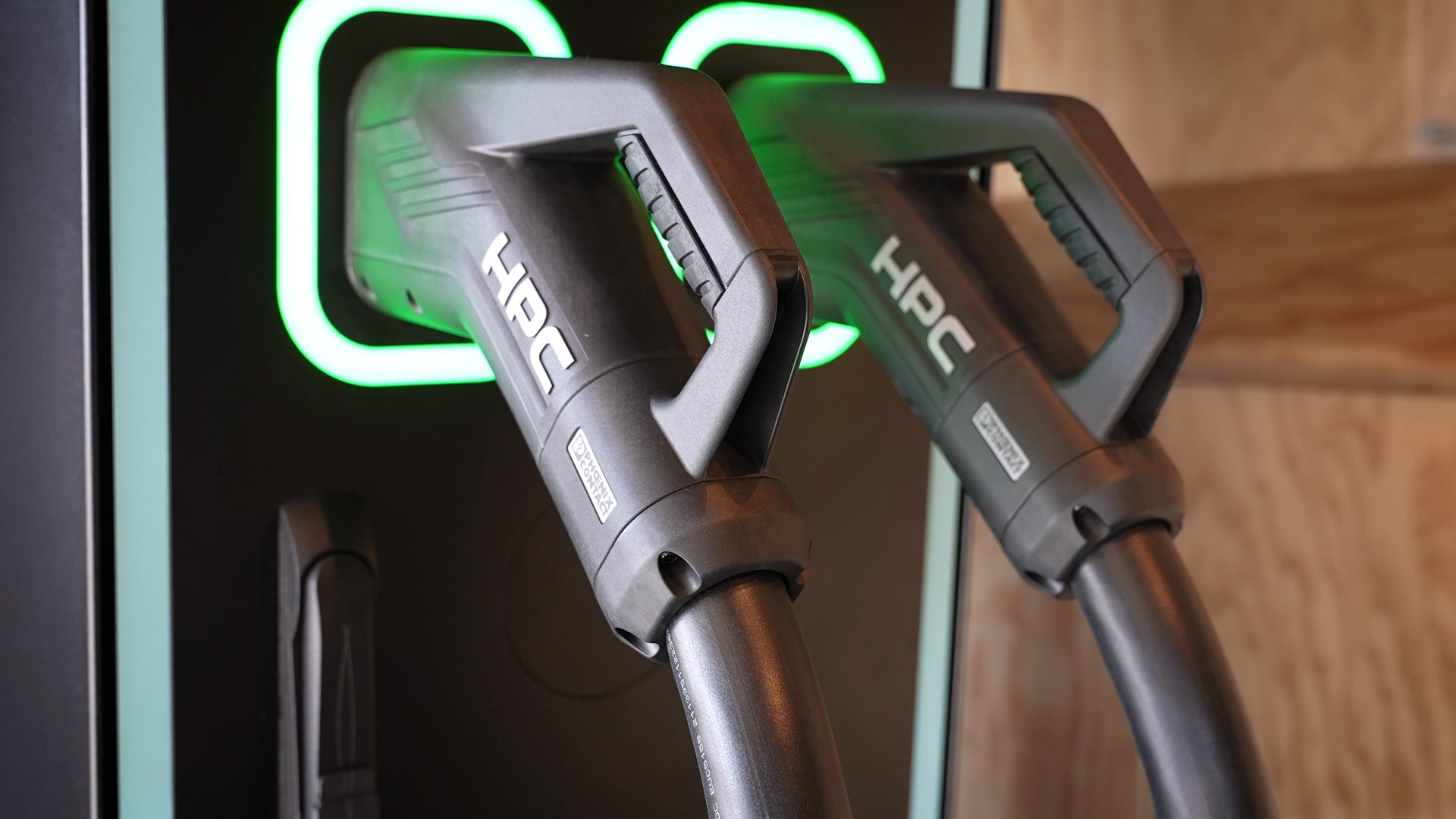
Digital tools calculate cost-effectiveness
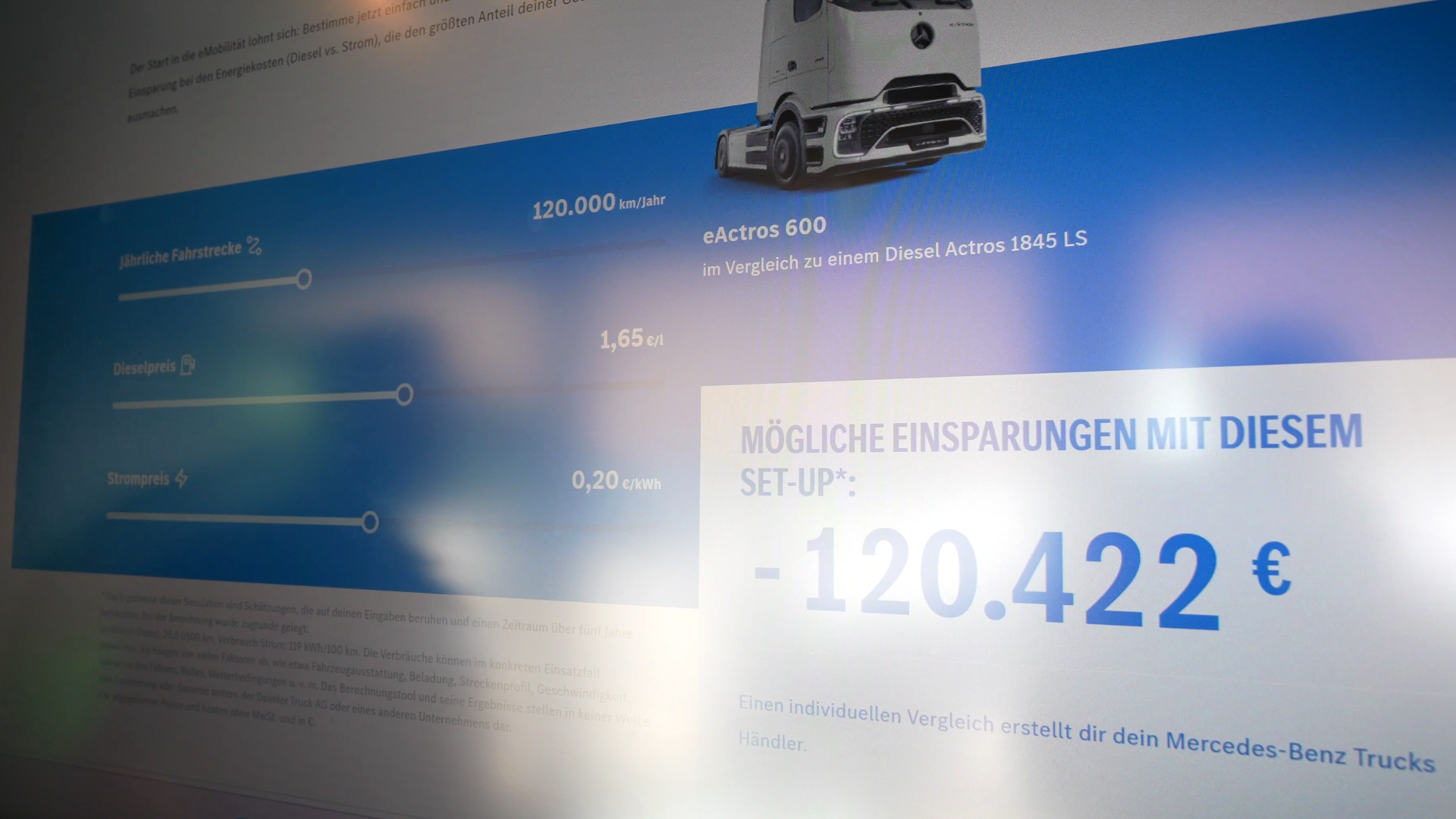
In addition to personalised advice, Daimler Truck provides various digital tools that enable companies to carry out initial calculations themselves. These include energy cost calculators, CO₂ calculators and route planners for battery-electric lorries. By entering just a few details, such as annual mileage, diesel price and electricity costs, the operating costs of different powertrain concepts can be compared. According to the company, under certain conditions this can result in potential savings of up to 120,000 euros per vehicle over its service life. Such calculations are intended to help companies make investment decisions based on their own operational data. At the same time, they help to address existing reservations about electric mobility using concrete figures.
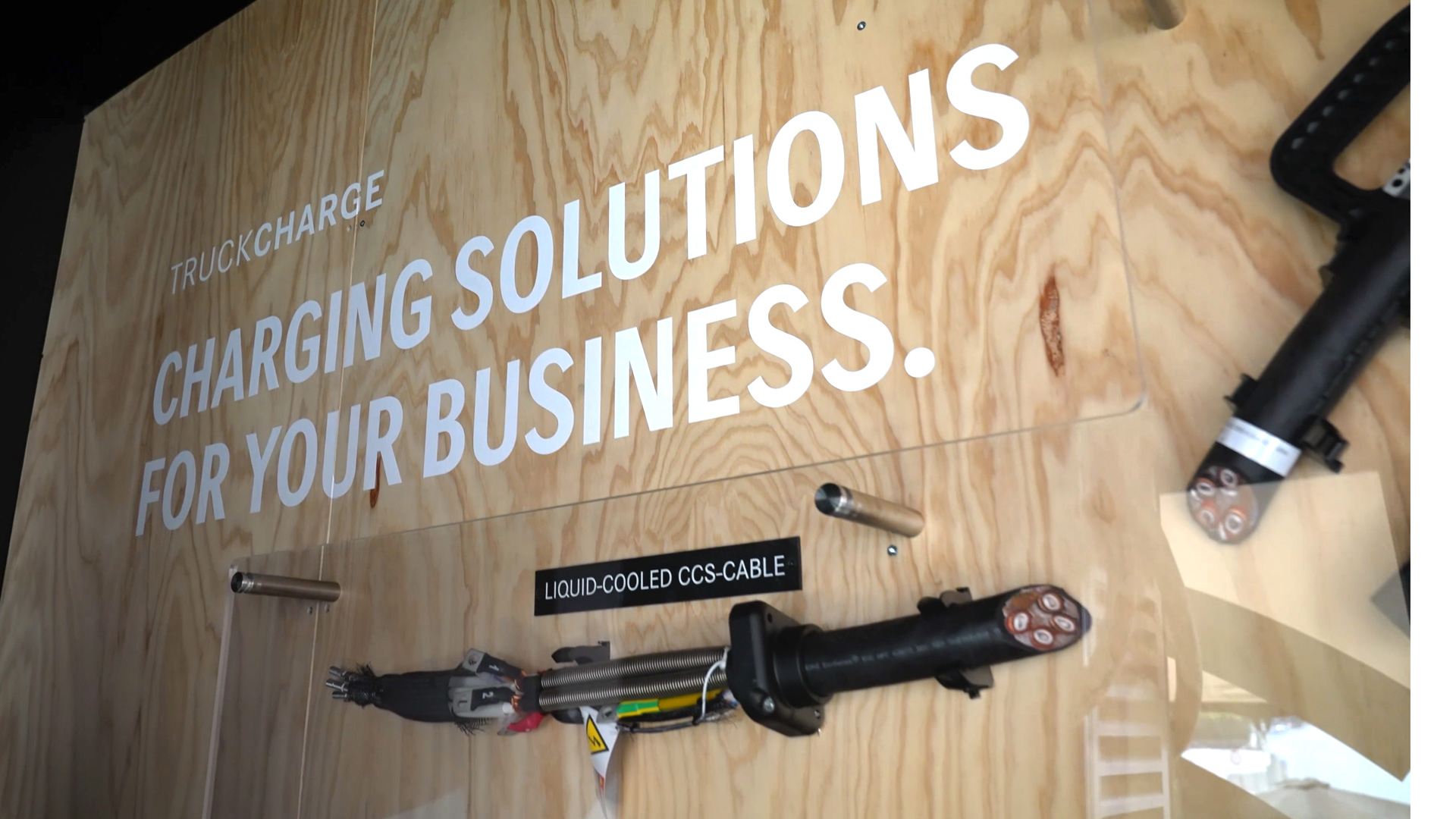
Consultancy aims to alleviate uncertainties surrounding the transition
In the company’s view, many uncertainties stem less from technical limitations than from a lack of experience. Simplified notions about range, charging times or required charging power are still widely held, yet these no longer fully reflect the current state of the art. For this reason, the consultancy service is also intended to support the transformation process. The aim is to dispel preconceptions and demonstrate, using specific operational profiles, which applications can already be electrified economically today. According to the manufacturer, companies that are already using their first battery-electric lorries in particular report falling energy costs and positive experiences in day-to-day operations. At the same time, however, there is a growing need for careful operational planning, particularly for more complex transport tasks.

Battery and hydrogen complement each other in heavy goods transport
Alongside battery-electric lorries, Daimler Truck continues to develop hydrogen-based powertrain concepts. The commercial vehicles from the Mercedes-Benz brand represent a technology-neutral approach, in which different powertrain solutions are used depending on the operational profile. Whilst battery-electric vehicles demonstrate their strengths particularly in regional transport and where charging times can be planned, hydrogen lorries could offer advantages in the future where very long ranges or short refuelling times are required. Customer trials with such vehicles are already underway. This suggests that there will be no single standard powertrain for heavy goods transport. Rather, the specific area of application is likely to determine which technology represents the most cost-effective solution in future. Precise planning of the charging or refuelling infrastructure remains crucial – as it forms the basis for the cost-effective operation of electrified logistics fleets.
Trade fair reporting Germany - Trade fair knowledge, dates & events


