Daimler automotive group with a technological focus
Daimler AG is one of the defining companies in the global automotive industry and is closely linked to the history of the automobile. Over more than a century, the company has evolved from a pioneering enterprise into a global provider of mobility solutions. Today, its business extends beyond traditional vehicles to include services, digital systems and new drive technologies.
The origins of Daimler and Benz
The roots of the company date back to the late 19th century. Gottlieb Daimler and Carl Benz independently developed the first motorized vehicles powered by internal combustion engines. This innovation is considered the starting point of the modern automotive industry. In 1926, the two companies merged to form Daimler-Benz AG, creating an industrial foundation that combined technical development with series production.
Expansion into an international group
Throughout the 20th century, Daimler developed into a globally operating company. Production facilities were established internationally, and the product range was continuously expanded. In addition to passenger cars, the portfolio grew to include commercial vehicles, buses and specialized vehicles. At the same time, processes were standardized to enable efficient large-scale production.
Articles to Daimler on Messe.TV
Electric trucks need suitable charging solutions
The electrification of road freight transport is gathering pace. As new battery-electric lorries are introduced, the need for suitable charging infras... Daimler Truck plans charging infrastructure with logistics companies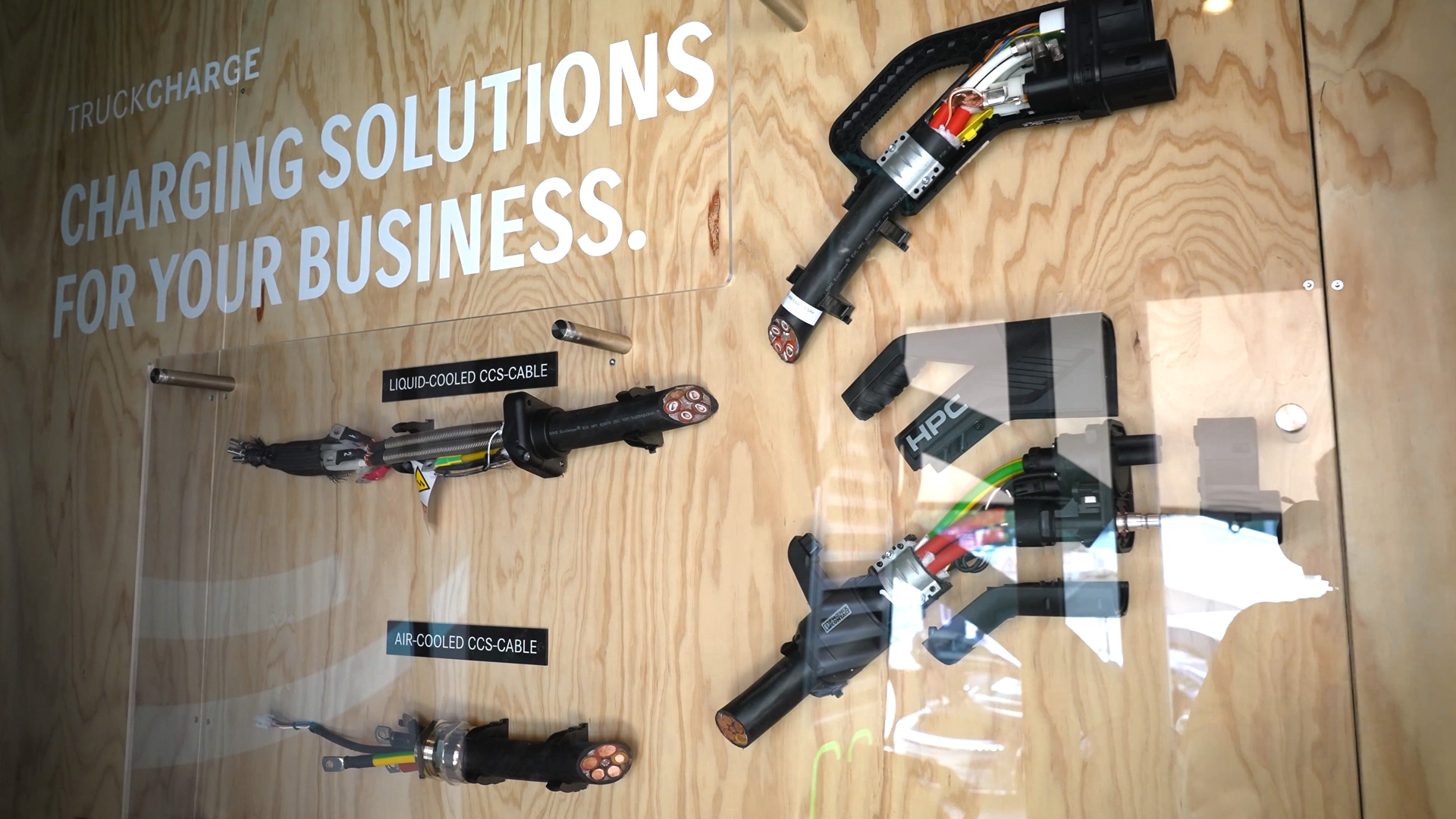
Core business areas combining premium vehicles, commercial vehicles and services
Daimler operates across several core segments serving different markets:
- premium vehicles in the passenger car segment
- commercial vehicles for transport and logistics
- services and mobility solutions

A product portfolio covering diverse vehicle classes
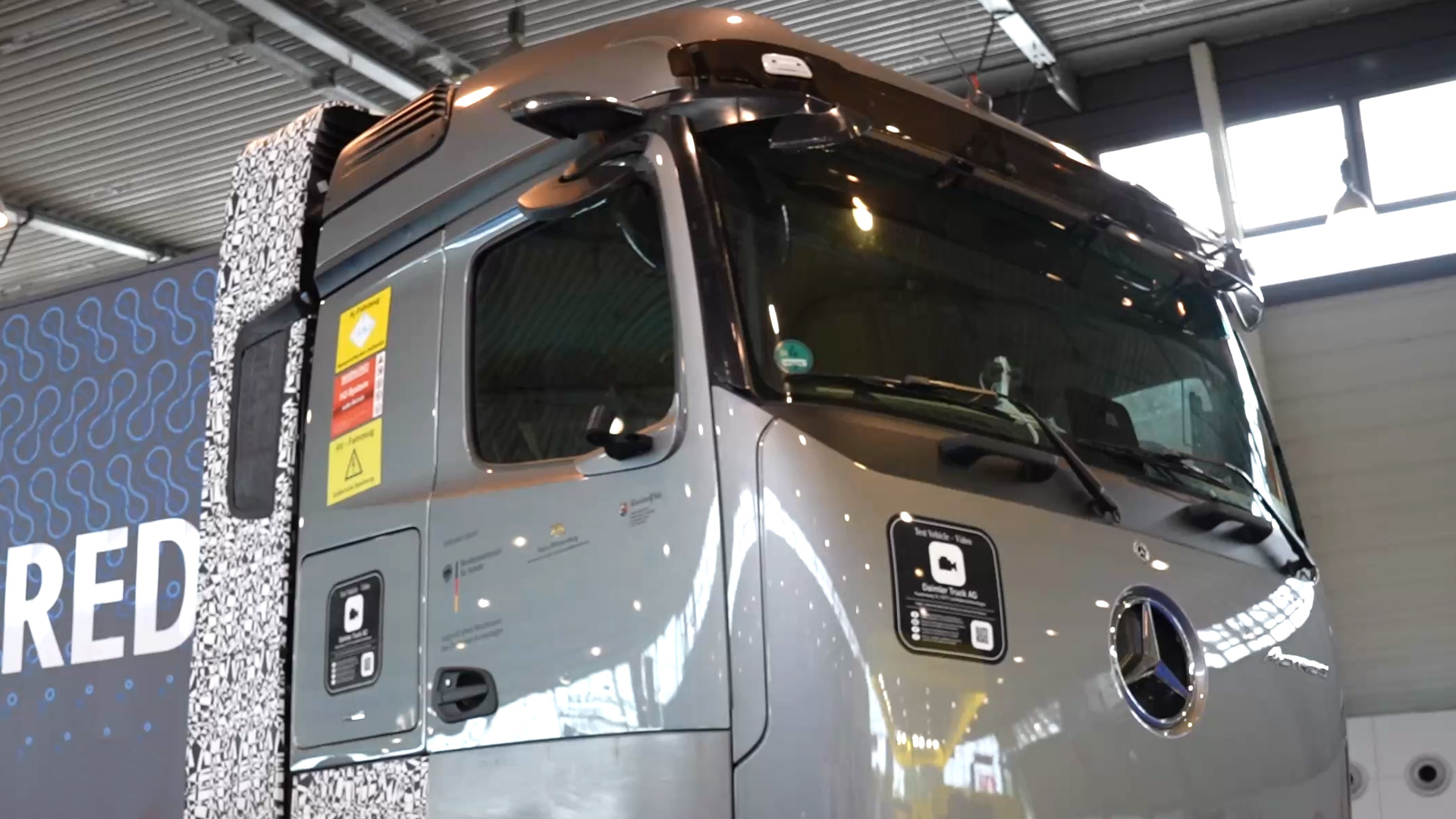
The portfolio ranges from sedans and SUVs to heavy commercial vehicles and specialized transport solutions for industrial operations. Passenger cars primarily serve the premium segment, combining comfort, advanced engineering and high-performance technologies for private and business mobility. Trucks, buses and vans are widely used in industrial, municipal and logistics applications, where reliability, durability and efficiency play a decisive role in daily operations. At the same time, electric platforms, battery technologies and software-based vehicle systems are becoming increasingly important across all vehicle categories. Digital interfaces, connected services and automated assistance functions are now integrated into many modern mobility concepts. This development reflects broader changes in the automotive industry, where mechanical engineering is increasingly linked with software architecture, data processing and energy management.
Established brands and technological developments shaping perception
A key component is the Mercedes-Benz brand, which stands globally for quality, safety, engineering expertise and technical innovation. Over many decades, the brand has become associated with premium mobility, advanced comfort systems and high manufacturing standards. Technologies such as driver assistance systems, active safety concepts, alternative powertrains and intelligent vehicle networking have been developed continuously and refined through long-term engineering processes. In addition to passenger vehicles, the company has also contributed to developments in commercial transportation and industrial mobility solutions. Research and development activities focus not only on performance and efficiency but also on environmental requirements, digital integration and future-oriented mobility systems. Many innovations introduced in premium vehicles later influence broader automotive markets and supplier industries worldwide.
A corporate approach linking engineering and application
Daimler follows an approach in which technological development is closely connected to production processes, industrial manufacturing and real-world application scenarios. Innovation is not treated as an isolated laboratory concept but as part of an integrated system involving vehicle engineering, manufacturing structures, logistics processes and long-term operational use. This creates a close relationship between research, production and customer requirements across different industries. Topics such as electric mobility, digitalization, automated driving systems and sustainability are becoming increasingly central within corporate strategy and technological planning. Software platforms, connected vehicle ecosystems and data-driven functions are now considered essential components of modern mobility concepts. At the same time, industrial production processes are adapting to changing energy systems, supply chains and international market requirements.
Premium positioning and global production structure
Daimler competes internationally through technology, engineering quality, manufacturing expertise and strong global brand recognition. Its market position is defined by the combination of advanced engineering capabilities, industrial-scale manufacturing and an extensive international production and sales network. Production facilities, development centers and logistics structures operate across multiple regions, supporting global distribution and market-specific vehicle requirements.
Trade fair reporting Germany - Trade fair knowledge, dates & events


