Mercedes-Benz: Automobiles and innovations
Mercedes-Benz is one of the defining brands in automotive history and also stands for a present in which mobility is being reorganized technically, ecologically, and digitally. The name is associated with premium vehicles, but also with developments that go far beyond design issues: drive technology, safety systems, manufacturing processes, and software play a central role. Mercedes-Benz addresses private buyers as well as fleets and commercial users – with sedans, SUVs, vans, and commercial vehicles. The brand remains closely linked to Stuttgart, but operates globally and develops its platforms and technologies for different markets and requirements.
Historical roots and brand building
Mercedes-Benz was formed in 1926 through the merger of Daimler-Motoren-Gesellschaft and Benz & Cie. Looking back, an important origin of motorization can be traced back to 1886, when Karl Benz set a milestone with his patented motor car. From this early phase, a brand identity developed that continues to have an impact today: technology should not only function, but also set standards. This is evident historically in many areas—from engine development and chassis to safety concepts—and shapes the perception of the company as a manufacturer that understands engineering as a brand promise.
Model range between everyday and high-end
Today's product world ranges from compact vehicles to large sedans and SUVs, supplemented by vans and special solutions for commercial use. In many segments, Mercedes-Benz pursues a strategy of mapping different needs in a modular system: comfort, space, performance, efficiency, and assistance systems are weighted differently depending on the model series. This makes it easier for buyers to find their way around and at the same time ensures that the brand is not reduced to a single prestige product, but remains present in several usage scenarios.
Articles about Mercedes-Benz on Messe.TV
Mercedes-Benz GenH2 Truck: Fuel cell for long-distance transport
The Mercedes-Benz GenH2 Truck symbolizes the future of emission-free road freight transport. The vehicle is based on a fuel cell system from Cellcentr... Mercedes-Benz GenH2 Truck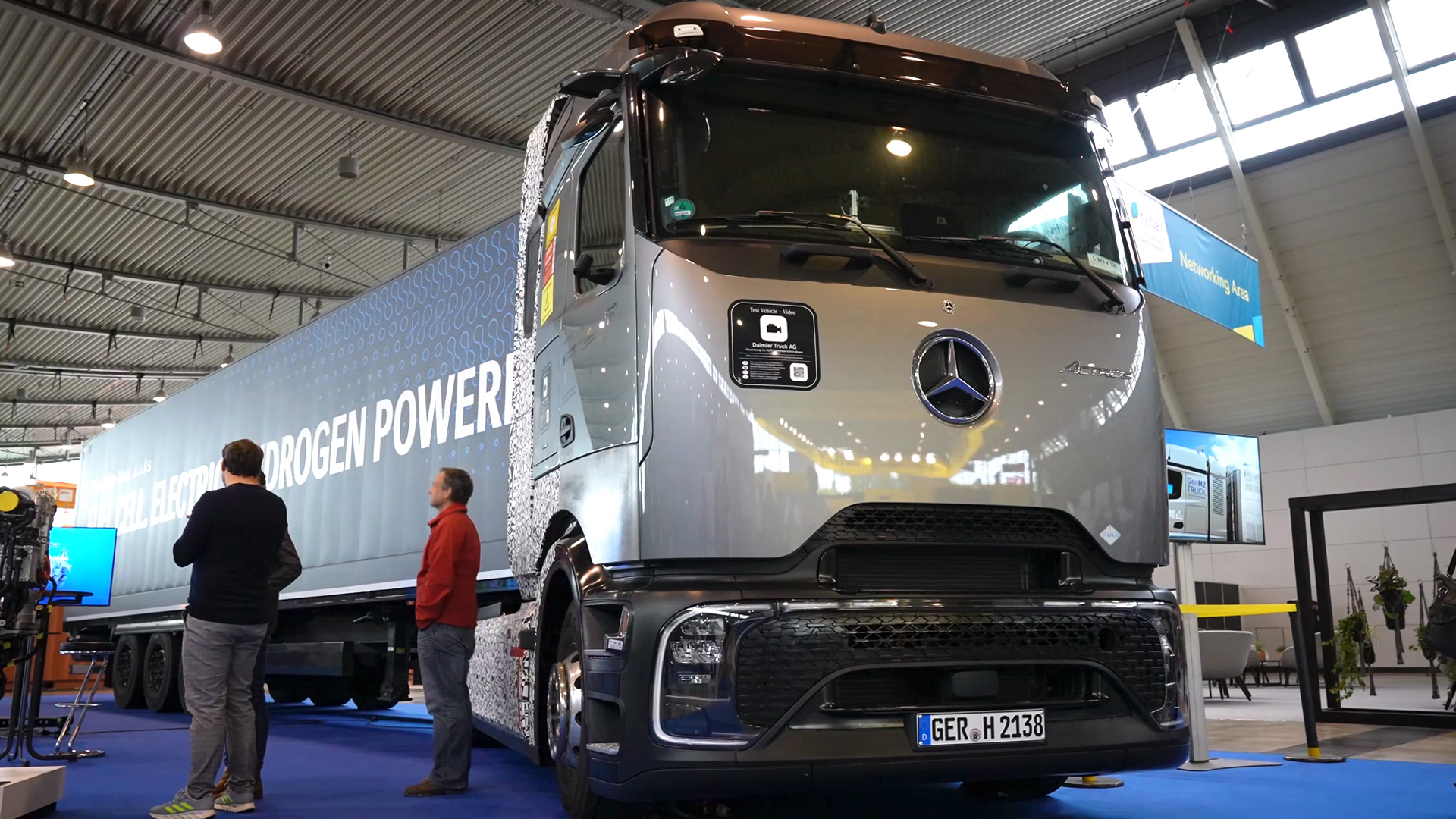
Mercedes GLC electric - premiere of the all-electric SUV
The new all-electric GLC from Mercedes-Benz took center stage at the IAA MOBILITY in Munich. The model brings the familiar GLC DNA into an uncompromis... Mercedes GLC electric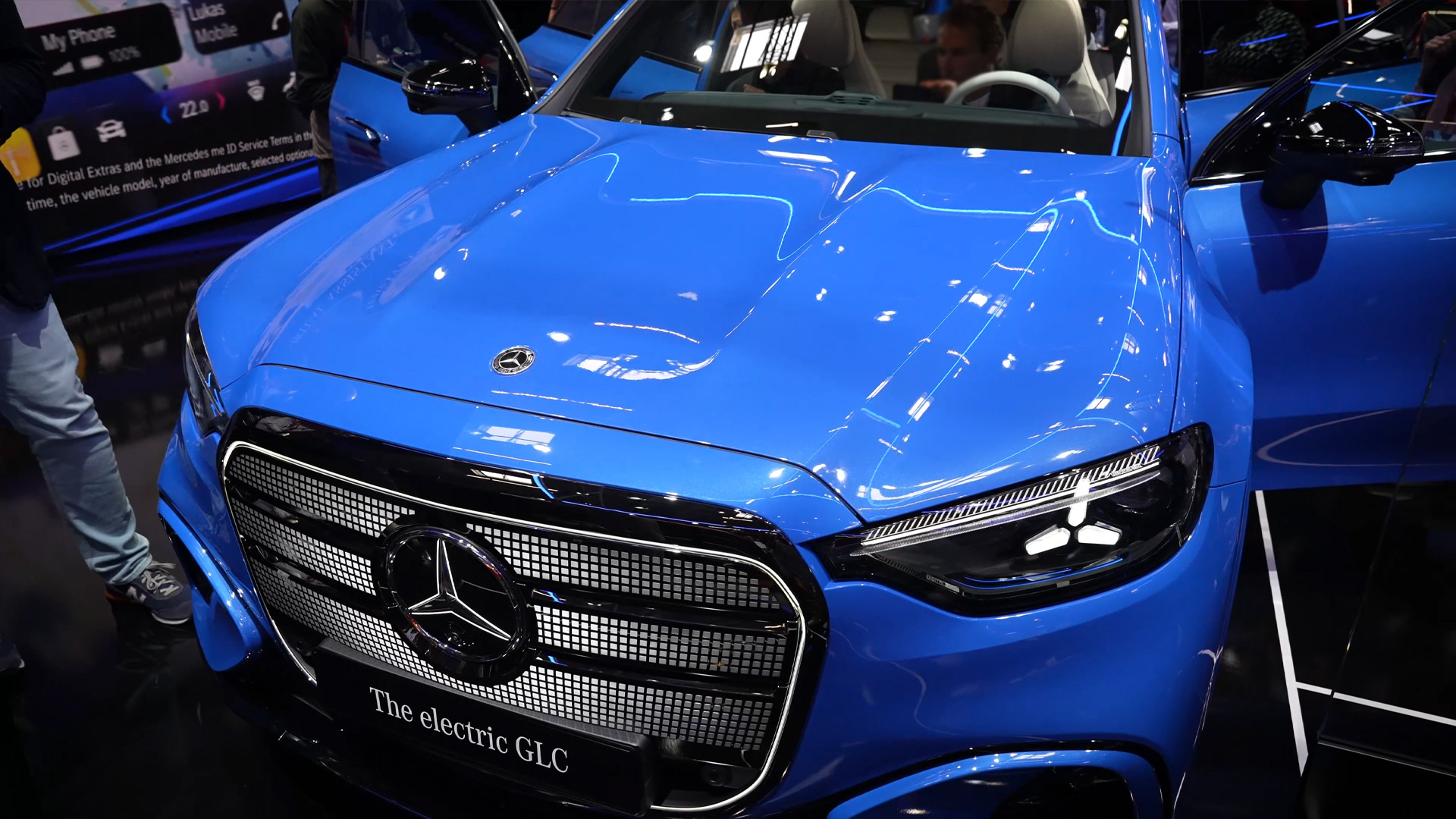
Mercedes-Benz: Unimog Tool carrier, bauma 2019
The Mercedes-Benz Unimog is an absolute classic. At bauma 2019, Mercedes-Benz will be presenting a Unimog implement carrier at the Munich trade fair t... Mercedes-Benz: Unimog Tool carrier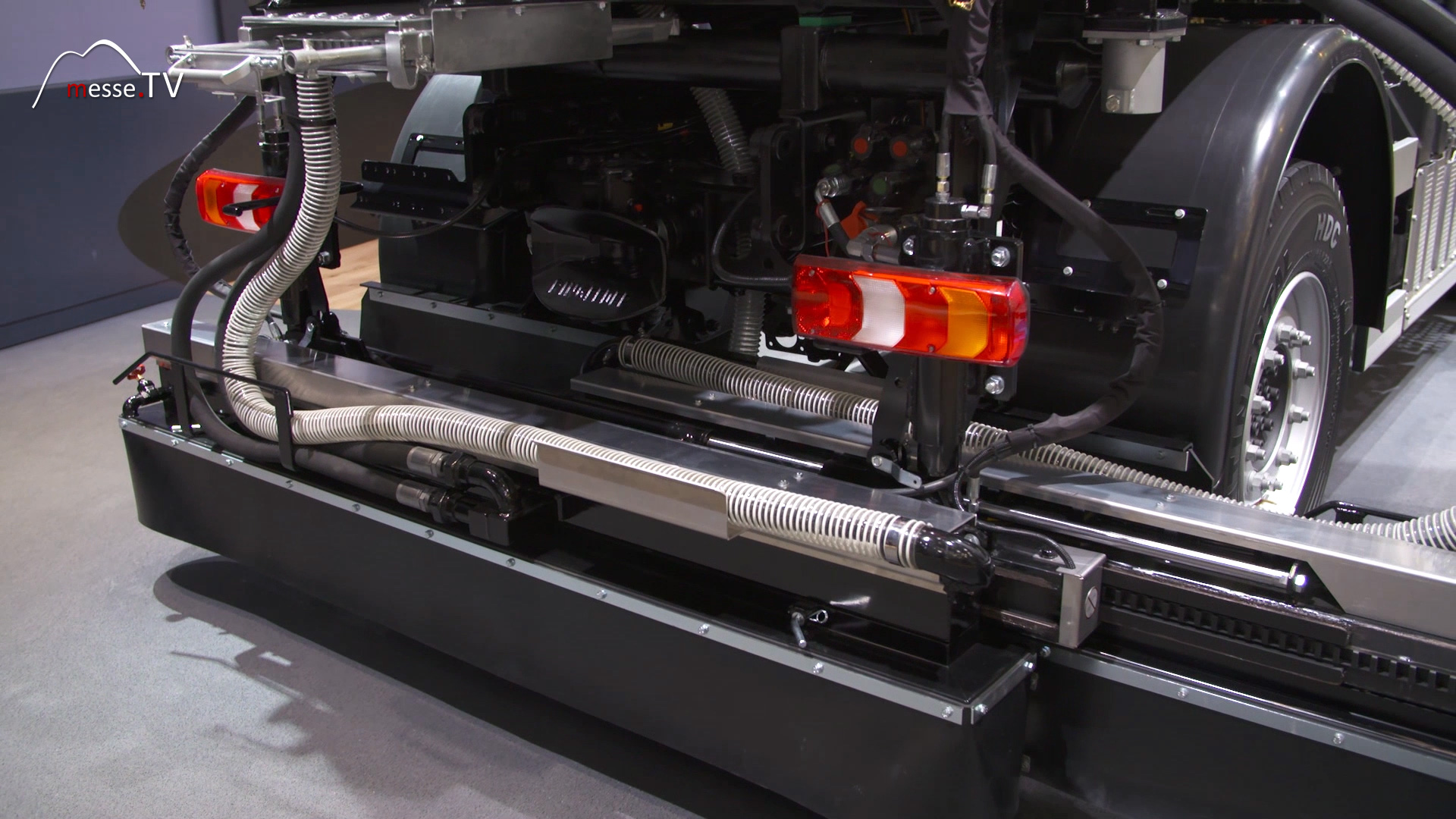
Mercedes-Benz Truck App Portal
The digitalisation of commercial vehicles is no longer progressing gradually, but structurally. It is no longer just about telematics data or individu... Mercedes-Benz Truck App Portal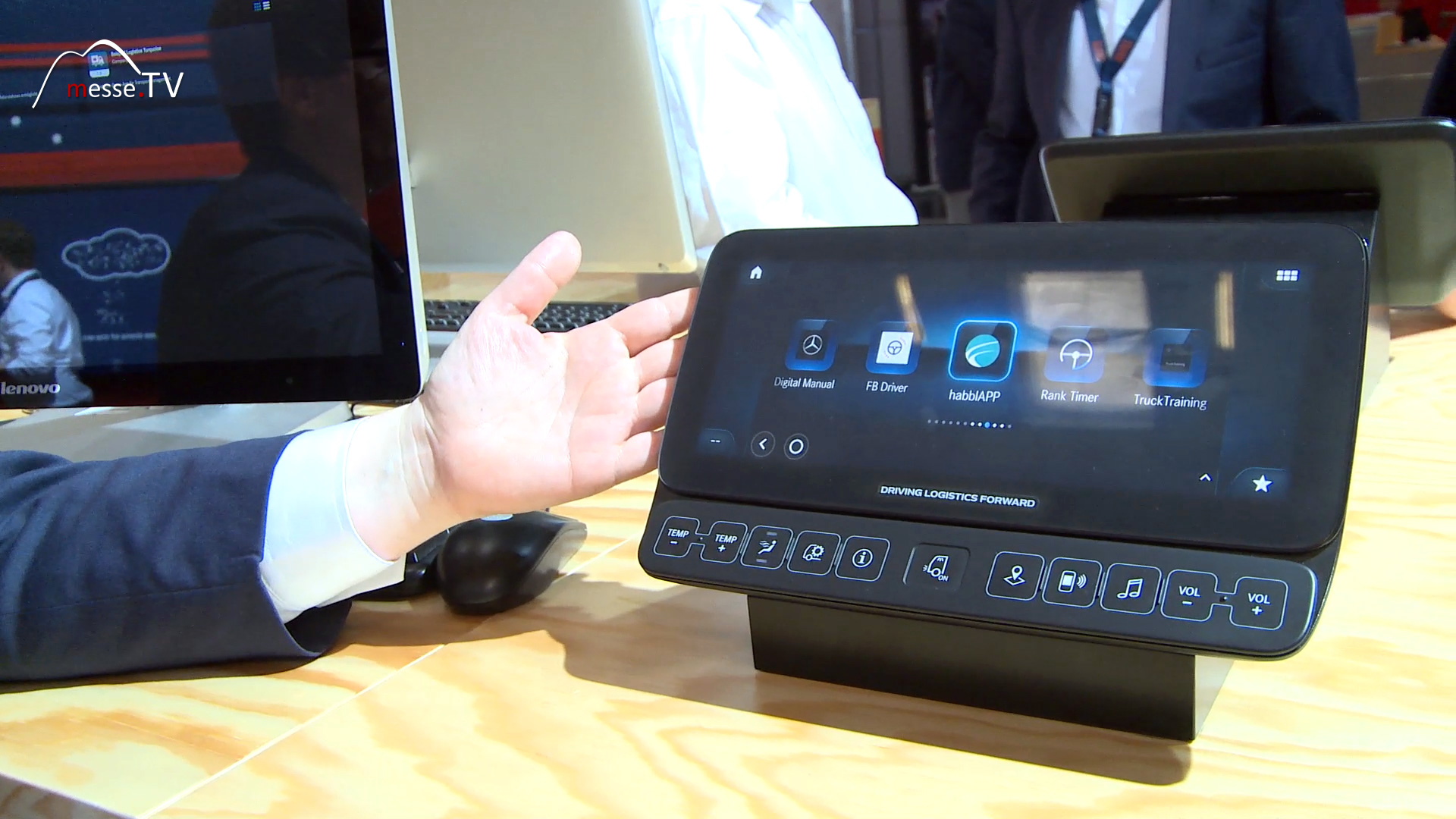
Electrification and new platforms
Electrification is a key development path. The EQ family has expanded the range of electric vehicles, flanked by hybrid variants in various model series. What is relevant for customers is not only the range, but also the suitability for everyday use as a complete system: charging planning, thermal management, software updates, and integration into digital services all influence the user experience. At the same time, vehicle architecture is changing as batteries, power electronics, and software take center stage. Mercedes-Benz is positioning itself as a manufacturer that does not treat electric mobility as a sideline, but as a long-term transformation of its portfolio.
Digitalization, assistance, and connected services
Modern vehicles are increasingly software platforms. Assistance systems provide support when driving, parking, and in traffic jams, while connectivity functions link navigation, entertainment, and vehicle status. For fleets and commercial vehicles, additional digital levels are added, such as applications for increasing efficiency or connecting to logistics processes. In the commercial sector in particular, it is becoming apparent that digitalization not only means convenience, but can also influence operating costs and utilization. Mercedes-Benz is therefore working on solutions that bring vehicles, drivers, and management closer together.
- Broad portfolio: Passenger cars, SUVs, vans, and commercial vehicles for different application profiles
- Electrification: Electric and hybrid models as a central development path
- Assistance systems: support in everyday situations and complex driving tasks
- Connectivity: digital services, updates, and integrable platforms
- Manufacturing and processes: focus on efficiency, quality, and more resource-efficient production
Sustainability, production, and strategic goals
Mercedes-Benz combines its technical realignment with sustainability goals that encompass production and supply chains. At its core, the aim is to reduce emissions, use energy more efficiently, and optimize vehicles more effectively throughout their entire life cycle. This applies to materials as well as the design of plants and processes. The key here is that innovation is not only visible in the product, but also in the way it is created. In a rapidly changing market, Mercedes-Benz remains a brand that draws on tradition – and actively promotes future topics through technology, software, and new drive systems.
Trade fair reporting Germany - Trade fair knowledge, dates & events


