Fast charging for electric fleets is becoming a systemic issue
by B. Velonavy - 2026-07-06Electric buses, lorries and autonomous fleets place different demands on charging infrastructure than a single passenger car. In a depot, numerous vehicles must be reliably supplied with energy, often within clearly defined time slots.
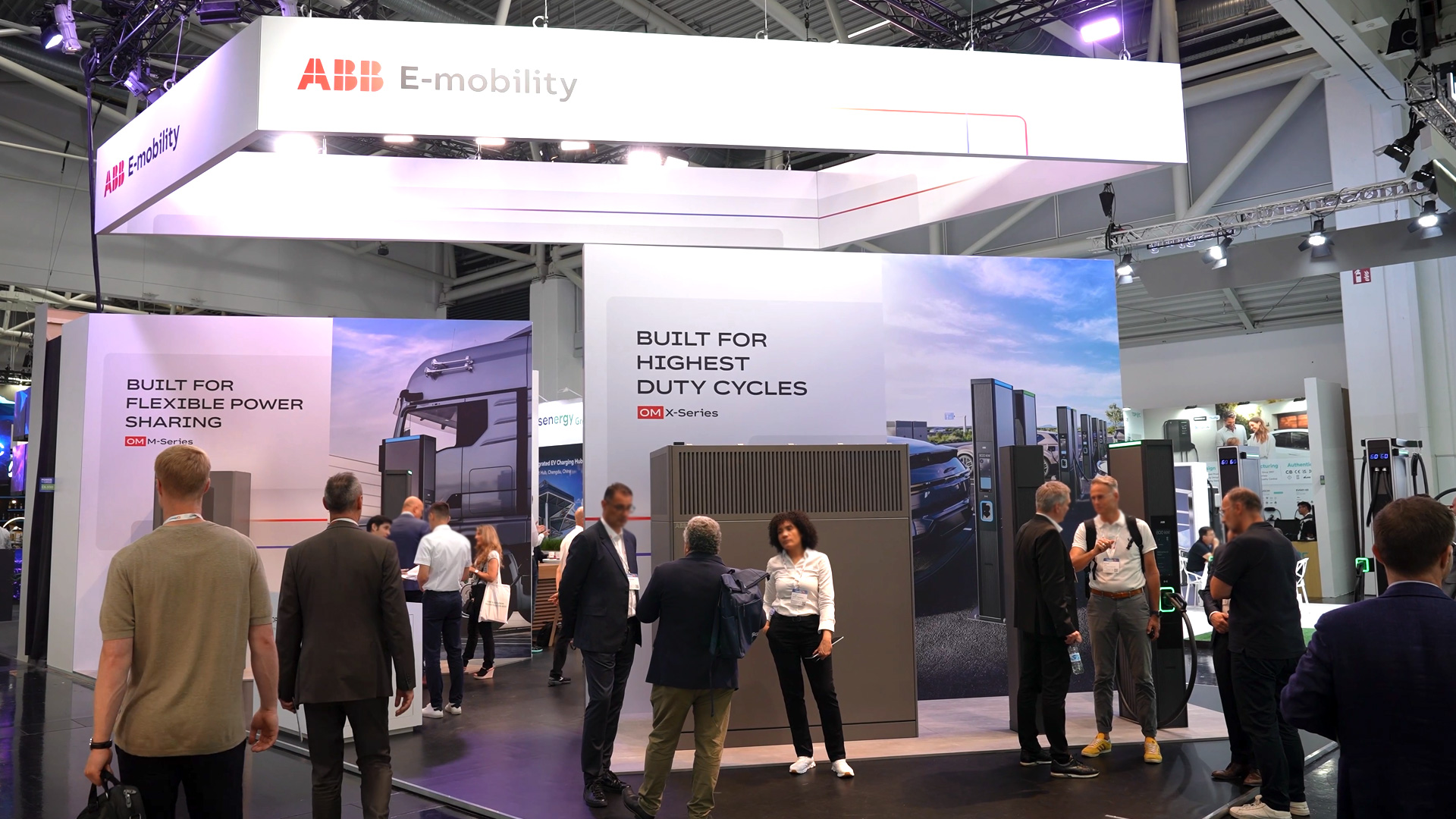
At the same time, charging power and energy requirements are rising. For operators, therefore, it is not just the maximum power output of a charging point that matters, but increasingly the efficiency of the entire system. At Power2Drive Europe in Munich, ABB E-mobility showcased its solutions for industrial DC charging infrastructure. The portfolio ranges from compact all-in-one systems to modular platforms for large depots. At the heart of this is a question that is becoming increasingly important with the growing electrification of commercial vehicles: How can high charging power be provided cost-effectively over many years?
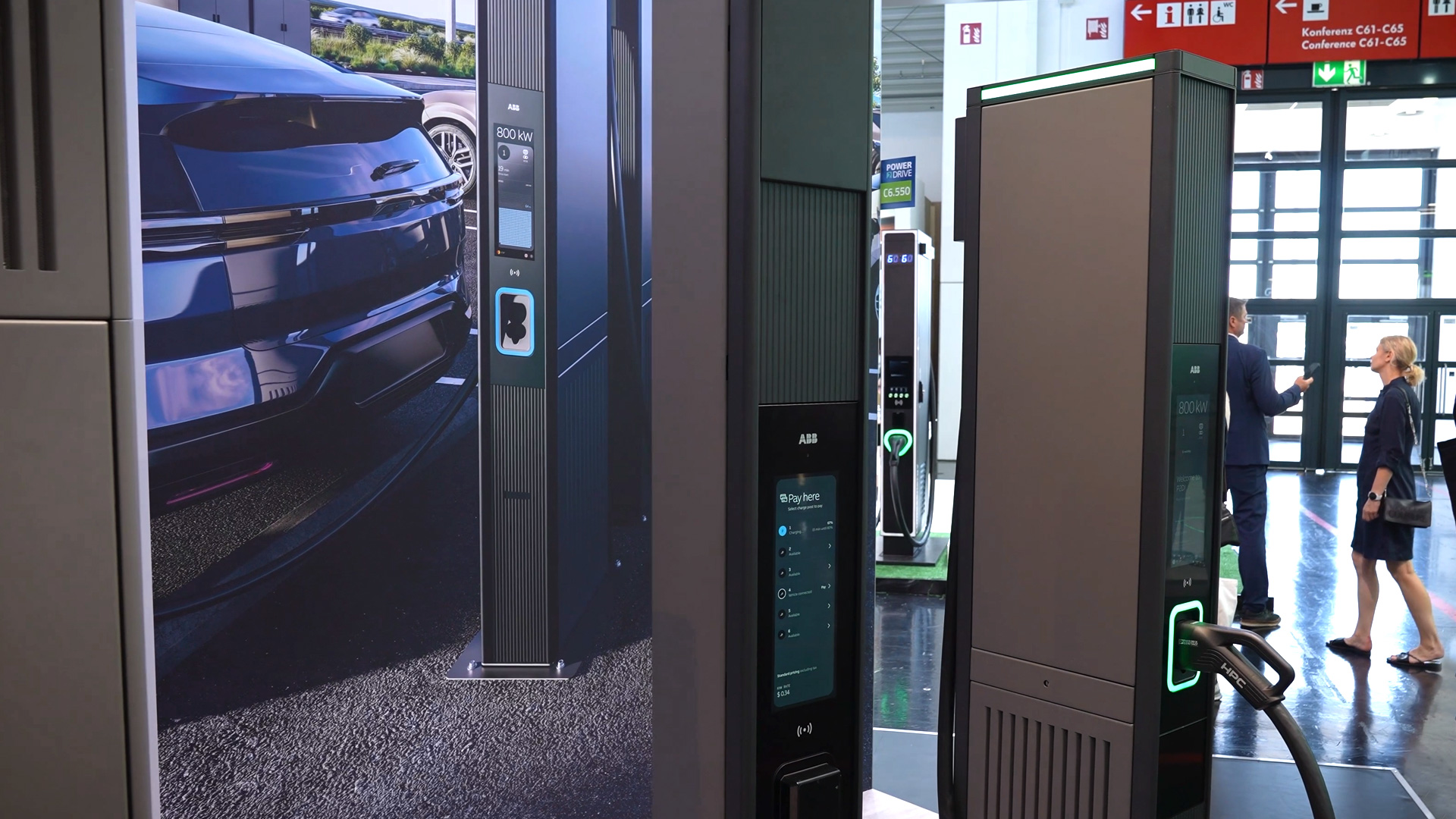

ABB E-mobility develops the X-Series for large charging fleets
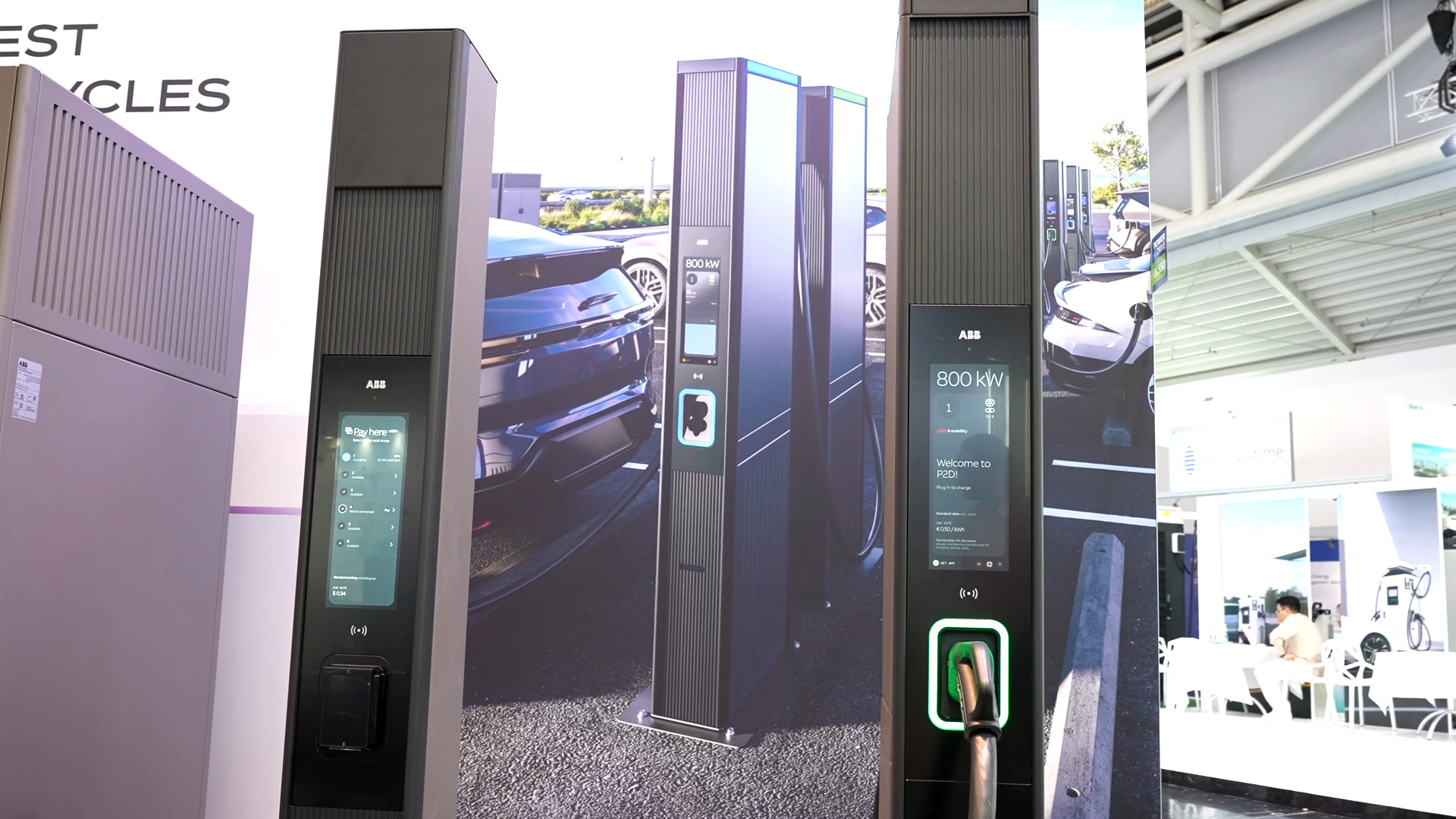
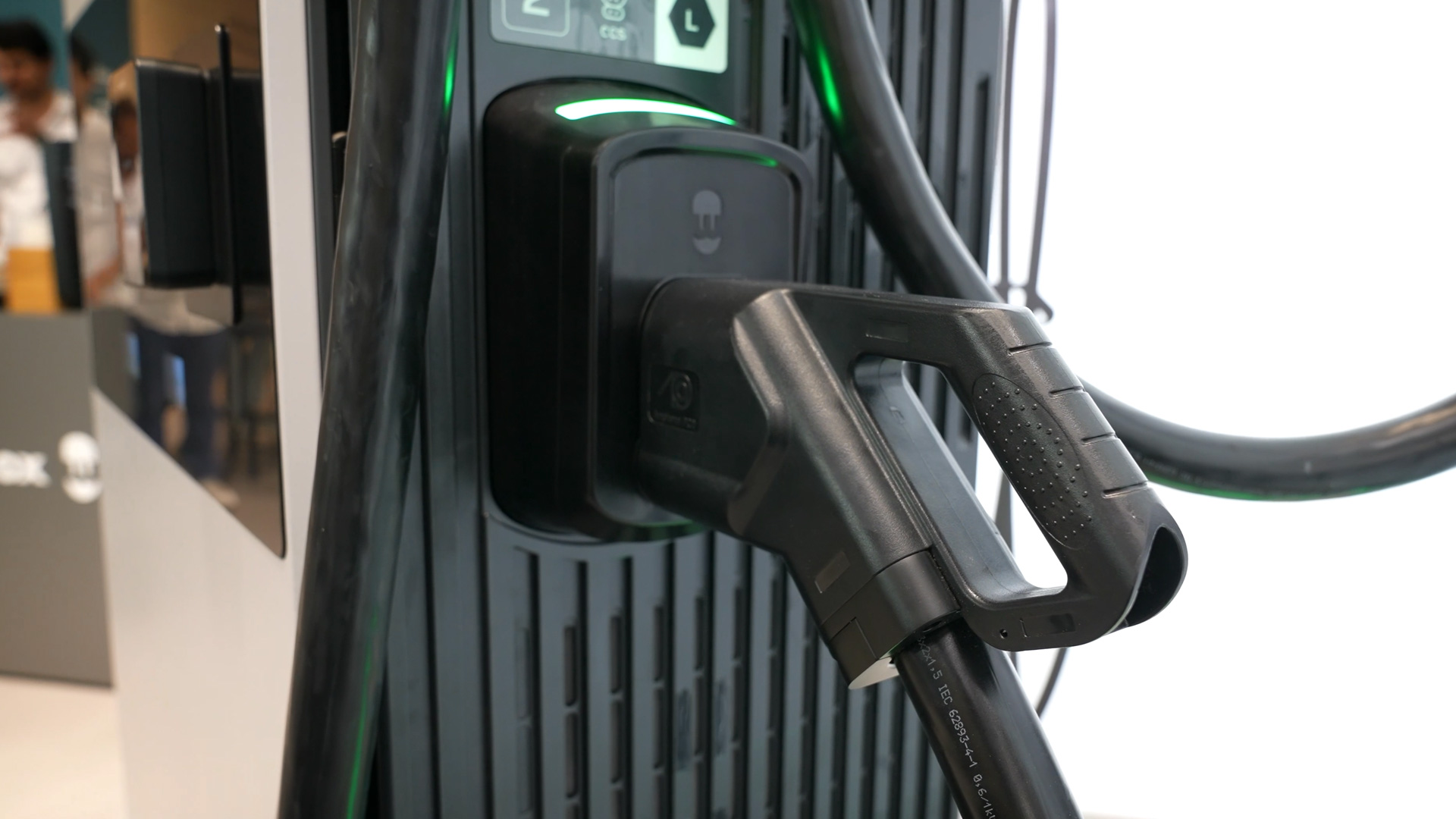
With the X-Series, ABB E-mobility is primarily targeting operators of large electric fleets. The systems are designed for bus depots, lorry fleets and other industrial applications where many vehicles are charged regularly and at high power. Unlike public fast chargers, such installations are usually not visible on motorways or in city centres. They operate at depots and in enclosed facilities. There, the focus is less on the design of an individual charging point and more on the reliable supply of power to an entire vehicle fleet. The X-Series has a modular design. Individual power modules form the basis of the system and can be combined according to a facility’s energy requirements. Liquid-cooled components enable high power peaks. Both CCS and MCS charging points can be connected to the charging infrastructure. The Megawatt Charging Standard, in particular, is becoming increasingly important for heavy electric commercial vehicles. Large batteries and tightly scheduled transport operations demand charging capacities that go well beyond conventional fast charging for passenger cars.
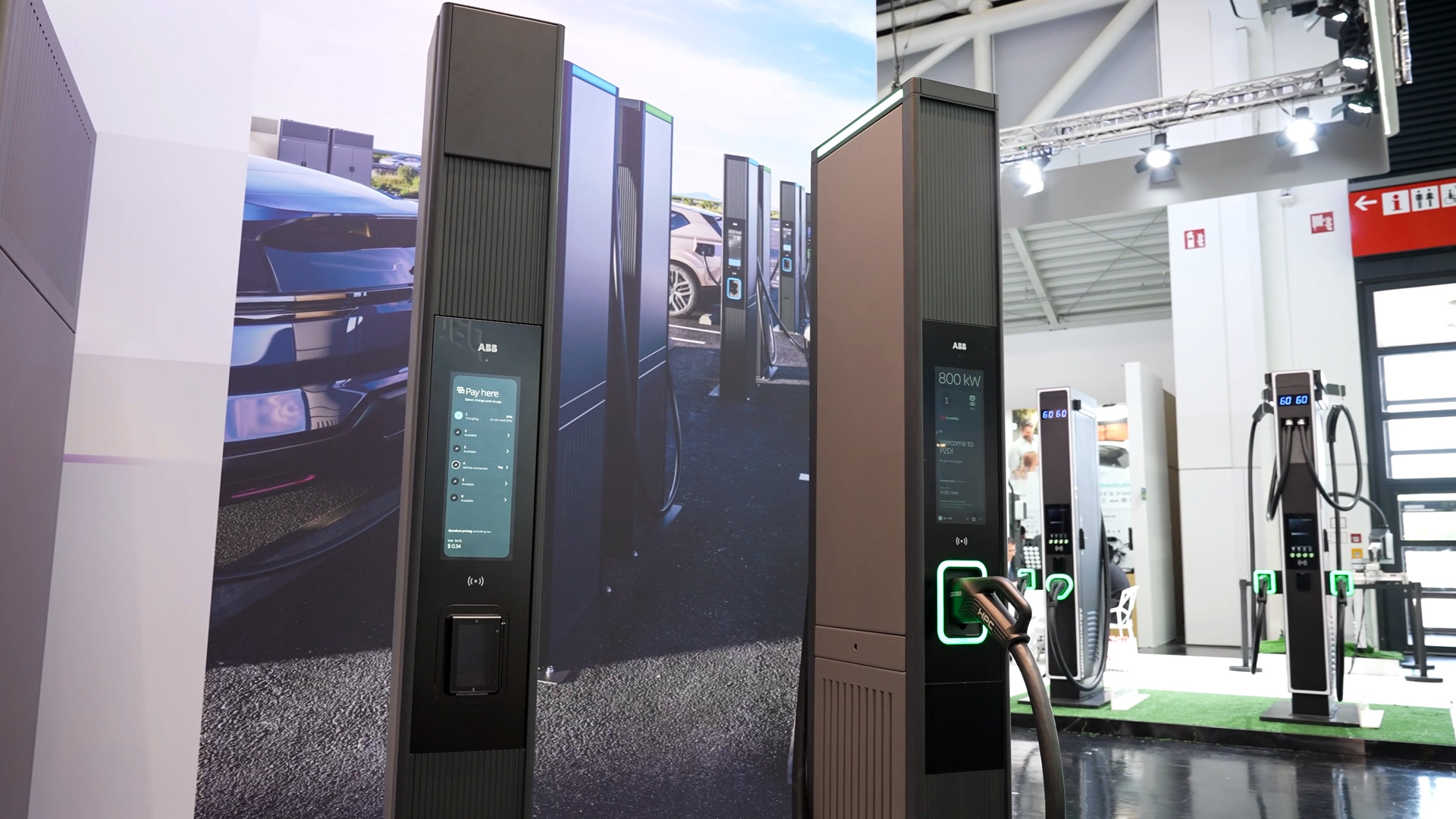
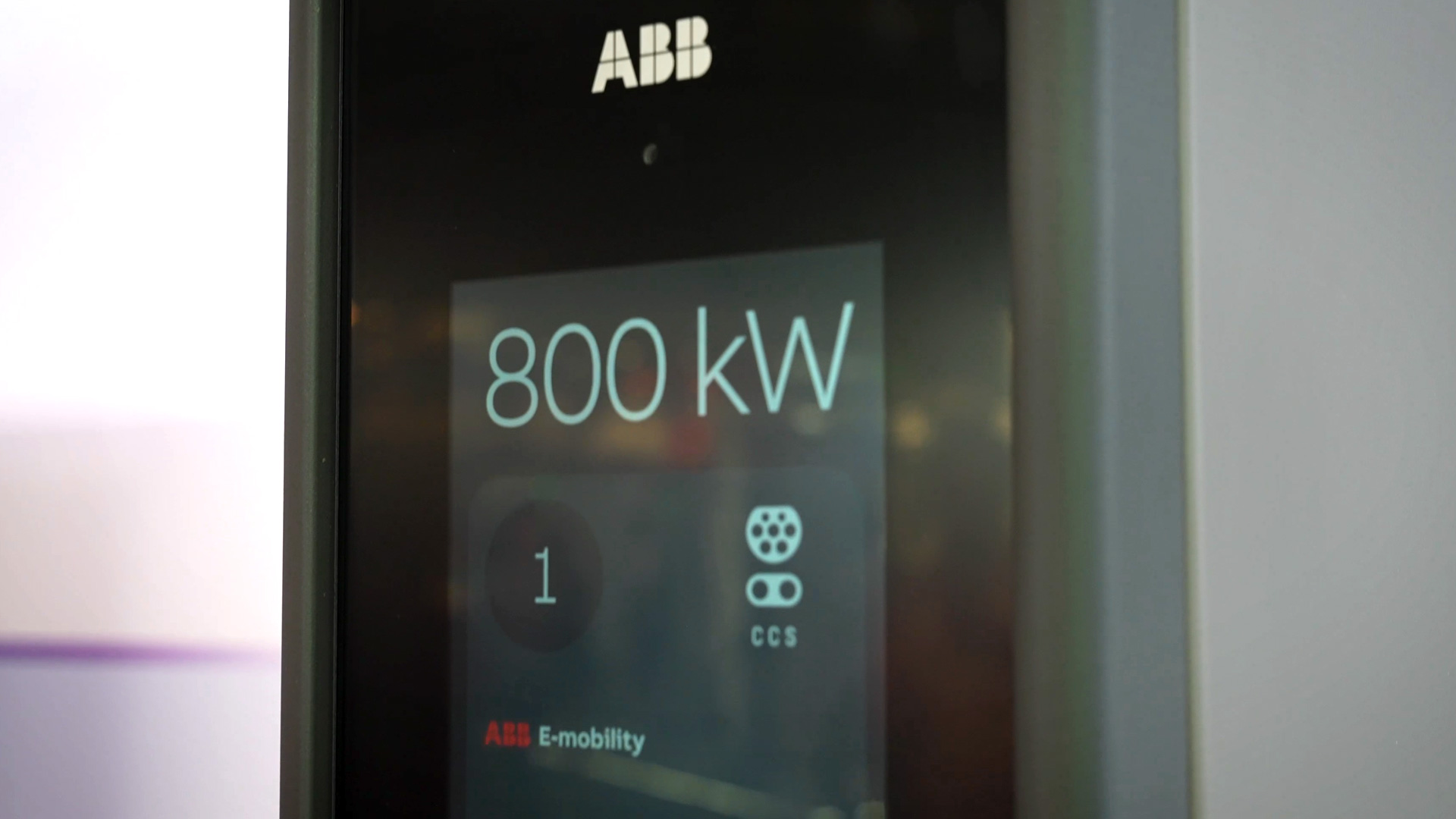
The A400 and M-Series complement the DC charging solutions
The X-Series is part of a broader product portfolio. With the A400, the company offers an all-in-one unit for entry into high-performance DC applications. The M-Series provides a further platform for rising energy demands and larger charging projects. This enables the company to meet a variety of requirements within the industrial electric mobility sector. A bus depot requires different charging cycles to a logistics centre. Autonomous fleets, on the other hand, can be in operation almost continuously and therefore demand a high level of availability from the charging infrastructure. Key areas of application include:
- DC charging for electric bus fleets
- Charging infrastructure for battery-electric lorries
- Power supply for autonomous vehicle fleets
- CCS and MCS charging points in large depots
- modular power systems for rising energy demands

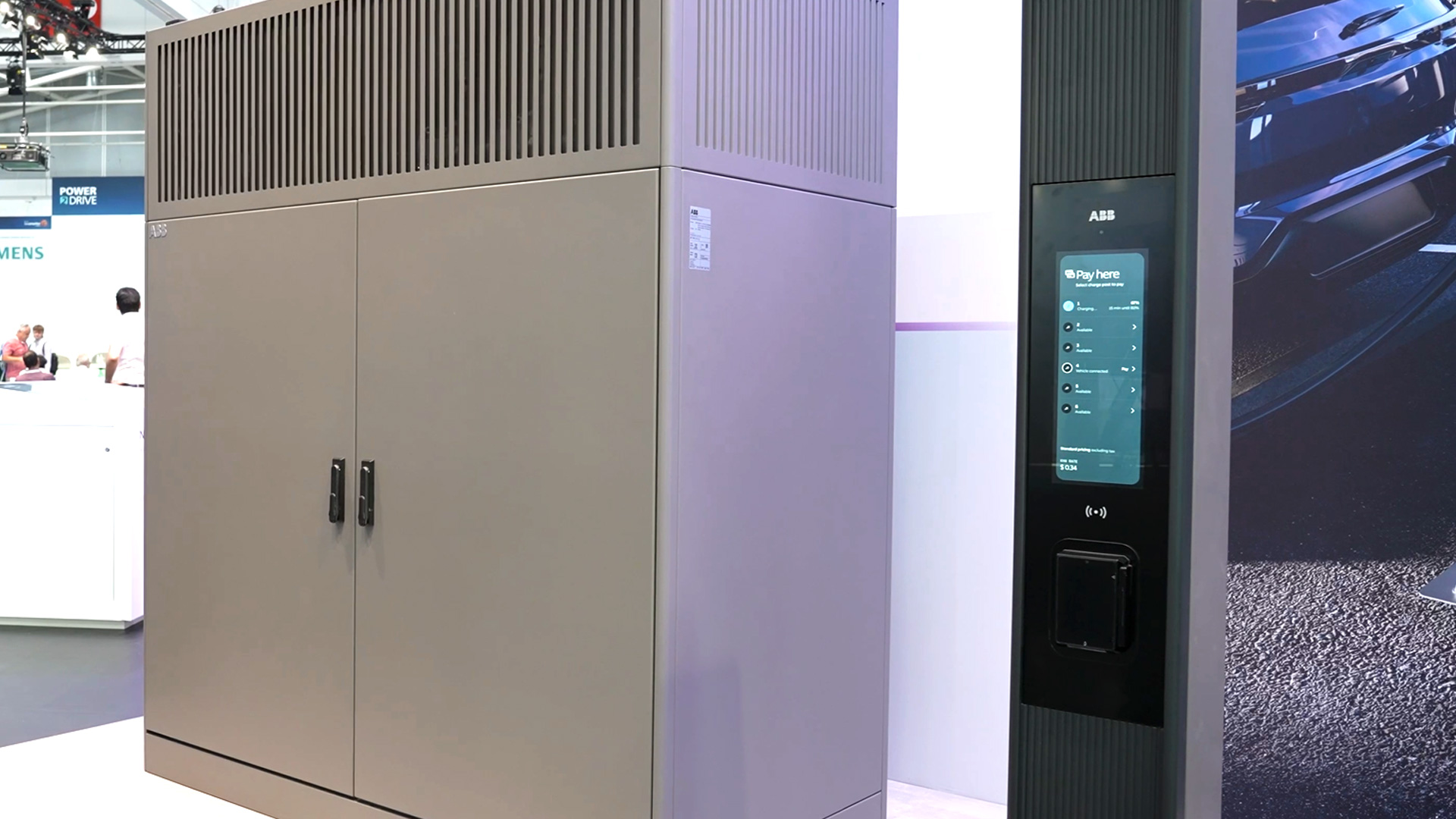
Cooling reduces the cost per kilowatt-hour
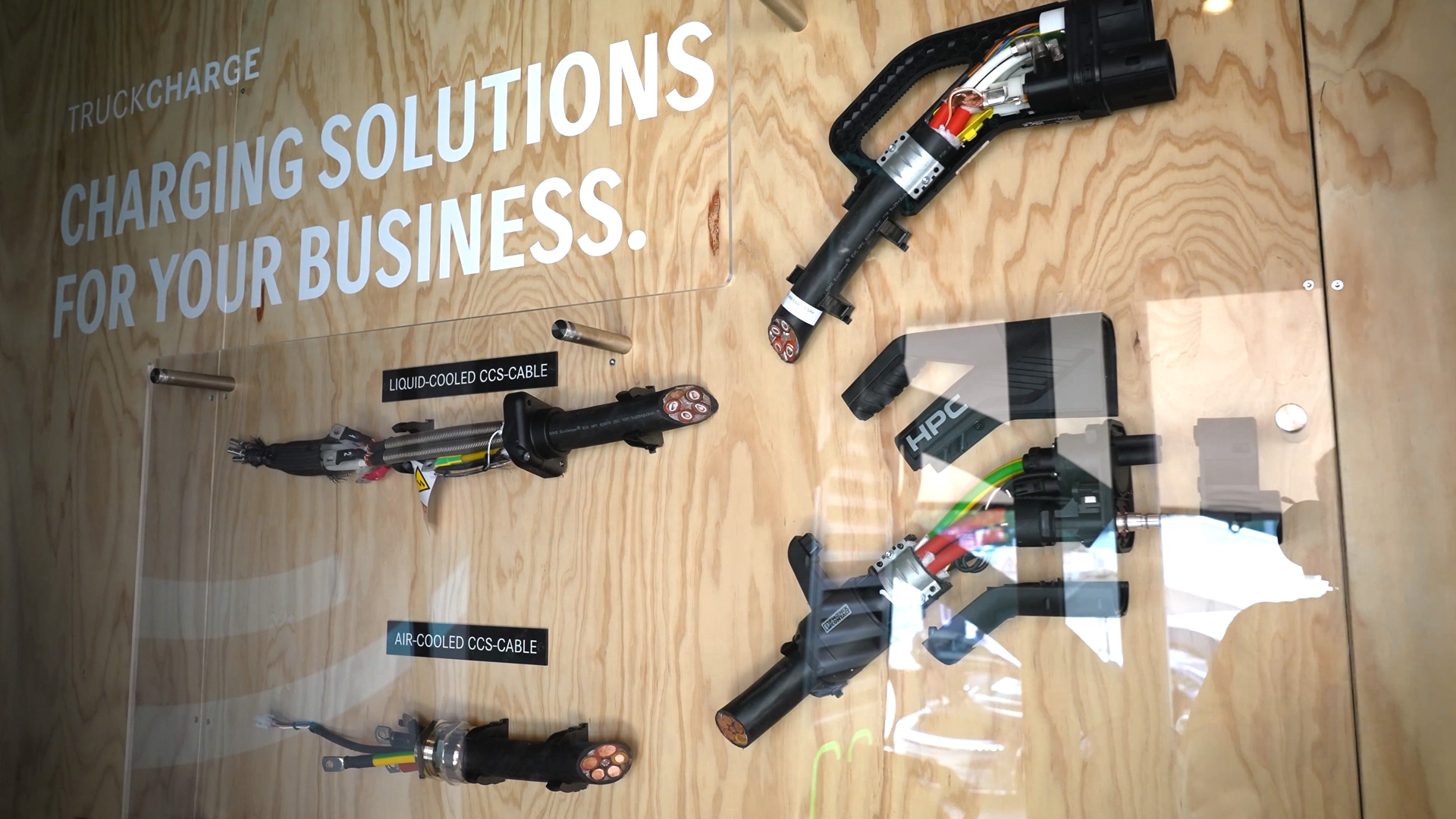
In heavily utilised charging parks, even small differences in efficiency can have significant economic consequences. Losses in cables, power electronics or cooling systems may initially seem minor for a single charge. Over ten or 15 years, however, a few per cent add up to considerable amounts of energy. That is why ABB E-mobility relies, amongst other things, on cooled cables and liquid-cooled power modules. The aim is to reduce energy losses during operation and lower the cost per kilowatt-hour charged. The timing of electricity consumption also plays a role. Industrial charging parks handle large volumes of energy and must therefore increasingly take into account when electricity is drawn from the grid. Technical efficiency and intelligent energy management are thus becoming increasingly intertwined. The systems are manufactured in Valdarno, Italy. According to the company, its in-house production capabilities allow for greater control over development and production quality. Long-term availability is a crucial economic factor, particularly for charging infrastructure that is used intensively on a daily basis.
Software monitors charging infrastructure at the depot
As the number of connected chargers rises, maintenance practices are also changing. Instead of merely reacting to a failure, operational data can be continuously analysed. Software detects anomalies in components and enables maintenance work to be planned at an early stage. This approach is particularly relevant in depots operating at high capacity. If a charging point fails unexpectedly, this can disrupt the entire operational workflow of a fleet. Digital monitoring is therefore designed to identify problems before they lead to an actual failure. This involves more than just analysing error messages. Operating time, charging cycles and the usage of individual components can also provide indications as to when replacement is advisable. A component that is still technically functional can thus, if necessary, be replaced during a scheduled maintenance window before it fails unexpectedly. ABB E-mobility is thus increasingly evolving from a pure manufacturer of chargers into a provider of digitally connected charging platforms. A growing proportion of the value creation lies in software, data analysis and automated maintenance concepts.
Artificial intelligence set to further reduce operating costs
In future, artificial intelligence is likely to play a greater role in the analysis of operational data. According to the company, such methods are already being used in its systems. The aim is to identify patterns in large volumes of data and to predict maintenance and operational requirements more accurately. For fleet operators, the key considerations here are availability and costs. The more accurately energy losses, maintenance requirements and technical failures can be predicted, the more cost-effectively a charging fleet can be operated. This development also highlights just how much industrial charging infrastructure has changed in the space of a few years. Hardware remains the foundation for high charging capacities. However, software, energy management and predictive maintenance are increasingly determining how efficiently the systems actually operate. With the electrification of buses, lorries and autonomous fleets, the demand is therefore growing not only for more powerful fast chargers. There is a need for complete systems that reliably manage large amounts of energy and achieve the lowest possible cost per kilowatt-hour over many years of operation. The X-Series exemplifies this shift from individual charging points to digitally controlled charging platforms for large electric fleets.
Trade fair reporting Germany - Trade fair knowledge, dates & events


