Modern solar modules combine efficiency and aesthetics
by J. Groh - 2026-07-02Photovoltaic modules have long since ceased to evolve solely on the basis of higher power output. As the market matures, greater focus is being placed on design, space utilisation and ease of installation.
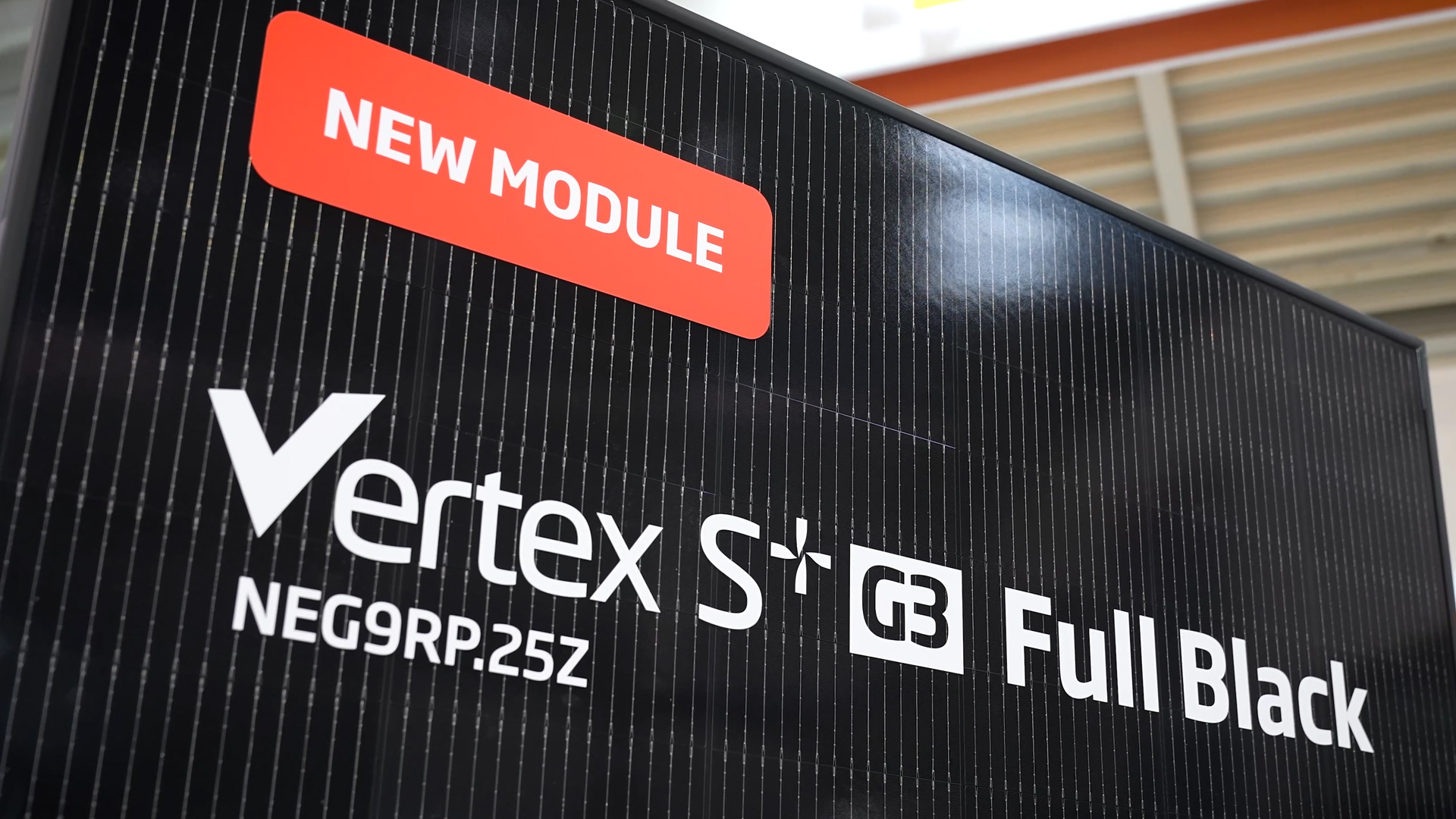
Particularly in private residential construction and on commercial roofs, visual aspects are playing an increasingly important role alongside energy yield. At the same time, installation companies are looking for new generations of modules that can be integrated into existing planning and installation processes without requiring fundamental changes. At Intersolar Europe in Munich, Trina Solar presented its new TOPCon Generation 3. The module combines an optimised cell architecture with a redesigned appearance, aiming to achieve higher efficiency without confronting installers with entirely new systems or formats.
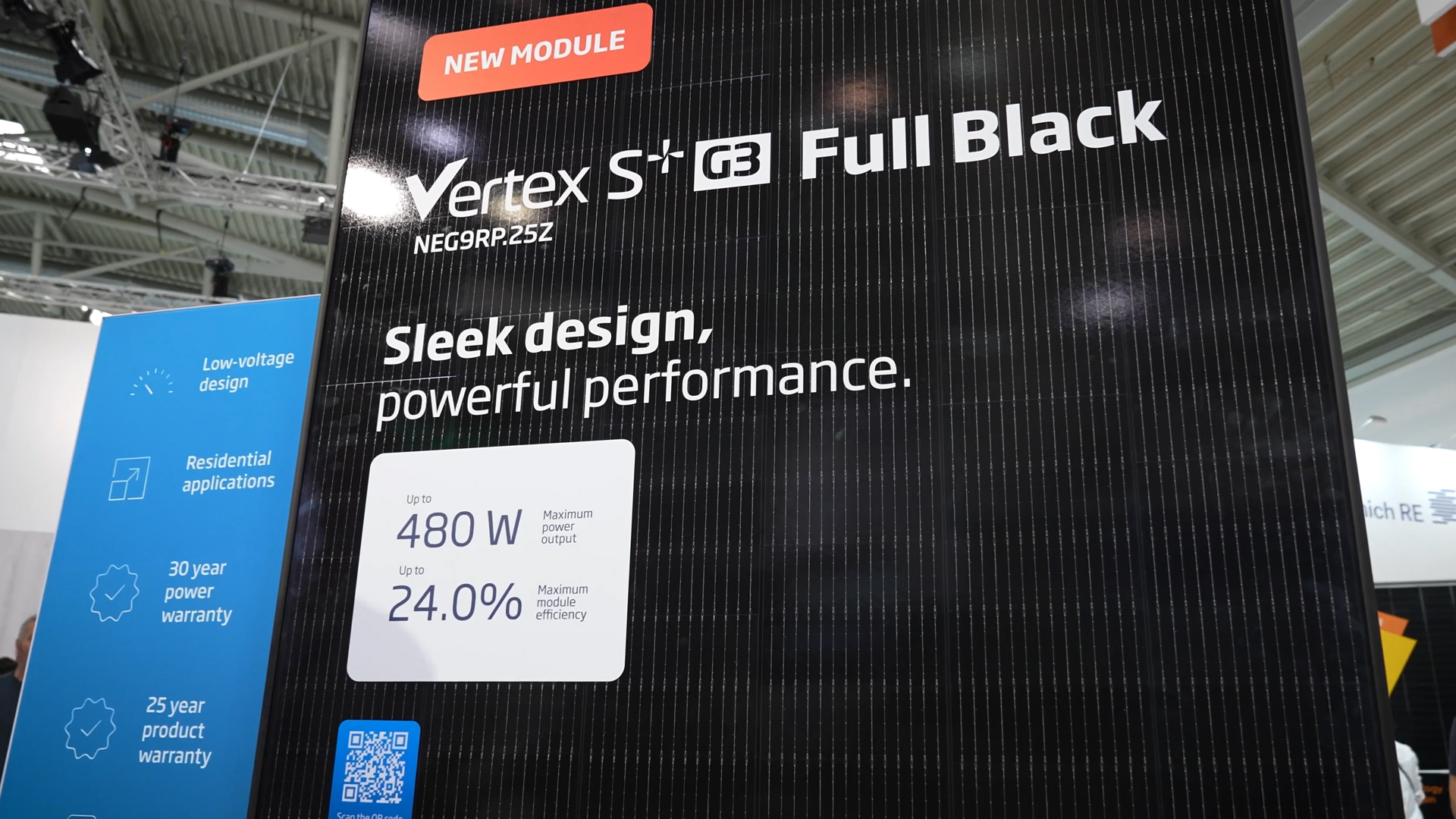
Trina Solar continues to develop TOPCon Generation 3
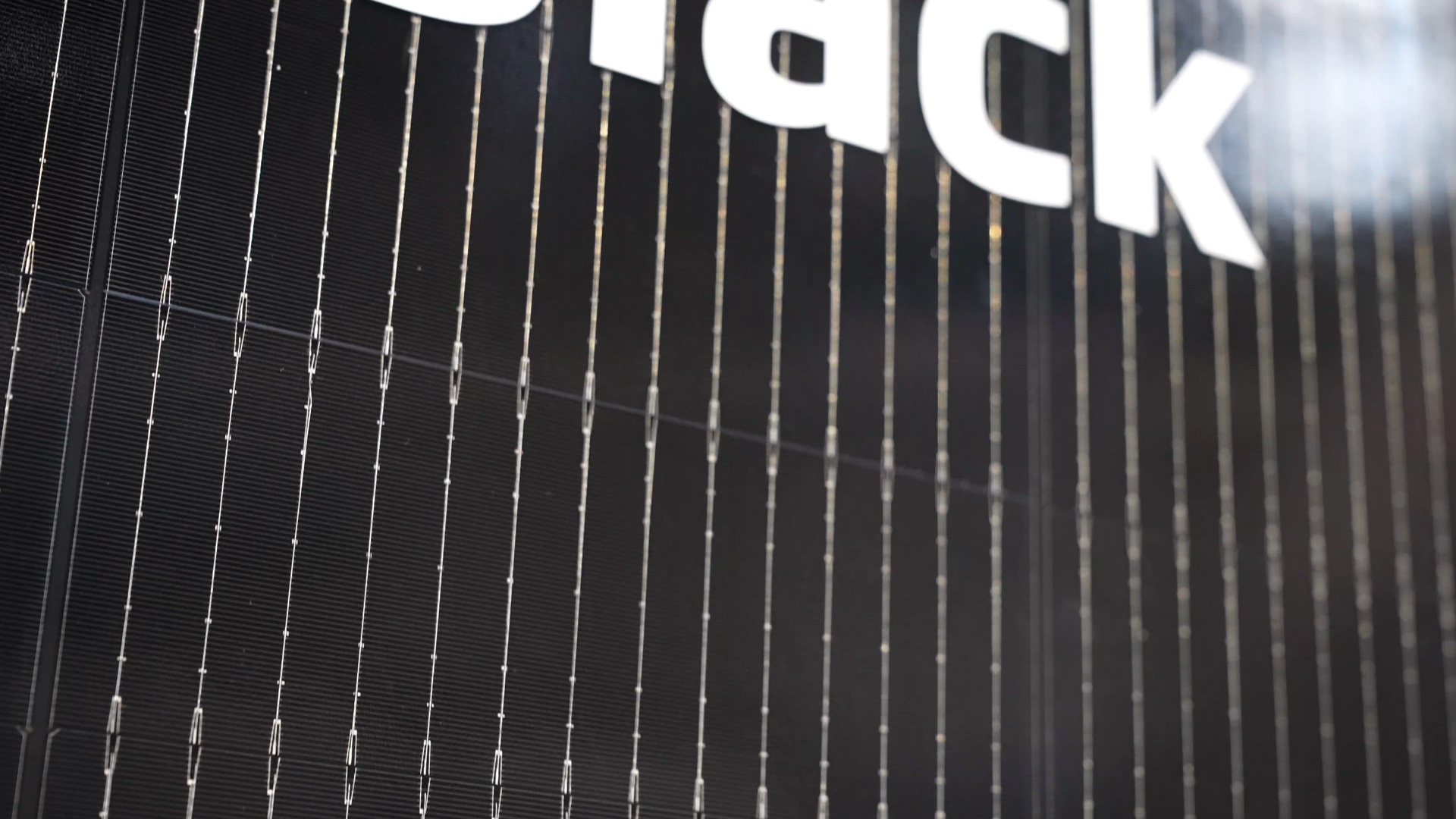
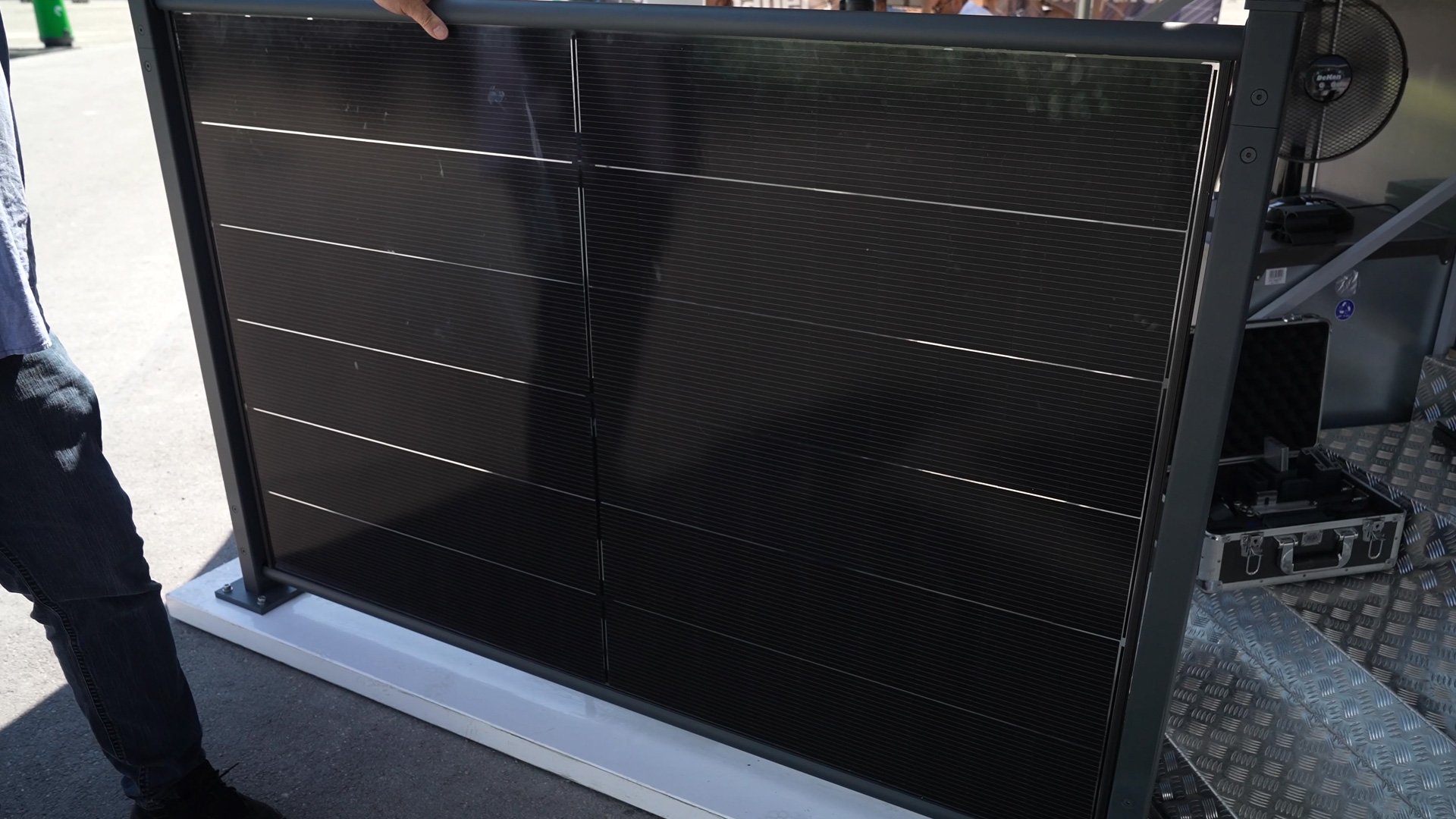
The focus of the new module generation is the further development of TOPCon technology. Whilst many technical improvements are hidden inside the module, one change is immediately apparent: the front face appears significantly more uniform than on previous solar modules. Cross-connectors, which previously disrupted the appearance, have largely been eliminated. This increases the active cell area within the same module dimensions. More light-active area also means better utilisation of the available module size. In addition to the visual effect, this also improves electrical performance. Higher efficiency and increased module output result not only from new cell technologies, but also from more efficient use of space. This combination is becoming particularly important for homeowners. Photovoltaic systems should be integrated into the roof surface as unobtrusively as possible whilst delivering a high energy yield.
TOPCon modules make life easier for installers
Technological advances often bring with them new installation methods or changes to planning processes. Trina Solar aims to keep this additional workload to a minimum. Although electrical parameters such as current and voltage have changed compared with the previous generation, the basic handling remains virtually unchanged. Installation companies do not need to develop entirely new workflows, but simply need to take the adjusted electrical characteristics into account when planning the system. The company has also deliberately retained the established module size of around two square metres. Although earlier regulatory requirements have since been lifted, this size is still considered a good compromise between power output, weight and handling. This offers several advantages for installers:
- a tried-and-tested module format with an area of around two square metres
- a uniform design without traditional cross-connectors
- a larger active cell area within the same module dimensions
- adapted electrical circuitry with familiar handling
- suitable for both small and large roof areas
Efficiency rises to 24 per cent
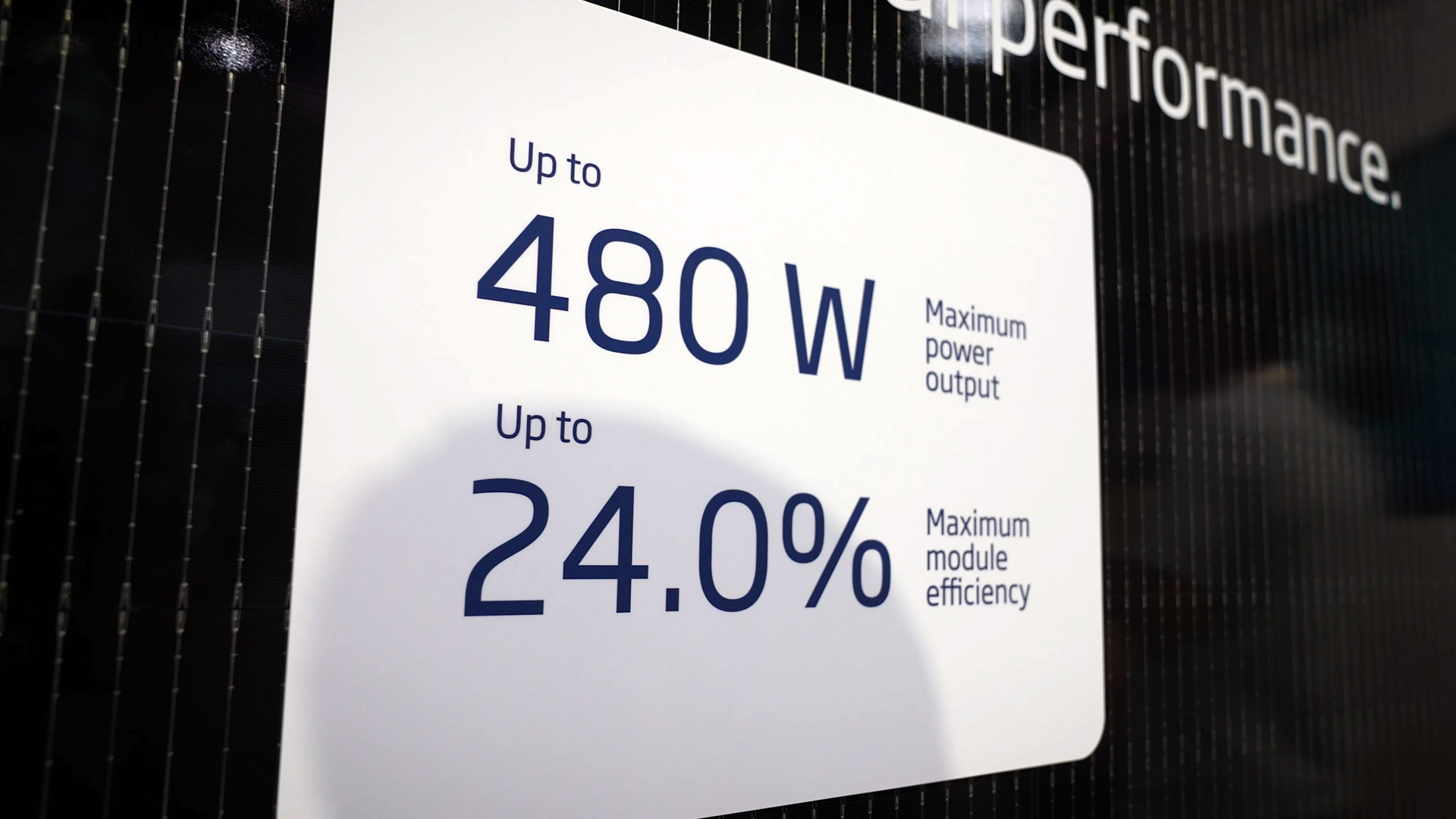
According to the company, the new generation achieves a module efficiency of around 24 per cent. This corresponds to a power output of approximately 240 watts per square metre. This figure plays a crucial role, particularly where roof space is limited. The higher the efficiency, the more electrical power can be installed within the same area. This is particularly significant for detached houses or commercial buildings with limited roof space. In addition to higher energy yields, space utilisation is also improved. The optimised cell architecture ensures that a larger proportion of the module’s surface area actually generates electricity. For system operators, this means higher energy yields without the need for additional roof space.
Perovskite could enable the next technological leap
Although crystalline silicon cells have made enormous progress in recent years, this technology is increasingly approaching its physical limits. Cell efficiencies of 27 to 28 per cent are already considered very high today. The theoretical maximum lies only slightly above this. Consequently, the industry is increasingly turning its attention to so-called tandem cells. These combine a perovskite layer with a conventional silicon cell. As both materials utilise different parts of the light spectrum, they can together achieve significantly higher efficiency levels. According to Trina Solar’s estimates, module efficiencies of around 30 per cent could be achievable in the future. With module size remaining the same, this would correspond to an output of around 600 watts, or approximately 300 watts per square metre. This technology is still on its way to industrial-scale production. However, it is regarded as the most promising candidate for the next major leap in photovoltaic efficiency.

Solar modules are evolving in several dimensions
The development of modern photovoltaics shows that innovation is no longer defined solely by individual percentage points in efficiency. Design, space utilisation, ease of installation and the integration of new cell technologies are becoming just as important. With the TOPCon Generation 3, Trina Solar is pursuing this multi-dimensional approach. The module combines an optimised cell architecture with a more uniform appearance and a familiar installation concept. At the same time, attention is already focused on the next stage of development. Perovskite tandem cells could, in future, boost efficiency significantly beyond current levels and further increase the power density of modern photovoltaic modules considerably.
Trade fair reporting Germany - Trade fair knowledge, dates & events


