Collectible figures and Mystery Capsule experience in the licence market
by J. Groh - 2026-05-01Collectable figures are increasingly evolving from simple merchandising items into experience products in their own right. Particularly in the context of major brands, it is becoming clear that it is not just the figure itself that counts, but the way in which it is presented and discovered.
The Mystery Capsule principle is an example of this change: the purchase becomes a moment of surprise that goes beyond the product itself. The focus is on the combination of a familiar licence, haptic experience and emotional expectation. Products are not created in isolation, but as part of a concept that is specifically aimed at collectors, fans and communities. Current developments in the licence business are positioned precisely at this interface.

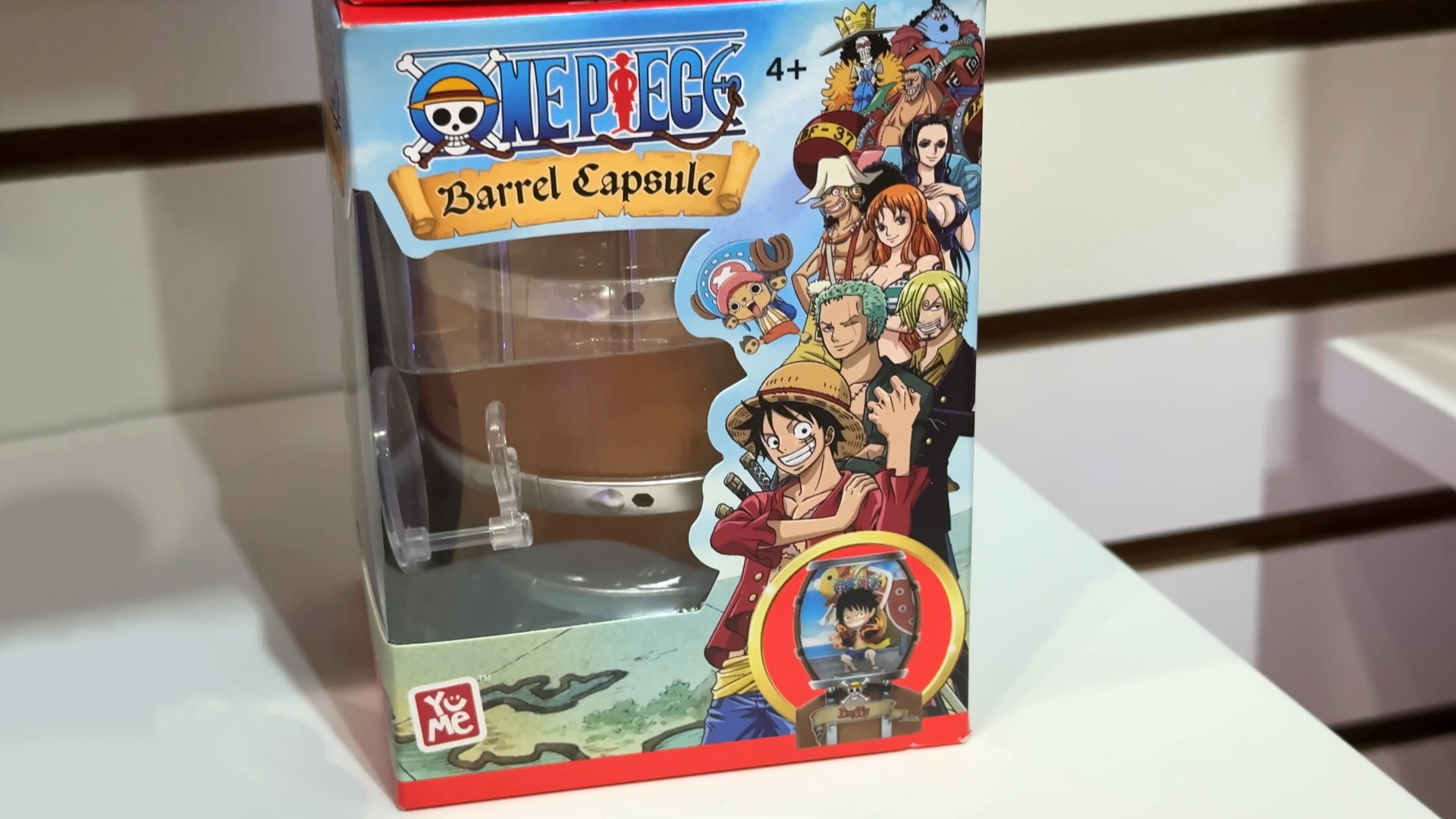
Yume One Piece Barrel Capsule as an unboxing concept
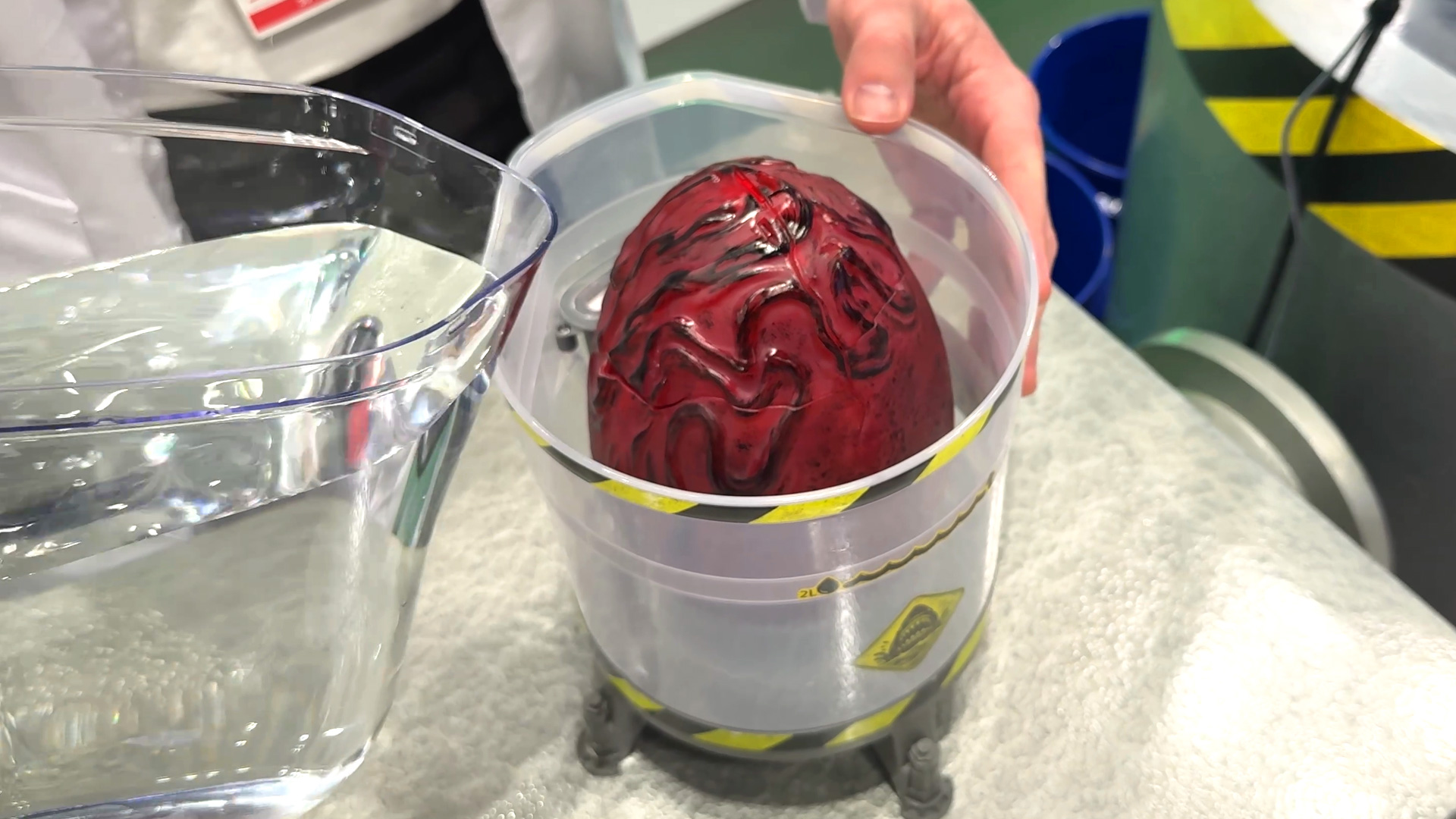
Yume utilises this principle with the One Piece Barrel Capsule. The product picks up on the familiar barrel aesthetic from the series and transfers it into physical packaging that is part of the experience even before it is opened. The capsule itself is not just a container, but stages the unboxing as a moment in its own right. A central element is the enclosed information card. A water effect reveals which figure is possibly inside. This intermediate step prolongs the suspense and structures the opening process. The figure is not simply removed, but ‘discovered’ step by step. The decision to initially distribute the product exclusively in Europe indicates a targeted market launch. Regional exclusivity can bundle demand and increase collector interest. At the same time, the release ties in with the ongoing popularity of the brand, which is further fuelled by new series formats.
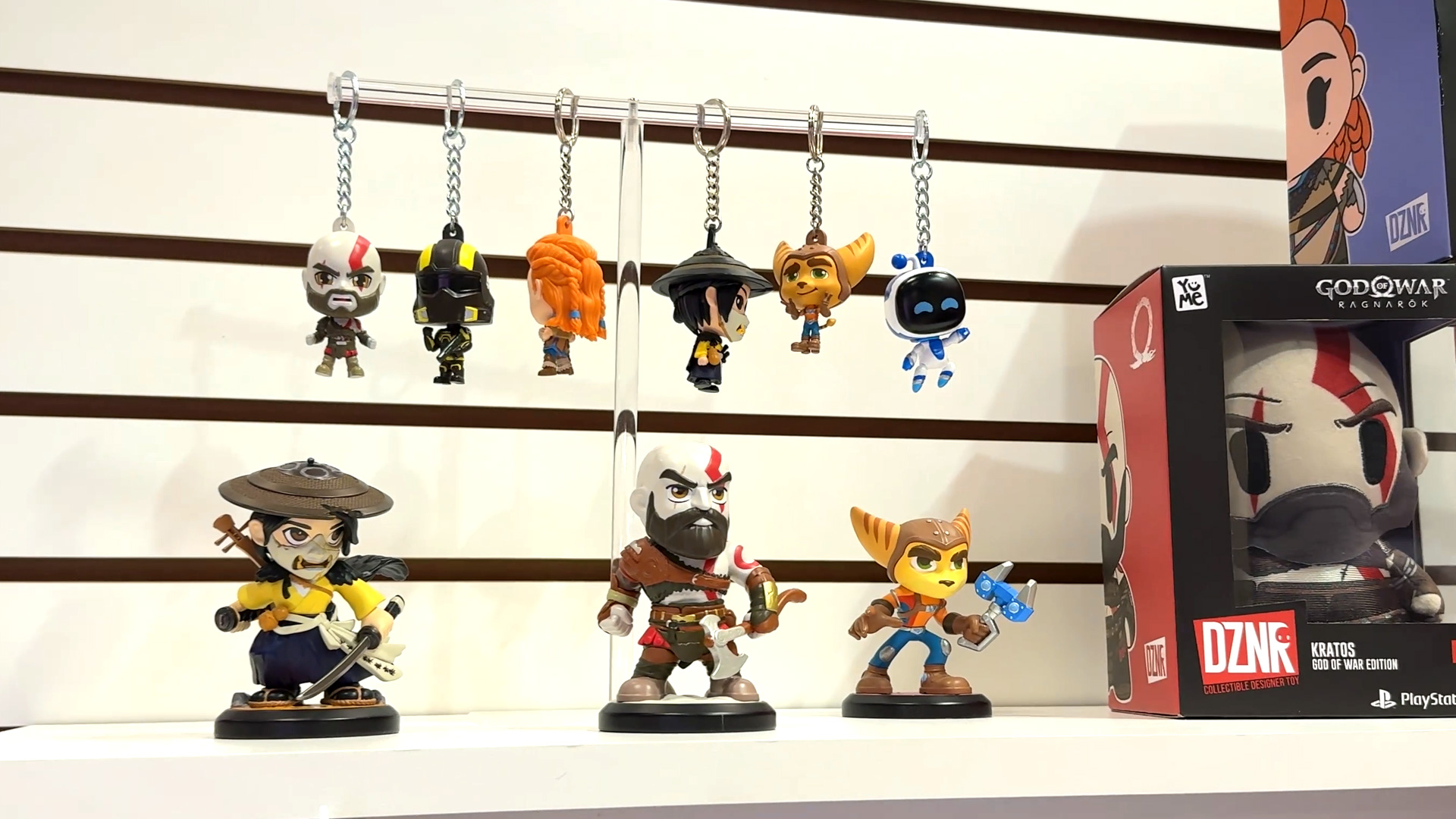
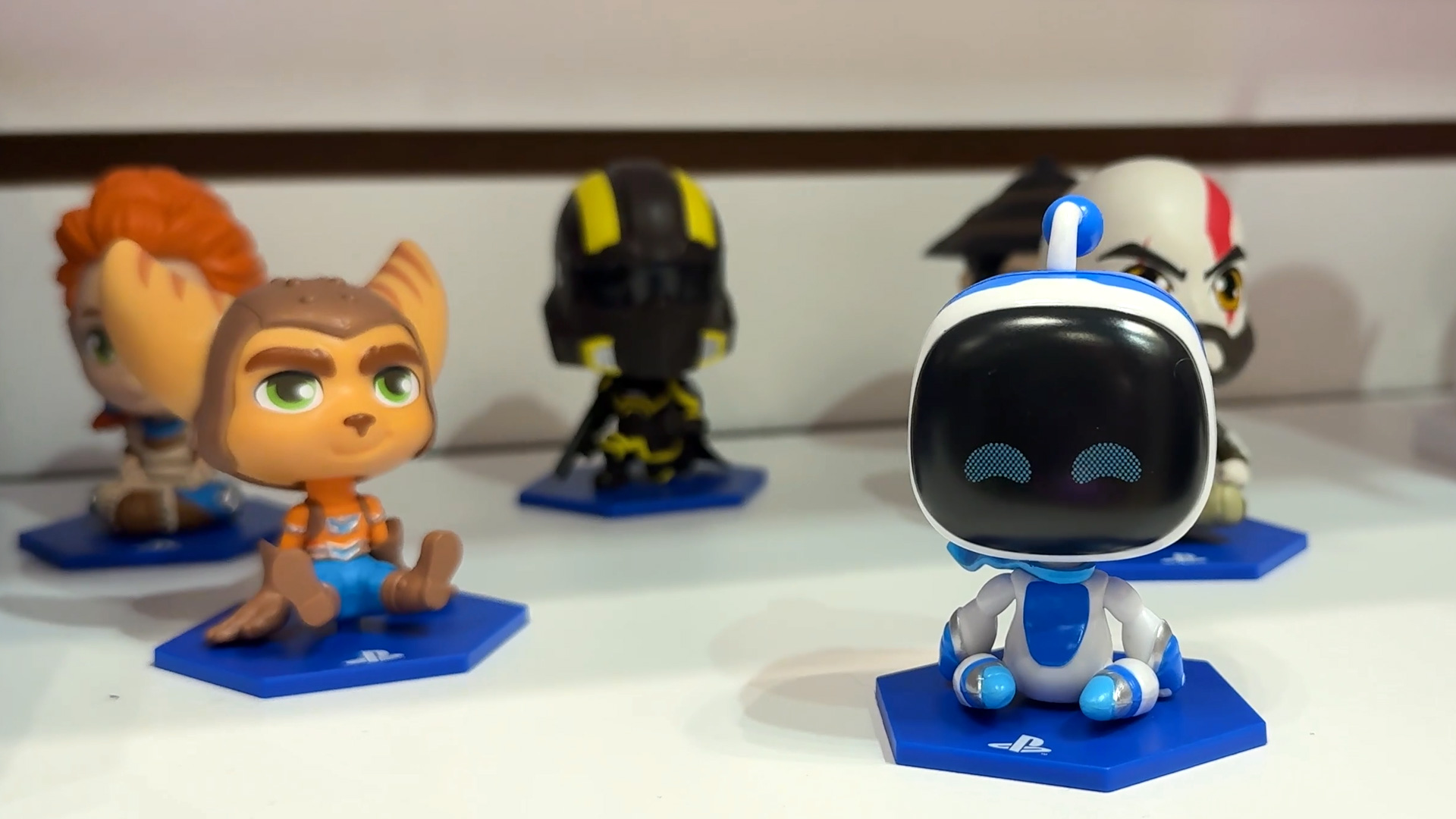
Yume PlayStation figures as Pocket Hero and Hero Box
At the same time, Yume is expanding its portfolio of licensed gaming products. The PlayStation licence is used to create various formats that cover different usage scenarios. The spectrum ranges from small, mobile objects to decorative figures. Three product lines take centre stage:
- Pocket Hero as compact key rings with well-known figures
- Hero Box as small collector figures for desks or living rooms
- Bobblehead figures as playful collector's items
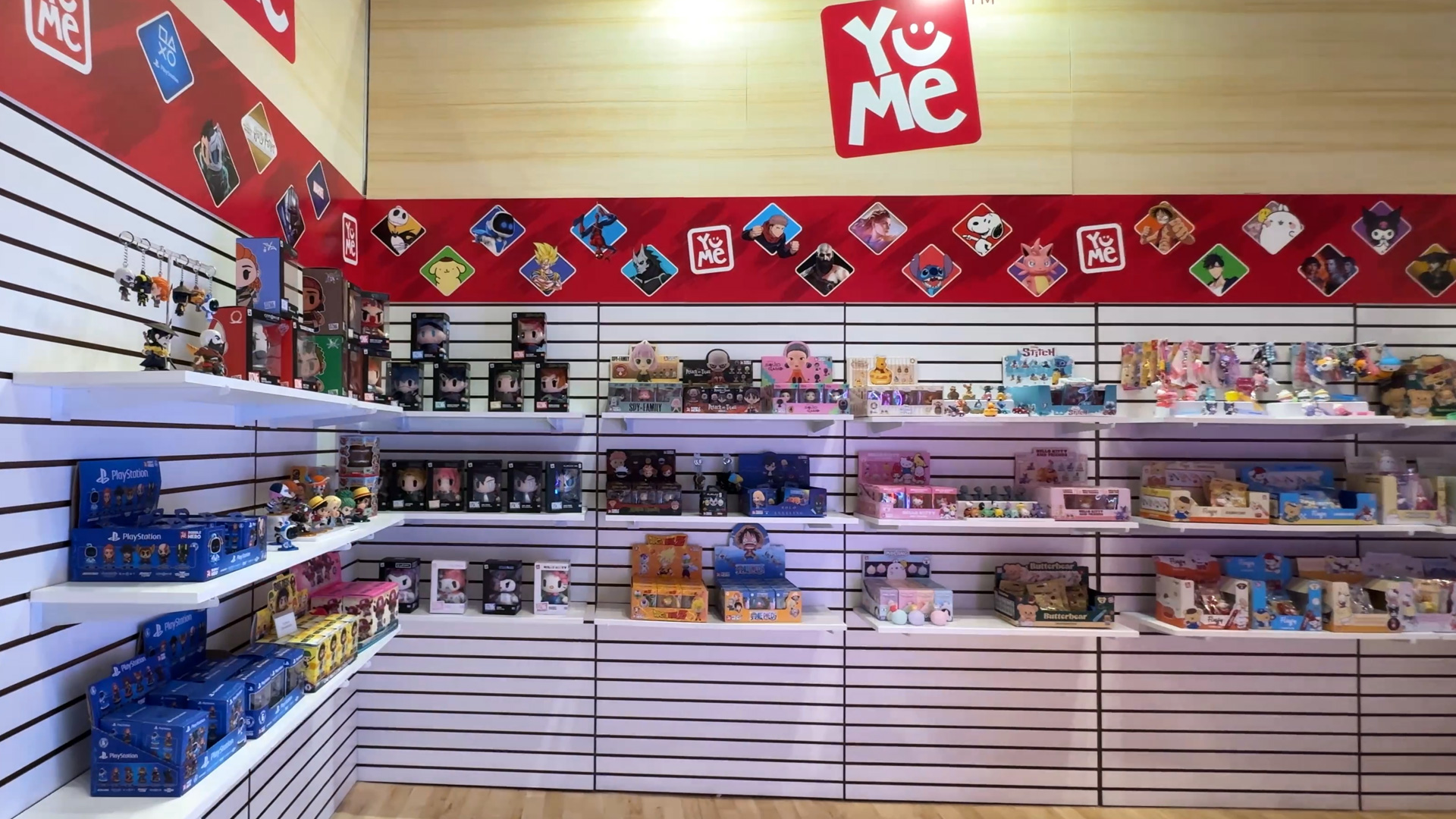
Licence strategy at Yume and data-based selection
There is a clearly structured strategy behind product development. Yume describes the selection process for licences as data-driven. Before a brand is implemented, popularity, fan loyalty and long-term potential are analysed. This approach is necessary as licensed products are associated with high investments. The realisation of physical figures requires not only creative work, but also production capacities and distribution structures. Bad decisions are difficult to correct in this environment. Another criterion is creative freedom. Brands that allow different interpretations offer more opportunities for variants and series. Diversity is a decisive factor in the collectibles sector in particular, as it encourages repeat purchases and long-term loyalty.
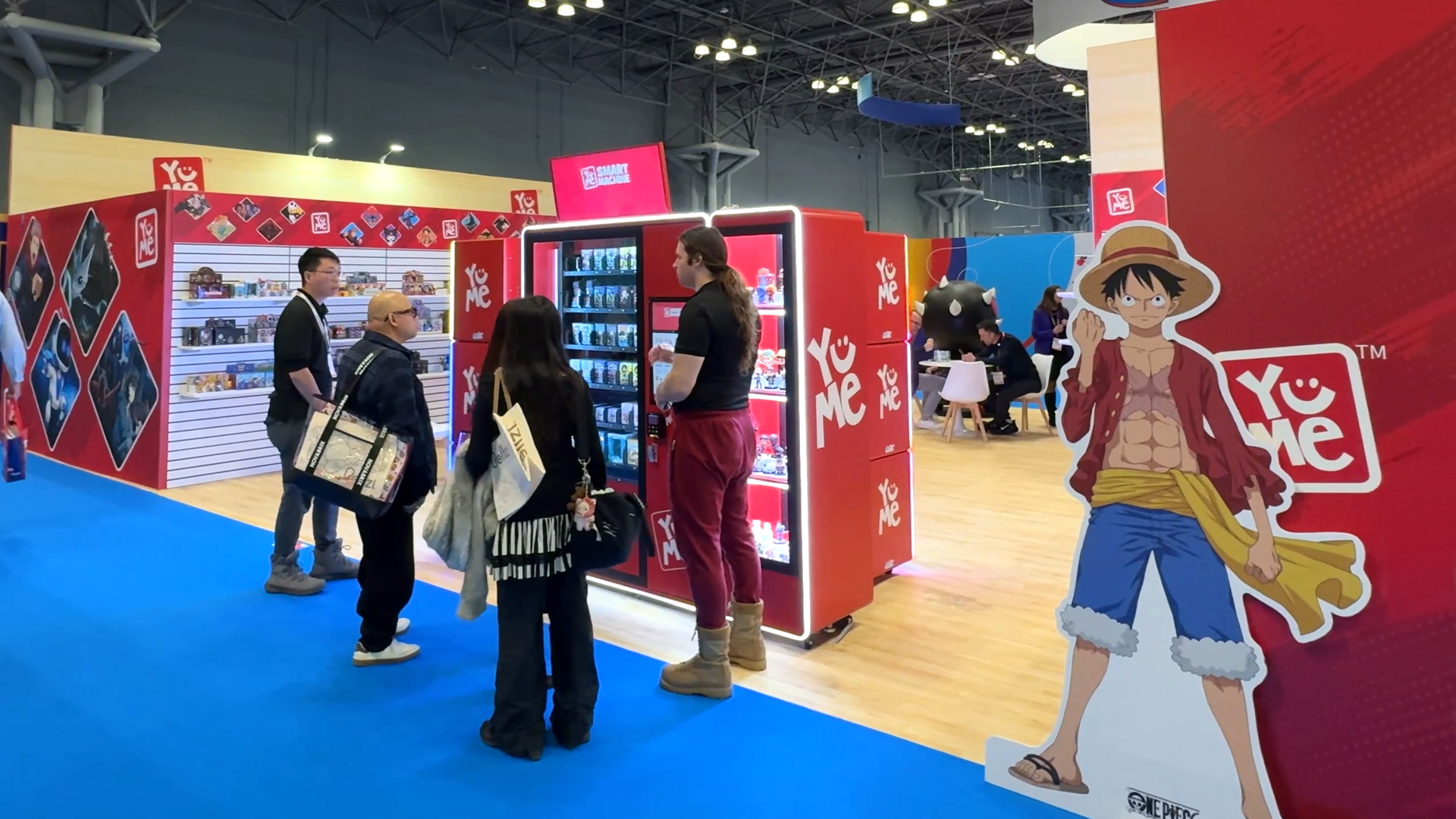
Focus on the unboxing experience and collection mechanics
The Mystery Capsule concept is based on a simple principle: the contents are unknown at the time of purchase. This uncertainty is used in a targeted manner to create suspense. At the same time, a collection mechanic is created as there are several variants. The experience can be divided into several phases:
- Purchase decision without full knowledge of the content
- Hint or puzzle mechanics before opening
- Actual unboxing as an emotional moment
- Classification of the figure in a collection
Collectable figures as a cross-generational phenomenon
The broad target group of such products is striking. While classic toys are often clearly aimed at children, the boundaries are blurred in the licensed sector. Gaming brands such as PlayStation reach users across several age groups. Their use is not limited to collecting. Figures also serve as an expression of belonging, for example in the work environment or in the private sphere. At the same time, social relationships are created when fans share common interests or exchange content online. This development shows that collectibles are increasingly becoming part of a larger culture. They combine physical objects with digital brand worlds and create points of contact between different generations. The decisive factor here is not so much the age of the user as their loyalty to the respective brand.

Trade fair reporting Germany - Trade fair knowledge, dates & events


