Brio Flora play world for children aged 3 to 6
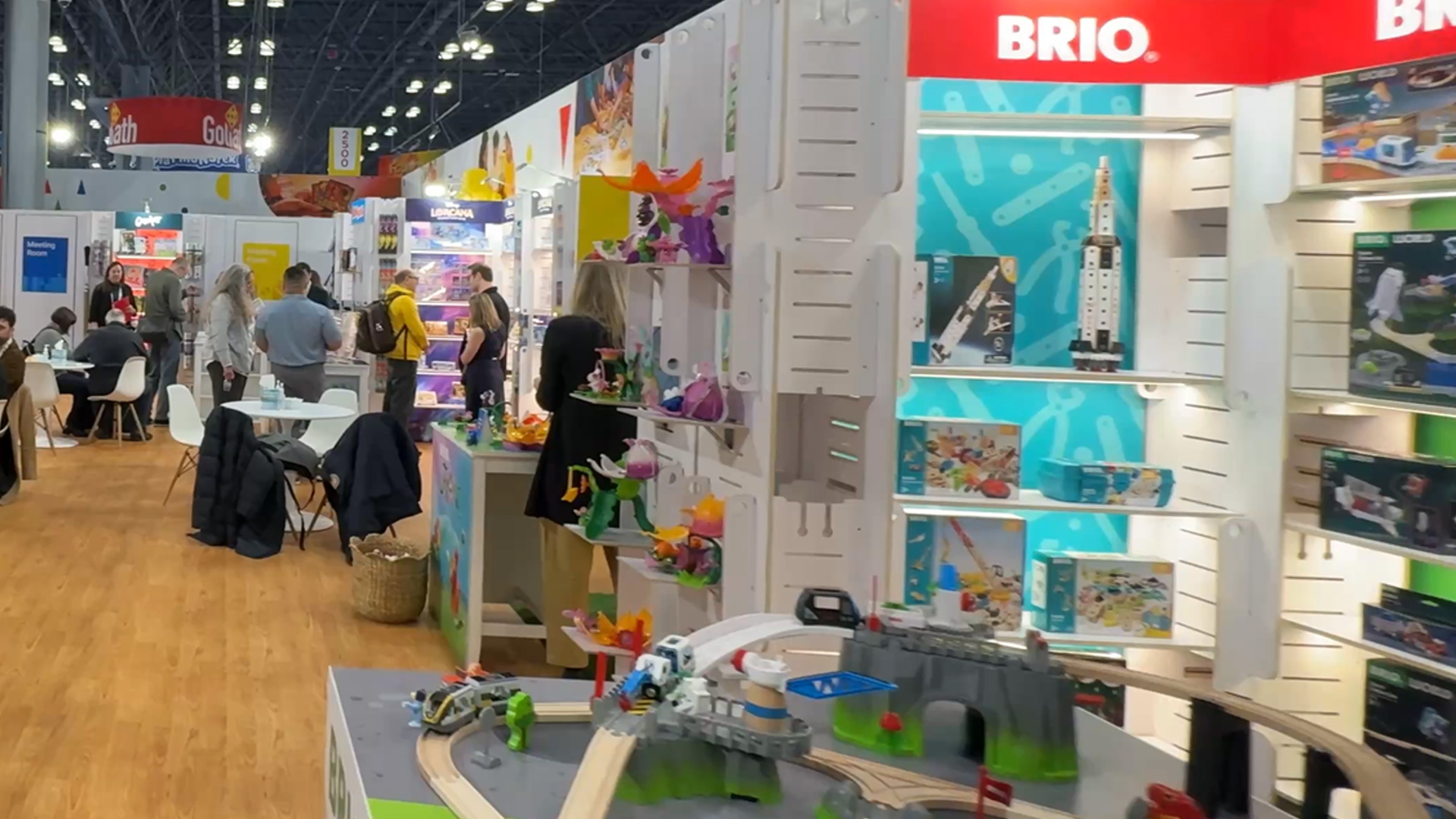
by F. Zuber - 2026-02-25At the New York Toy Fair, Flora is being presented as a product that is more than just another addition to Brio's range. The concept is new, having been launched in Europe just a few months ago in autumn, and is set to be introduced to the US market in August.
What is crucial here is not so much the launch date as the idea behind it: a play world that specifically invites children who were not initially attracted to classic wooden vehicles or vehicle play.
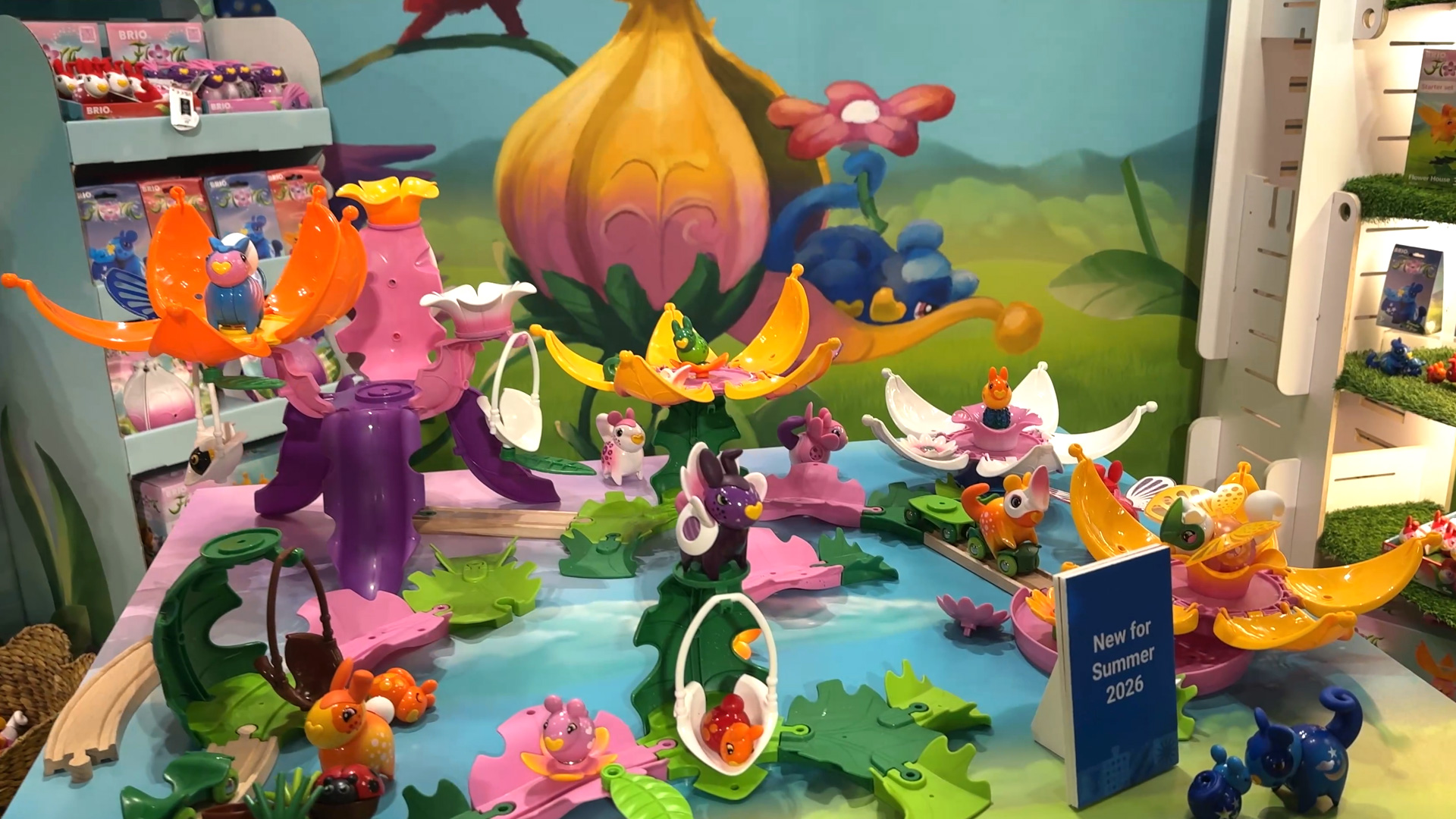

Brio Flora as a new concept beyond vehicles
The starting point was research: which children do not buy trains, which do not reach for wooden trucks – and why? The result is clearly described in the interview as a ‘long checklist’. Many children were not just moderately interested, but felt completely excluded from the game. Flora is the answer to this: not vehicle-based, but figure-based. Not derived from real life, but inspired by imagination. This shifts the perspective. Instead of ‘vehicles on tracks’, a figure takes centre stage – and the world revolves around it. The wooden track remains as a reference, as a familiar symbol of trust and play value, but it is no longer the anchor of the content.
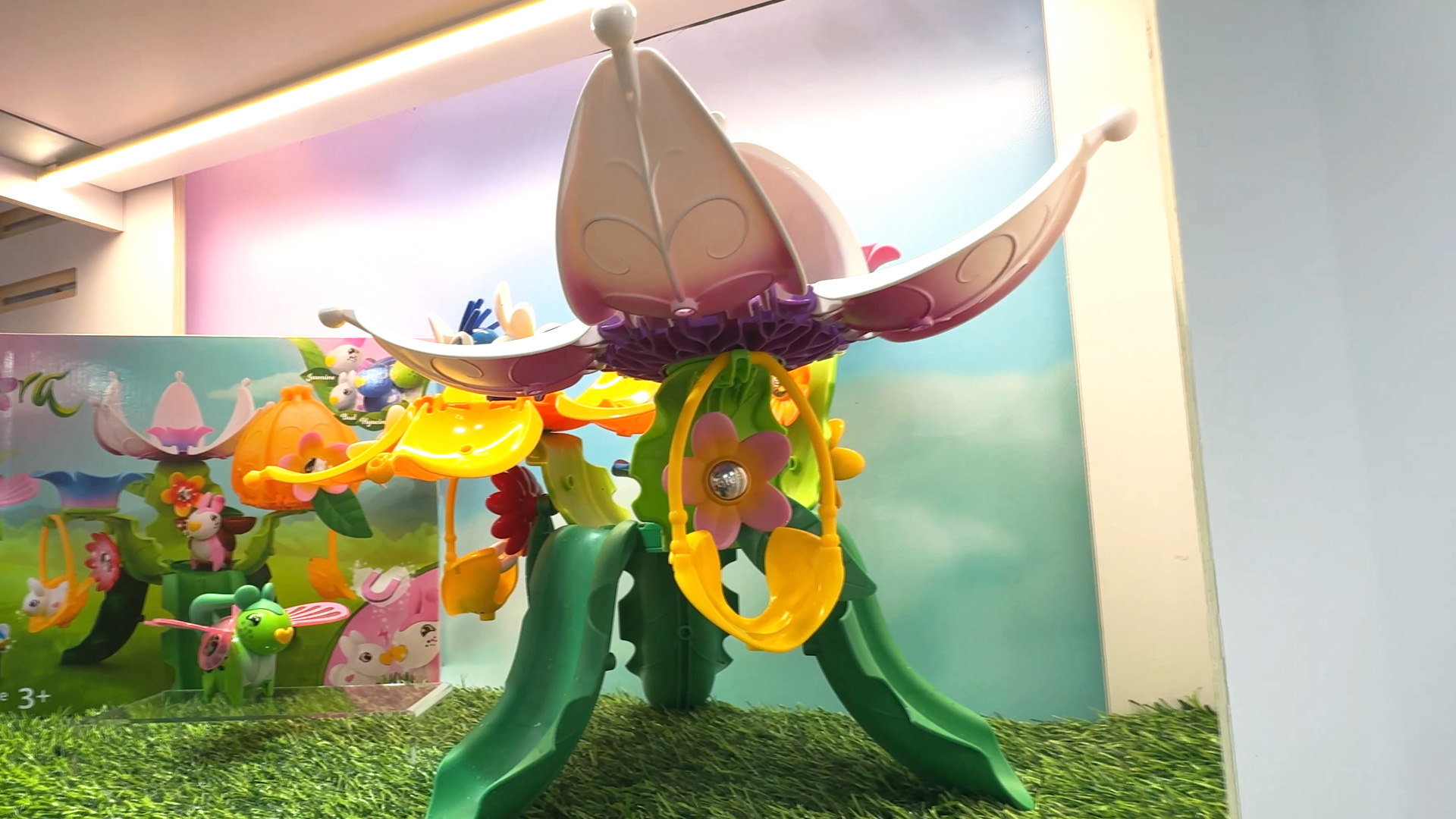
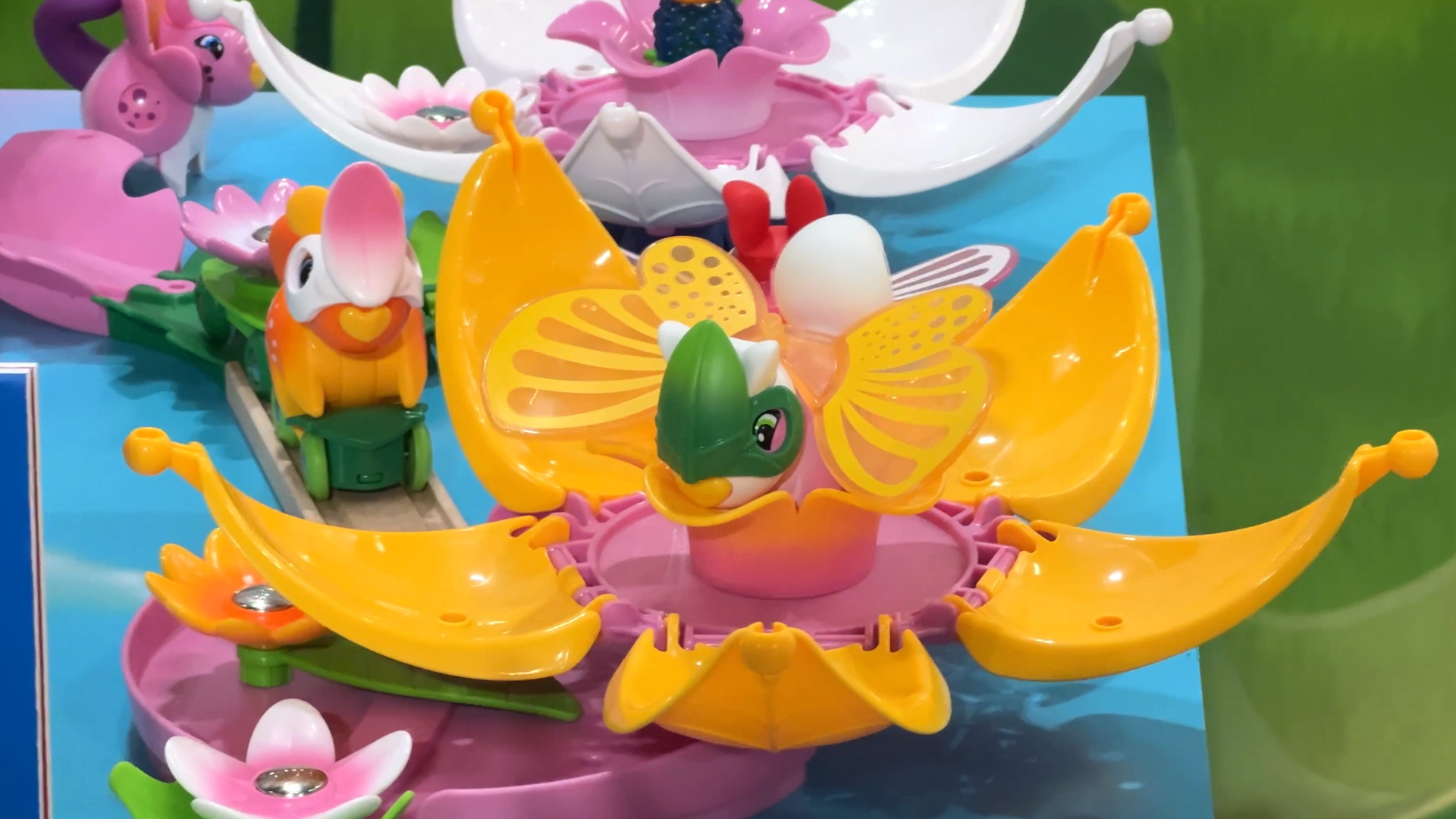
Target group 3 to 6 and deliberately without dialogue on screens
The target group is based on the classic railway: starting at two to three years old, continuing to five to six, and in some cases even beyond. However, the core age range is clearly described as three to six. It is also interesting to look at different markets. In the USA and Sweden, age and use are often discussed more liberally than in Germany, for example. However, the basic attitude behind this remains the same: this is a haptic game designed for long-term use. It is important to clearly distinguish it from digital patterns. With the wooden train set, there is ‘no dialogue on screens’ – and this understanding is also transferred to Flora. The aim is to create a system that is not intimidated by digital competition because it offers something different: it is tangible, variable and repeatable. In the language of the interview, the term ‘weekend toy’ is even used – a toy that you can immerse yourself in for a long time.
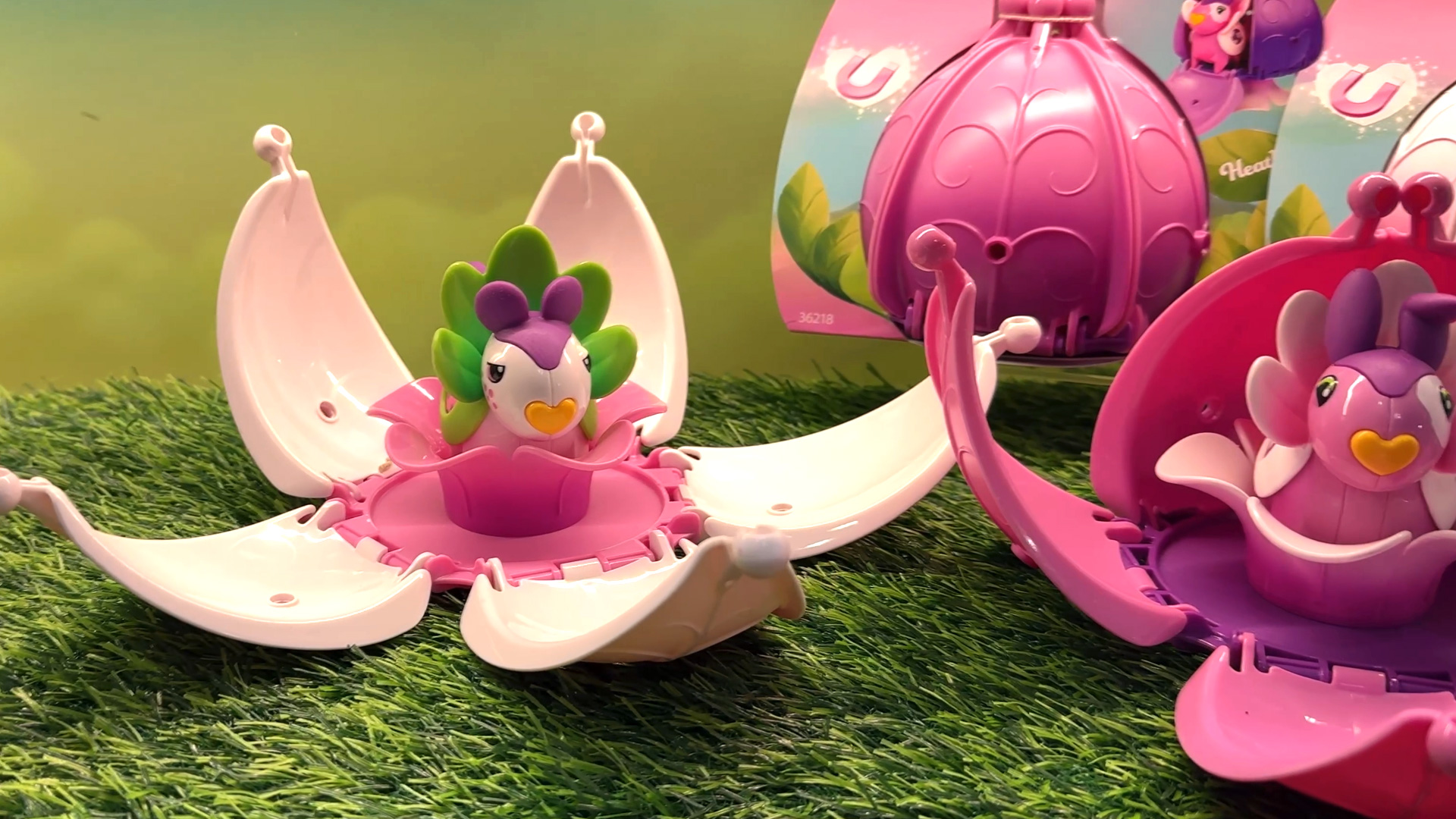
Haptic play and high play value in the sets
Flora is explicitly described as a haptic game. This refers not only to the quality of the materials, but also to the way children interact with them: touching things, rearranging them, combining them, taking them apart again. The system is designed to offer ‘flexibility’ – and at the same time a ‘high play value’ that keeps children engaged for longer periods of time. It is striking that the argument here is not based on a single effect, but on depth. The aim is for children to play ‘for a long, long time’, to get stuck in, move figures around and invent little storylines. It seems less like a set that is built once and for all, and more like a box of materials for endless new variations.
Playset compatible and without fixed fixtures
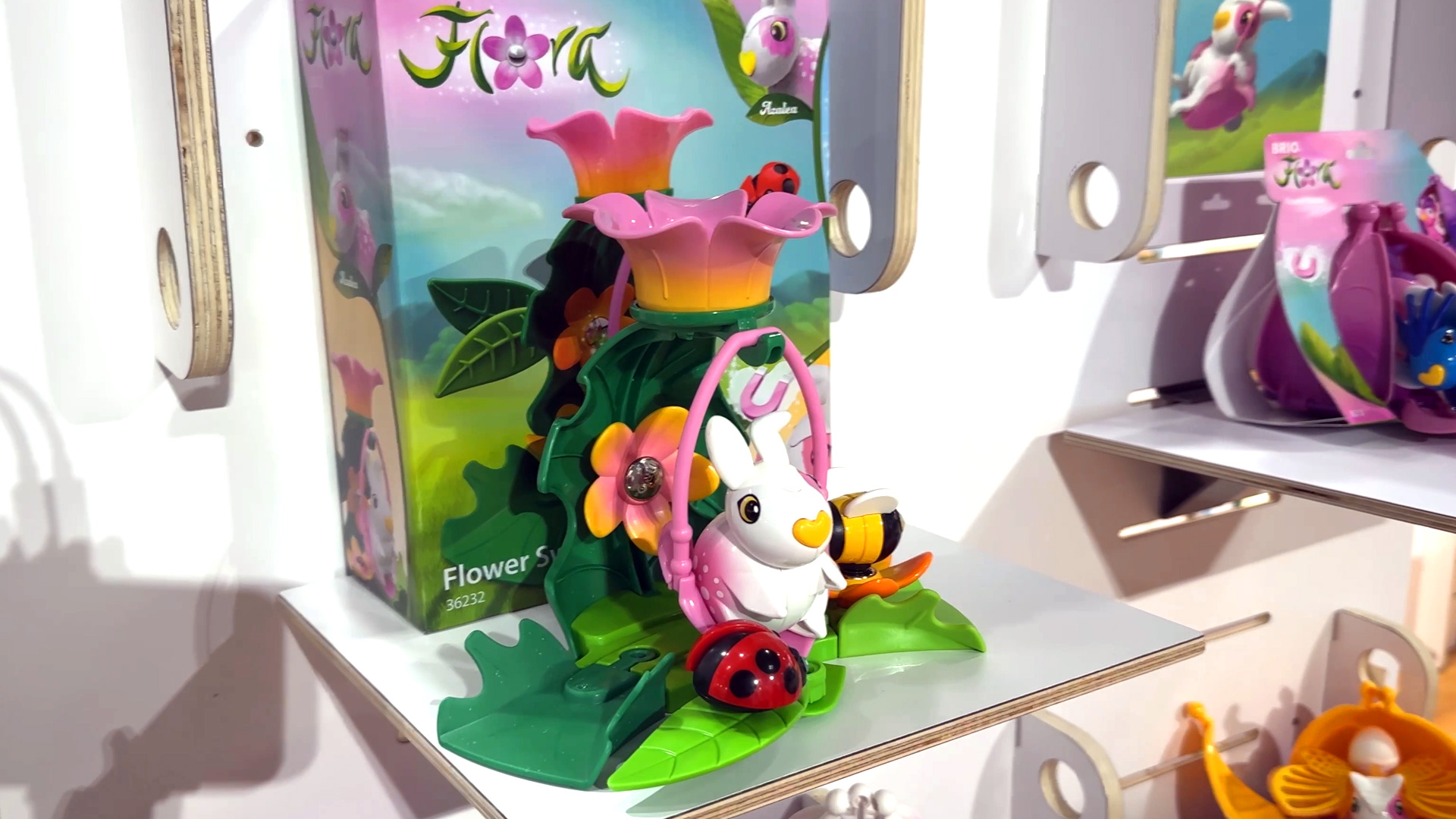
One key feature is very specific: ‘playset compatible’ – in the sense that there are no fixed fixtures. No fixed houses, no rigid mountings. Everything comes loose and can be built, rebuilt and rearranged. Various fittings ensure that elements remain movable and can be moved around within the play world. The principle is easy to grasp in the picture: a favourite house – in the example, the orange flower – can be closed, you can put something inside, take it out again, remove the house and place it in another location. Then the flower moves to the swing, for example, is placed there and the scene changes. The system does not prescribe a ‘correct’ way to play. There is no fixed game, but rather a structure in which children find their own way to play.
Open play with stories, decorations and adventures
This construction method gives rise to a way of playing that is not just about ‘building’, but also allows for roles and stories. Those who want to decorate can decorate. Those who want to play adventures can use other parts. The interview gives examples that illustrate this change: a small bike for excursions, a story about a trip to the forest, taking and transporting found objects. This turns Flora into a stage for mini-stories. A child looks forward to the trip, wants to ‘travel and carry whatever they find’. They find a flower, put it on the cart, take it with them and move on. This is not a fixed script, but an invitation to open storytelling.
- Character-based play instead of vehicle logic
- Inspired by imagination instead of real life
- Loose elements without fixed houses or fixtures
- Rebuilding, rearranging and relocating as a game principle
- Open stories from decoration to adventure
Long-term thinking: learning from the railway without copying it
The comparison with wooden train sets is deliberate, without Flora being intended as a copy. The train set is described as a system that has remained compatible for decades: parts from many years ago can still be used today. It is precisely this ‘deep’ system idea that should also apply to Flora – not as technical compatibility in the narrow sense, but as a promise that the play world can endure over time. Flora thus positions itself as an attempt to open a new door: for children who did not feel invited by the classic world of vehicles, but who are very keen on haptic, long, open play. Brio Flora does not rely on volume, but on system logic – and on the simple observation that children stay when they are allowed to shape the world themselves.

Trade fair reporting Germany - Trade fair knowledge, dates & events


