Rail Cube monorail building block set with magnetic train
by M. Kollmar - 2026-03-05Toys that combine construction principles with technical concepts are among the segments experiencing particularly dynamic growth in the international toy market. The Rail Cube monorail system follows precisely this approach.
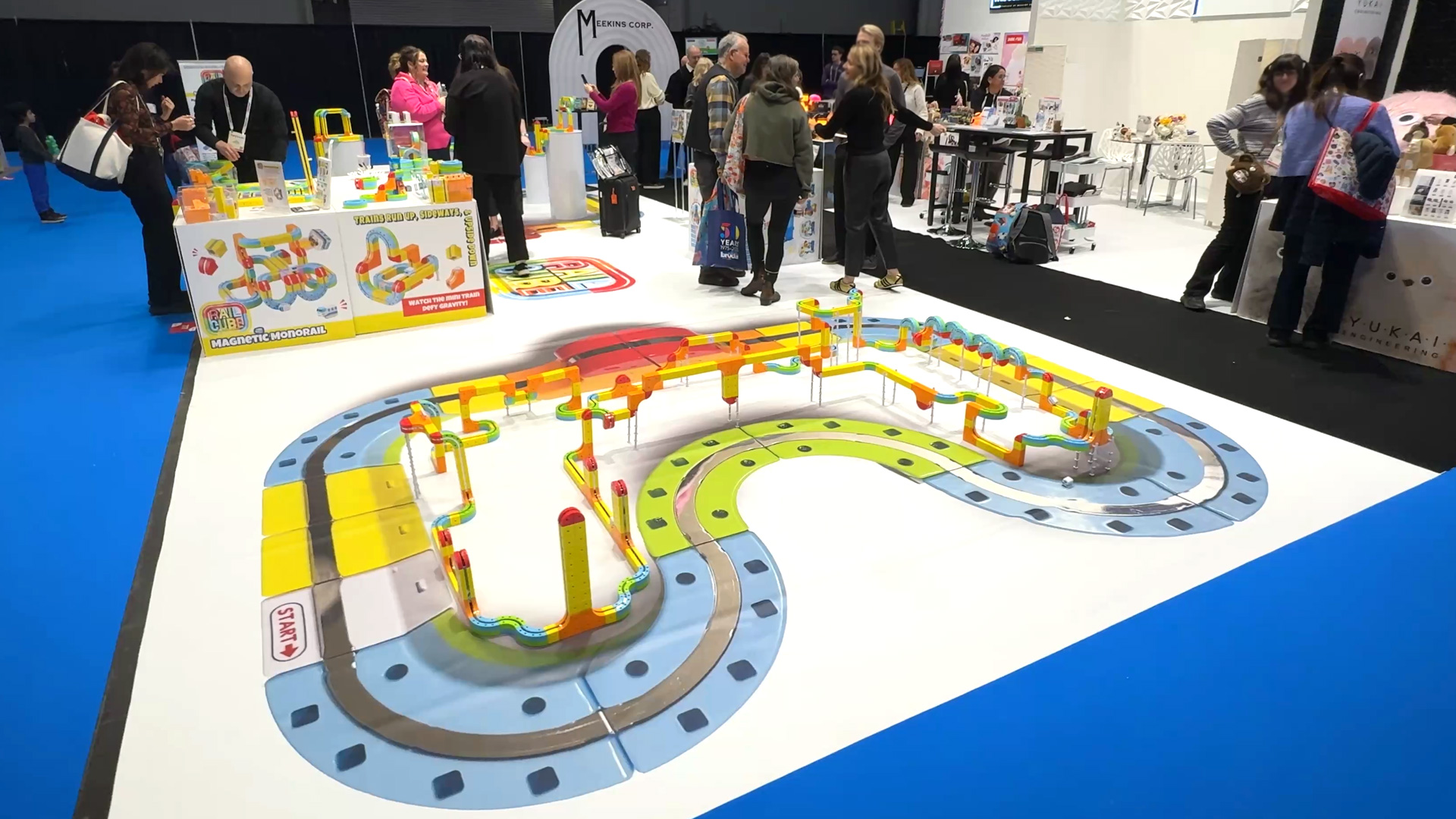
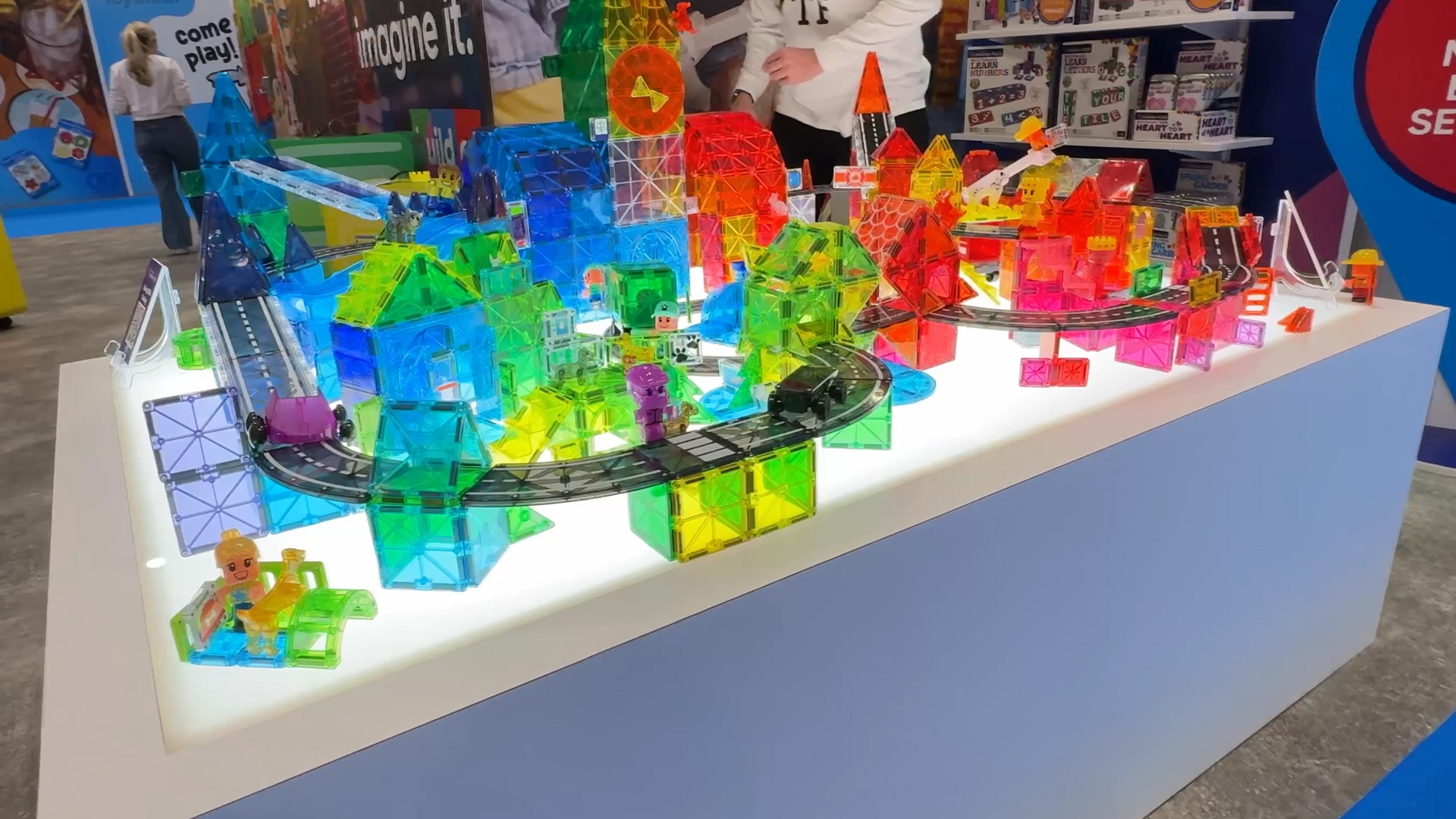
It combines a buildable building block system with a magnetically guided train and introduces children to spatial thinking, route planning and basic logical processes in a playful way. The concept was originally developed in Japan before being adapted for international markets. At its core is a modular rail system. Individual components can be rotated, pulled apart and connected to each other. Only when a closed track has been created can the train start its journey. This simple rule ensures that children intuitively begin to plan and improve their construction. If a track fails, the reason is usually a missing connection – a principle that playfully introduces problem solving and logical thinking.
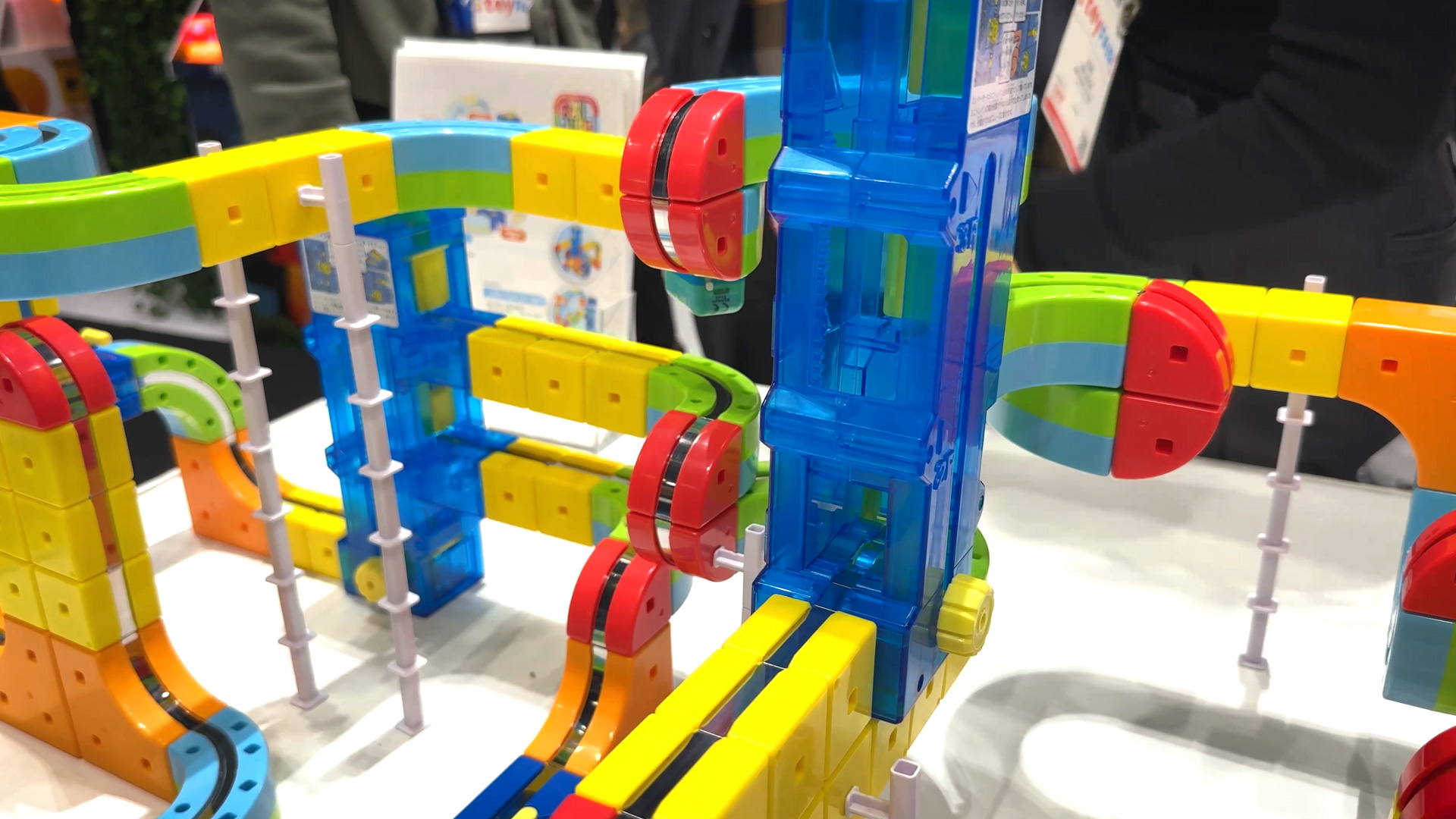

Rail Cube Monorail System with magnetic train
The central element of the system is the train, which has magnets in its wheels. These ensure that the vehicle stays safely on the track – even when the route takes unusual turns. The train can travel sideways, overhead or along steep sections of track. The only crucial factor is that the rails are connected to each other throughout. It is powered by a rechargeable battery that is charged via USB. The electronics are located exclusively in the train itself. All other components are purely mechanical. This keeps the system robust and easy to understand. The track components are designed to fit together securely, yet are easy to use. Even children as young as three years old should be able to connect the elements. The toy is therefore aimed at an age group in which construction and movement games play a central role in motor development and spatial understanding.
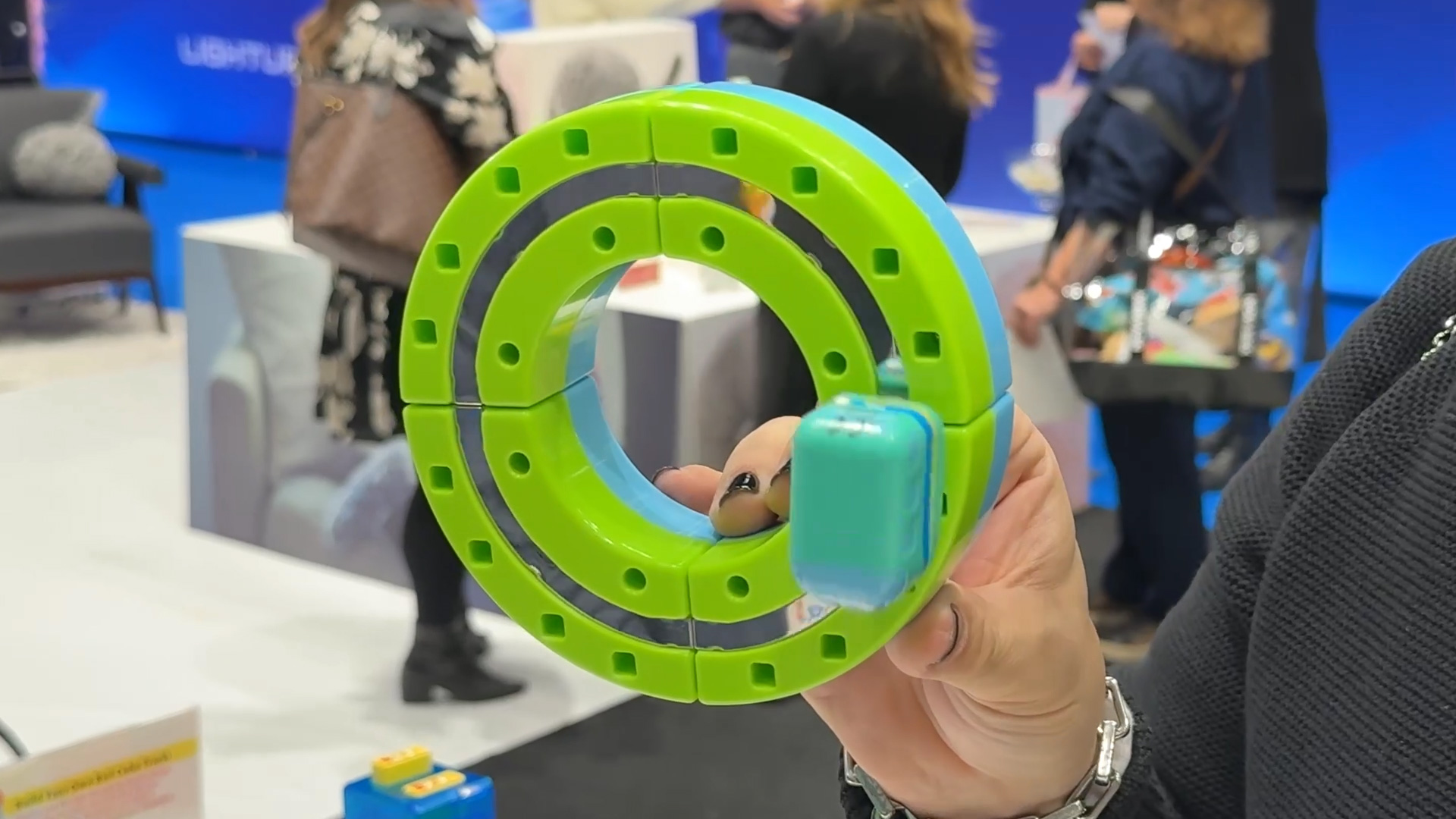
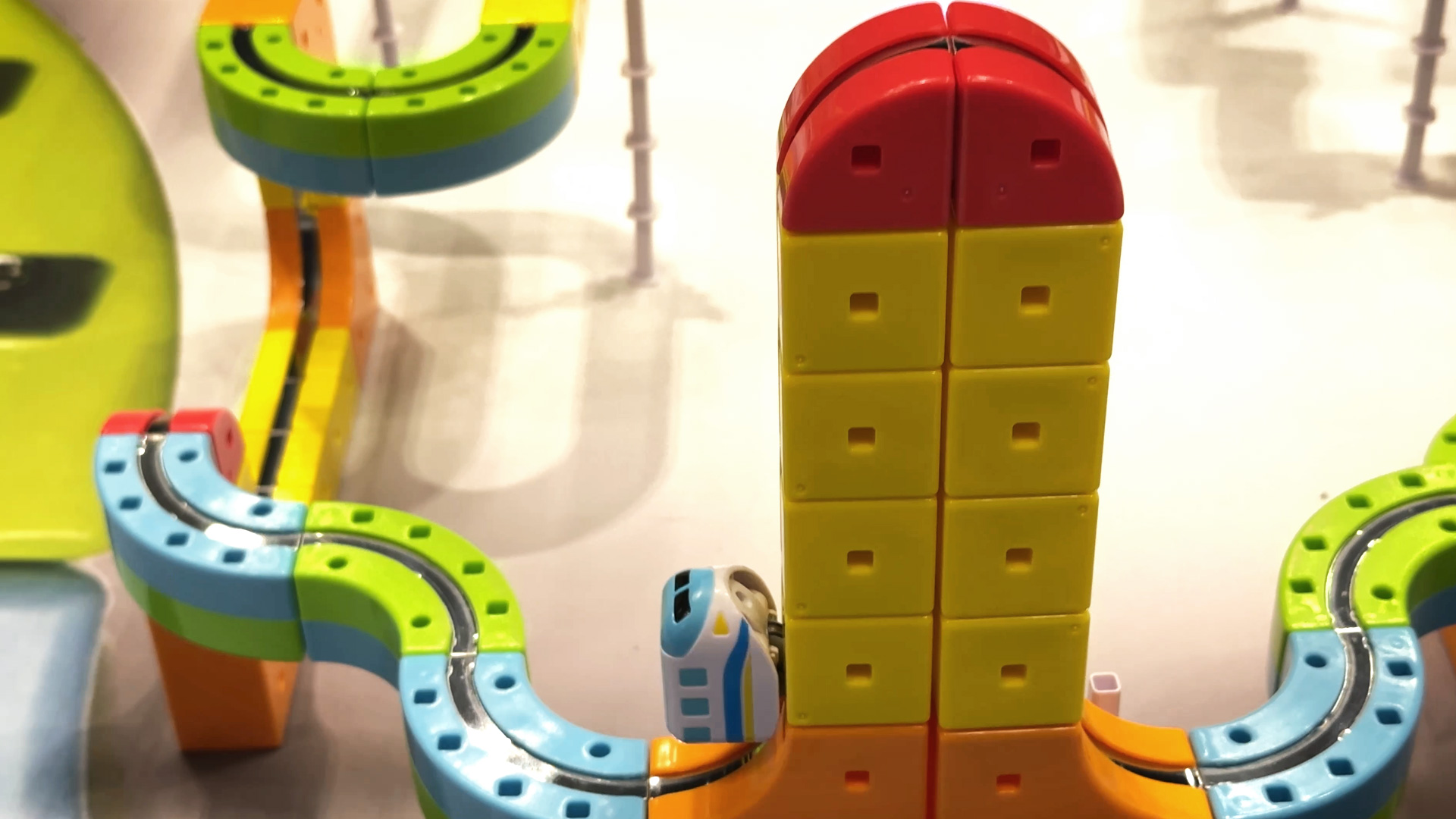
Colour-coded tracks as an introduction to coding logic
A special feature of the concept is the colour coding of the components. Each colour represents a specific direction of the track. This creates a system that is reminiscent of simple programming logic. The most important directions are clearly defined:
- Green marks a right turn
- Blue stands for a left turn
- Orange describes an inside turn
- Red indicates an outside turn
- Yellow stands for a straight track
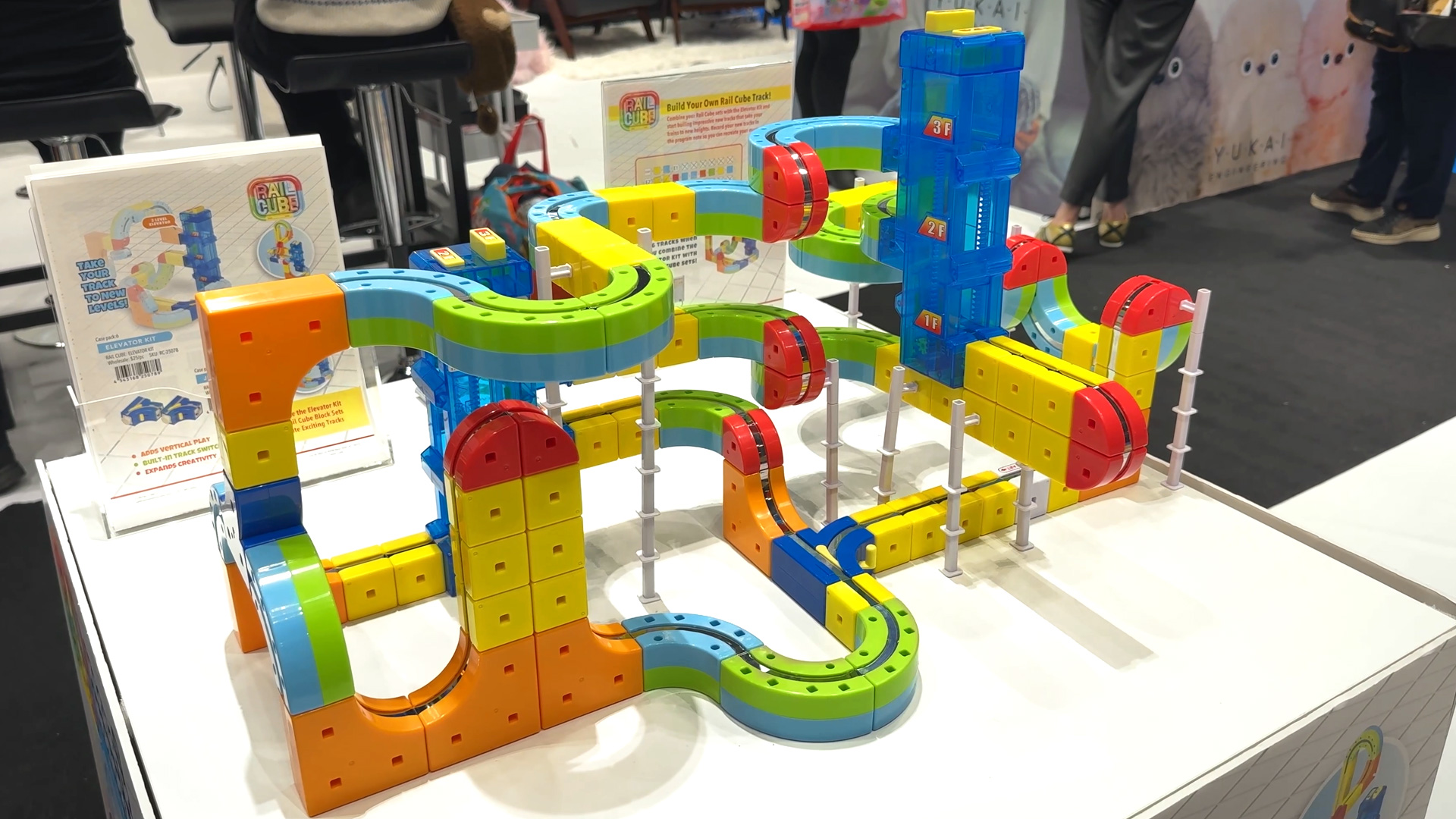
Elevator extension adds additional levels to the system
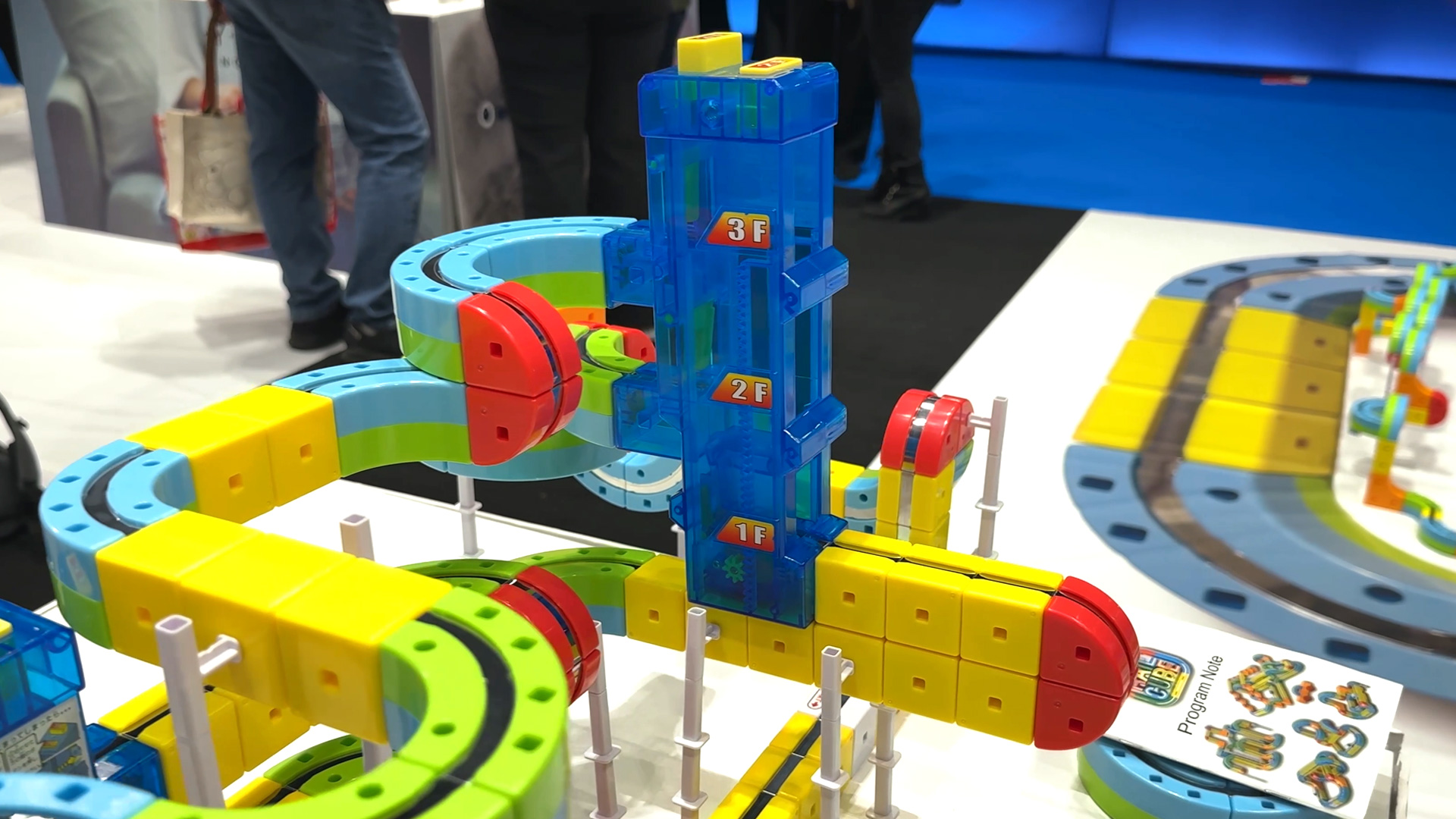
The so-called elevator is an important extension. This component makes it possible to connect several levels within a track. While classic layouts usually run on one level, the system can be expanded vertically. The mechanism works mechanically via gears. When the train drives onto the lift, it sets the lift itself in motion. This allows the vehicle to be transported to a higher level without the need for additional electronics. A special connecting element ensures that the train returns seamlessly to the track after the change in height. The circuit remains closed – a prerequisite for the train to continue its journey. This extension significantly changes the dynamics of the designs. Tracks can now be built not only longer, but also more spatially complex.
Development in Japan and preparation for international markets
The concept was originally developed by a Japanese toy manufacturer. The product is currently being adapted for international distribution. This includes translated packaging, new building instructions and partially revised brand identities. Such adaptations are common in the global toy market. A toy that is successful in one country often has to be redesigned linguistically and visually in order to be understandable and attractive in other regions. The official age group is between three and twelve years. In practice, however, it is often found that adults also enjoy the system. Parents in particular build more complex tracks together with their children and test different designs.
Starter Set Deluxe Set and Extensions at a Glance
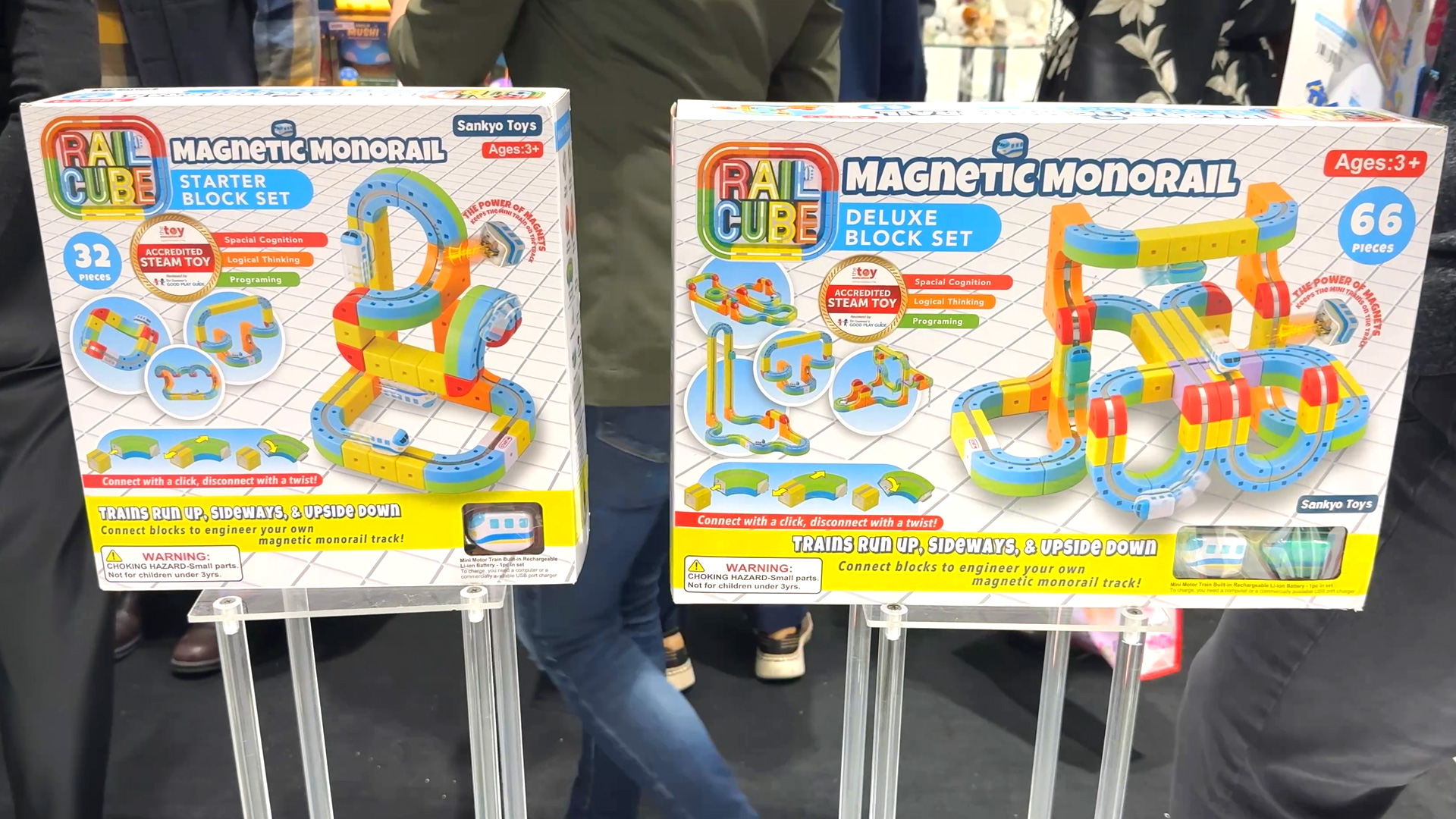
The range has a modular structure. Different sets offer different levels of complexity. The Starter Set contains 32 components and a train. This allows you to build your first closed tracks. It is primarily aimed at beginners who want to get to know the system. The Deluxe Set significantly expands the scope. It contains two trains and additional components that enable larger and more complex layouts. There are also additional components:
- Starter Set with 32 components and one train
- Deluxe Set with two trains and expanded track options
- Individual trains to supplement existing layouts
- Elevator extension for multi-storey constructions




Trade fair reporting Germany - Trade fair knowledge, dates & events


