Beanie Bouncer toys from Ty bring movement into the nursery
by F. Zuber - 2026-03-07Toys don't have to be complex to delight children. Sometimes a simple idea is enough – if it's well executed. The Beanie Bouncer toys from Ty follow exactly this principle.
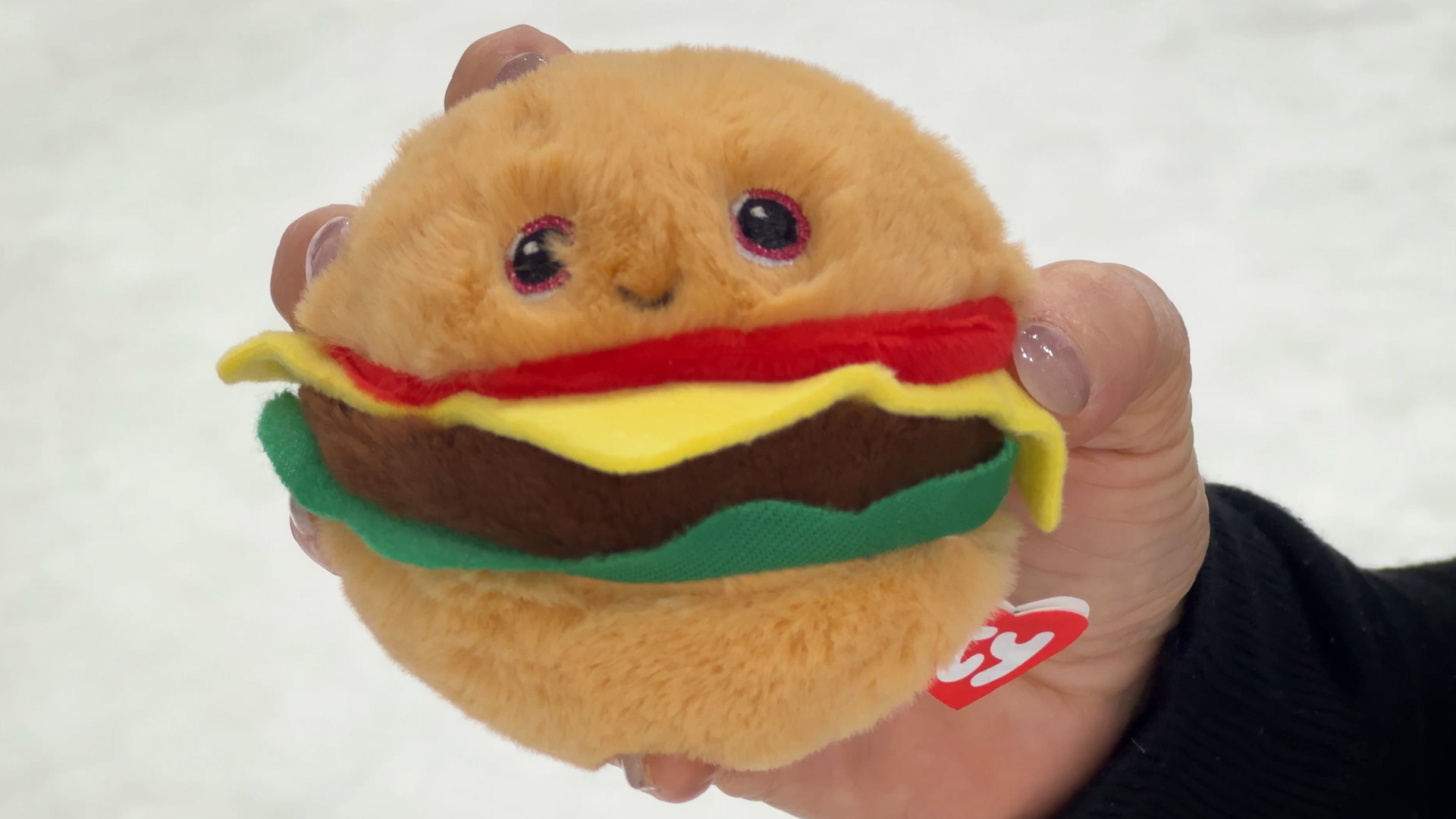
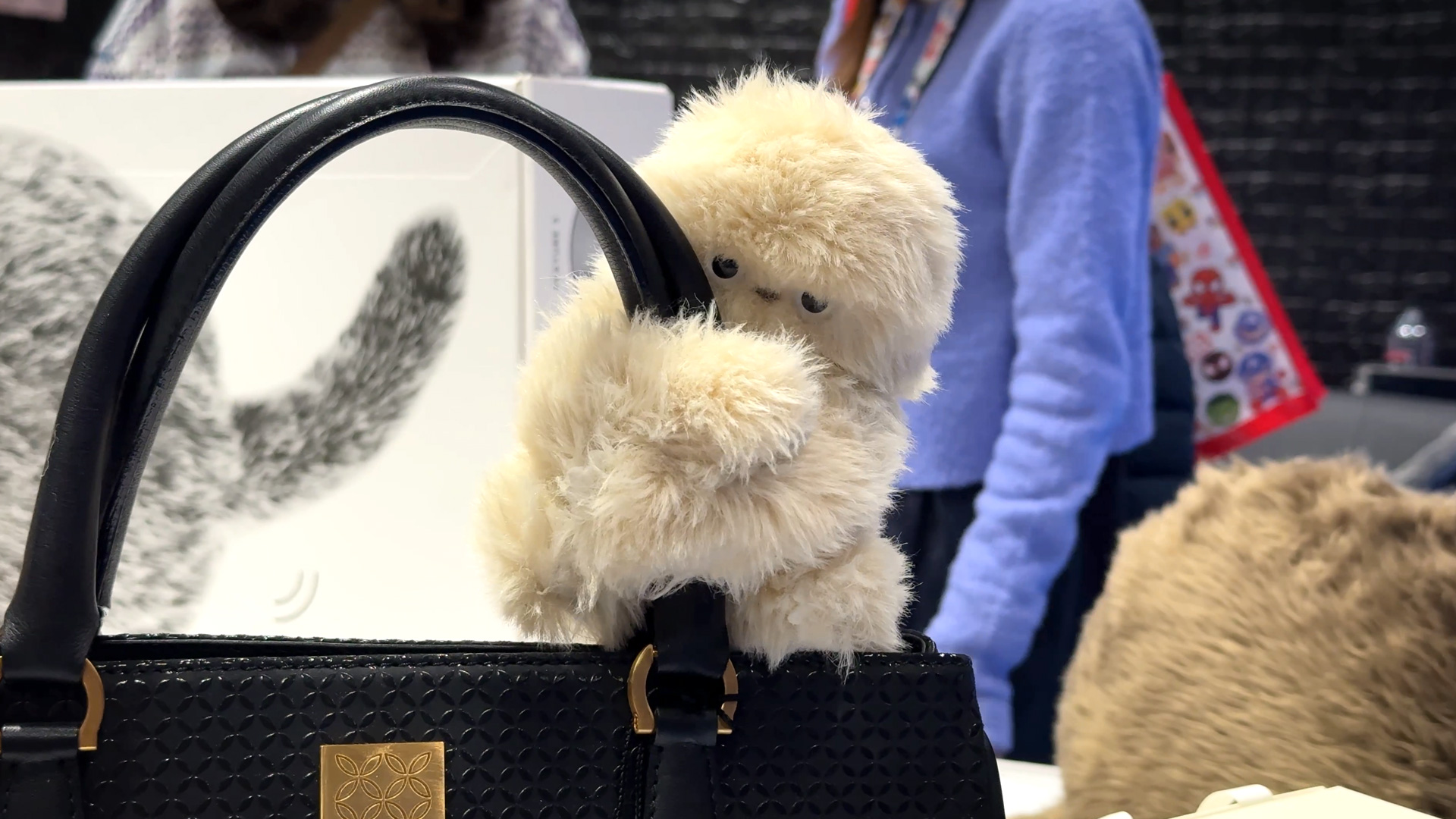
The small, soft throwing toy combines the characteristics of a ball with the design of classic plush figures. The result is an object that can be bounced, thrown and caught – and deliberately avoids screens. Behind the concept is the US manufacturer Ty, whose founder Ty Warner already attracted worldwide attention with the well-known Beanie Baby collectible figures. The Beanie Bouncer continues this tradition, but translates it into an active play concept that focuses on movement and interaction.
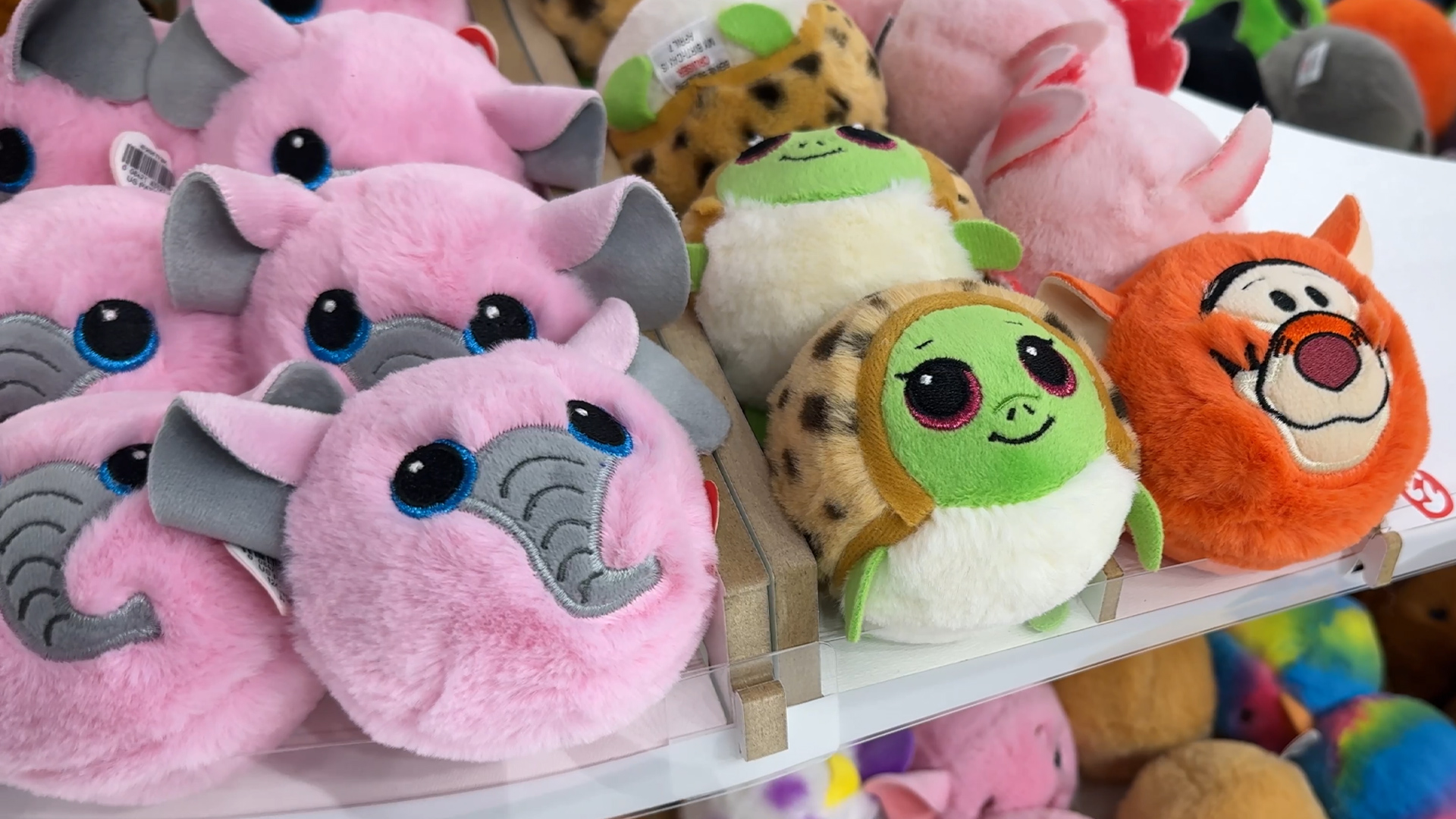

Beanie Bouncer toy with surprising bounce
At first glance, the Beanie Bouncer looks like a small stuffed animal. But inside, there is a mechanism that provides surprising dynamics. When the toy is thrown on the floor, it bounces back up with astonishing energy – according to the manufacturer, up to 15 metres high, depending on the surface and throwing technique. This feature makes the Beanie Bouncer a mixture of ball, fidget toy and collectible figure. Children can throw it, make it bounce or simply squeeze it in their hands. It is precisely this versatility that explains why the product quickly attracts attention. The concept follows a simple logic: movement generates reaction. Anyone who throws the Bouncer on the floor immediately experiences the result. This creates a playful rhythm of throwing, observing and trying again.
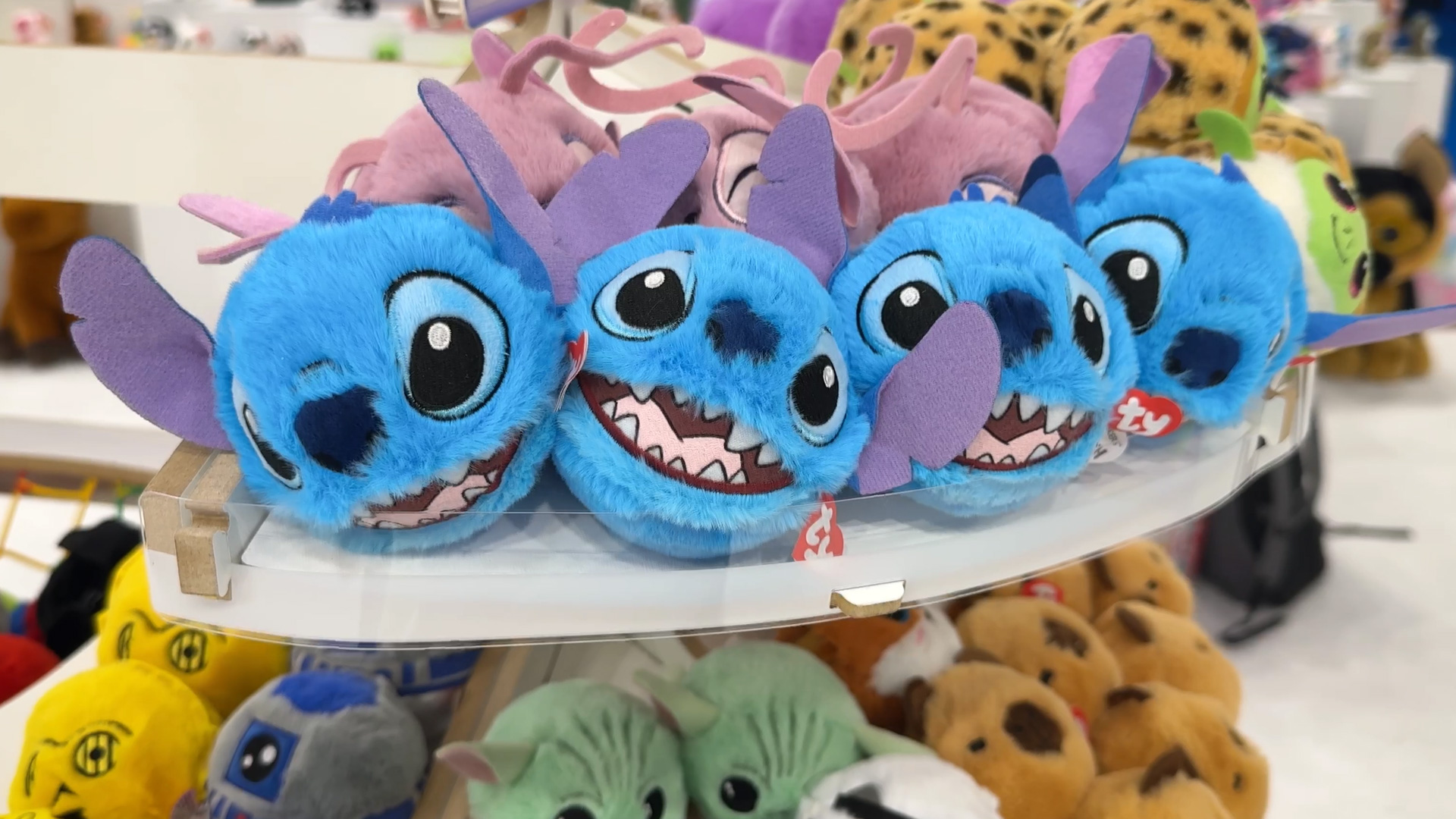
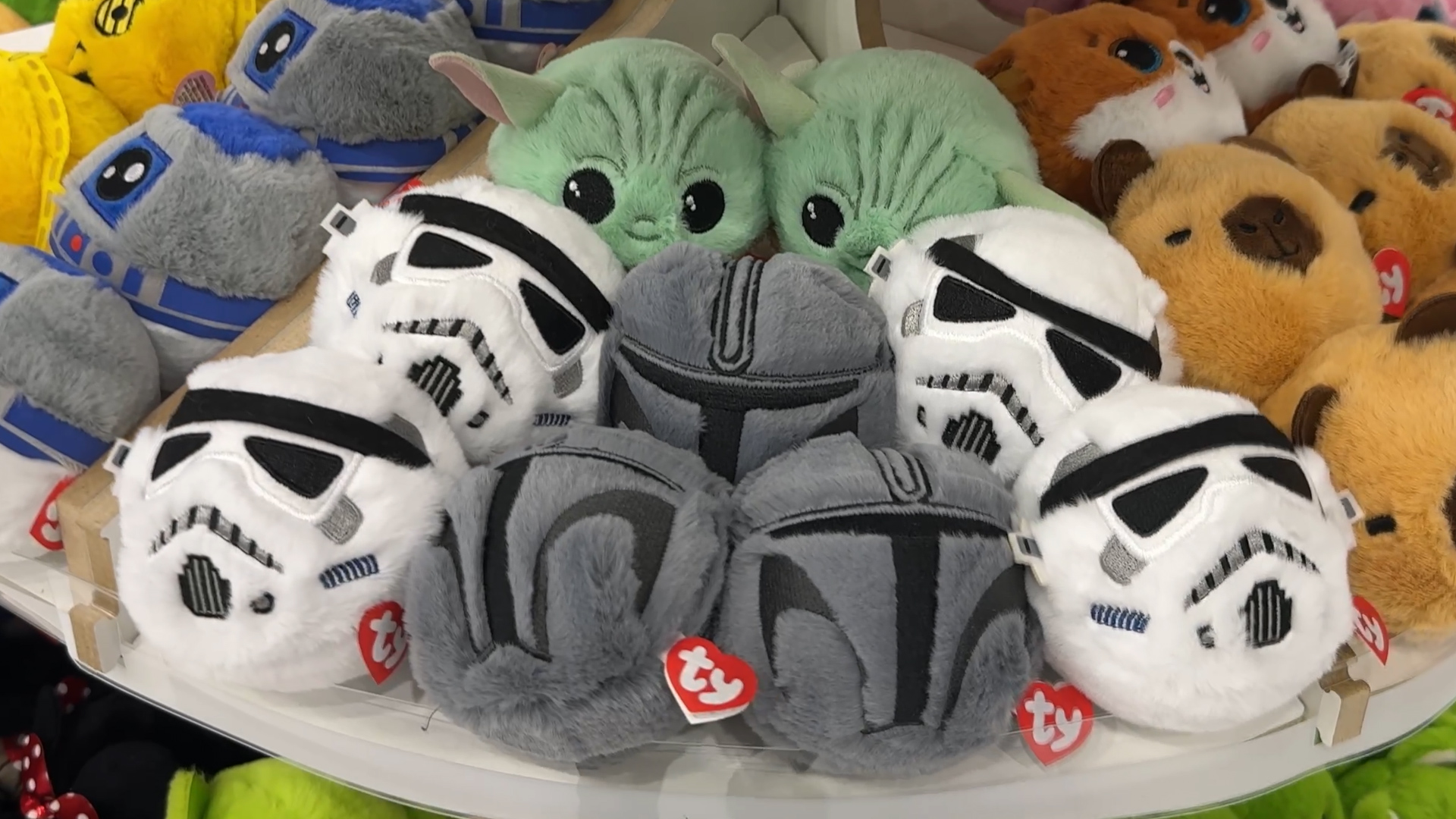
Ty relies on well-known characters and licences for the Beanie Bouncer
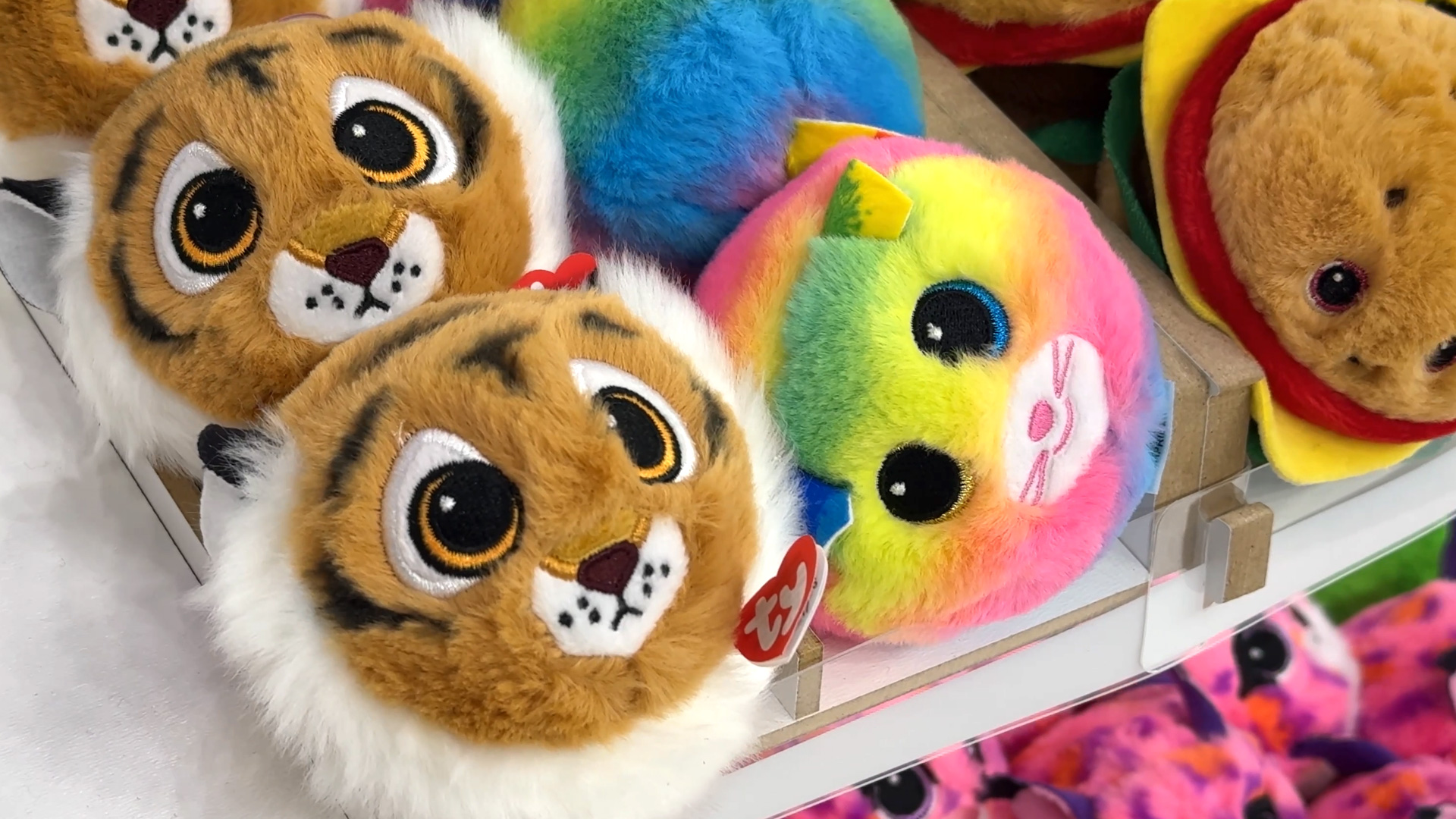
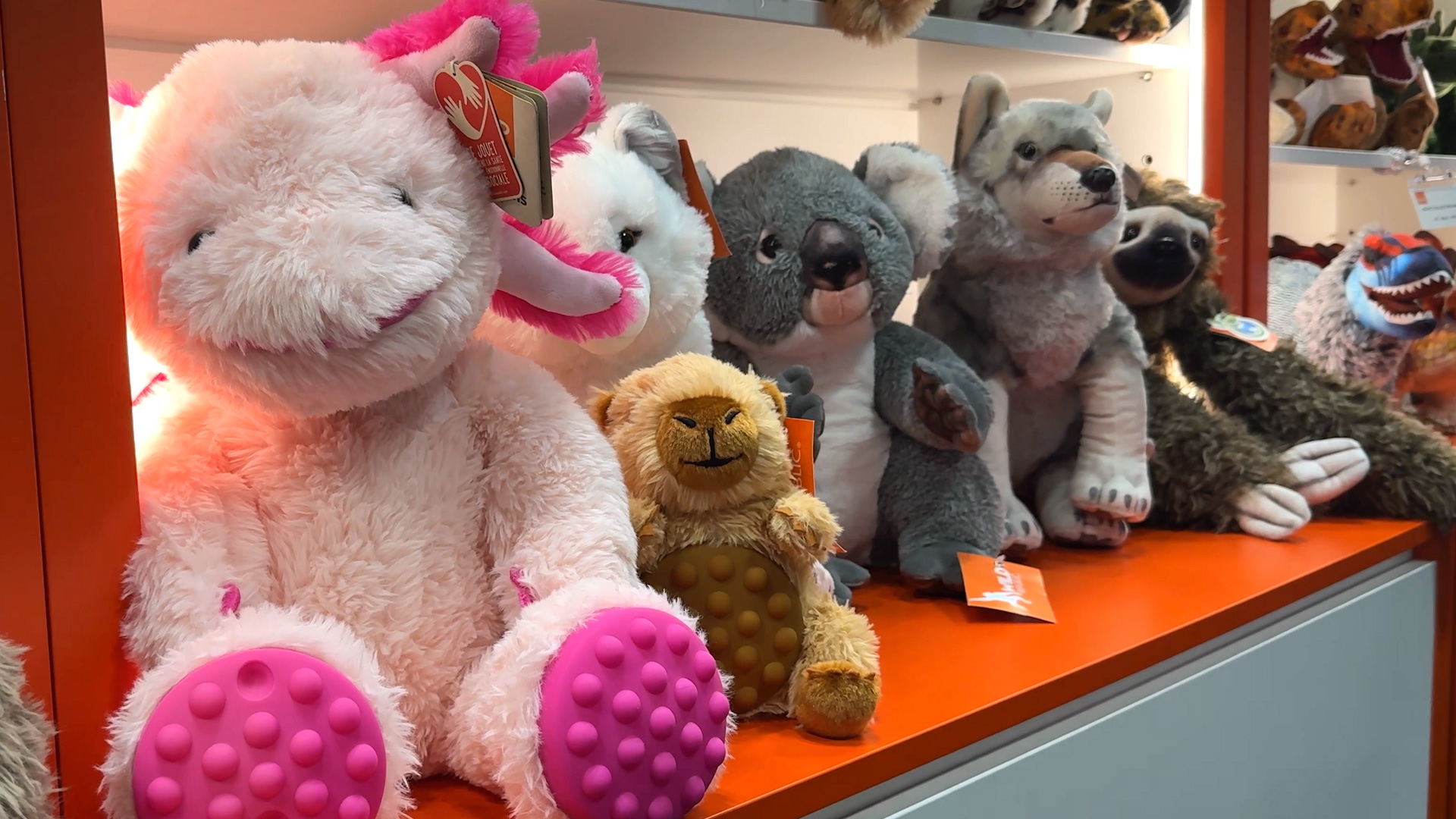
An essential part of the product is the different designs. In addition to classic animal figures, there are numerous variants with well-known licensed characters. The Beanie Bouncer thus combines physical play with familiar characters from pop culture. The range includes characters from well-known series and brands. These include characters from popular children's programmes and film worlds.
- Animal figures in different colours and shapes
- Licensed characters from series such as Bluey
- Characters from Disney universes such as Stitch
- Characters from Sesame Street
Beanie Bouncer toys as a deliberately analogue concept
It is striking that the product does not contain any digital components. At a time when many toys work with apps, screens or electronics, the Beanie Bouncer deliberately focuses on the opposite. The approach: children should move, throw, catch and try things out. The gameplay arises from the interaction itself – not from programmed functions. Parents in particular see this as an advantage. Many are specifically looking for toys that lead children away from passive screen use. The Beanie Bouncer fulfils this role without being complicated. It can be used anywhere – in the nursery, in the garden or on the playground. The rules arise spontaneously. A child can try to make particularly high jumps or catch the bouncer again.
Ty Warner and the idea behind the Beanie Bouncer
The idea for the product came from Ty Warner. The entrepreneur is best known for the Beanie Baby series, which became a global collecting phenomenon in the 1990s. Warner drew on an unusual source of inspiration for the Beanie Bouncer. The basic idea is based on a very primitive game principle: throwing things and watching them bounce. The idea behind it can be traced back a long way in history. Early in human history, people threw stones that bounced back on impact. This simple observation led to the development of a toy that makes use of precisely this effect. The company has patented the design of the Beanie Bouncer, thereby protecting the unique combination of a soft shell and a bouncing function.
Beanie Bouncer toy as a mixture of ball and fidget object
The possible uses are deliberately kept open. The Beanie Bouncer can be used like a ball, but at the same time fulfils the function of a fidget toy. This means that children can not only throw it, but also knead or squeeze it in their hands. The soft surface ensures a pleasant haptic feeling. Another safety feature is the absence of hard elements. The Beanie Bouncer has no hard plastic eyes or sharp edges. This makes it suitable for younger children as well. This combination of safety and movement stimulation makes the toy particularly accessible.
Price and market position of the Beanie Bouncer toy
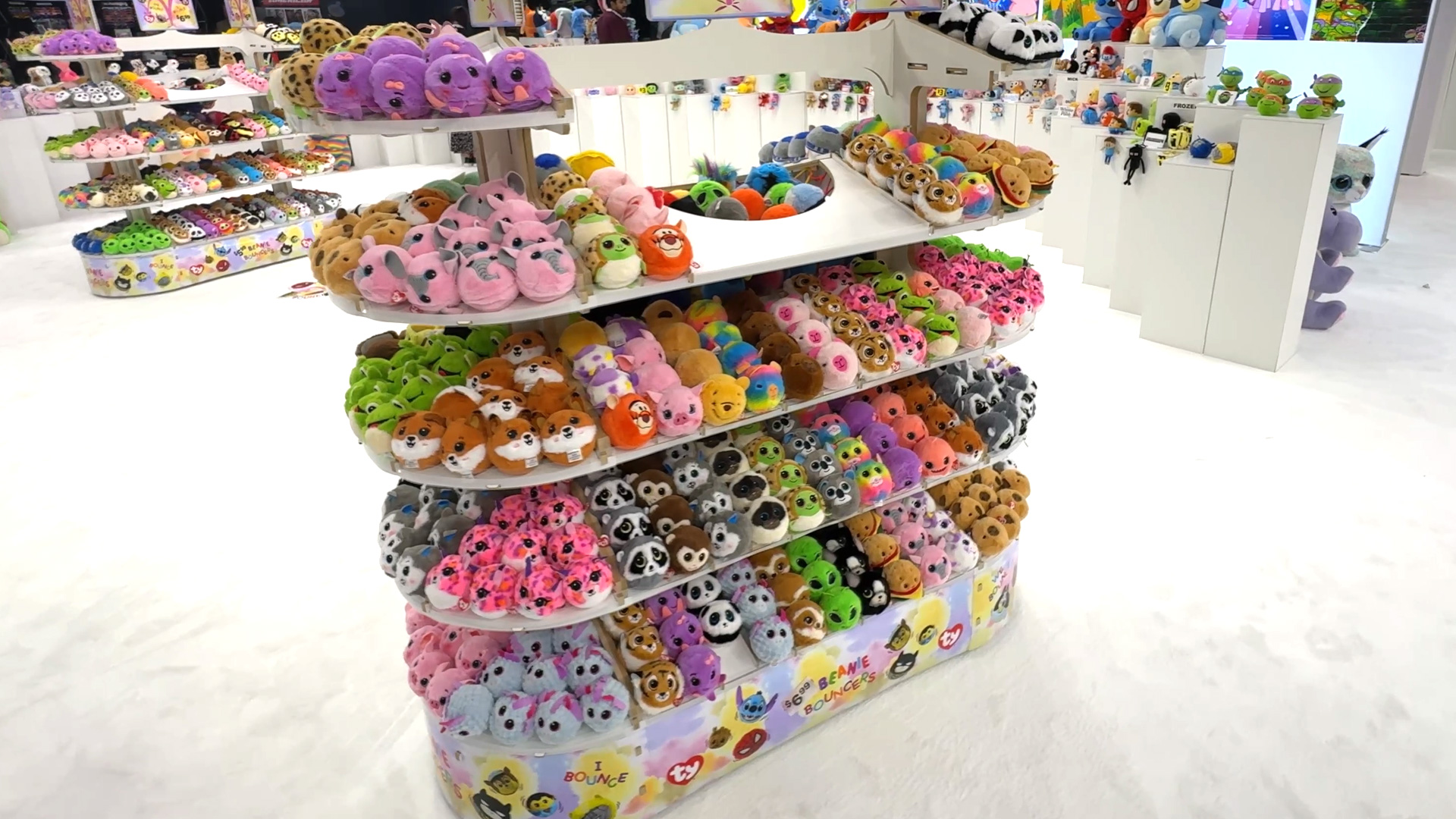
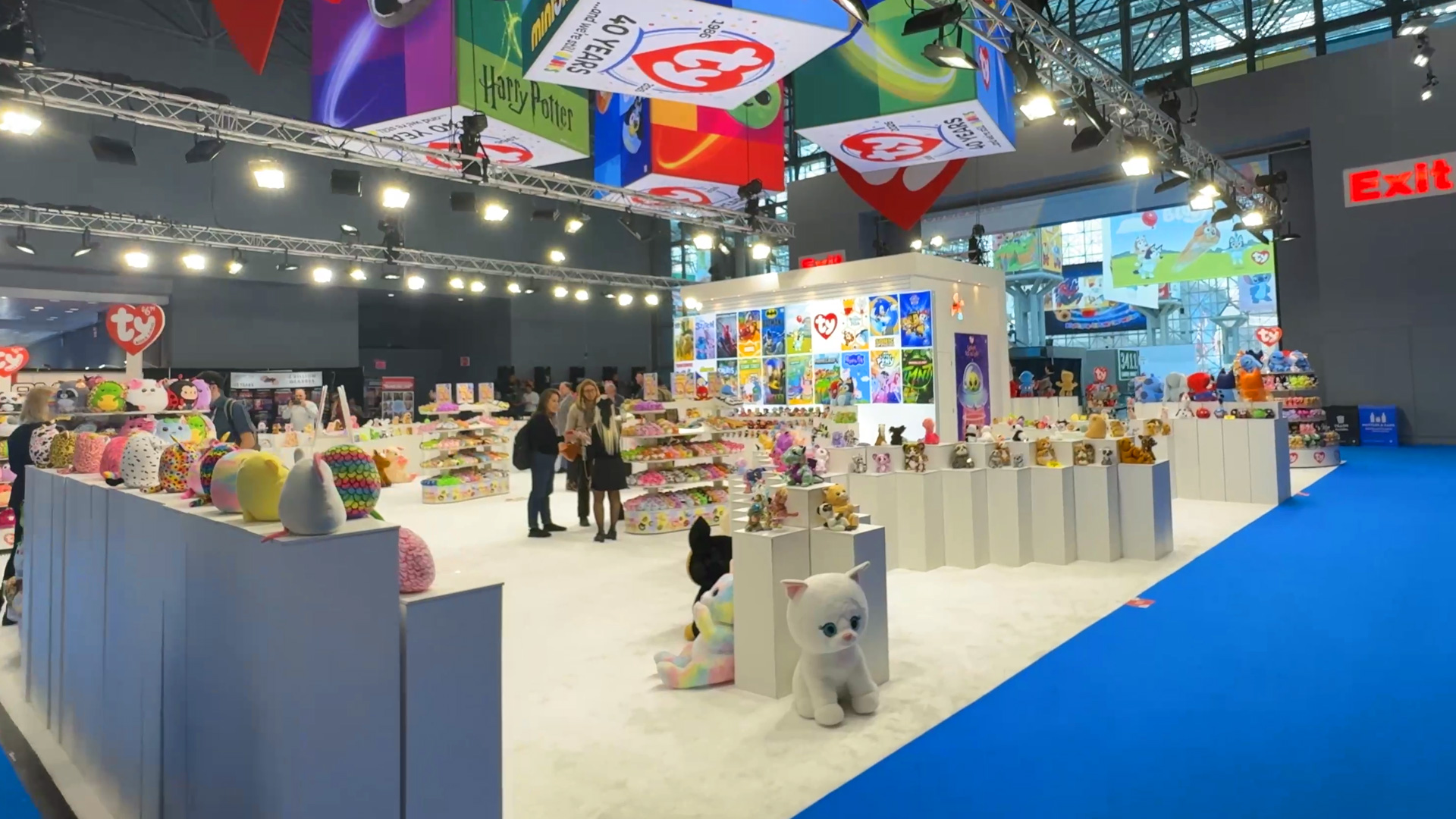
With a retail price of around $6.99, the Beanie Bouncer is in the lower price segment. The product is deliberately positioned as a spontaneous purchase – a toy that is easy to take with you or collect. Presentation also plays a role in retail. Some displays contain small play elements that demonstrate throwing and bouncing directly at the point of sale. Customers can try out the function before deciding on a figure. The strategy is reminiscent of classic collectibles: many small variants, low price and high recognisability.
Movement instead of screens
Ty's Beanie Bouncer toy is exemplary of a development in the toy market. While digital products are becoming increasingly complex, the demand for simple, analogue play concepts is growing at the same time. The toy shows that a basic idea – throwing, jumping, catching – still works today. The combination of soft design, familiar characters and surprising bounce makes the Beanie Bouncer a product that children intuitively understand. And that is precisely its strength: it requires no instructions, no app and no technology. One throw is enough – and the game begins.


Trade fair reporting Germany - Trade fair knowledge, dates & events


