News Navigation

News Navigation
Health is a central component of social development. Whether technical innovations, therapeutic approaches, or new care concepts – the contributions address topics that shape medical practice and healthcare.
Cleaning robots in care facilities, clinics, office complexes
The shortage of skilled workers is hitting the building cleaning sector particularly hard. Despite a large number of cleaning staff, many positions remain unfilled, while the deman... Cleaning robots to combat the shortage of skilled workers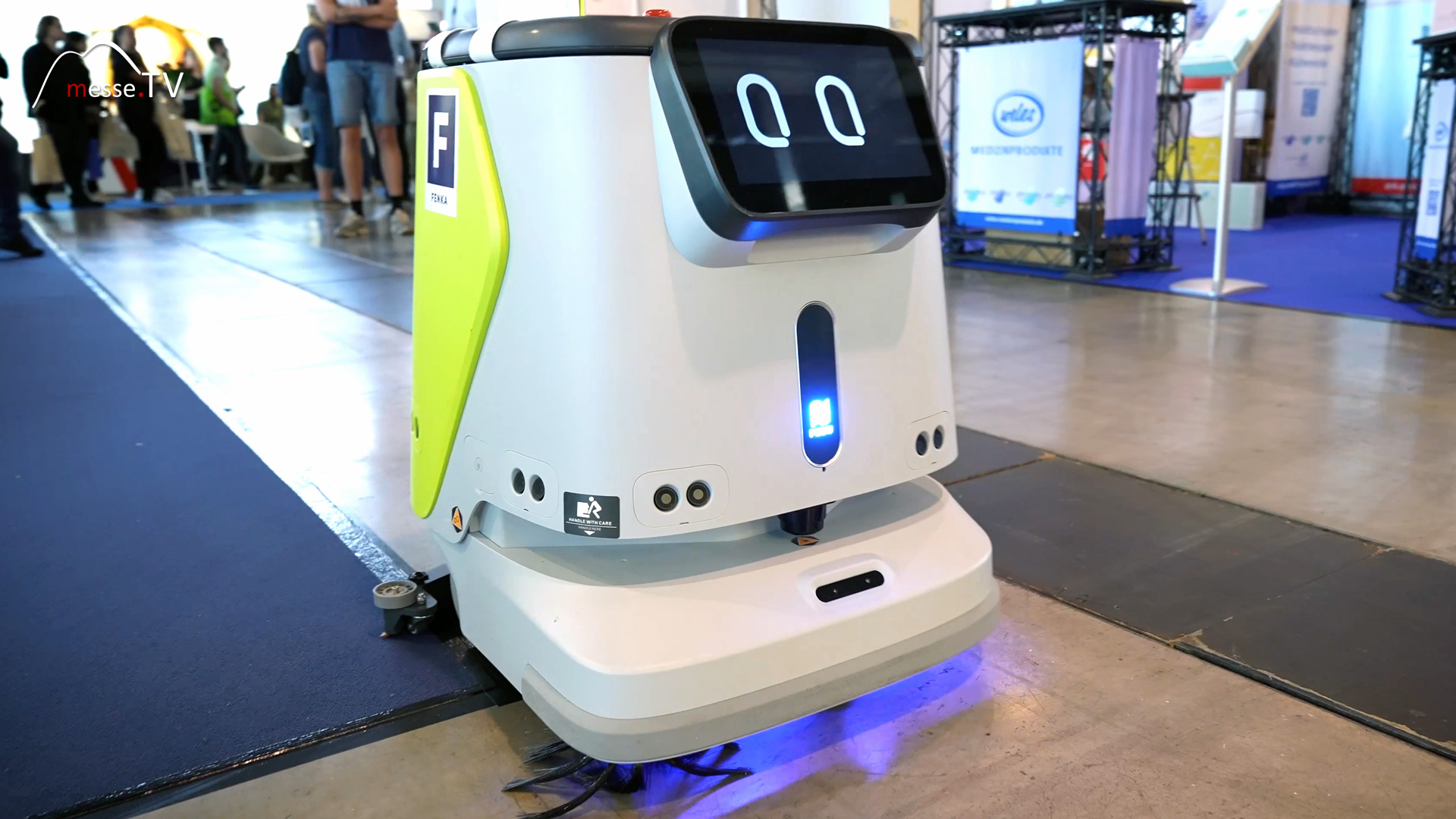
Careers in nursing: A professional, meaningful field of work
Nursing is facing profound changes. Demographic change, a shortage of skilled workers, and increasing demands on quality and organization are forcing social enterprises to continuo... Careers in nursing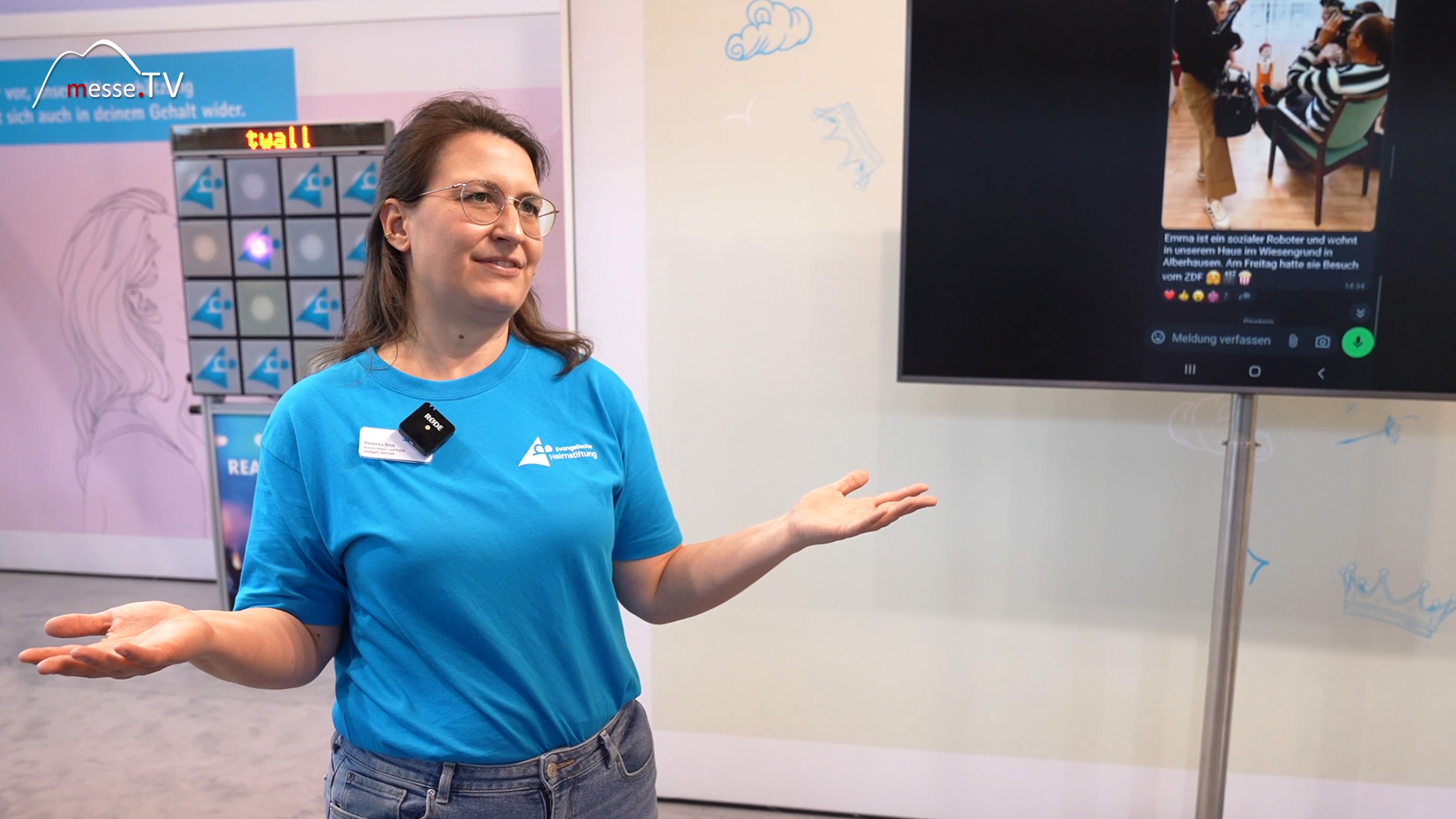
AMBOSS – Reference work for medical knowledge
The digital knowledge platform AMBOSS is designed to make medical expertise accessible in a structured, comprehensible, and interdisciplinary manner. The starting point was the uni... Reference work for medical knowledge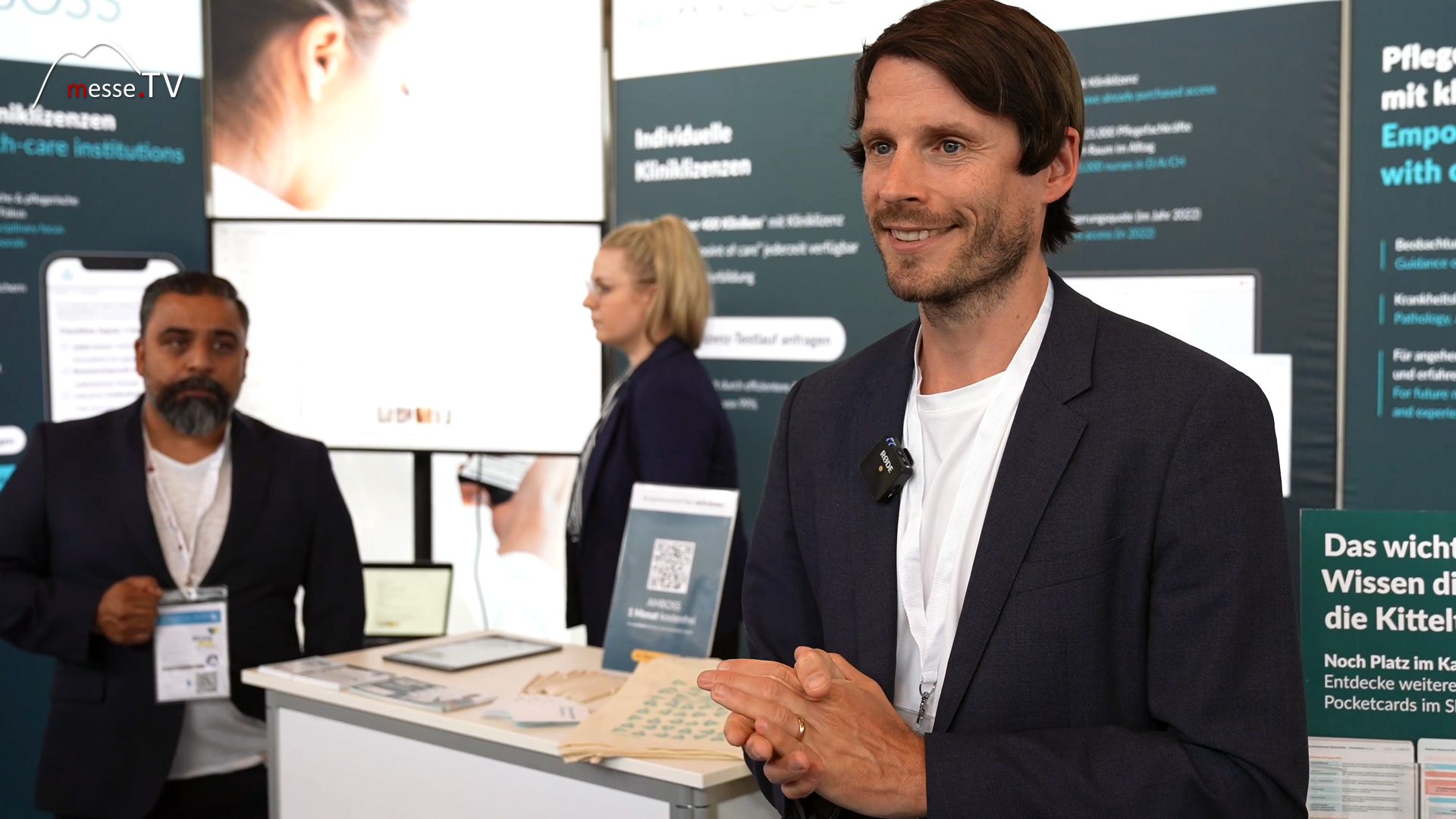
Standing aid for professional care use - BEKA Hospitec
Caring for people in need of care places high demands on technology, ergonomics, and safety. A modern standing aid must not only be functionally reliable, but also take into accoun... Standing aid for care and clinics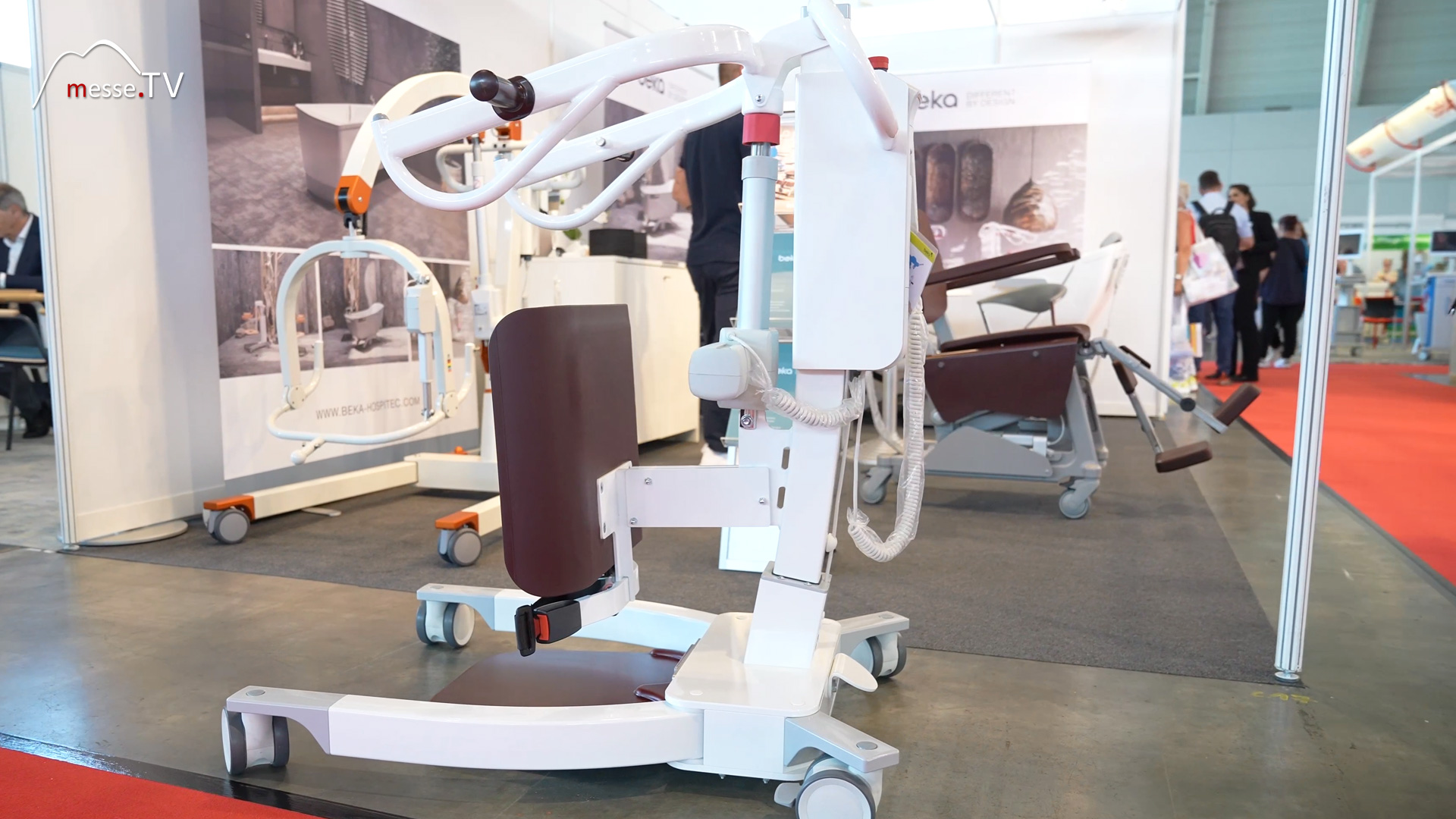
Beds for nursing homes – Wissner-Bosserhoff
Everyday nursing care is under increasing pressure to combine quality, efficiency, and documentation. Digital solutions are intended to ease the burden, but they must not violate p... Care beds with sensors
App Employee Communication - Überblick
Everyday care work is characterized by time pressure, changing teams, and a lot of information that needs to be reliably communicated. In addition to care documentation, there are ... App Employee Communication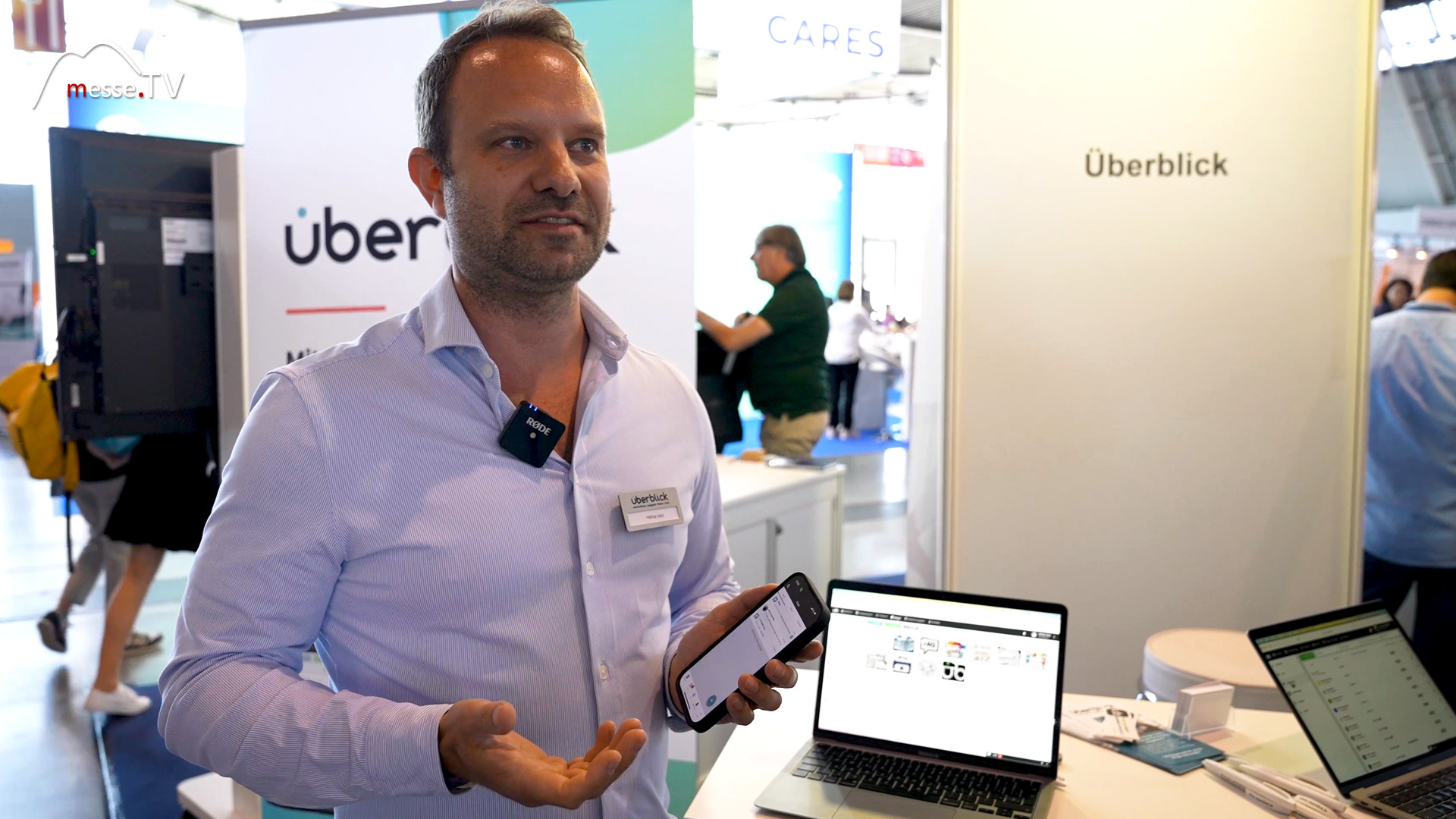
Optimization in care facilities: Cost-effectiveness and quality
Social institutions are under growing structural pressure today. Care facilities must meet increasing technical and regulatory requirements, while at the same time maintaining a la... Optimization of care facilities
AnnaCare Care Support – Senvis Medical
Inpatient care faces the challenge of ensuring safety while keeping everyday life manageable for caregivers. This is exactly where Senvis Medical comes in with its AnnaCare system.... Care support AnnaCare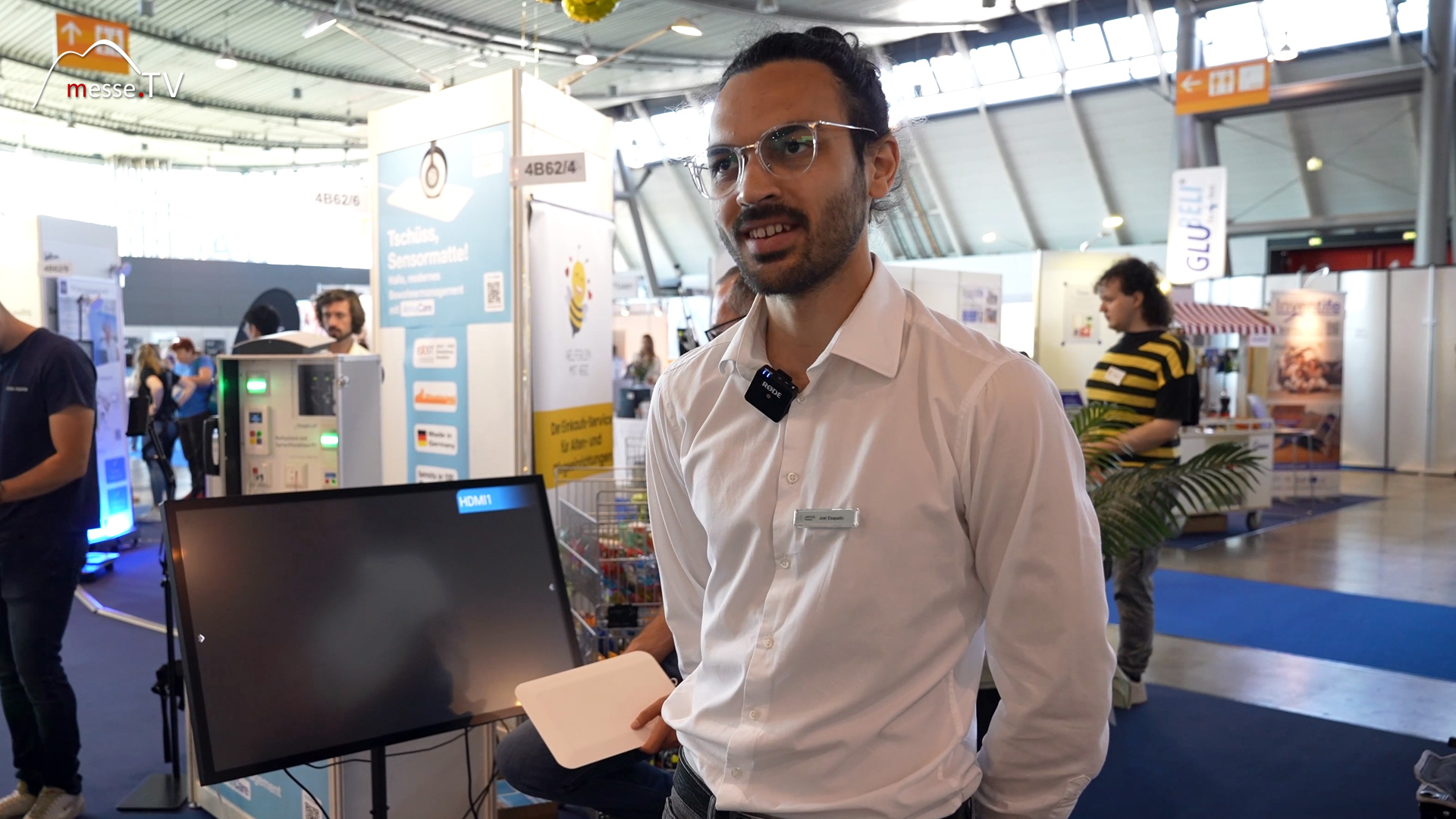
Social robot – Navel Robotics
Social interaction is one of the biggest challenges in everyday care – especially where time and staff are in short supply. A Munich-based start-up is therefore pursuing a differen... Social robot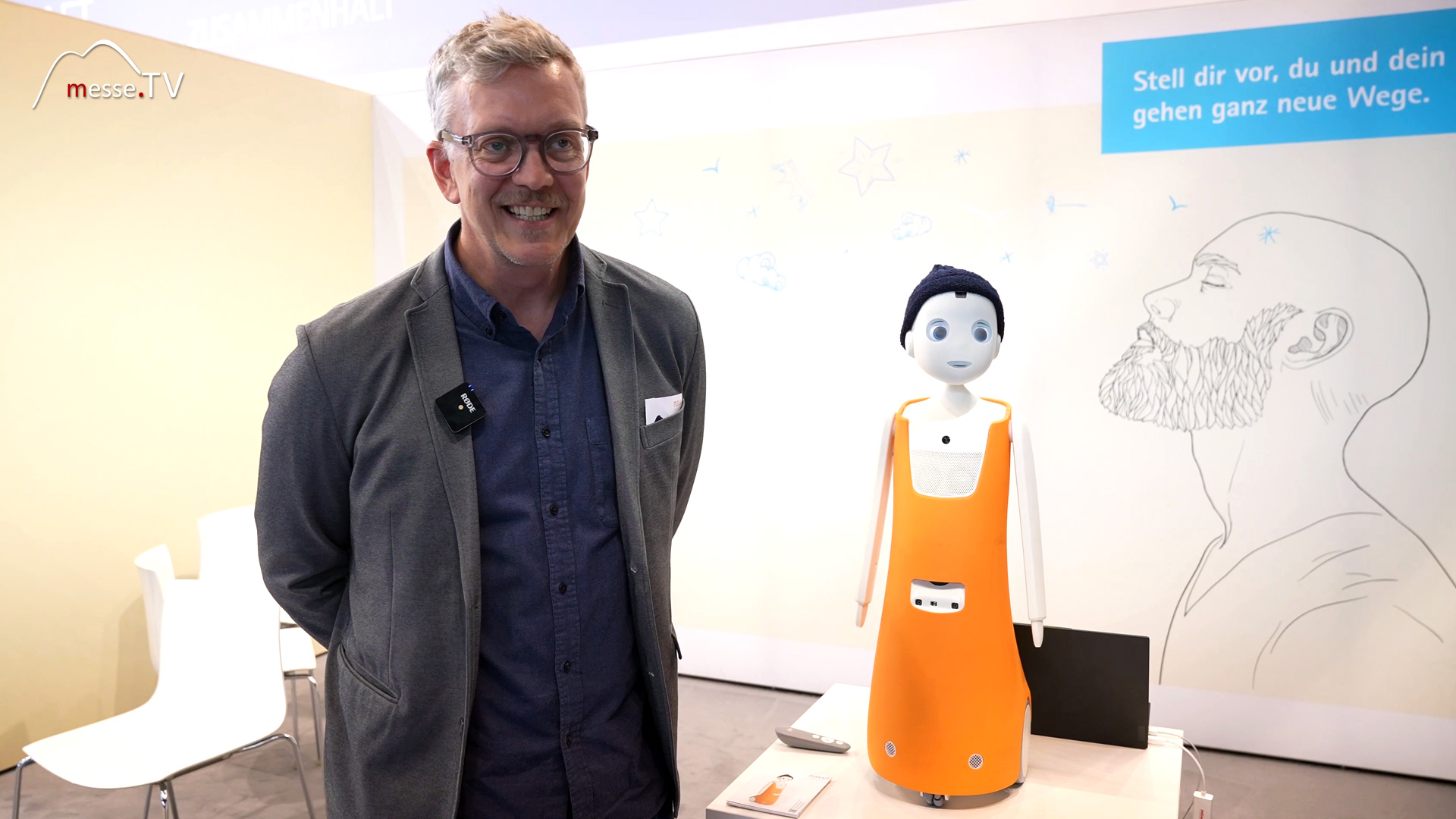
Interactive games for seniors - ITEMS Seniorplay
Games, exercise, and mental stimulation are not a question of age. A company from the Remstal region is consistently applying this idea to senior care. Interactive gaming systems a... Games for seniors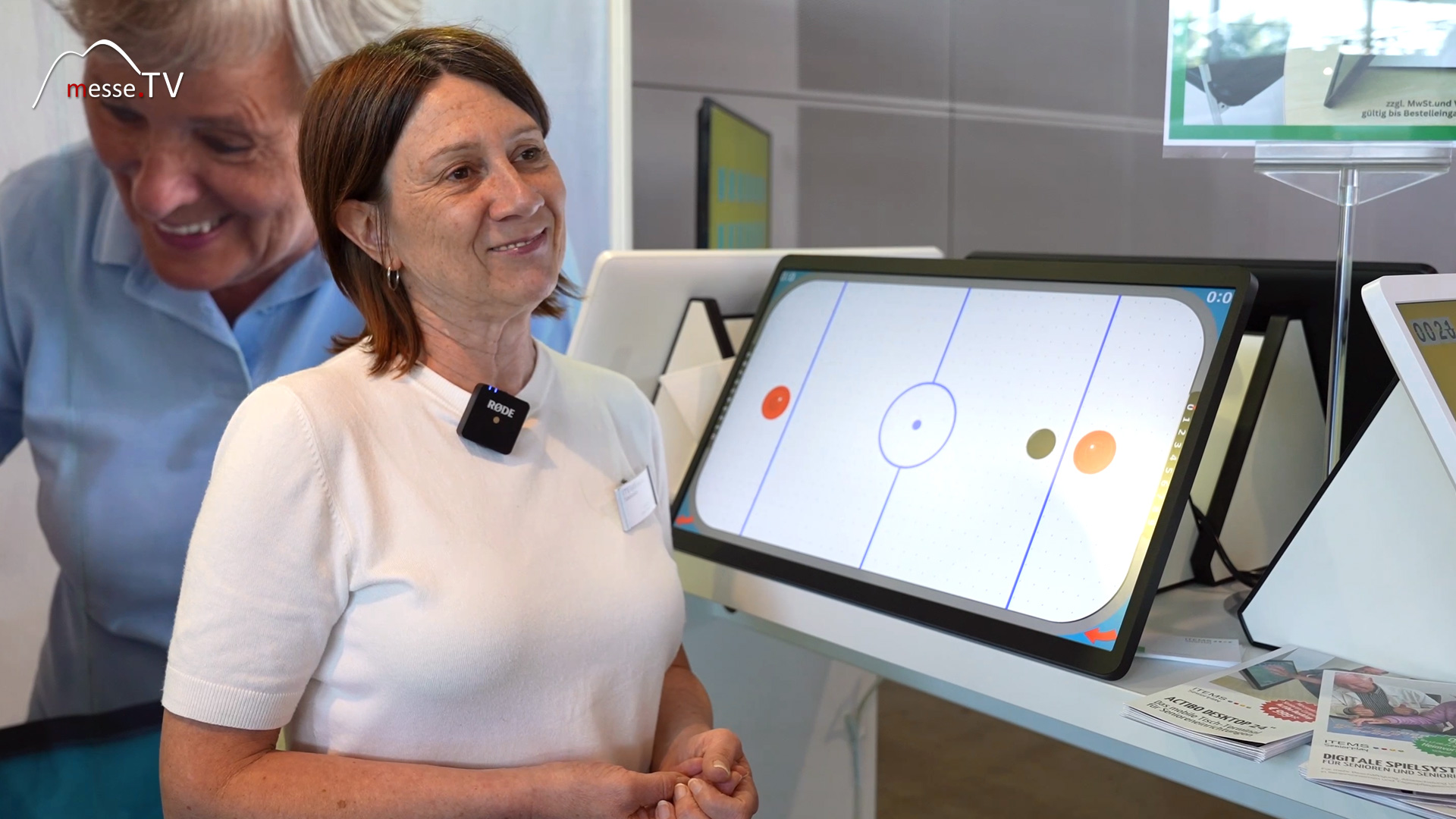
Digital health mirrors Care - Hello Mirrors
Therapy, activation, and activities are among the central tasks in everyday care – but at the same time, there is often a lack of time and human resources. A digital system from Mu... Digital health mirrors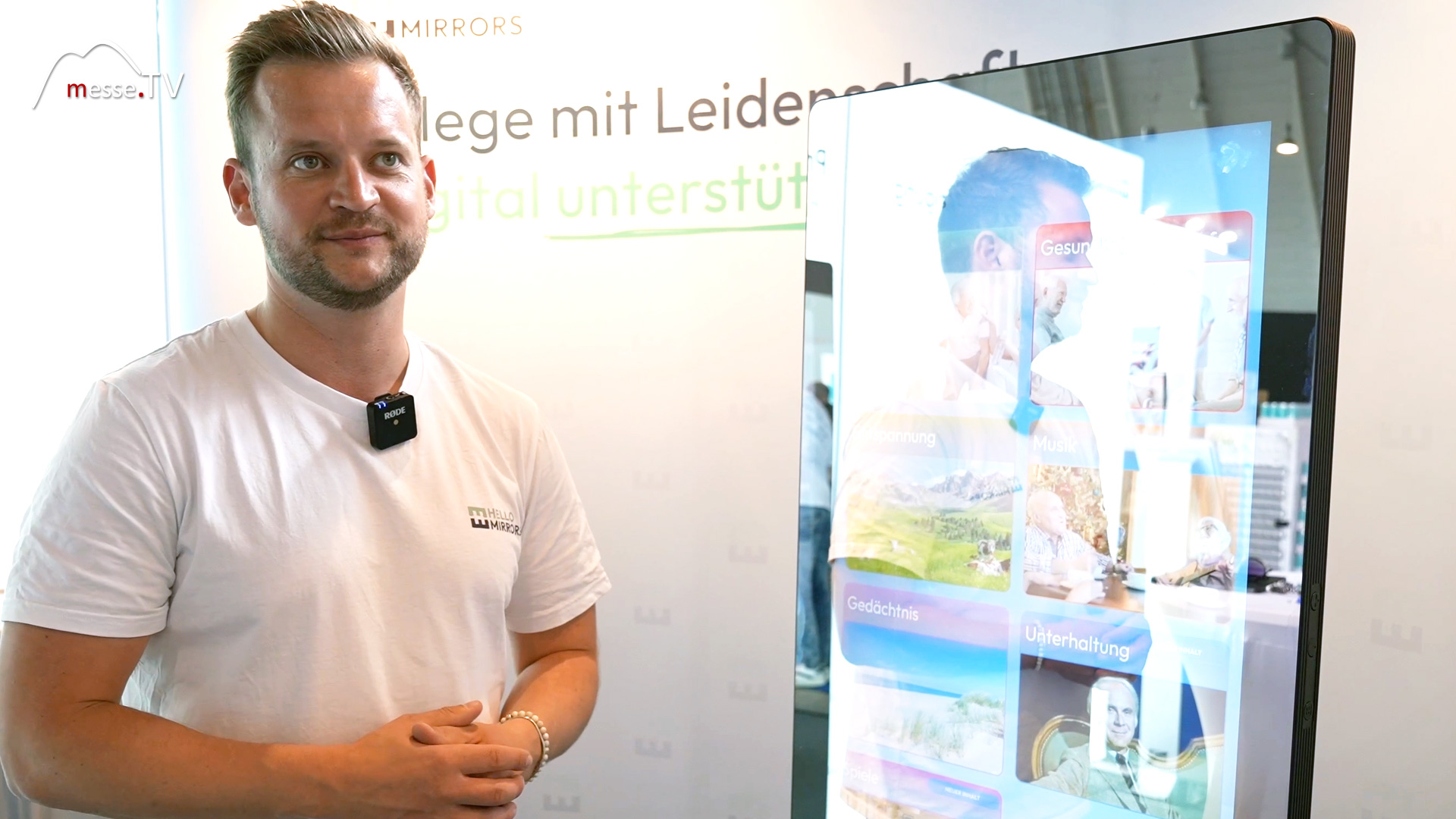
Shopping service – Helpers with a heart
Shopping is more than just provisioning – it means self-determination, social interaction, and everyday experiences. A mobile concept from Heilbronn brings exactly that back to ret... Shopping service for retirement and nursing homes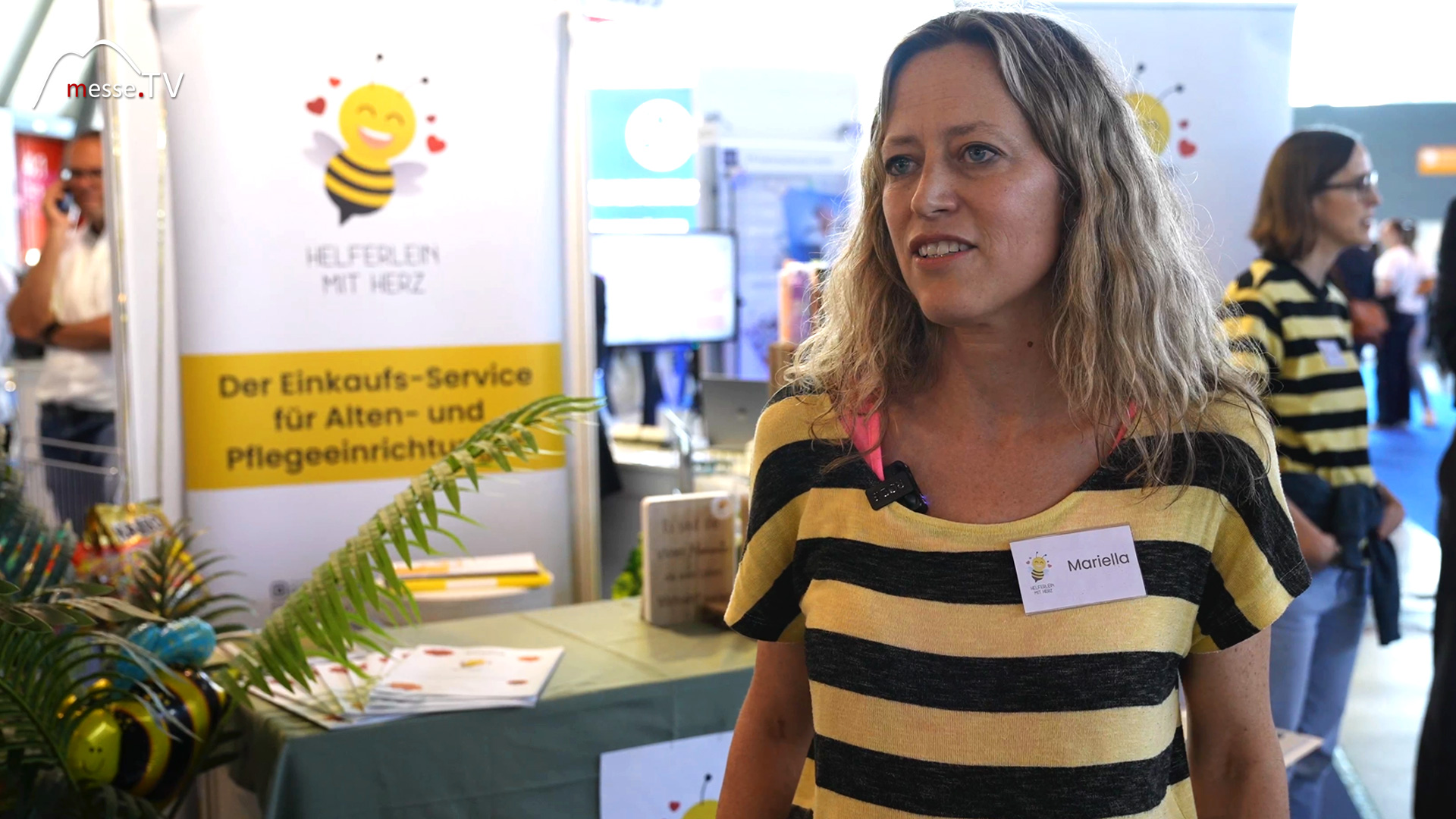
Fall prevention system – G-WEG
Falls are one of the greatest risks in the everyday lives of elderly and neurologically impaired people. At the same time, there is a lack of concepts in many places that sensibly ... Fall prevention system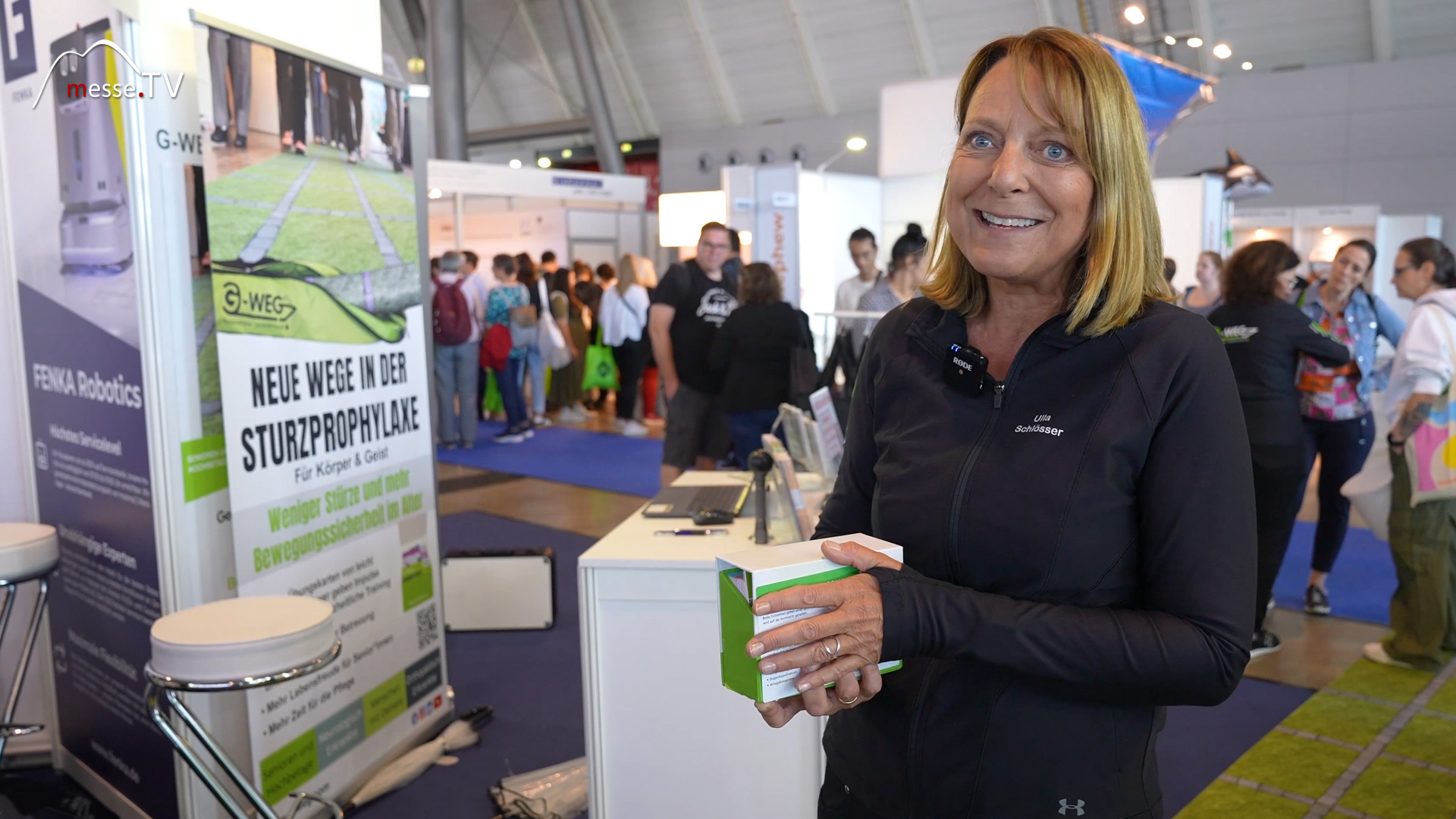
CareTable for activity and social interaction in everyday care
Digital solutions are increasingly finding their way into care facilities, but their usefulness is not determined by technical buzzwords, but by their suitability for everyday use.... Activity and social interaction in everyday care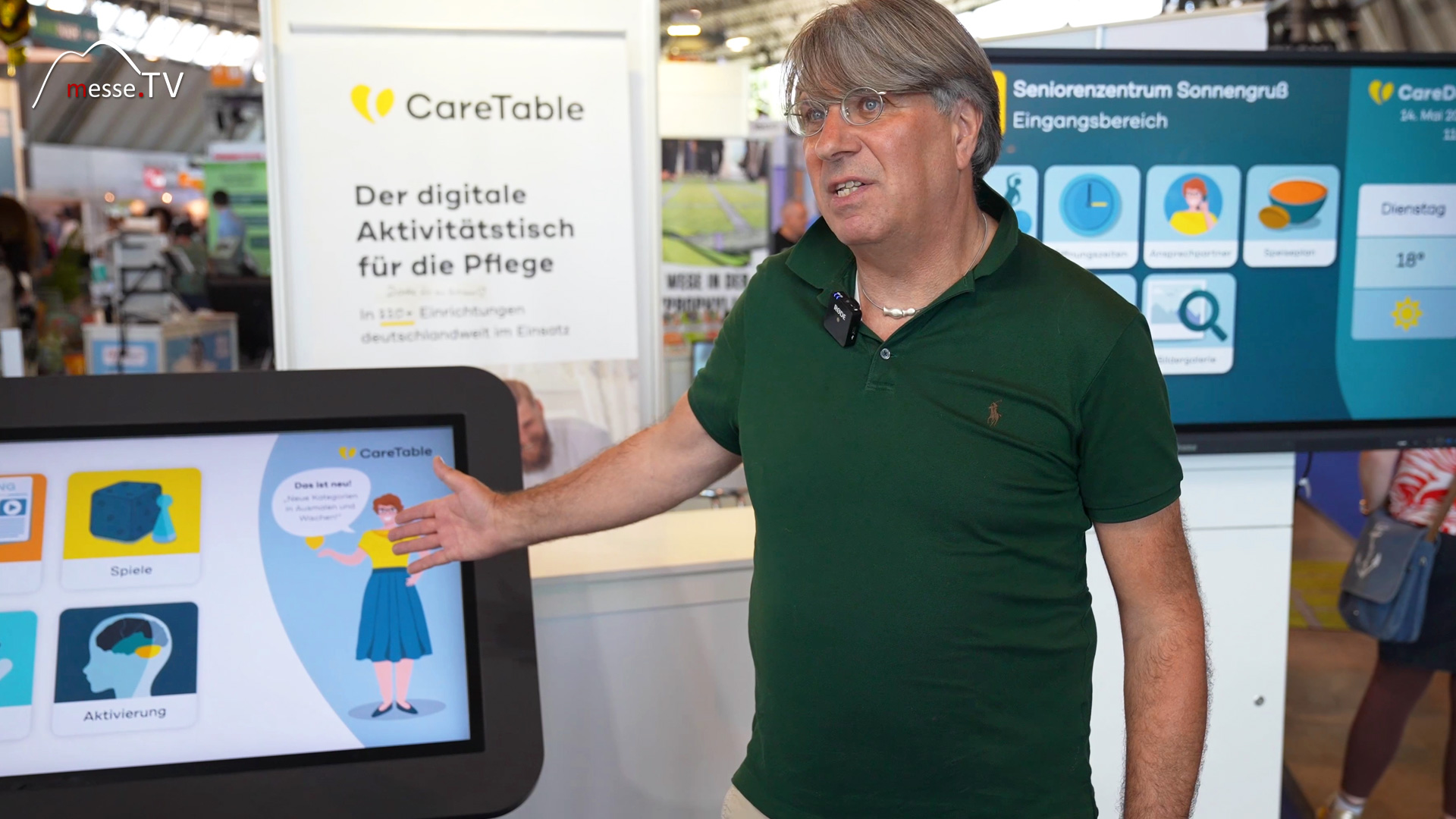
BionicBack exoskeleton for lifting, transferring, and preventive activities
Physical strain in the nursing profession is one of the main causes of sick leave. Lifting, transferring, and preventive activities have a lasting effect on the back and, in partic... Exoskeleton as a preventive measure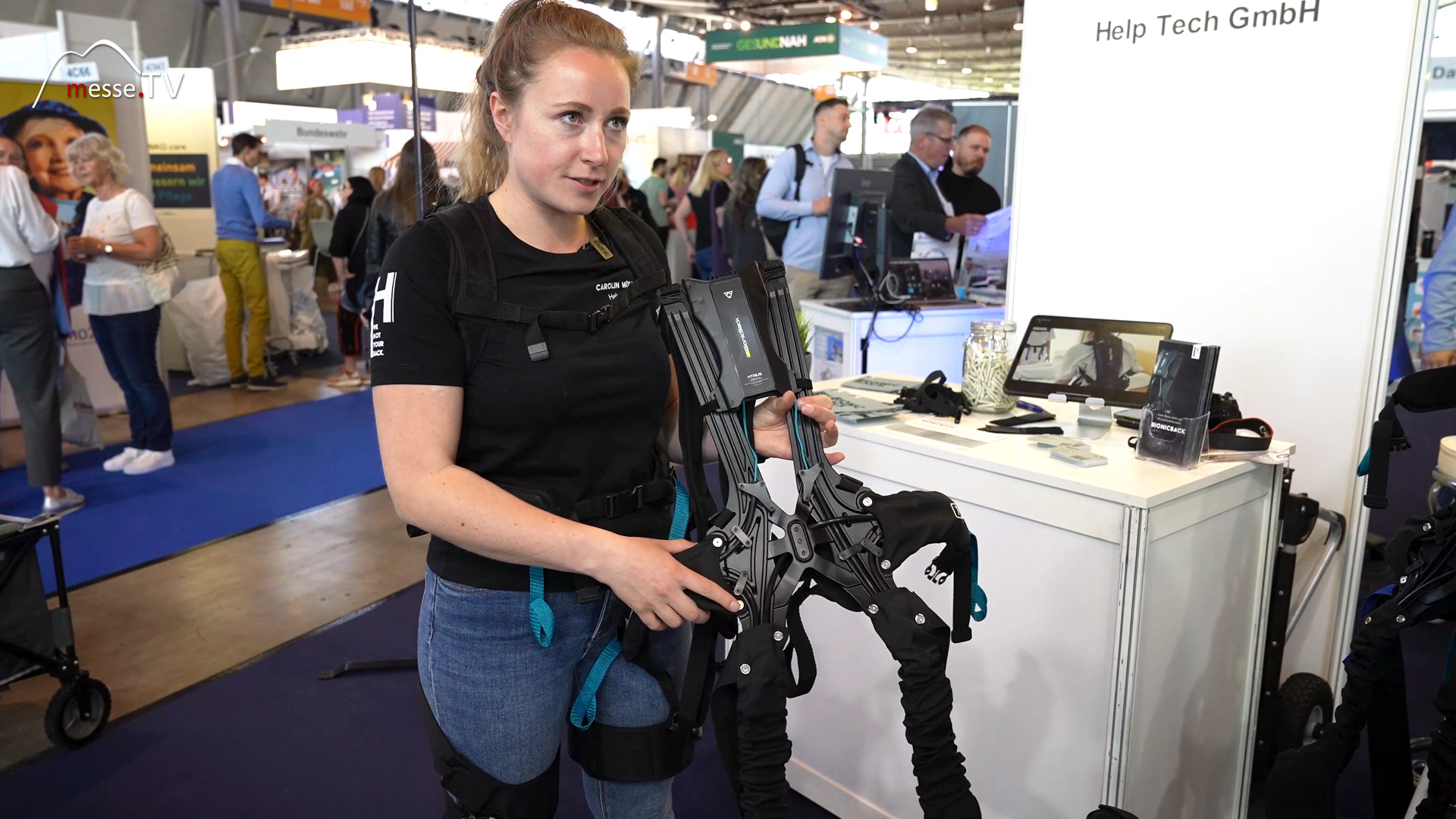
Modern medical technology is developing rapidly—from imaging procedures and minimally invasive systems to implants with integrated sensor technology. At trade fairs, companies present solutions that make diagnostics and therapy more precise and less invasive for patients. Compact, energy-efficient systems for mobile or home use are in particularly high demand.
Digitalization is not only changing processes in hospitals, but also the way nursing and therapy are conceived. From voice-controlled nursing documentation to assistance systems for everyday life, software solutions are playing an increasingly important role in reducing workloads, ensuring safety, and promoting prevention.
In the field of therapy, the focus is increasingly on holistic rehabilitation. Whether after an accident, for chronic illnesses, or for long-term prevention, innovative training systems, intelligent exoskeletons, and interactive tools are opening up new perspectives for those affected and for healthcare professionals.
The way we deal with illnesses is changing noticeably as a result of technological developments that are bringing prevention, diagnosis, and therapy closer together. Digital innovations are making an important contribution to public health because they make medical knowledge available more quickly, make care processes more efficient, and enable new forms of support. Whether in clinics, care facilities, or in the home environment, digital systems are increasingly being used where traditional structures reach their limits. A key aspect is the early detection of health risks. Networked sensor technology, AI-supported evaluation of medical data, and digital documentation systems help to identify abnormalities more quickly and initiate targeted assistance. Especially in the case of chronic diseases or in follow-up care after surgical procedures, digital applications enable continuous monitoring without patients having to be permanently on site. This stabilizes treatment processes and reduces unnecessary stress for medical staff. At the same time, digital solutions empower patients to take responsibility for their own health. Applications for therapy support, telemedical consultations, and assistive systems in everyday life help people to better manage their illnesses and actively participate in their own healthcare. In combination with medical expertise, this creates a healthcare approach that takes individual needs into account while supporting overall public health goals. The contributions presented on Messe.TV show how digital innovations are driving this change in concrete terms – in a practical, comprehensible way and with clear benefits for patients, caregivers, and healthcare systems.
Trade fair reporting Germany - Trade fair knowledge, dates & events


