Custom pools with an efficient filtration system
by B. Velonavy - 2024-03-20For a long time, having your own pool in the garden was considered a luxury reserved for the few. The market has since changed: many private homeowners are now looking for solutions that are easy to plan, low-maintenance and energy-efficient.
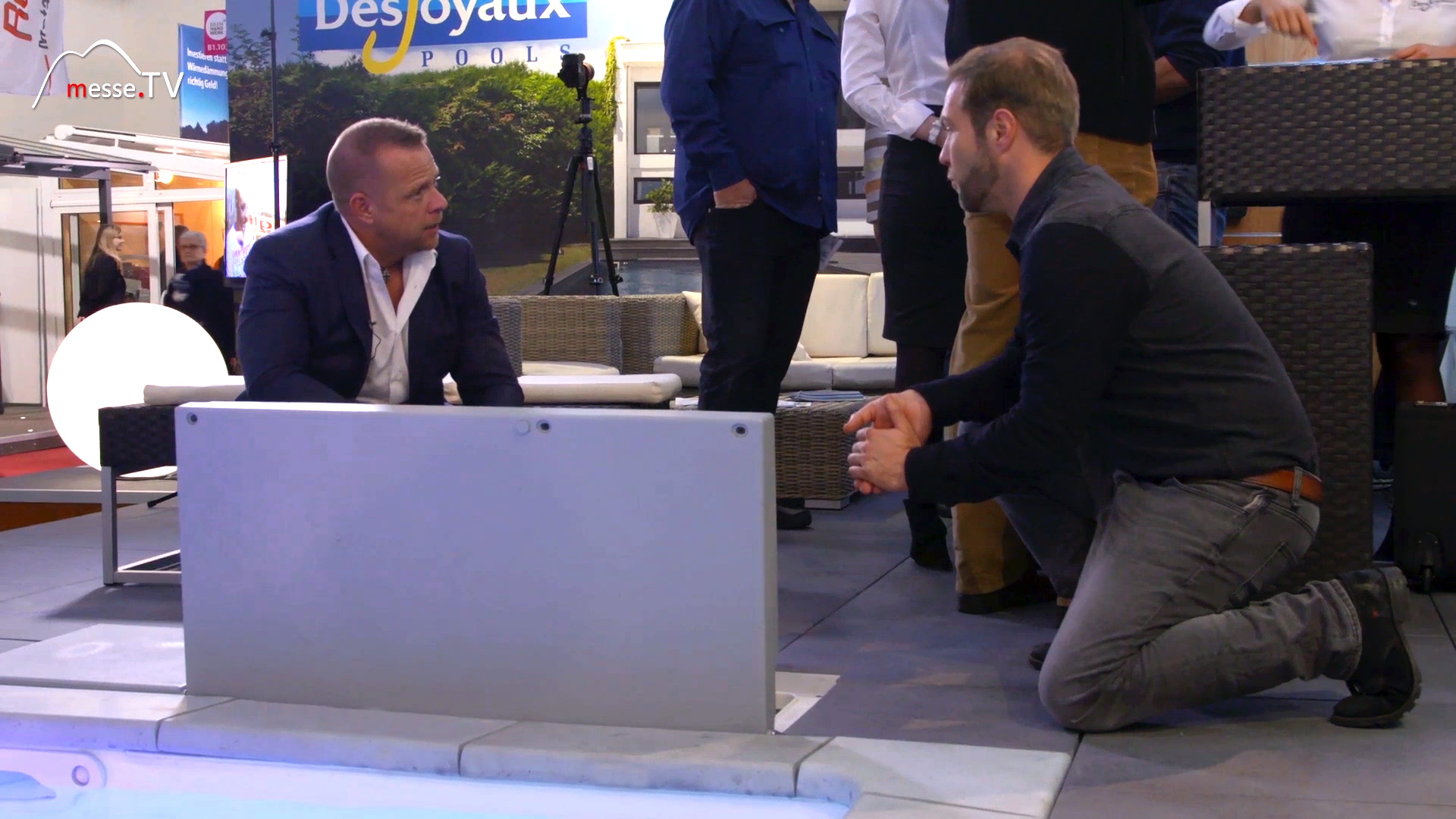
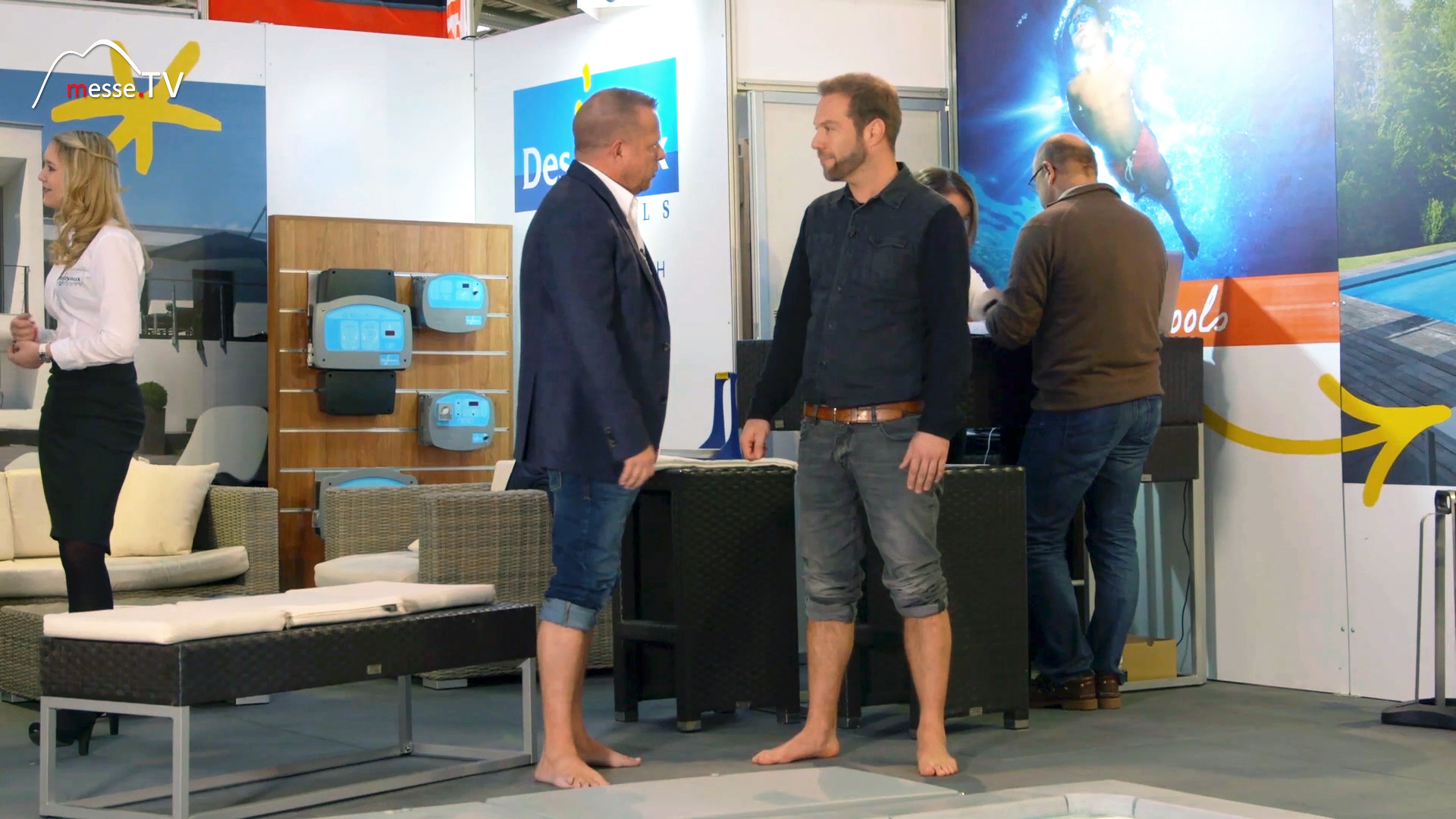
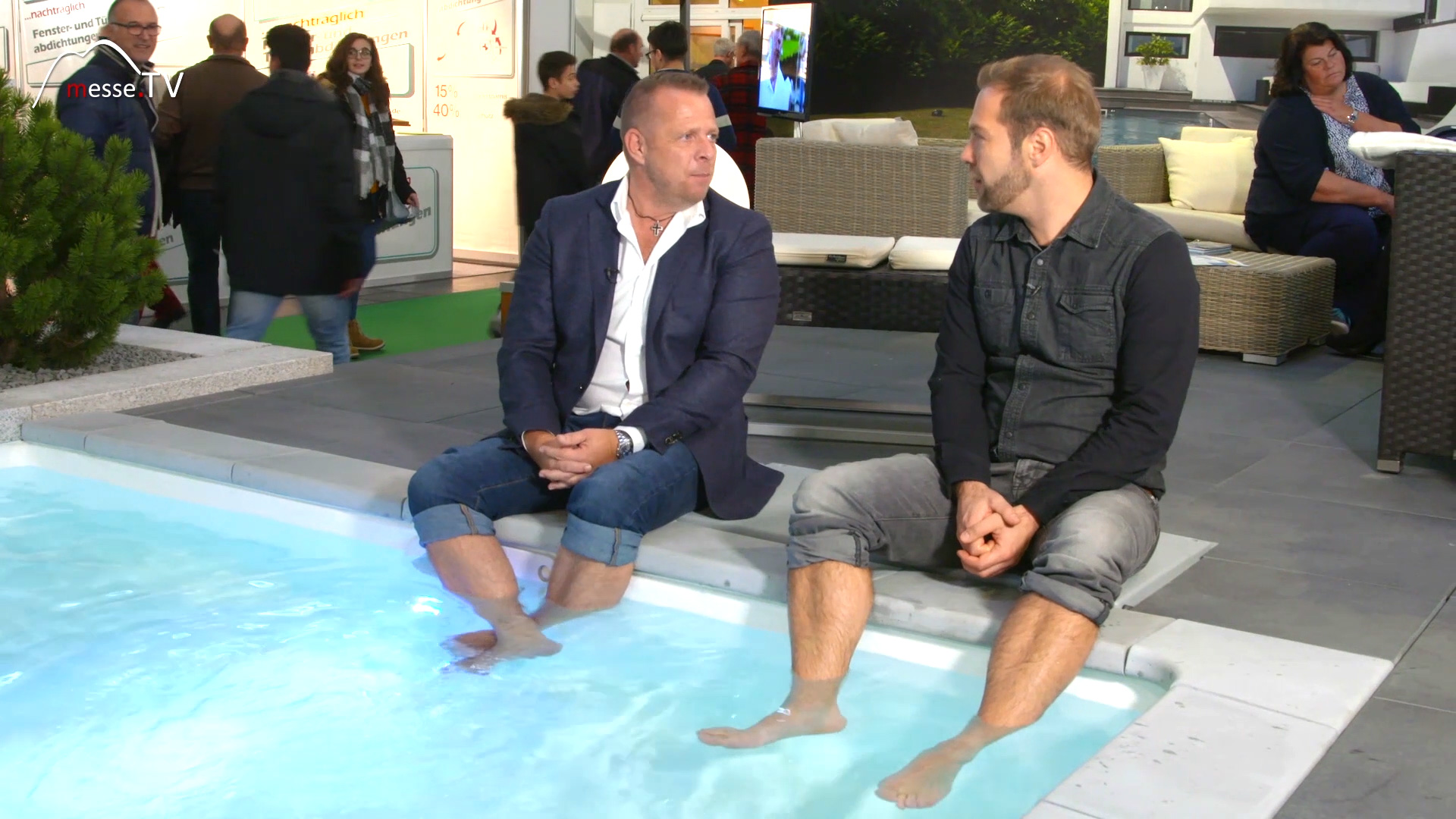
At the Heim und Handwerk in Munich, Desjoyaux Pools is showcasing a concept that addresses precisely these points – with custom-designed pools, a pipeless filtration system and an approach that organises pool construction more comprehensively from a single source. The company has a long history behind it. Desjoyaux was founded in 1966 in the south of France by Jean Desjoyaux as a family business. Today, the brand is represented internationally in numerous countries and has several hundred sales outlets worldwide. In Germany, Austria and Switzerland, the concept has been in use for many years; in Germany alone, according to our source, more than 1,000 pools have already been installed. The aim goes beyond the sale of individual components. Customers should not have to coordinate between numerous trades, technical suppliers and construction partners, but should be supported from the ground-breaking ceremony right through to a pool ready for swimming.
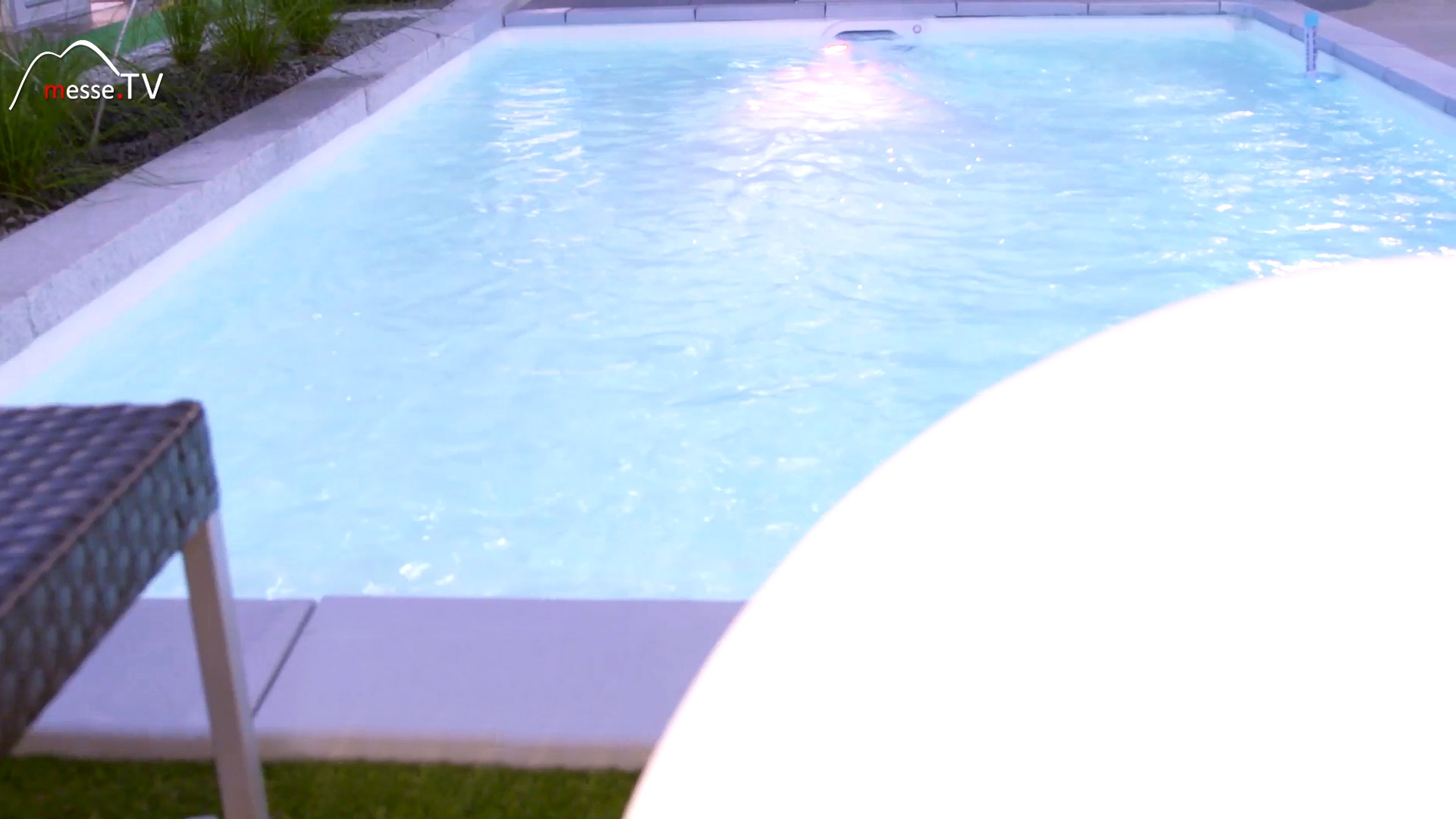
Desjoyaux Pools designs pools according to size, shape and depth
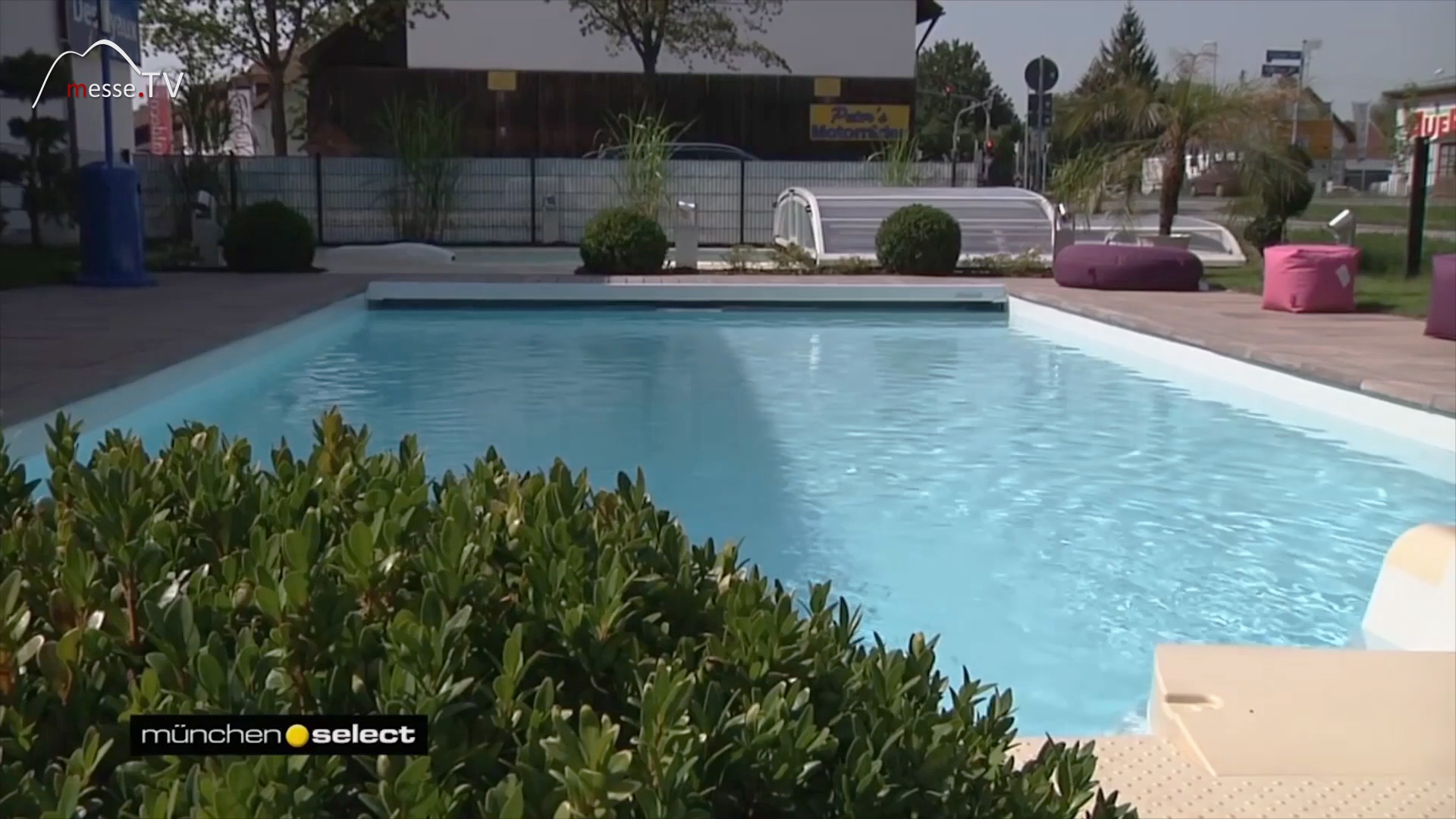
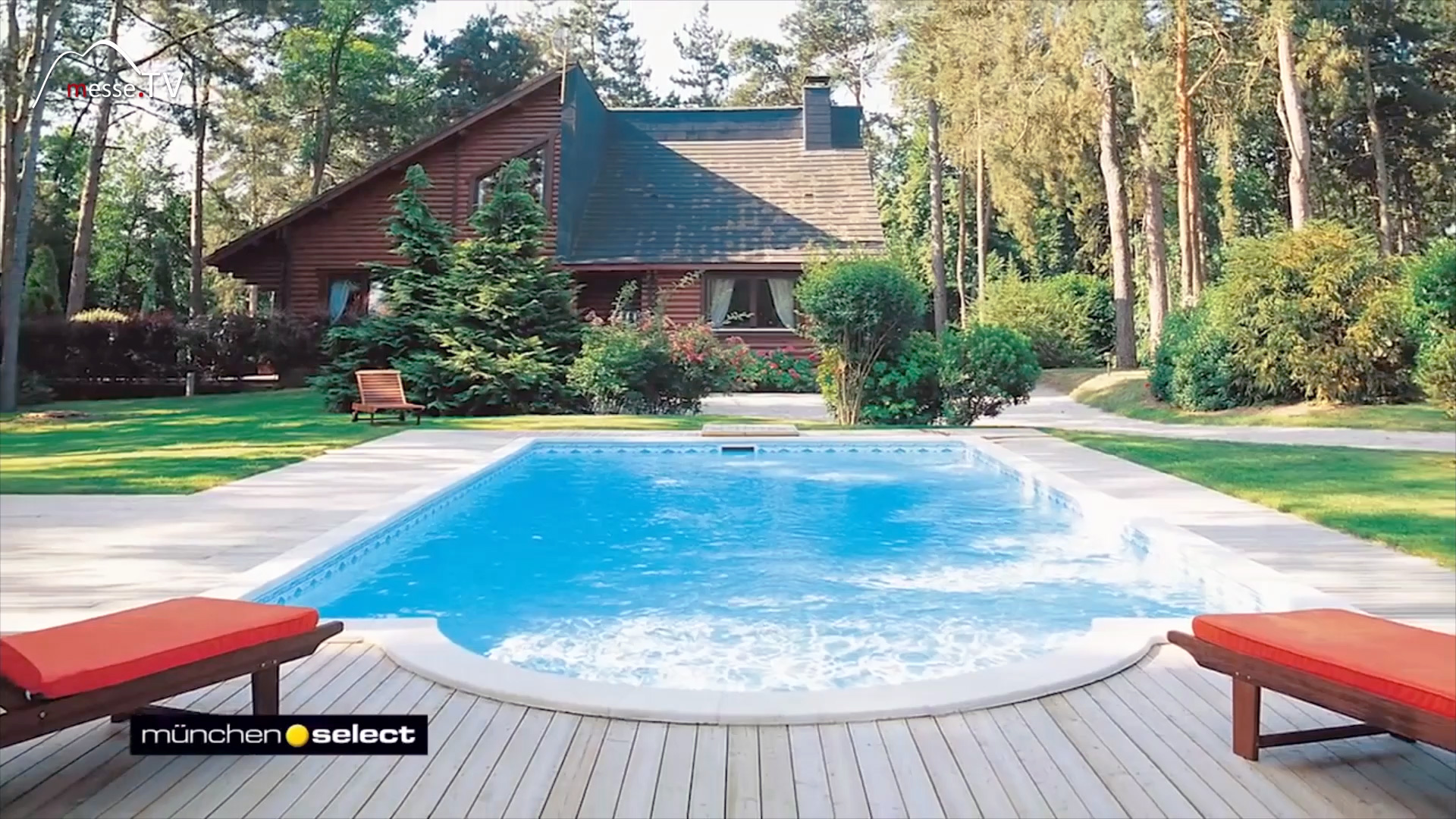
A key focus is customisation. The pools are not seen as rigid standard products, but can be adapted in terms of shape, size and depth. This means the range extends from small private garden pools to large commercial facilities. For families, the entry-level option is particularly attractive. A price starting at around 20,000 euros is quoted for a turnkey pool. The final cost of the investment depends on size, fittings, site conditions, technology and structural requirements.
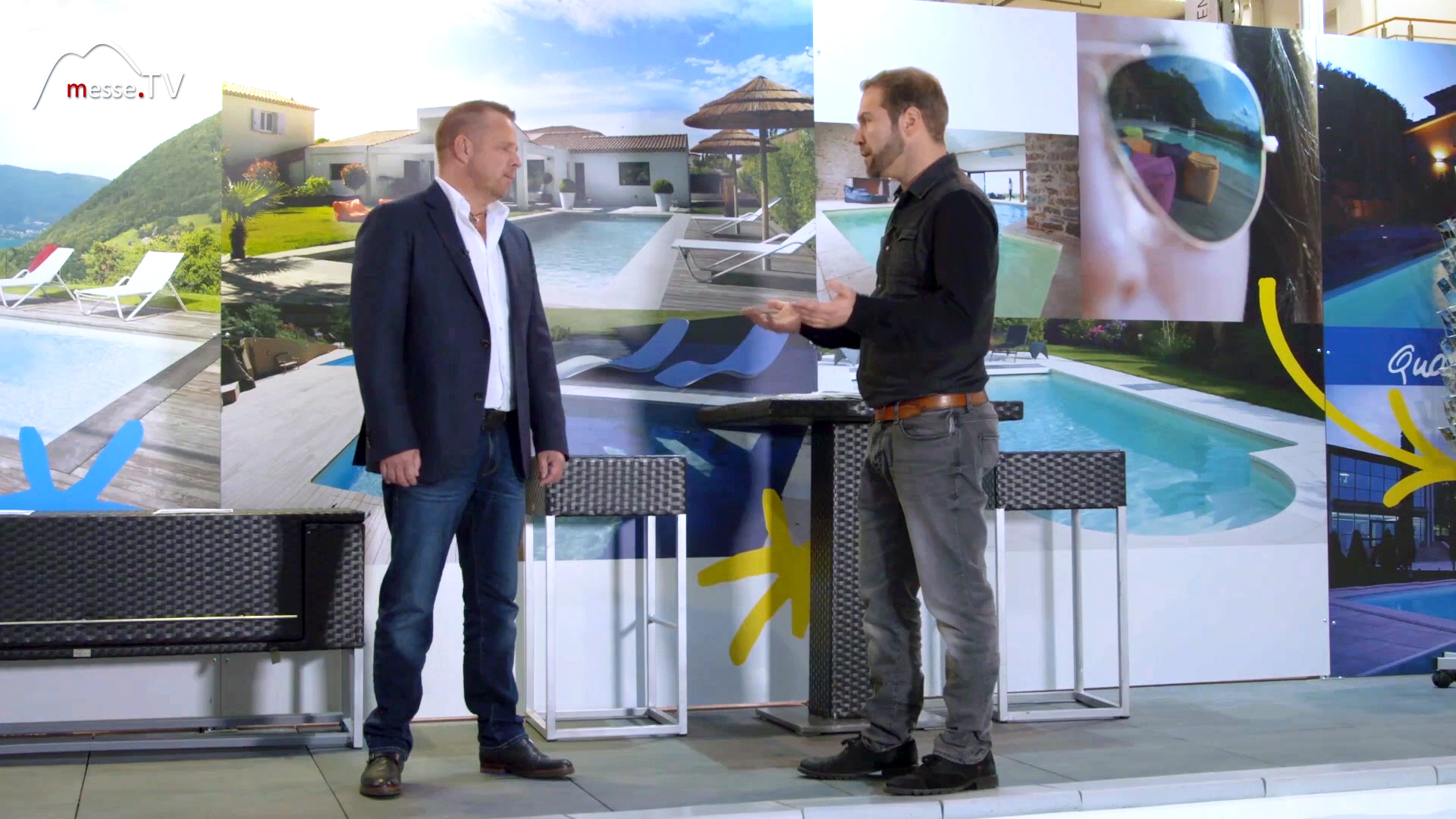
The market for private swimming pools has expanded significantly in recent years. Many homeowners no longer view the garden merely as a green space, but as an additional living and leisure area. A pool thus becomes part of a broader usage concept: it serves for cooling off, exercise, relaxation and, not least, everyday family life. In Germany in particular, the question of whether a pool can be operated economically and technically sensibly plays a key role. Maintenance costs, energy consumption and water treatment often have a greater influence on the purchase decision than the shape of the pool itself.

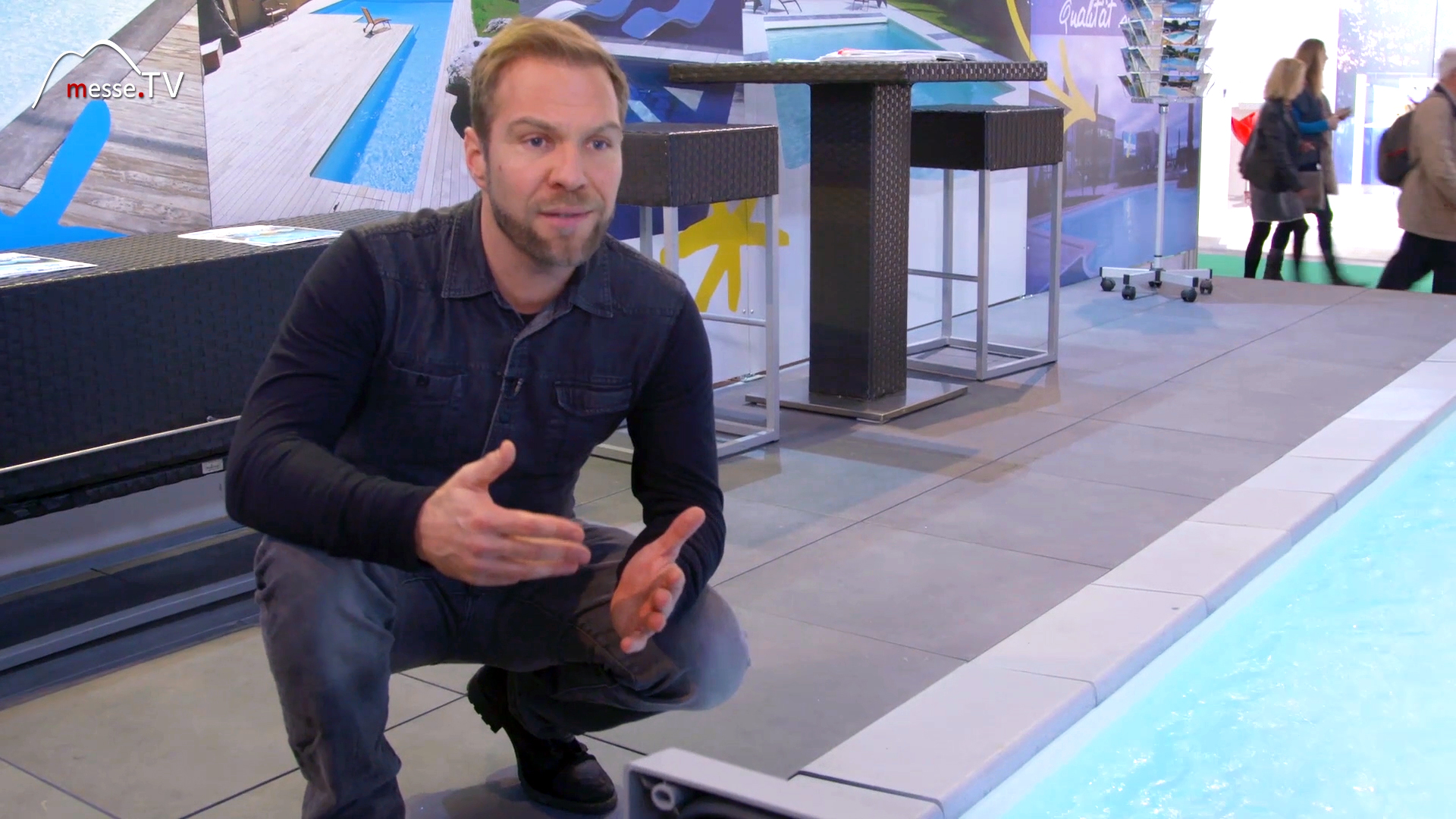
Pipeless filter system reduces technical complexity
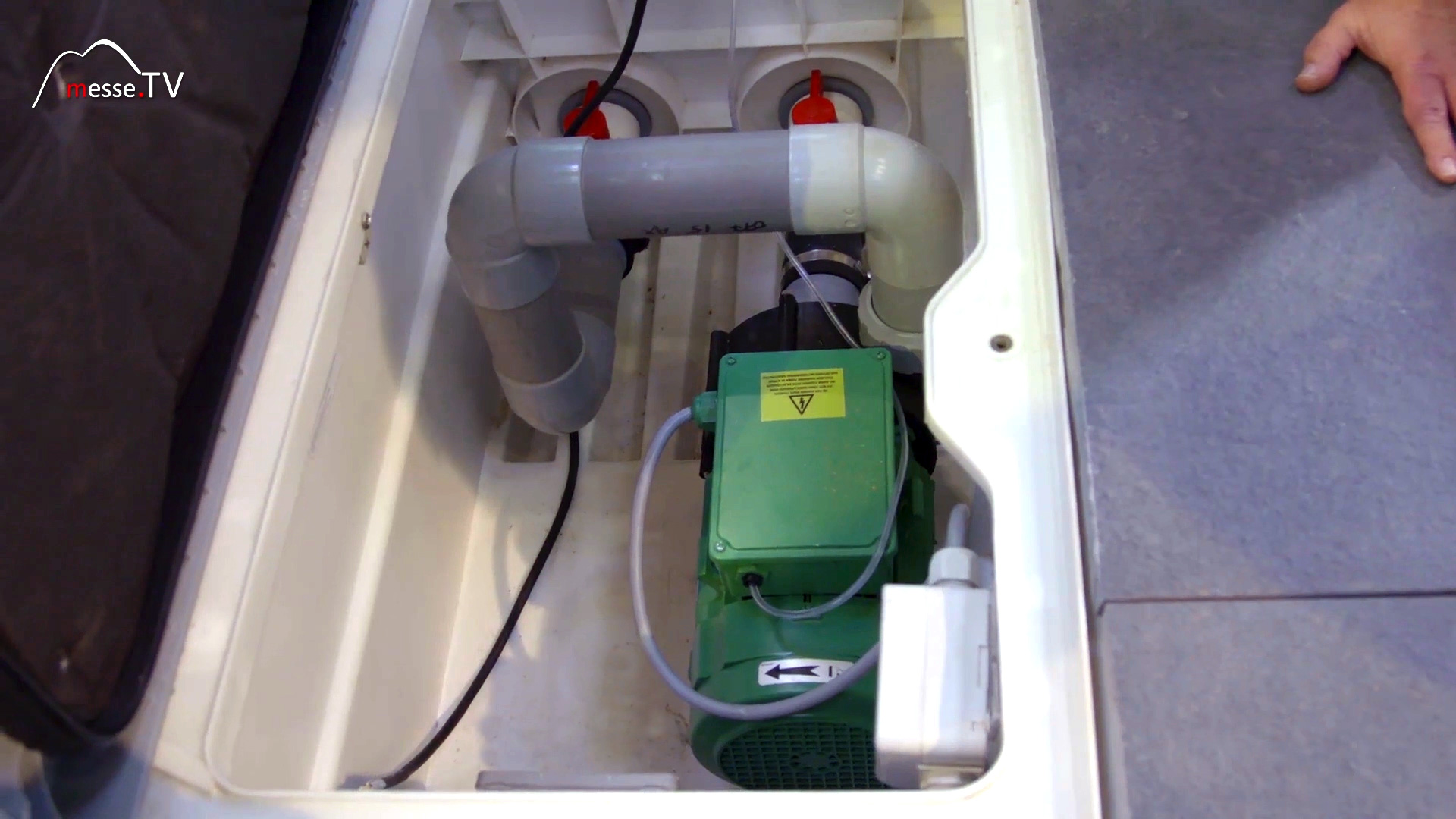
A key technical feature is the pipeless filter system. Desjoyaux patented this principle as early as 1983. The filter unit is located directly next to the pool and requires no traditional pipework to a separate plant room. The system consists of a pre-filter basket and a filter membrane. According to the company, this filters the water down to 6 microns – a scale roughly equivalent to fine dust particles. Cleaning is comparatively simple. The filter is not replaced constantly, but is removed when dirty, rinsed or washed in the washing machine at 30 degrees. Depending on the level of contamination, this is required at most once a week.
Key features of the system:
- Pipeless filter unit located directly by the pool
- Filter membrane with fine filtration down to 6 microns
- Cleaning by rinsing or machine washing at 30 degrees
- No connection of the filter to the mains drainage system
- Lower water loss and reduced sewage charges
Energy consumption becomes a key factor
Many prospective buyers initially associate private pools with high electricity costs. In fact, consumption depends heavily on filter technology, pump capacity, running times and additional equipment. Desjoyaux Pools highlights the use of suction pumps instead of pressure pumps. According to the company, the system operates at around 300 to 400 watts per hour. Compared to conventional products, this is said to enable energy savings of up to two-thirds. This figure is particularly relevant because the filter system runs regularly throughout the season and is therefore one of the main energy consumers.
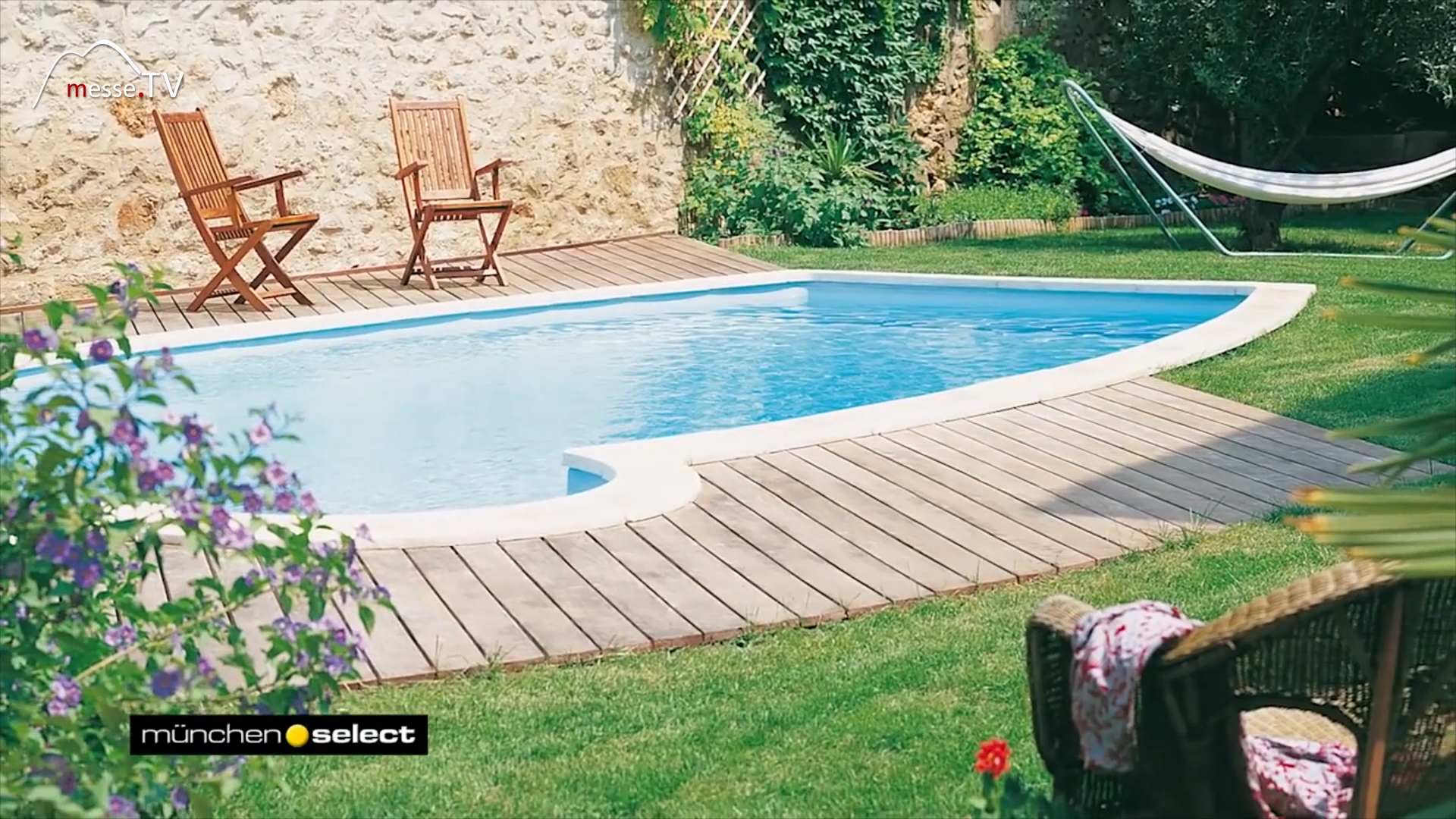
Energy efficiency is increasingly becoming a selling point in pool construction. Customers no longer focus solely on initial costs, but pay greater attention to running costs. Environmental aspects are also playing an increasingly important role, for example in terms of water consumption, material use and operational electricity. Particularly for private installations, the combination of construction costs, maintenance requirements and technical simplicity is therefore decisive for suitability for everyday use. A pool that appears complicated or expensive to run quickly loses its appeal.
Recycled formwork made from used milk bottles
When it comes to materials, Desjoyaux also highlights its own sustainability concept. The formwork elements are made from recycled plastic. According to the company, around 6,400 used milk bottles go into the production of an pool measuring eight by four metres. The idea behind this is not merely about environmental messaging, but forms part of the construction principle. The formwork forms the basis of the pool and is integrated into the structure. The system thus combines industrial prefabrication with bespoke on-site planning. This approach is of interest in pool construction because sustainability is often reduced to the later operational phase. However, the origin of materials, construction methods and recycling are coming increasingly into focus. Particularly in long-lasting garden and construction projects, the question of which raw materials are used and how resource-efficient the construction is plays a significant role.
Pool construction from a single source instead of many individual trades
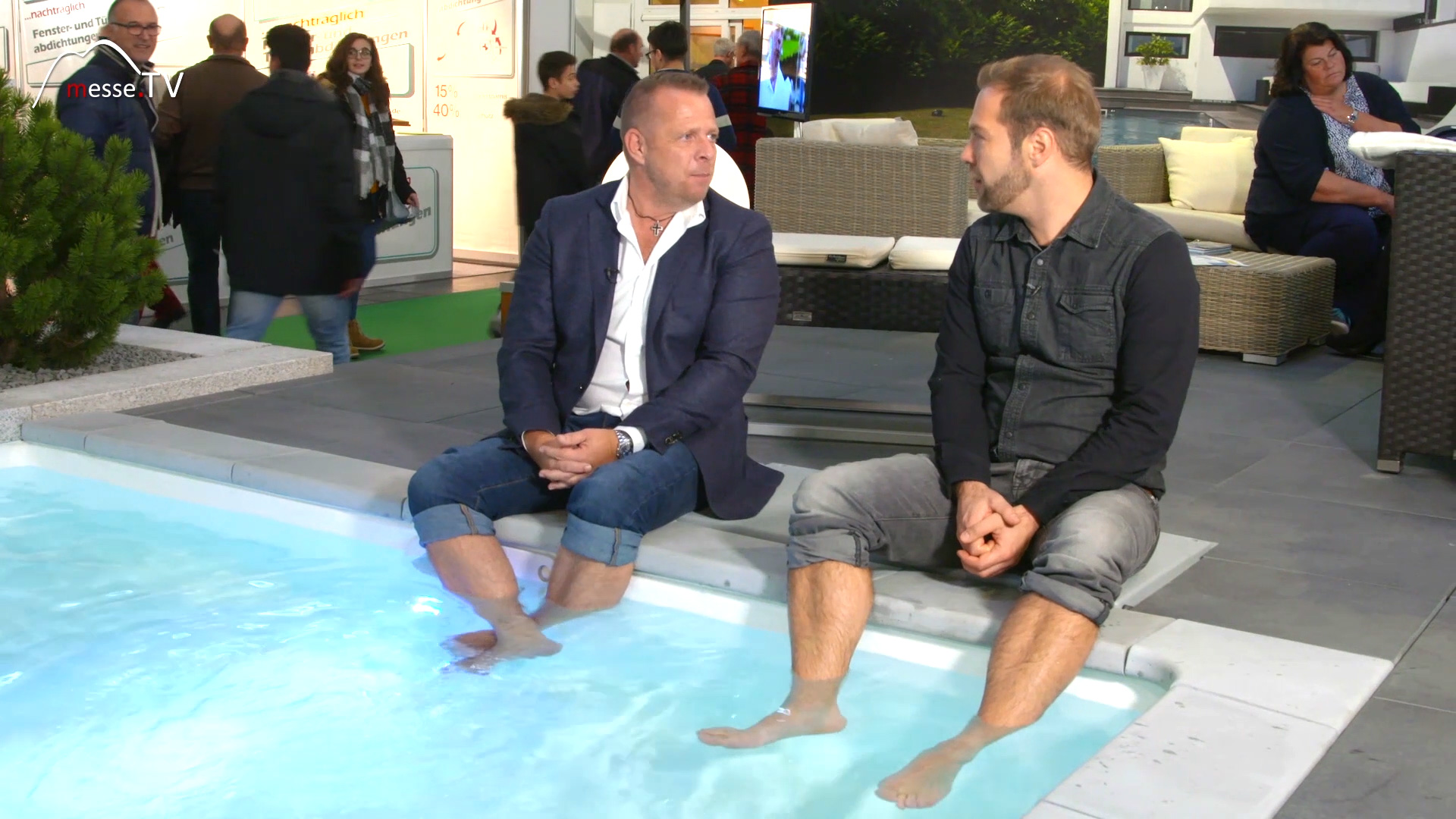
Another point concerns the organisation of the project. Traditional pool construction can quickly become confusing for private clients: earthworks, pool construction, pump technology, filter systems, liners, electrical work and water treatment are often provided by different partners. The concept presented here focuses on a more integrated approach. Planning, construction, technology and commissioning should be combined as far as possible. For customers, this means fewer points of contact and clearer lines of responsibility throughout the project.
Desjoyaux thus positions itself not merely as a manufacturer of individual pool components, but as a provider of a complete system. This approach can be particularly crucial for families or private clients without prior technical knowledge. Ultimately, there is a goal that is mentioned several times in the discussion: the private pool should not appear as an unattainable luxury item, but as a garden project that can be planned with straightforward technology. The key factor here will be whether price, energy consumption, maintenance and individual design all fit together. It is precisely at this interface that modern pool construction is evolving.

Trade fair reporting Germany - Trade fair knowledge, dates & events


