Fragrant wall surfaces made from coffee, hay and fruit tea
by F. Zuber - 2024-02-14In interiors, walls are usually designed using colour, texture or the effect of materials. At Latrace, another dimension is added: scent.
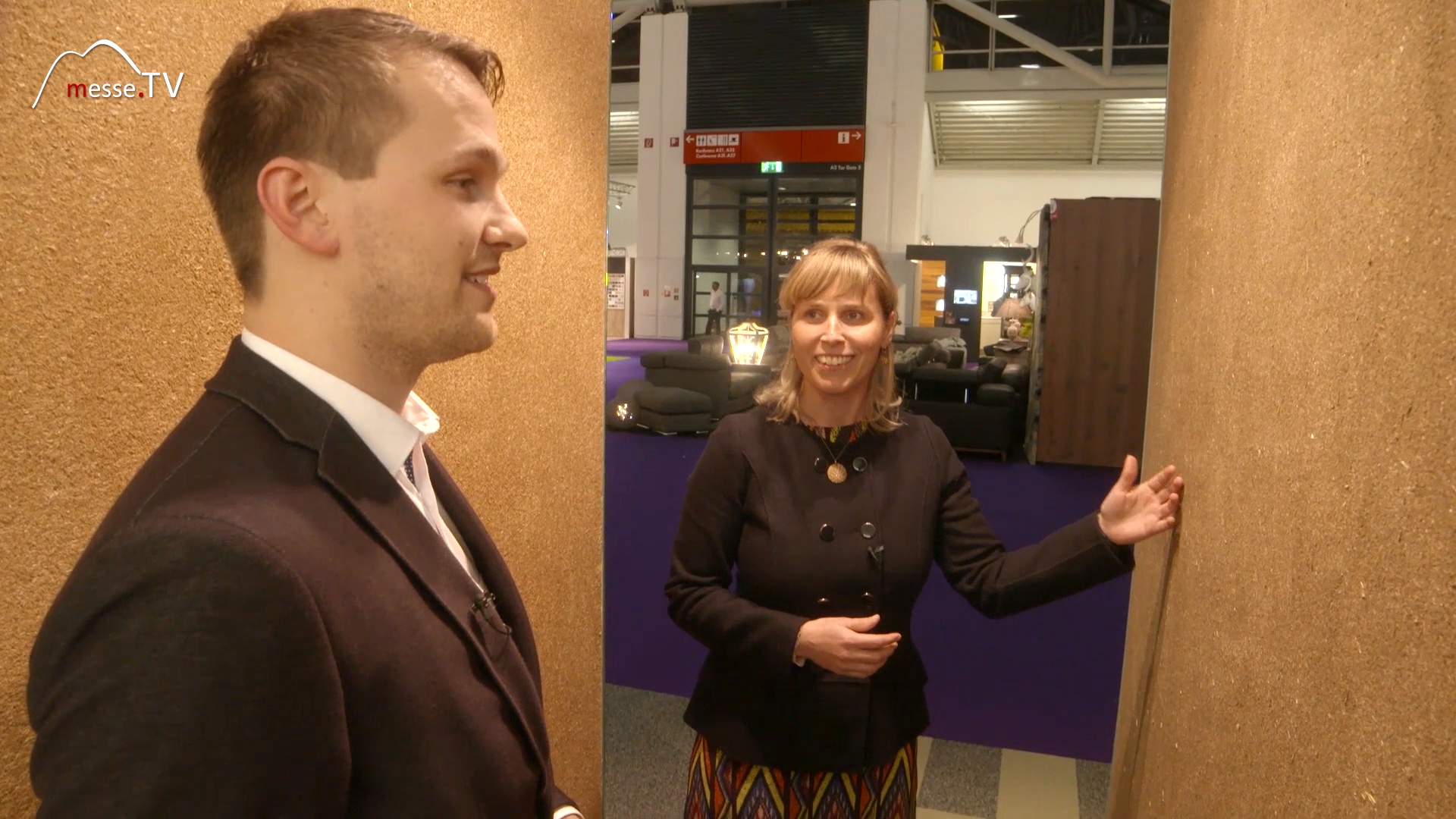
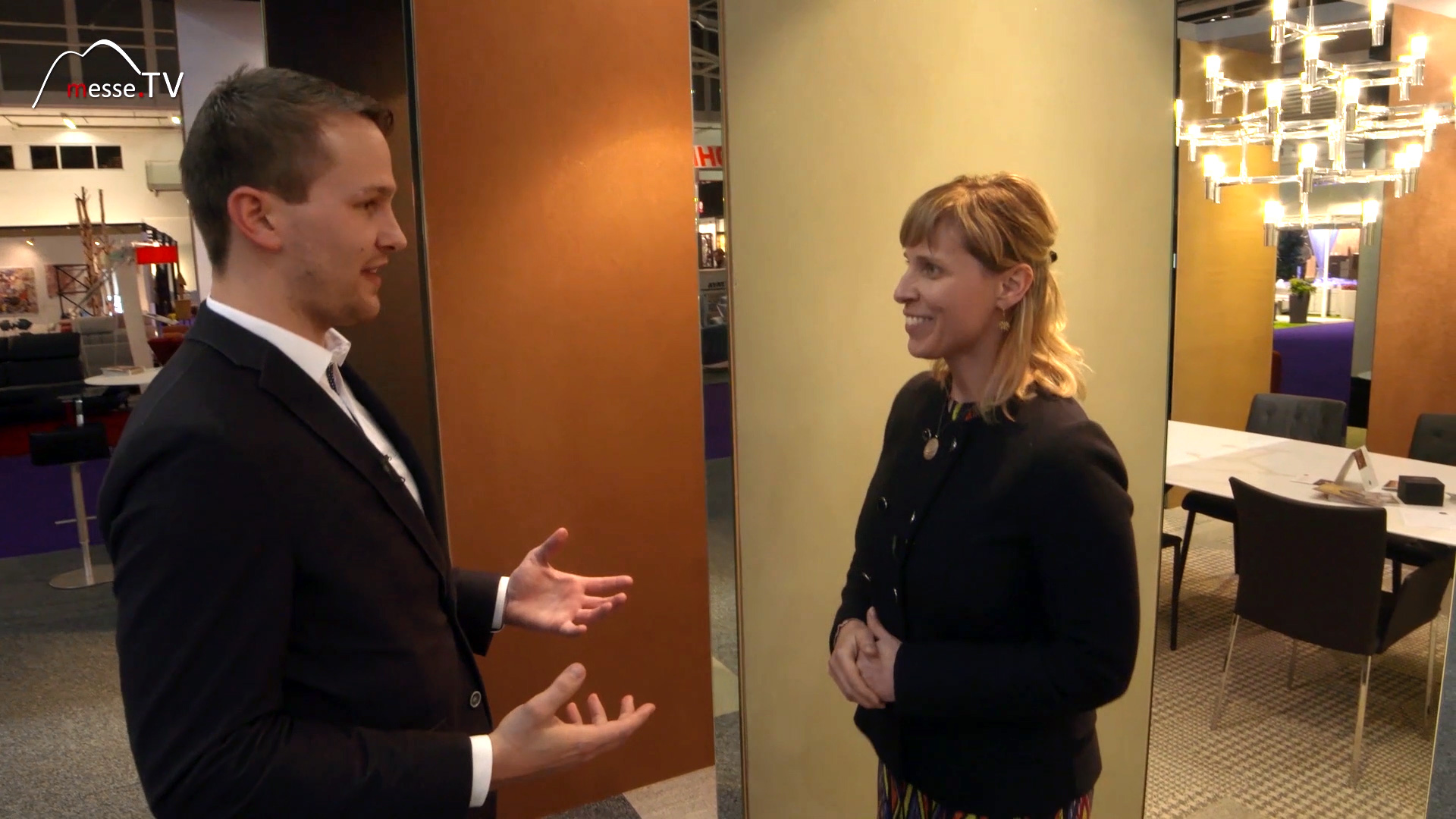
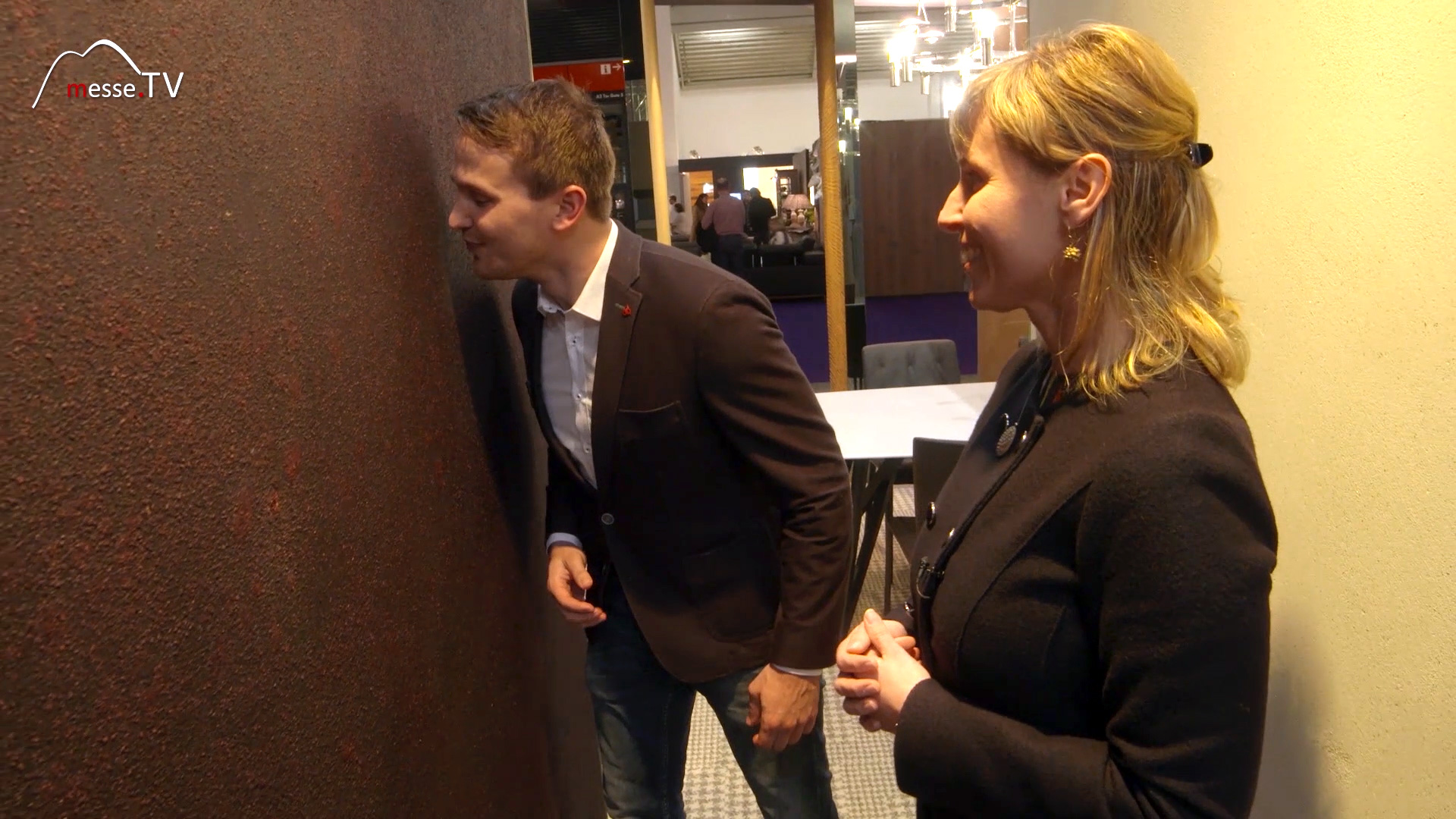
At the Heim und Handwerk in Munich, the company is showcasing wall surfaces made from natural materials such as coffee grounds, hay or fruit tea, which are applied as genuine plaster. The surfaces are designed not only to be visually appealing, but also to alter the atmosphere of a room. The concept differs significantly from traditional wall paints or decorative coatings. The surfaces contain organic raw materials that are processed with water and bound with plantain. This results in walls that have a scent, a recognisable material texture and the ability to evoke memories. In total, the company offers 28 different surfaces. The coffee grounds wall is particularly striking. It consists of real coffee grounds and gives off a scent reminiscent of freshly brewed coffee. This transfers an everyday sensory experience into interior design: not as a scent diffuser, but as a fully integrated wall surface.


Latrace applies coffee grounds to the wall as plaster
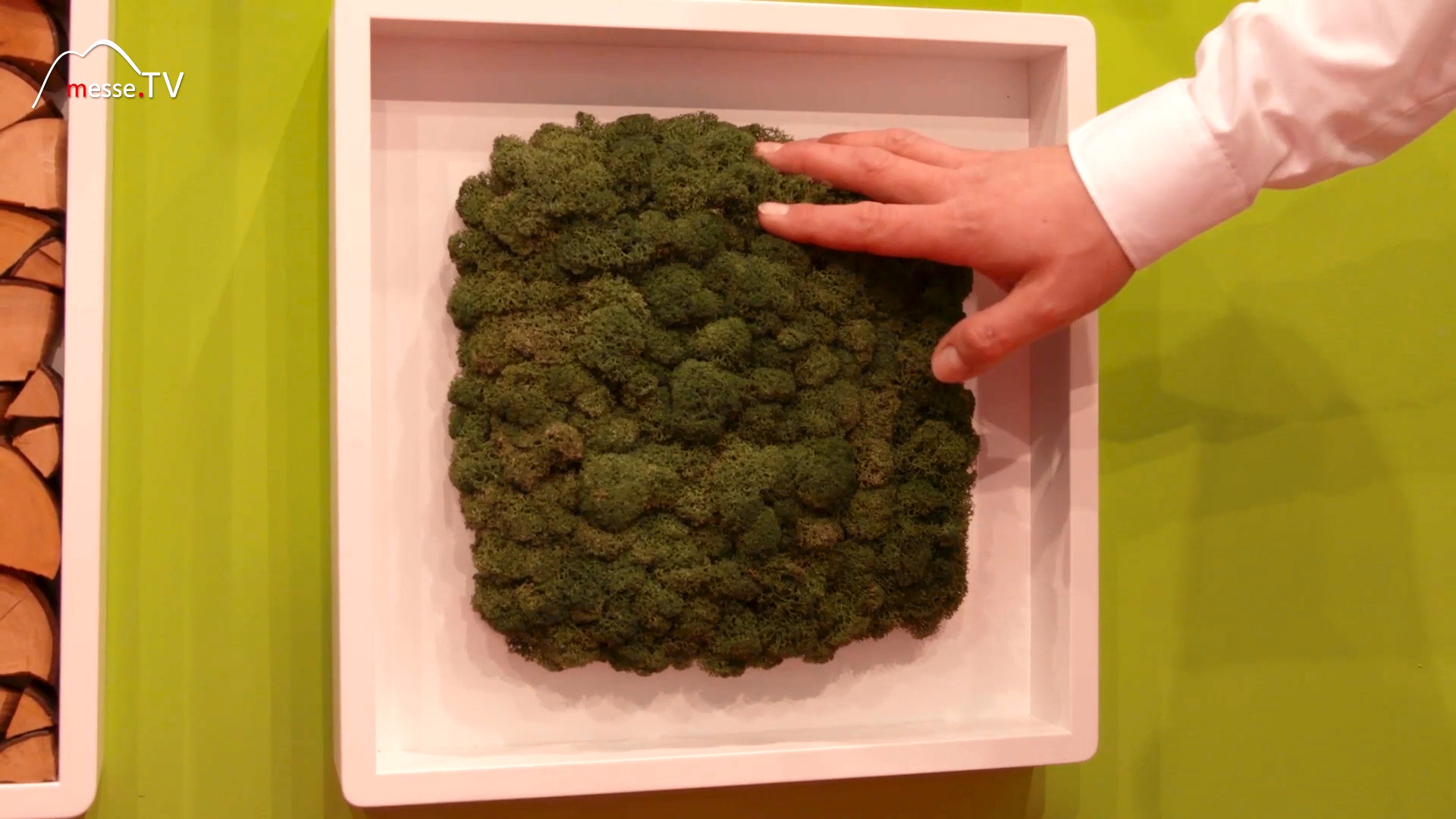
The coffee grounds wall demonstrates just how effectively natural materials can be reinterpreted for interiors. Here, coffee is not regarded as a waste product, but as a raw material for design. Combined with water and a plantain, a bound mass is created that can be applied to walls. The approach may seem unusual at first, but it is technically well-defined. It is not a thin coating that is rolled on like paint. The plaster is applied in a layer approximately two to three millimetres thick. This ensures the surface remains visible and tactile. In addition to coffee, Latrace also processes hay, tea, walnut, metal, silver and gold. The range thus extends from rustic, natural materials to high-quality surfaces with a more prestigious character. The key point here is that the wall is not merely decorated, but becomes an active part of the spatial experience in its own right.
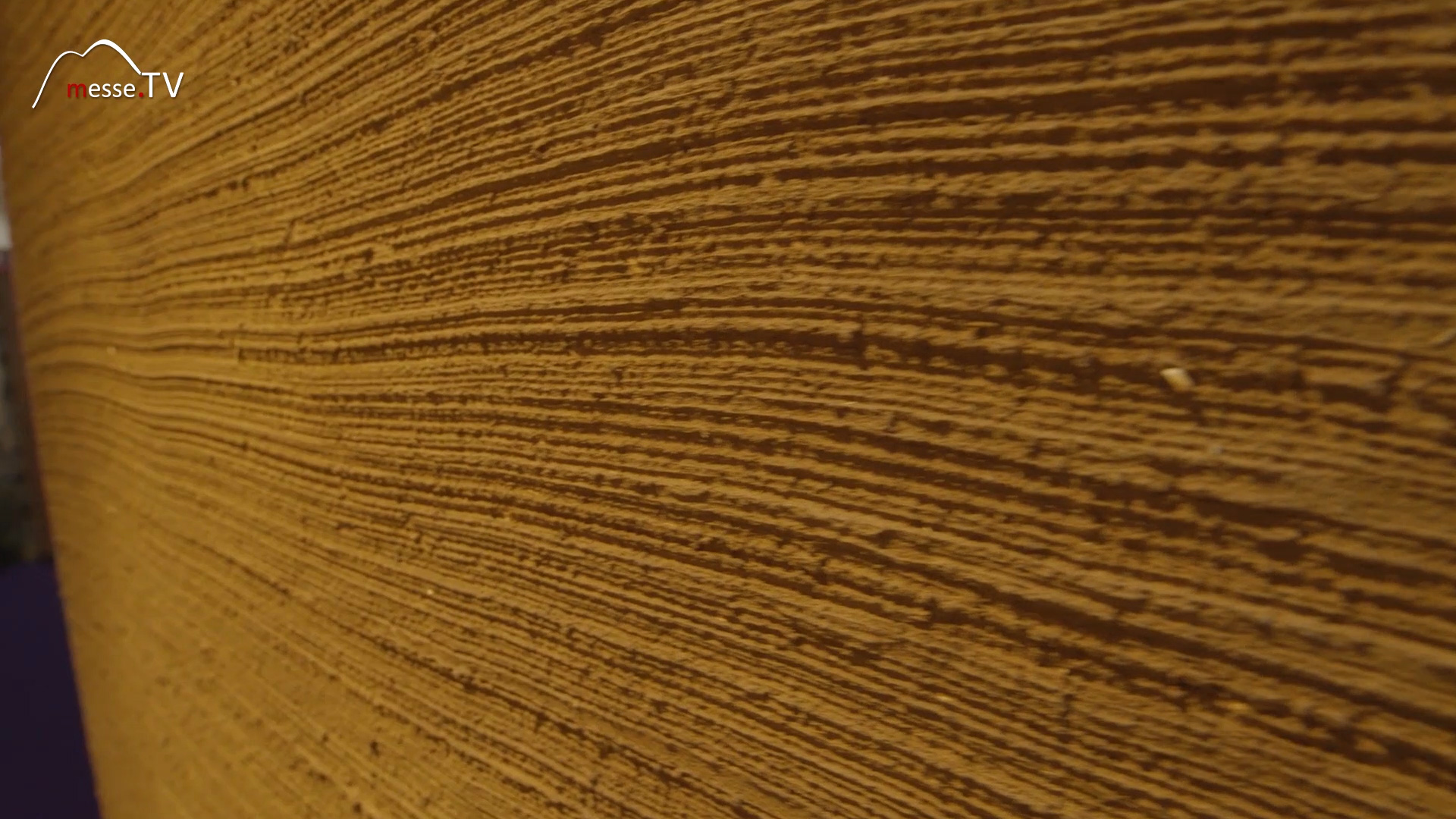
Hay wall remains manageable even for allergy sufferers
A second example is the hay wall. It smells of mown meadows without loose stalks or loose plant matter being released into the room. According to the company, the natural materials are bound together using plantain. This is intended to make the surface suitable even for people with hay fever. It is precisely this point that makes the application interesting. The smell of hay has positive connotations for many people, but can usually trigger immediate concerns among allergy sufferers. Latrace points out that allergy sufferers have tested the surfaces in their own rooms without developing typical symptoms. Key features of the wall surfaces presented:
- 28 different surfaces made from natural materials
- Coffee grounds, hay and fruit tea as scented plasters
- Binding of the materials with water and plantain
- Application in a layer approximately two to three millimetres thick
- Suitable for private homes, hotels, restaurants and workplaces

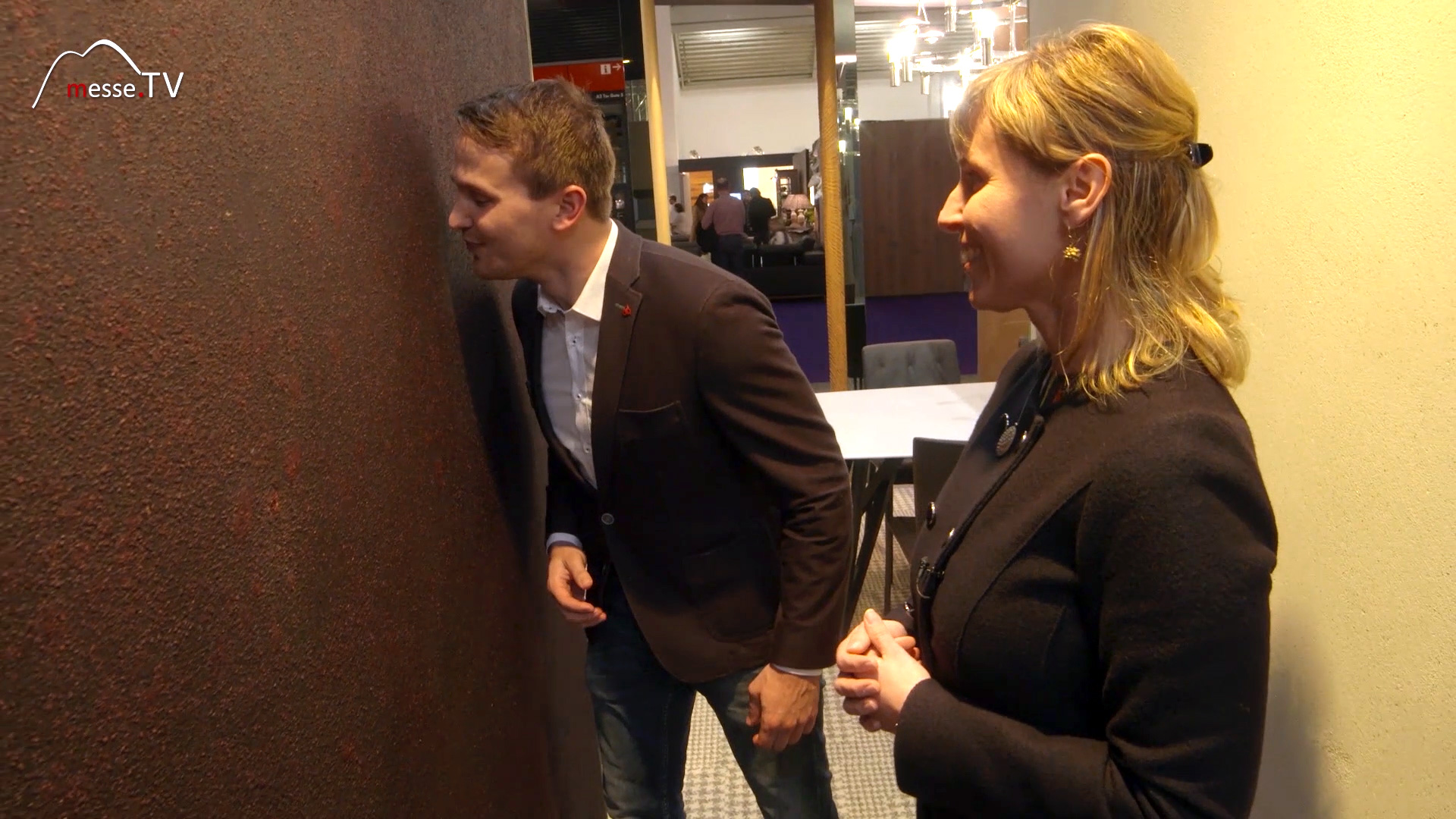
Fruit tea plaster creates a scent that lasts for several months
The fruit tea wall also follows this principle. Ingredients used include fruit pits, fruit extracts, raspberries and blackberries. The scent is reminiscent of freshly brewed tea and, according to the company, remains detectable in normal interiors for several months. A duration of around six to twelve months is cited. However, after a while, the brain becomes less aware of familiar scents. The effect does not disappear completely, but is increasingly filtered out in everyday life. Visitors often notice the aroma more clearly than the residents themselves. This aspect can be particularly interesting for hotels, restaurants or reception areas. In such settings, rooms should not only appear clean, high-quality or modern, but also leave a memorable impression. A scent that emanates from the wall itself is more subtle than traditional room fragrances and more closely associated with the material.
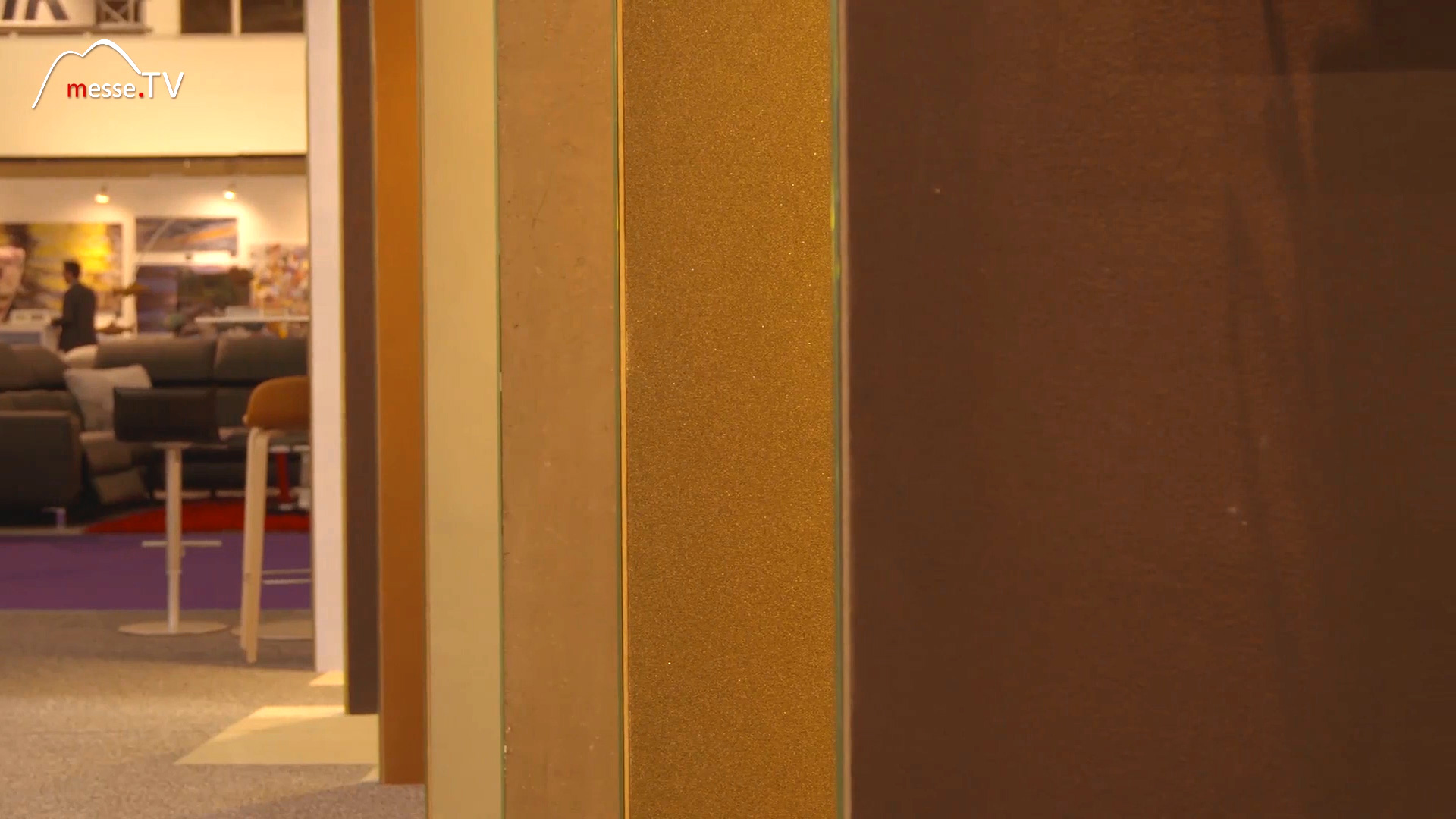
Wall design for workplaces and hotels
Latrace sees potential applications beyond private living spaces. Companies, hotels, restaurants and modern workplaces are also part of the target audience. The reasoning is clear: many people spend a significant portion of their waking hours at work. Whilst white, neutral walls appear functional, they rarely create an atmosphere that supports concentration, well-being or a sense of belonging. The company argues that natural scents can trigger memories. Fruit tea can evoke childhood, family or familiar situations; hay, the countryside and summer; coffee, morning rituals or breaks. Such associations cannot be entirely planned, but they do influence the perception of a space. Based on customer experiences, Latrace also reports positive effects on motivation, team atmosphere and sick leave. Such claims always depend heavily on the specific context, but they demonstrate the direction the concept is aiming for: spaces should not merely be furnished, but designed to be more emotionally effective.
Costs depend heavily on the material
Prices are determined by the substrate, material and finish. For materials including labour, the company quotes basic options from around 70 to 80 euros per square metre. For walnut, the costs tend to be around 150 to 170 euros. Surfaces featuring gold, silver or other metals tend to be closer to 300 euros. This positions the wall surfaces clearly above traditional wall paints, but not exclusively in the luxury segment. The key factor is the standard: It is not about a quick coat of paint, but about a surface that defines a space with visual, tactile and olfactory effects. The concept demonstrates how interior design is changing. Materials are no longer evaluated solely on the basis of colour or maintenance requirements, but increasingly on their effect on atmosphere, well-being and memory. Latrace has turned this into an unusual product: a wall that is not only seen, but also smelled.

Trade fair reporting Germany - Trade fair knowledge, dates & events


