Swim spas, whirlpools and infrared cabins for the home
by A. Bergmeier - 2024-02-14Wellness products for the private home are increasingly evolving into multifunctional systems. Alongside classic whirlpools, swim spas in particular are gaining in popularity because they combine exercise, relaxation and year-round use.
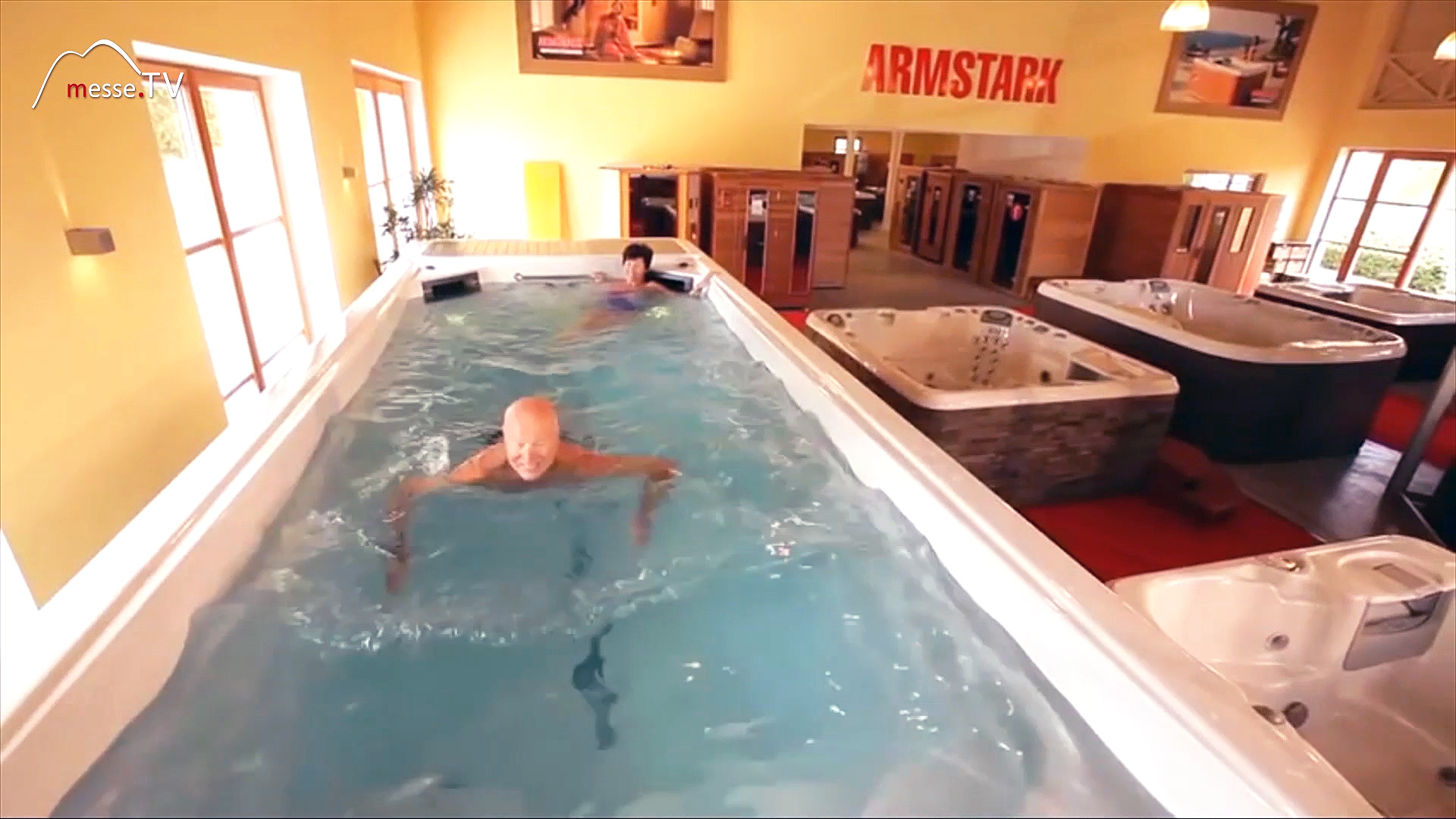
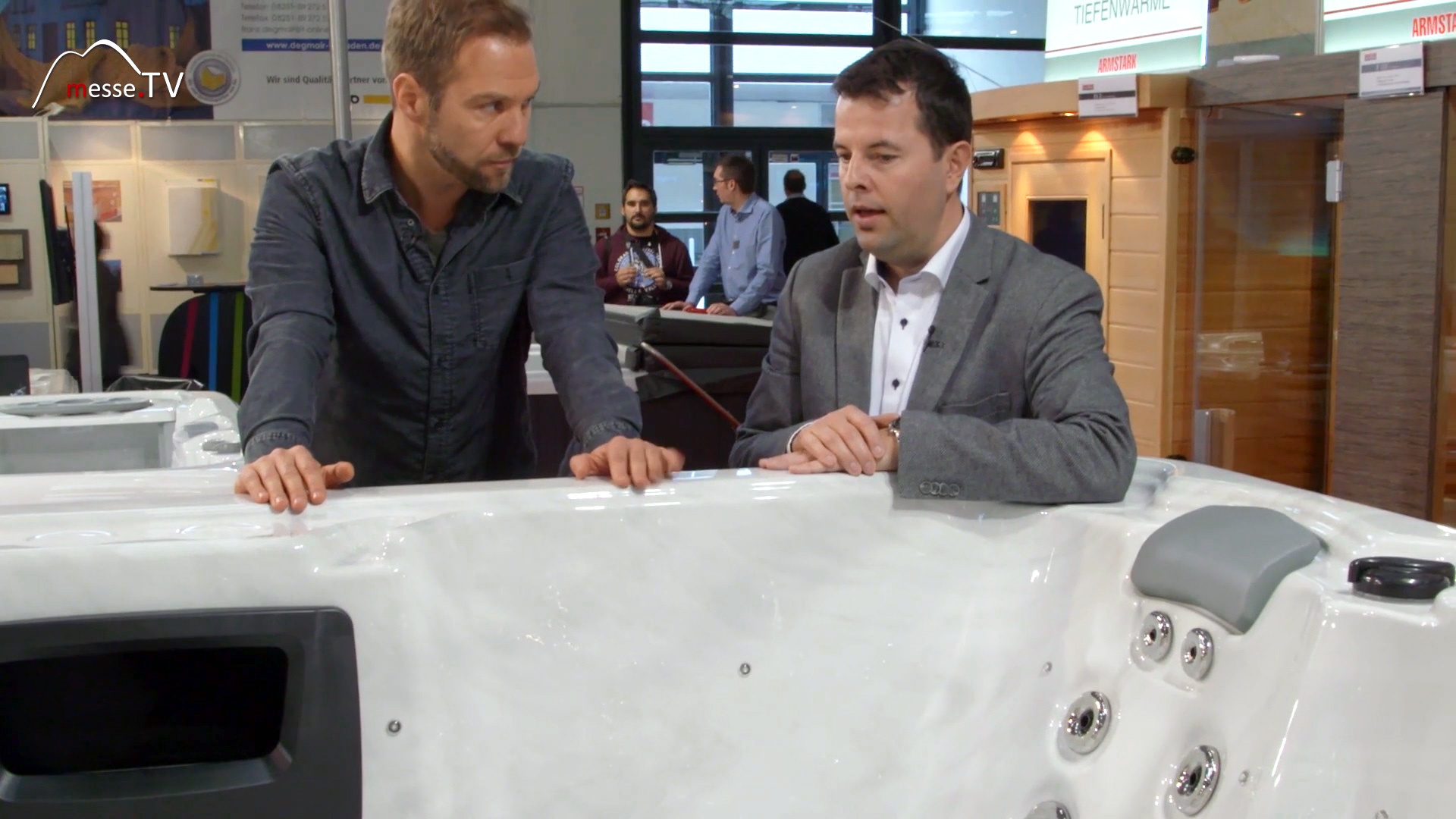
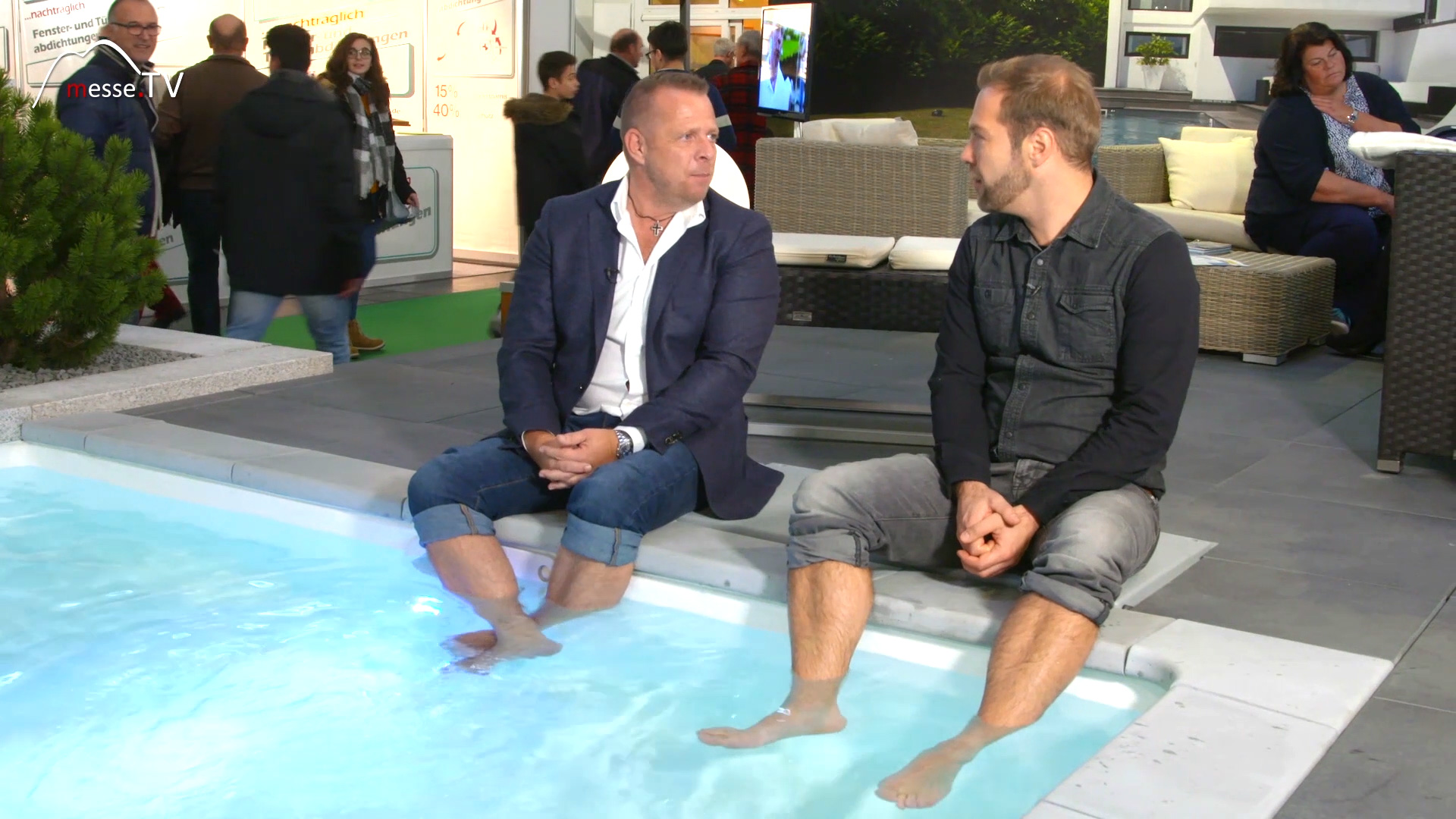
At the Heim+Handwerk in Munich, Armstark is showcasing a range of solutions for the private wellness sector – from compact whirlpools to large-format swim spas and infrared cabins. What is particularly striking is the breadth of applications. Whilst whirlpools are traditionally designed for relaxation and massage, swim spas are also aimed at users who wish to exercise regularly. As a result, the boundaries between fitness equipment, swimming pools and wellness facilities are becoming increasingly blurred. Above all, many manufacturers now highlight year-round usability as a key advantage. In Central Europe, traditional outdoor pools are often only used intensively for a few months. Swim spas, on the other hand, remain heated and can be used regardless of the weather or season.

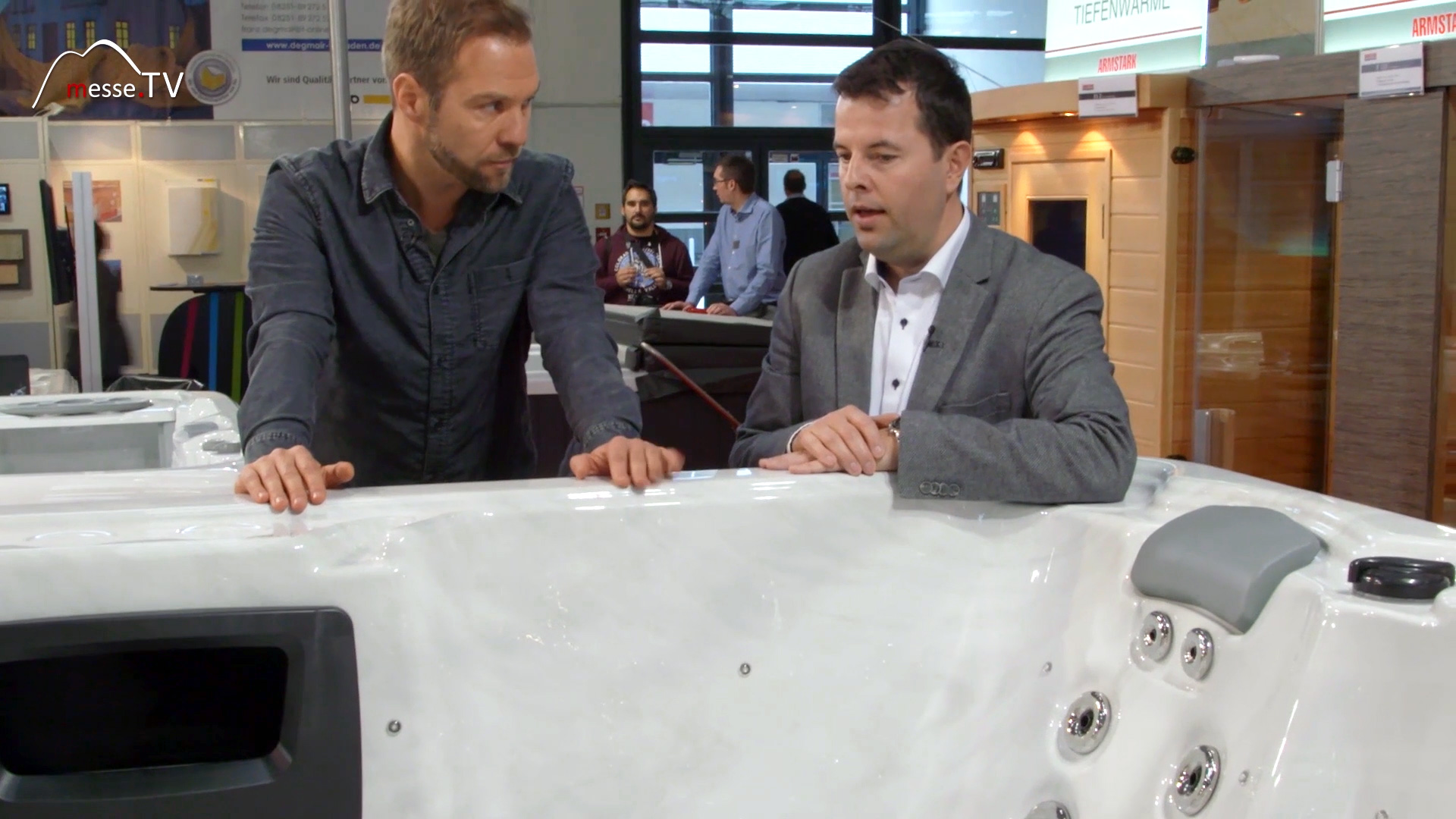
Armstark showcases the Lotus swim spa for training and relaxation
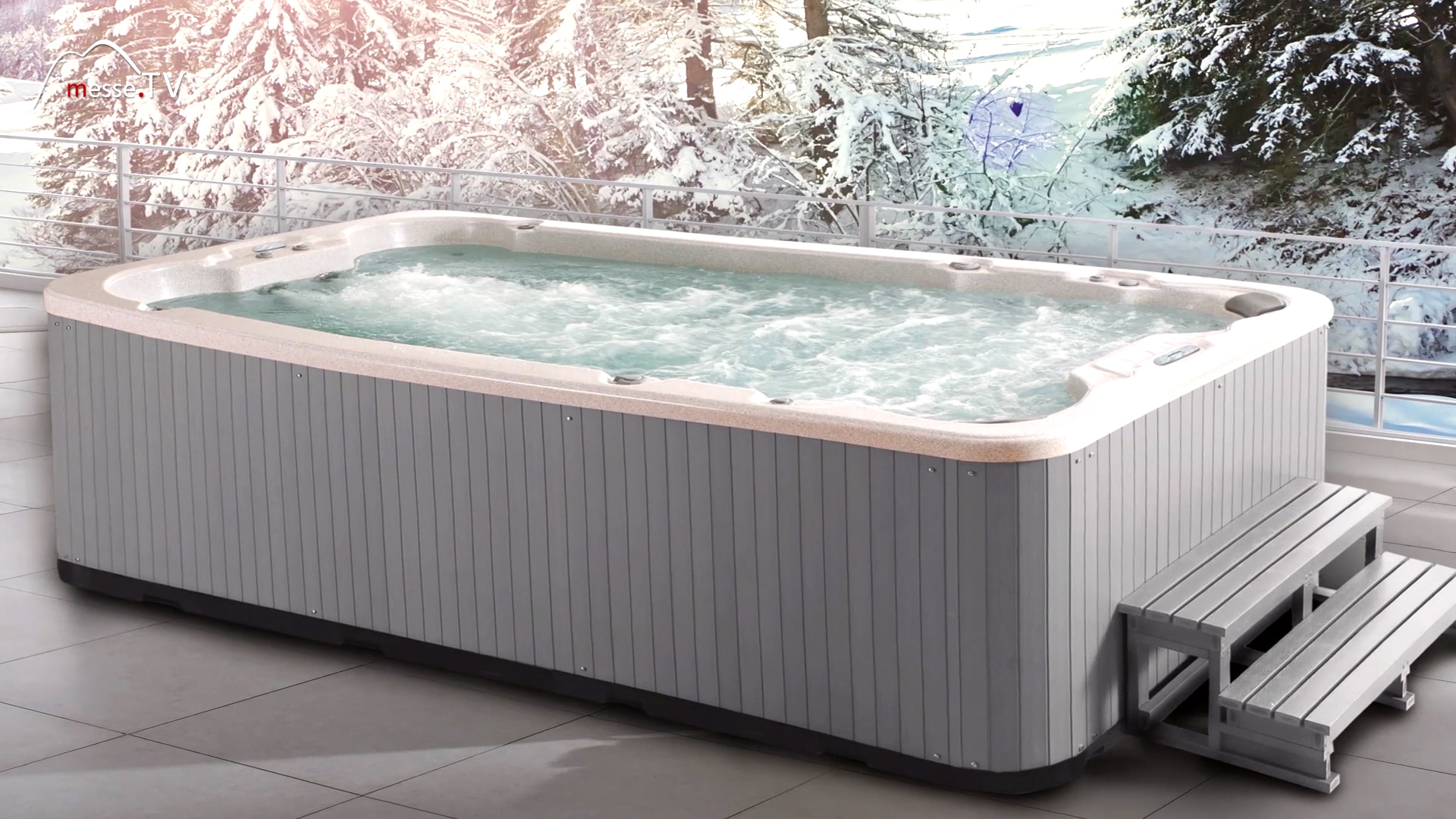
The Lotus series takes centre stage in the presentation. Even the entry-level Lotus 1 model is significantly larger than traditional whirlpools. According to the company, the largest model in the range reaches a length of eight metres, approaching the dimensions of compact swimming pools. The units combine counter-current technology with classic massage functions. Different training intensities can be set using various jet and flow systems. According to Armstark, even triathletes use the more powerful Pro-Swim variants for competitive swimming training.
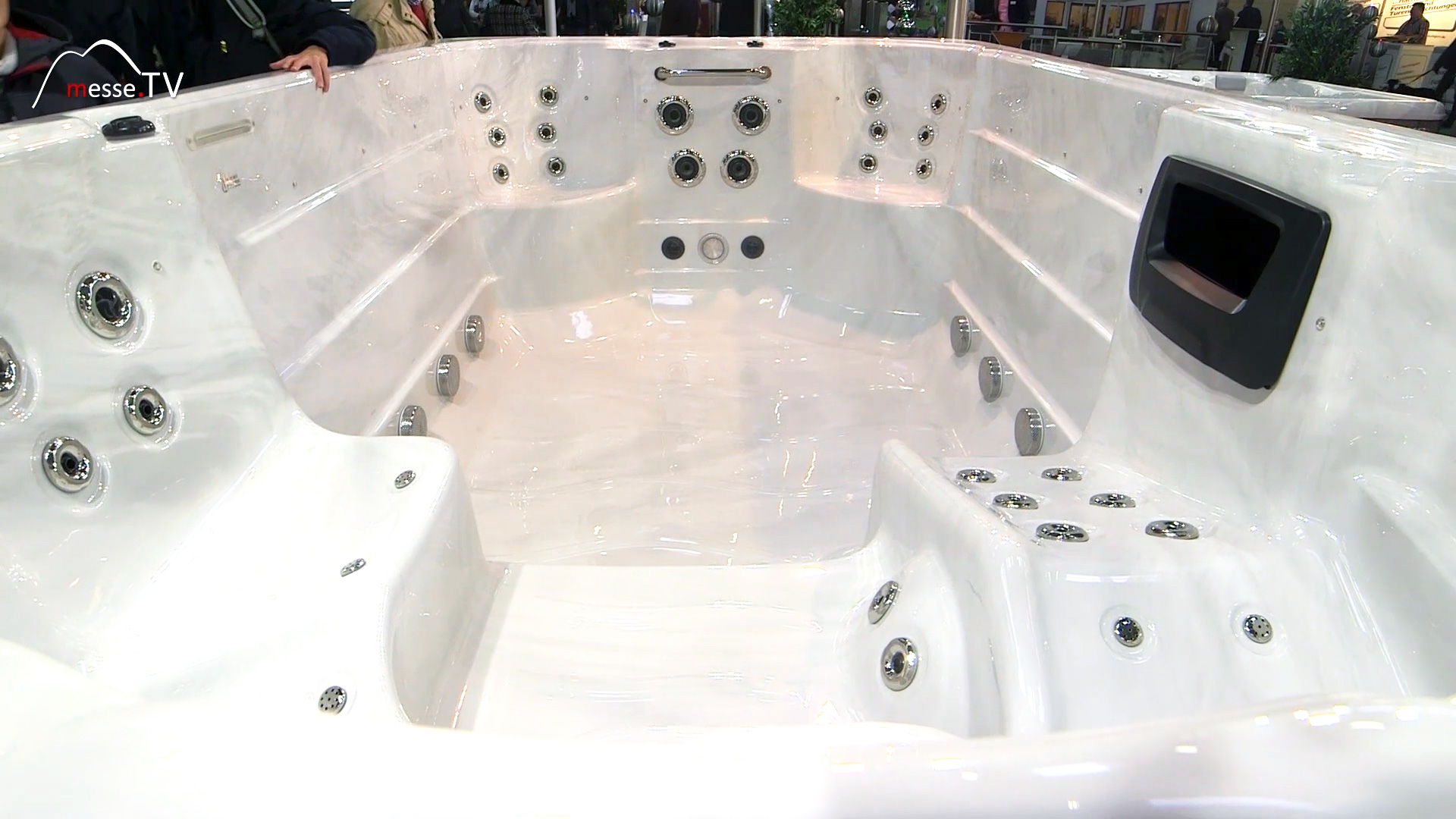
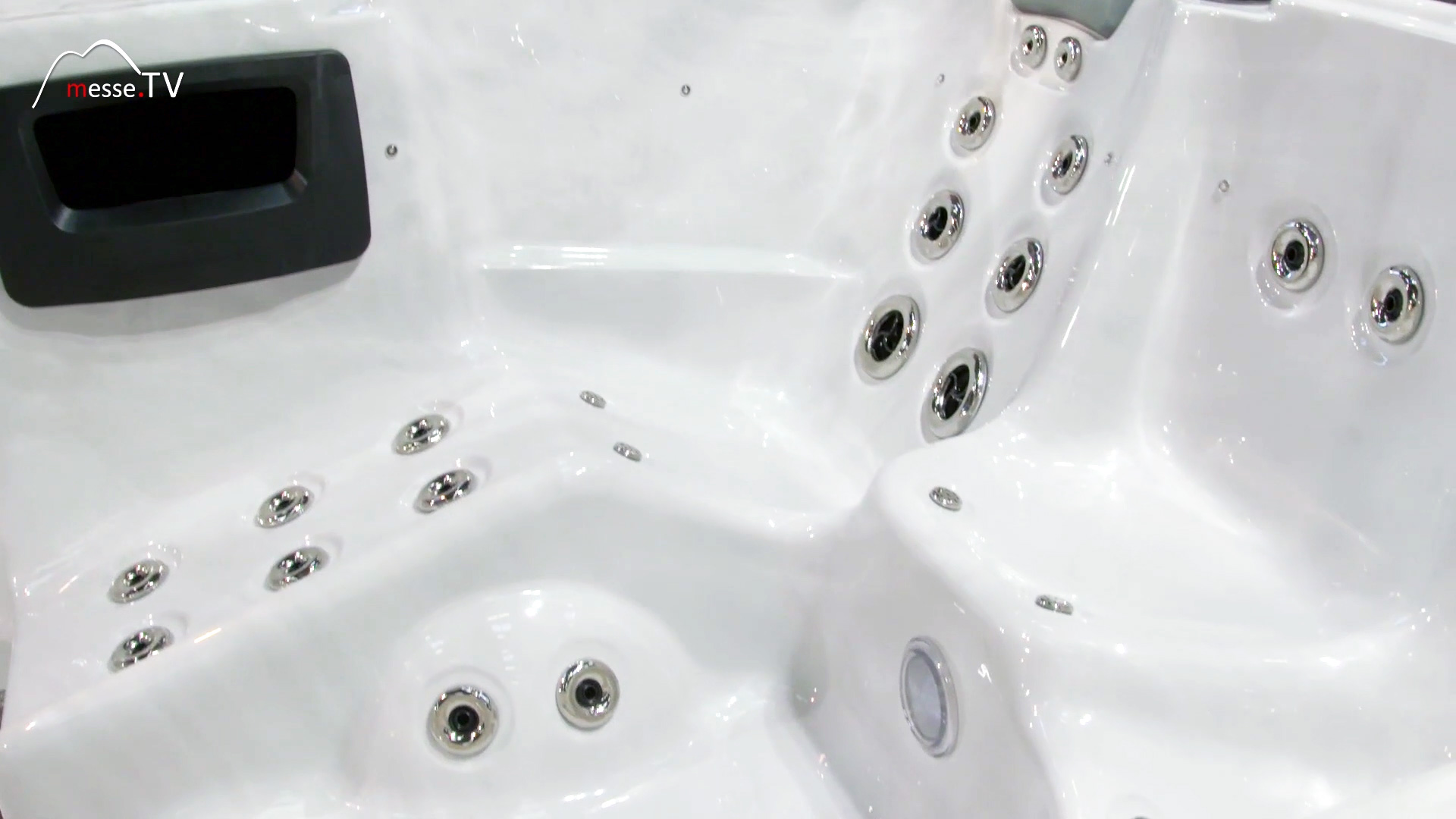
The integrated counter-current system forms the core technology for this. It generates a constant water current against which users can swim. This enables continuous swimming training even in limited space. The typical spa functions are retained in the rear section. There are seating areas with various massage programmes and jet configurations. In addition to classic air and water massages, special treatments for fascia or oxygen massage are also offered.

Counter-current systems are transforming the use of swim spas
Swim spas now occupy a category of their own, situated between a whirlpool and a swimming pool. The space required remains smaller than for traditional swimming pools, whilst at the same time offering significantly more freedom of movement than in a standard whirlpool. Of particular interest is the combination of different usage types within a single system. Users can exercise, relax or incorporate therapeutic treatments without having to install separate systems.
Key features of the swim spas presented:
- Lotus series with various sizes up to eight metres in length
- Counter-current system for swimming training
- Various massage and jet programmes
- year-round use thanks to a heated system
- connection to external heat sources possible
Energy efficiency is becoming more important for large water systems
Energy consumption remains a key issue. Many prospective buyers initially view large heated water systems as costly. Armstark therefore highlights fully foam-insulated systems, energy-efficient pumps and insulated covers. According to the company, the systems can be operated via standard high-voltage power connections. Additionally, external heat sources can be integrated, such as heat pumps or heat exchanger solutions.
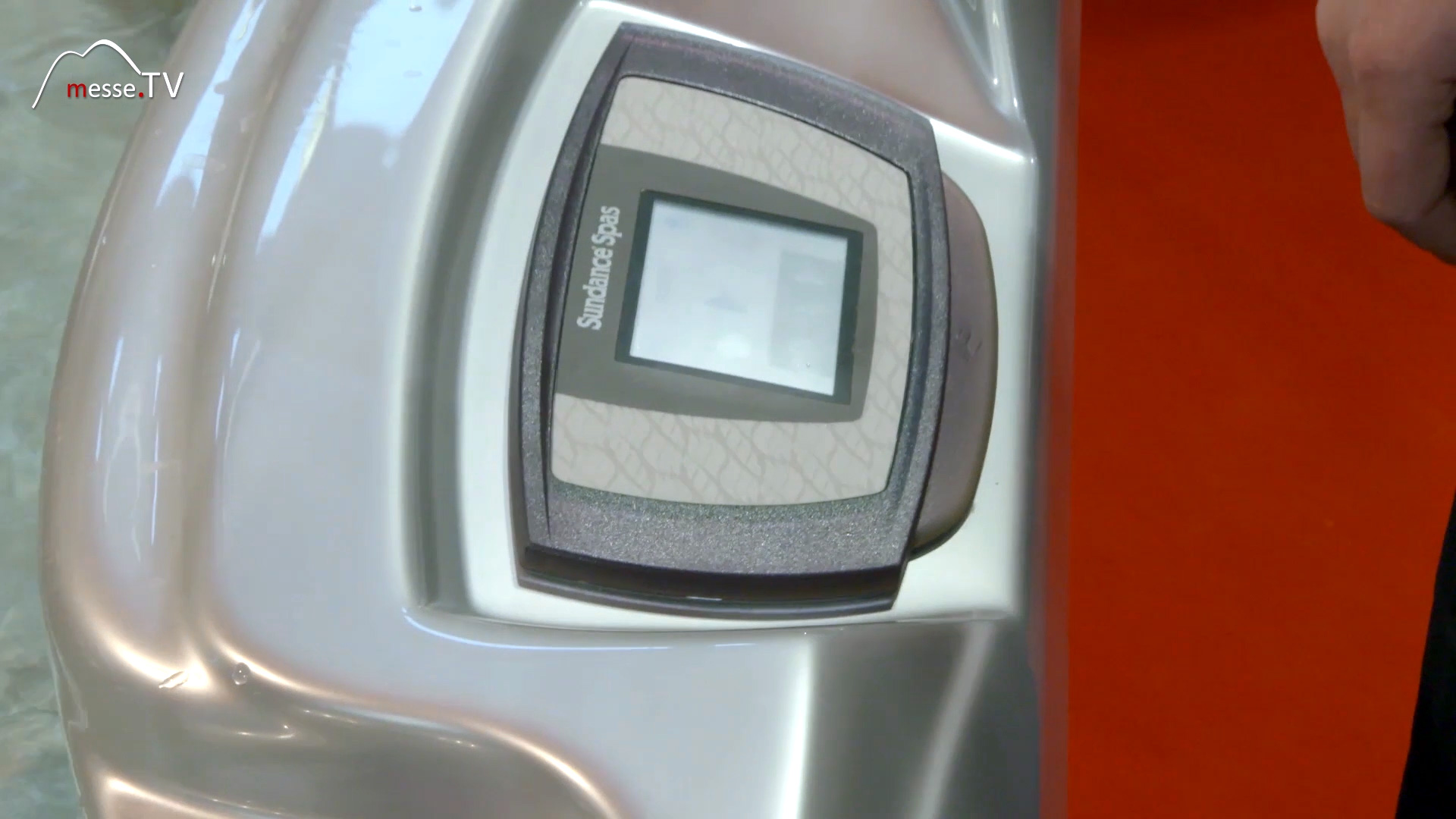
Monthly running costs depend heavily on usage duration and temperature. A rough guide is given as around 120 euros per month. While this places swim spas above traditional whirlpools, they often remain below the running costs of larger outdoor pools. The technical complexity behind such systems is now considerable. Modern systems integrate heating technology, water treatment, massage pumps, lighting and, in some cases, audio systems within compact enclosures.
Whirlpools are evolving into multifunctional wellness systems
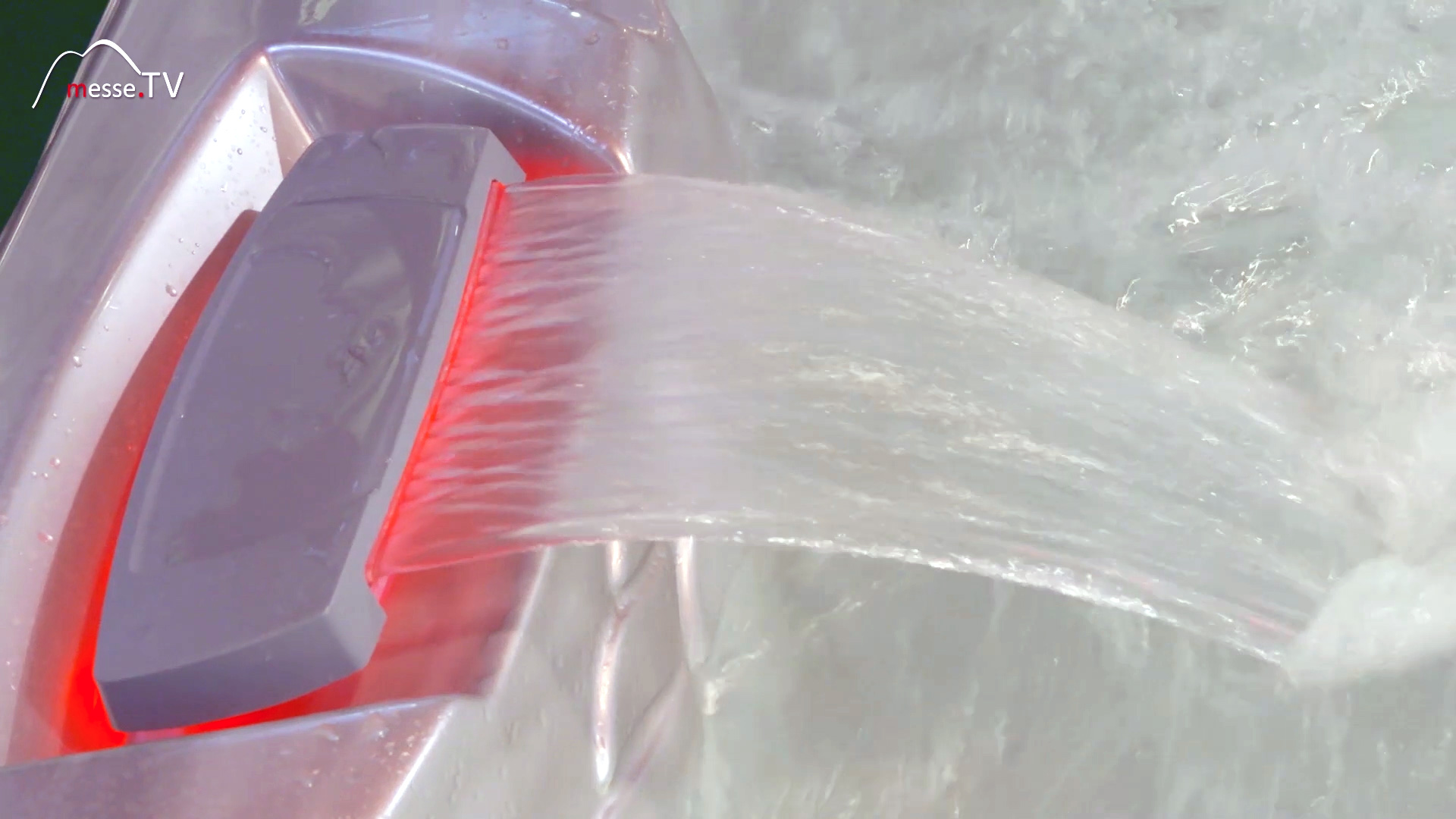
Alongside swim spas, Armstark also presents traditional whirlpools such as the Marin. Here, the focus is less on exercise and more on individual wellness use. The features include several jet pumps, coloured LED lighting, integrated speakers and individually adjustable massage zones. Users can control the intensity and air flow of individual seating areas separately. Added to this are fragrance systems distributed via the air bubble functions. Here, too, a shift in product design is evident. Whirlpools are no longer seen merely as simple hot-water pools. Manufacturers are increasingly positioning them as comprehensive wellness and lifestyle products for the home. According to the company, prices range from around €6,990 for compact two-seaters to around €25,000 for larger, fully equipped premium systems.
Infrared cabins complement the home wellness area
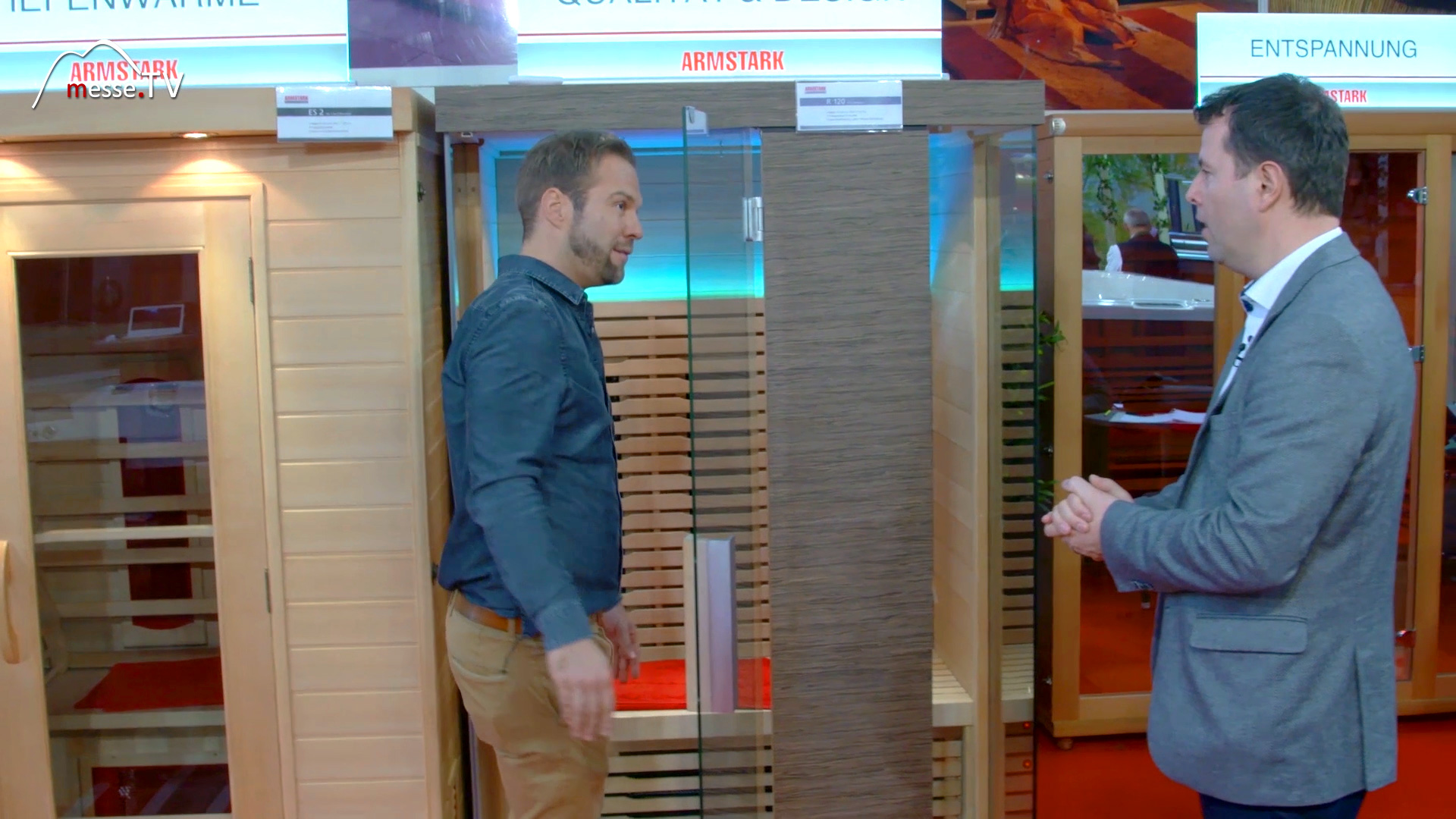
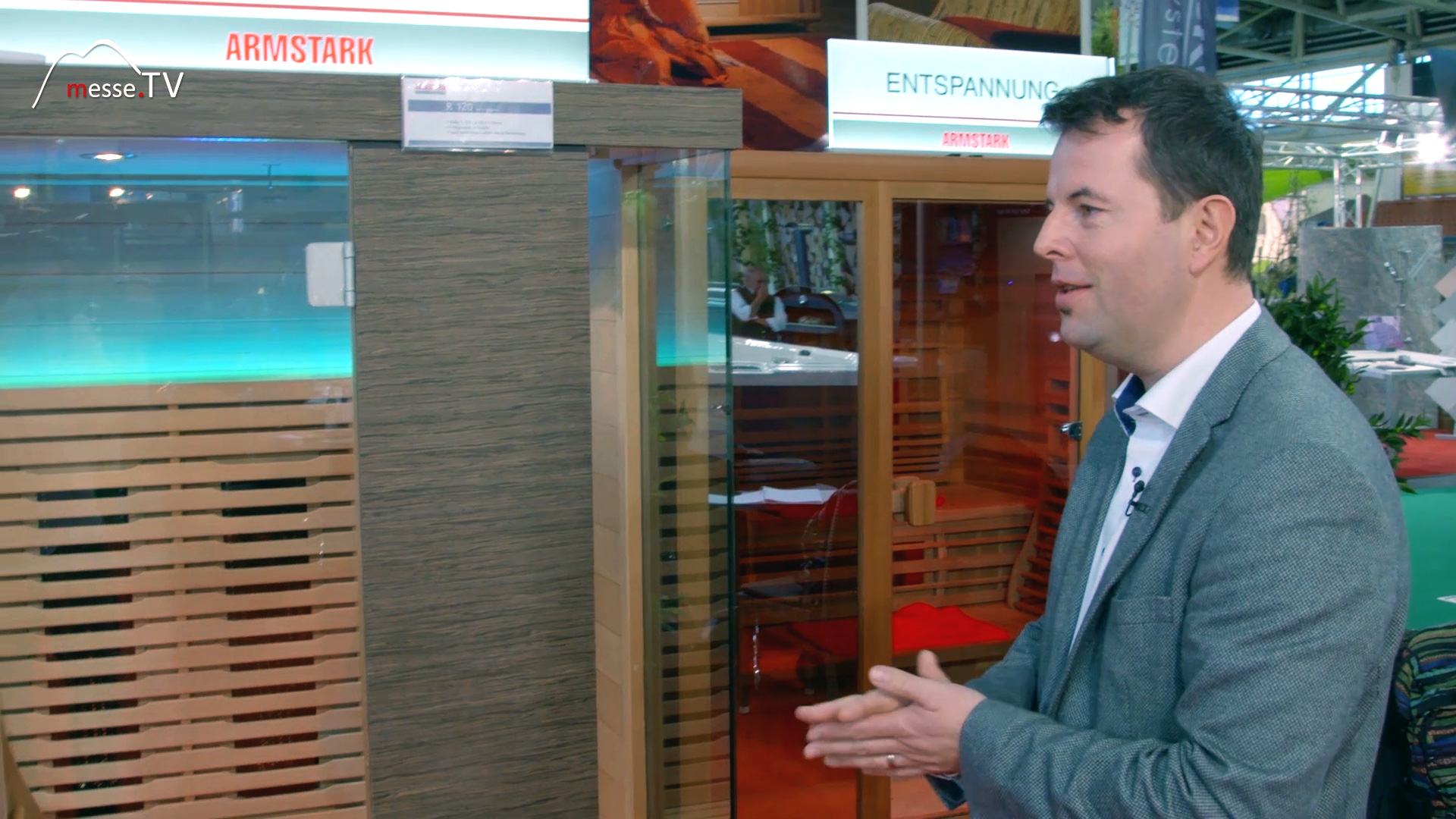
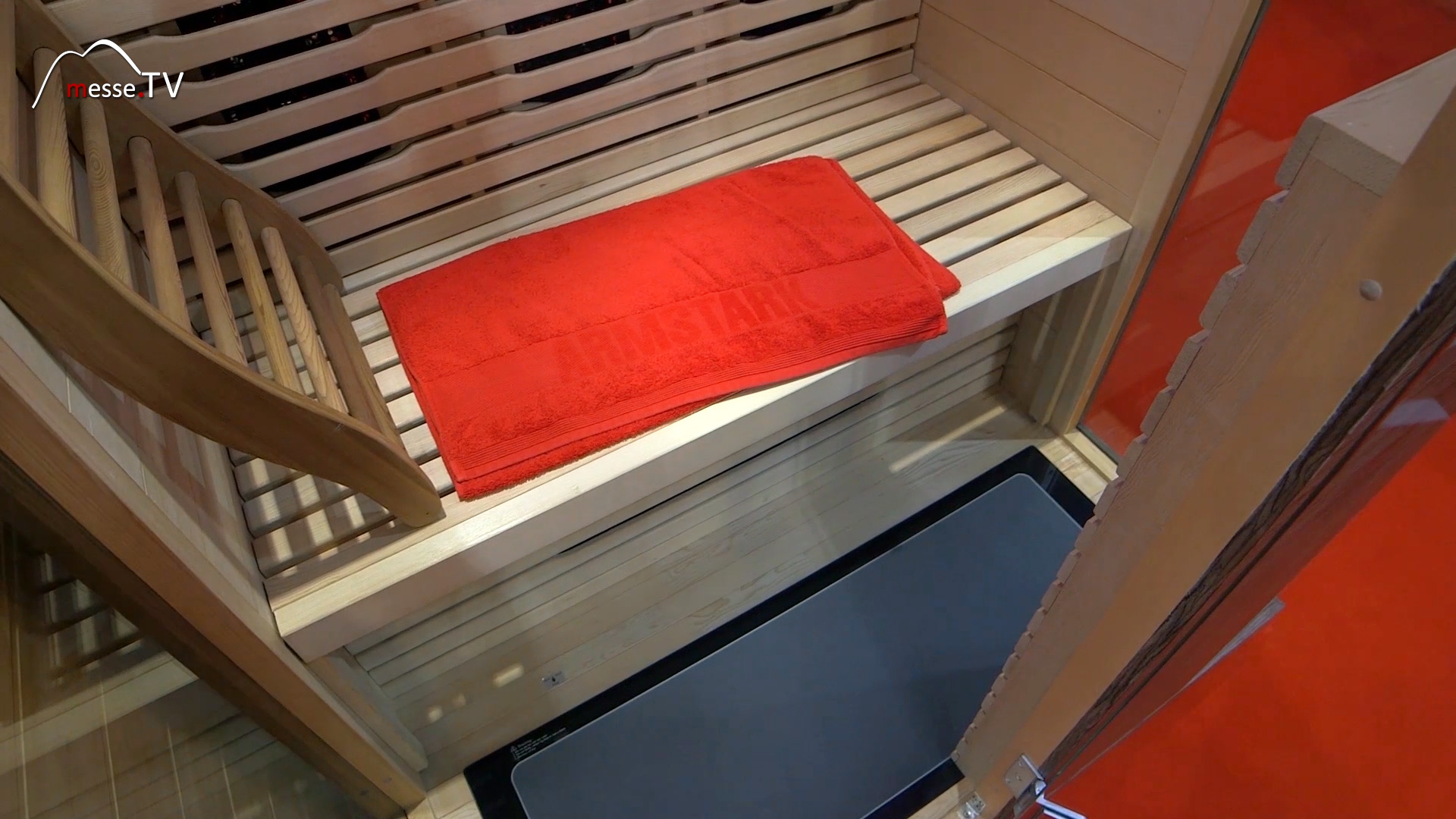
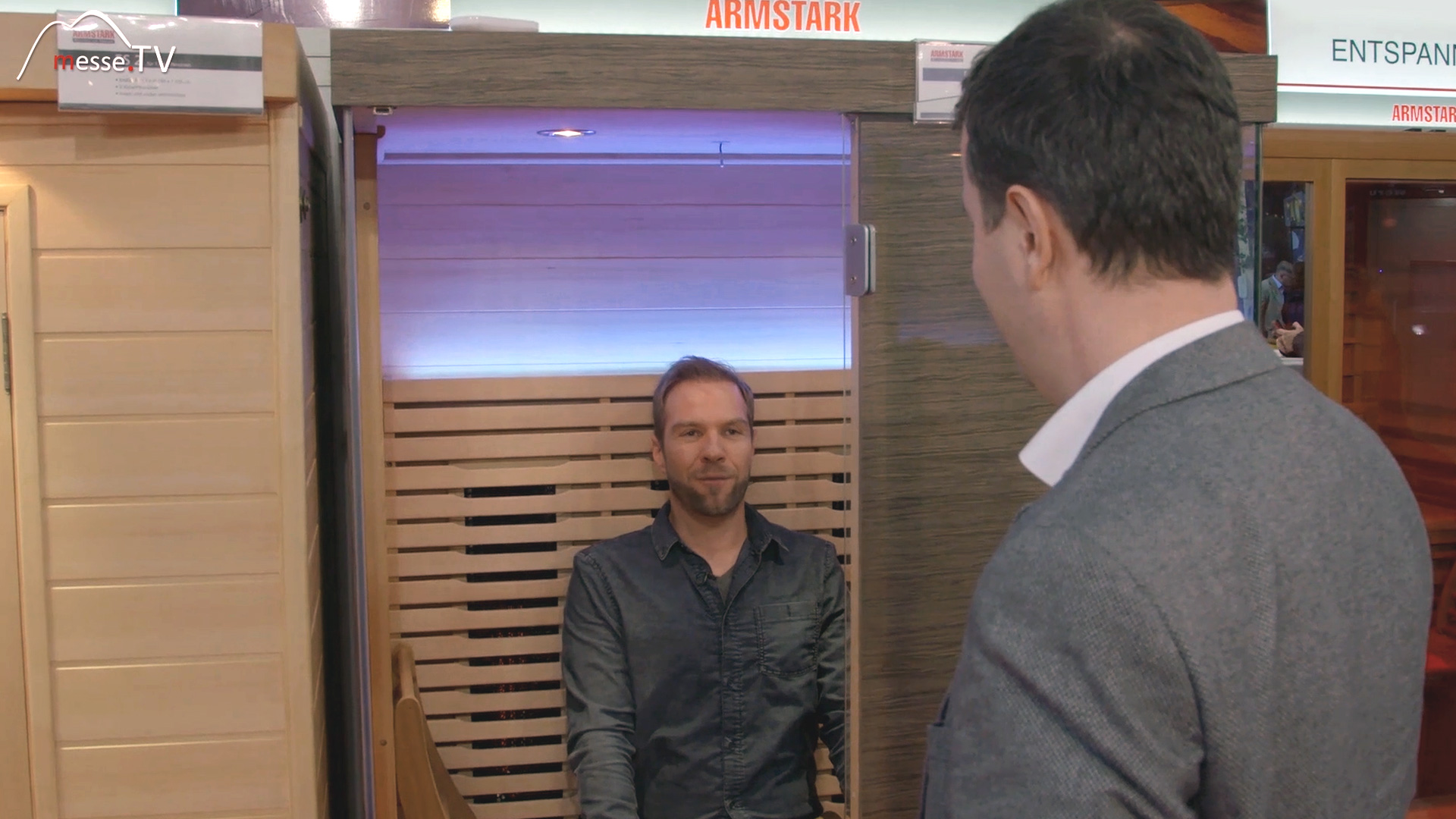
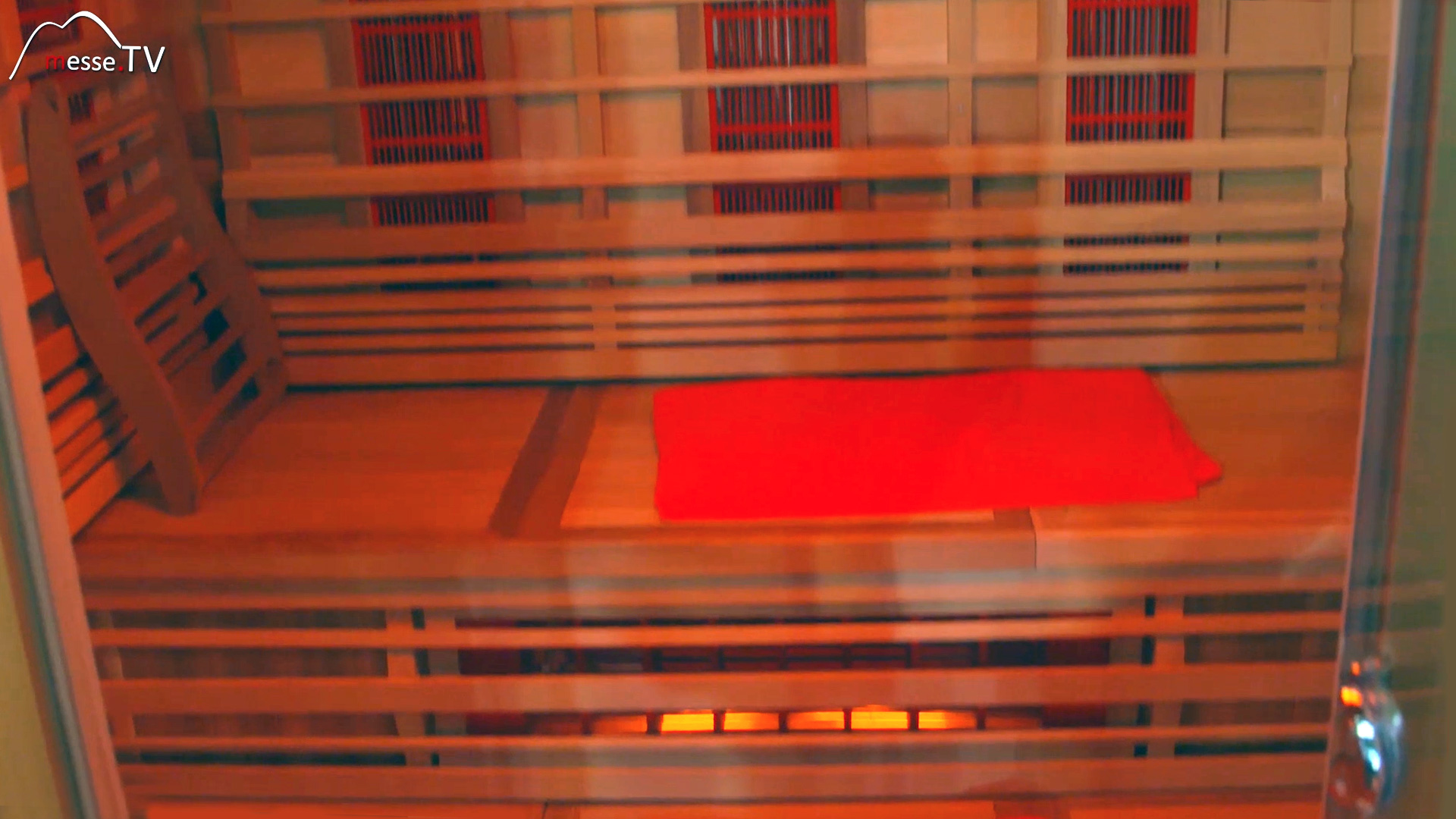
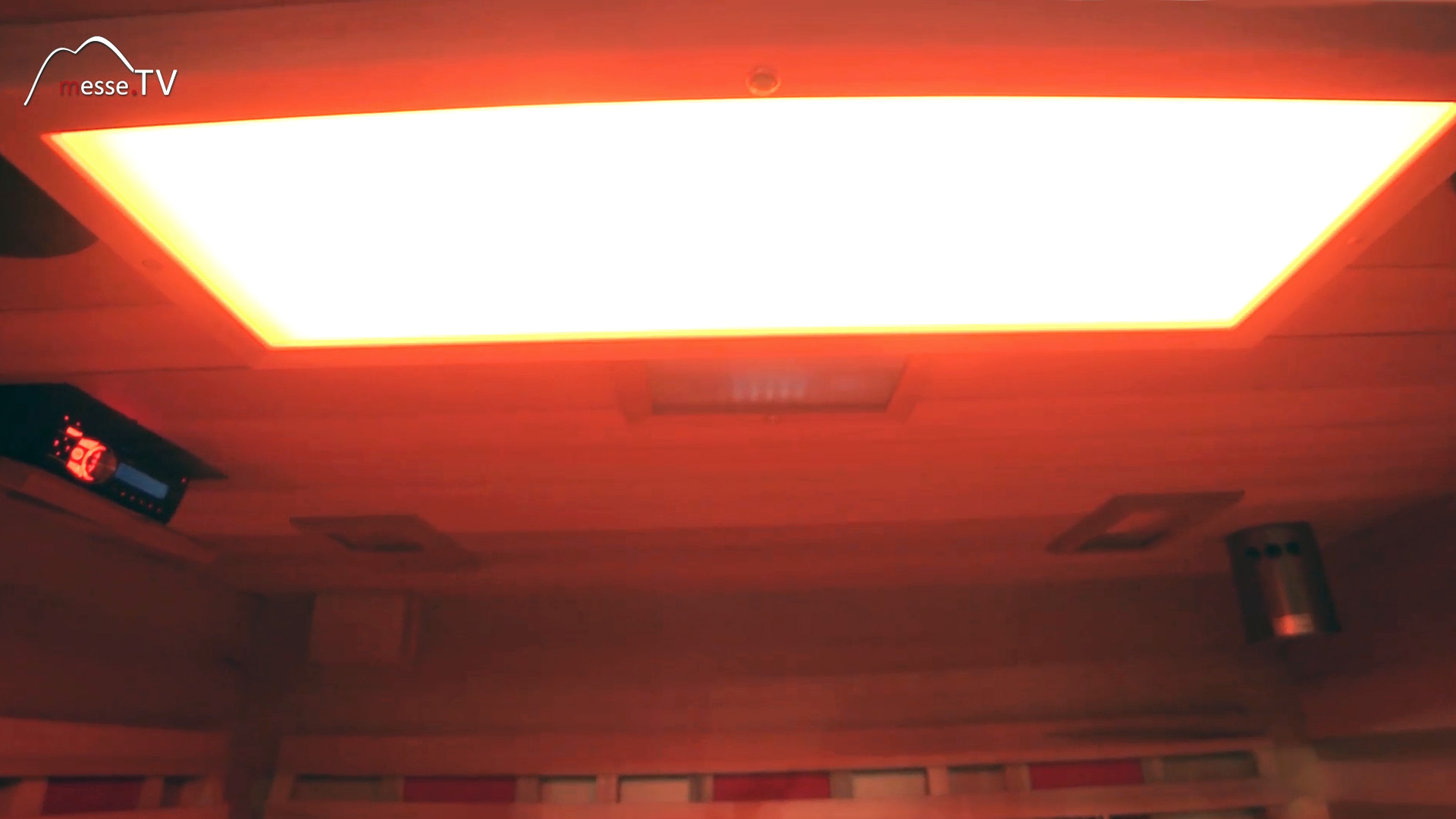
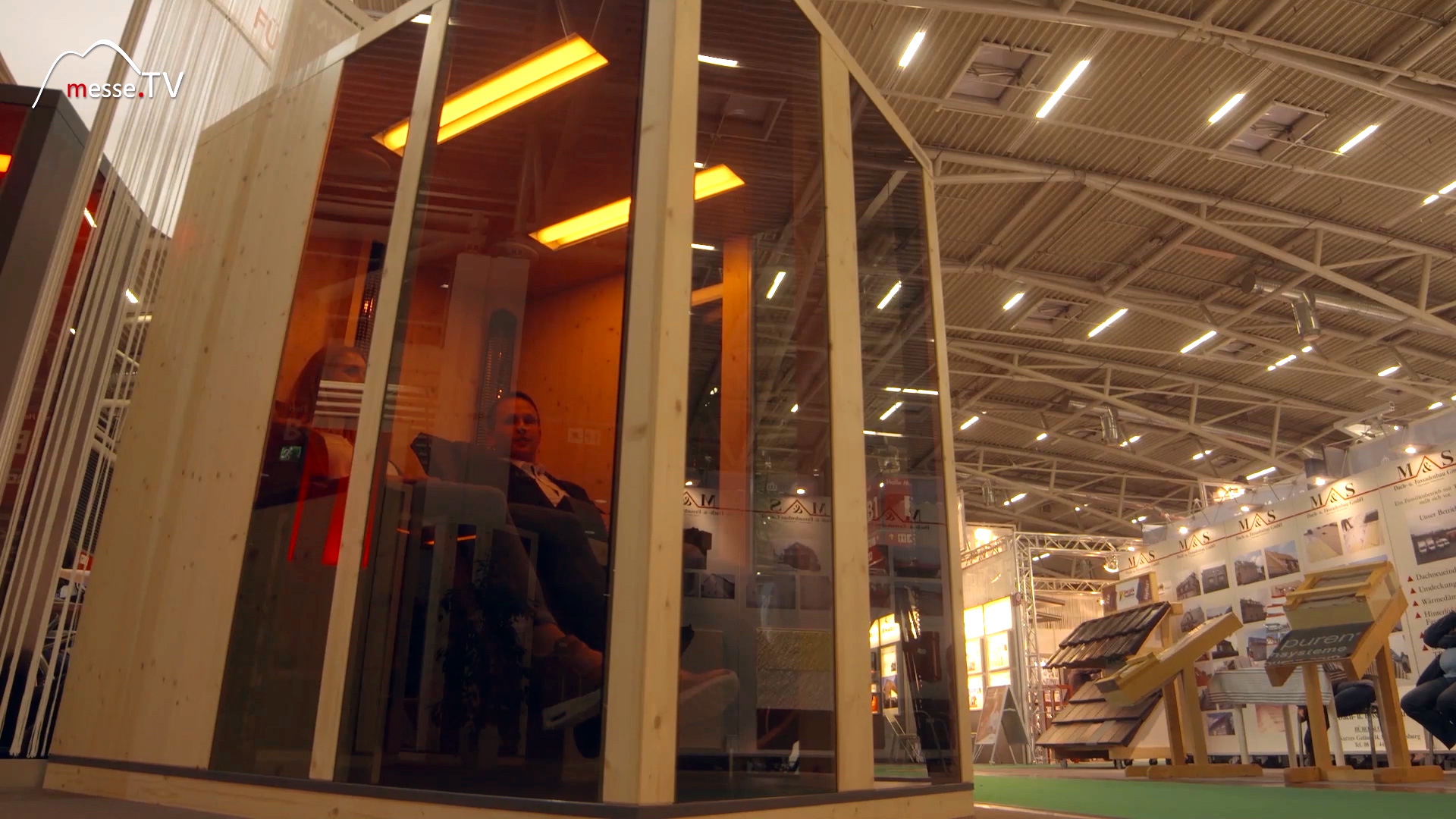
The range is complemented by infrared cabins in various sizes. The models shown feature magnesium heaters, underfloor heating and special back and lumbar heaters. Unlike traditional saunas, infrared cabins operate using direct heat radiation. The heat acts more directly on the body and requires significantly shorter preheating times. Many users also find the lower temperatures more comfortable.
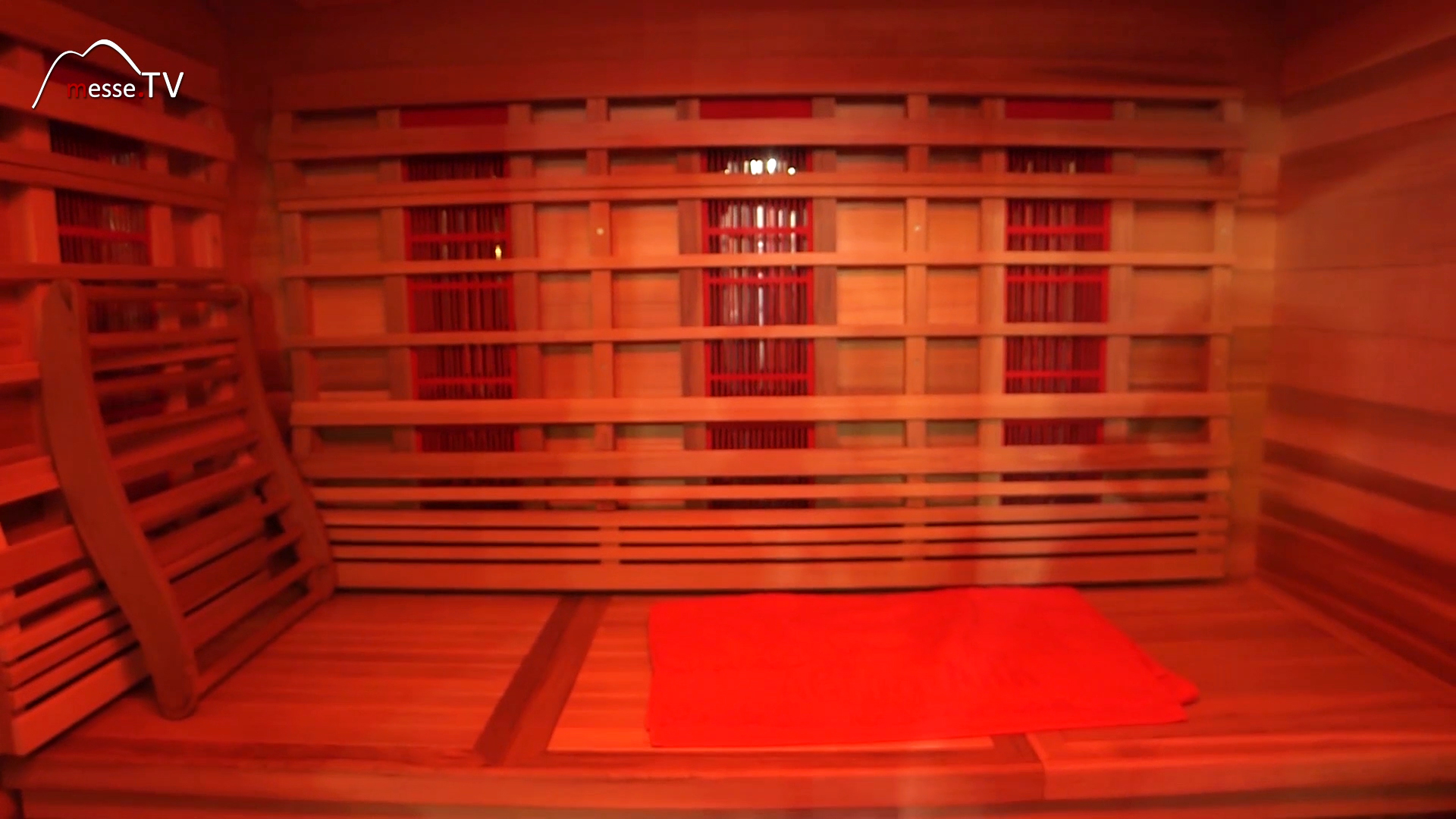
Therapeutic aspects such as muscle relaxation or treatments for joint problems are also highlighted. The radiation in the infrared B and C ranges is said to generate intense deep heat without placing as much strain on the circulation as very hot sauna sessions. Armstark deliberately positions these products as part of a complete home wellness concept. The swim spa provides exercise and training, the whirlpool serves for massage and relaxation, whilst the infrared cabin complements the regeneration area.
This development demonstrates just how much private wellness solutions have changed in recent years. Individual products are increasingly giving way to networked comfort systems that combine fitness, regeneration and leisure activities.

Trade fair reporting Germany - Trade fair knowledge, dates & events


