Modular gas cooking systems for outdoor and kitchen-diner areas
by B. Velonavy - 2024-02-14At first glance, open flames right in the middle of the dining table look like a design feature straight out of the catering industry. In fact, however, there is a clearly thought-out cooking concept behind it.
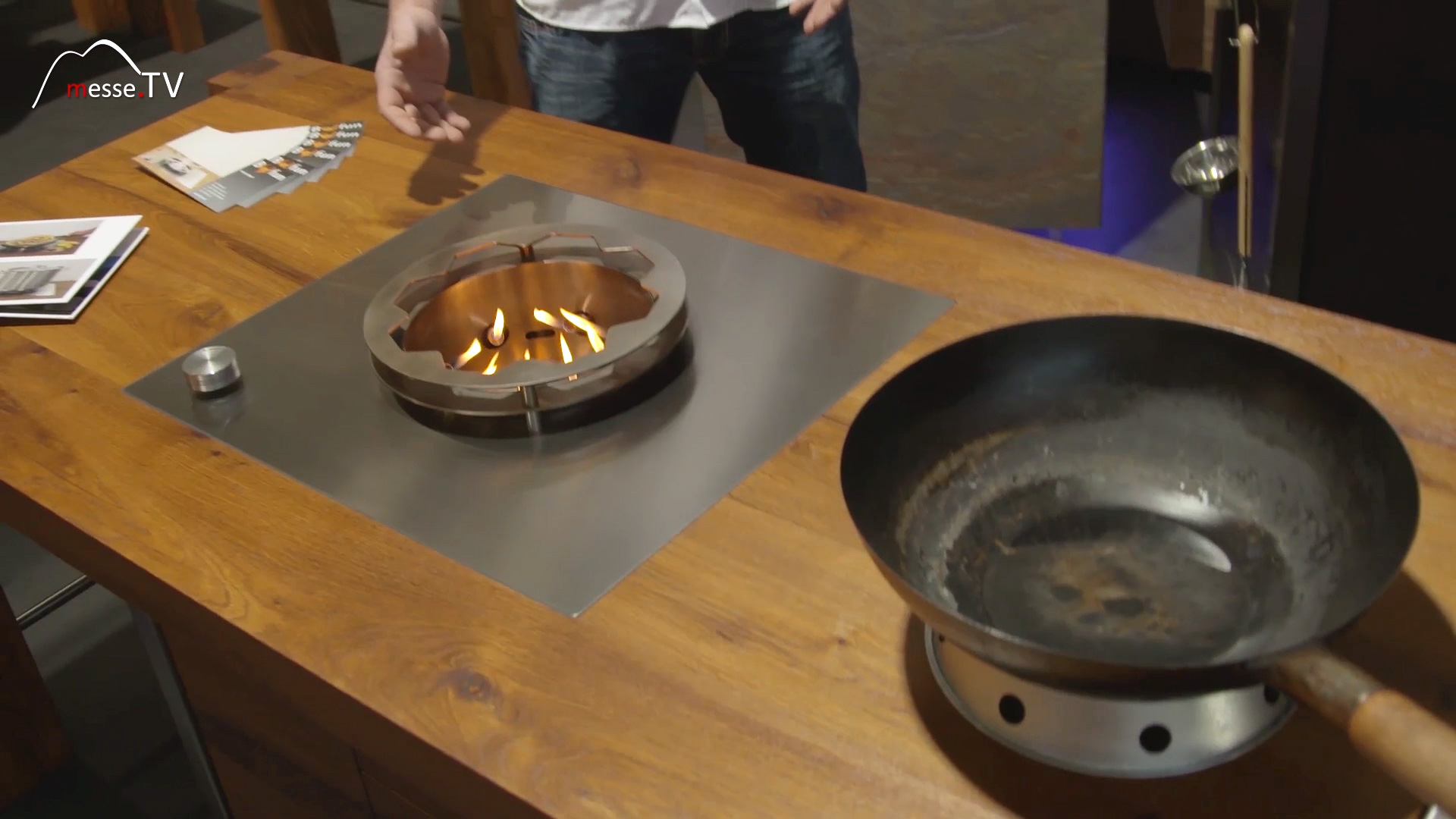
At the Heim und Handwerk in Munich, Bofun is presenting modular gas cooking systems that combine Asian cooking techniques with high-quality kitchen modules and bespoke planning. The focus is not on traditional barbecue stations or outdoor kitchens in the usual sense. Instead, the focus is on high-performance cooking modules that can be flexibly integrated into open-plan kitchens, outdoor areas or bespoke worktops. According to the manufacturer, the idea arose from a passion for Asian culinary culture, short cooking times and a method of preparation designed to better preserve the vitamins and texture of the food. What stands out is the combination of minimalist design and technical functionality. The systems are deliberately simple in appearance, yet their performance and build quality are clearly modelled on professional kitchen equipment. Rather than standardised complete solutions, the concept focuses on customised built-in units and modular extensions.
Bofun combines wok technology with bespoke kitchen modules
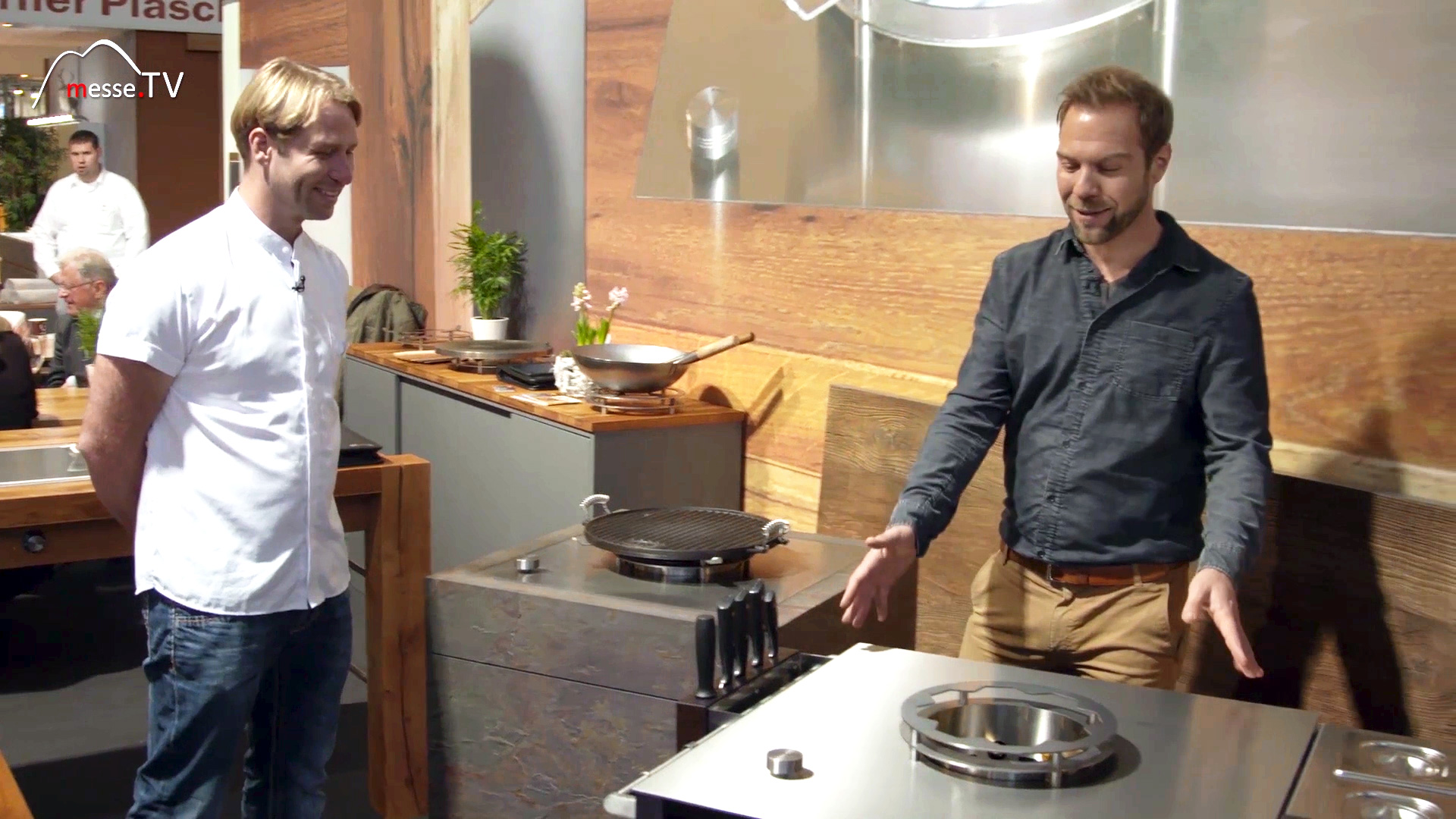
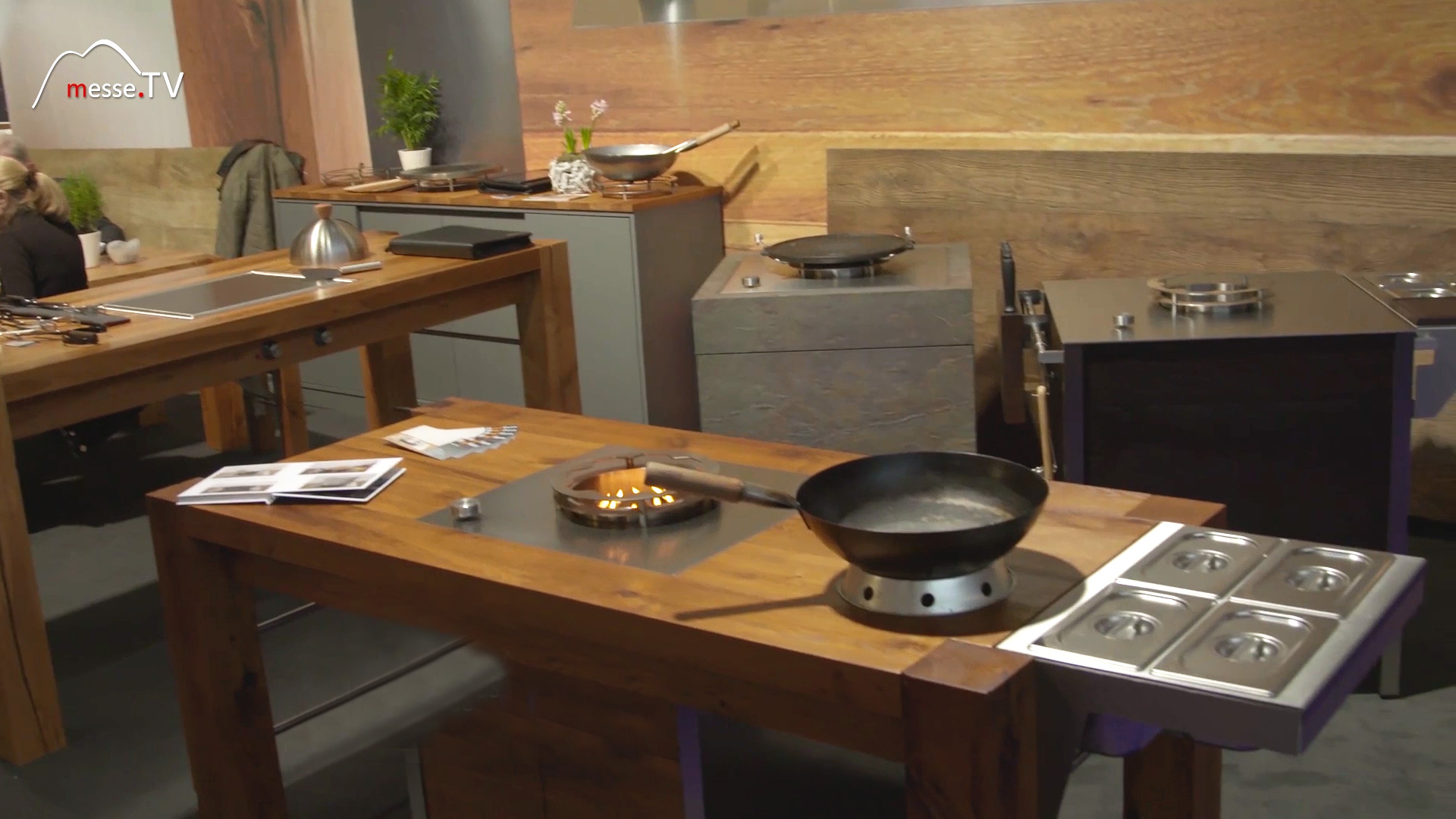
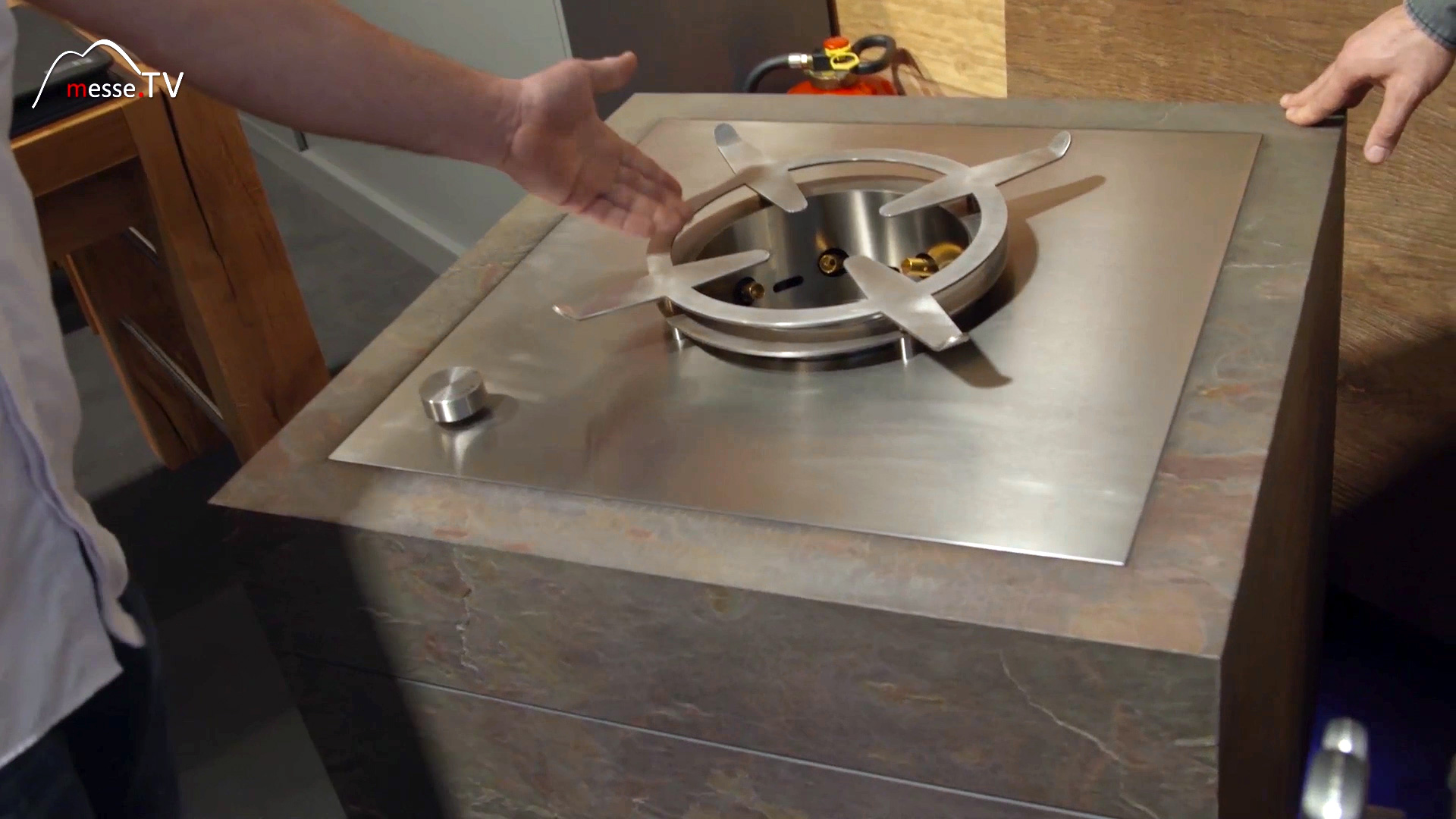
The cooking modules shown are based on high-performance gas burners, as required particularly for Asian cuisine. Wok cooking in particular generates very high temperatures within a short time. This allows ingredients to be cooked quickly without vegetables or meat being exposed to heat for too long. According to Bofun, the systems are manufactured to customer specifications. Heights, installation options and finishes can be adapted to existing kitchens or outdoor areas. The tables presented therefore serve more as examples of possible integrations than as a fixed production model. The flexibility of the modules is particularly important here. The burner units can be used both indoors and outdoors. According to the manufacturer, the necessary approvals for indoor and outdoor use are in place. In addition to classic wok attachments, there are various attachment systems for different cooking situations. Users can use small cooking containers or larger pots and pans. Wing locks prevent heavy containers from slipping during cooking.
Multi-attachments and modular kitchen units expand the concept
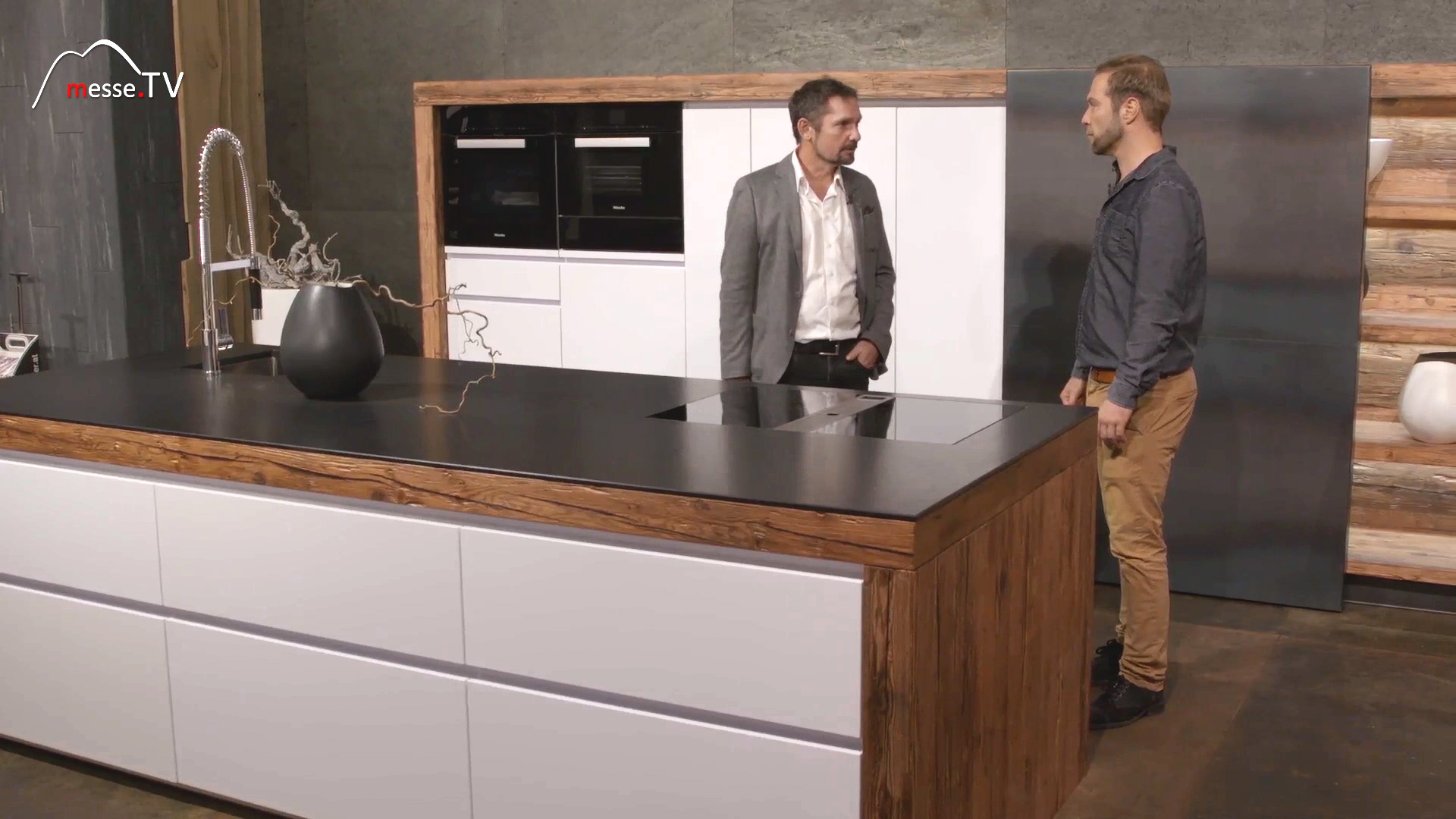
A key focus of the presentation is on modular extensions. New kitchen units can be combined as desired and adapted to different requirements. The modules on display incorporate, among other things, storage space for gas cylinders, chopping boards, knife blocks or additional catering containers. In some respects, the system is reminiscent of professional kitchen workstations in the catering industry, but has been given a significantly more homely design. Particularly striking is a kitchen unit with a dark slate surface, which the manufacturer itself describes as a kind of ‘Mercedes’ among built-in solutions.

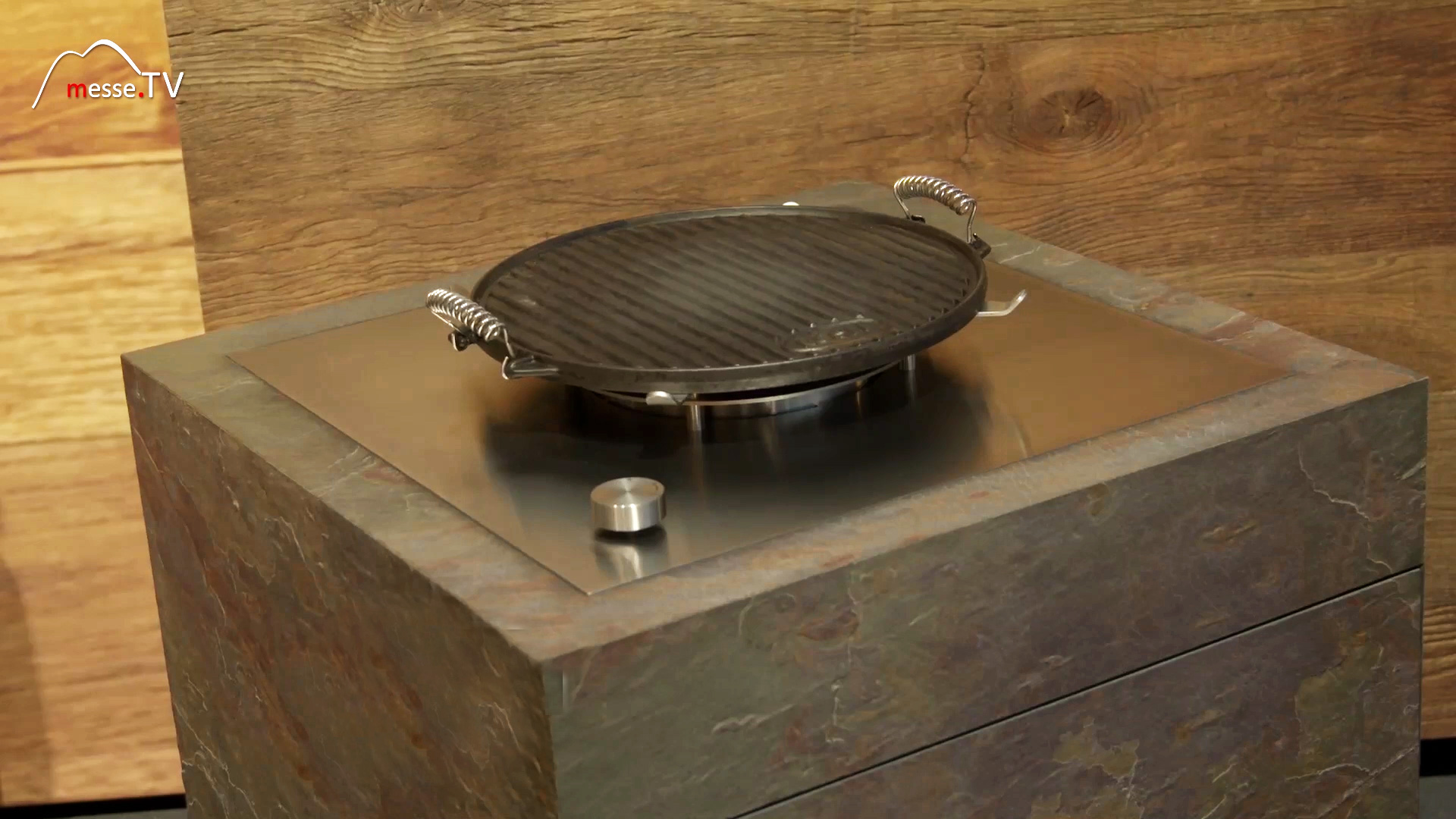
Key features of the cooking systems presented:
- high-performance gas modules for wok and rapid cooking methods
- indoor and outdoor approval
- modular expansion with worktops and storage space
- various attachment systems for different cooking techniques
- bespoke covers made from tarpaulin material
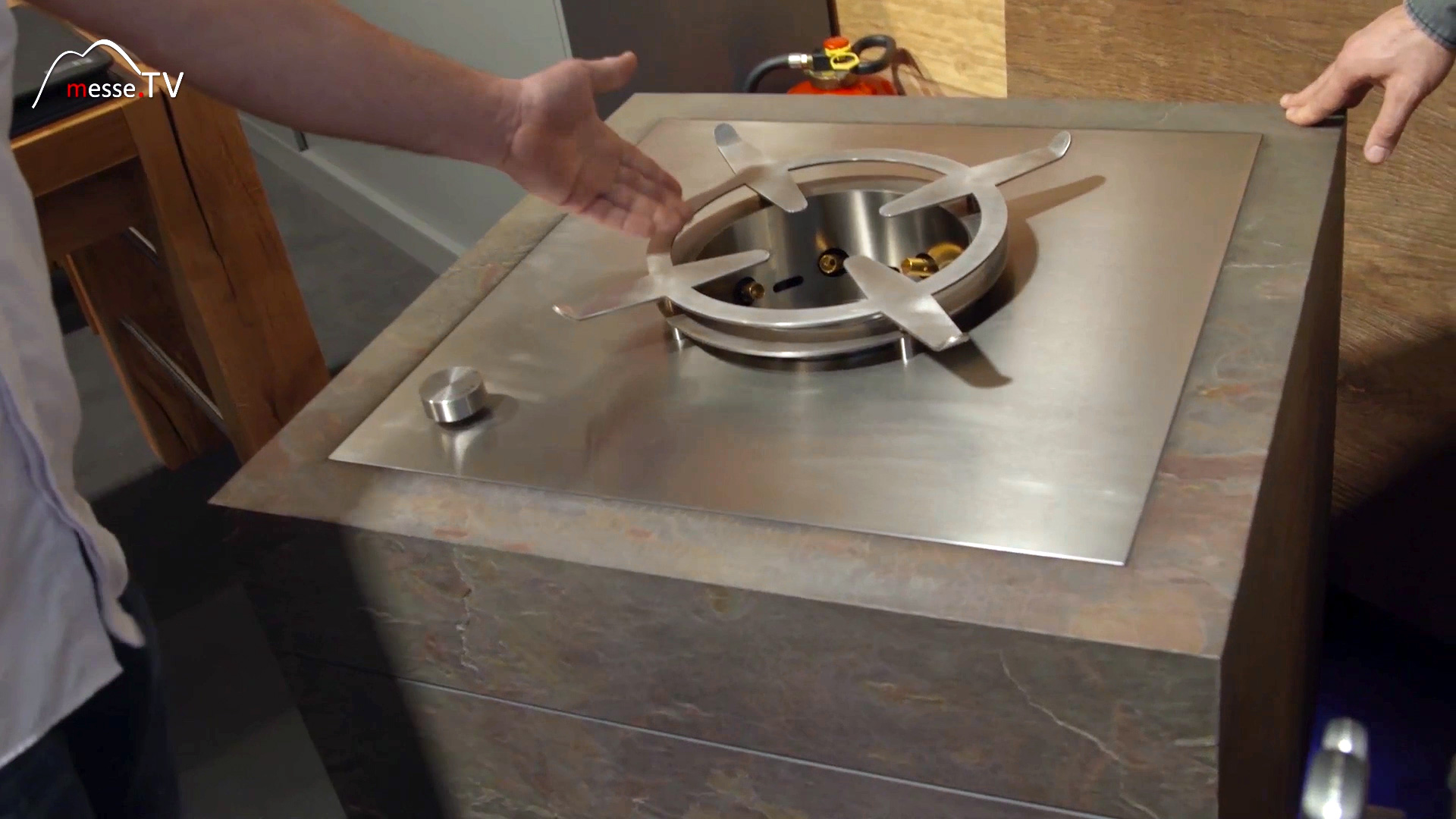
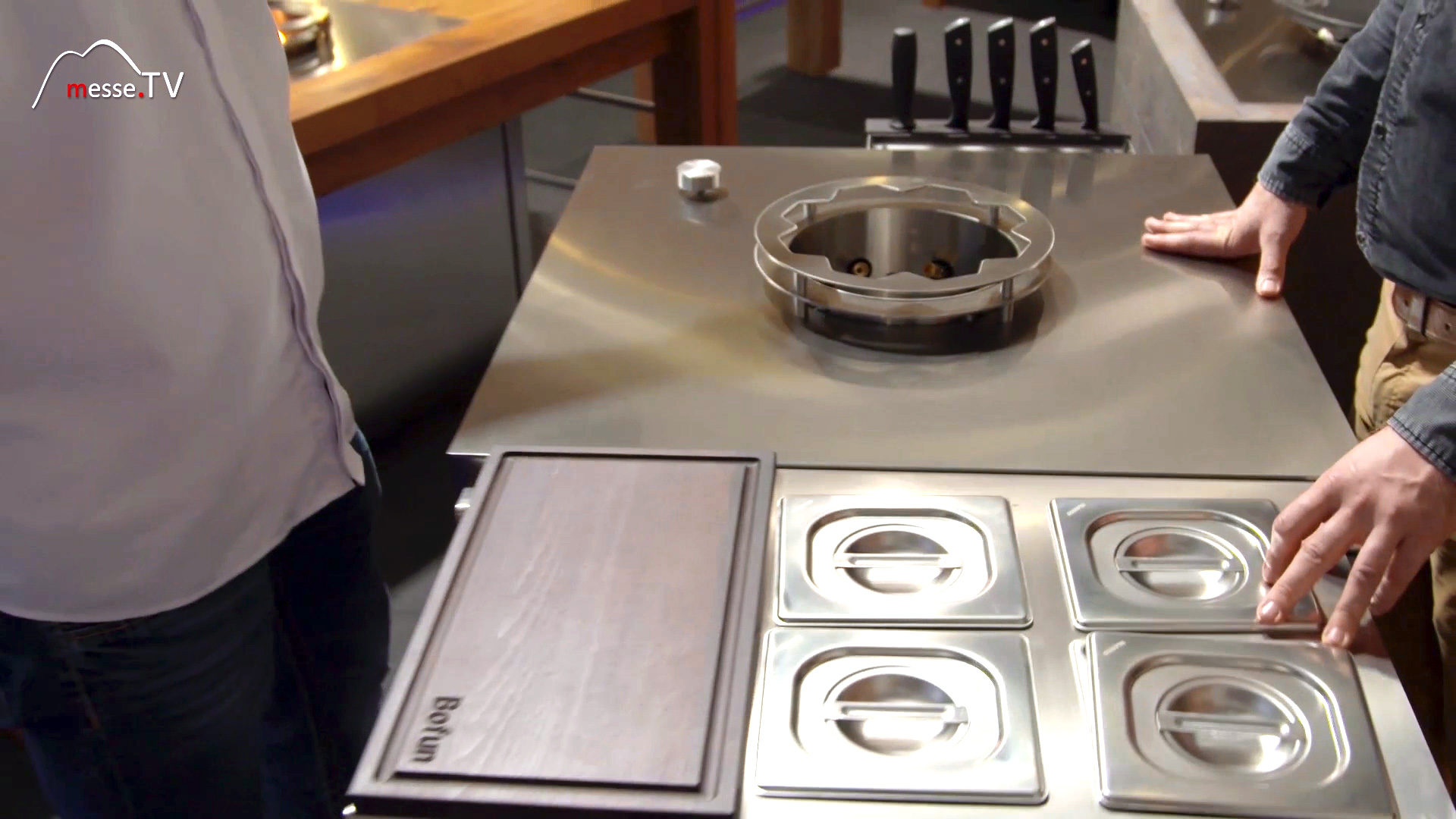
Asian cooking techniques are shaping modern outdoor kitchens
The solutions shown reflect a broader trend. Outdoor kitchens are increasingly moving away from being mere barbecue areas towards fully-fledged cooking spaces with a variety of preparation methods. Asian cooking techniques, in particular, are gaining in importance. Wok dishes require high heat and rapid cooking processes. Traditional European domestic cookers often reach their limits in this regard. Professional gas burners, on the other hand, enable temperatures and reaction speeds that are common in many Asian kitchens. At the same time, many users’ expectations of private cooking areas are changing. Cooking is increasingly seen as a communal experience. Open flames, visible preparation and central cooking stations are therefore moving closer to dining and living areas. This also explains the design of the tables presented. The flame is visibly at the centre, much like a small campfire in the middle of the table. This creates a social atmosphere that differs significantly from traditional kitchen layouts.
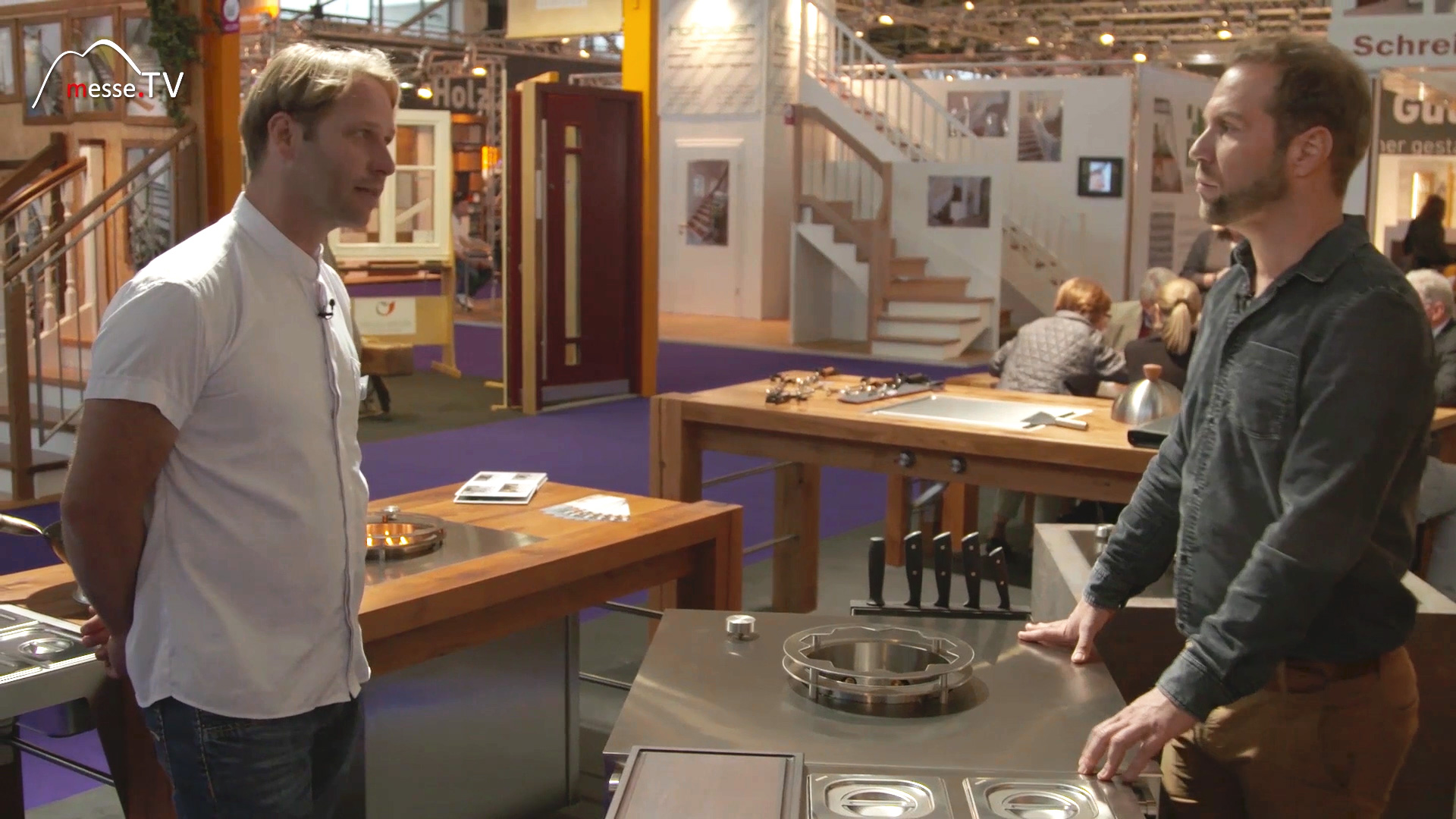
Health consciousness and personalisation as the target audience
According to the manufacturer, the concept is primarily aimed at health-conscious buyers with an interest in high-quality craftsmanship and mindful nutrition. The short cooking times are seen as a key advantage, as they are said to better preserve the vitamins and texture of the food. The positioning is clearly in the premium segment, without exclusively targeting professional users. According to the manufacturer, the systems are also intended to remain accessible to private buyers. The planned international focus is also of interest. Bofun sees particular growth potential in Asia and the Arab world, as cooking with gas is traditionally more prevalent there and high-quality cooking technology is highly valued. This development highlights just how much kitchen concepts are currently changing. Hobs are becoming more modular, outdoor areas are gaining in importance, and professional techniques are increasingly finding their way into private homes. The classic image of the standard fitted kitchen is thus continuing to lose its significance.

Trade fair reporting Germany - Trade fair knowledge, dates & events


