Clean eating: “Gold is not a color” - the new trend in nutrition
by J. Groh - 2024-02-14Clean eating as a conscious eating style
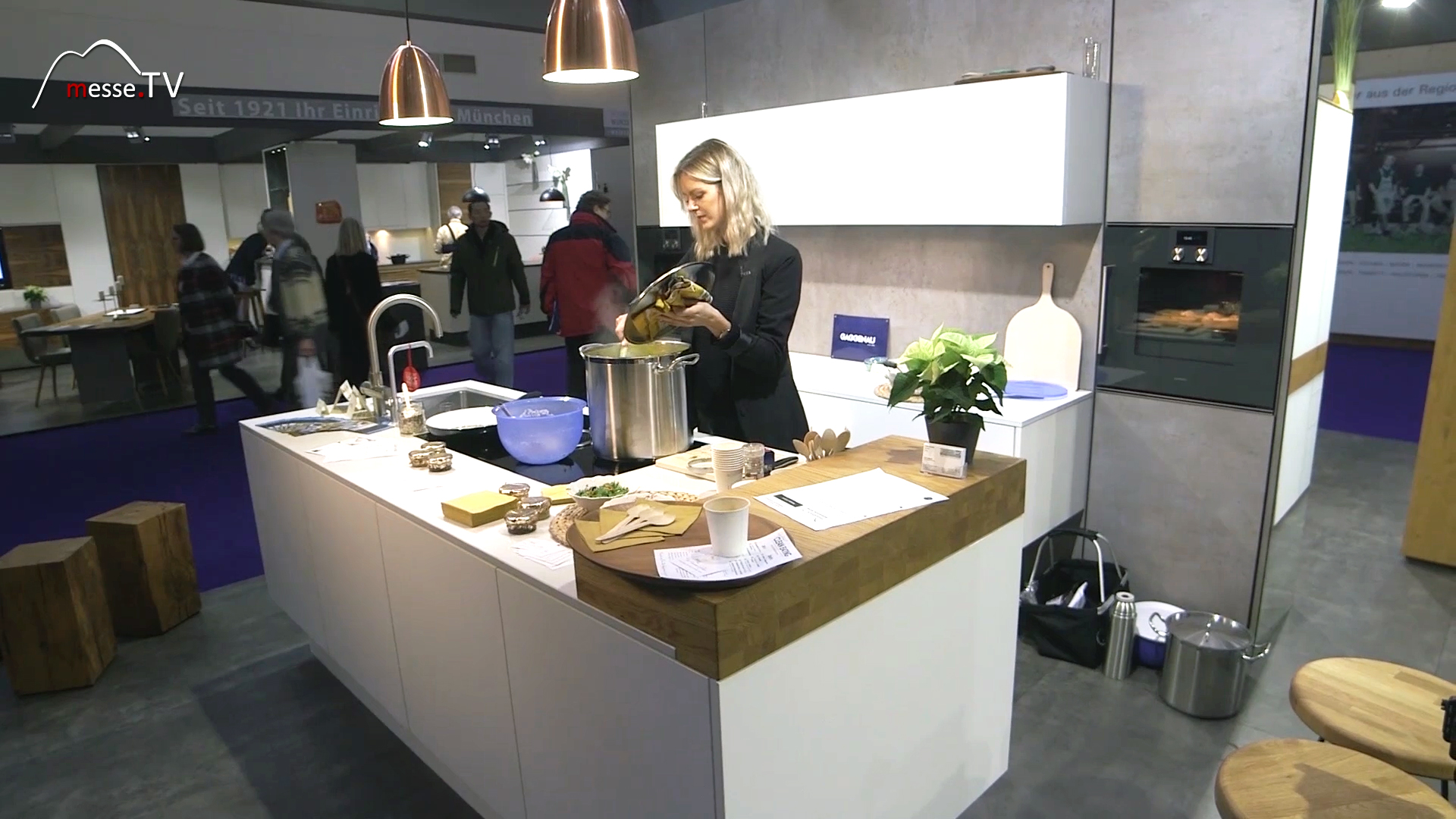
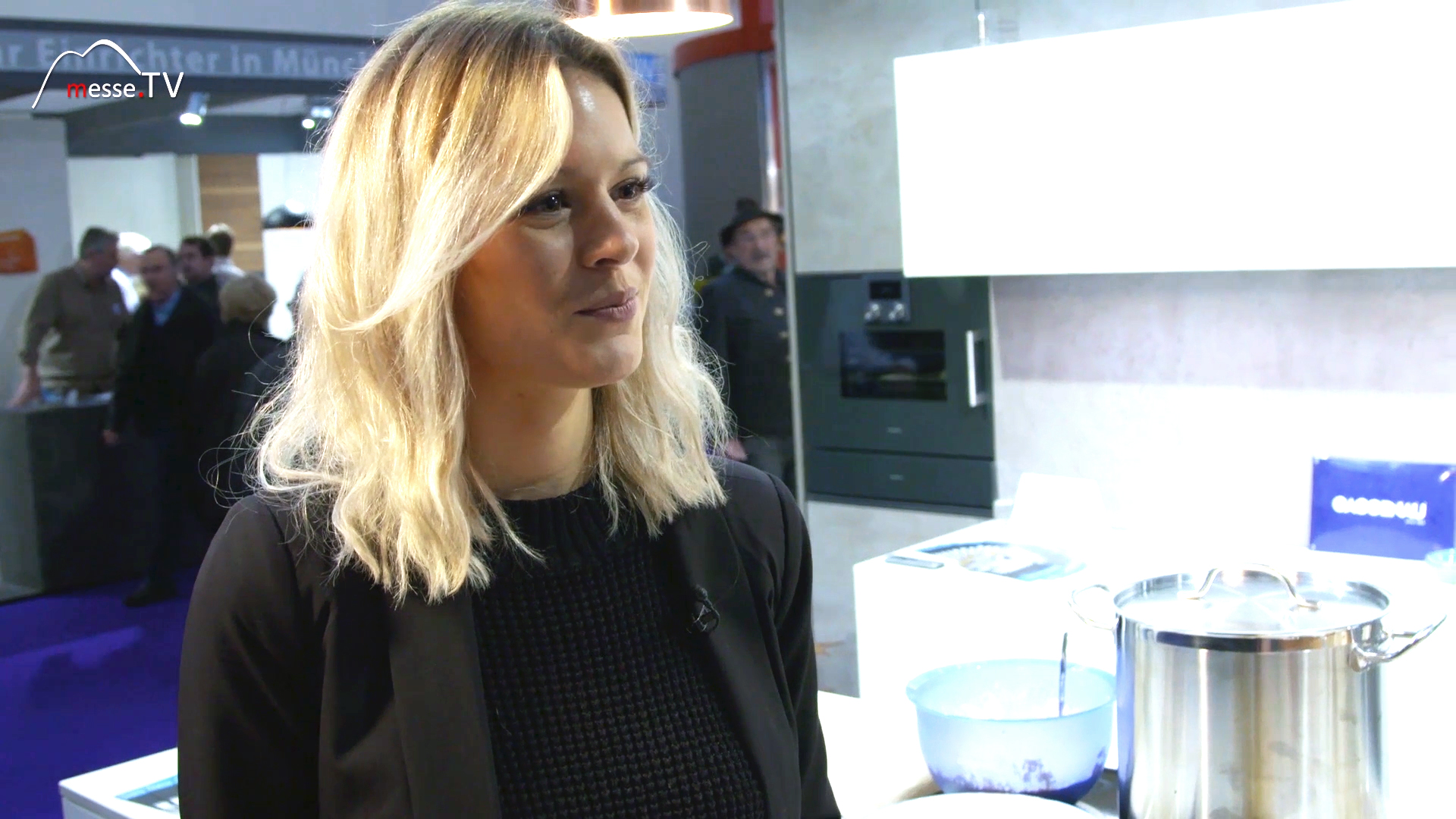
Healthy eating without artificial additives - that is the principle behind “Gold is not a color”. At Heim+Handwerk 2016, the company presented its concept, which is based on the philosophy of clean eating. The focus is on natural ingredients, fresh preparation and conscious nutrition. Visitors were able to see the benefits of this healthy cuisine for themselves at the Würzburger joinery stand.
Clean eating: indulgence without compromise
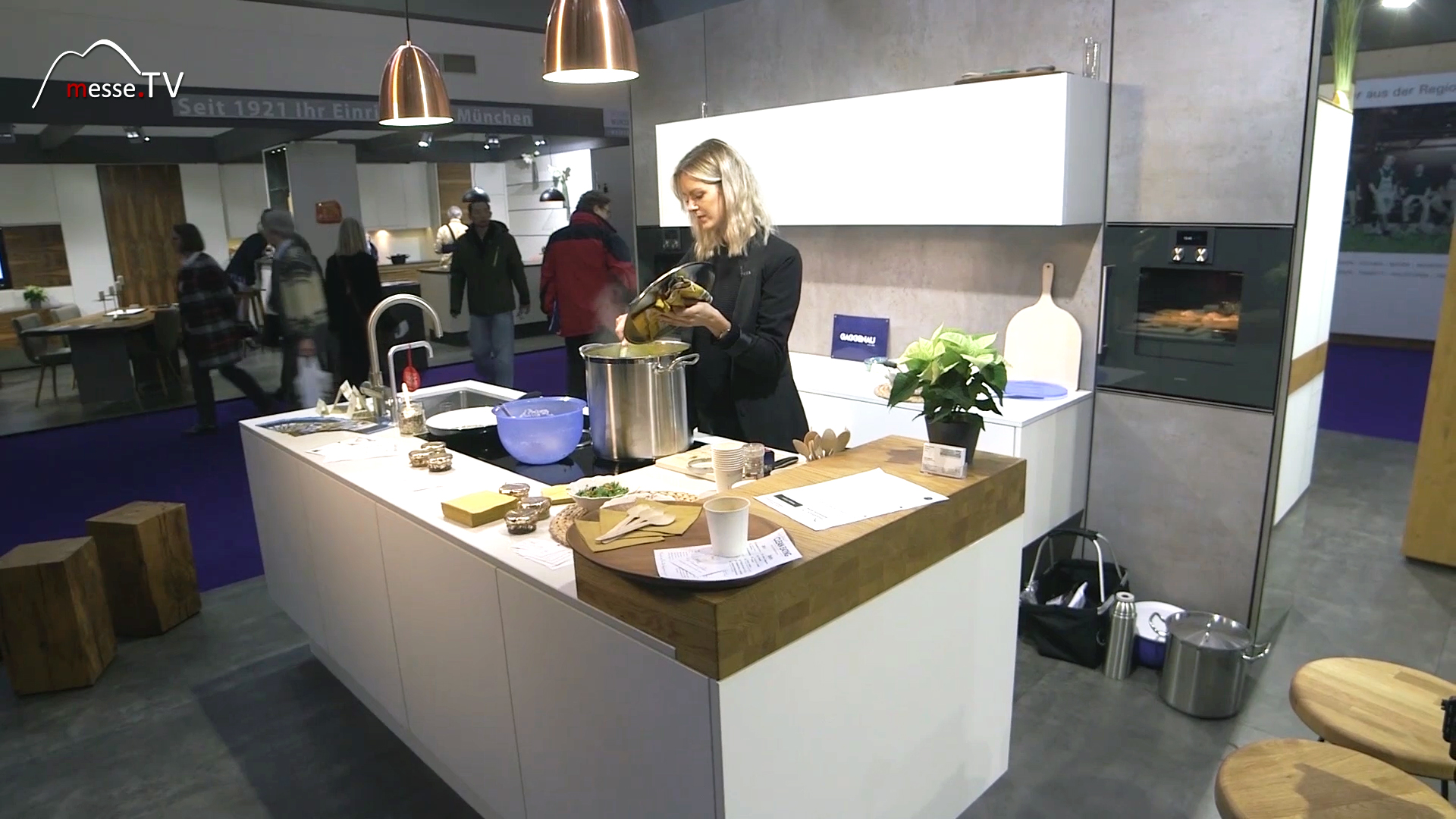
As part of Heim und Handwerk, “Gold is not a color” showed that healthy eating doesn't have to be boring or complicated. A pumpkin and coconut soup, completely without artificial additives, was presented as an example of a wholesome diet. The focus is on fresh, unprocessed food, similar to what previous generations practiced. The aim is to inspire people and show them that healthy food can not only be nutritious, but also delicious.
Practical tips for a conscious diet
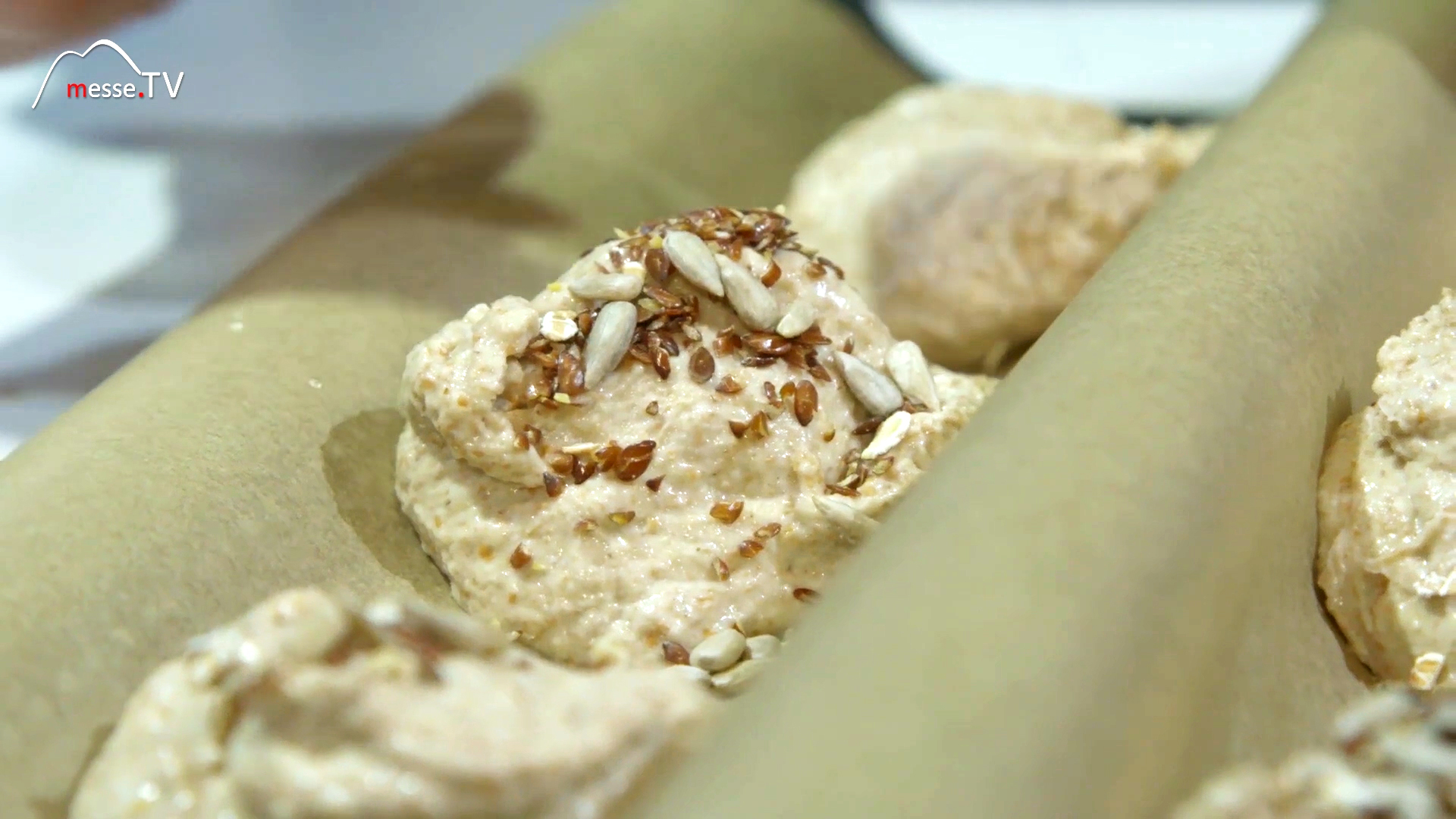
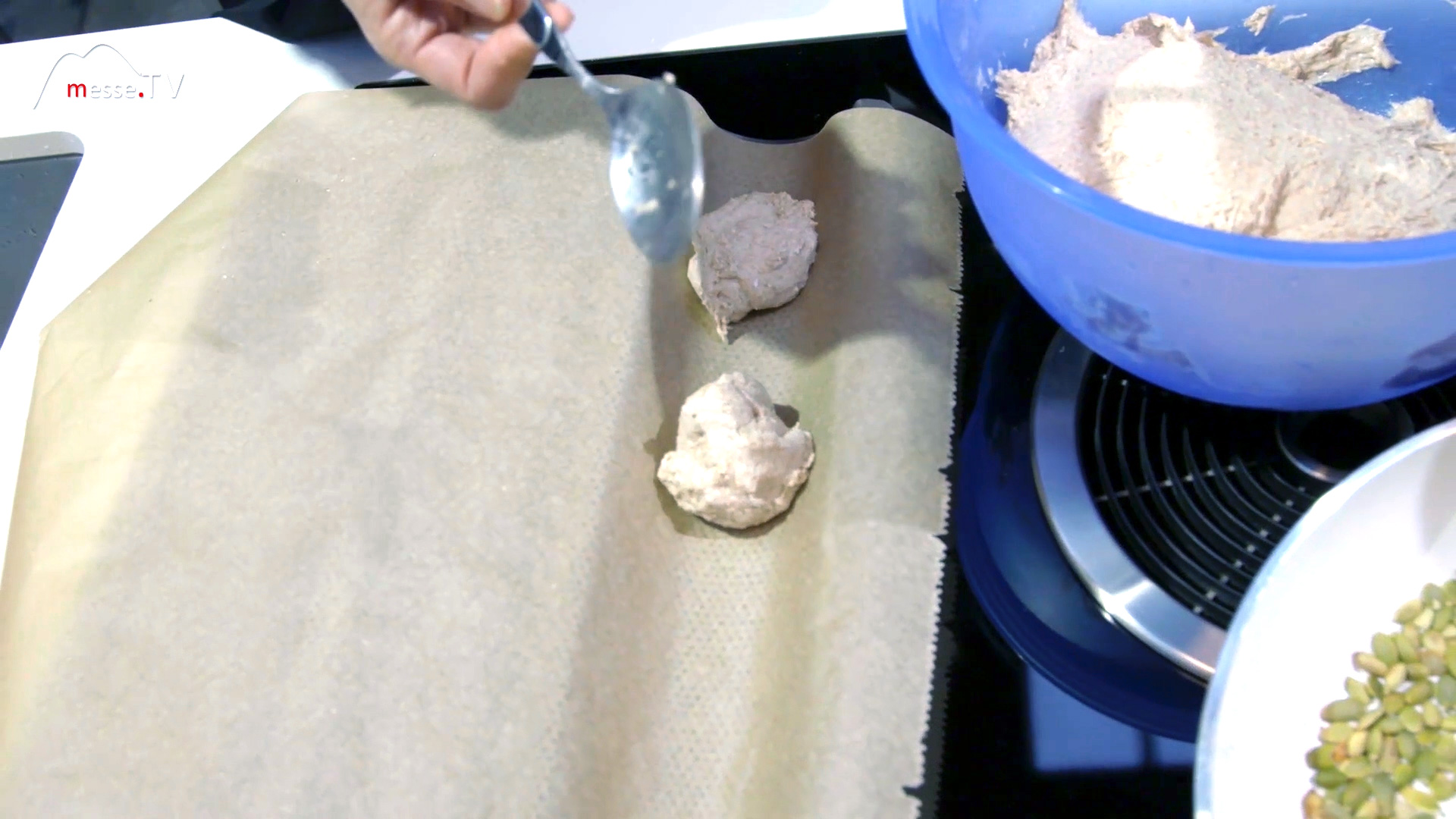
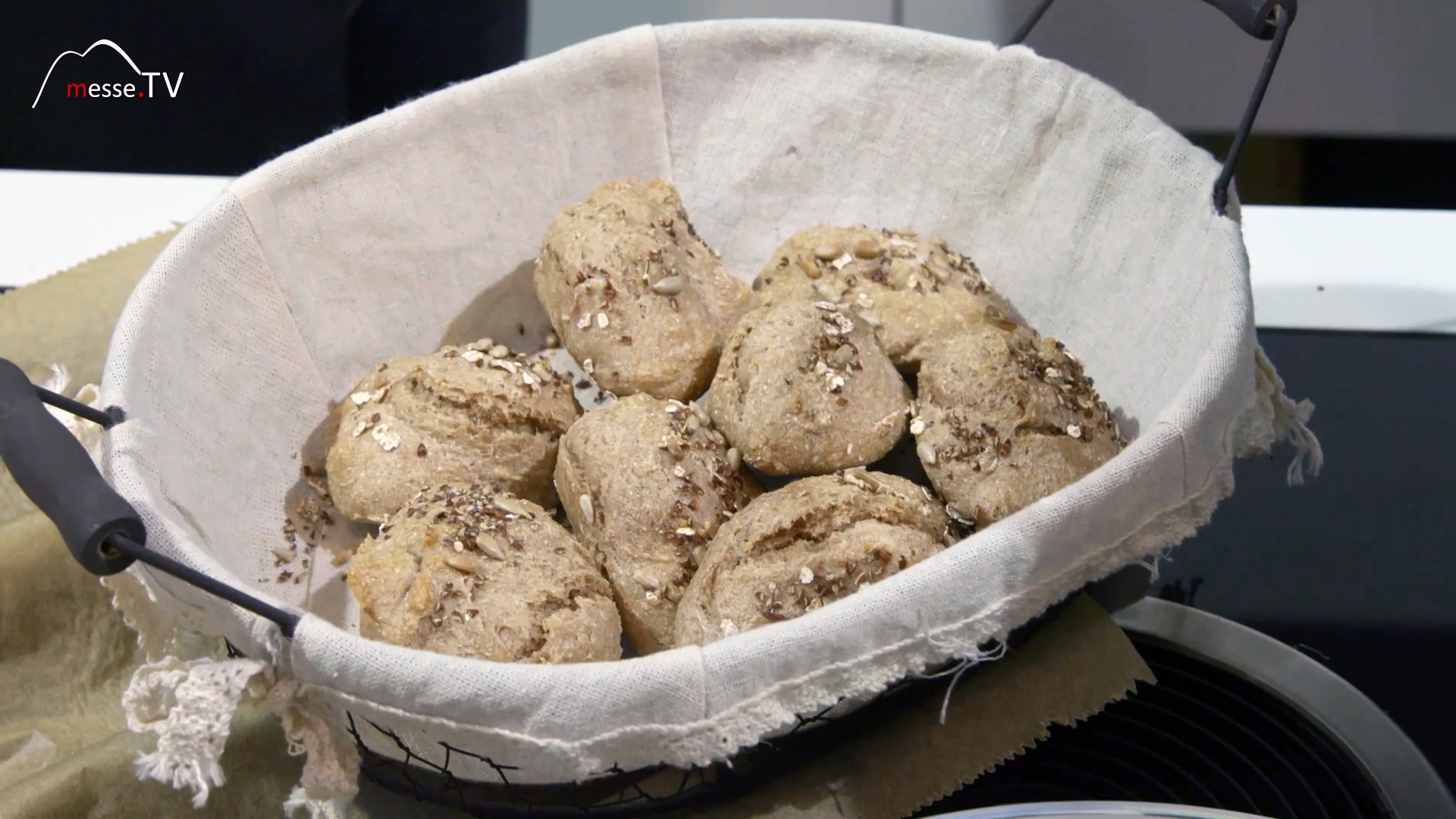
In addition to the live cooking demonstration, there were valuable tips for healthy eating in everyday life. These included the preparation of wholemeal spelt dough, which requires no complex ingredients but still provides a tasty basis for various dishes. If you need a gluten-free alternative, you can use buckwheat flour. In this way, “Gold is not a color” shows that clean eating is flexible and adaptable to any lifestyle.
Food blog and cooking courses for more inspiration
In addition to trade fair appearances, “Gold is not a color” also offers cooking courses and a food blog to further spread the concept of clean eating. Interested parties can find out about recipes, tips and personal experience reports there. The founder has set up her own business with this concept and wants to help people to cook more consciously and eat more healthily.

Vision for the future: establishing clean eating in Munich
The future plans of “Gold is not a color” are clear: clean eating is to be further established as a conscious way of eating in Munich. With a growing range of cooking courses and a stronger focus on digital content, the concept should reach even more people. The aim is to make healthy eating suitable for everyday life and have a lasting impact on eating habits.
Clean eating between craft and everyday life
Clean eating is deliberately based on artisanal principles that focus on the quality, origin and processing of ingredients. Especially in the context of a trade fair such as Heim+Handwerk, it becomes clear that nutrition cannot be viewed in isolation, but is part of a holistic lifestyle. Cooking is not seen as a short-term trend, but as a manual activity with responsibility towards one's own body. In everyday life, this means above all a return to simple processes. Fewer ingredients, clear recipes and a conscious approach to food help us to change our diet permanently, without additional effort or complicated rules.
- Reduction of highly processed foods
- Preference for fresh, seasonal ingredients
- Transparency regarding origin and composition
- Own preparation instead of ready-made products
Conscious eating as part of a sustainable lifestyle
Clean eating can also be viewed in the wider context of sustainability and resource conservation. People who cook fresh food plan meals more consciously, avoid overproduction and reduce packaging waste. This makes nutrition an active part of a sustainable everyday life, without ideological guidelines or a mindset of sacrifice. Events relating to living, crafts and design in particular show that nutrition, consumption and living space are closely linked. Clean eating fits in here as a consistent addition that has a long-term effect and can be individually adapted.
- Less food waste through better planning
- Reduced packaging expenditure
- More appreciation for food
- Healthier eating habits in the long term


Trade fair reporting Germany - Trade fair knowledge, dates & events


