Musical instruments as furniture with a new function
by J. Groh - 2024-02-14An aquarium in a drum, a bedside table made from a drum shell, a viola as a lamp: what at first seems like a whimsical idea follows a clear design principle at Ausgespielt.
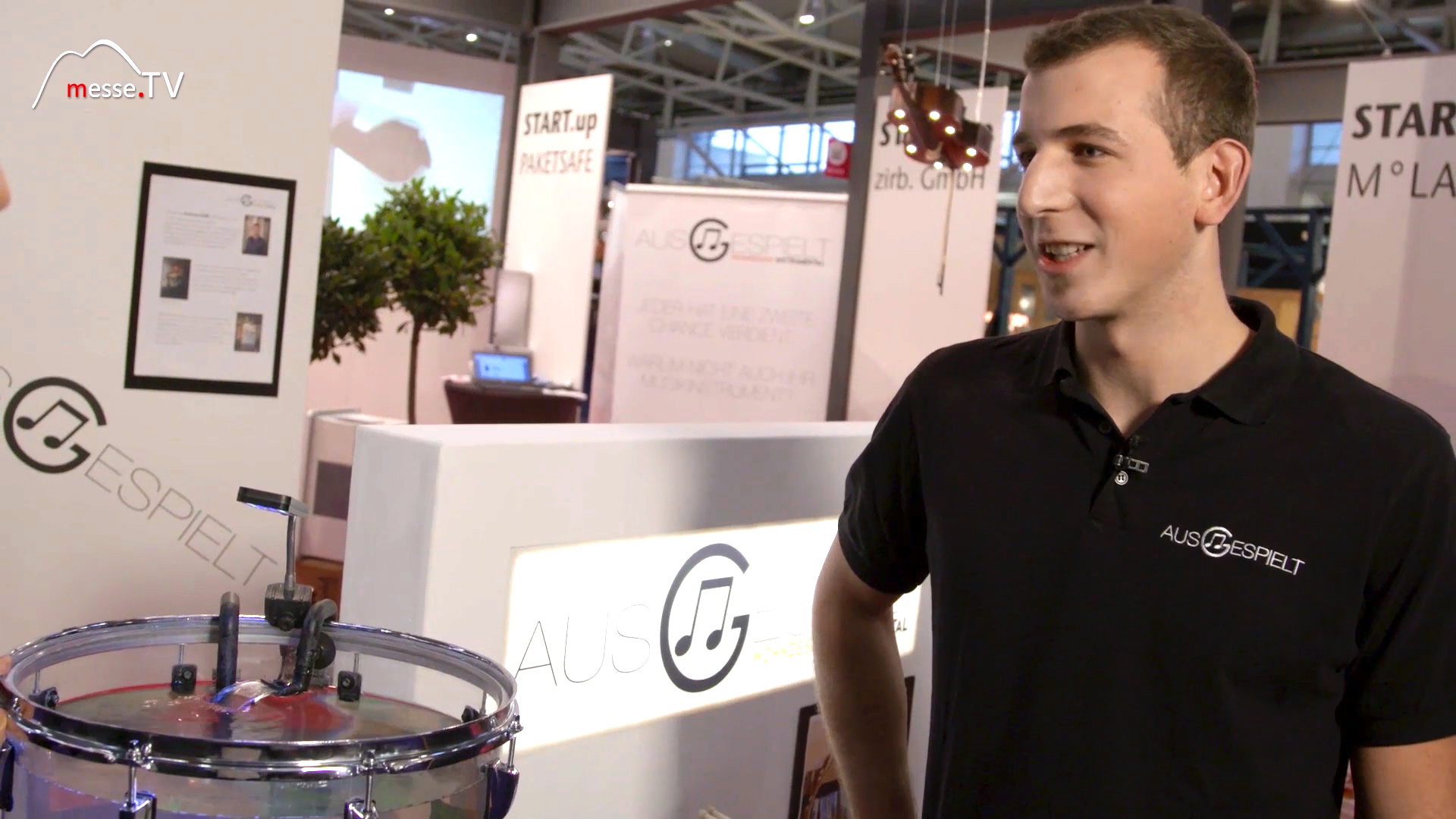
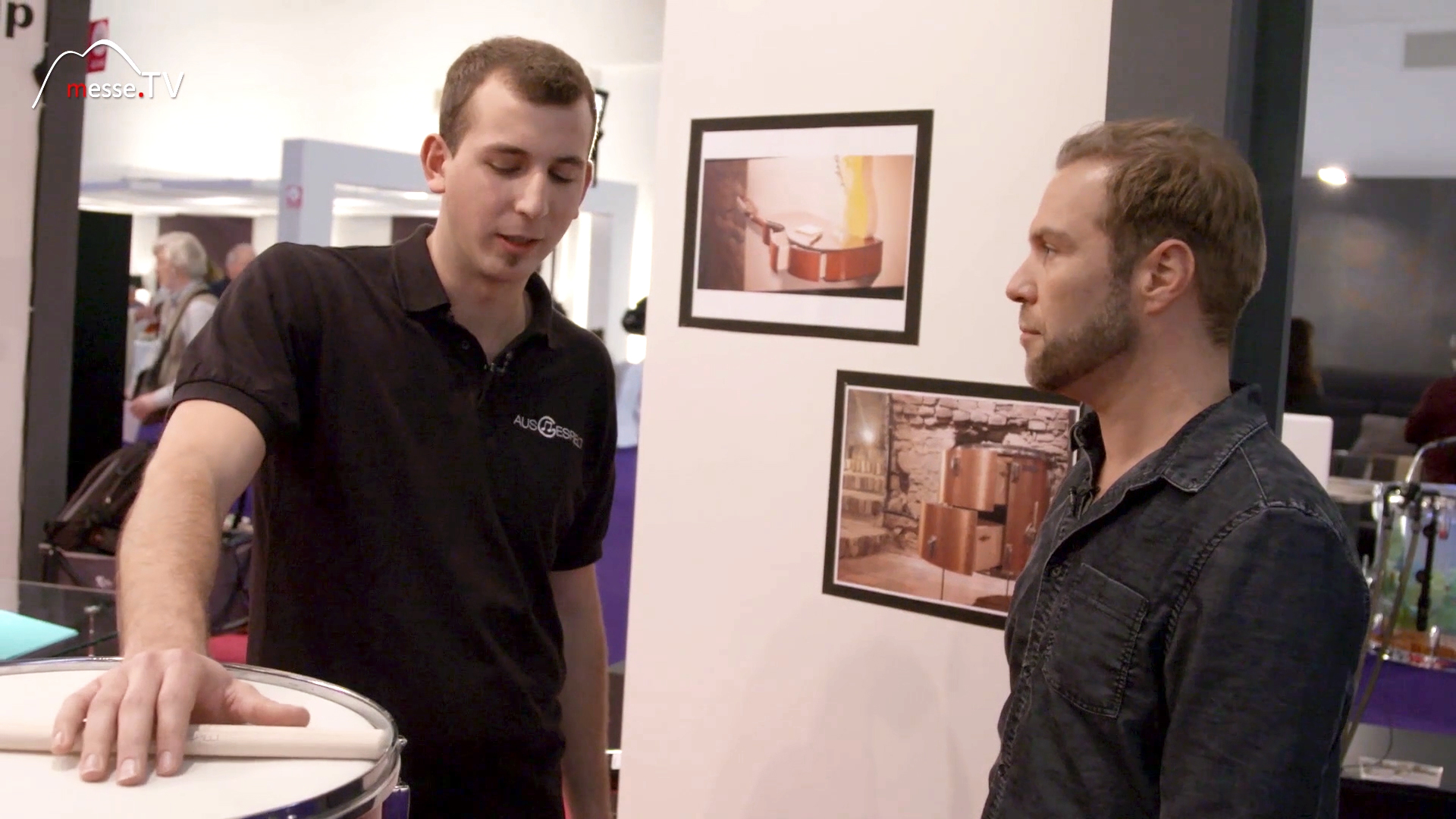
Disused musical instruments are not thrown away or hung on the wall as decoration, but transformed into pieces of furniture and home accessories. At the Heim und Handwerk in Munich, the young company demonstrates just how closely memory, craftsmanship and interior design can be intertwined. The approach starts with a simple thought: many instruments eventually lose their original function. They end up in the basement, hang unused on the wall or are replaced by newer models. For musicians, however, they are rarely mere objects. They are imbued with years of practice, performances, personal stories or first musical attempts. It is precisely from this tension that Ausgespielt’s furniture pieces emerge. The founder comes from a musical background himself. The idea developed during an apprenticeship in furniture making and interior design. A shop concept was to be designed for a school project. Taking the music shop as a theme, the first concrete attempt took place in his own basement: a drum that was no longer used as an instrument was given a new purpose.
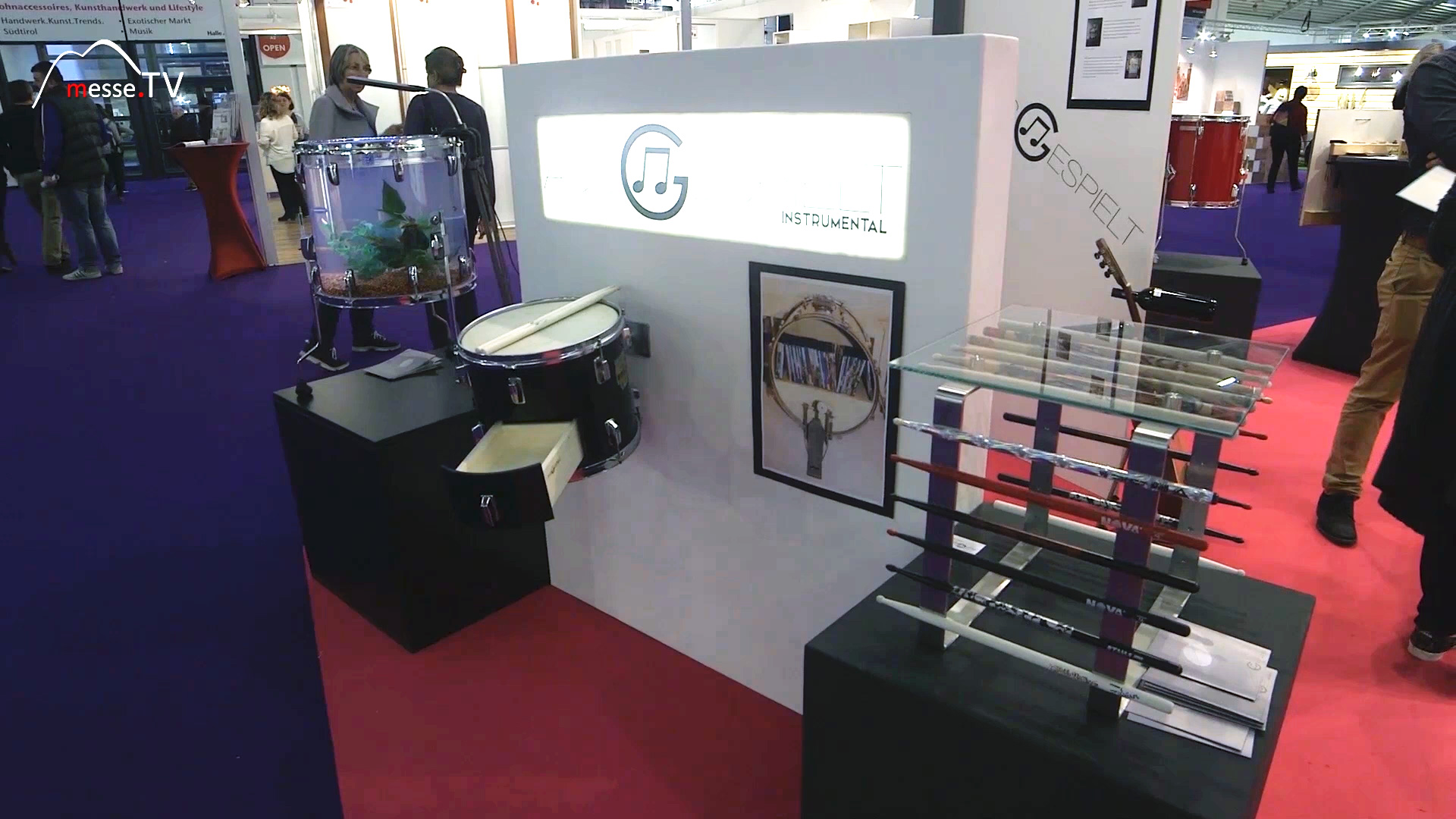
Ausgespielt transforms drums into bedside tables and aquariums
Particularly striking is a transparent drum that has been converted into an aquarium. The shape remains recognisable, whilst the function changes completely. This is precisely what creates the appeal: the original object does not disappear, but takes on a second dimension.
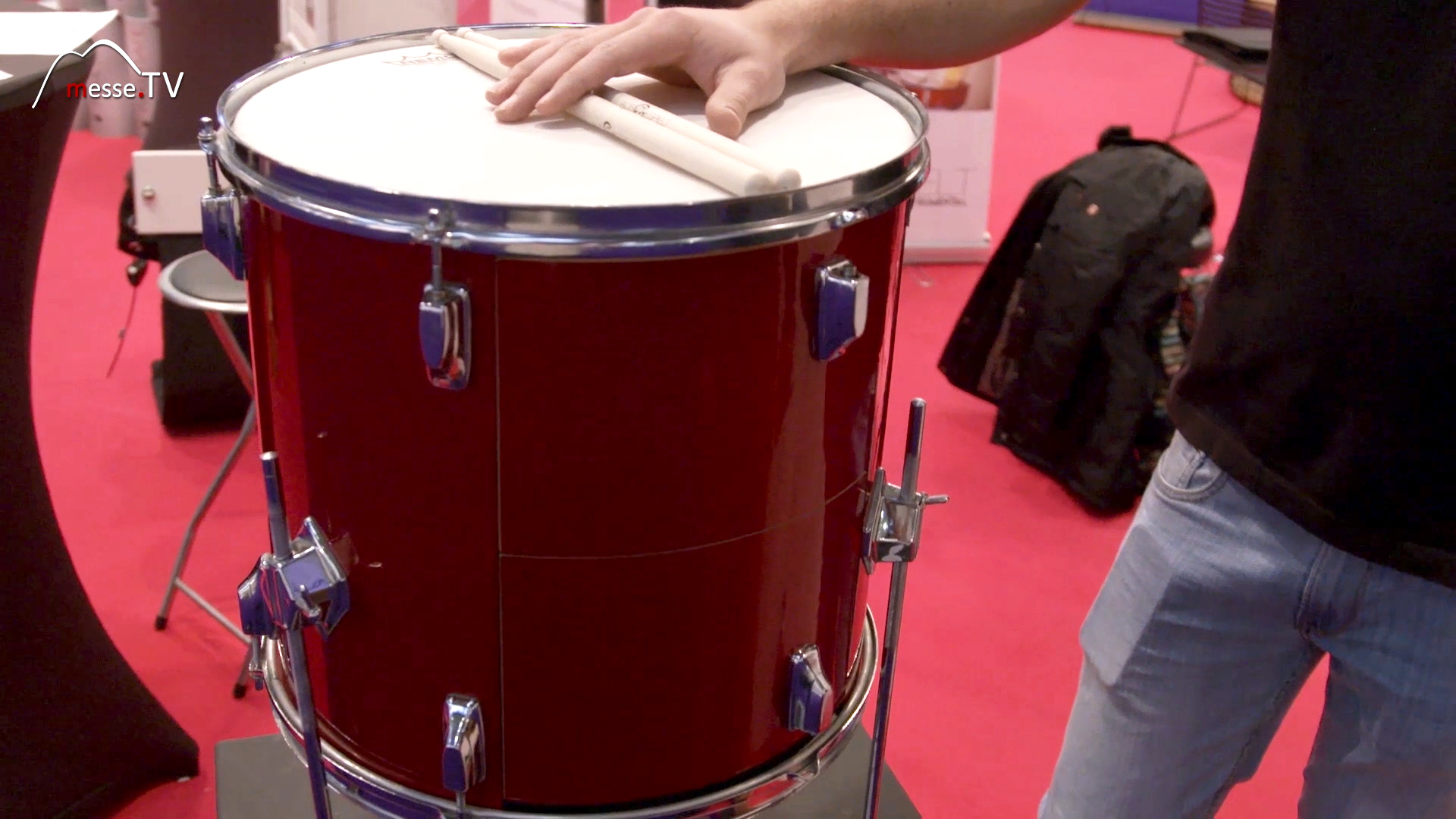
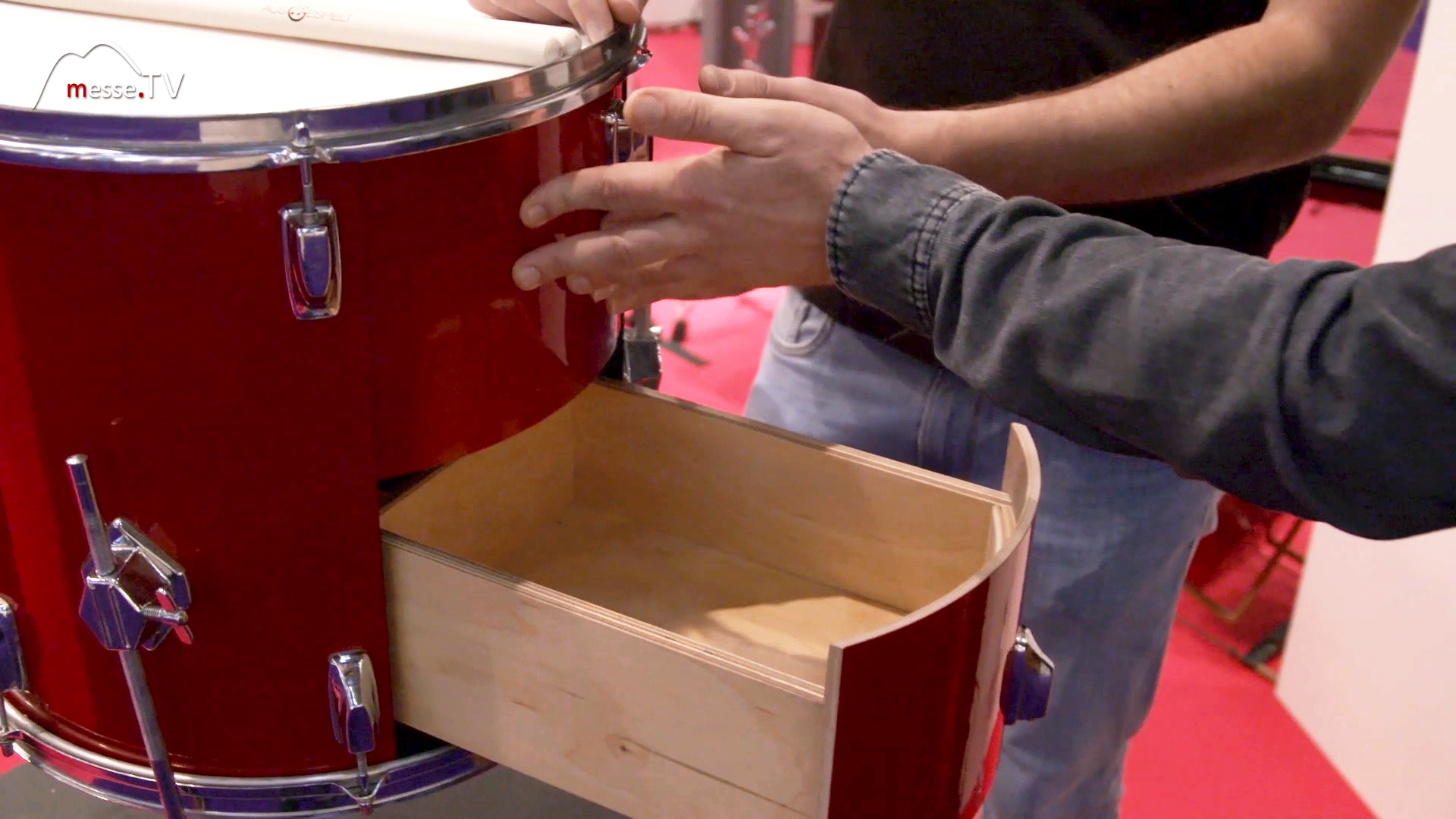
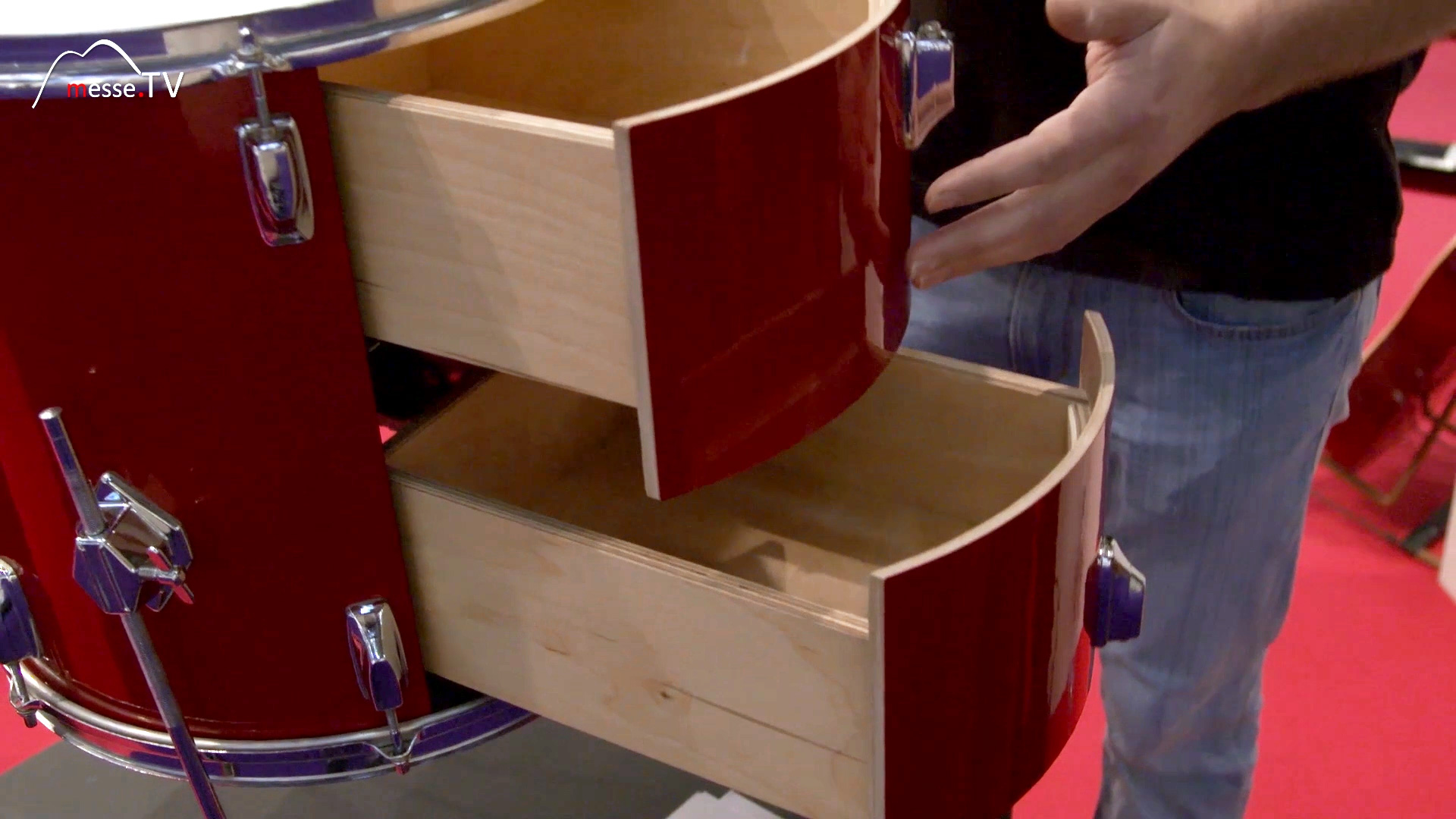
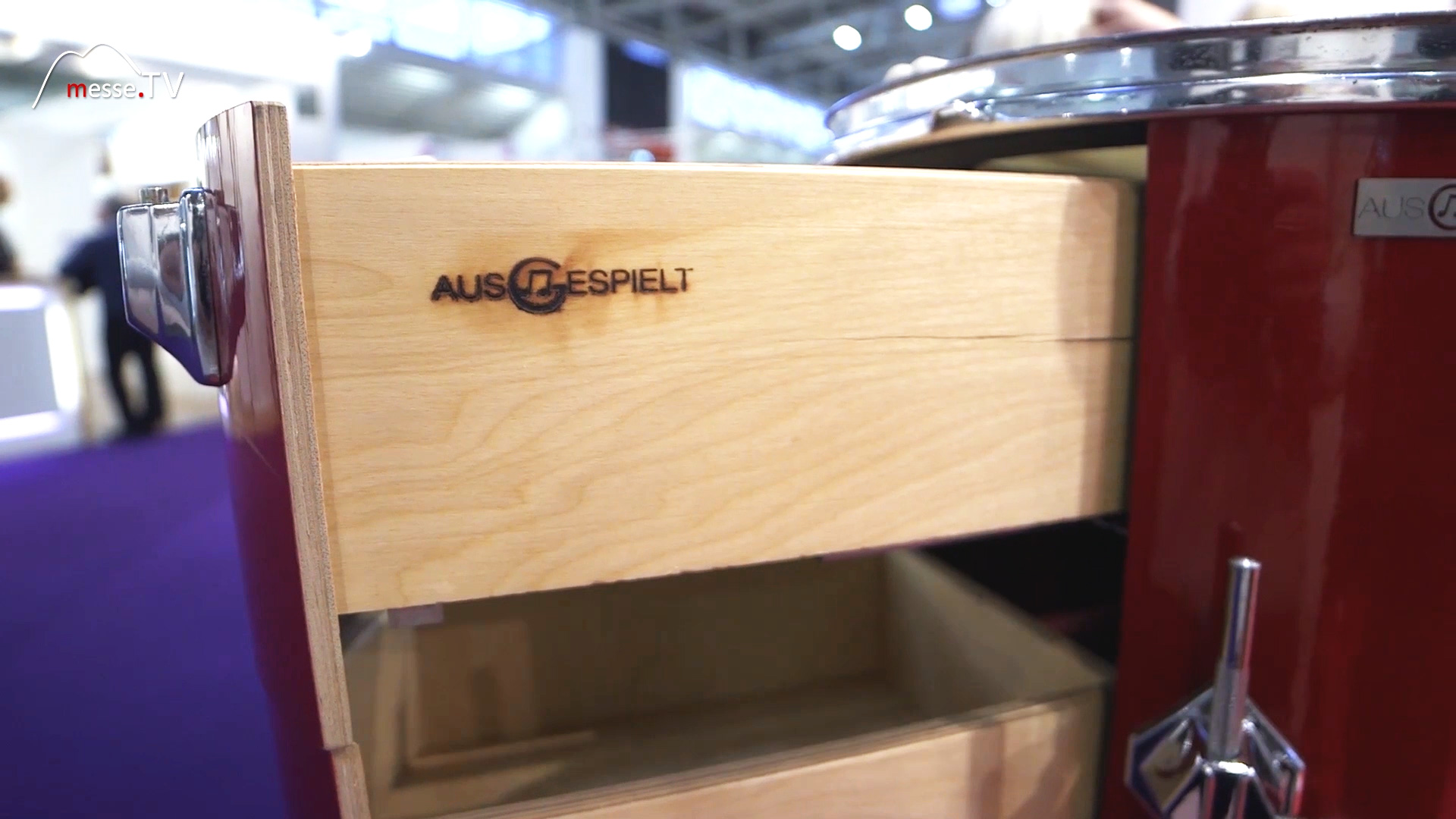
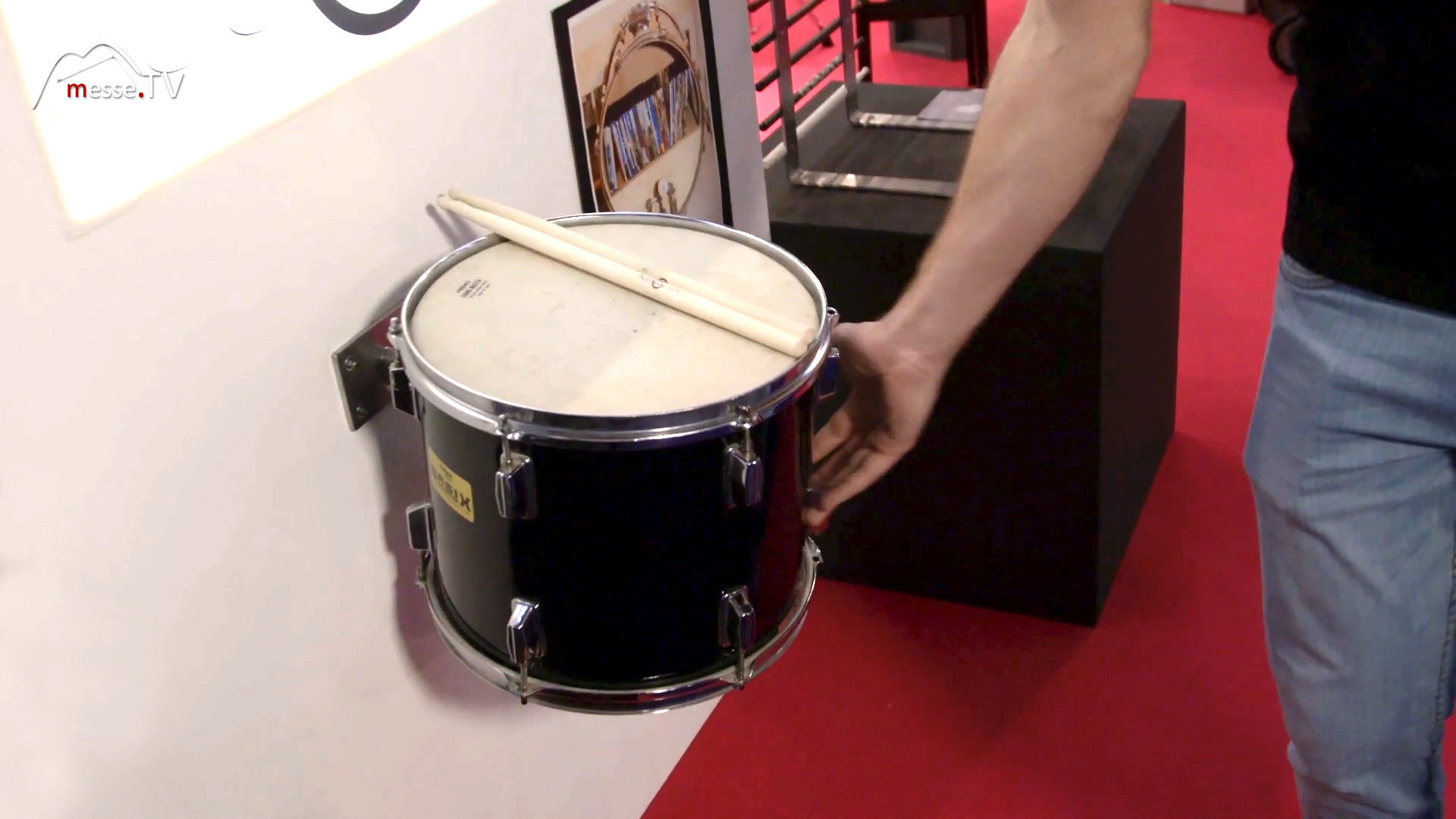
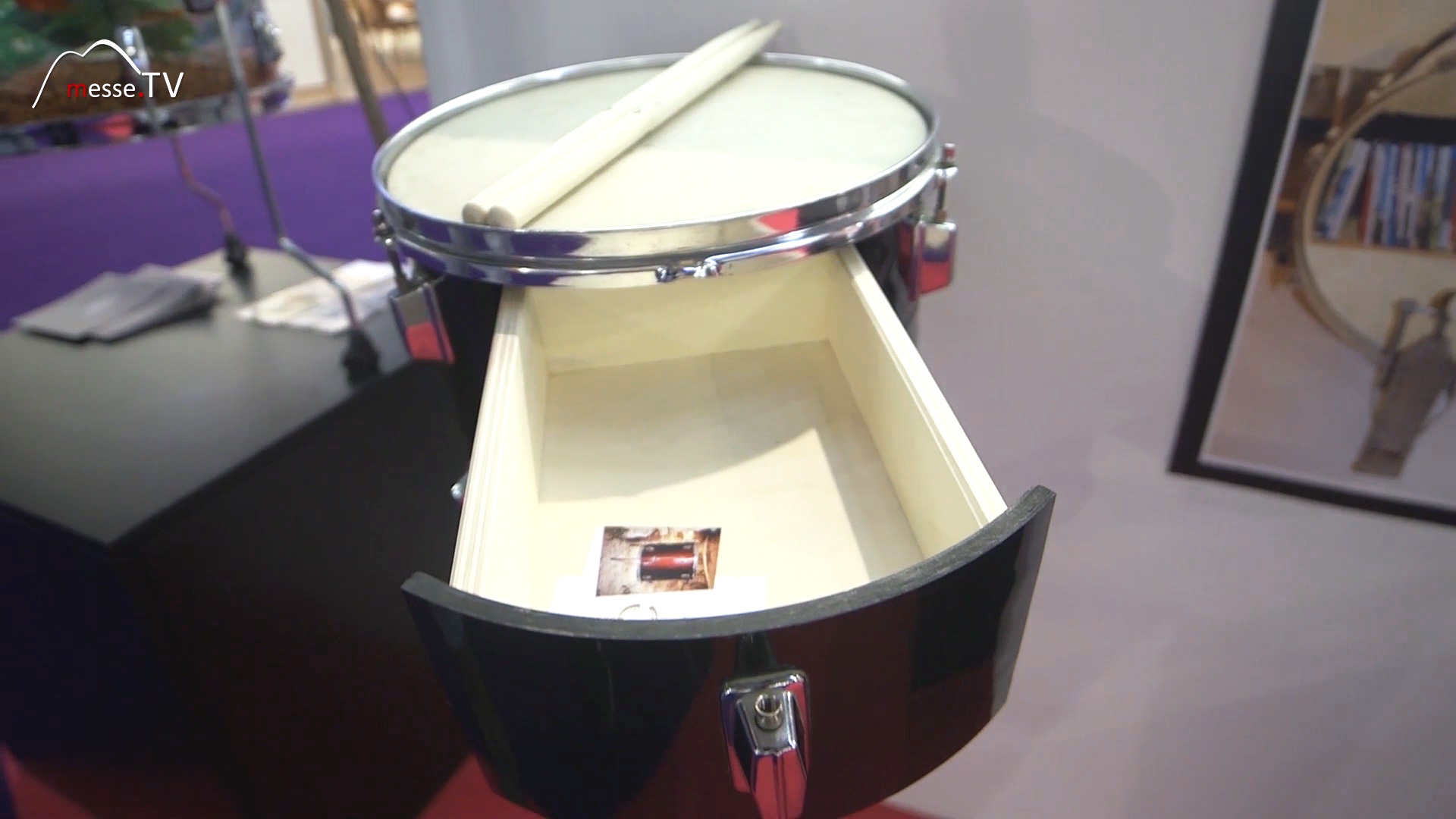
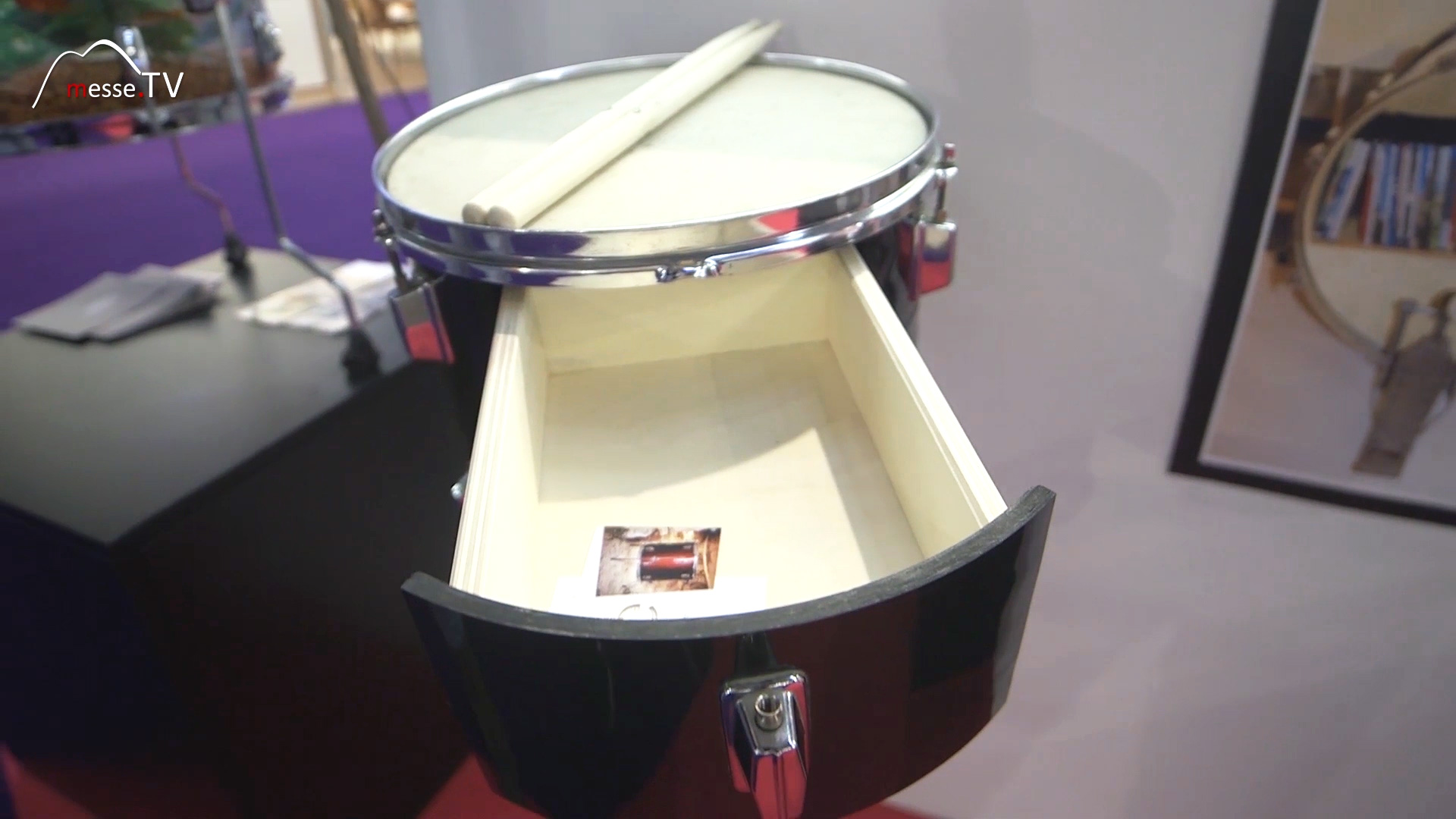
At Ausgespielt, drums are also turned into bedside tables or side tables. Drawers are fitted into individual drums, sometimes so discreetly that they are barely immediately recognisable from the side. A red model is one of the founder’s early works and holds special personal significance: it was on this drum that he himself learnt to play the drums. According to our conversation, the price for such a bedside table is around 650 euros. This means the pieces are not in the realm of industrial mass-produced goods, but rather in the segment of individual furniture items with visible artisanal origins.

Furniture made from drumsticks, cymbal stands and glass tops
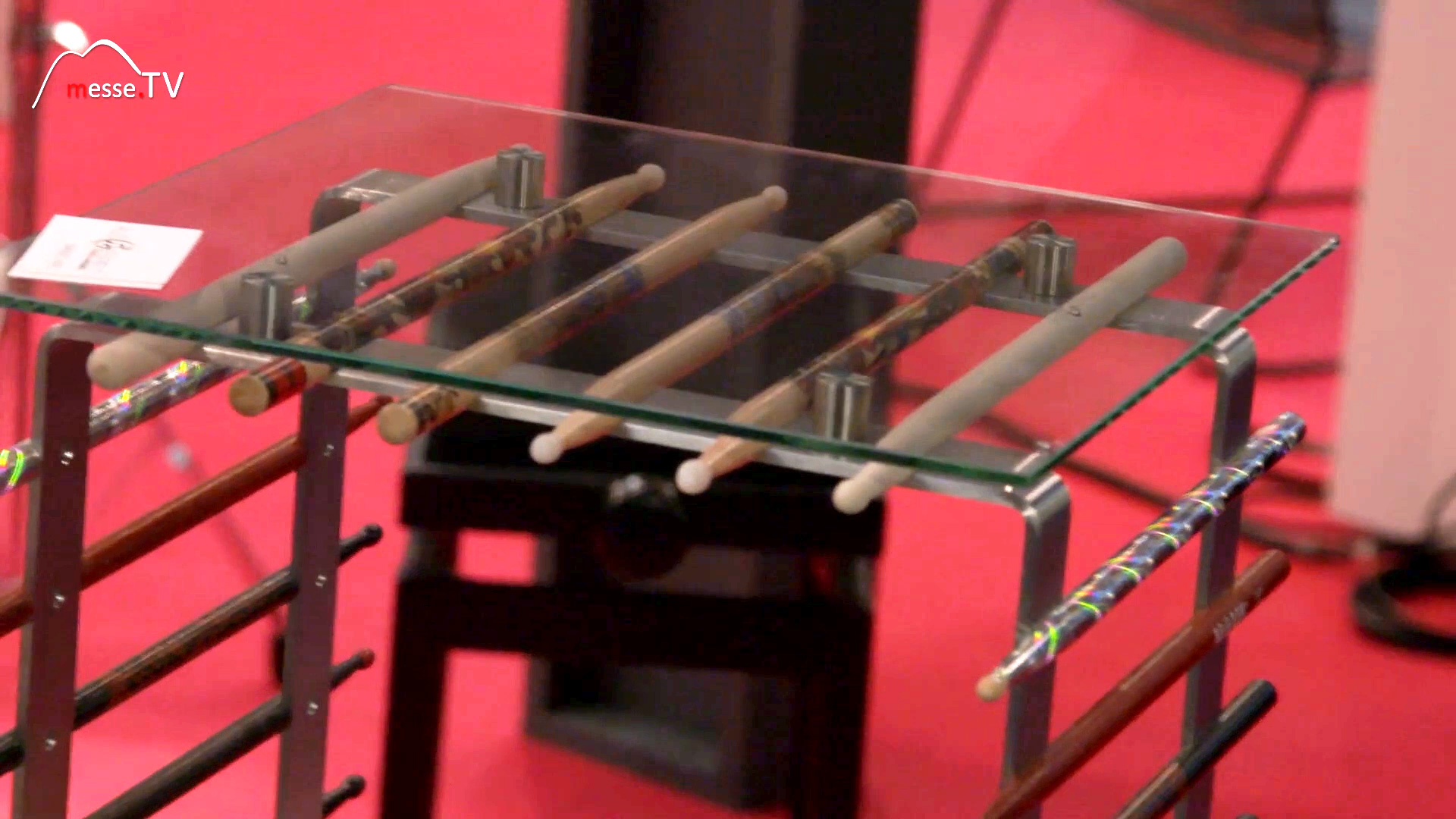
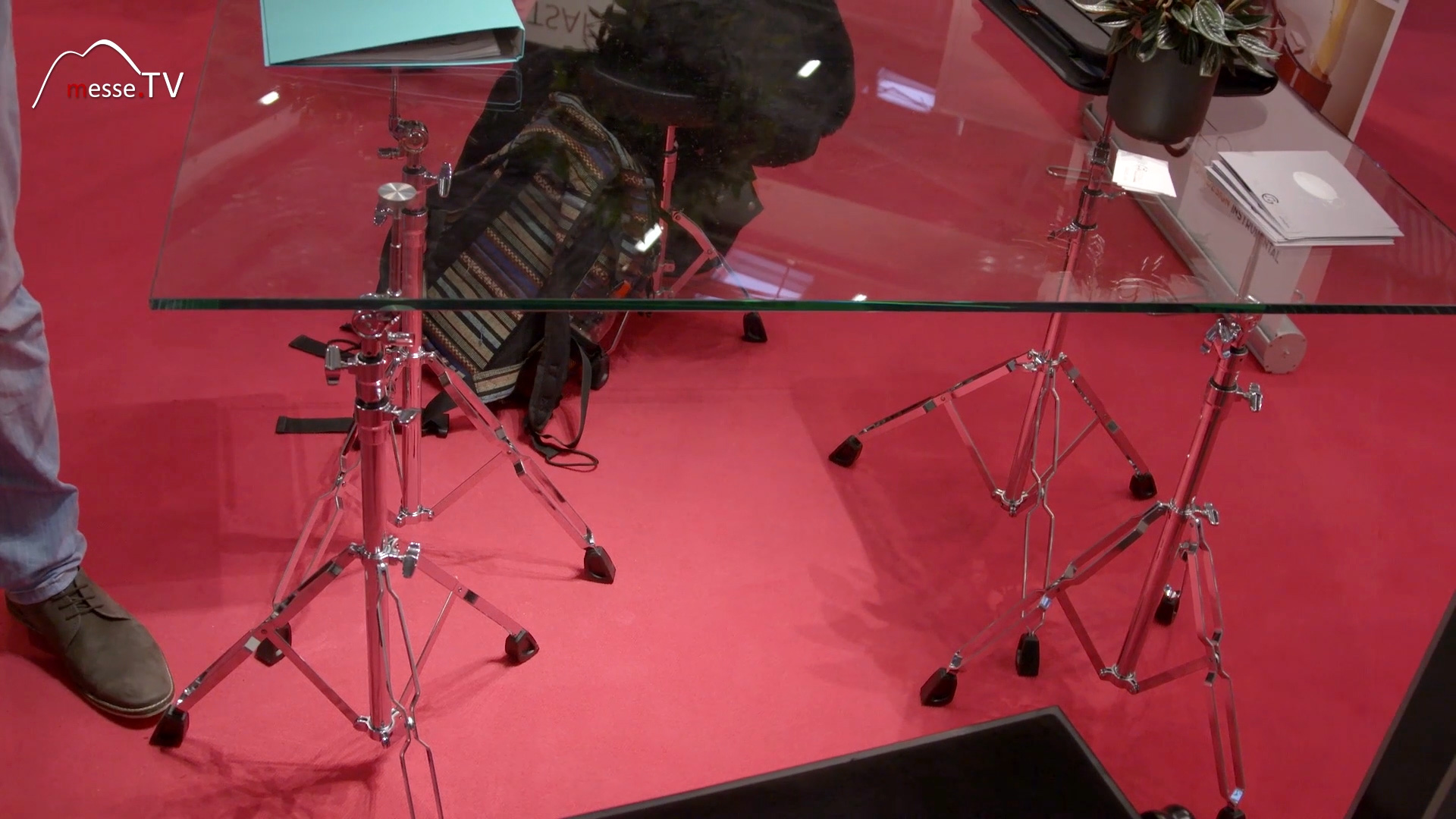
It is not just entire instruments that find a new use. Accessories are also being repurposed. Small tables or side tables are made from used drumsticks. For drummers, this is an obvious choice: sticks accumulate over the years, break, are replaced or are kept as mementos. In a piece of furniture, they take on an organised, visible form. Another example is a table made from cymbal stands. Four stands support a glass top, forming a desk, office table or reception desk. The design draws on the technical aesthetics of the drum kit without turning it into mere music room decoration. The price quoted is around 1,200 euros.
Typical pieces from the range include:
- Drums as bedside tables, side tables or aquariums
- Drumsticks as design elements for small tables
- Cymbal stands as bases for glass tops
- Violas and other string instruments as lamps
- Guitars as key trays or storage units
A viola as a lamp and a guitar for the entrance hall
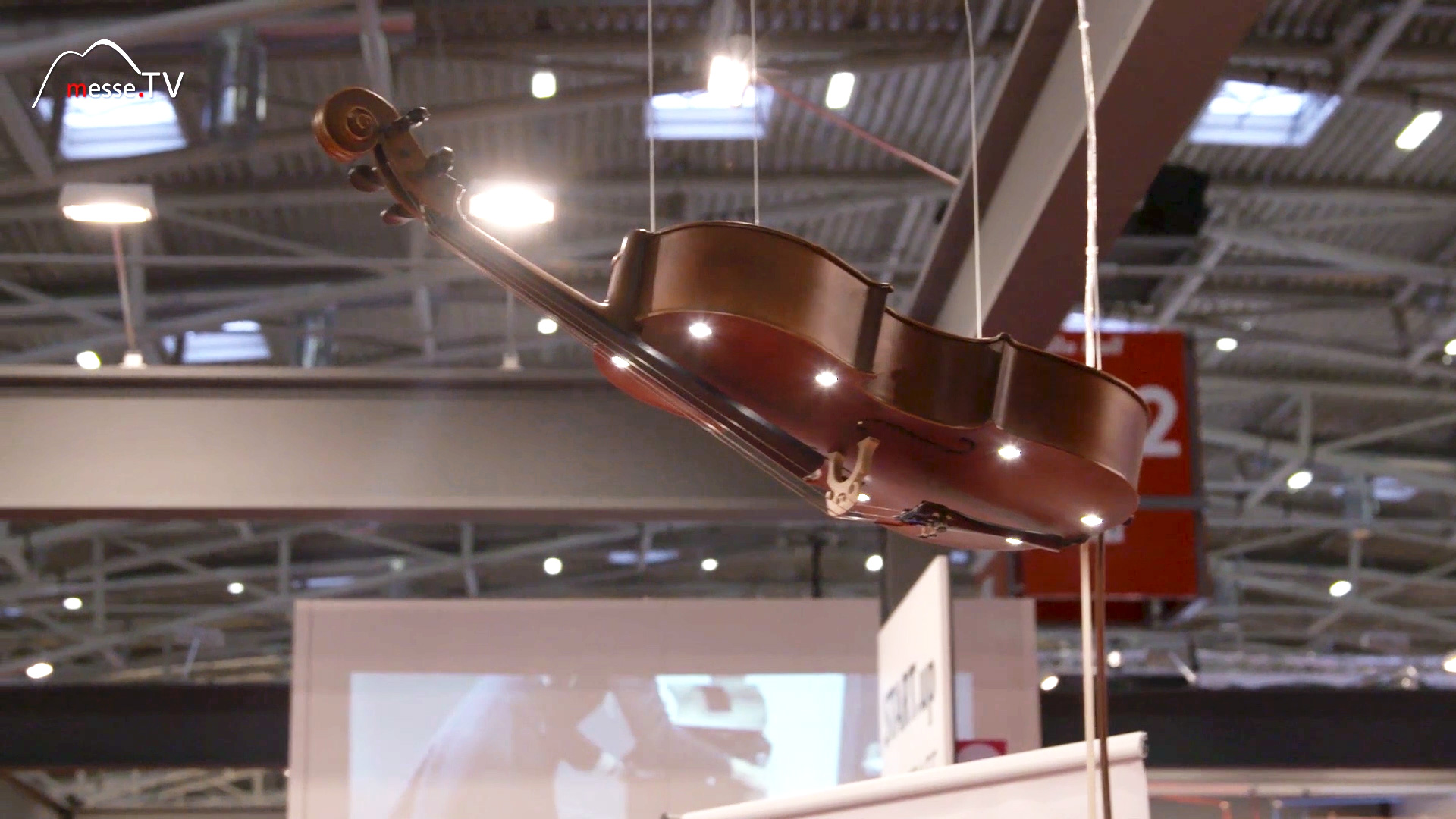
A particularly homely example is a viola that hangs freely in the room and serves as a lamp. It works just as well above a dining area as it does in a modern or classically furnished home. The instrument thus does not become a museum piece, but part of everyday life.
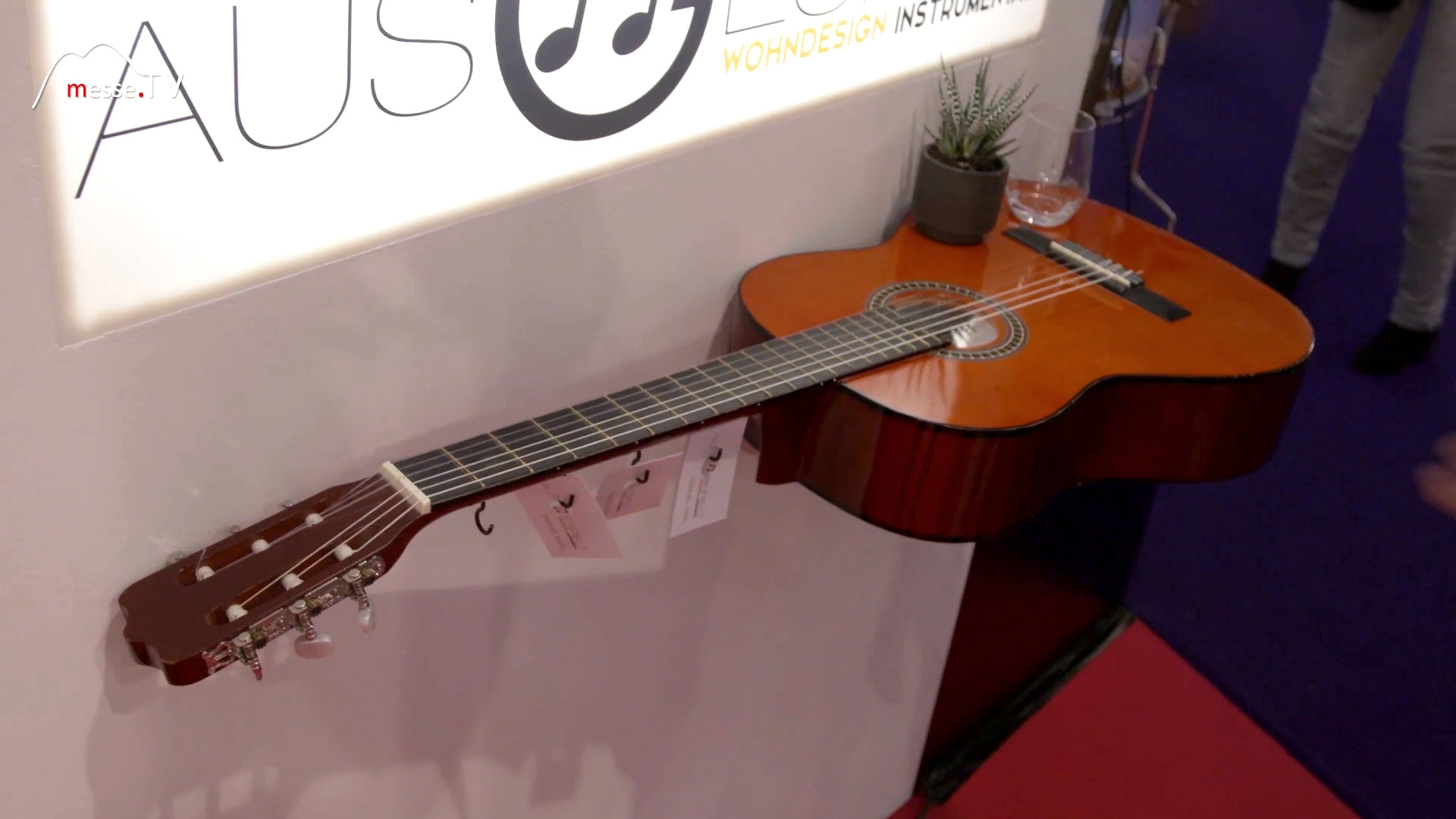
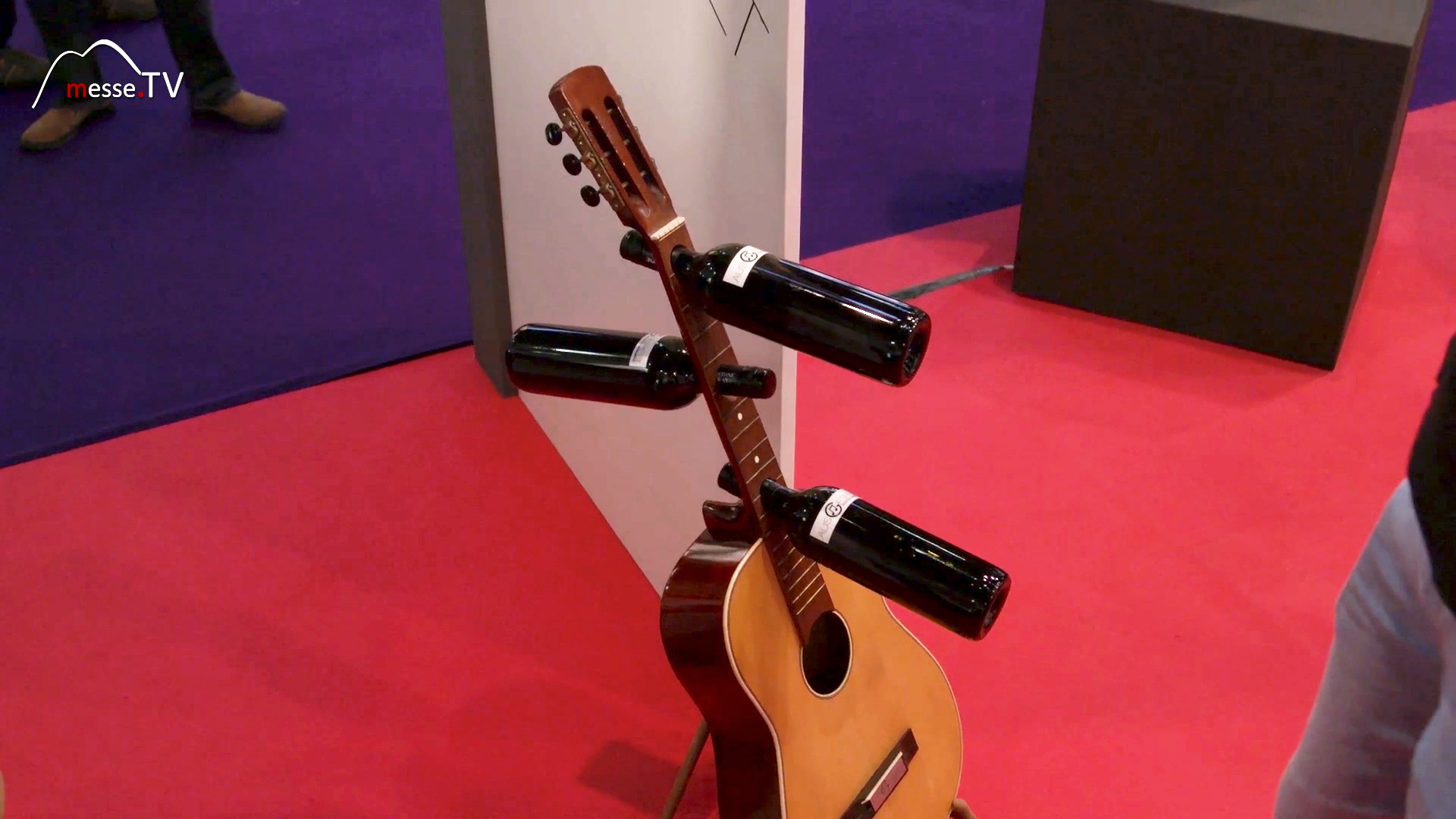
Guitars are also repurposed. An old instrument can be transformed into a piece of furniture for the entrance hall, perhaps for storing keys or small items. This makes particular sense with personal instruments: a guitar that someone has played for twenty years need not be thrown away once it has served its musical purpose.
With such one-off pieces, personal contact plays a major role. Ausgespielt does not view furniture as off-the-peg goods. Whilst some basic forms can be replicated, such as a drum with two drawers, individual conversions require consultation, as the instrument, its intended use and the living space must all fit together.
Unique pieces rather than a furniture store concept
Sales should therefore not be channelled through large furniture stores. The pieces are too individual for that, and their creation is too closely linked to the respective instrument. Trade fairs, exhibitions and small showrooms are a better fit for the concept, as prospective buyers can see and touch the objects and understand the story behind them.
For a start-up, this path is arduous. Financing is largely self-funded; grants play a role only in specific instances, such as for initial appearances abroad. Visibility is achieved primarily through a presence at events and through pieces of furniture that immediately spark conversation.
This is precisely where the strength of the concept lies. Ausgespielt does not produce neutral designer furniture, but objects with a history. A drum remains recognisable as a drum, even if it suddenly has drawers. A viola does not lose its shape simply because it provides light. In this way, old instruments do not simply get a decorative second life, but a new function in the living space.
Trade fair reporting Germany - Trade fair knowledge, dates & events


