Articles and videos on real estate, architecture and building technology
Real estate is more than just buildings – it combines function, technology, and design. The articles highlight developments in the planning, use, and technical equipment of buildings in the private, commercial, and public sectors.
Current developments and projects in construction, planning and energy efficiency
Vilisto: Smart heating management with AI support
Vilisto offers a digital, self-learning heat management system for non-residential buildings that saves up to 32% on heating costs and CO₂ emissions. The intelligent thermostats re... Vilisto: Smart heating management with AI support
MOD21: Efficient construction with modular timber buildings
MOD21 offers sustainable modular construction methods made of wood that are particularly environmentally friendly and efficient. Prefabrication in controlled environments significa... MOD21: Efficient construction with modular timber buildings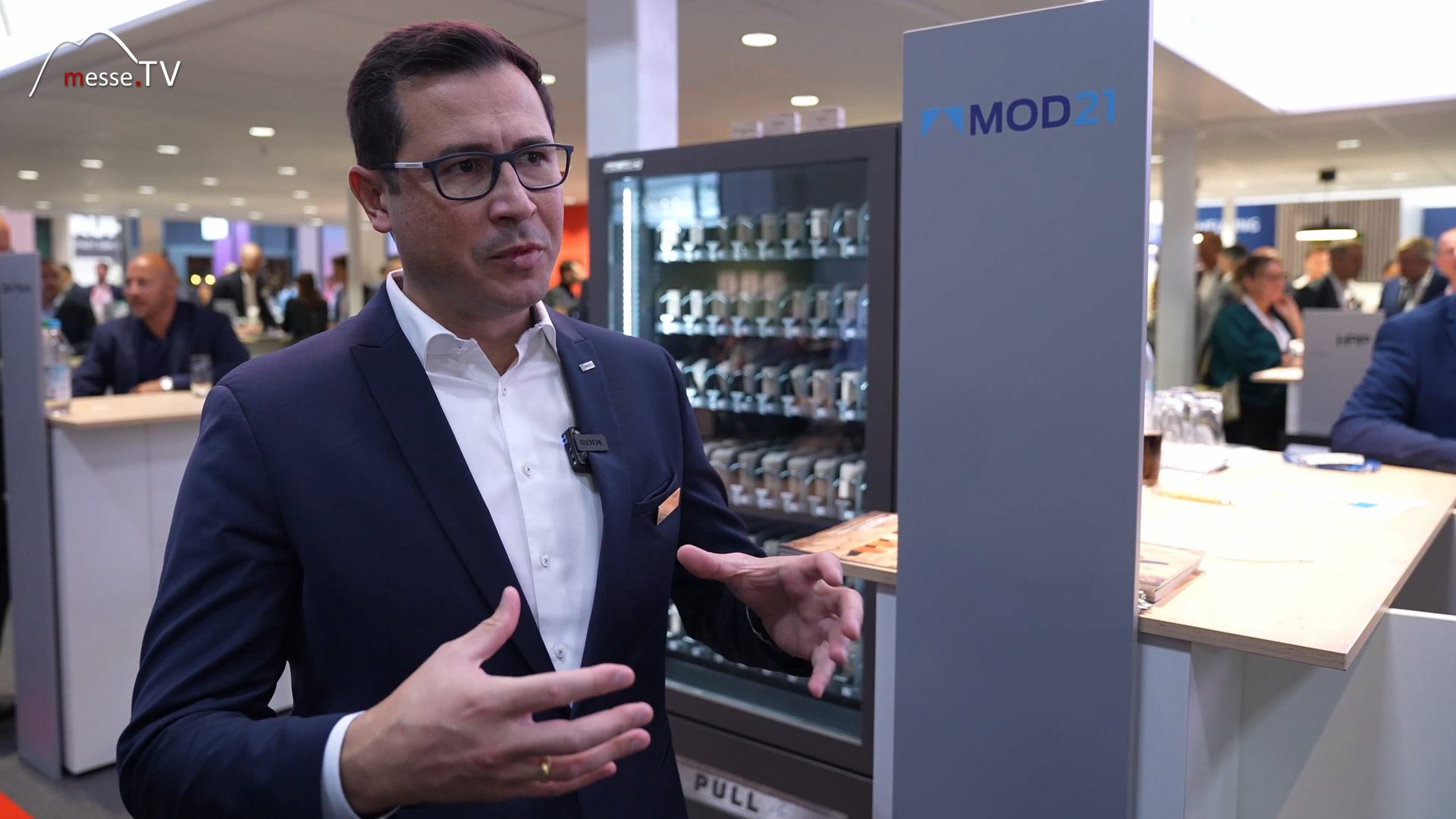
Building control with AI and sensor technology optimises operation
Technical building equipment has changed significantly in recent years. While individual systems used to be considered in isolation, holistic control is now increasingly taking cen... Holistic control of technical building equipment
Strabag PFS: Decarbonization of buildings
STRABAG Property and Facility Services (PFS) offers a comprehensive portfolio of services relating to technical and infrastructural facility management as well as real estate manag... Strabag PFS: Decarbonization of buildings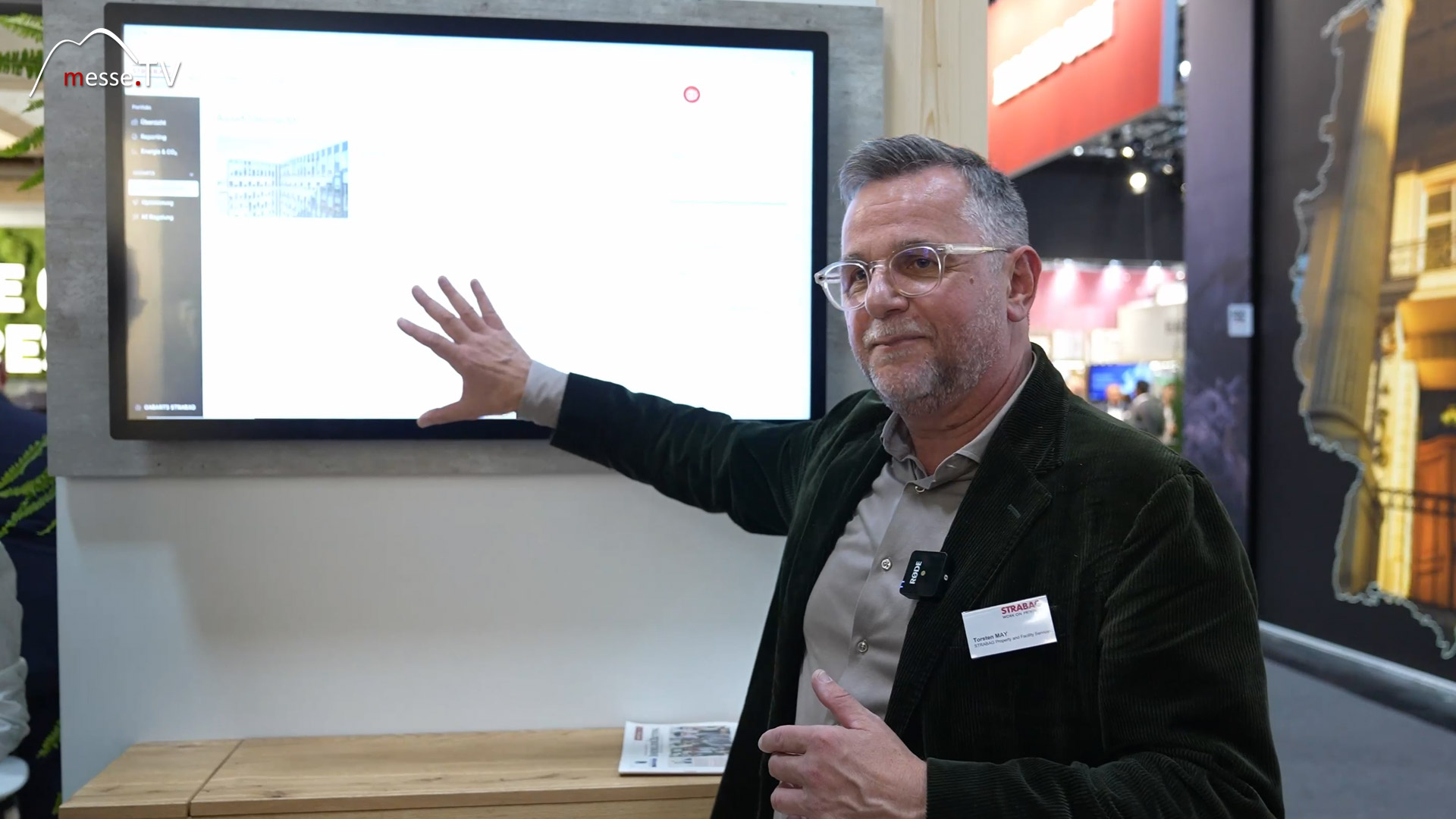
Syte: Recognizing the potential of real estate with AI
Syte is an AI-supported platform that analyzes property and development potential in real time. Users receive detailed insights into the development potential of properties, includ... Syte: Recognizing the potential of real estate with AI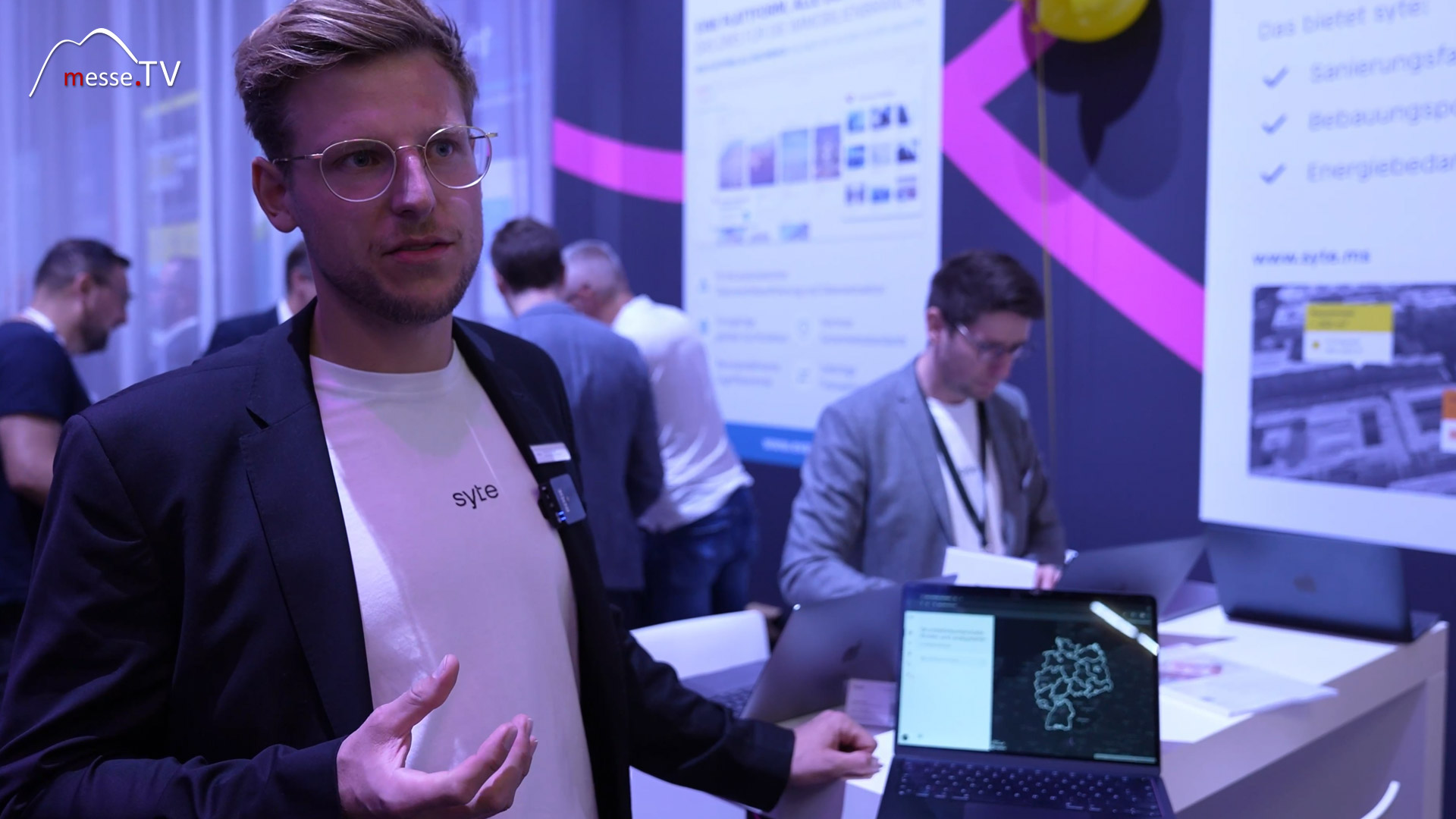
Building design software - Zenesis
The young software company Zenesis from Leipzig was founded at the end of 2021. The target group of the offering are engineering offices and other planners for technical building s... Building design software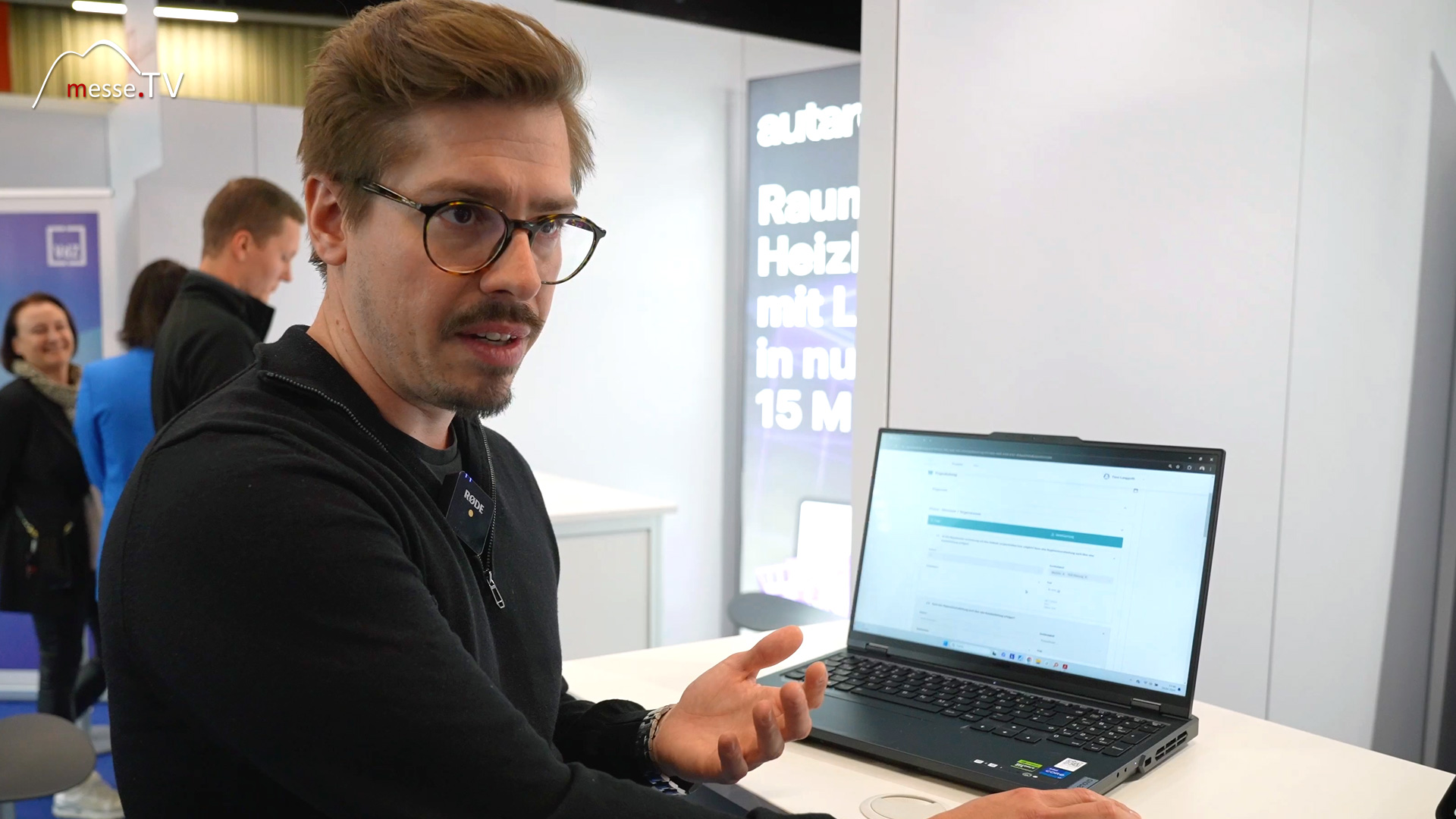
Smart Home access control - Fuhr
The globally active company Fuhr specializes in multi-point locks. The company was founded 165 years ago in Heiligenhaus near Düsseldorf and today employs 350 people. The main mark... Smart Home access control - Fuhr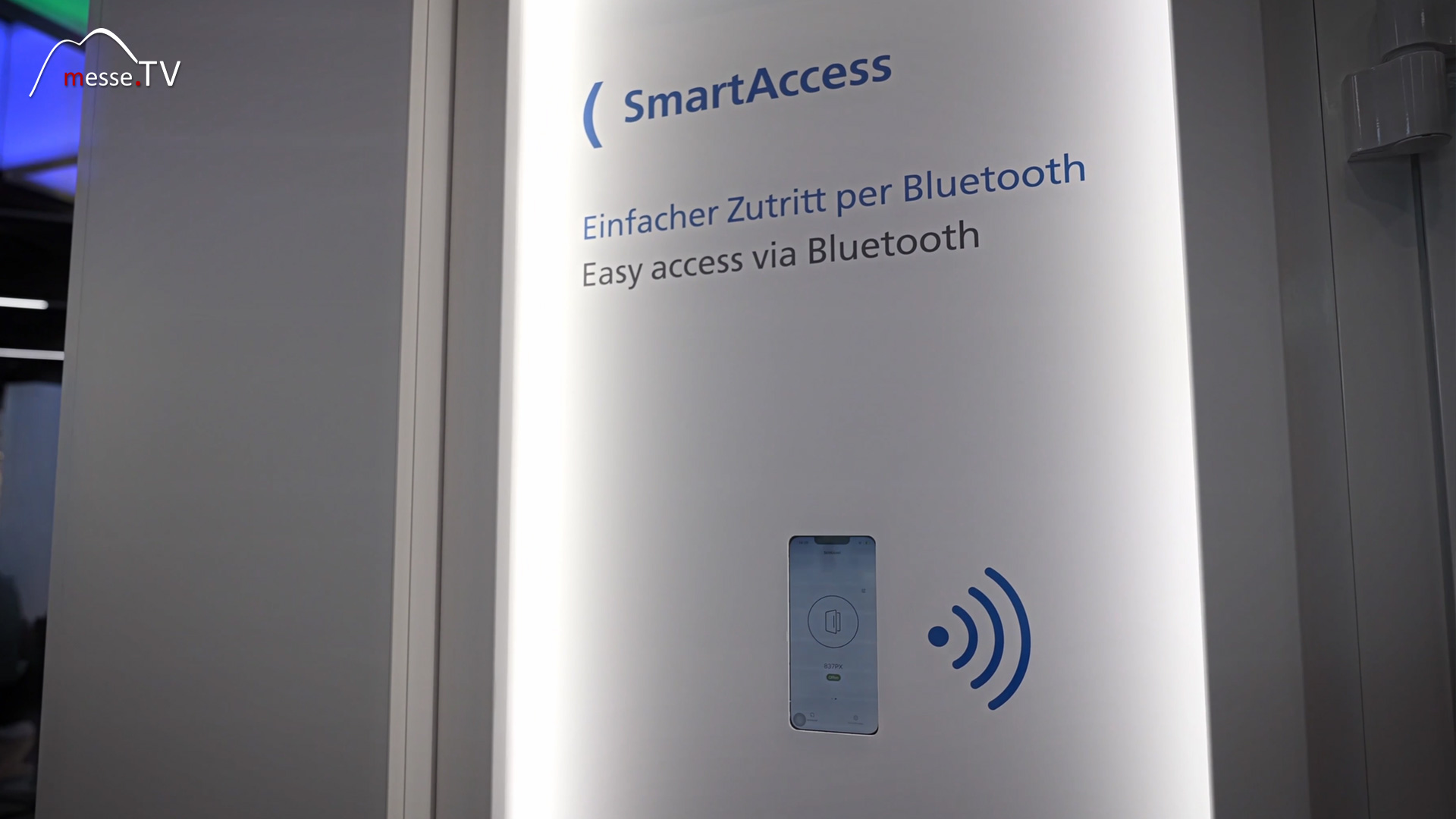
Leak protection for drinking water – prevent water damage
Water damage is one of the most expensive and nerve-wracking problems in private housing. It often goes unnoticed, develops gradually or escalates within a few minutes. This is pre... Leak protection for drinking water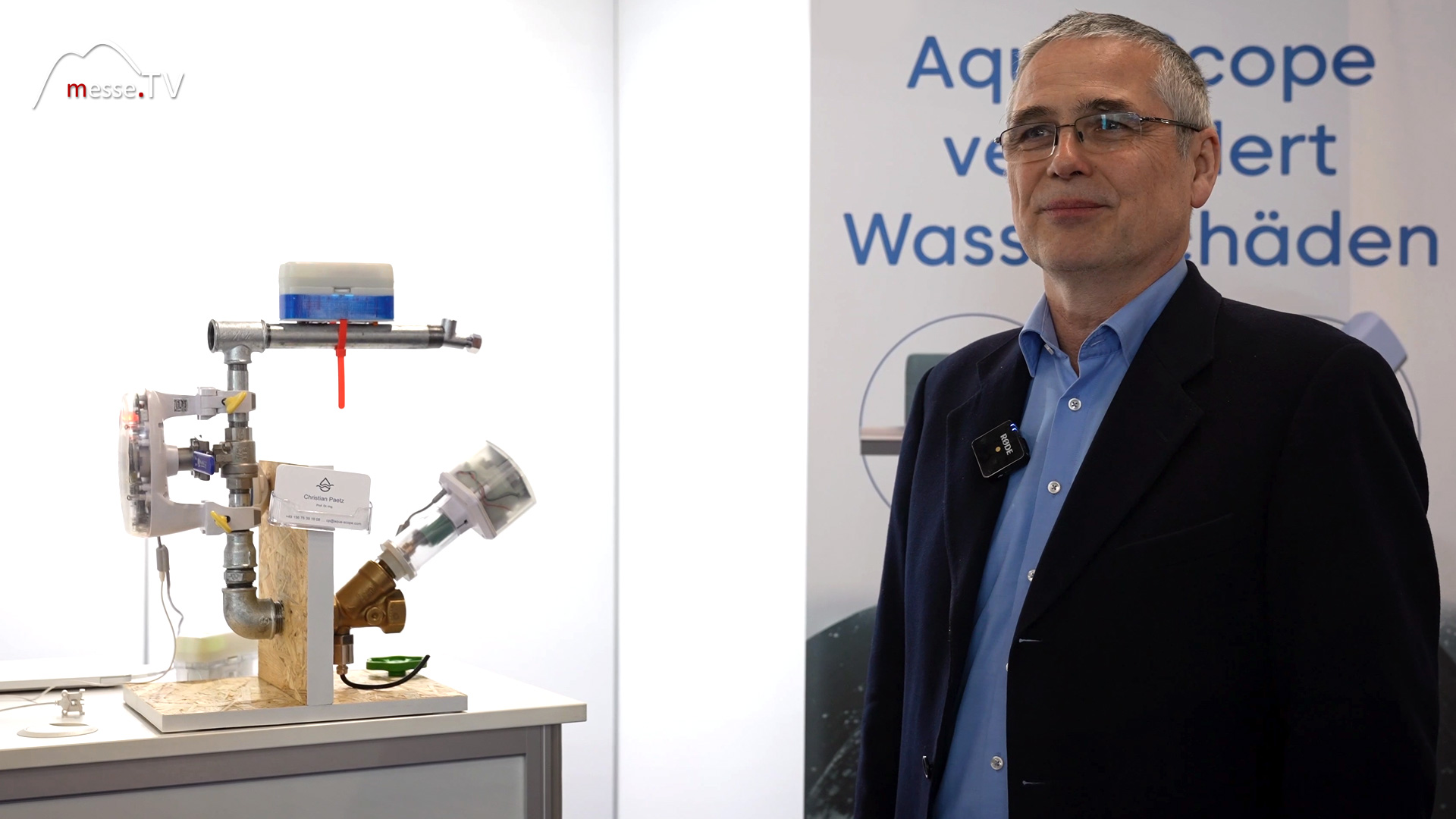
Elevator doors as digital interfaces and communication channels
In everyday life, lifts are usually perceived as mere means of transport. Doors are considered functional components whose task is limited to opening, closing and safety. However, ... Elevator doors with displays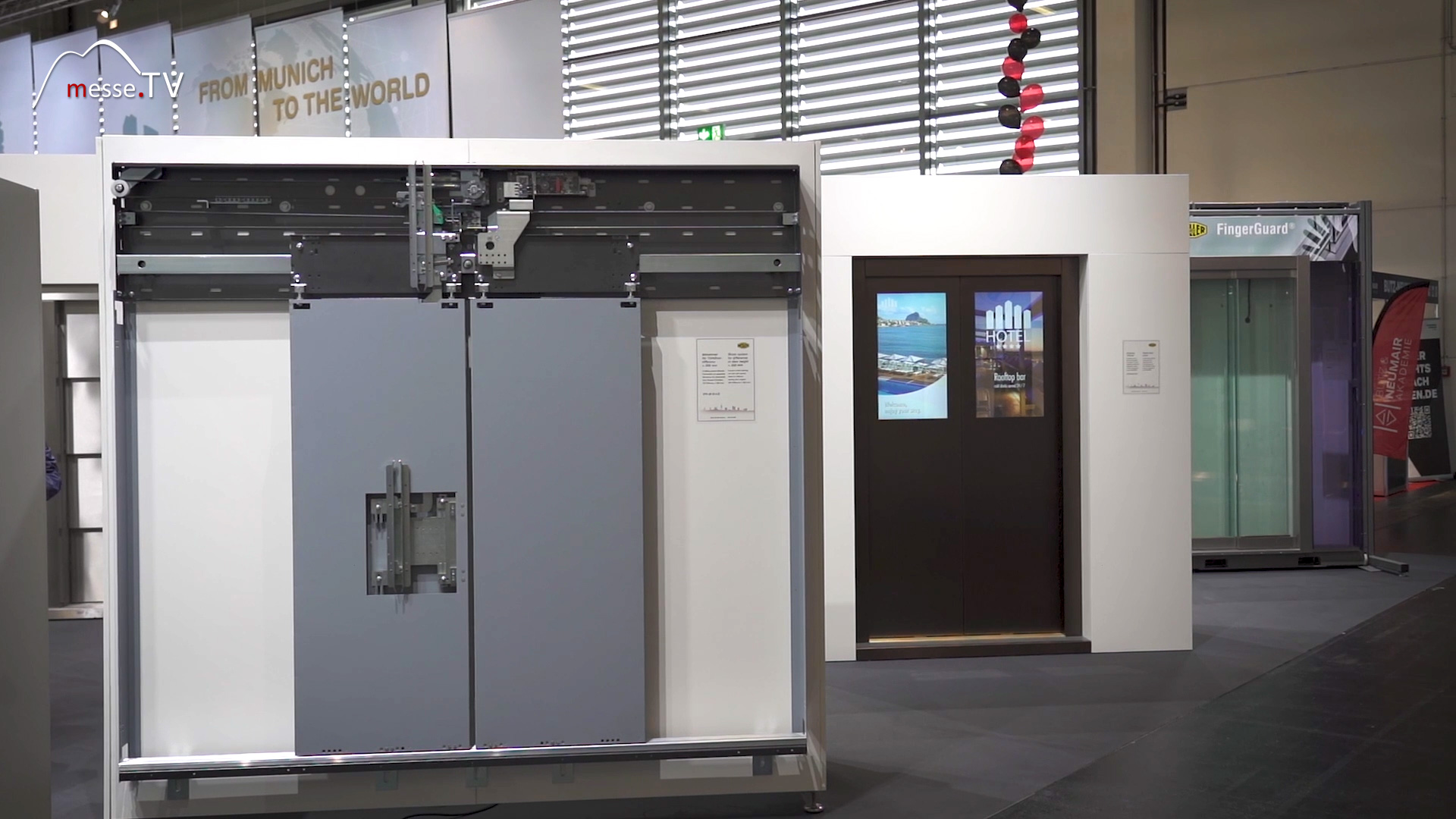
Powerful drives for high payloads
Lift construction has been facing fundamental change for several years. Increasing payloads, limited space in existing buildings and growing demands for energy efficiency and ease ... Drives for high payloads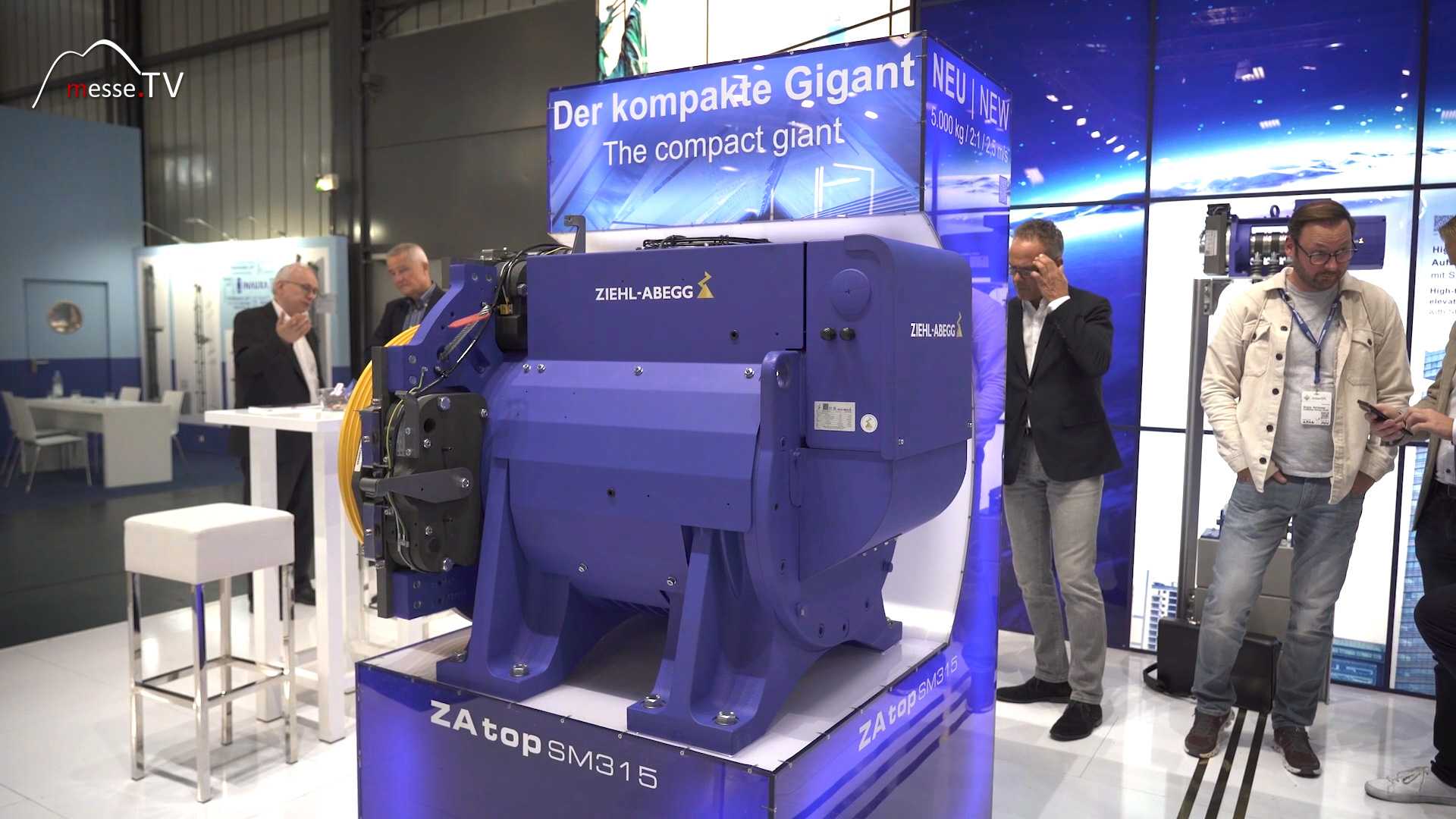
Elevator construction facing profound structural changes
Elevator construction is facing profound structural changes. Although it is difficult to identify a clearly defined key theme at present, two developments are having a particularly... Elevator construction: Profound structural changes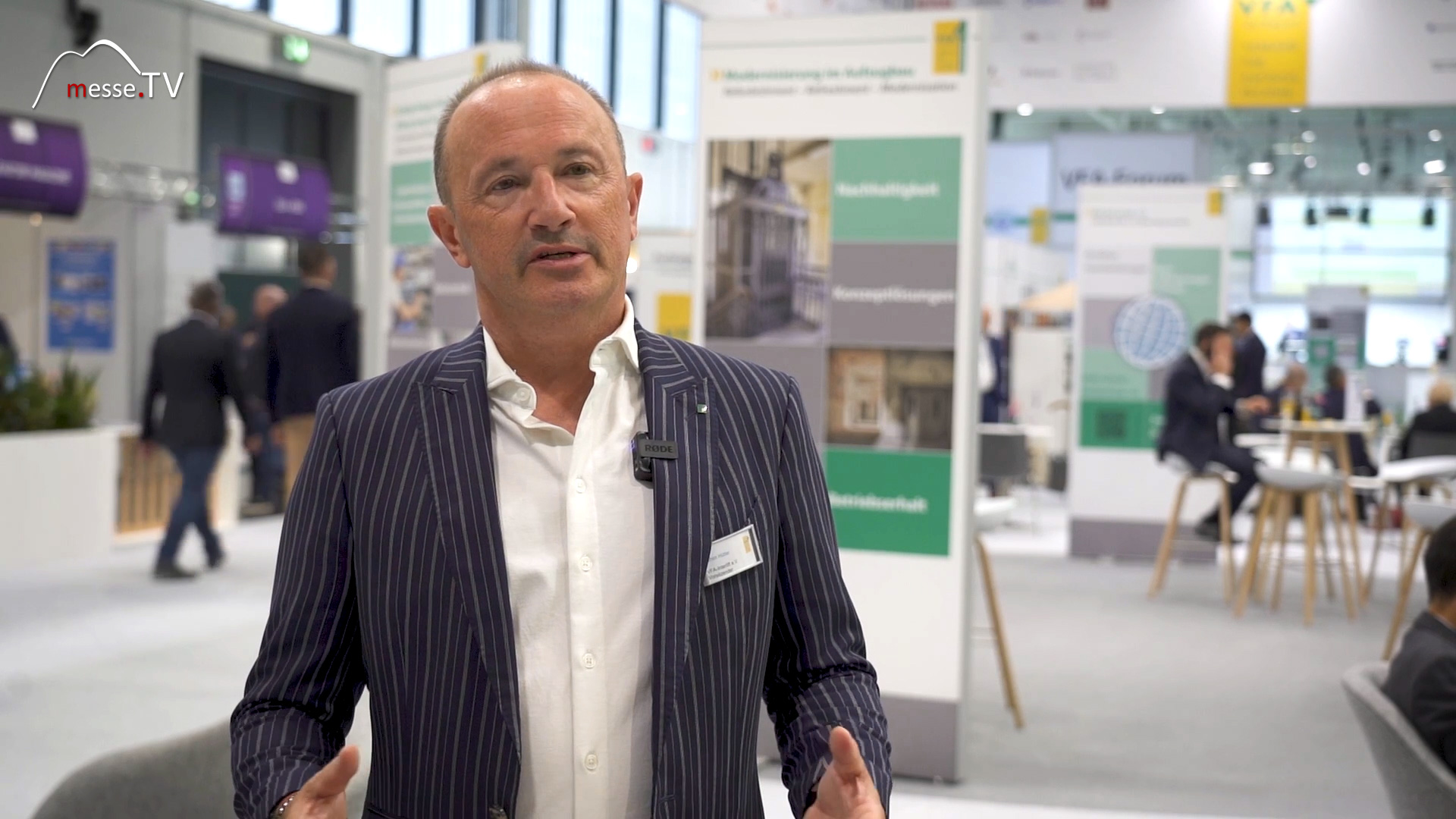
Elevator construction: Plastic sheathed ropes and compact drives
The development of modern lift systems is no longer determined solely by load capacity and speed. Efficiency, use of materials and global applicability have become key criteria. In... Modern elevator systems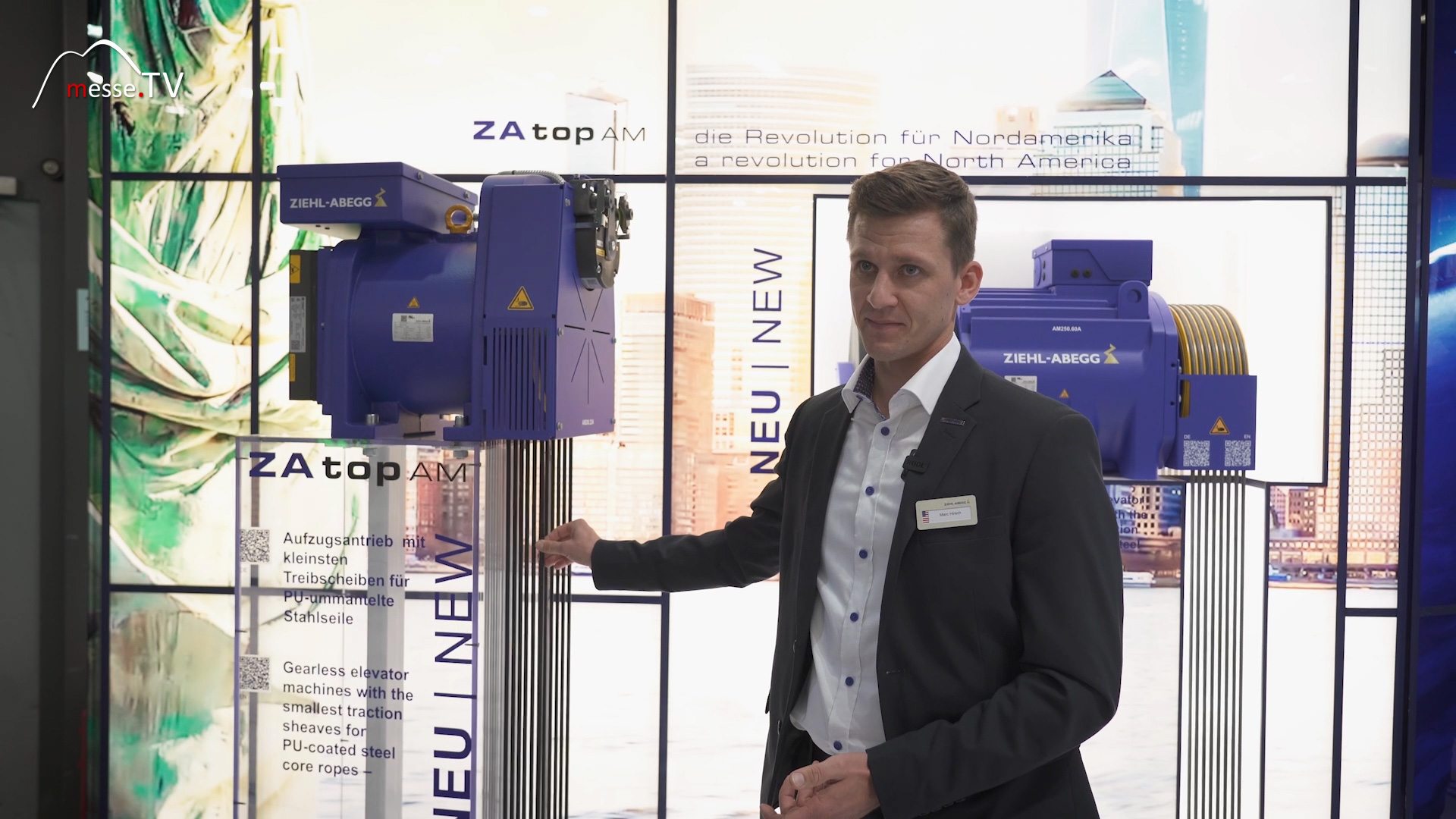
Digital lift control for modern lift systems
The requirements for lift control systems have changed significantly in recent years. Rising costs, increasing technical complexity and a growing need for flexibility characterise ... Modern and modular lift control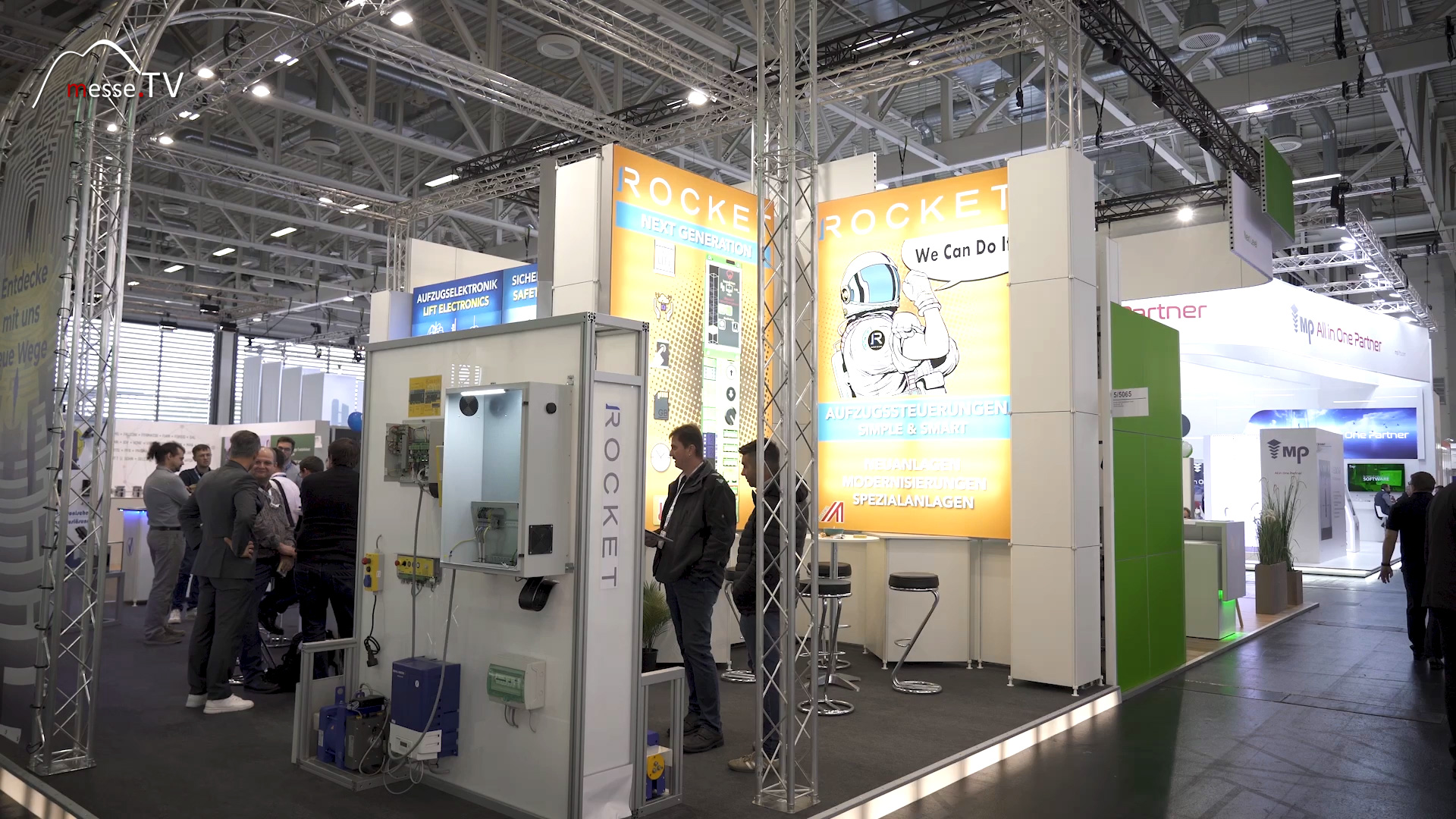
Lift construction for compact glass lifts – Thoma Aufzüge
Lift construction is traditionally characterised by individual solutions. Special designs are particularly in demand where structural conditions do not allow for classic standard s... Customised lift construction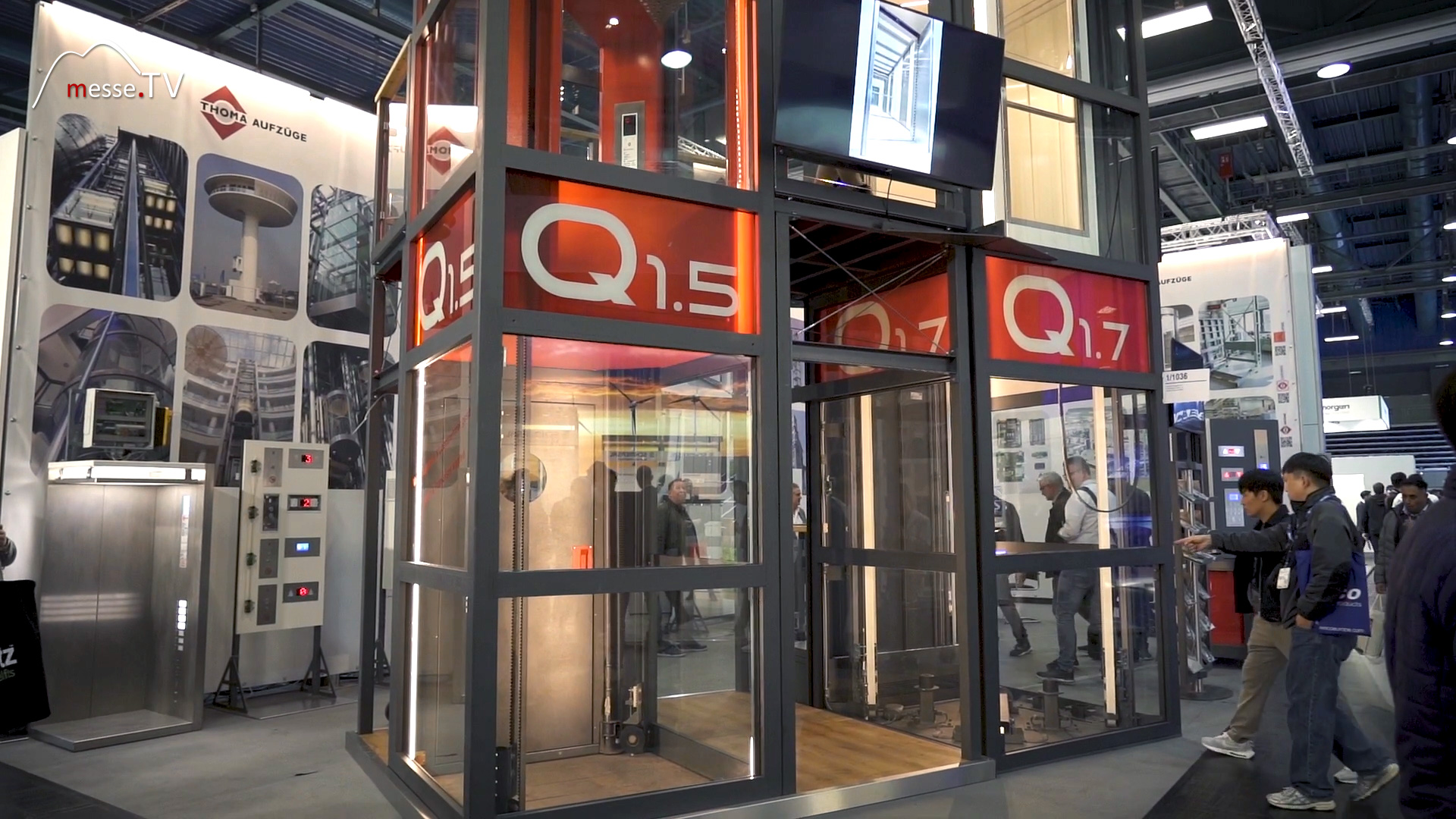
Blackout in the lift – technology for greater safety
The debate surrounding security of supply has become significantly more heated in recent years. Power failures, grid overloads and increasing dependence on digitally controlled inf... Lift safety during a blackout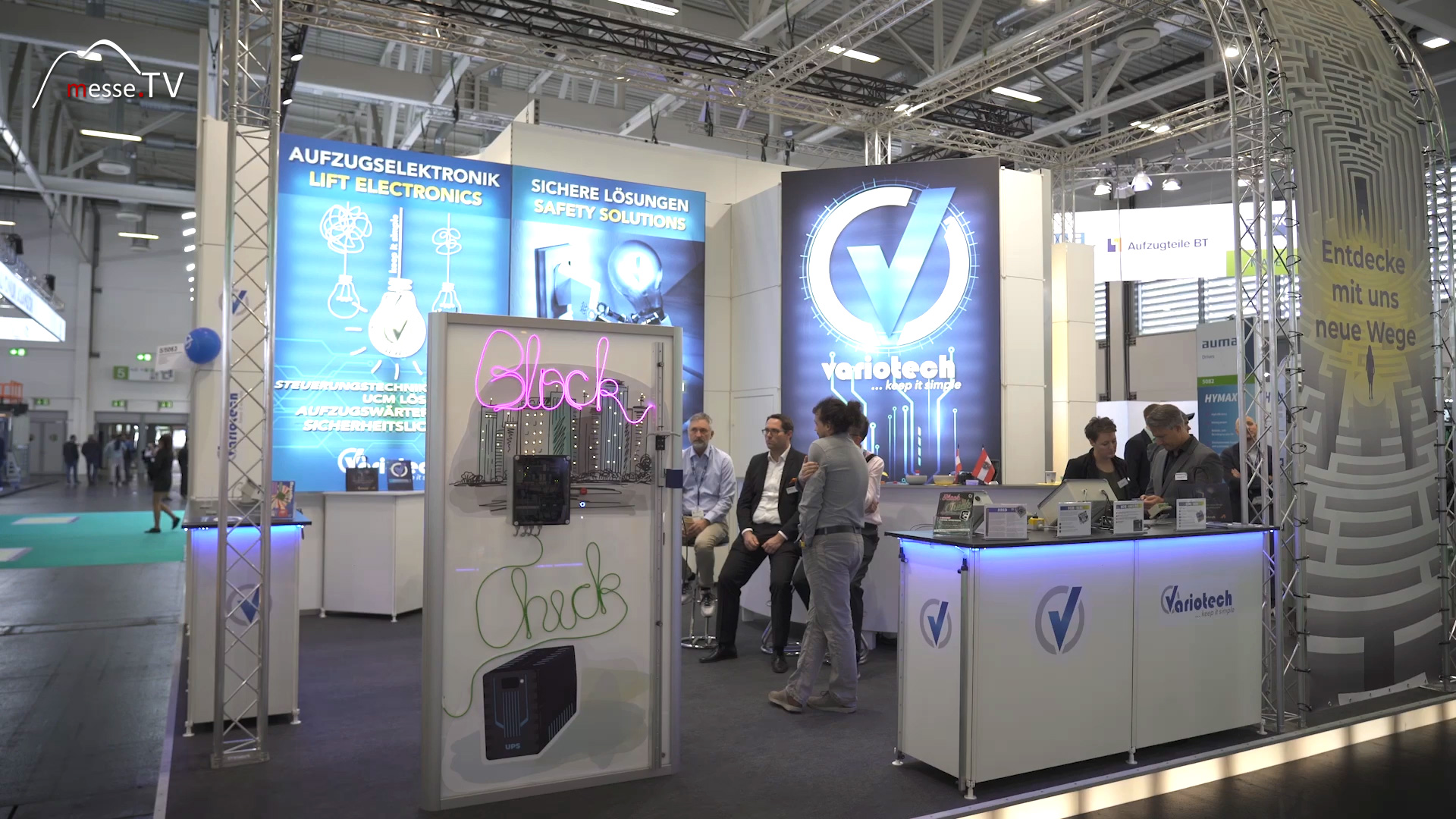
Equipment and technical systems in modern buildings
Real estate is no longer just about buildings—it's about technical systems that intelligently combine energy, comfort, and security. In the articles presented here, companies show how sensor technology, building technology, modular systems, and smart controls can be integrated into new and existing buildings. It is becoming increasingly clear that building operations are becoming more efficient thanks to digital analysis of consumption data, networked building services, and automated control strategies.
- Building technology: heating, ventilation, cooling, sanitation
- Digital control systems and energy optimization
Efficient planning, digital processes, and sustainable building concepts
The planning and development of real estate is changing rapidly. Digital tools facilitate new construction, management, and modernization—from AI-supported platforms in project development to solutions for energy-efficient renovations in existing buildings. Providers such as Viadukt and Predium show how data-based models make renovation costs calculable, while Immowelt, Kleinanzeigen, and ImmoScout24 provide transparent information on market developments.
- Digital tools for project development and management
- Concepts for energy-efficient renovation and ESG strategies
Real estate markets, urban development, and economic conditions
The real estate market is shaped by economic trends, regulatory requirements, and regional location strategies. Many articles address this context and show how cities, companies, and institutions are responding to the pressure for change. Whether commercial real estate such as DM, regional developments such as in the northern Black Forest, international markets such as Mauritius, or local examples such as Stuttgart and Düsseldorf – everywhere it becomes clear how closely the real estate industry, location policy, and user needs are linked.
- Regional and international market developments
- Urban development, economic development, and political conditions
Renting or buying real estate in Germany – market, valuation, and decision
Anyone dealing with the topic of real estate in Germany is faced with similar fundamental questions: Should you rent real estate or buy it for the long term? This decision is increasingly influenced by regionally varying real estate prices, financing costs, and individual lifestyle and usage concepts. While high purchase prices and limited supply characterize the market in metropolitan areas, many medium-sized cities and rural regions are experiencing more stable developments with greater choice. At the same time, the rental market remains tight, as new construction often fails to fully meet demand. A key factor in any decision is the ability to evaluate a property – regardless of whether it is intended for owner-occupancy, as a capital investment, or for long-term rental. In addition to location, construction quality, and energy efficiency, aspects such as renovation requirements, digital building technology, and future flexibility of use also play an important role today. Against the backdrop of increasing demands for sustainability and operating costs, a sound valuation is becoming increasingly important, as it helps to assess risks realistically and plan investments in a transparent manner. An overview of the market shows that neither buying outright nor renting long-term is the right solution. Rather, the decision depends on regional conditions, personal goals, and economic prospects. Whether renting real estate as a flexible solution or buying real estate as a long-term security makes more sense can only be answered by combining market knowledge, realistic price assumptions, and an objective assessment. This is precisely where the articles presented here come in, by transparently classifying and comparing developments, technologies, and strategies relating to real estate.
Trade fair reporting Germany - Trade fair knowledge, dates & events


