Baind: Effiziente Gebäudesteuerung mit KI für bis zu 50% Energieeinsparung
von Andreas Bergmeier - 2024-10-09Die technische Gebäudeausrüstung hat sich in den vergangenen Jahren stark verändert. Während früher einzelne Anlagen isoliert betrachtet wurden, rückt heute zunehmend die ganzheitliche Steuerung in den Mittelpunkt.
Digitale Systeme greifen dabei auf bestehende Infrastruktur zurück und ergänzen diese gezielt durch zusätzliche Sensorik. Ein solcher Ansatz basiert auf der Kombination aus Datenerfassung, Analyse und automatisierter Steuerung. Ziel ist es, den Betrieb von Gebäuden nicht nur zu überwachen, sondern aktiv zu optimieren.
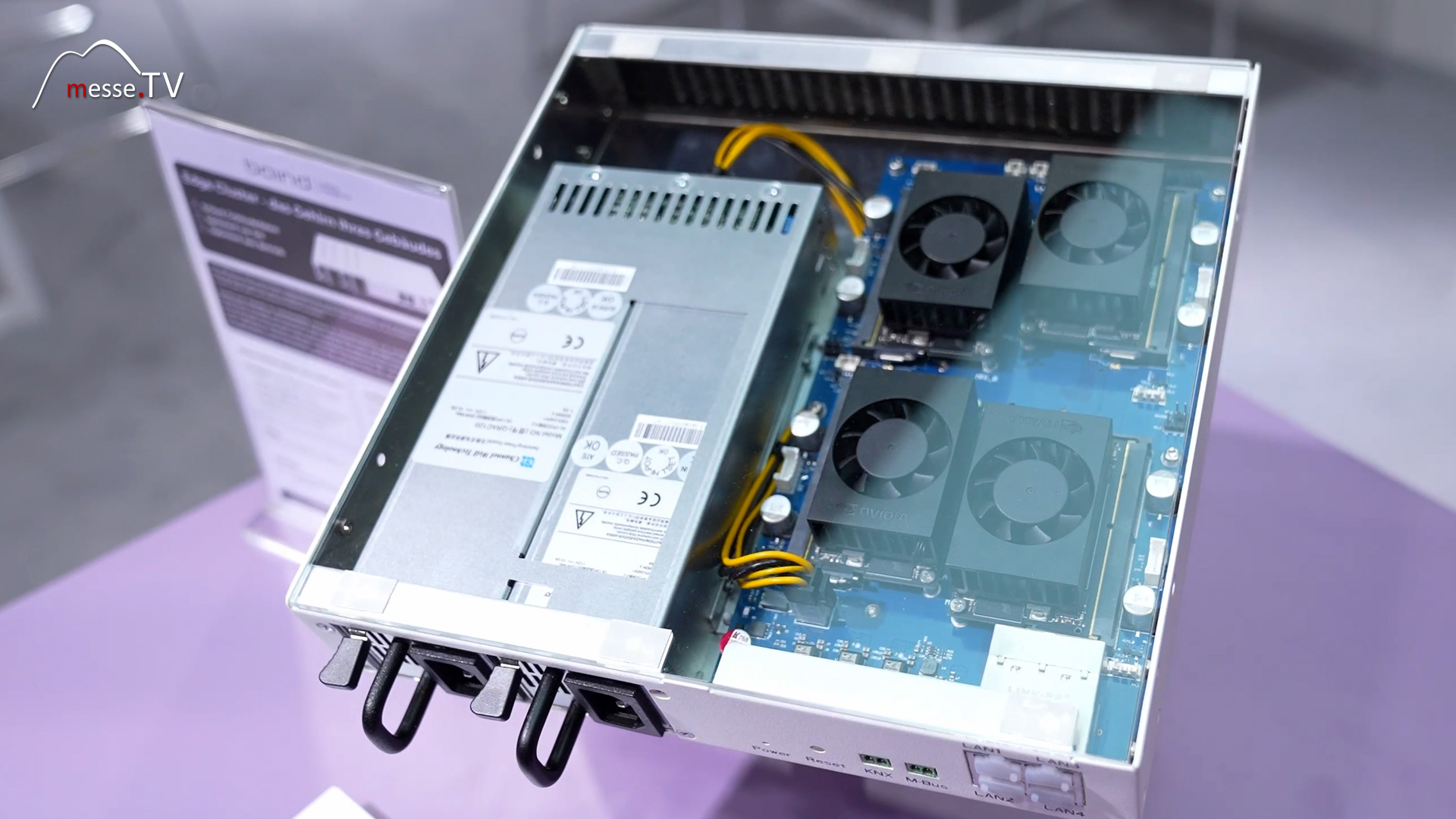

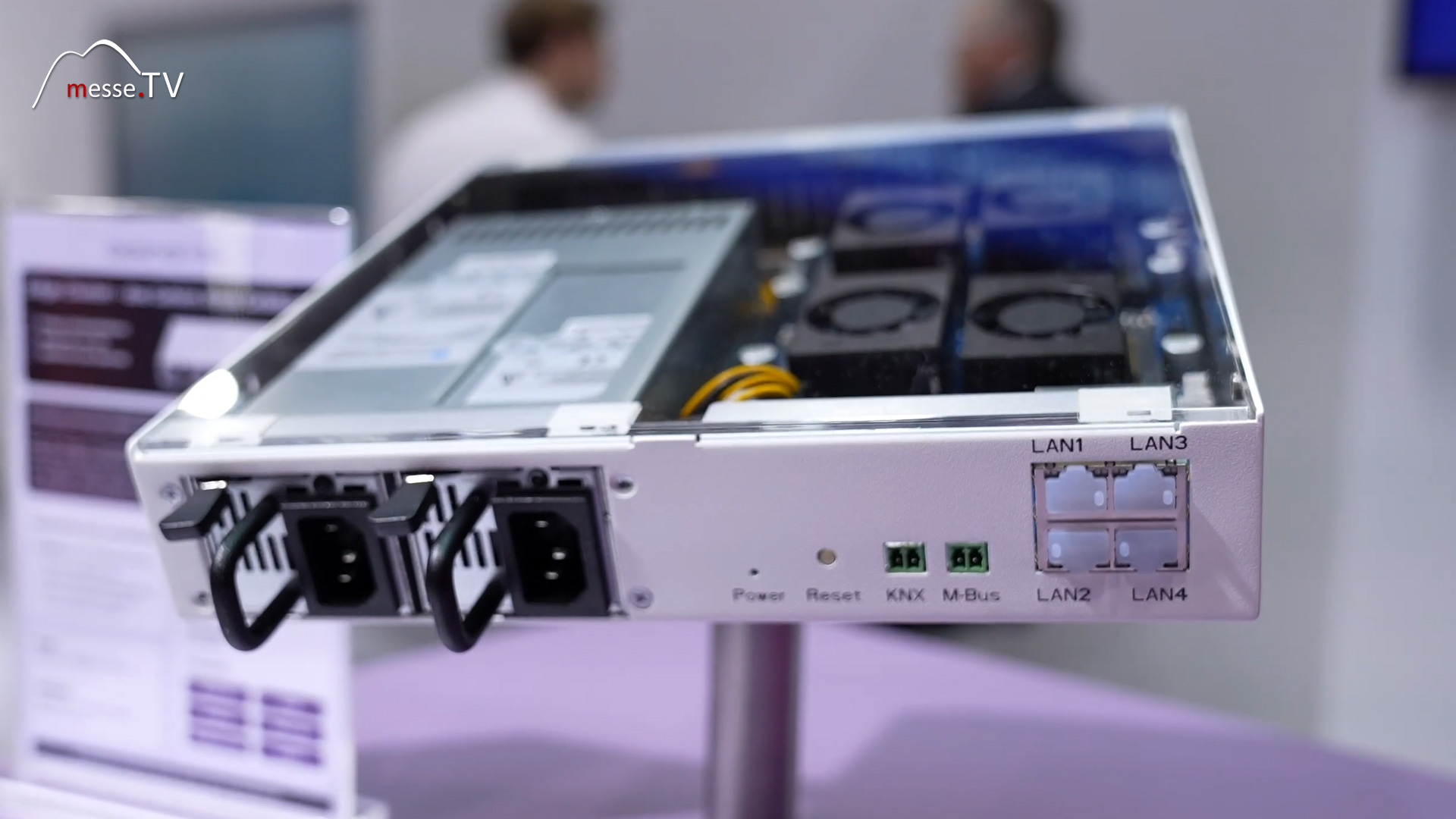
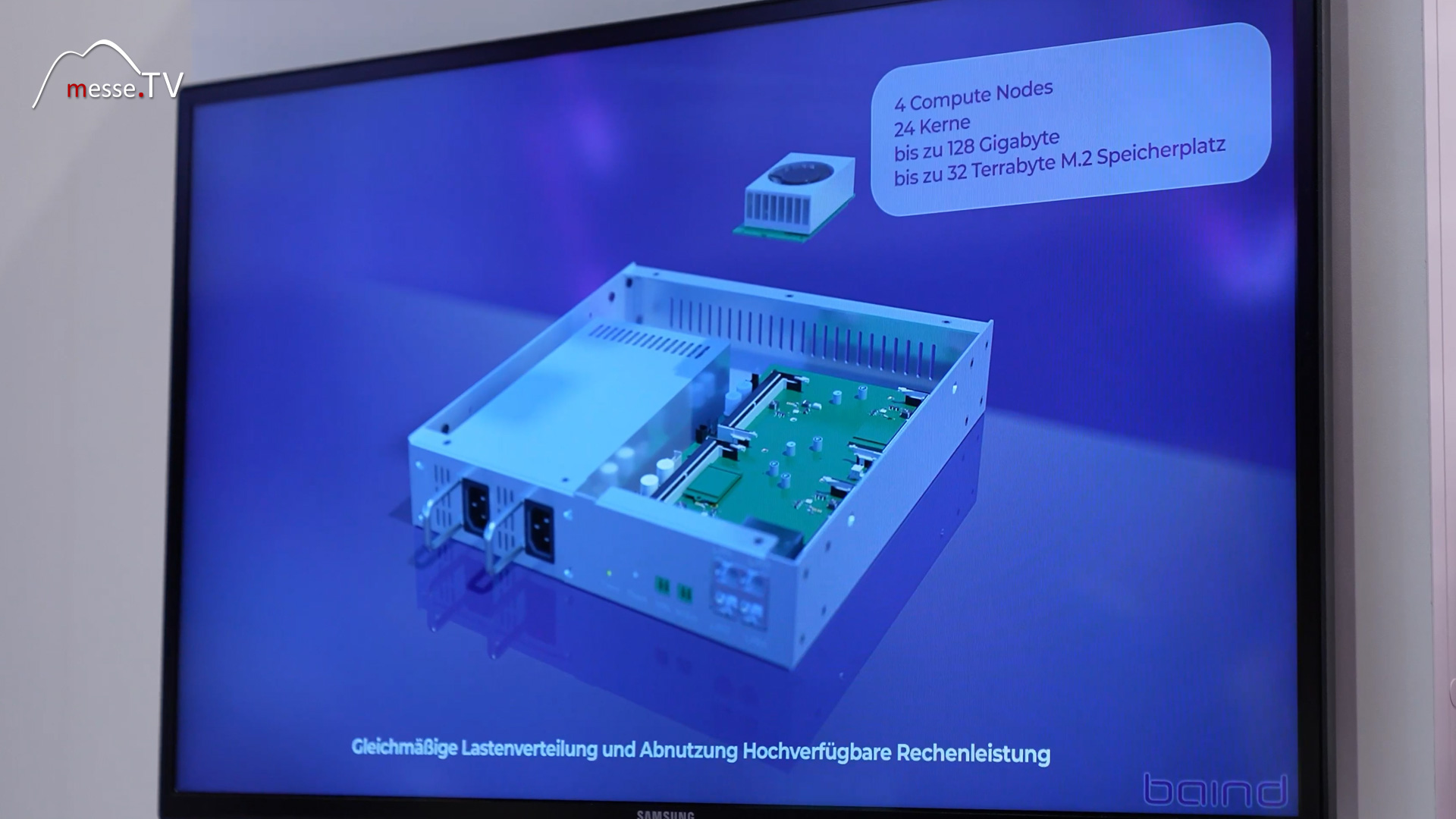
Baind kombiniert Edge Box mit bestehender Infrastruktur
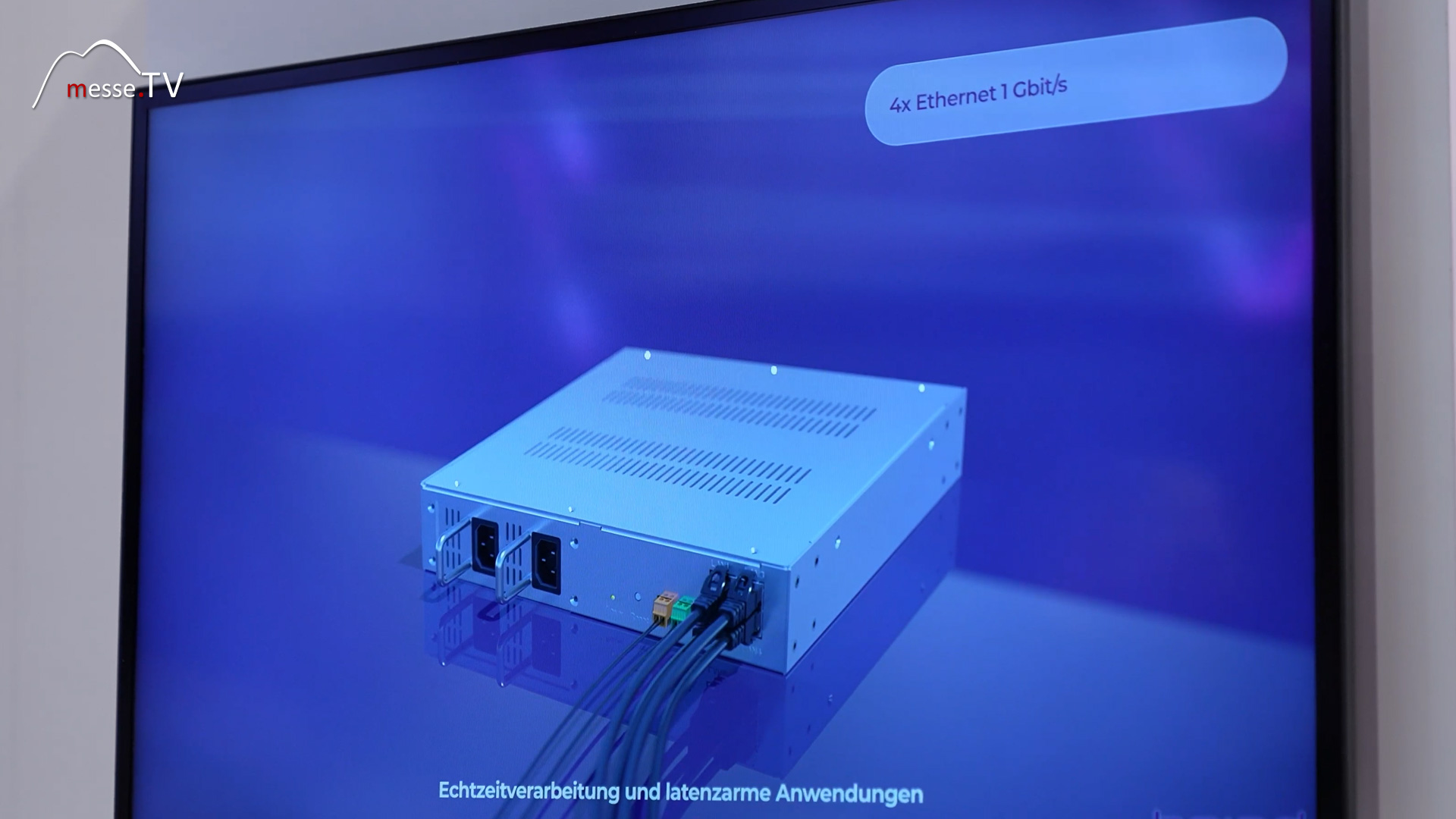
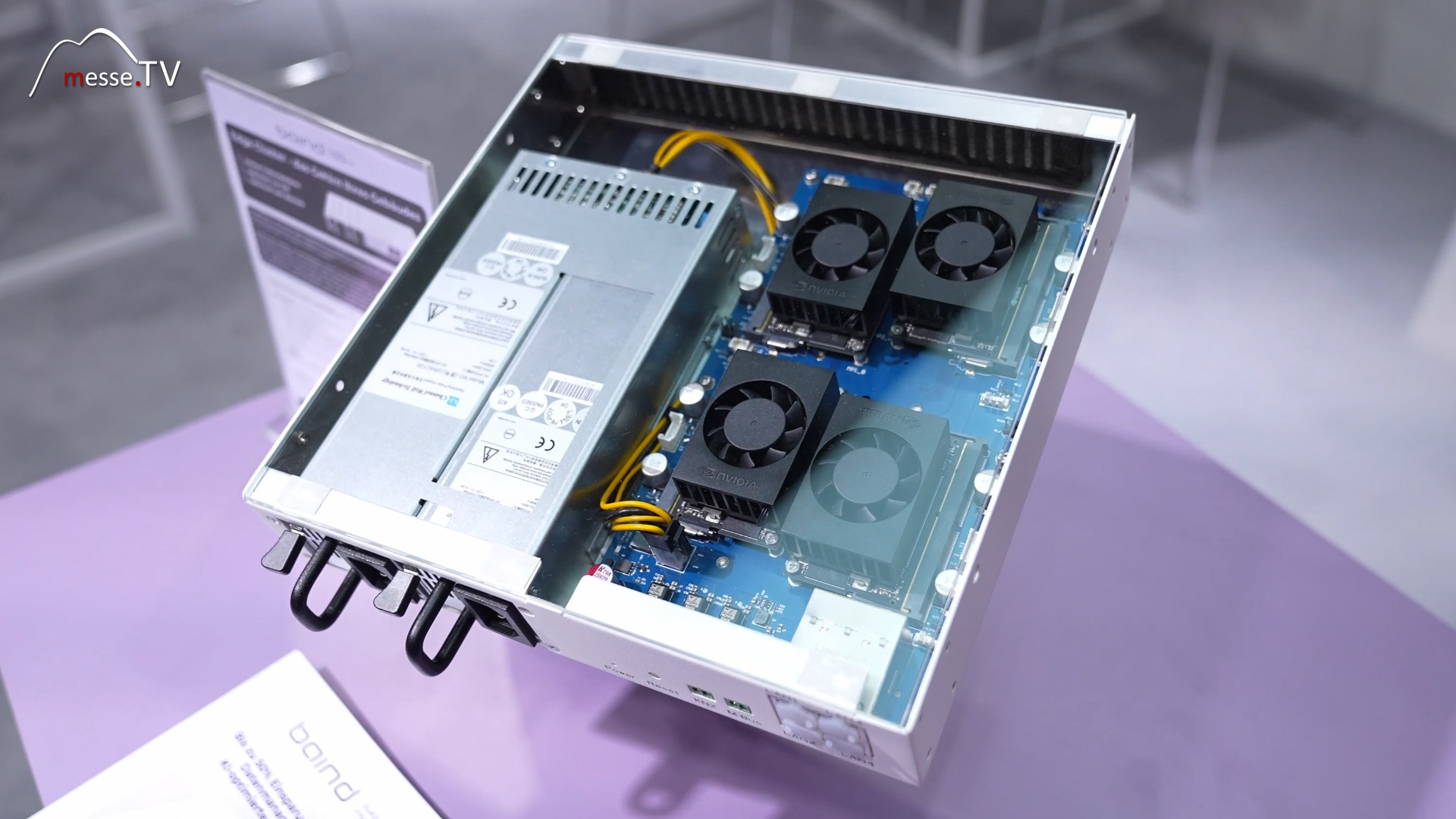
Der Einstieg in das System erfolgt über eine sogenannte Edge Box, die direkt im Gebäude installiert wird. Baind nutzt diese Komponente, um vorhandene Daten aus der bestehenden Infrastruktur auszulesen. Dabei wird zunächst analysiert, welche Netzwerktechnik vorhanden ist und welche Informationen bereits zur Verfügung stehen. Die Edge Box greift auf diese Daten zu und integriert sie in ein übergeordnetes System. Dadurch wird keine vollständige Erneuerung der Technik notwendig, sondern vorhandene Strukturen werden weiter genutzt. Das reduziert den Aufwand bei der Implementierung und ermöglicht einen schnellen Einstieg in die Datenauswertung. Dieser erste Schritt bildet die Grundlage für alle weiteren Funktionen, da er die Verbindung zwischen physischer Anlage und digitaler Auswertung herstellt.

LoRaWAN Sensorik ergänzt fehlende Datenpunkte im Raum
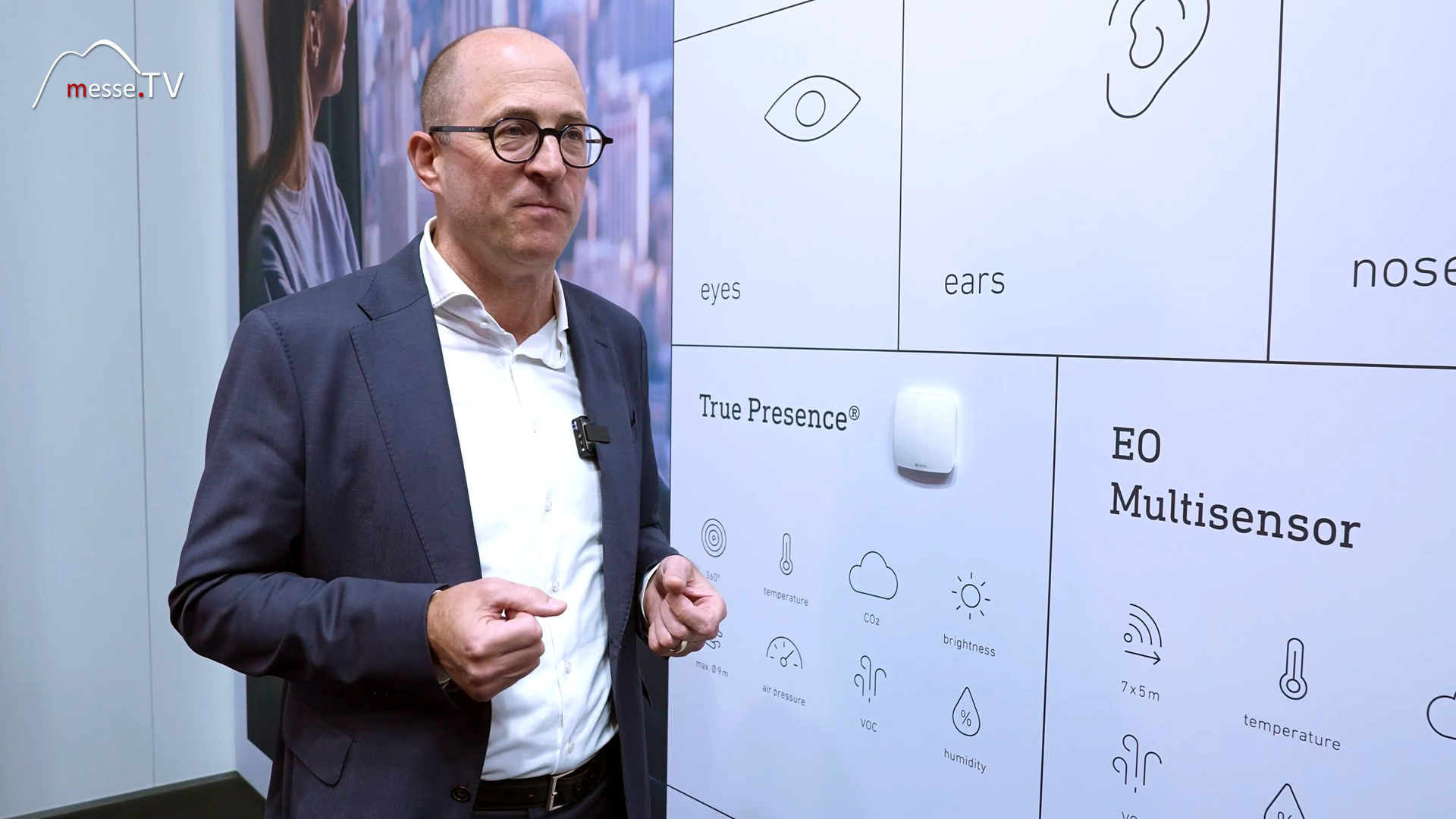
In vielen Gebäuden reichen die vorhandenen Daten nicht aus, um eine präzise Steuerung zu ermöglichen. In solchen Fällen wird zusätzliche Sensorik installiert. Baind setzt dabei auf batteriebetriebene LoRaWAN-Sensoren, die sich ohne großen baulichen Aufwand nachrüsten lassen. Die Sensoren werden in der Regel direkt in den einzelnen Räumen angebracht. Die Montage erfolgt häufig über einfache Klebelösungen, wodurch Eingriffe in die Bausubstanz vermieden werden. Mit einer Batterielaufzeit von fünf bis zehn Jahren sind die Systeme auf einen langfristigen Betrieb ausgelegt. Erfasst werden verschiedene Parameter, die für die Steuerung relevant sind:
- Temperatur im Raum
- Luftfeuchtigkeit und CO₂-Werte
- Lichtverhältnisse
- Präsenz von Personen

KI Steuerung verarbeitet Daten aus Gebäude und Umgebung
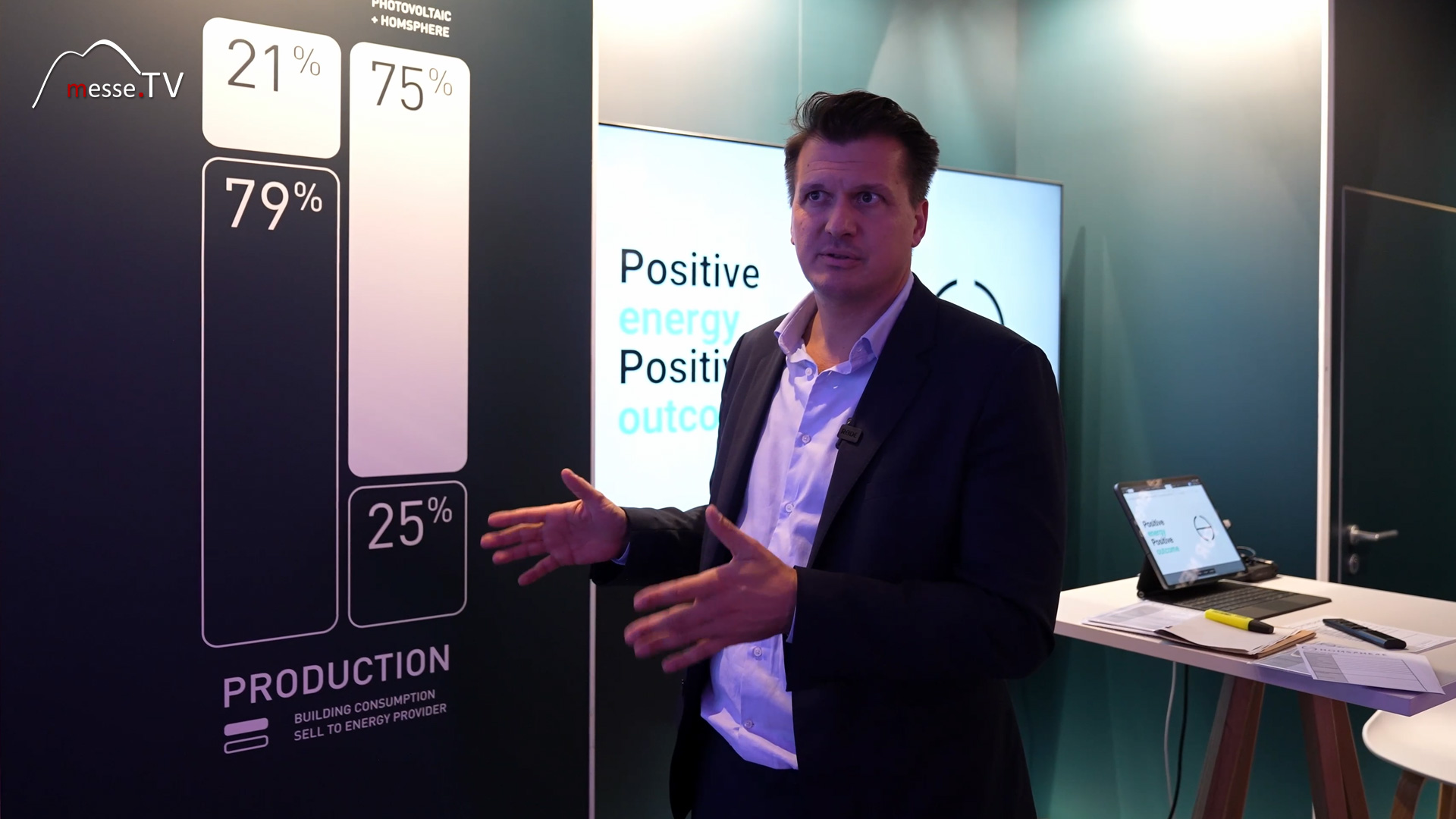
Die eigentliche Steuerung erfolgt über eine KI-basierte Auswertung der gesammelten Daten. Dabei werden nicht nur interne Messwerte berücksichtigt, sondern auch externe Einflüsse einbezogen. Zu den zusätzlichen Datenquellen gehören beispielsweise Wetterinformationen oder Angaben zur Eigenstromproduktion. Die Kombination dieser Faktoren ermöglicht eine differenzierte Betrachtung des Gebäudebetriebs. Die KI analysiert kontinuierlich, wie sich das Gebäude verhält, und entwickelt daraus ein Modell für eine effiziente Steuerung. Dabei wird auch das Nutzerverhalten einbezogen. Präsenzmuster und typische Nutzungszeiten fließen in die Berechnung ein. Ein praktisches Beispiel ist die Anpassung von Betriebszeiten. Wenn eine hohe Eigenstromproduktion erwartet wird, kann das System Anlagen gezielt später starten, um den selbst erzeugten Strom optimal zu nutzen.
Selbstlernende Systeme passen sich an Nutzung und Saison an
Ein wesentlicher Bestandteil des Systems ist die kontinuierliche Anpassung. Die KI arbeitet nicht mit festen Vorgaben, sondern entwickelt ihre Modelle fortlaufend weiter. Bereits nach kurzer Zeit lassen sich erste Effekte erkennen. Innerhalb der ersten zwei Wochen werden ein Großteil der möglichen Einsparungen realisiert. Gleichzeitig verbessert sich die Genauigkeit mit zunehmender Laufzeit, da saisonale Einflüsse und wiederkehrende Muster erfasst werden. Das System wird regelmäßig neu trainiert. In Intervallen von wenigen Tagen werden die Modelle aktualisiert und an neue Bedingungen angepasst. Dadurch bleibt die Steuerung dynamisch und reagiert auf Veränderungen im Betrieb.
Energieeinsparung durch datenbasierte Optimierung
Die Kombination aus Sensorik und KI führt zu messbaren Effekten im Energieverbrauch. In Testgebäuden wurden Einsparungen im Bereich von 20 bis 30 Prozent erreicht, in einzelnen Fällen auch deutlich darüber hinaus. Diese Werte zeigen, welches Potenzial in der datenbasierten Steuerung liegt. Entscheidend ist dabei nicht eine einzelne Maßnahme, sondern das Zusammenspiel vieler kleiner Anpassungen im Betrieb. Die wichtigsten Einflussfaktoren sind:
- präzise Erfassung des tatsächlichen Nutzungsverhaltens
- Einbeziehung externer Daten wie Wetter oder Energieerzeugung
- kontinuierliche Anpassung der Steuerung durch KI
- Integration bestehender Infrastruktur ohne vollständige Umrüstung
Geschäftsmodell und Einordnung im Markt
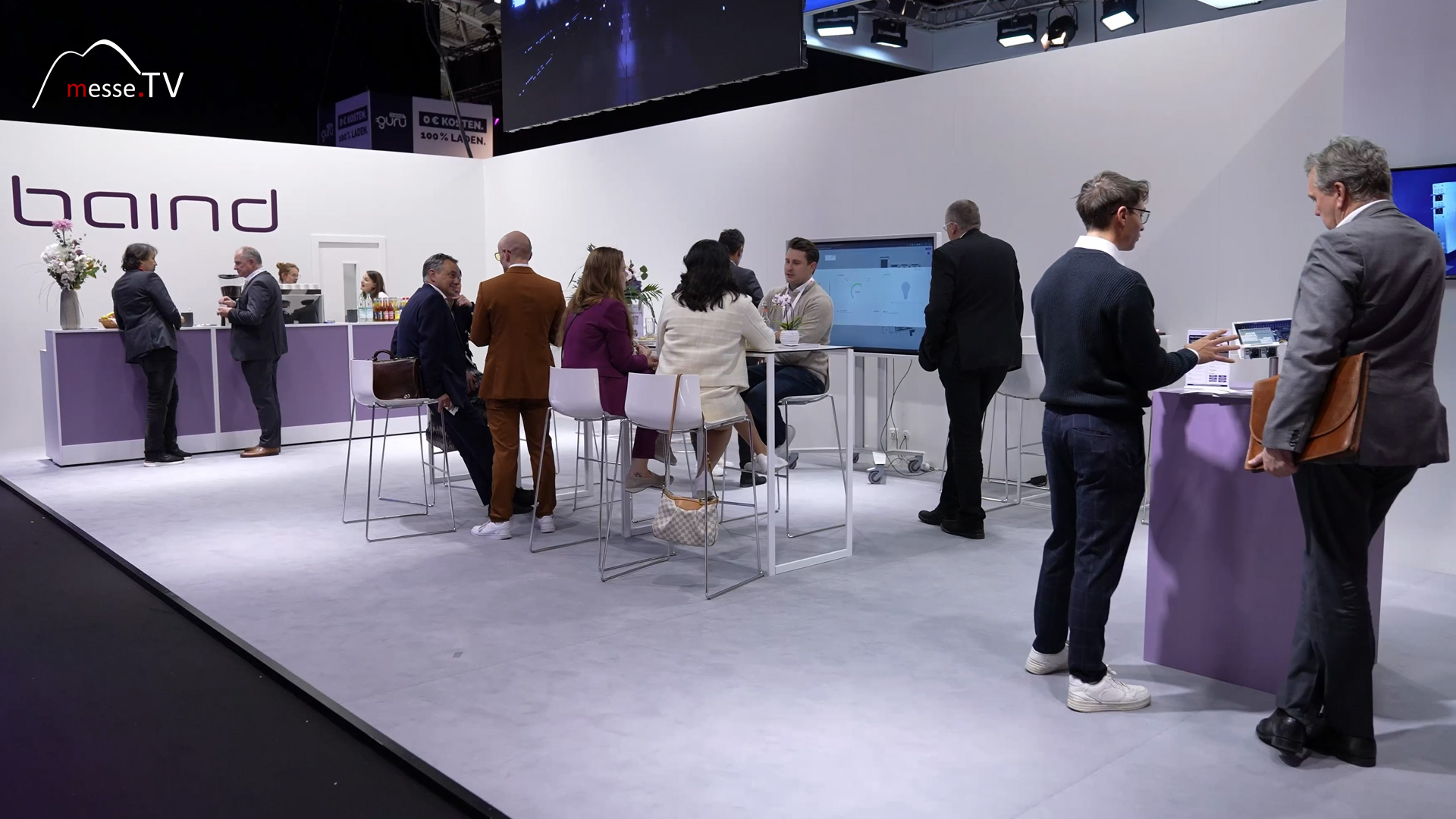
Neben der technischen Umsetzung spielt auch das Geschäftsmodell eine Rolle. Die Lösung wird als abonnementbasierter Service angeboten, bei dem die KI kontinuierlich weiterentwickelt und aktualisiert wird. Die Einstiegskosten variieren je nach Ausführung, liegen jedoch für leistungsfähige Systeme im Bereich von mehreren tausend Euro. Damit richtet sich das Angebot vor allem an Betreiber größerer Gebäude, bei denen sich Einsparungen entsprechend auswirken. Baind zeigt mit diesem Ansatz, wie sich bestehende Gebäude durch digitale Technologien effizienter betreiben lassen. Die Kombination aus vorhandener Infrastruktur, zusätzlicher Sensorik und selbstlernender Steuerung verändert den Blick auf Gebäudetechnik – weg von statischen Systemen hin zu dynamischen, datengetriebenen Prozessen.













Messe-Berichterstattung bundesweit - Messewissen, Termine & Veranstaltungen


