Immobilienprojekte und Bauprozesse im Wandel im Handel
von Bastian Velonavy - 2024-10-14Der Lebensmitteleinzelhandel tritt zunehmend als aktiver Akteur im Immobilienmarkt auf. Filialnetze entstehen längst nicht mehr nur nach standardisierten Mustern, sondern werden stärker an städtebauliche Anforderungen, Flächenverfügbarkeit und Nutzungskonzepte angepasst.
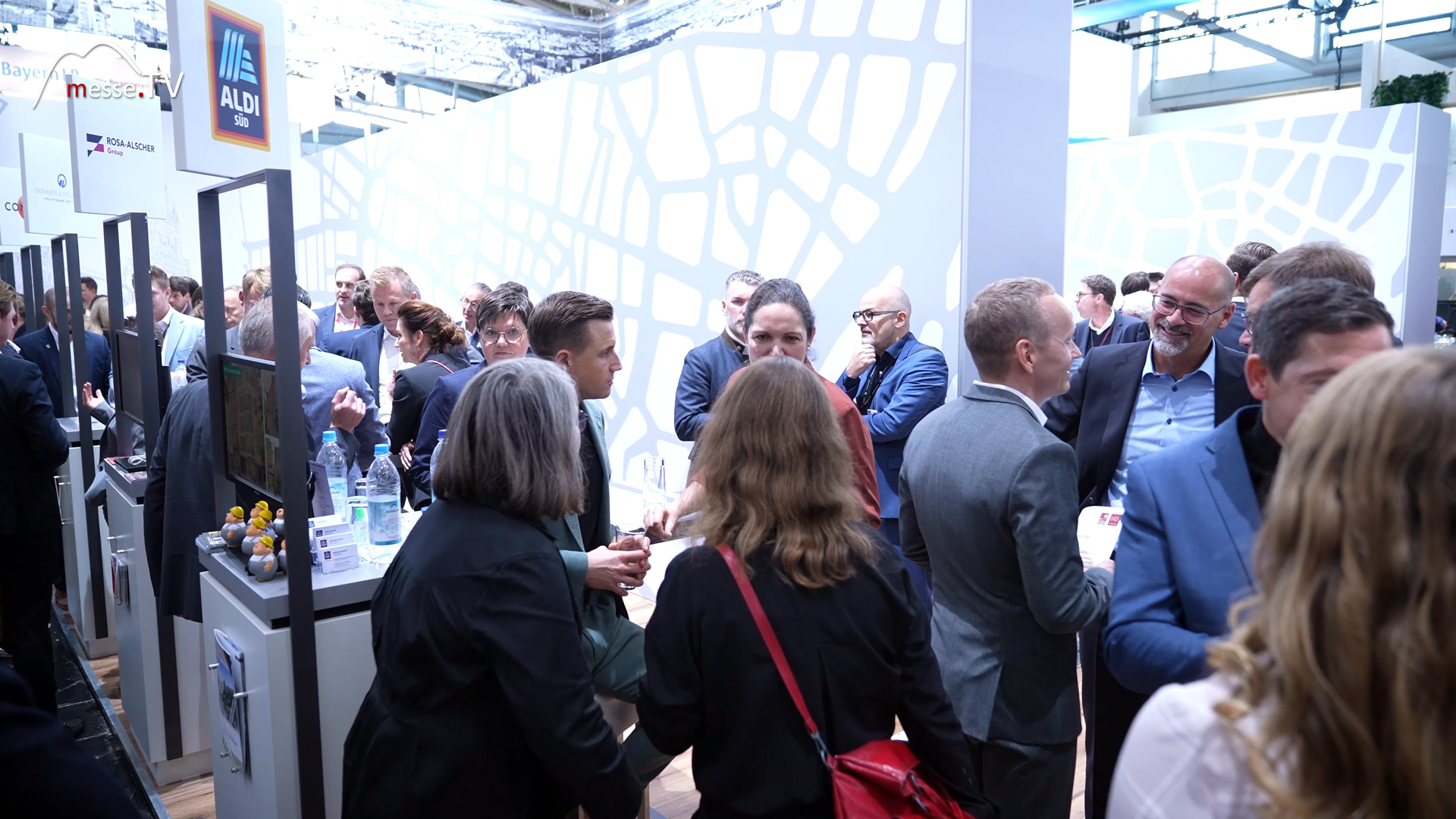
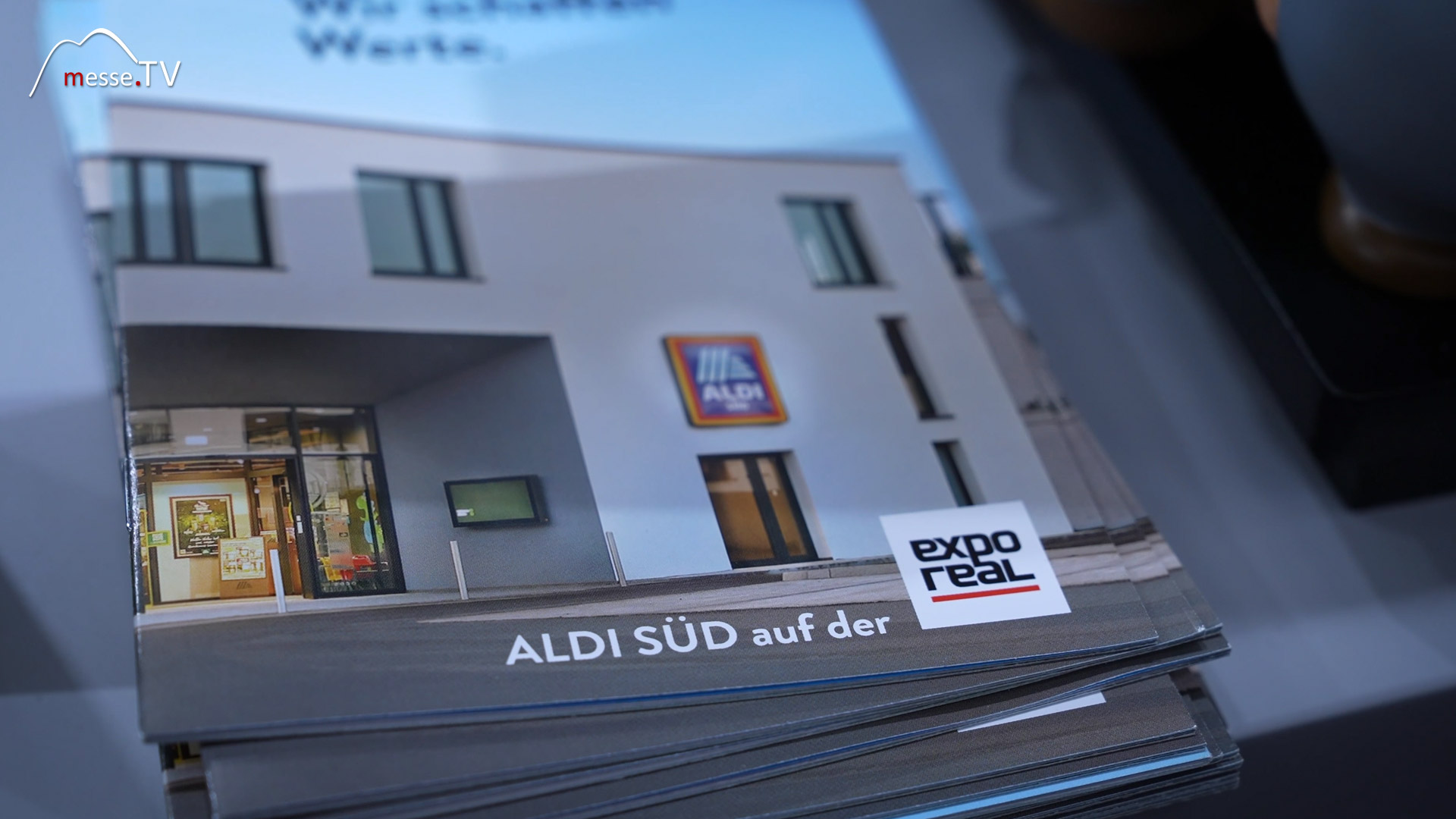
Ein Beispiel für diese Entwicklung liefert Aldi Süd, das gezielt Partner für neue Projekte sucht und seine Rolle über die klassische Nahversorgung hinaus definiert. Im Mittelpunkt steht dabei ein breiter Ansatz: Investoren, Projektentwickler und Kommunen werden gleichermaßen adressiert. Ziel ist es, Immobilienprojekte frühzeitig gemeinsam zu entwickeln und damit sowohl wirtschaftliche als auch städtebauliche Anforderungen zu berücksichtigen.
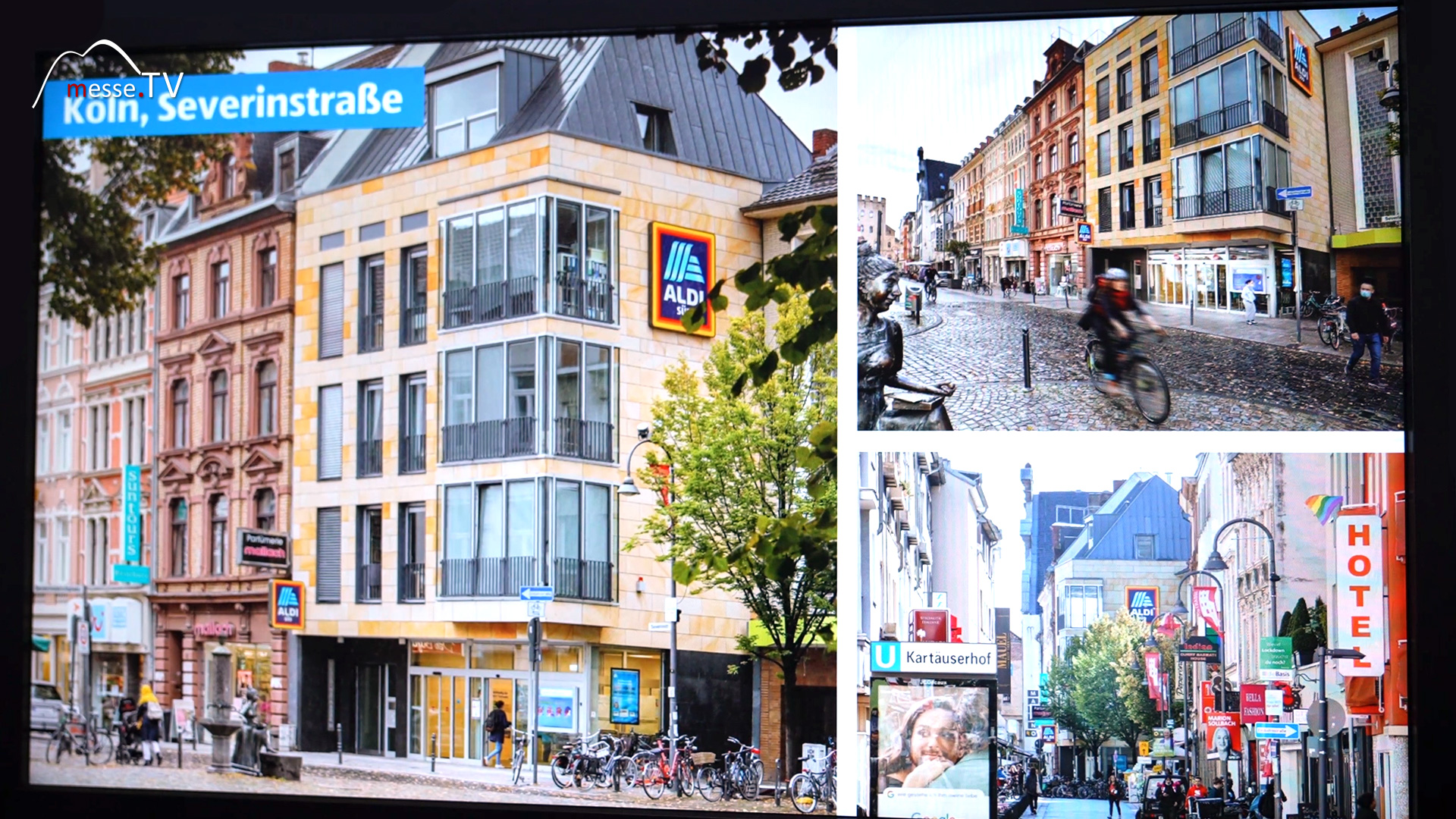
Aldi Süd Immobilienprojekte setzen auf flexible Nutzungskonzepte
Die Ausgestaltung neuer Standorte hängt stark vom jeweiligen Umfeld ab. Während im ländlichen Raum weiterhin klassische, eingeschossige Filialen dominieren, entstehen in urbanen Lagen zunehmend komplexere Gebäude. Dabei spielen sogenannte Mixed-Use-Konzepte eine zentrale Rolle. Diese Projekte kombinieren unterschiedliche Nutzungen innerhalb eines Gebäudes. Handelsflächen werden beispielsweise mit Wohnraum, Büroeinheiten oder weiteren gewerblichen Nutzungen ergänzt. Dadurch entstehen verdichtete Strukturen, die insbesondere in Städten mit begrenztem Bauland relevant sind. Die Herangehensweise ist dabei klar: Nicht jedes Projekt folgt einem festen Schema. Stattdessen wird auf lokale Rahmenbedingungen reagiert, was zu einer größeren Vielfalt an Bauformen führt. Diese Flexibilität ist ein wesentlicher Bestandteil der aktuellen Entwicklungsstrategie.
Baukostenentwicklung und Standardisierung als Steuerungsinstrument
Parallel zu den konzeptionellen Veränderungen stellt die Kostenentwicklung eine zentrale Herausforderung dar. Steigende Baupreise haben in den vergangenen Jahren zahlreiche Projekte erschwert oder verzögert. Aldi Süd begegnet diesem Trend mit einer Kombination aus Standardisierung und Vereinfachung. Durch eine reduzierte Komplexität in der Planung und klar definierte Baubeschreibungen lassen sich Prozesse besser steuern. Ergänzt wird dieser Ansatz durch digitale Werkzeuge und interne Fachkompetenz, die eine präzisere Kalkulation ermöglichen. Bemerkenswert ist, dass es gelungen ist, den Baukostenindex mehrfach zu unterbieten. Diese Entwicklung deutet darauf hin, dass sich durch strukturierte Prozesse und standardisierte Lösungen Einsparpotenziale realisieren lassen, ohne die Funktionalität der Gebäude einzuschränken.
Partnersuche als strategischer Bestandteil der Projektentwicklung
Die Suche nach geeigneten Partnern ist integraler Bestandteil der aktuellen Strategie. Dabei geht es nicht ausschließlich um Kapital oder klassische Projektentwicklung, sondern auch um den direkten Austausch mit Städten und Gemeinden. Dieser Ansatz zielt darauf ab, Projekte frühzeitig abzustimmen und Genehmigungsprozesse besser vorzubereiten. Gleichzeitig erhöht sich die Sichtbarkeit im Immobilienmarkt, was die Entwicklung neuer Standorte erleichtert. Im Fokus stehen unterschiedliche Partnergruppen:
- Investoren für langfristige Immobilienprojekte
- Projektentwickler mit regionaler Expertise
- Kommunen als zentrale Genehmigungsinstanz
- Netzwerke zur frühzeitigen Standortentwicklung
Genehmigungsprozesse als Engpass im Bauablauf
Ein wiederkehrendes Thema in der Projektentwicklung sind langwierige Genehmigungsverfahren. Bauanträge durchlaufen zahlreiche Stellen, oft in parallelen oder sequenziellen Abläufen. Diese Prozesse sind nicht nur zeitaufwendig, sondern auch organisatorisch anspruchsvoll. In der Praxis zeigt sich, dass viele Verfahren noch nicht durchgängig digitalisiert sind. Zwar existieren erste Ansätze in einzelnen Kommunen, doch häufig enden diese in analogen Zwischenschritten. Dadurch gehen Effizienzgewinne verloren. Hinzu kommt ein strukturelles Problem: In vielen Behörden fehlt es an personellen Ressourcen. Das führt zu Verzögerungen, die sich direkt auf Projektlaufzeiten auswirken. Eine Beschleunigung dieser Abläufe gilt daher als zentraler Hebel für die Bauwirtschaft.
Digitalisierung und Bürokratieabbau als entscheidende Faktoren
Die Diskussion um schnellere Bauprozesse ist eng mit dem Thema Digitalisierung verbunden. Ein durchgängiger digitaler Genehmigungsprozess könnte viele Abläufe vereinfachen und transparenter machen. Aktuell fehlt jedoch häufig die vollständige Umsetzung. Aldi Süd sieht hier einen klaren Bedarf an Reformen. Neben digitalen Lösungen wird auch ein Abbau bürokratischer Hürden gefordert. Gemeint ist damit nicht die Reduzierung von Standards, sondern eine effizientere Organisation der Verfahren. Andere Länder zeigen, dass schnellere und stärker digitalisierte Prozesse möglich sind. Der Vergleich verdeutlicht, dass in Deutschland noch Entwicklungspotenzial besteht.
Marktumfeld und Perspektiven für neue Projekte
Nach einer Phase erhöhter Unsicherheit deutet sich im Immobilienmarkt eine Stabilisierung an. Zinsentwicklungen und wirtschaftliche Rahmenbedingungen spielen dabei eine entscheidende Rolle. Mit zunehmender Planungssicherheit steigt auch die Bereitschaft, neue Projekte umzusetzen. Für Aldi Süd bedeutet das eine mögliche Ausweitung des Projektvolumens. Voraussetzung bleibt jedoch ein Umfeld, das Investitionen unterstützt – sowohl durch wirtschaftliche als auch durch administrative Rahmenbedingungen. Die Entwicklung zeigt, dass der Lebensmitteleinzelhandel seine Rolle im Immobilienmarkt neu definiert. Neben der Versorgung mit Waren tritt zunehmend die Fähigkeit in den Vordergrund, komplexe Bauprojekte zu realisieren und an unterschiedliche Anforderungen anzupassen.






Messe-Berichterstattung bundesweit - Messewissen, Termine & Veranstaltungen


