Gebäude Daten Analyse System für Energieeffizienz und Betrieb
von Andreas Bergmeier - 2024-10-18Gebäude erzeugen kontinuierlich Daten – aus Sensoren, Steuerungen und technischen Anlagen. Lange Zeit blieben diese Informationen ungenutzt oder wurden nur punktuell ausgewertet.
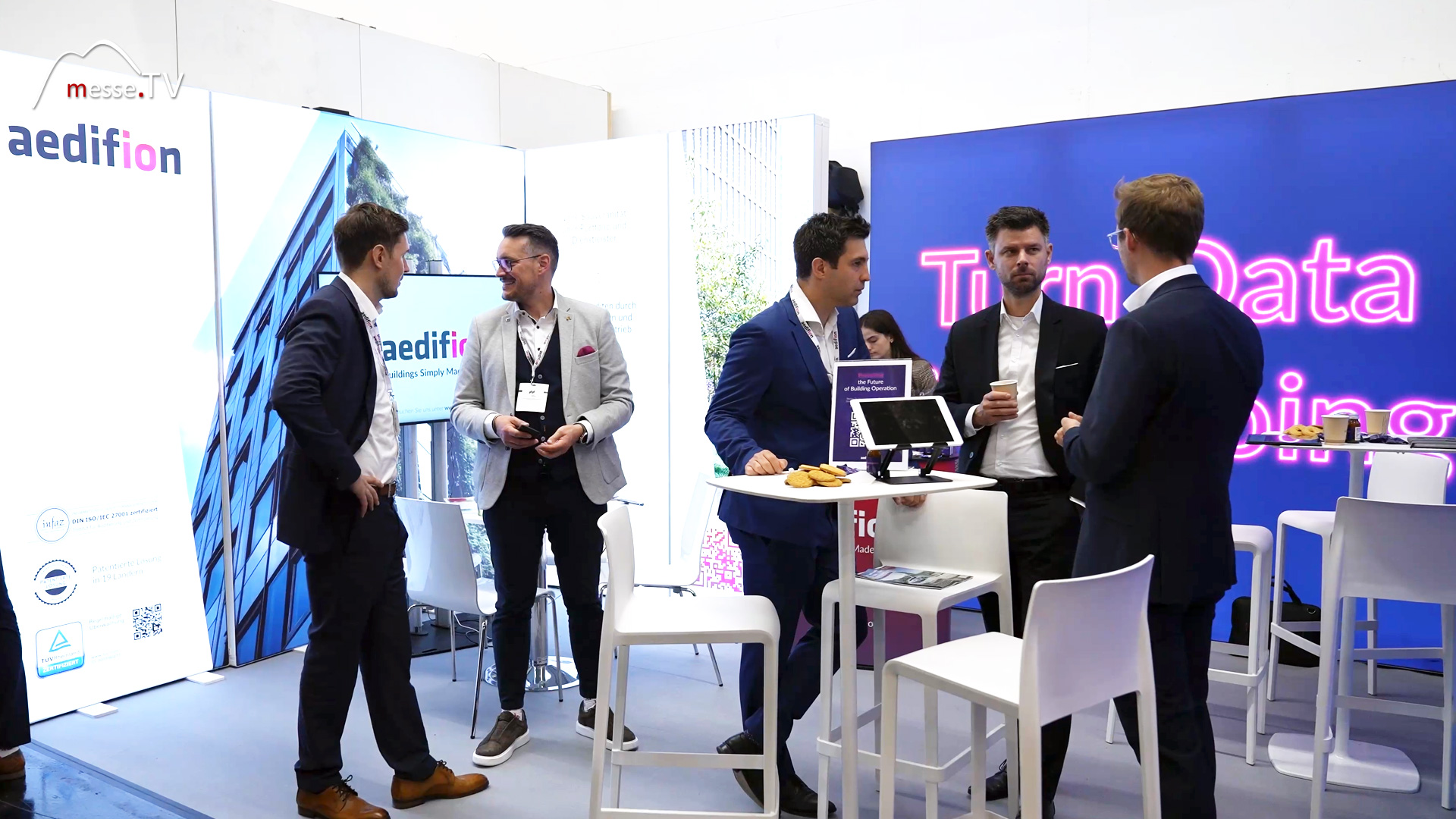
Mit digitalen Plattformen verändert sich dieser Umgang grundlegend. Das Unternehmen Aedifion setzt genau hier an und nutzt bestehende Datenströme, um den Betrieb von Gebäuden systematisch zu analysieren und zu optimieren. Im Kern steht dabei kein zusätzlicher Hardwareaufbau, sondern die Nutzung vorhandener Infrastruktur. Daten aus Gebäudeautomation und Anlagentechnik werden ausgelesen, in einer Cloud zusammengeführt und dort mit Algorithmen verarbeitet. Ziel ist es, aus bestehenden Systemen mehr Effizienz herauszuholen.
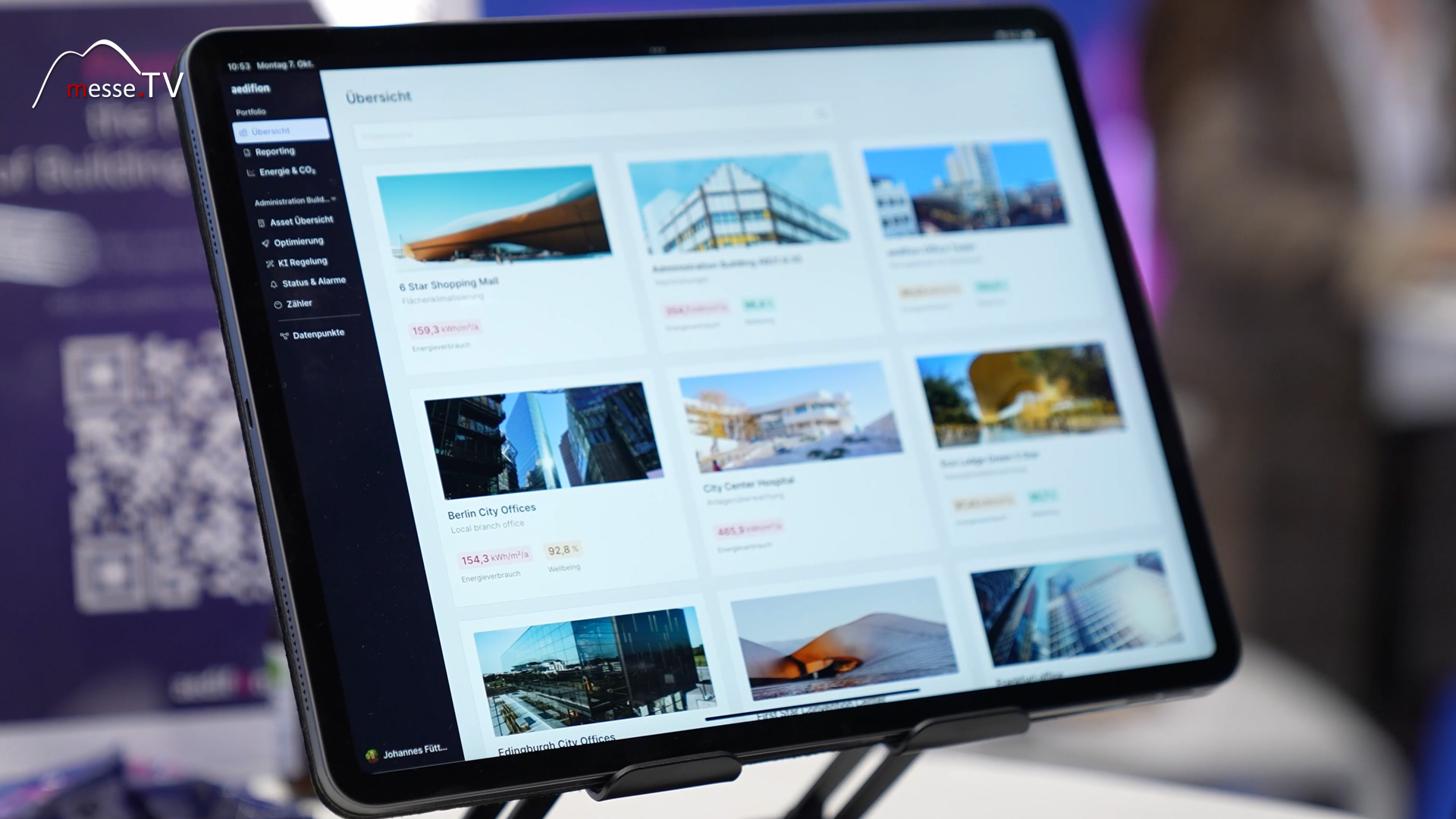

Aedifion Plattform analysiert Daten aus Gebäude und Anlagen
Die Grundlage bildet die kontinuierliche Erfassung von Datenpunkten. Je nach Gebäudegröße entstehen dabei mehrere tausend bis hin zu über hunderttausend einzelne Messwerte. Diese werden in hoher Frequenz aufgenommen und mit Metadaten versehen. Typische Quellen sind:
- raumlufttechnische Anlagen
- Wärmepumpen und Heizsysteme
- Sensoren für Temperatur und Betriebszustände
- Aktoren innerhalb der Gebäudeautomation
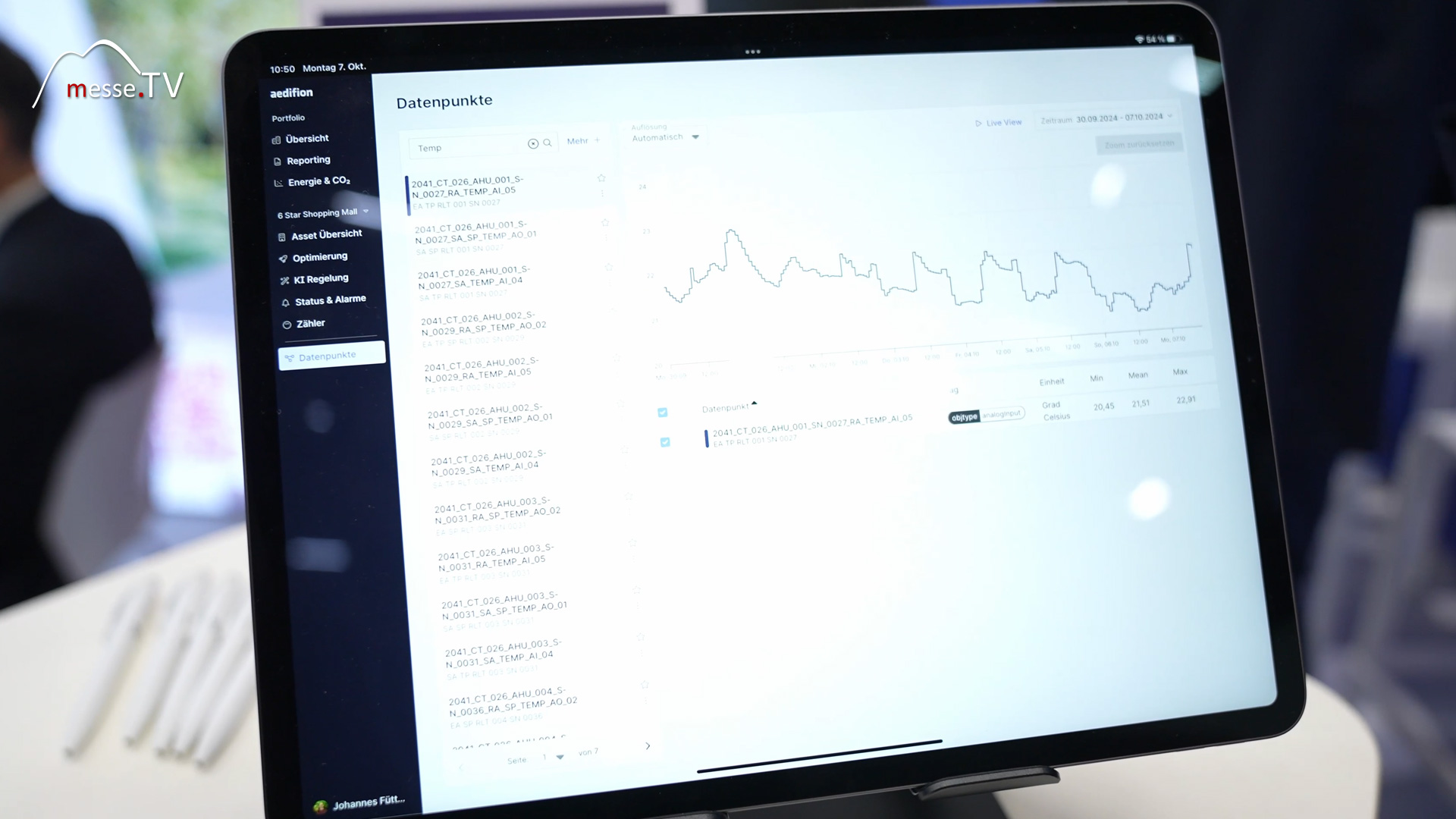
Digitale Zwillinge ermöglichen präzise Auswertung
Auf Basis der gesammelten Daten erstellt das System digitale Abbilder der Anlagen. Diese sogenannten digitalen Zwillinge bilden das reale Verhalten der technischen Systeme im Gebäude ab. Sie ermöglichen es, Abweichungen vom optimalen Betrieb zu erkennen. Die Analyse erfolgt automatisiert. Algorithmen prüfen kontinuierlich, ob Anlagen im vorgesehenen Modus laufen oder ob es Auffälligkeiten gibt. Wird ein Problem identifiziert, liefert das System konkrete Handlungsempfehlungen. Das kann etwa bedeuten, dass ein Sensor defekt ist oder dass Betriebszeiten nicht mit der tatsächlichen Nutzung eines Gebäudes übereinstimmen. Statt abstrakter Kennzahlen erhalten Betreiber klare Hinweise, welche Maßnahmen notwendig sind.


Direkte Steuerung des Gebäudes aus der Cloud
Über die reine Analyse hinaus ermöglicht die Plattform auch Eingriffe in den Betrieb. Die Steuerung erfolgt direkt aus der Cloud heraus und basiert auf verschiedenen Einflussfaktoren. Dazu gehören unter anderem:
- wetterabhängige Steuerung von Anlagen
- an der Nutzung orientierte Betriebszeiten
- Integration von Netzsignalen im Energiemanagement
- Anpassung an Lastspitzen und Demand-Zeitfenster
Regulierung als Treiber für digitale Gebäudeoptimierung
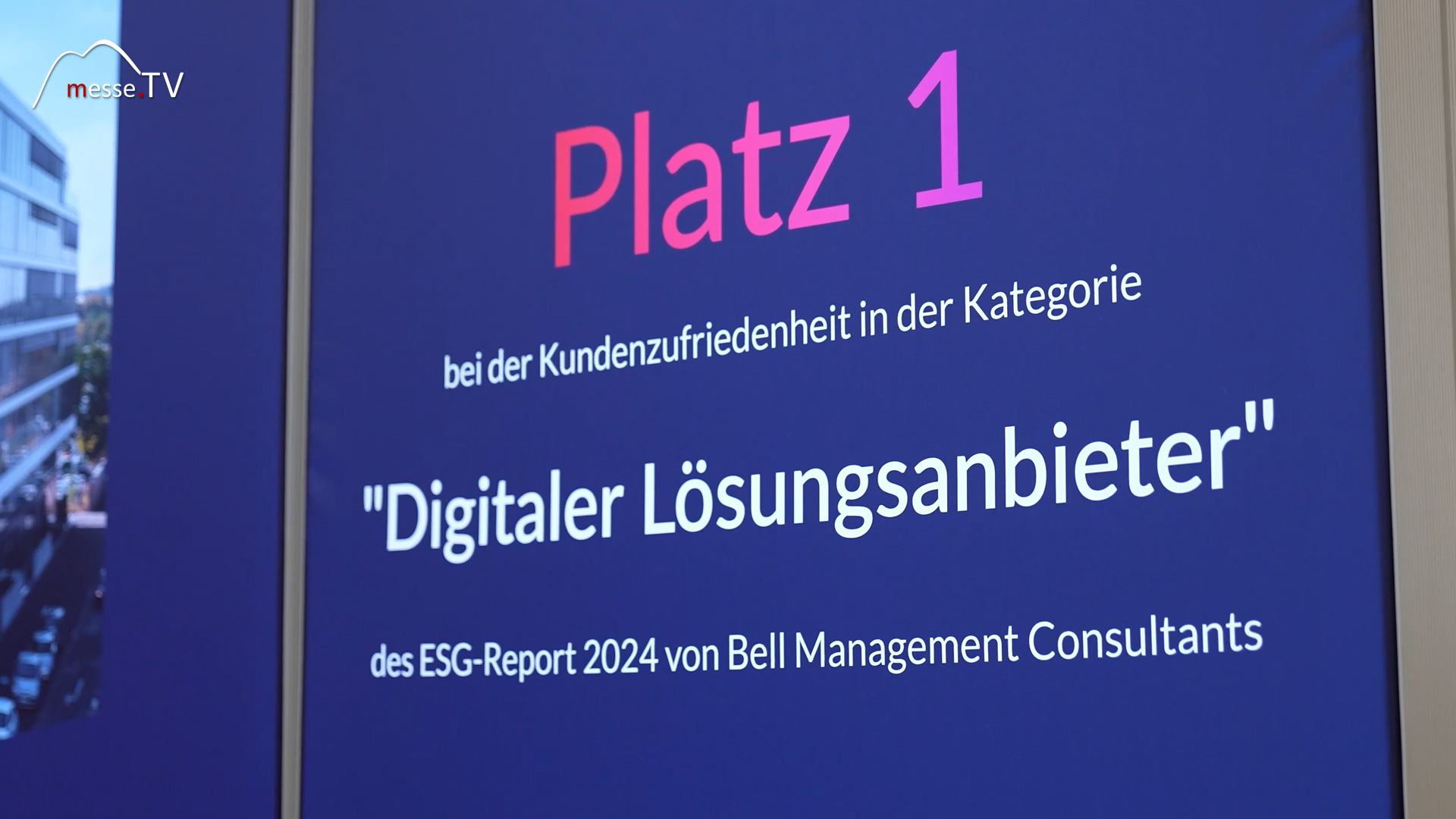
Ein wesentlicher Faktor für die zunehmende Verbreitung solcher Systeme ist die regulatorische Entwicklung. In Deutschland etwa greift das Gebäudeenergiegesetz für größere Anlagen mit einer kombinierten Leistung ab 290 Kilowatt. Auf europäischer Ebene setzt die EPBD vergleichbare Rahmenbedingungen. Diese Vorgaben erhöhen den Druck auf Betreiber, ihre Gebäude effizienter zu betreiben und Energieverbräuche transparent zu machen. Systeme wie das von Aedifion liefern dafür die notwendige Datengrundlage und unterstützen bei der Einhaltung der Anforderungen. Bemerkenswert ist, dass entsprechende Lösungen bereits zertifiziert sind und damit als Nachweis für regulatorische Vorgaben dienen können. Für Betreiber entsteht dadurch eine direkte Verbindung zwischen technischer Optimierung und rechtlicher Compliance.
Wirtschaftliche Bedeutung und Marktumfeld
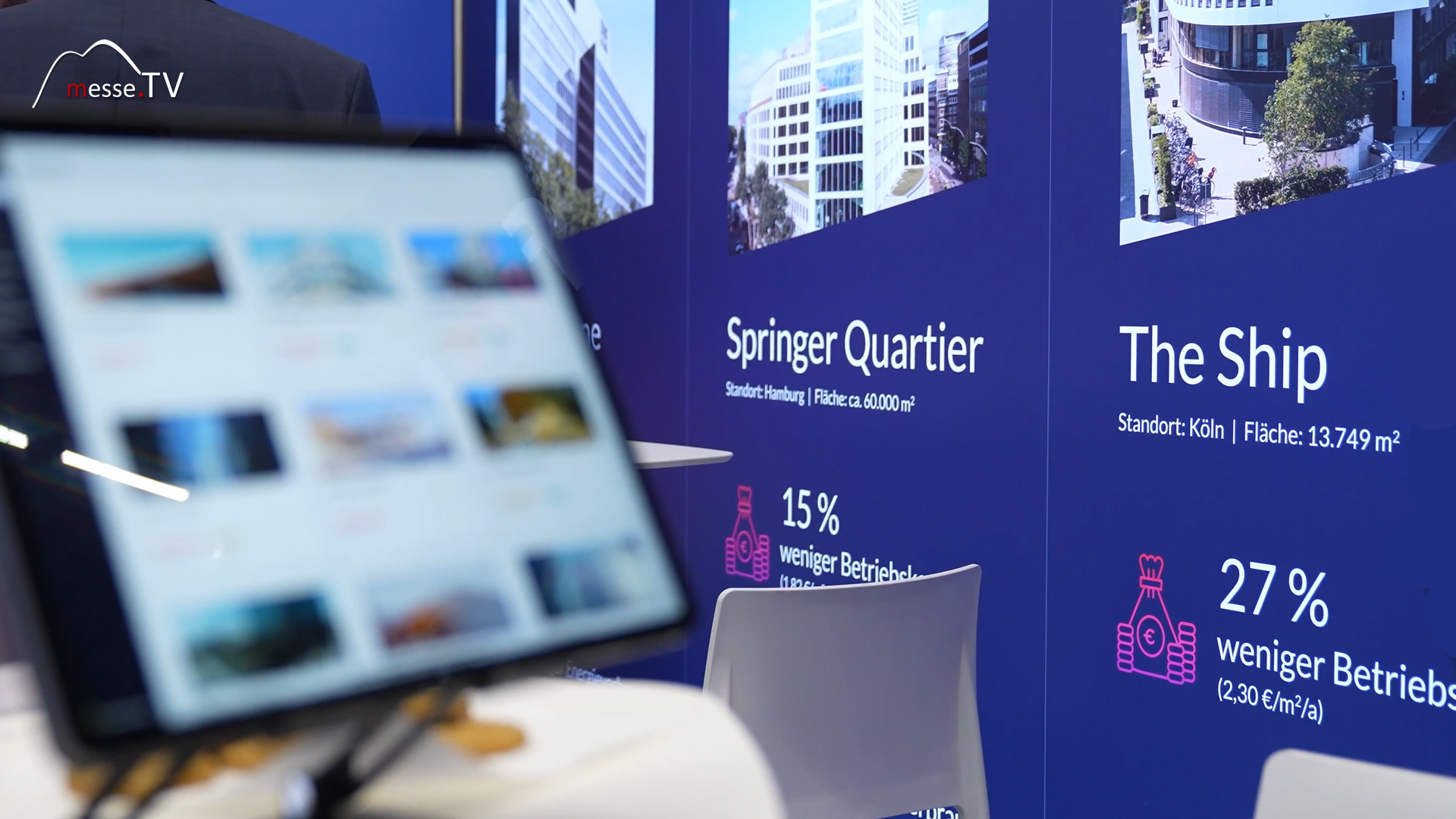
Die Digitalisierung von Gebäuden entwickelt sich zunehmend von einem optionalen Thema zu einer betrieblichen Notwendigkeit. Steigende Energiekosten und strengere gesetzliche Anforderungen führen dazu, dass Effizienzpotenziale systematisch erschlossen werden müssen. Für Anbieter wie Aedifion entsteht daraus ein wachsender Markt. Gleichzeitig profitieren Betreiber von einer besseren Transparenz und planbaren Einsparungen. Die Investition in digitale Analyse- und Steuerungssysteme lässt sich damit nicht nur technisch, sondern auch wirtschaftlich begründen. Auffällig ist dabei, dass viele Optimierungspotenziale bereits in bestehenden Anlagen liegen. Es geht weniger um Neubau oder vollständige Modernisierung, sondern um die intelligente Nutzung vorhandener Systeme. Genau an diesem Punkt setzt die datenbasierte Optimierung an und verschiebt den Fokus von Hardware hin zu Software und Analyse.






Messe-Berichterstattung bundesweit - Messewissen, Termine & Veranstaltungen


