Long-term storage is set to make more renewable energy usable
by A. Bergmeier - 2026-07-14As wind power and photovoltaics expand, the role of stationary battery storage is also changing. Whilst lithium-ion systems with short storage times currently dominate the market, there is a growing need for technologies that can store electricity for significantly longer periods.
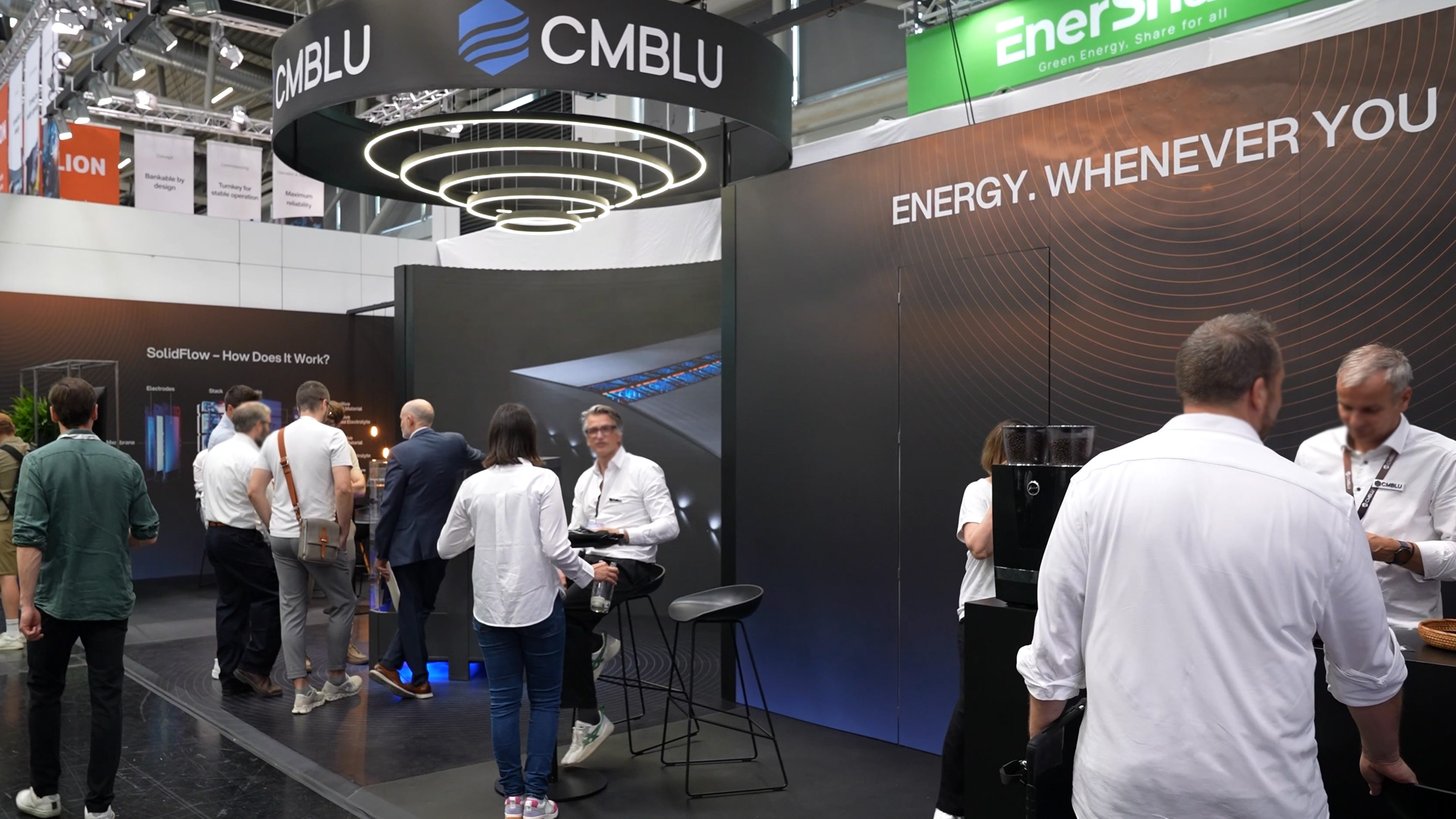
This is driven by increasing periods of high feed-in volumes from renewable energy sources, coupled with low or even negative electricity prices. At ees Europe in Munich, Cmblu presented a modular long-term storage system developed specifically to meet these requirements. Instead of lithium, the company relies on organic materials and flow battery technology designed for long storage times and a regional supply of raw materials.
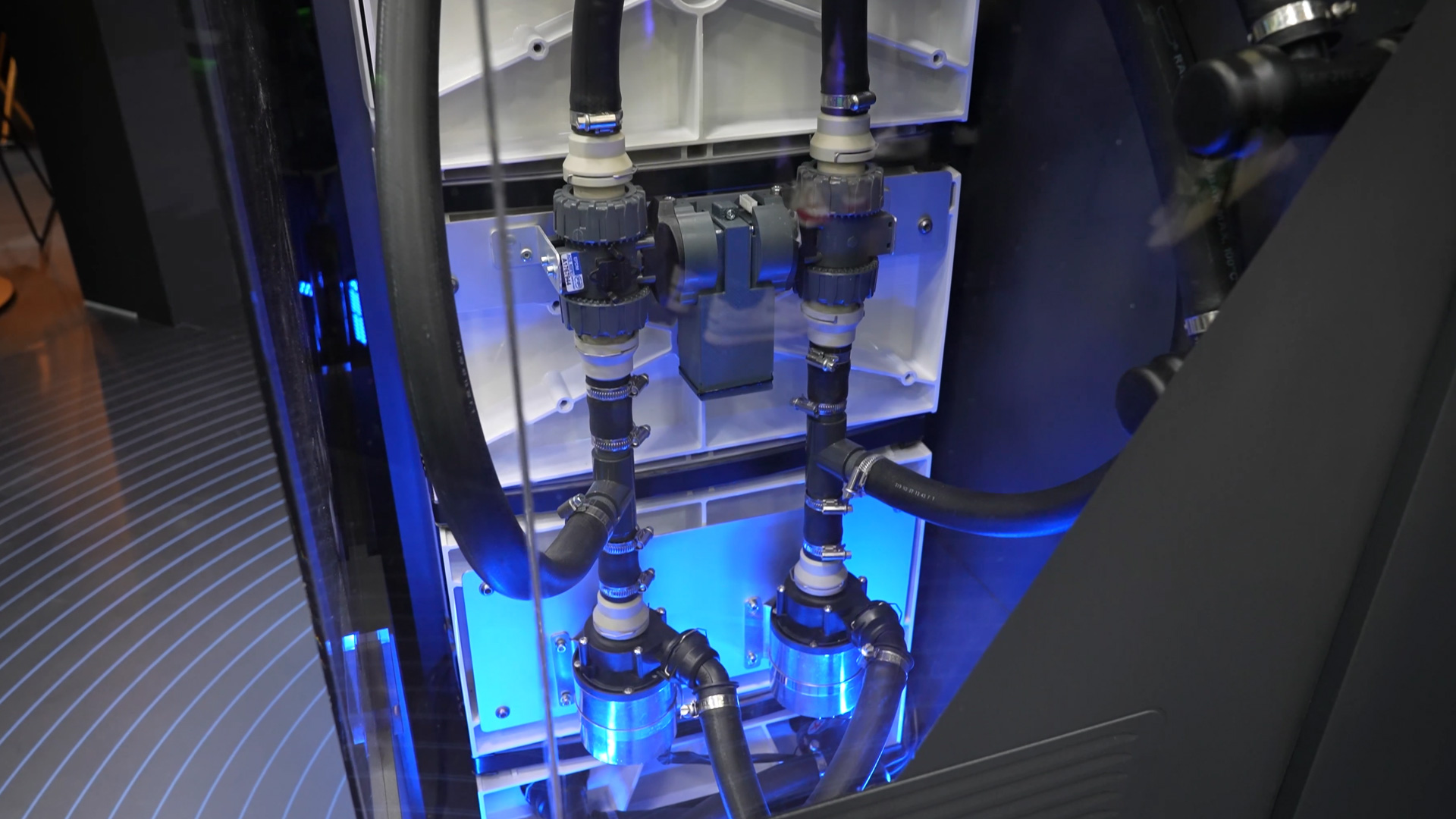
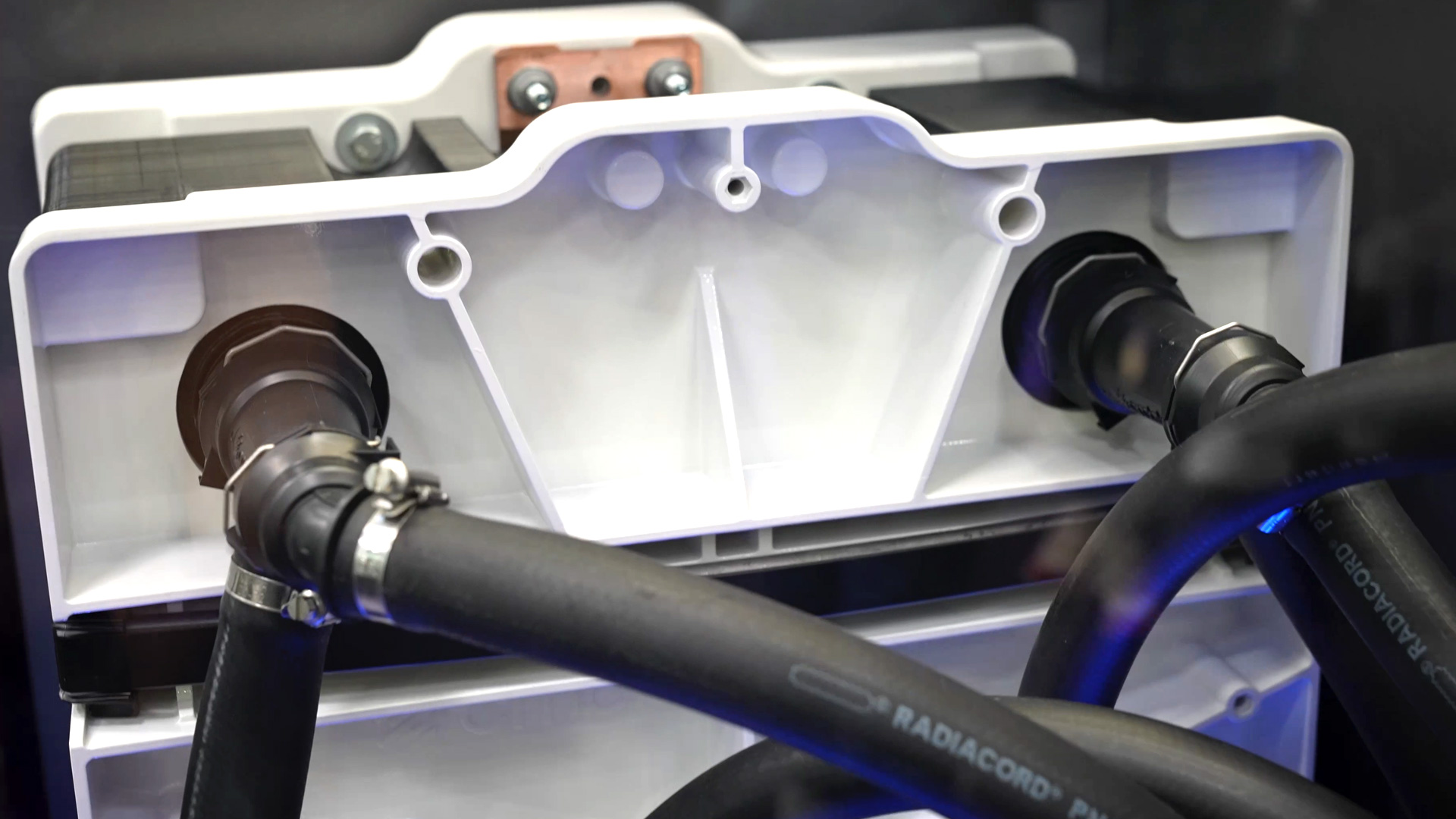
Cmblu is developing modular flow batteries for utility-scale installations
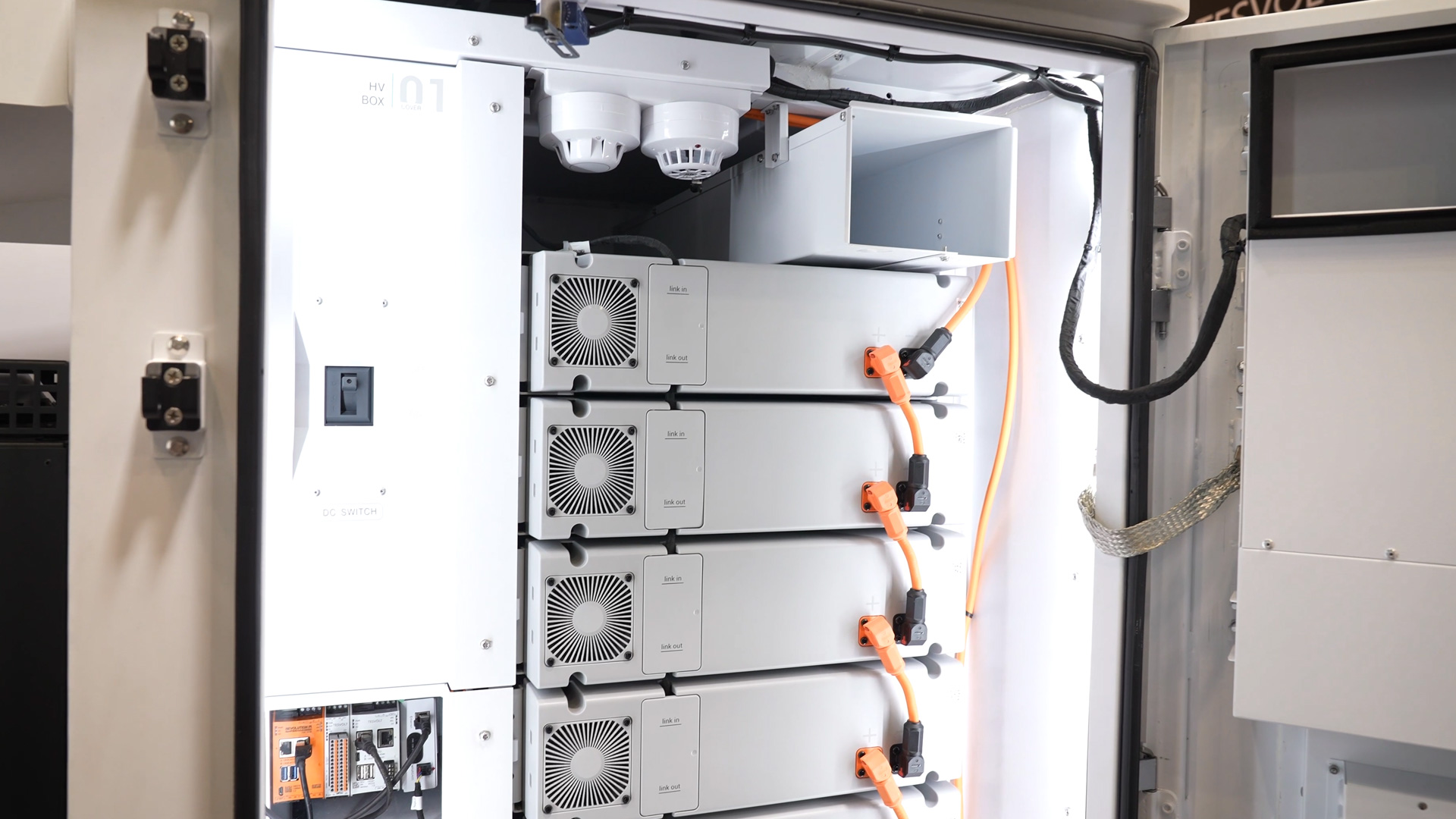
The module presented at the trade fair forms the basis for large stationary battery storage systems in the utility-scale sector. Several units can be combined to form high-capacity storage systems. The focus here is not on maximum power output over short periods, but on the ability to store renewable energy for up to ten hours and make it available again later. This approach therefore differs significantly from many of the large-scale lithium-ion storage systems installed today, which are often designed for two to four hours. According to Cmblu, the longer storage times are intended, in particular, to help make economic use of extended periods of negative electricity prices and to fully absorb surplus energy. The technology is intended exclusively for stationary applications. Use in electric vehicles is not envisaged due to the different requirements regarding energy density and size.
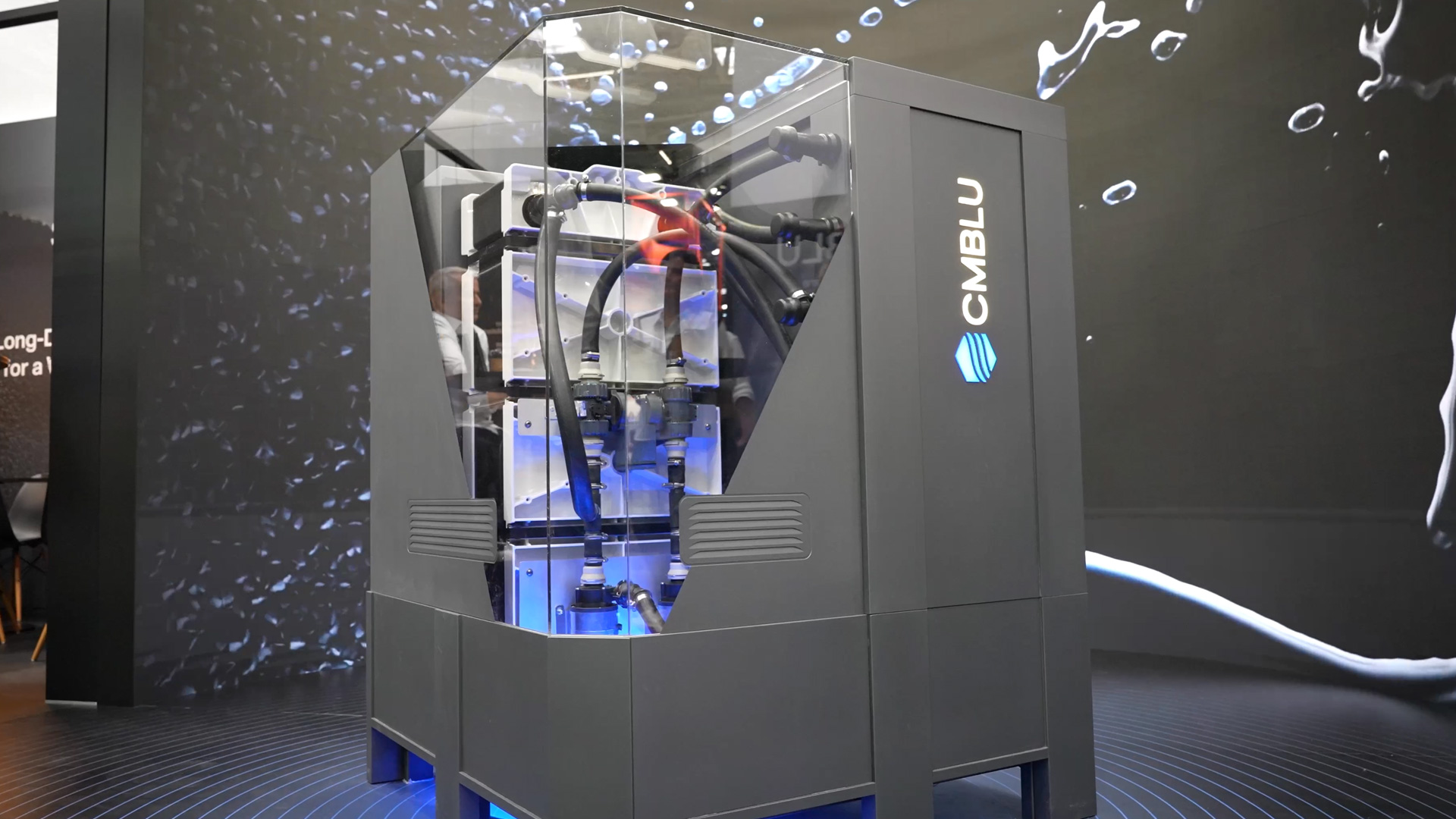
Organic materials replace lithium and rare raw materials
A key difference lies in the materials used. The energy storage systems use organic polymers as active solids and organic electrolytes. As a result, the system does not require lithium or other critical raw materials. According to the company, many of the materials used can be sourced regionally. This reduces dependence on international supply chains and potential trade restrictions. At the same time, production does not require cleanroom technology, as is necessary for the manufacture of conventional lithium-ion cells. Instead, much of the manufacturing can be carried out using processes already familiar from the automotive industry. The key features of the storage system include:
- Storage duration of up to ten hours
- organic materials instead of lithium
- non-flammable flow battery technology
- modular design for large-scale storage facilities
- regional supply of raw materials and industrial manufacturing
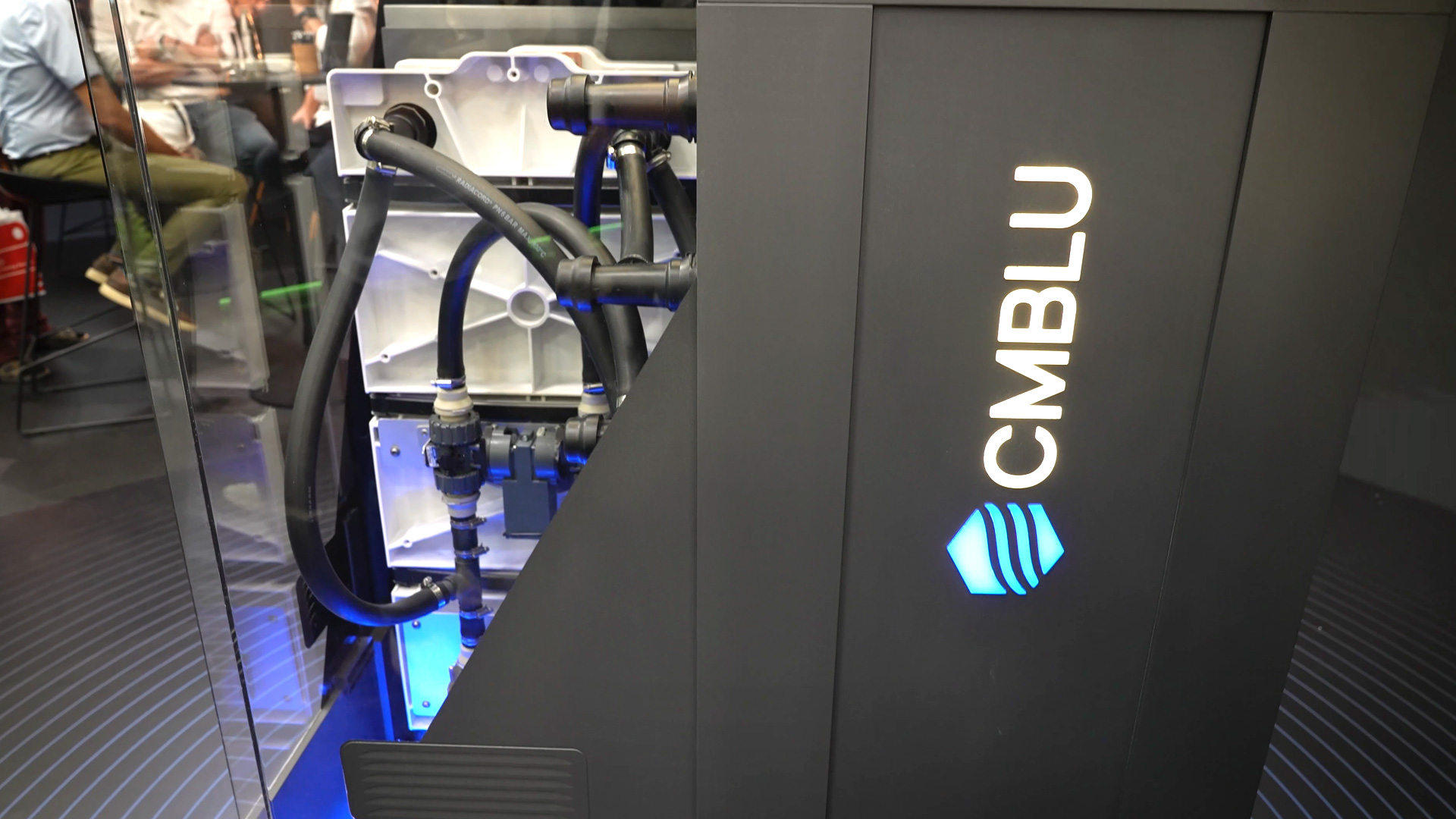
Flow batteries have different priorities to lithium-ion
However, the technology also has its limitations. Flow batteries do not achieve the round-trip efficiency of modern lithium-ion storage systems. Whilst lithium-ion systems can achieve efficiencies of around 95 per cent, the target efficiency for the technology presented here is around 75 per cent. According to Cmblu’s assessment, this disadvantage is less significant in applications involving renewable energy. What is far more crucial, it argues, is that significantly longer storage times become possible. Although operators require larger storage facilities for this, they gain the ability to store considerably larger quantities of energy in return. This can bring economic benefits, particularly during long periods of very low or negative electricity prices on the wholesale market. Whilst a conventional short-term storage system is fully charged after just a few hours, a long-term storage system is designed to be able to absorb surplus electricity over longer periods.
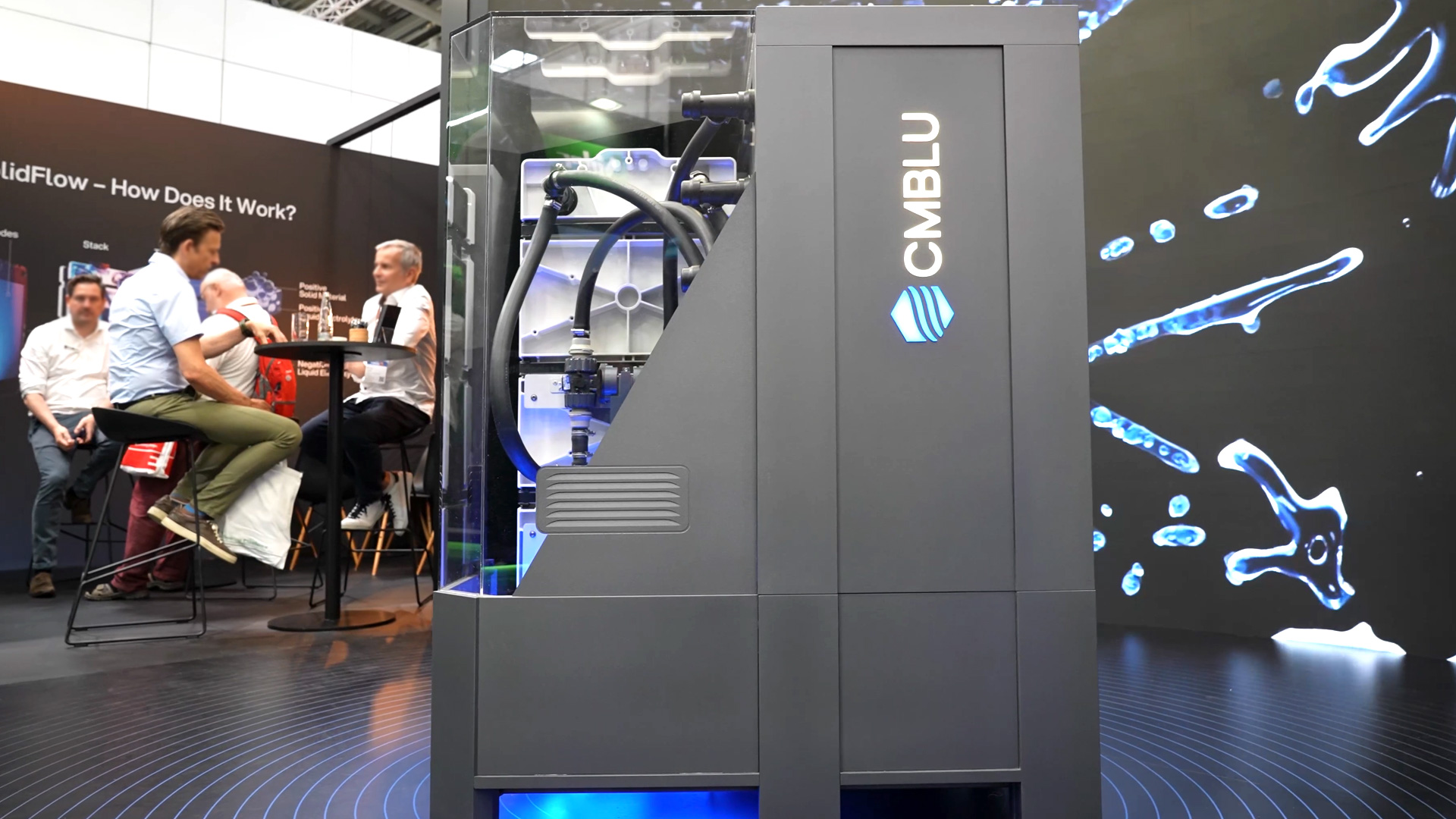
CmbLu sees applications ranging from data centres to grid stability
The planned applications range from data centres and industrial ‘behind-the-meter’ projects to large-scale storage systems that support the grid. Pilot projects are already being prepared in collaboration with industry partners. Furthermore, according to the company, it is working with energy suppliers on applications to stabilise the electricity grids. In particular, the increasing expansion of renewable energy is changing the requirements for stationary storage systems. Wind and solar power are not available continuously. At the same time, there are increasingly frequent periods of very high electricity production and correspondingly low market prices. Storage systems must therefore not only balance out short-term load peaks, but also keep energy economically available over many hours.
Long-term storage is gaining in importance with the expansion of renewable energy
According to the company’s assessment, long storage durations will become increasingly important in the coming years. This is driven not only by economic developments in the electricity market, but also by geopolitical changes. Regional supply chains, reduced dependence on raw materials and a secure energy supply are coming more into focus. The technology presented is still in an early market phase and is to be further tested in pilot plants initially. At the same time, this approach demonstrates that competition in the field of large-scale stationary storage is becoming increasingly diverse. Whilst lithium-ion systems continue to capitalise on their strengths in terms of high efficiency and short storage cycles, long-term storage based on organic flow batteries could offer advantages in the future where renewable energy needs to remain flexibly available for many hours.
Trade fair reporting Germany - Trade fair knowledge, dates & events


