T-CAGE coordination training – key to therapy, prevention and rehabilitation
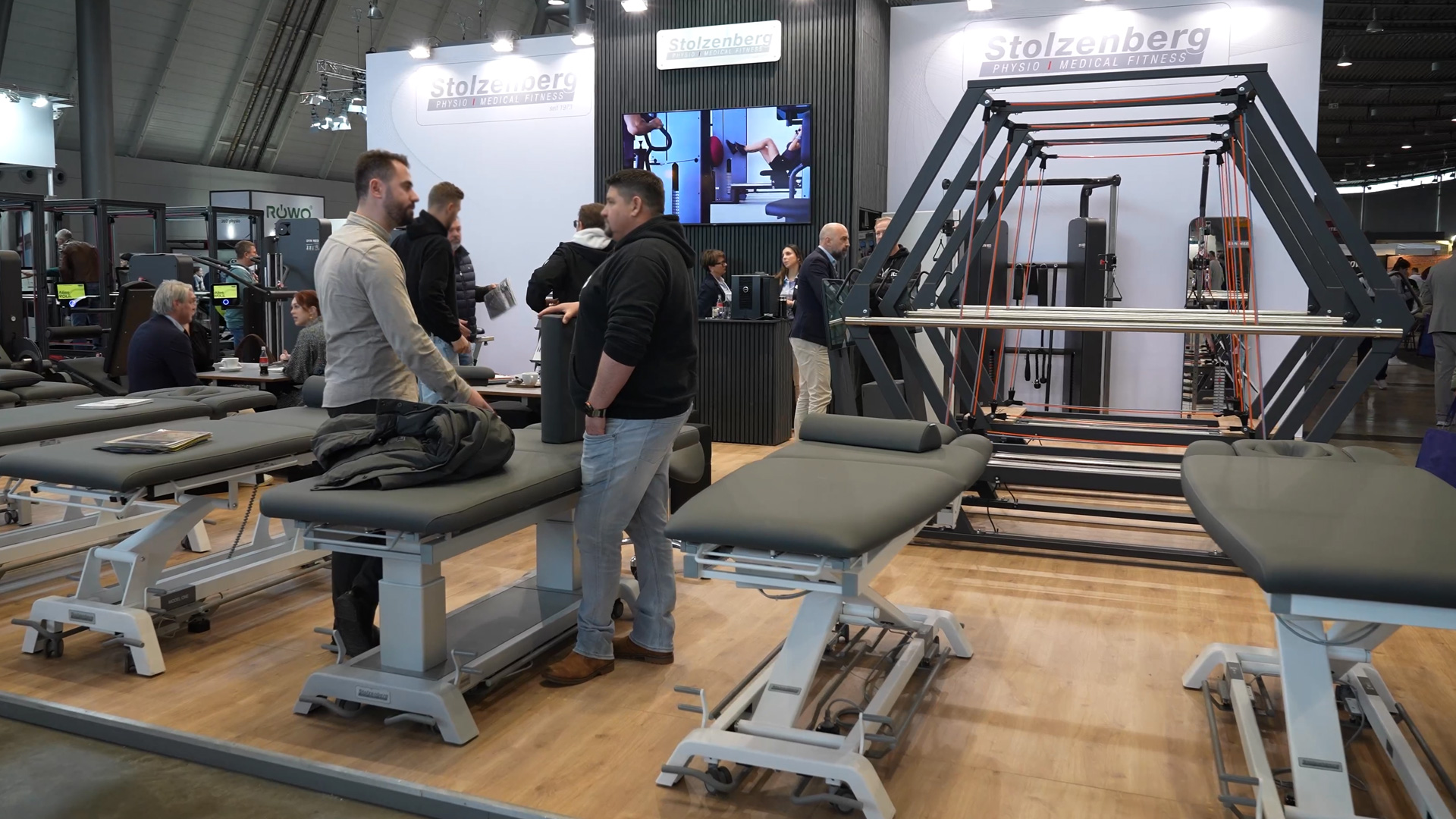
by F. Zuber - 2026-02-02At Therapro 2026, the spotlight will be on a training device that deliberately sets itself apart from classic strength or endurance solutions. With the T-CAGE, Stolzenberg presents a system that understands coordination as a central component of therapy, prevention and performance-oriented training. The approach is both medically sound and practical: the device can be used as a medical product, can be integrated into therapeutic concepts and at the same time appeals to target groups that go far beyond the field of rehabilitation.
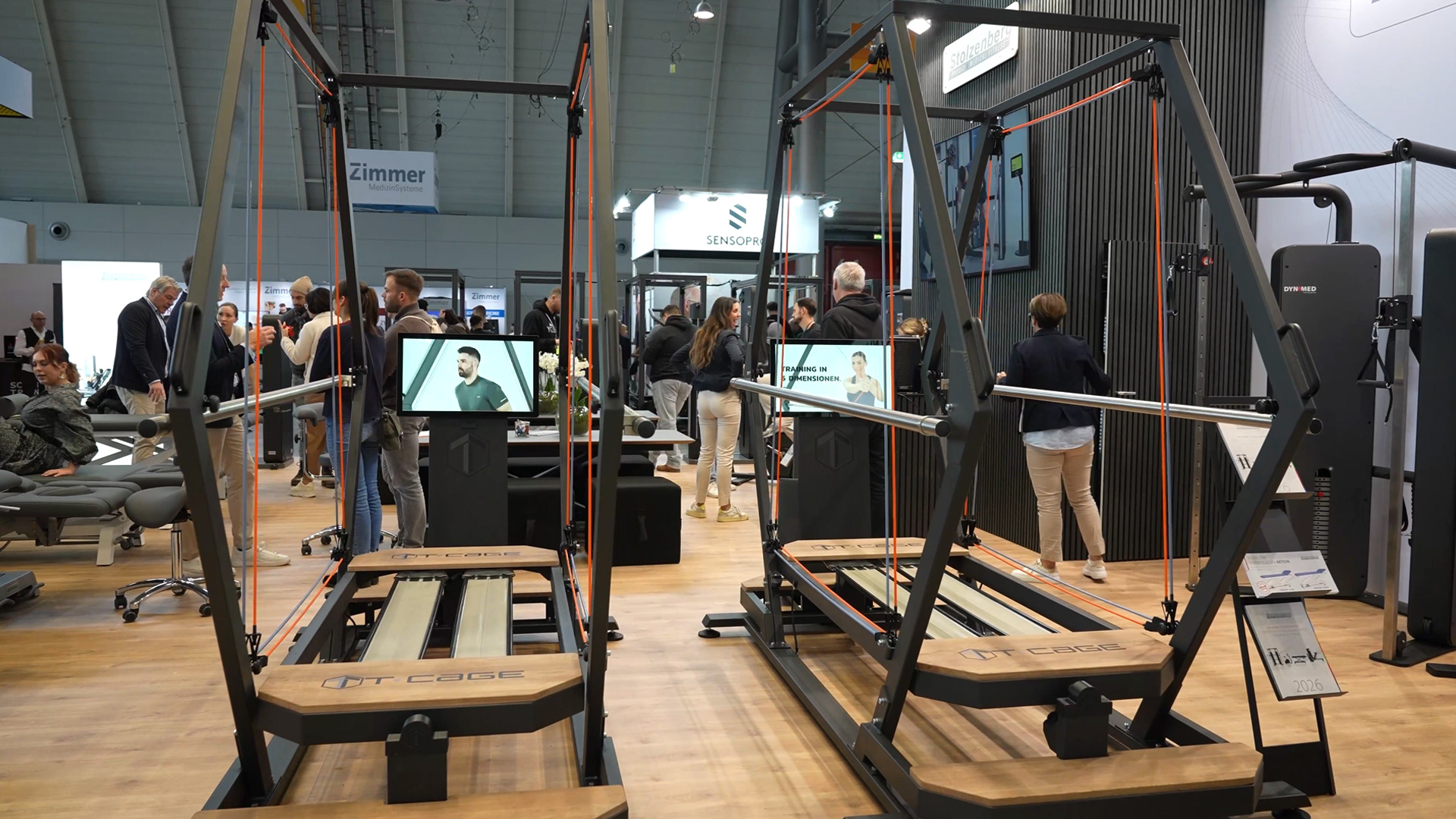
The T-CAGE is not designed as just another piece of fitness equipment, but as a training environment in which movement, balance and cognitive requirements interact simultaneously. This is precisely what makes it so special. While many training systems address strength or endurance in isolation, this device focuses on the interface between motor control and neural activation. Coordination is not seen as a side effect, but as an independent training focus.
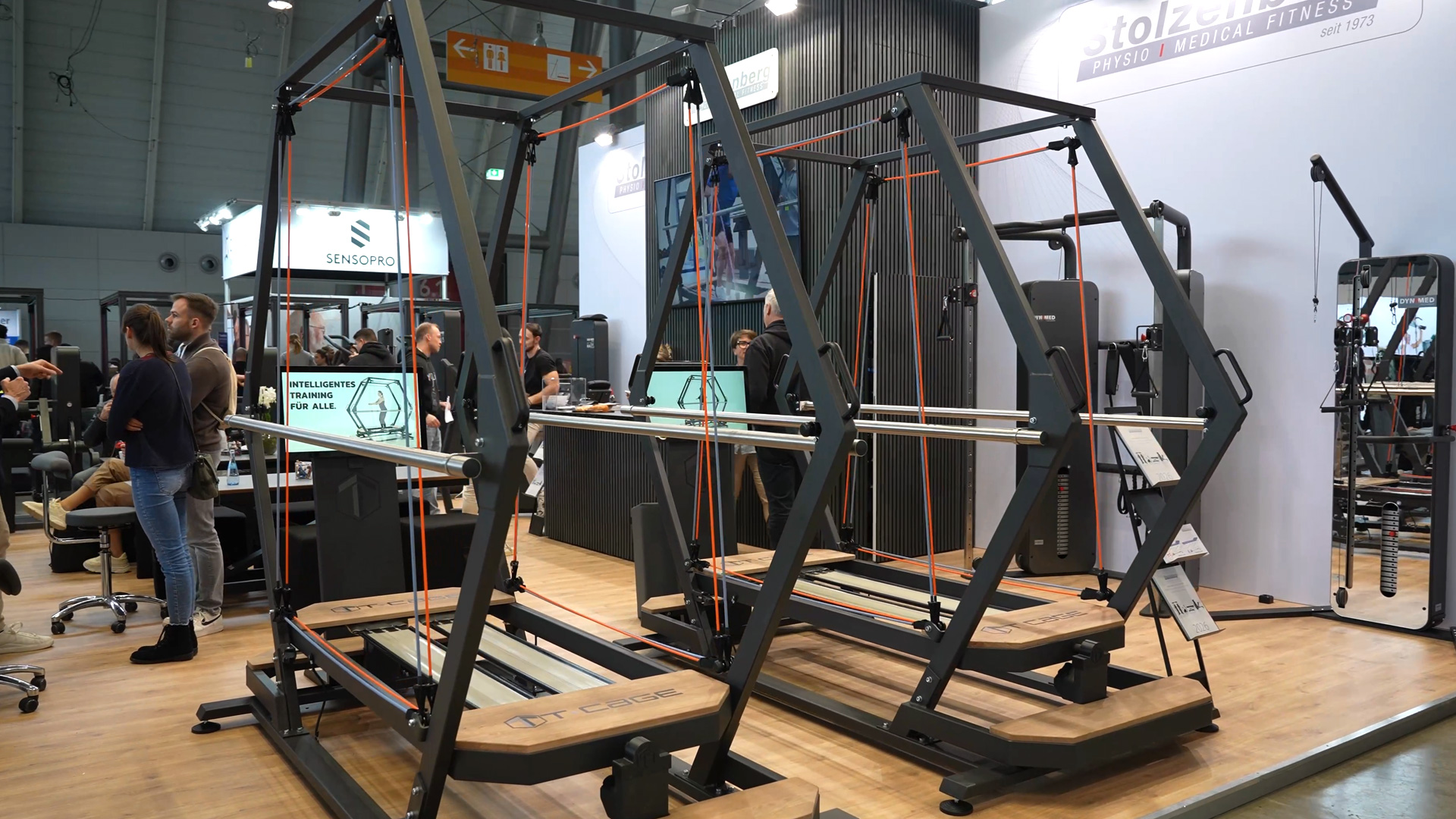

T-CAGE – a device for therapy, rehabilitation and competitive sports
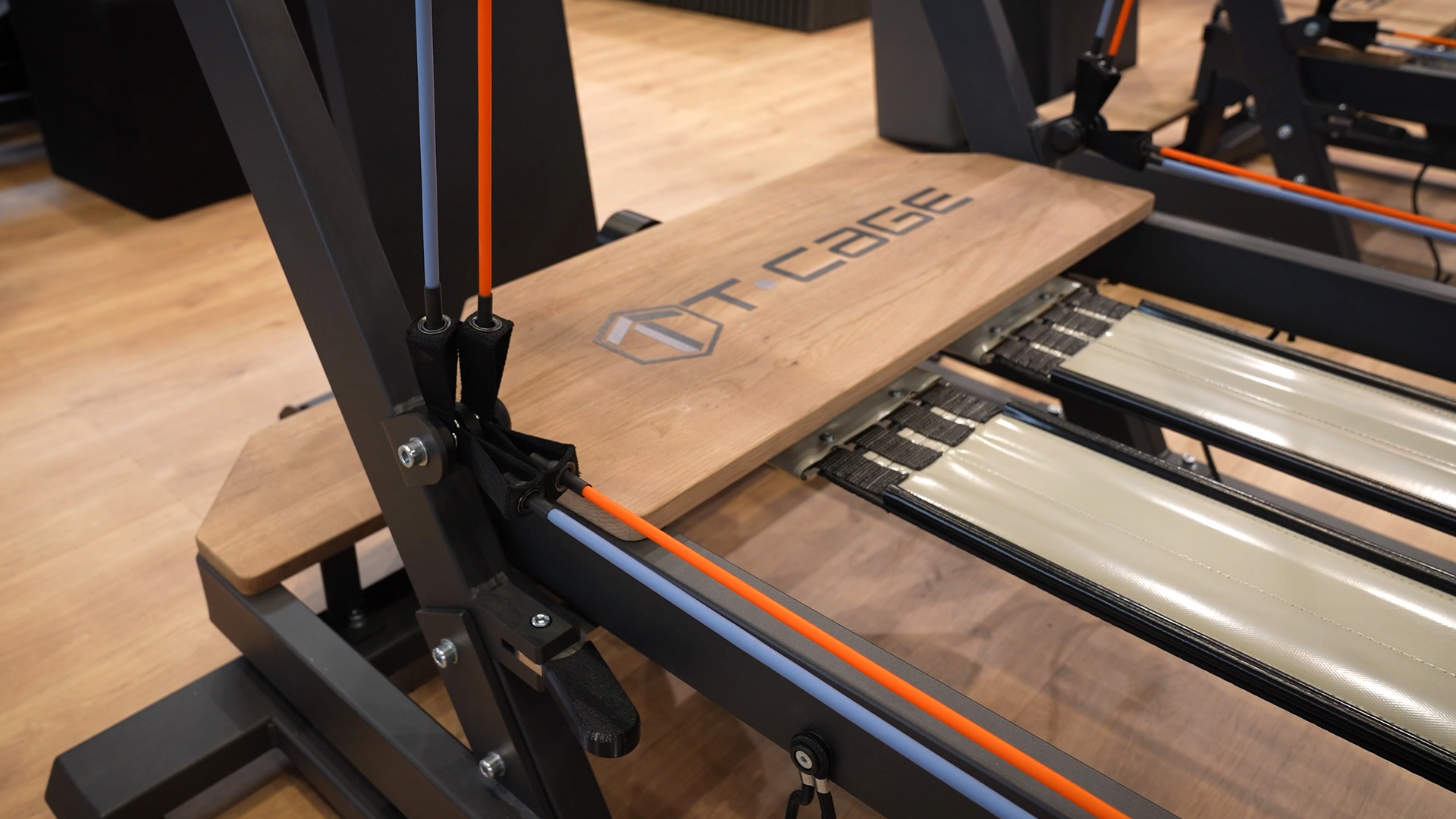
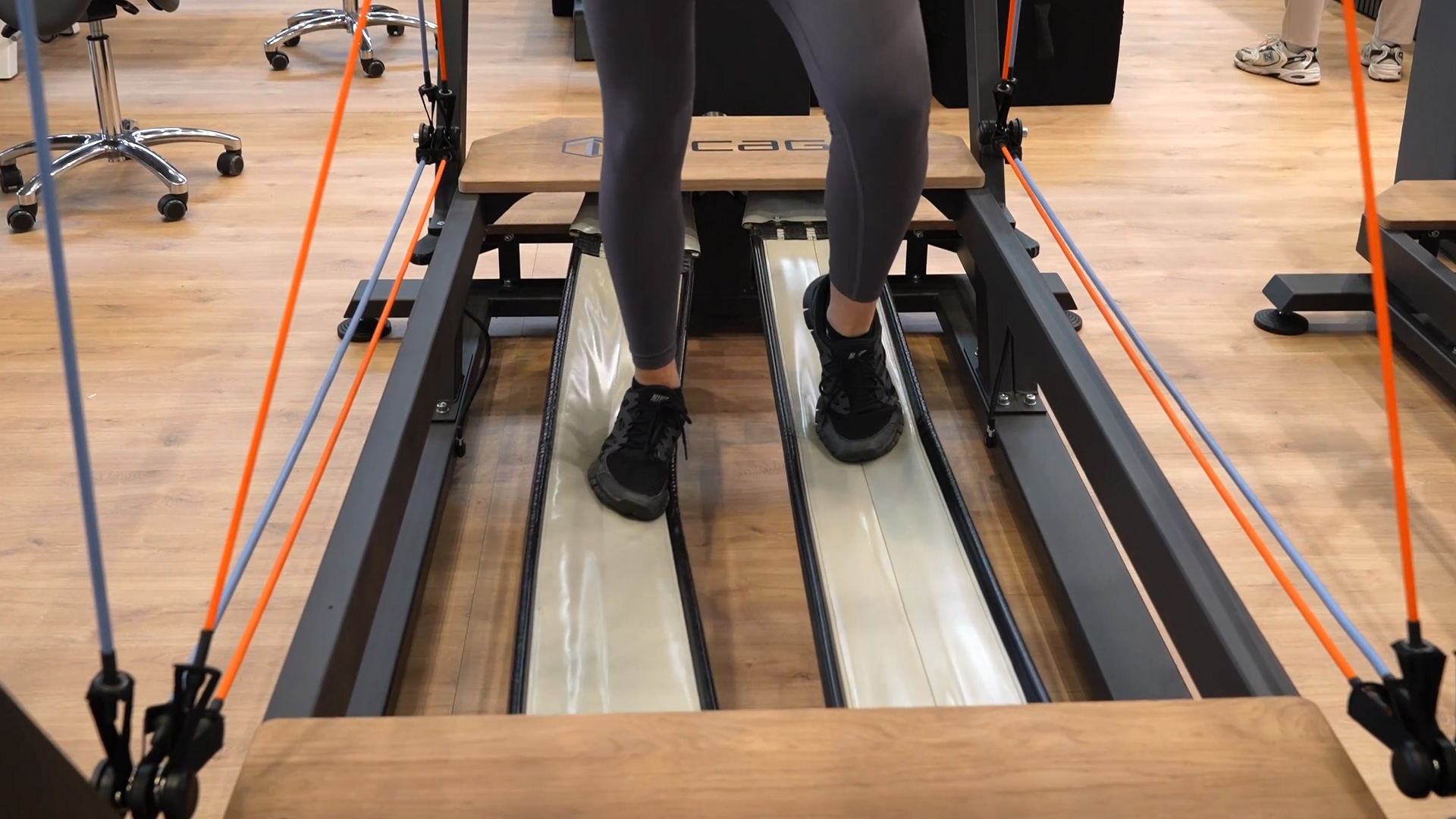
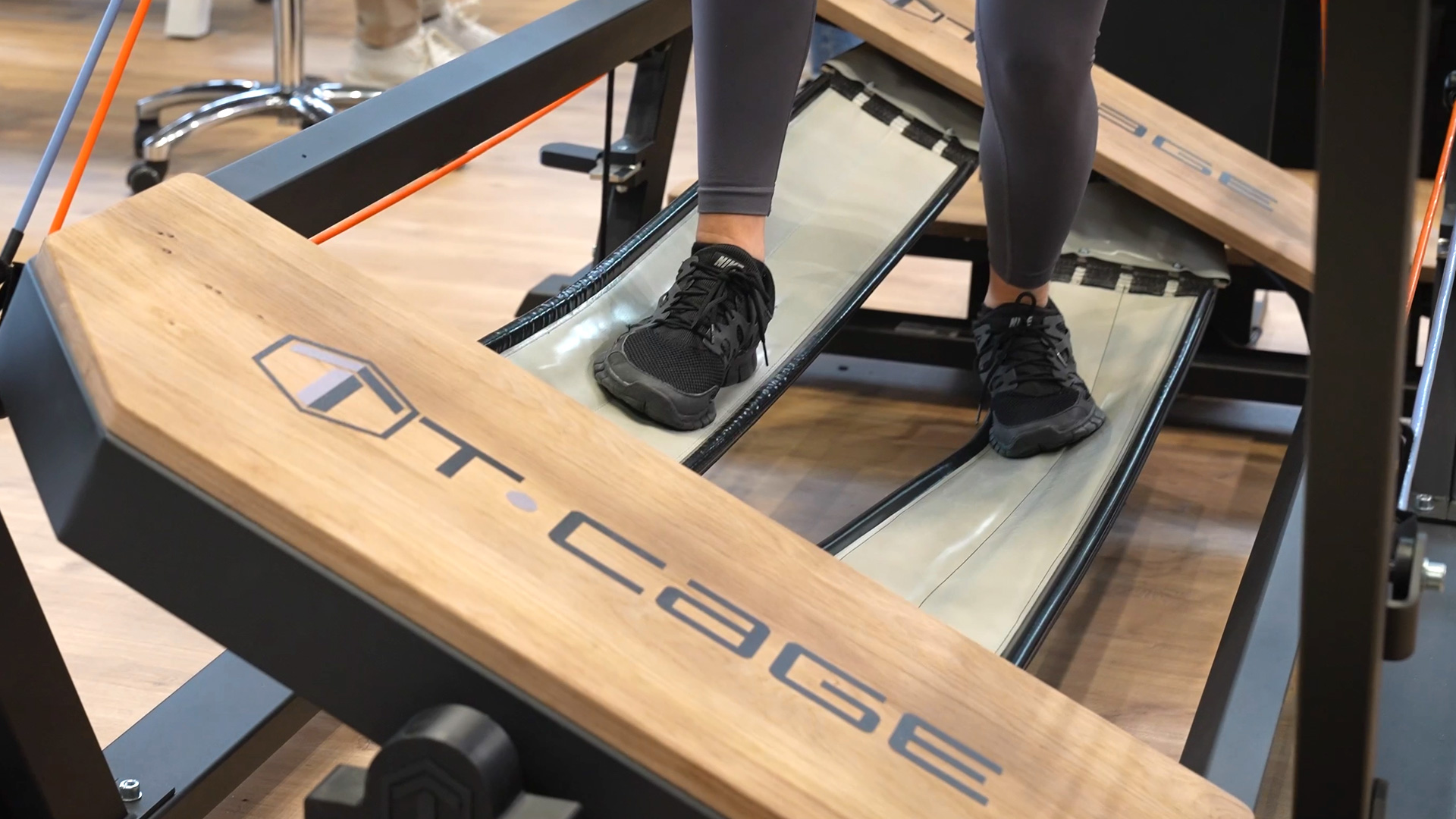
The range of possible applications is remarkably wide. The T-CAGE is aimed at neurological patients, such as people with Parkinson's disease or multiple sclerosis, as well as people who have undergone orthopaedic surgery. At the same time, the system is used in high-performance sports, where complex movement sequences, responsiveness and stability are crucial. The common denominator of these very different target groups is the need for coordination. Movements take place on an unstable surface that is deliberately designed so that no leg can take the lead. In contrast to a classic trampoline, where the stronger leg unconsciously compensates, the system forces both sides of the body to actively participate. This leg independence is a key feature of the device.
Coordination as a conscious challenge for the brain
An essential element of the training is the combination of an unstable standing surface and additional resistance provided by straps. While simple walking movements already place demands on coordination, the training becomes significantly more complex through targeted pulling and alternating movements. Arms and legs do not work synchronously, but in alternating patterns. This is precisely where the actual training effect begins. The brain is constantly challenged to abandon familiar movement patterns. Typical automatic responses are interrupted and new impulses are set. This conscious departure from the comfort zone is not a side effect, but the core of the concept. In the field of neurology in particular, this form of stimulation is considered crucial for developing new movement strategies or re-establishing lost abilities.
Therapeutic benefits through reduced strain
Another aspect that facilitates its use in rehabilitation is the reduced mechanical strain. Training takes place with significantly less resistance than on solid ground. This allows patients to be actively involved in movement again at an early stage after knee or hip surgery. The transition from passive treatment to functional training is achieved more quickly without overloading the structures. This feature is particularly important in the early stages of rehabilitation. Patients can move from the treatment table to an active training environment without the risk of overexertion. The reduced stress creates safety, while the coordinative requirements remain high.

Areas of application from prevention to fitness
In addition to therapy and rehabilitation, prevention plays a central role. Fall prevention is a classic area of application, especially for older people. Coordination, balance and responsiveness are considered crucial factors in preventing falls. The T-CAGE offers a structured training environment that specifically targets these skills. In the fitness and sports sector, too, the system deliberately focuses on different areas than conventional equipment. While strength and endurance training dominate in many gyms, coordination training is often underrepresented. This is exactly where the concept comes in, complementing existing training programmes in a meaningful way. Typical areas of application can be summarised as follows:
- Neurological therapy for Parkinson's disease or multiple sclerosis
- Orthopaedic rehabilitation after knee or hip surgery
- Prevention programmes with a focus on fall prevention
- Functional training in the fitness sector
- Coordination and stability training in competitive sports
Software-supported training and economic classification
The system includes software that documents and visualises training sequences. This allows progress to be tracked, exercises to be structured and training processes to be made more transparent. This form of feedback is an important part of quality assurance, especially in a therapeutic environment. In terms of price, the T-CAGE is in the upper segment. With a starting price of around nineteen thousand euros, the system is clearly aimed at professional users such as rehabilitation centres, practices, clinics or ambitious training centres. Given its versatility and medical applicability, this positioning is understandable.
Positioning in the current therapy market
The therapy market is undergoing change. Training is gaining in importance over purely passive forms of treatment, not least due to changes in approval and billing models. Devices that promote active movement while meeting therapeutic requirements are becoming more prominent. The T-CAGE picks up on this trend without committing to a single target group. Its approach of understanding coordination as a connecting element between therapy, prevention and sport sets it apart from many specialised individual devices. This is precisely where its strength lies – and probably also the reason why the system is attracting particular attention at Therapro 2026.
Trade fair reporting Germany - Trade fair knowledge, dates & events


