Targeted training of hip rotators for stable movements in the hip joint
by B. Velonavy - 2026-02-09A device concept was presented at the trade fair that has hardly been systematically implemented in physiotherapy practice to date: targeted training of the internal and external rotators of the hip joint.
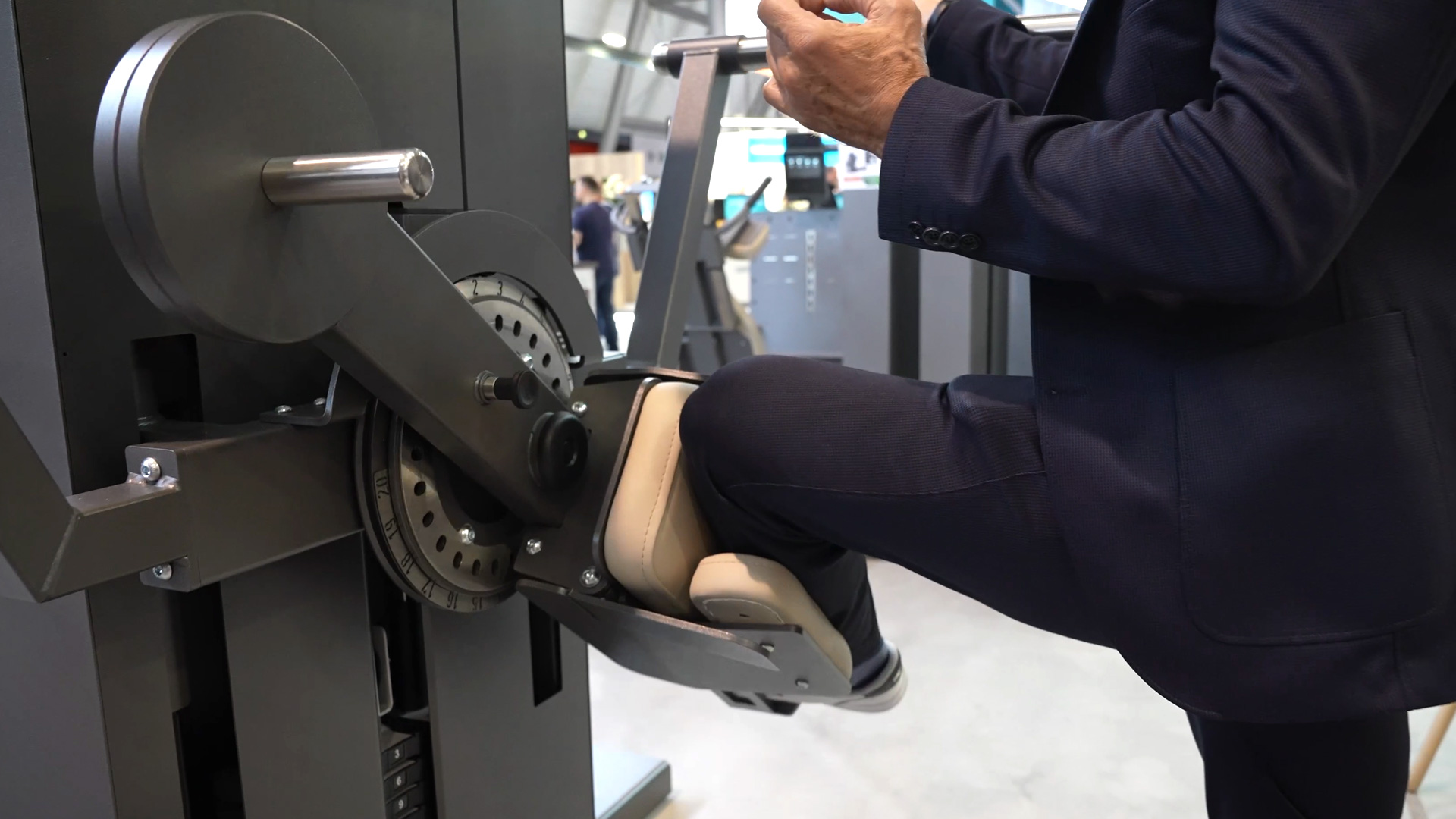
While strength training equipment for leg presses, abduction or adduction has long been standard, the rotator muscles remain underrepresented in many training and therapy concepts. This is precisely where the new system comes in, which, after a lengthy development phase, has now been presented as fully operational for the first time. The idea behind the equipment did not originate on the drawing board, but from everyday therapeutic practice. Rotational movements have always been taken into account in manual therapy, but mostly in individual treatments, with cable pulls, bands or purely manually. Until now, there has been no practical solution for structured use in the equipment area. The machines now being presented close this gap and transfer a well-known therapeutic principle into a reproducible training setting.
Why hip rotators play a central role in training
The internal and external rotators play a crucial role in centring the femoral head in the acetabulum. If they are weakened or uncoordinated, this can lead to incorrect loading, which in the long term can result in restricted movement and degenerative changes. In practice, this often manifests itself in the form of instability, pain during movement or limited load-bearing capacity in everyday life. Despite their importance, rotational movements in the hip joint are rarely trained in isolation in classic equipment training. The focus is on large muscle groups, while deep-lying, stabilising structures are hardly addressed in a targeted manner. The system presented here focuses precisely on these neglected muscles and makes them trainable in a controlled manner.
Three machines for different functional requirements
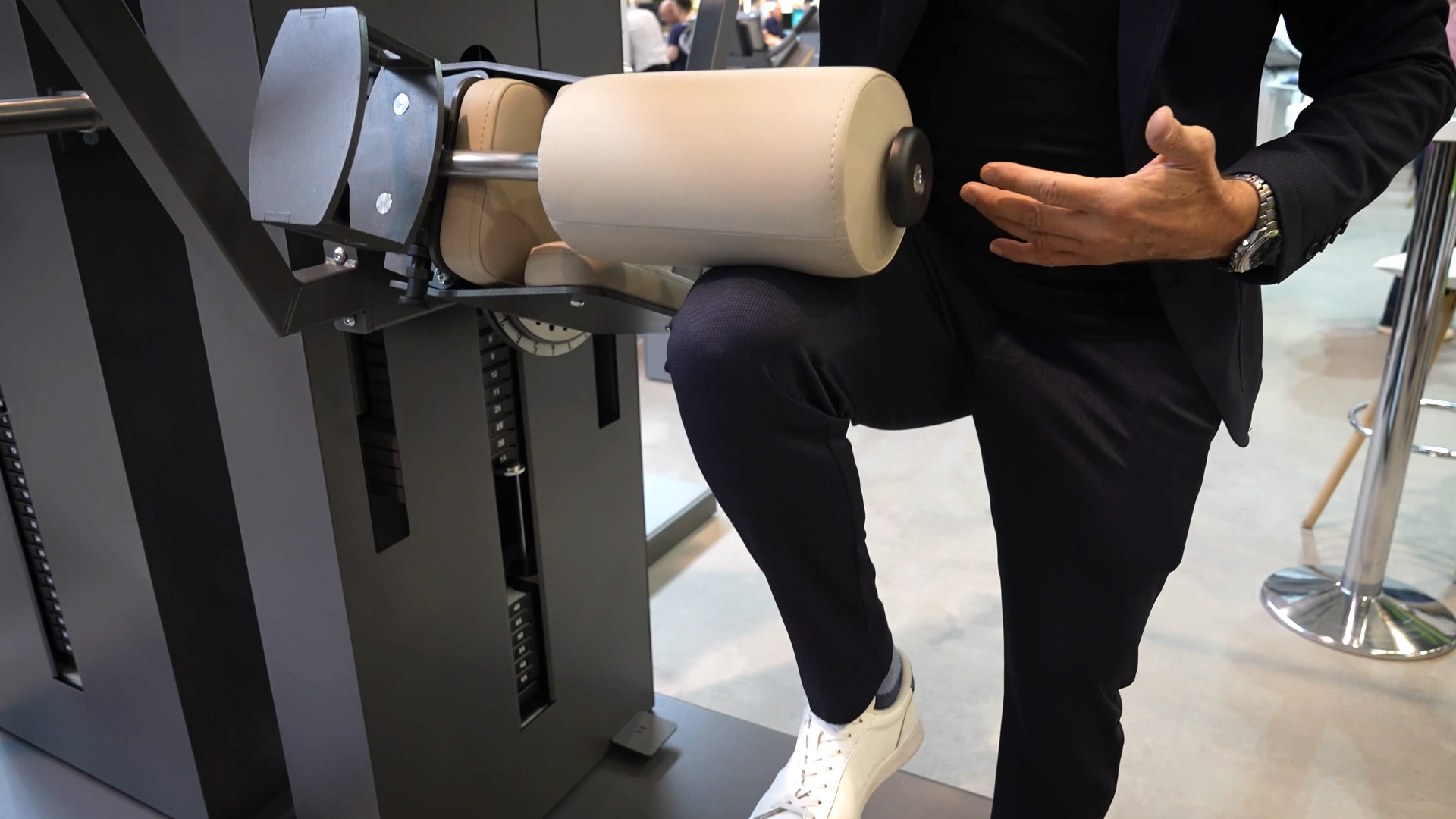
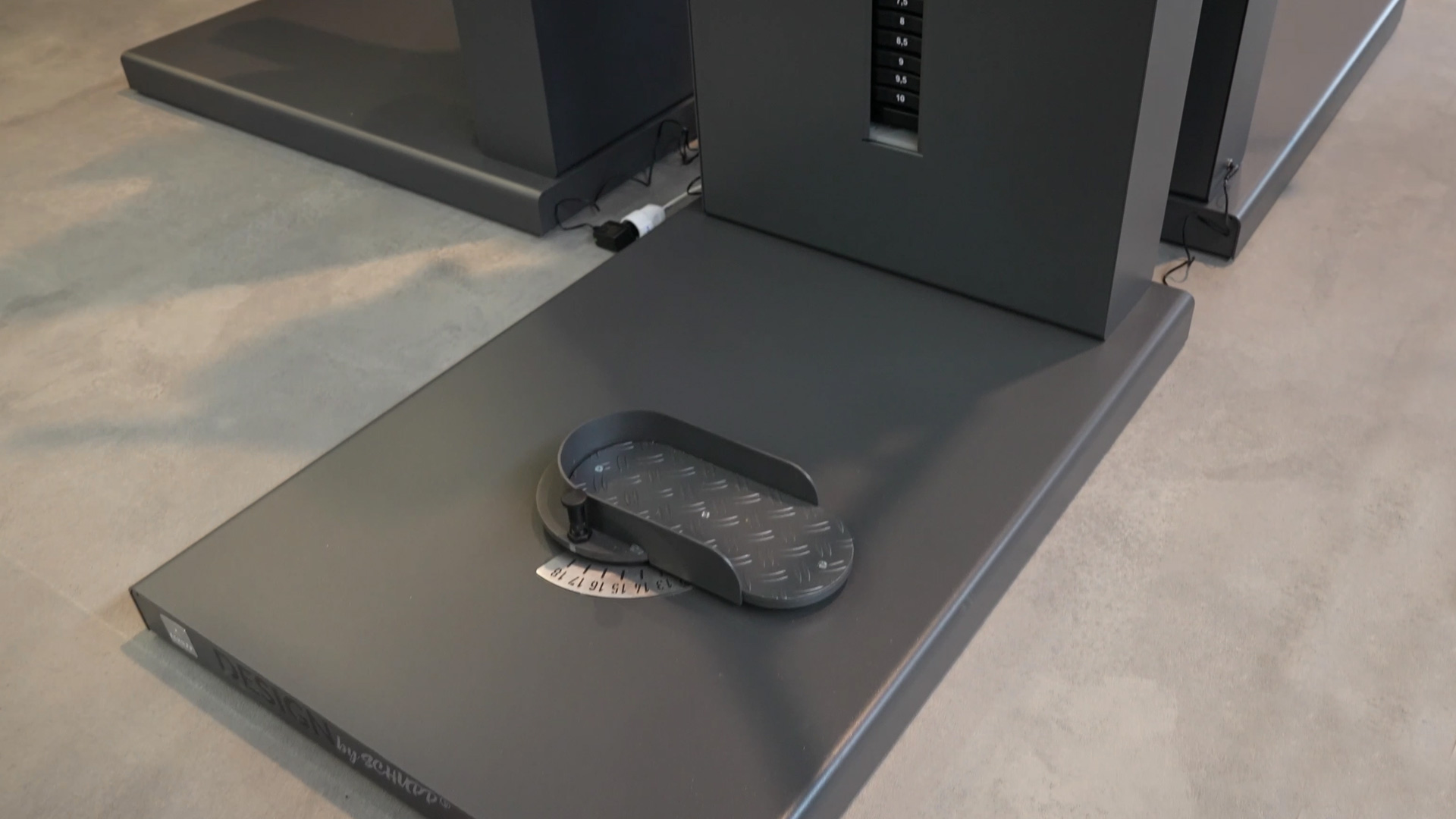
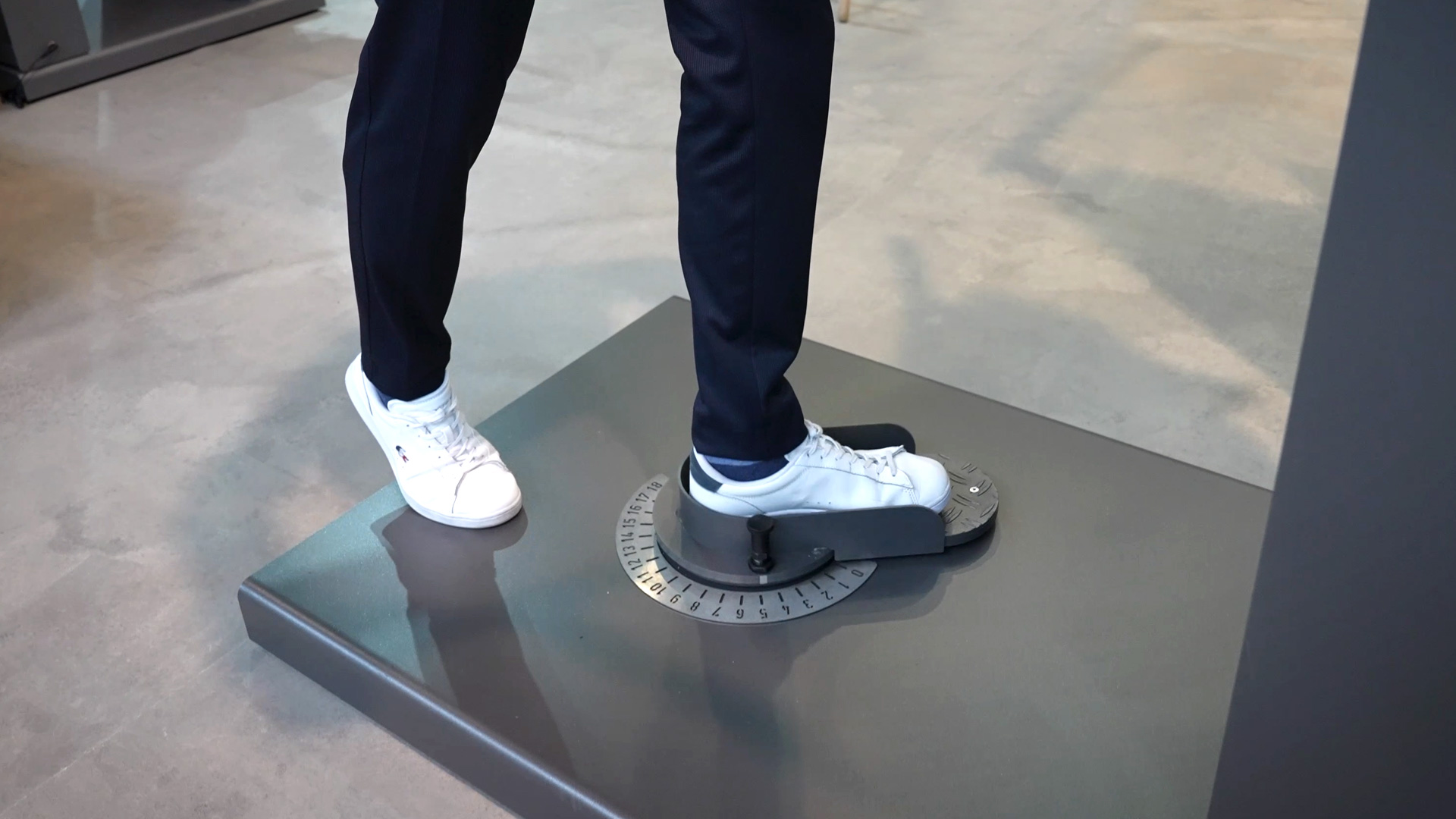
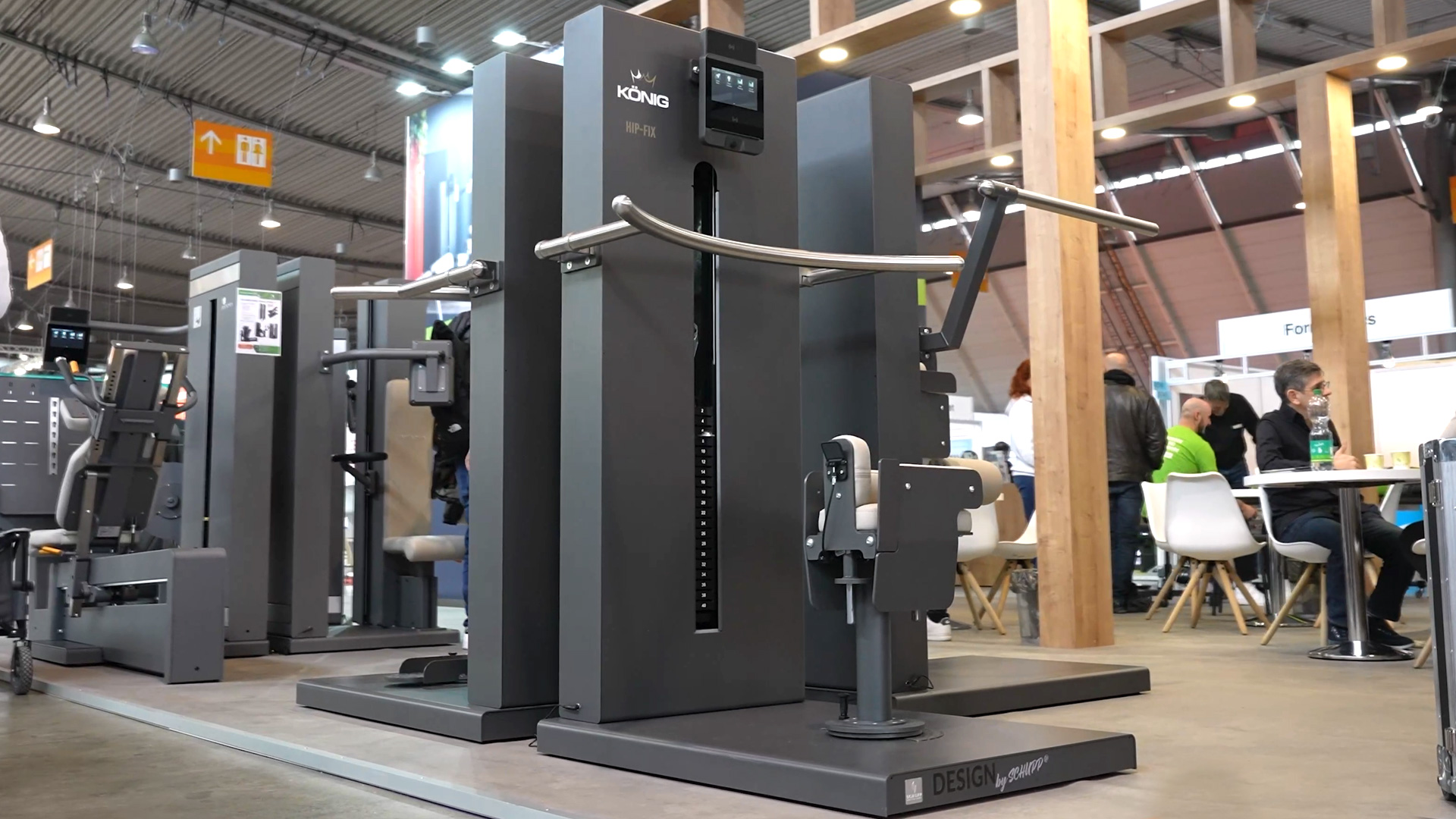
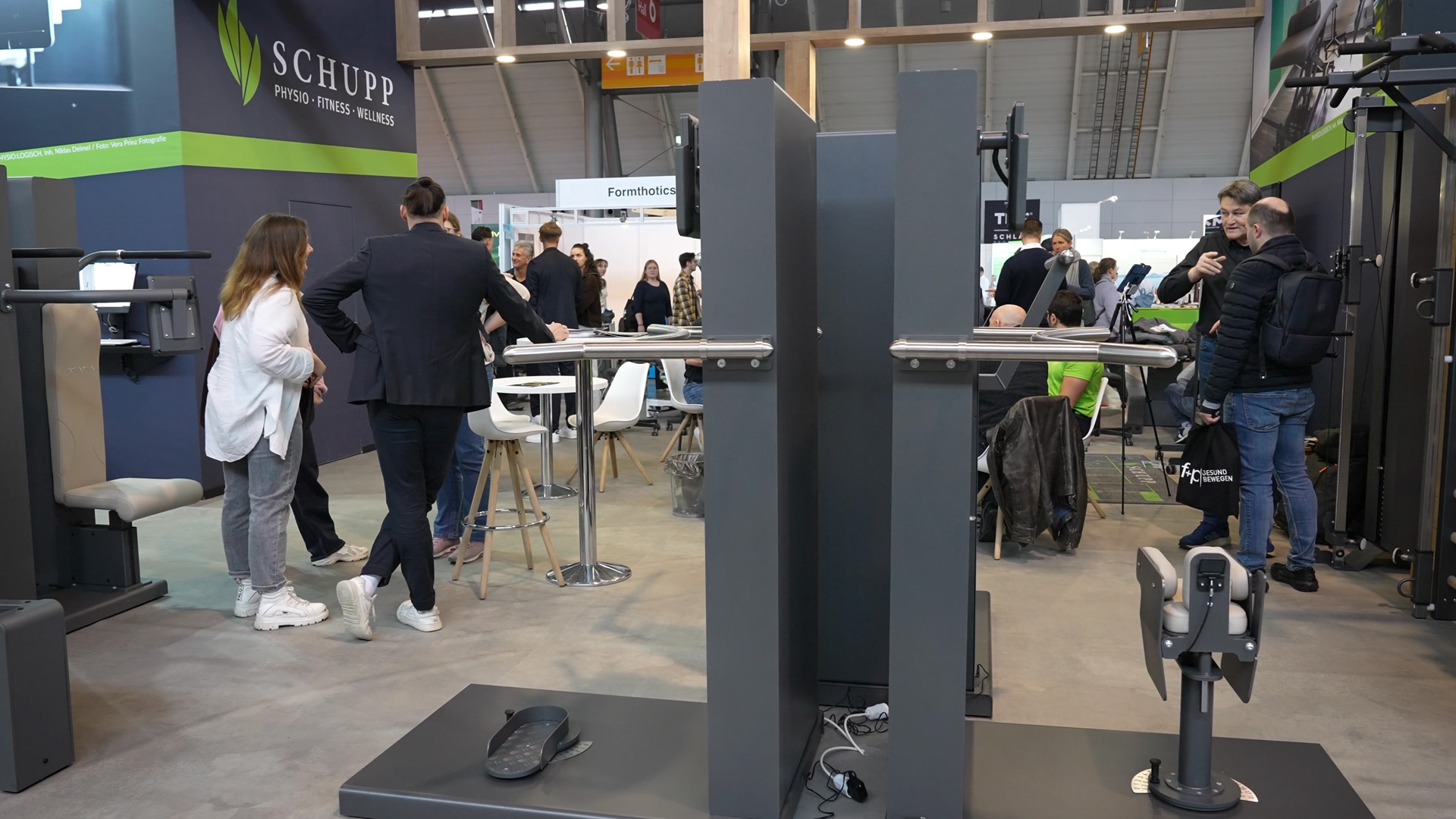
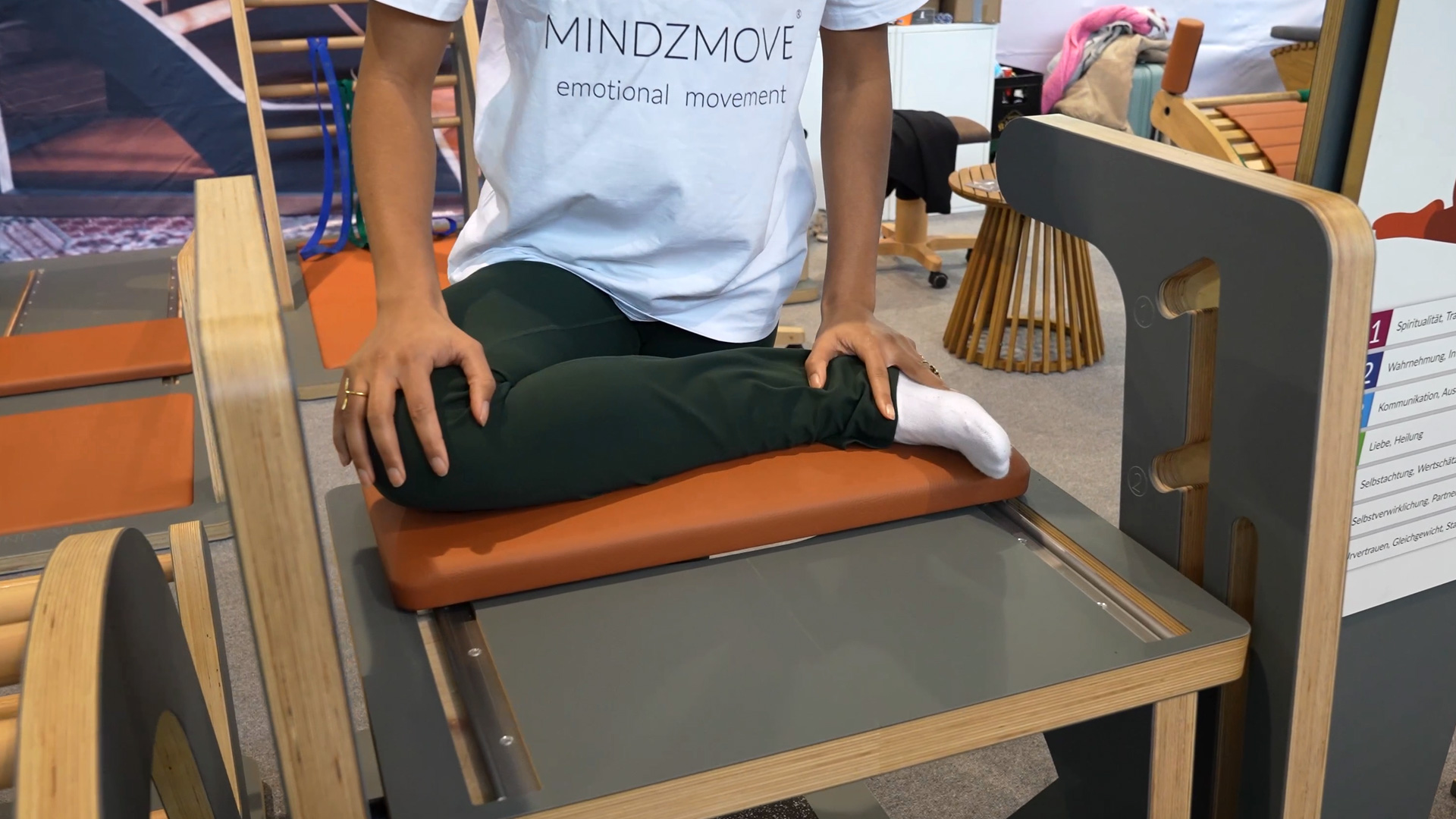
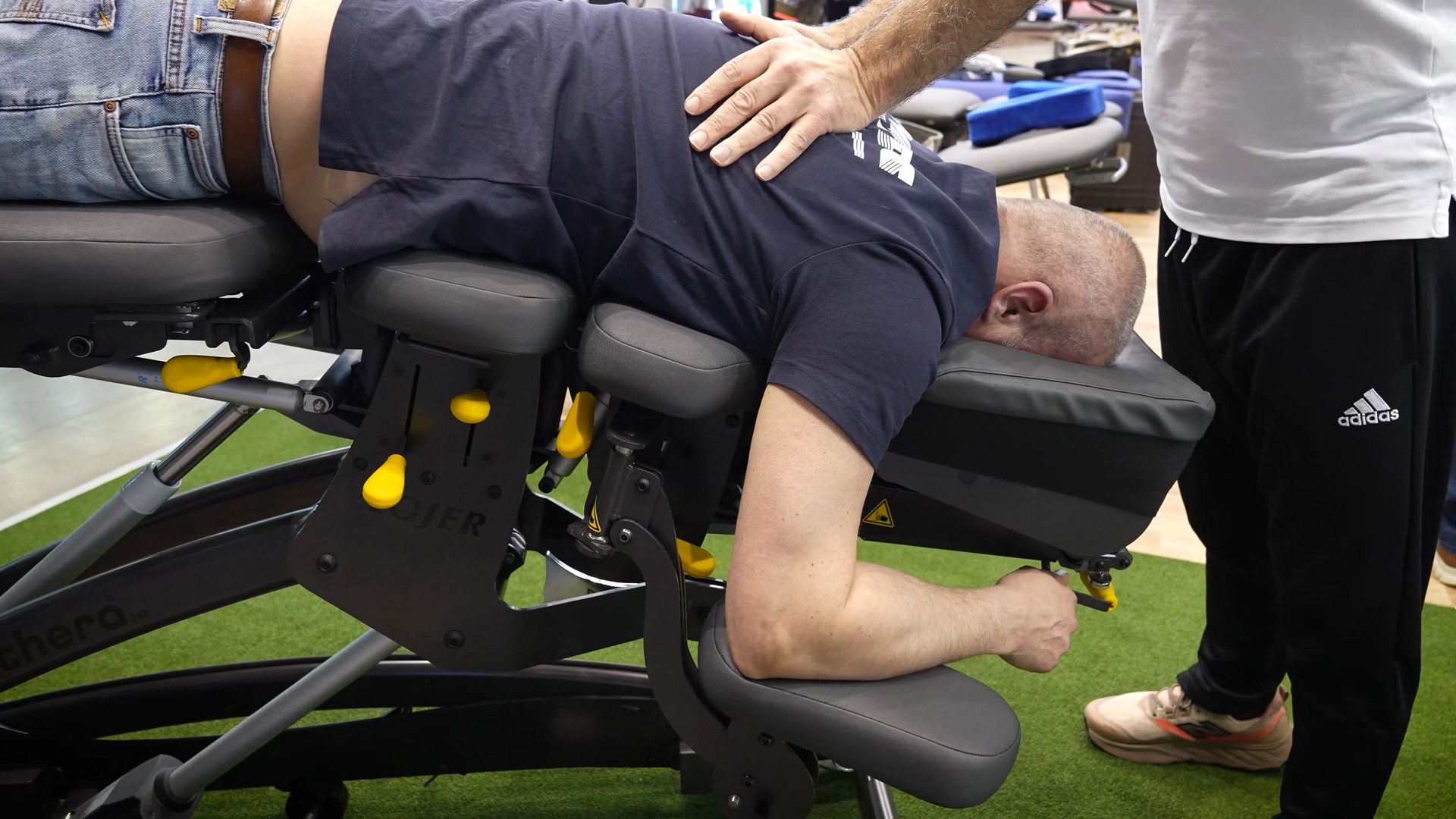
The concept is based on three different devices, each covering a different functional focus. The first machine enables training of internal and external rotation in an open movement pattern. It is particularly suitable for patients without significant accompanying problems in the knee or ankle joint and allows free, dynamic movement of the leg. In everyday therapeutic practice, however, it has been found that certain groups of patients are unable to perform this movement in a stable manner. In cases of knee instability or limited control in adjacent joints, the rotation is often performed inaccurately or evasively. For this reason, a second machine was developed in which the knee and ankle joints are fixed. This allows the same rotatory muscles to be trained in a targeted manner without undesirable compensatory movements occurring. The third machine expands the concept even further. It allows the hip rotators to be trained from different joint positions. Since the function of individual muscle fibres changes depending on the flexion or extension of the hip joint, different parts can be specifically targeted. This principle is based on well-known training approaches from other areas of the body, in which a muscle is loaded from several angles.
Schupp: Adaptation to real-life practice conditions
An important aspect of the development was the question of space requirements and cost-effectiveness. Not every practice has large training areas where several specialised devices can be permanently installed. Against this background, an additional module was developed that allows several directions of movement to be simulated on a single machine. A relatively simple mechanical extension allows flexion, extension, abduction and adduction to be trained in addition to internal and external rotation. This transforms a specialised device into a multifunctional work tool that reduces space requirements while still enabling comprehensive training of the hip joint.
Overview of therapeutic applications
The devices are suitable for both rehabilitative use and preventive training. Typical areas of application include:
- Functional instabilities of the hip joint
- Restricted internal or external rotation
- Complaints associated with piriformis syndrome
- Preparation and follow-up care for orthopaedic procedures
- Targeted muscle building to avoid surgery
From idea to market-ready product
The development of the equipment took several years. The first prototypes were created in-house and continuously refined. Working with Schupp, the concept was finally ready for series production. The machines now being presented are considered mature and are intended for regular use in therapy and training. Schupp is not acting as the source of the idea, but rather as the technical implementer of a therapeutically motivated concept. The collaboration aimed to create a solution that meets both the technical requirements and the practical conditions of medical practices. Accordingly, the focus is not on a single training goal, but rather on the functional care of a joint that is often addressed too late in everyday clinical practice. With the system presented, the hip joint is once again becoming the focus of preventive and therapeutic work. Instead of reacting only after surgical intervention, it is now possible to train structural deficits in a targeted manner at an early stage, thus maintaining resilience and quality of movement in the long term.
Trade fair reporting Germany - Trade fair knowledge, dates & events


