therapro Stuttgart – Trade fair for therapy, rehabilitation, and prevention
therapro Stuttgart is a specialized trade fair for therapeutic professions aimed at physiotherapists, occupational therapists, osteopaths, speech therapists, and specialists in rehabilitation and prevention. It sees itself as a working platform for a profession that is strongly practice-oriented and at the same time under increasing economic, organizational, and regulatory pressure.
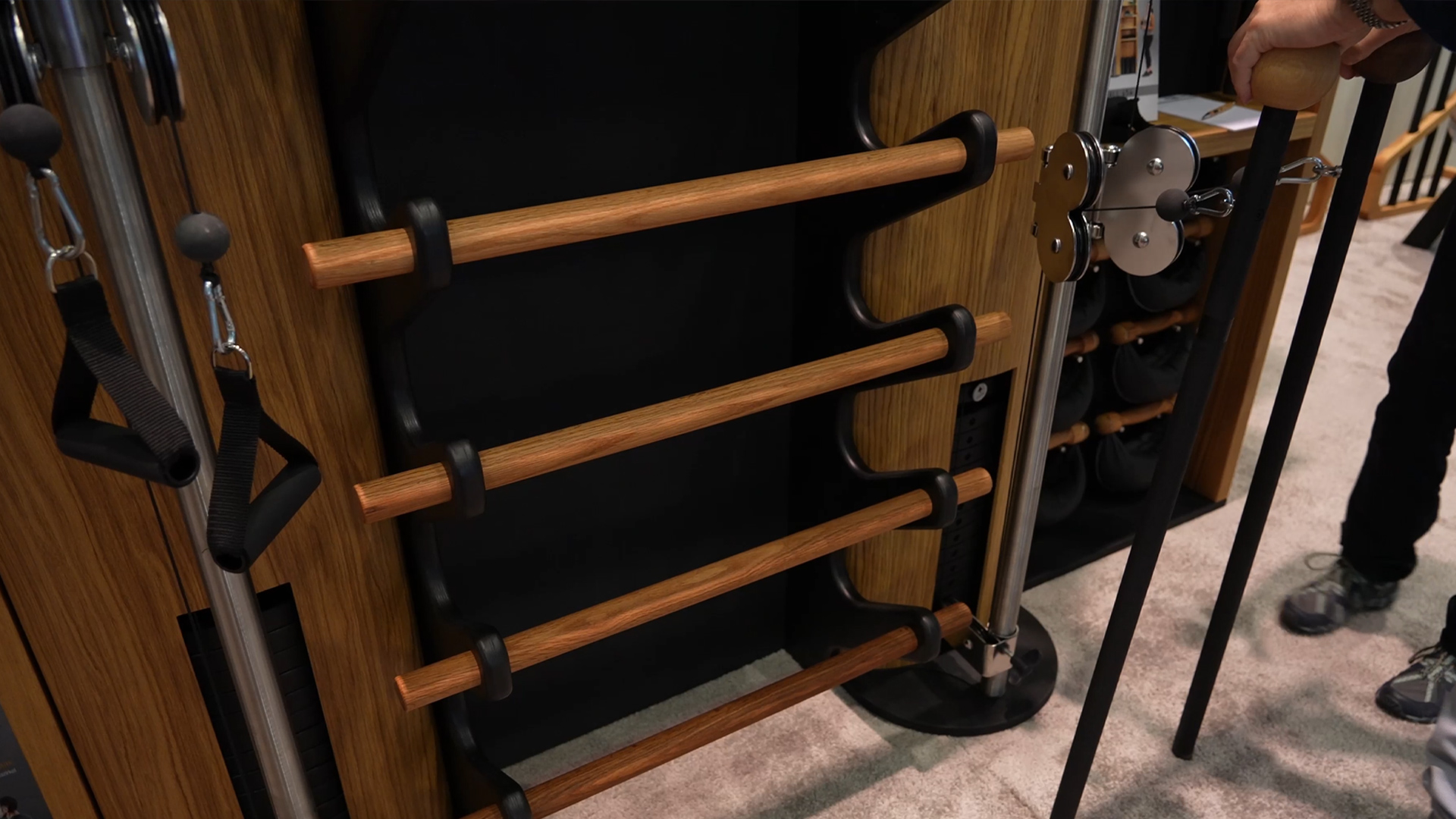
With Messe Stuttgart as its venue, Stuttgart offers a professional environment that is easily accessible for trade visitors from southern Germany and neighboring regions. The focus is not on abstract health promises, but on concrete tools for everyday therapeutic practice. Treatment approaches, equipment, aids, and training concepts are presented in the context of real-life practice conditions. The focus is on quality of care, efficient organization, and the long-term safeguarding of therapeutic services in a changing healthcare system.
Contributions to therapro on Messe.TV
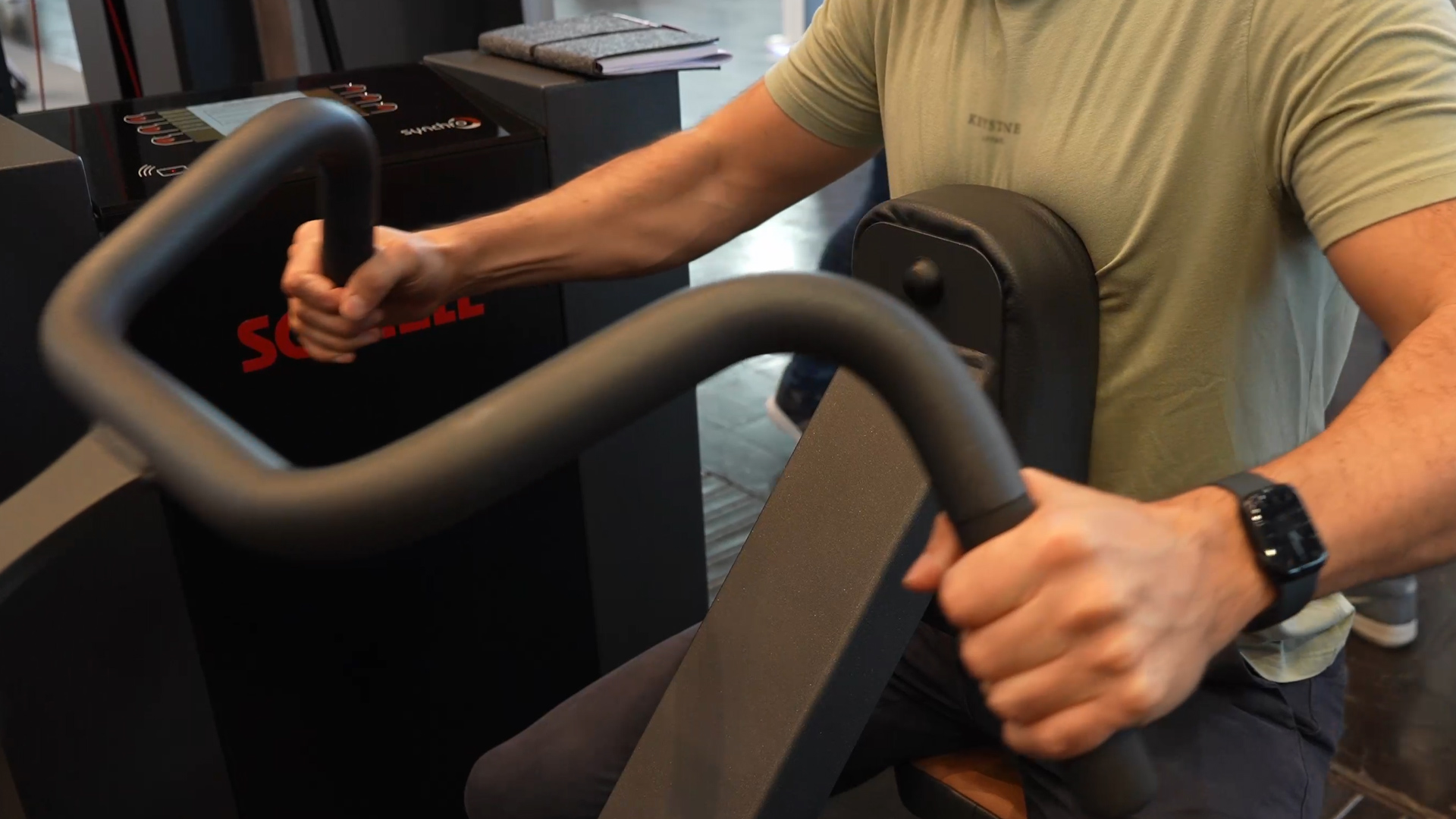

Therapy between craftsmanship, science, and everyday practice
Therapy is a professional field that is strongly influenced by direct contact with patients. Accordingly, the focus is on methods and concepts that can be implemented directly in the treatment room. Approaches from physiotherapy, occupational therapy, and related disciplines are presented, combining functional treatment, manual techniques, and active forms of therapy. Evidence-based work is playing an increasingly important role in this context. Therapeutic procedures are not considered in isolation, but are placed in relation to current scientific findings. At the same time, practical relevance remains crucial: methods must work in everyday life, be economically viable, and be adaptable to different patient groups. Typical topics in this context are:
- Active and functional therapy concepts
- Manual techniques and complementary procedures
- Treatment of chronic and postoperative complaints
Rehabilitation, prevention, and long-term care
Another focus is on rehabilitation and prevention. These areas are becoming increasingly important in an aging society. Concepts aimed at long-term functionality and independent activity of patients will be presented. This is not just about equipment or training programs, but holistic approaches that combine therapy, exercise, and integration into everyday life. Prevention is increasingly seen as a field of work in its own right. Therapeutic expertise is needed here to identify risks at an early stage and take targeted countermeasures. The trade fair picks up on this development and shows how therapeutic professions can expand their role without losing sight of the core of their work.
Organization, practice management, and economic aspects
In addition to technical content, organizational issues play a central role. Many therapy practices face similar challenges: a shortage of skilled workers, rising costs, documentation requirements, and limited billing options. There is correspondingly great interest in solutions that simplify practice processes and support economic stability. Software solutions, appointment management, billing systems, and employee retention concepts are discussed in the context of everyday therapeutic practice. The aim is to create space for the actual treatment and reduce administrative burdens. The exchange of ideas is practical and without theoretical exaggeration. Typical questions are:
- Efficient organization of therapy practices
- Digital support for documentation and planning
- Strategies for long-term practice development
Professional audience and continuing education
The event is aimed exclusively at professional visitors. In addition to independent therapists and practice owners, the audience includes employed professionals, trainers, and students. An essential component is the continuing education program, which addresses current topics and contributes to professional development. Lectures, workshops, and demonstrations provide new insights and encourage participants to question their existing knowledge. Knowledge transfer takes place on an equal footing and is oriented toward the real demands of everyday professional life. The combination of continuing education and exhibition creates a framework that facilitates both information sharing and exchange.
Classification in the therapeutic environment
therapro has established itself as a trade fair that represents the entire spectrum of therapeutic professions. It combines treatment expertise with organizational and economic issues, thus taking into account the changing conditions in the healthcare sector. Therapy is not understood here as an isolated measure, but as part of a long-term care process. It is precisely this factual, practice-oriented focus that makes the event relevant for trade visitors. It offers guidance in a complex environment in which professional quality, economic reality, and social expectations are increasingly interlinked.
Trade fair reporting Germany - Trade fair knowledge, dates & events


