therapro 2026 Stuttgart Therapy Rehabilitation and Care in Professional Dialogue
With therapro 2026, Stuttgart is once again becoming the focus of the therapeutic professional community. The event sees itself as a platform for physiotherapy, occupational therapy, speech therapy and related areas of rehabilitation and medical care. The focus is less on spectacular new products and more on practical solutions, professional exchange and the question of how therapeutic work can be organised in the future under changing conditions.
Contributions to therapro 2026 on Messe.TV
Digitisation of therapy practices with software and billing
In many practices, digitisation still seems like a project to be tackled ‘sometime’ – until new requirements relating to telematics infrastructure, e-prescriptions and digital processes suddenly create pressure. This is exactly where provid... Therapy practice digitisation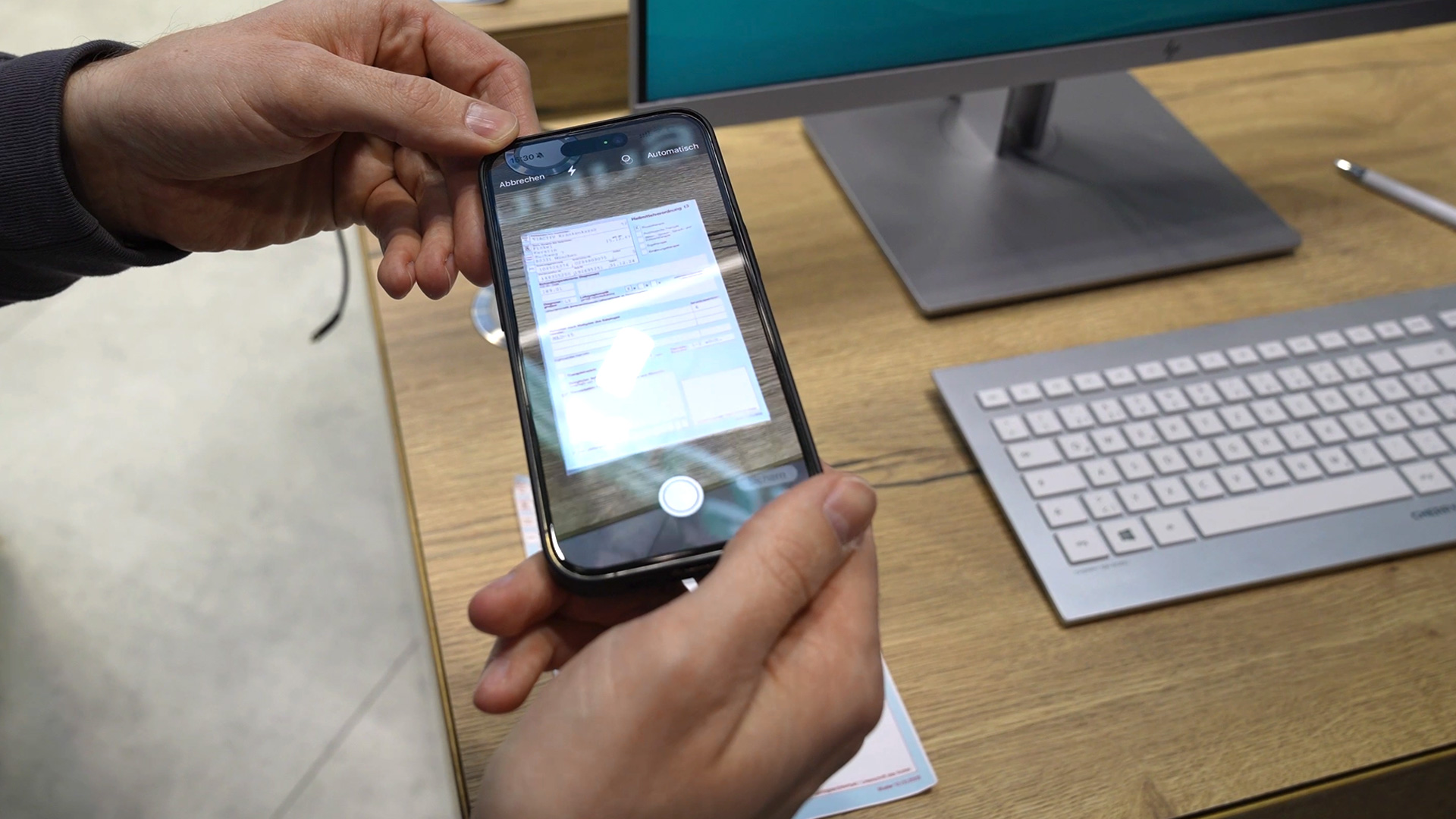
Targeted training: internal and external rotators in the hip joint
A device concept was presented at the trade fair that has hardly been systematically implemented in physiotherapy practice to date: targeted training of the internal and external rotators of the hip joint. Training hip rotators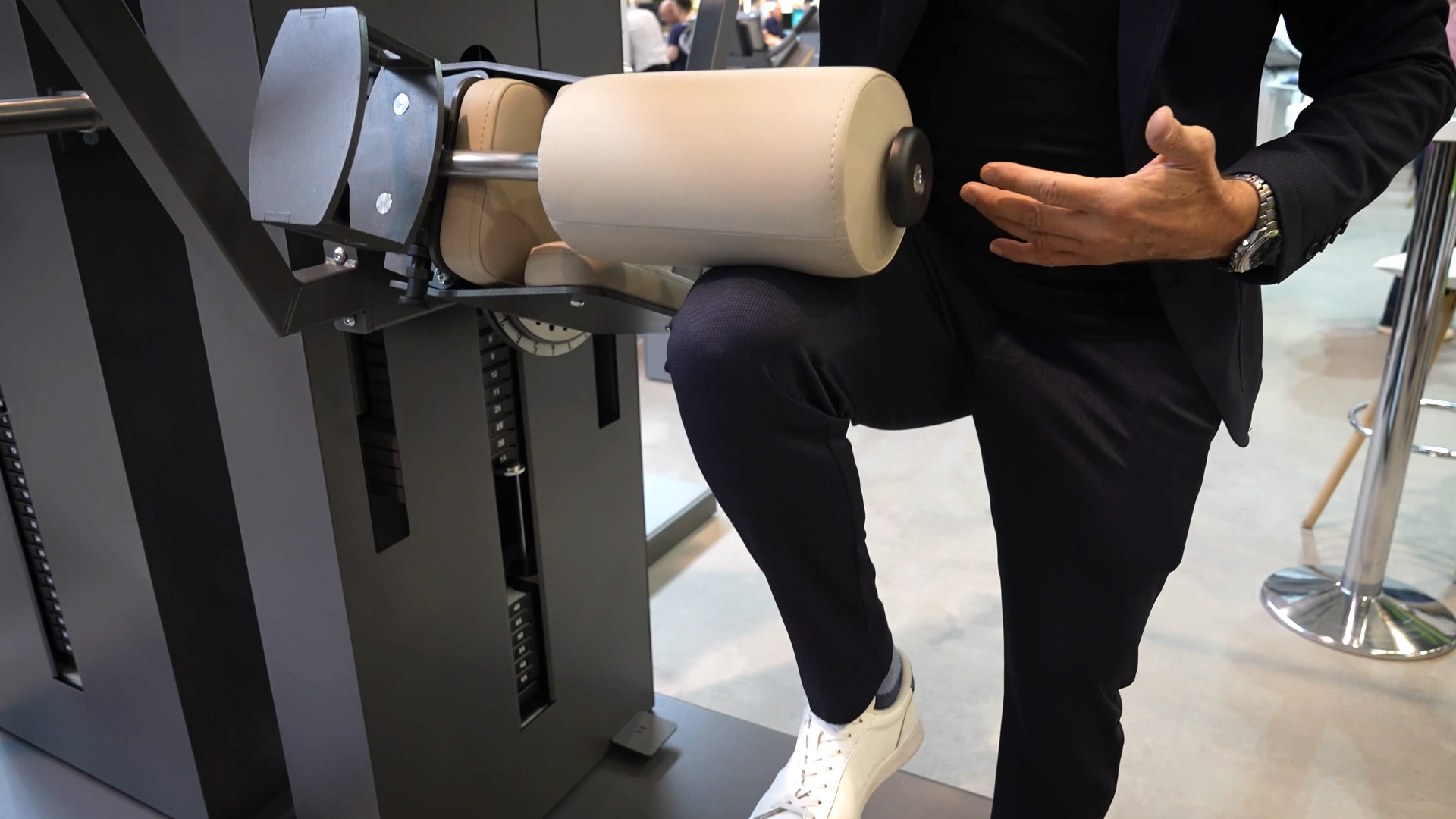
vocaSTIM Master for speech therapy + electrotherapy in therapy
At Therapro, Physiomed presented a device at its booth that is specifically designed for speech therapy and combines several previously separate treatment areas in one system. The vocaSTIM-Master is primarily aimed at therapists who work in... Device for speech therapy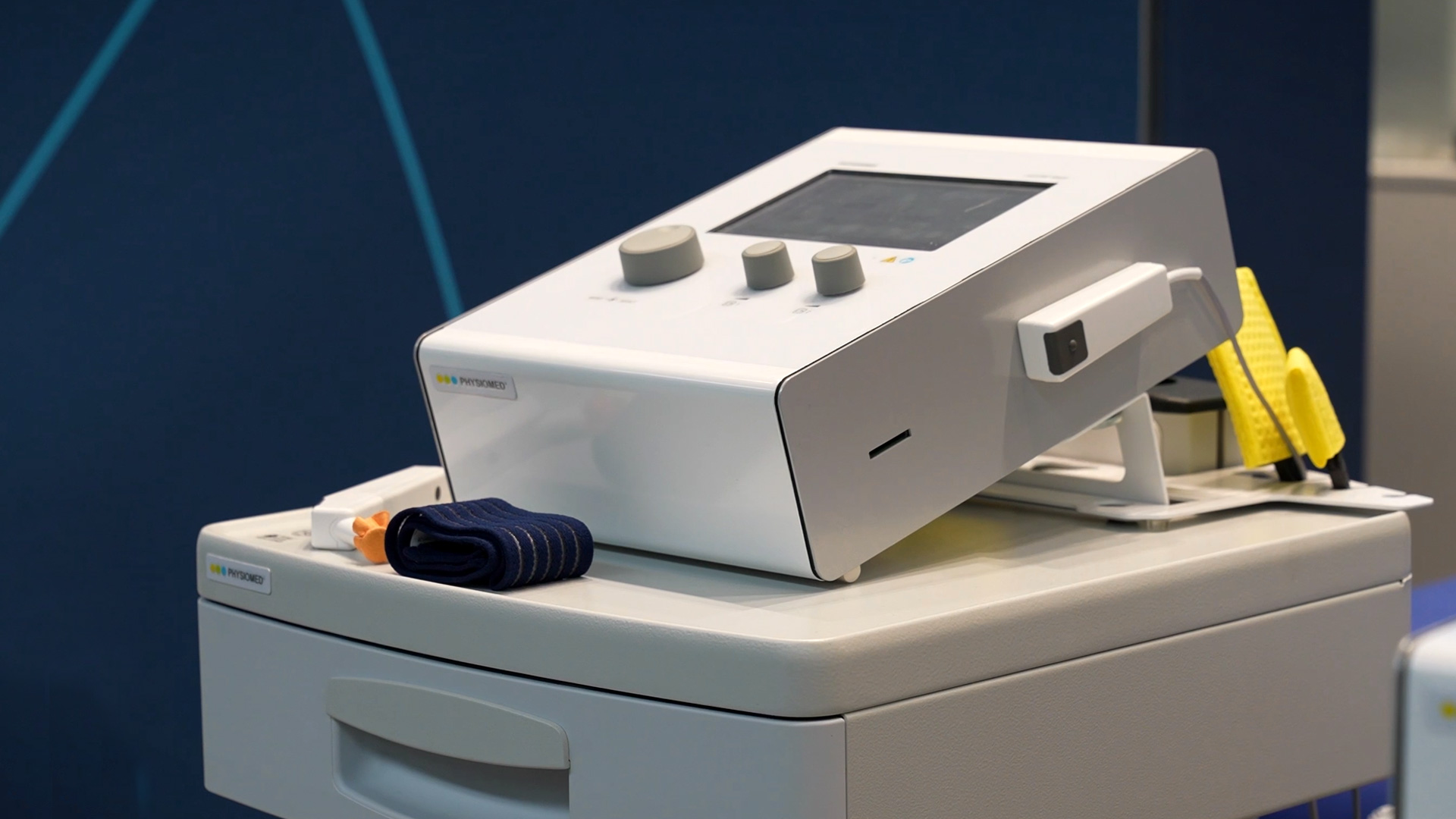
Keiser leg press: pneumatic resistance and diagnostics
Anyone involved in strength training, rehabilitation or performance-oriented diagnostics will sooner or later come across systems that deliberately break with classic weight stacks. This is exactly where Keiser's leg press comes in, which r... Pneumatic resistance instead of weight stacks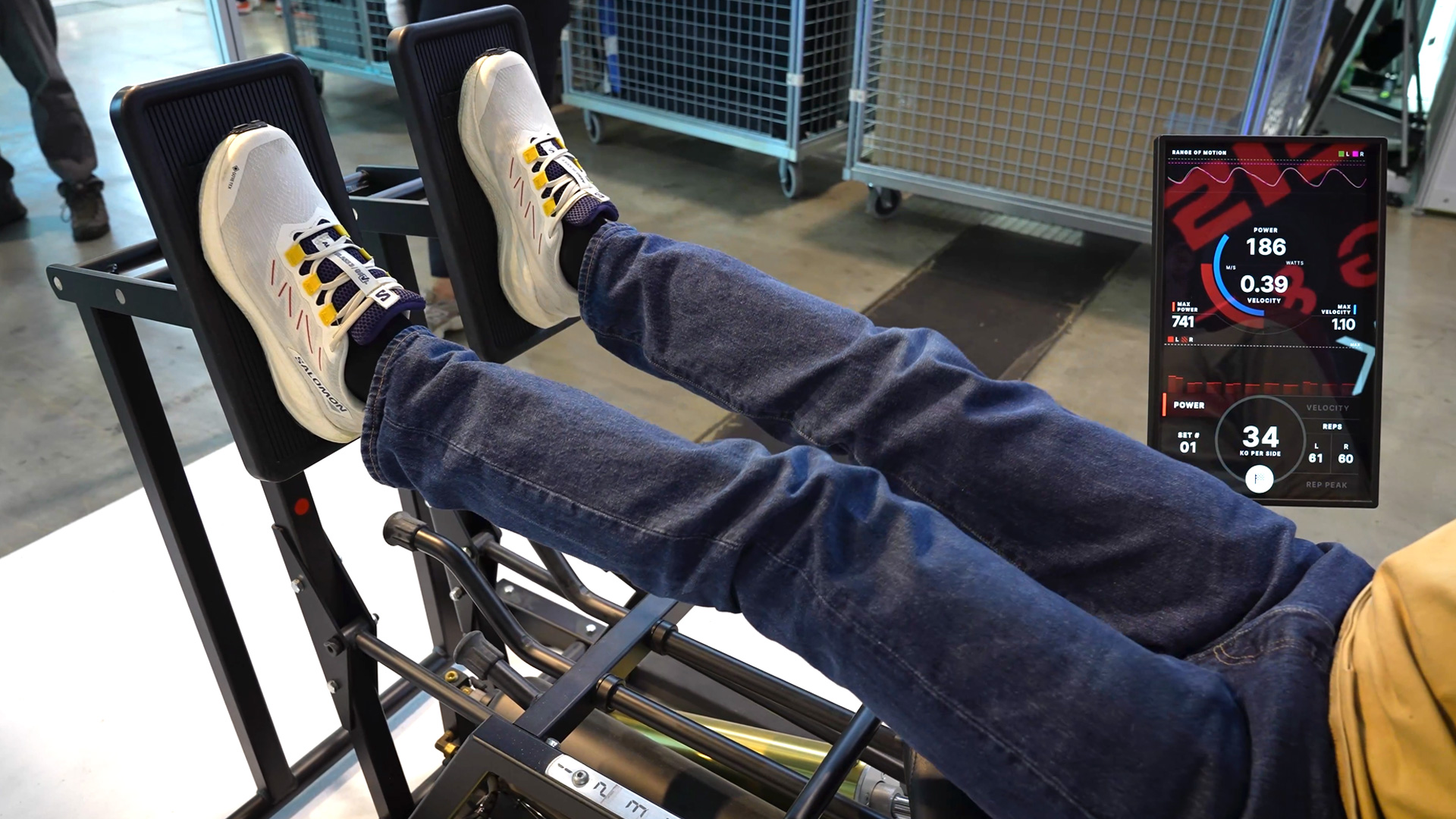
Manuthera 242 therapy table: working without gravity
In many therapeutic workflows, it is not only the technique that determines the success of the treatment, but also the conditions under which the work is carried out. Posture, physical exertion and the ability to examine and treat with prec... Working without gravity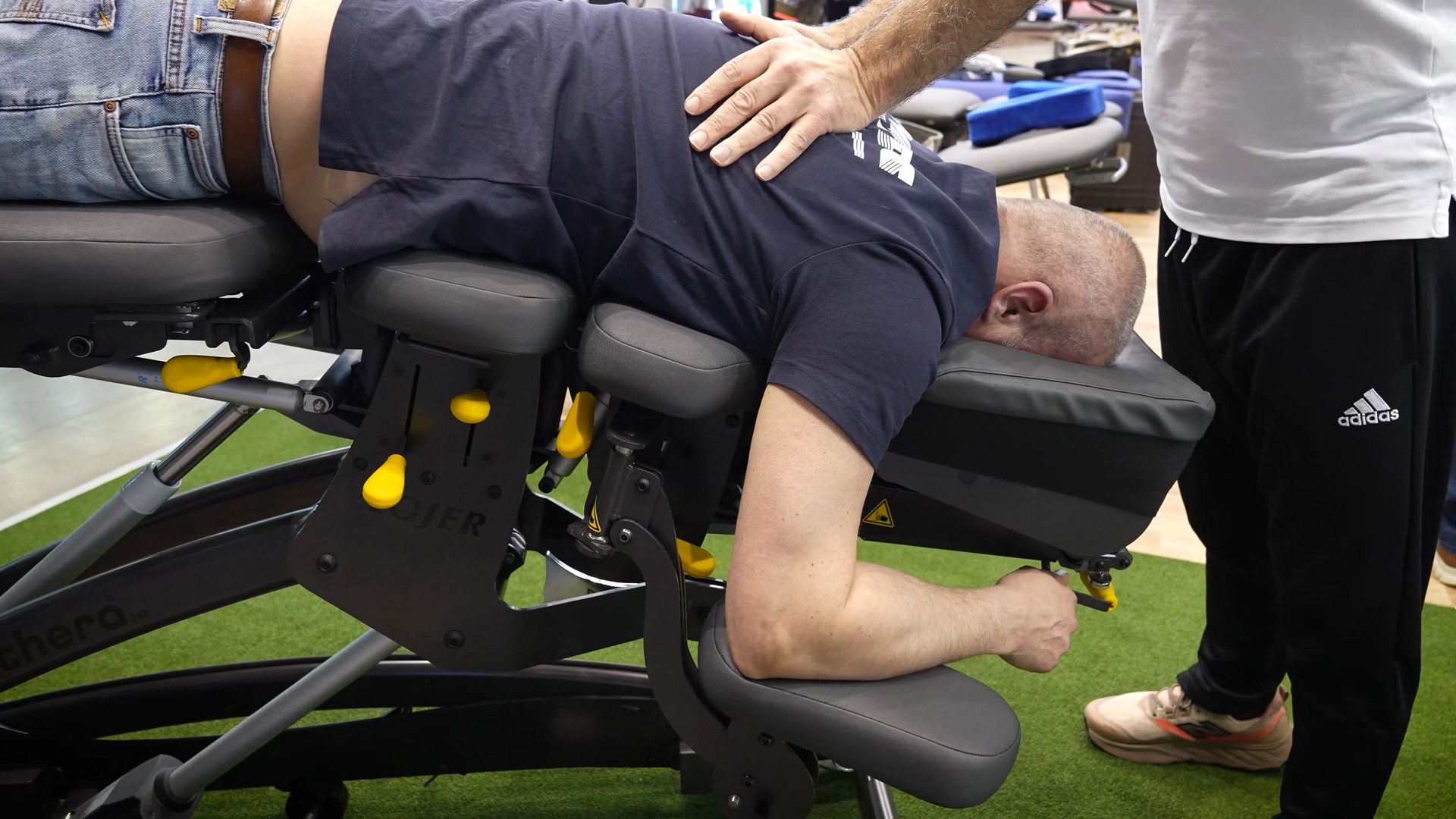
Passive regeneration: compression stockings for heavy legs
Blackroll is a familiar name to many people. To this day, the name stands for the black fascia roller with which the company has had a significant impact on the field of active regeneration. Originally, the focus was primarily on self-treat... Promote regeneration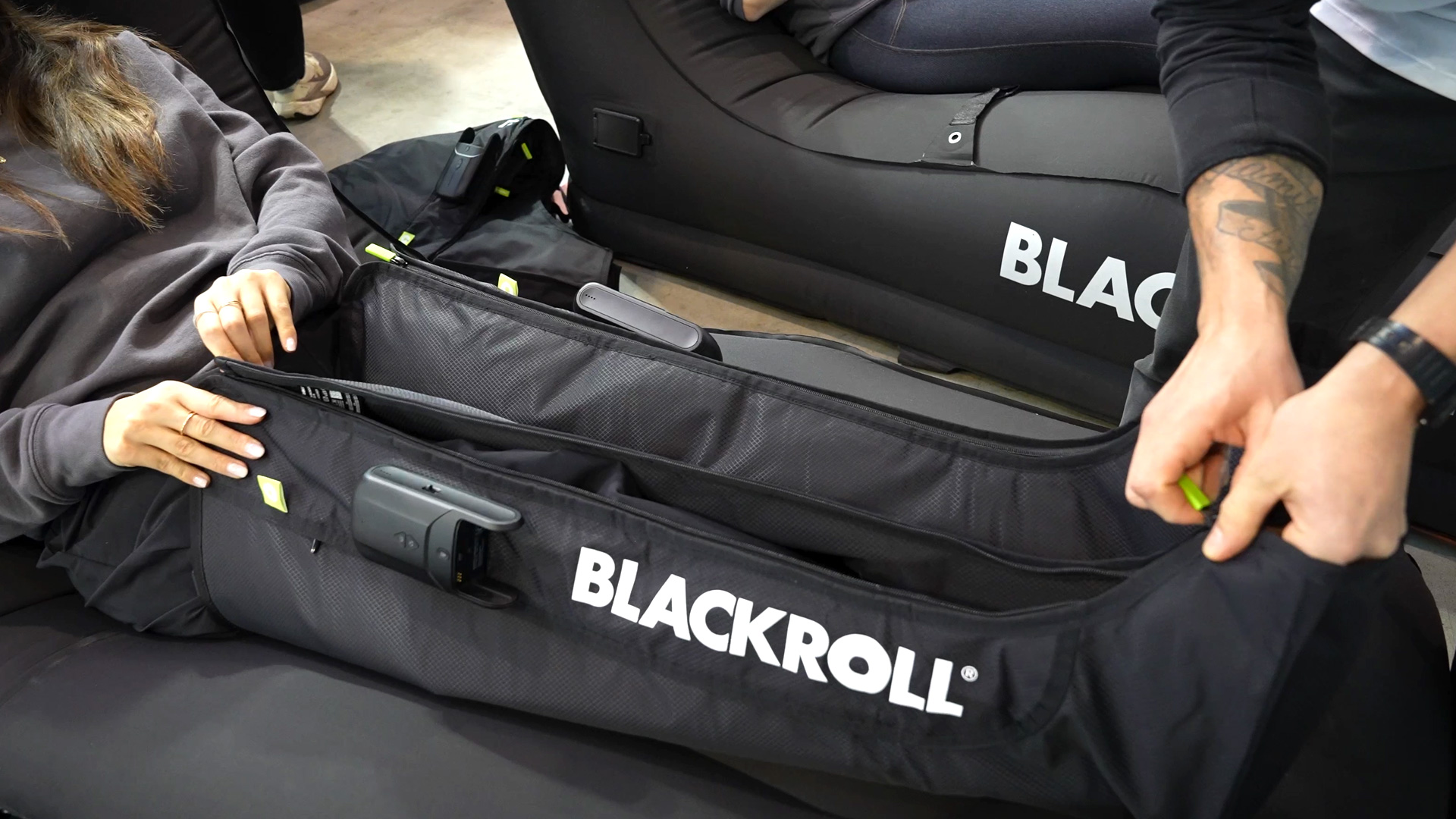
Fascia work in the therapeutic field and in everyday private life
The application shown focuses on an approach that deliberately sets itself apart from classic stretching or pure strength training. Fascia work and muscle length training aim to develop movement not through maximum range, but through contro... Fascia mobility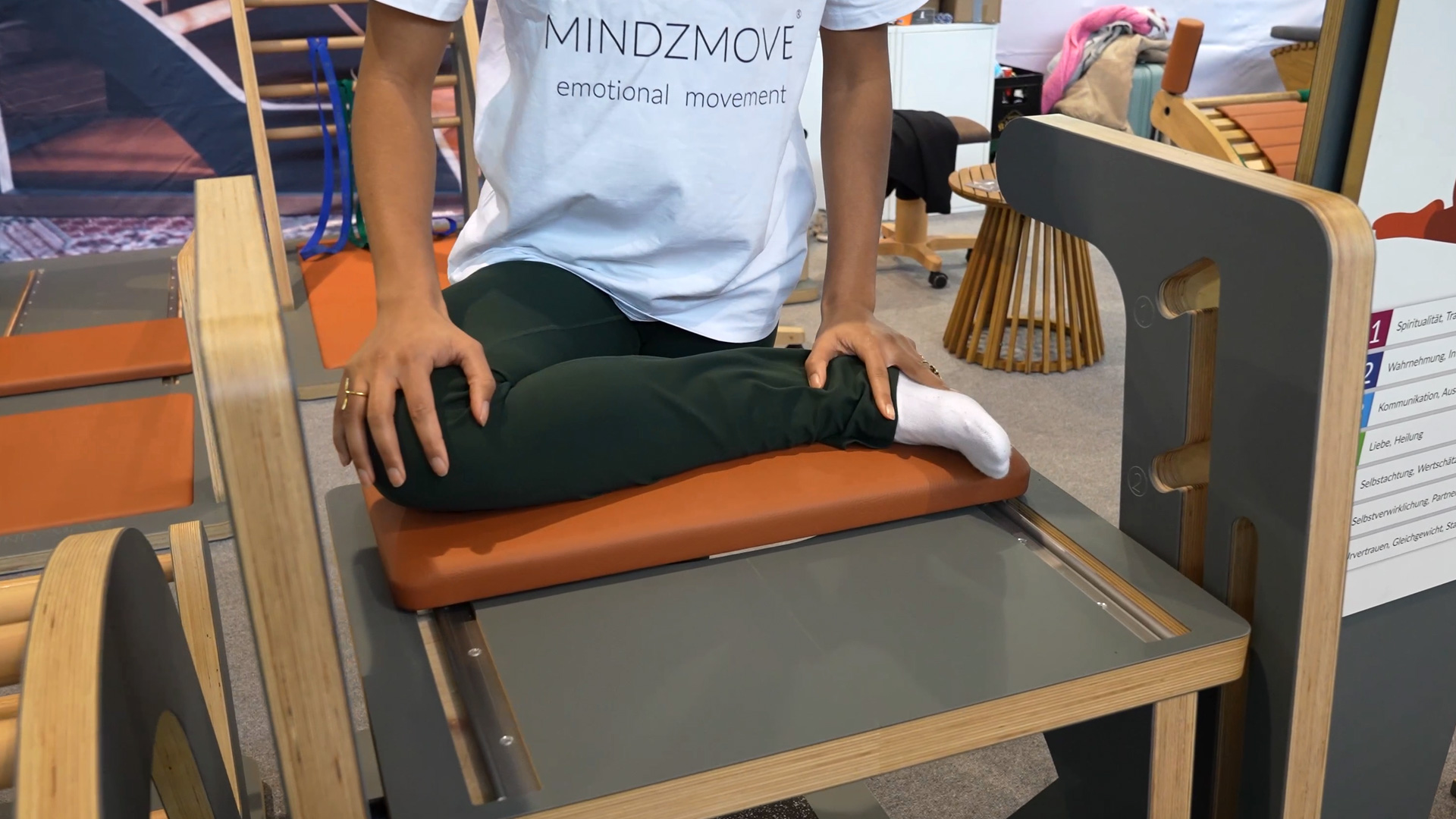
T-CAGE for coordination in therapy, training and prevention
At Therapro 2026, the spotlight will be on a training device that deliberately sets itself apart from classic strength or endurance solutions. With the T-CAGE, Stolzenberg presents a system that understands coordination as a central compone... Coordination training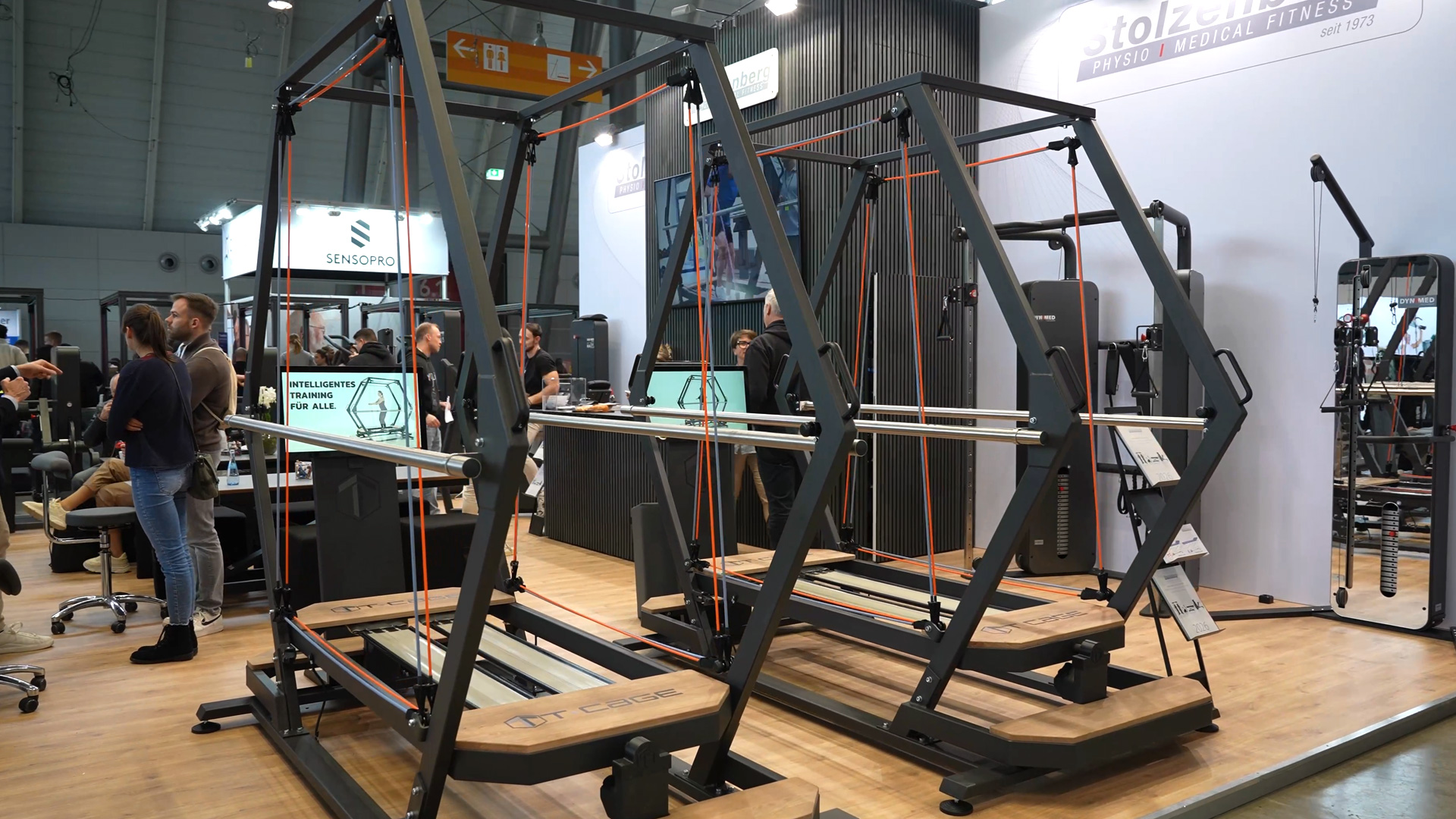
The market for therapeutic services has been undergoing structural change for years. Demographic developments, a shortage of skilled workers, increasing documentation requirements and changing patient expectations are shaping everyday working life. Therapro 2026 addresses these issues by looking at therapy not in isolation, but in the context of care, organisation, training and technology.
Therapy between evidence, everyday life and economic efficiency
A central theme of the trade fair is the further development of therapeutic methods in the area of conflict between scientific evidence and practical applicability. In many practices, therapists face the challenge of combining evidence-based approaches with limited time resources and economic constraints. This is precisely where the focus of the content comes in: treatment concepts, aids and training opportunities are not presented in abstract terms, but always with a view to their concrete application in everyday practice. This focus is complemented by discussions on interdisciplinary cooperation. Therapy is increasingly understood as part of a networked care system in which doctors, nursing staff, rehabilitation facilities and therapeutic professions must work more closely together. therapro 2026 reflects this approach without idealising it, but rather shows real interfaces, areas of conflict and possible solutions.
Rehabilitation as a long-term process
At the trade fair, rehabilitation is not reduced to individual measures, but is viewed as a longer-term process. Topics such as aftercare, prevention and sustainable therapy planning play an important role. This also raises the question of how patients can be more closely involved in their own therapy processes – whether through understandable training concepts, digital support solutions or adapted aids. The exhibition area shows that technical support in rehabilitation does not necessarily have to mean high-tech. Many solutions rely on simple, robust concepts that work without large investments and are still therapeutically useful. Typical focal points in this area include:
- Aids for mobilisation and training in the practice and home environment
- Therapy support devices with a focus on suitability for everyday use
- Concepts for prevention and long-term stress management
Digitalisation without blind faith in technology
Digital applications are also part of therapro 2026, but with a noticeably sober approach. Instead of general promises of digitalisation, the focus is on specific questions: Which software actually reduces the workload in practice? Where do new dependencies arise? And which digital offerings can realistically be integrated into existing processes? Particular attention is paid to administrative and organisational solutions. Scheduling, documentation and billing tie up considerable resources in many practices. Digital tools are not presented here as an end in themselves, but as a possible answer to structural bottlenecks in everyday therapeutic practice.
Training and further education as a central element
Another focus is on professional qualifications. The trade fair sees itself not only as a product show, but also as a place for knowledge transfer. Training courses, lectures and specialist discussions address current developments in training and professional policy. It is becoming clear that therapeutic professions are increasingly caught between high professional demands and limited social recognition. therapro 2026 offers a space to openly address these tensions and bring together different perspectives – from young professionals to practice owners. In terms of content, the continuing education topics can be summarised as follows:
- Current therapeutic concepts and their practical implementation
- Practice management and economic conditions
- Professional policy developments and training issues
Stuttgart as a location for professional exchange
The venue in Stuttgart offers an established setting for this. Its easy accessibility and strong regional roots in the health and rehabilitation sector contribute to therapro 2026's position as a meeting place for trade visitors from different regions. The focus is not on the size of the event, but on its professional depth and direct exchange. Overall, the trade fair is characterised by a factual, practice-oriented approach. It avoids exaggeration and instead focuses on content that meets the real requirements of therapeutic work. This is precisely what makes it relevant for trade visitors who are less interested in trends and more interested in solutions that can be applied in everyday life.
Trade fair reporting Germany - Trade fair knowledge, dates & events


