vocaSTIM Master in speech therapy for neurological disorders
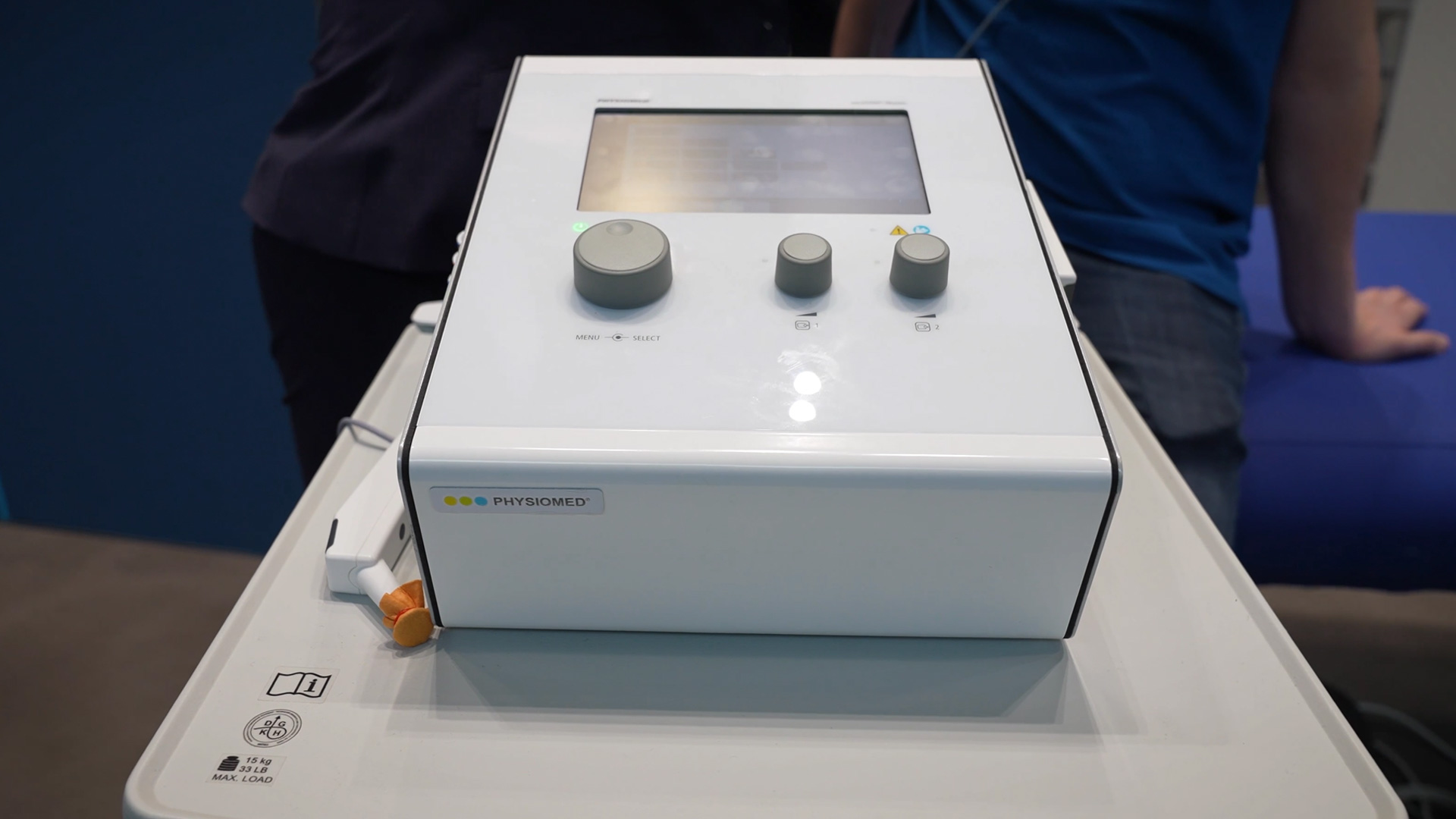
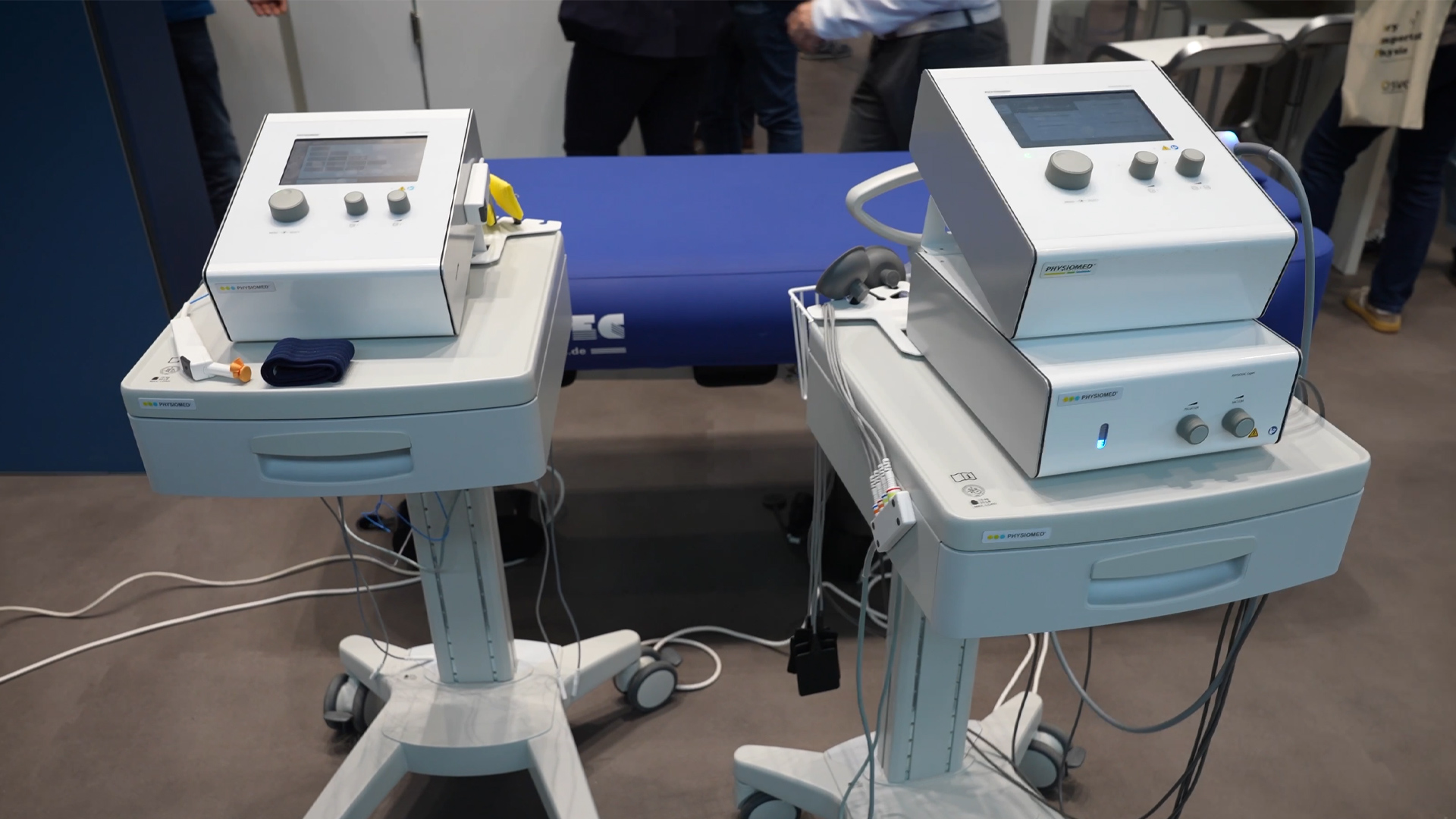
by F. Zuber - 2026-02-06At Therapro, Physiomed presented a device at its booth that is specifically designed for speech therapy and combines several previously separate treatment areas in one system. The vocaSTIM-Master is primarily aimed at therapists who work in the neurological field and regularly treat patients with swallowing, voice, or facial nerve disorders. The focus is on the use of targeted electrotherapy to effectively support speech therapy measures and integrate them more structurally into everyday therapy.
Physiomed clearly positions the system as a working tool for classic speech therapy. The approach does not follow the idea of isolated device treatment, but rather understands electricity as a complementary tool within a therapeutically guided session. The application remains in the hands of the therapist at all times and is closely combined with active exercises.
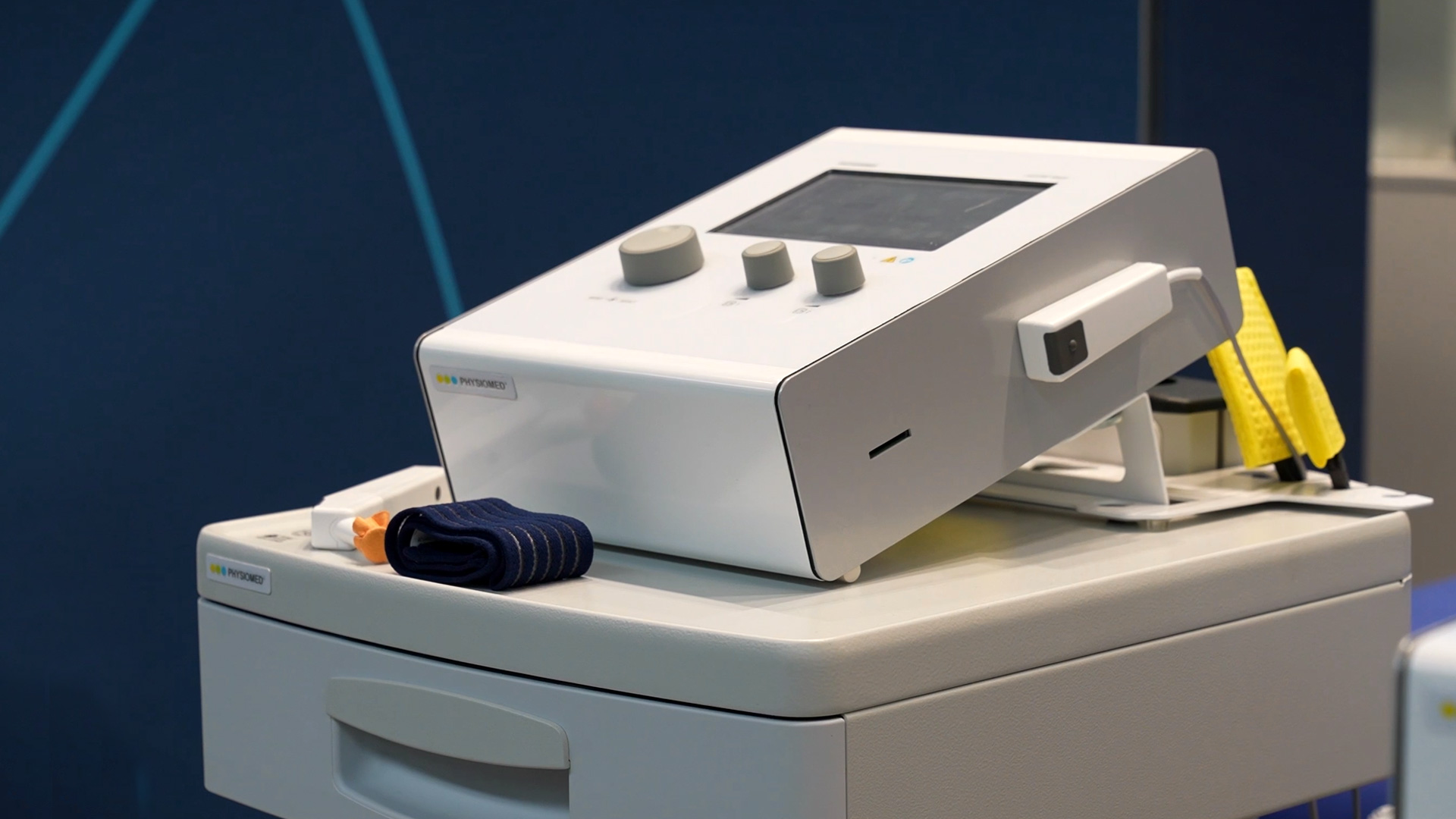
vocaSTIM-Master for dysphagia and vocal cord paralysis
A key area of application for the vocaSTIM Master is in the treatment of neurologically induced swallowing disorders. Dysphagia often poses a major challenge in practice, as it affects both functional and sensory structures. Targeted electrical stimulation of specific muscle groups can improve perception and stimulate activity without overtaxing the patient. The device is also used for vocal cord paralysis, especially in cases of recurrent nerve paralysis. In these cases, precisely positioned electrodes are used to stimulate the affected side in a targeted manner. The current is controlled between the reference and working electrodes so that the impulse arrives precisely where it is needed for therapeutic purposes. The application requires experience, but remains comprehensible and follows clear protocols.
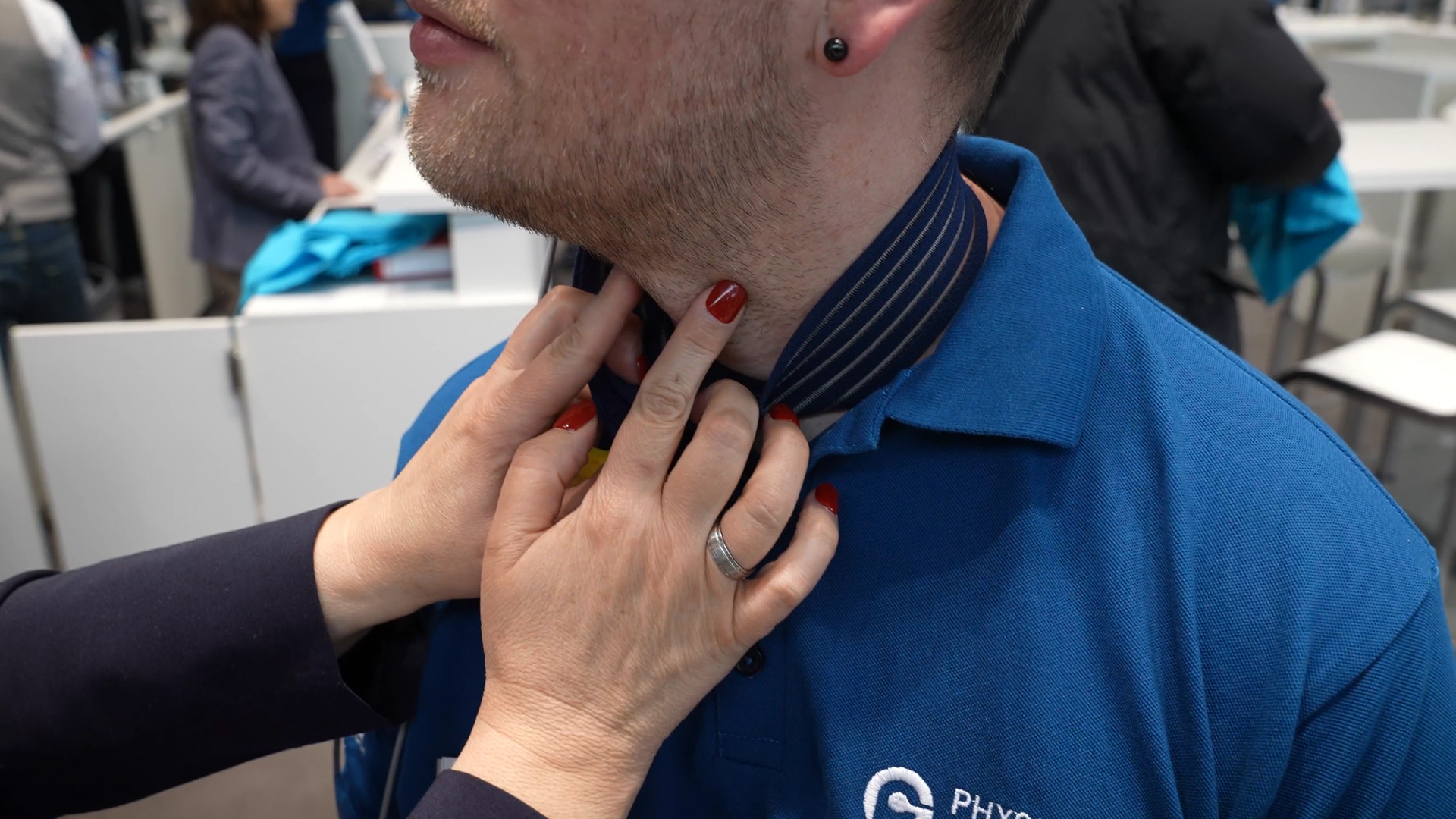
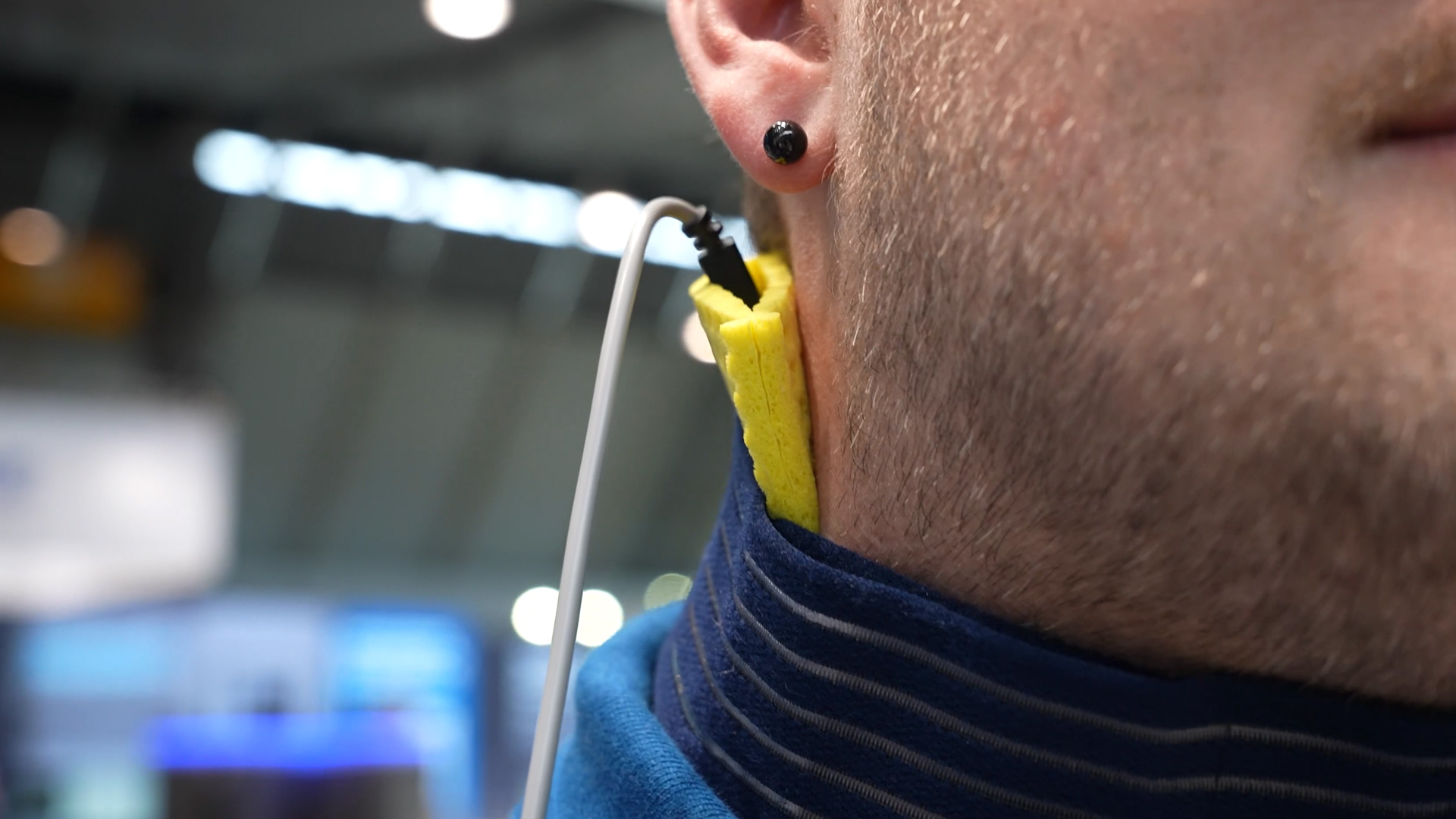
Electrotherapy in classic speech therapy treatment
The vocaSTIM-Master is designed to integrate seamlessly into classic speech therapy treatment concepts. The current does not replace exercise, but accompanies it. During electrical stimulation, voice preparation measures can be carried out, such as breathing or voice exercises, which support the effect of the treatment. An important aspect here is the patient's perception. The intensity is controlled in such a way that a distinct but not painful tingling sensation is produced. This sensitive feedback serves as a guide for the therapist and at the same time increases the patient's active cooperation. Physiomed attaches great importance to frequency ranges that are well tolerated and practical in everyday life.
Safety, contraindications, and controlled application
Before each treatment, possible contraindications must be carefully clarified. These include tumor diseases, implanted pacemakers or other active stimulators, and acute inflammatory processes. The vocaSTIM Master does not force the user to apply the treatment quickly, but guides them step by step through the preparation of the therapy. The integrated warm-up program is particularly relevant. Before targeted stimulation is applied, for example in the area of the vocal folds, the tissue is prepared. This is done in a biphasic application to avoid tissue damage and make the treatment safe. Only after this phase does the actual therapeutic stimulation begin. For a better overview, typical conditions for use can be summarized as follows:
- Clarification of contraindications before each session
- Warm-up phase to prepare the tissue
- Biphasic application to protect sensitive structures
- Therapy always in consultation with the patient
Predefined indications and structured therapy sequences
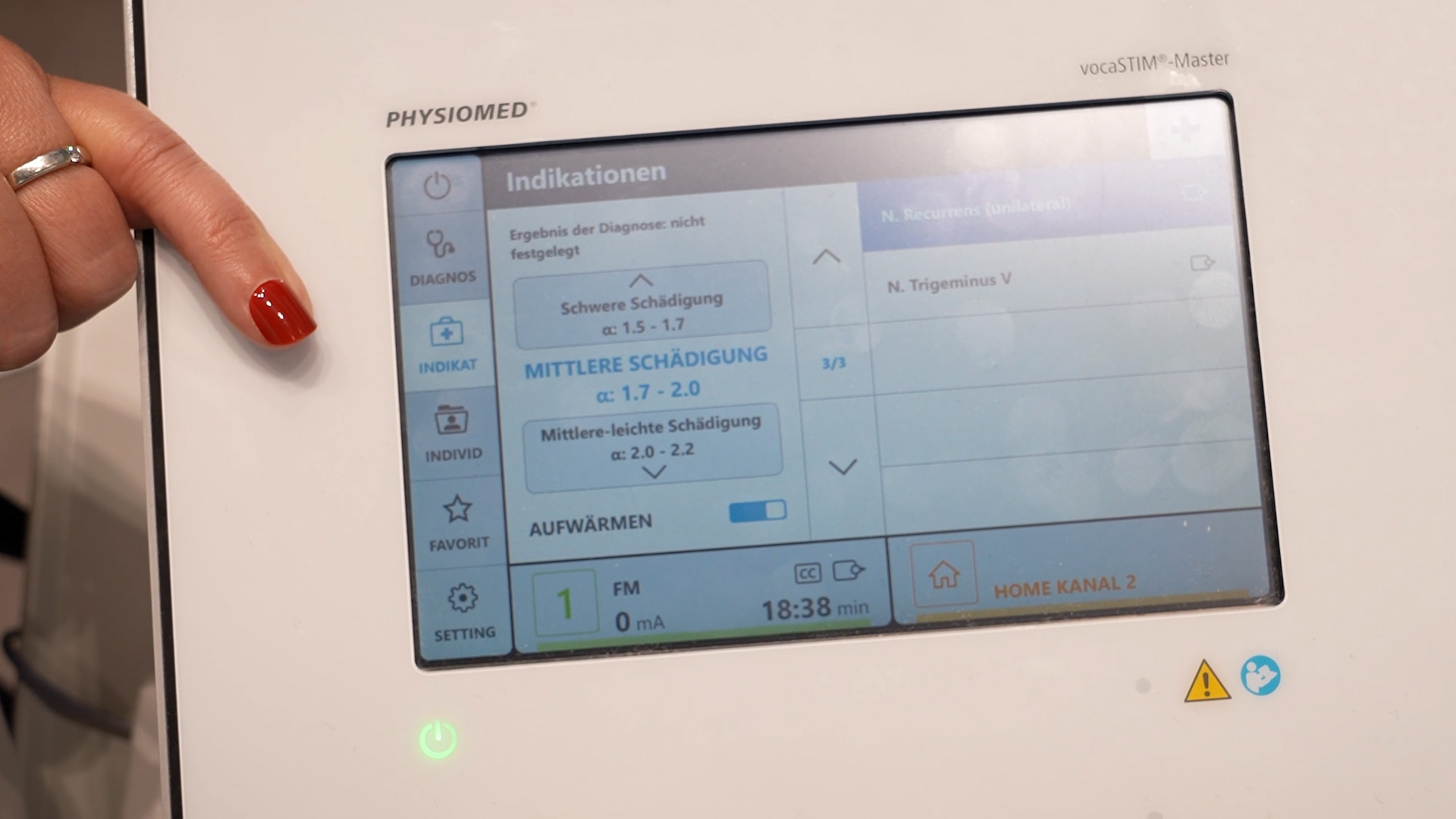
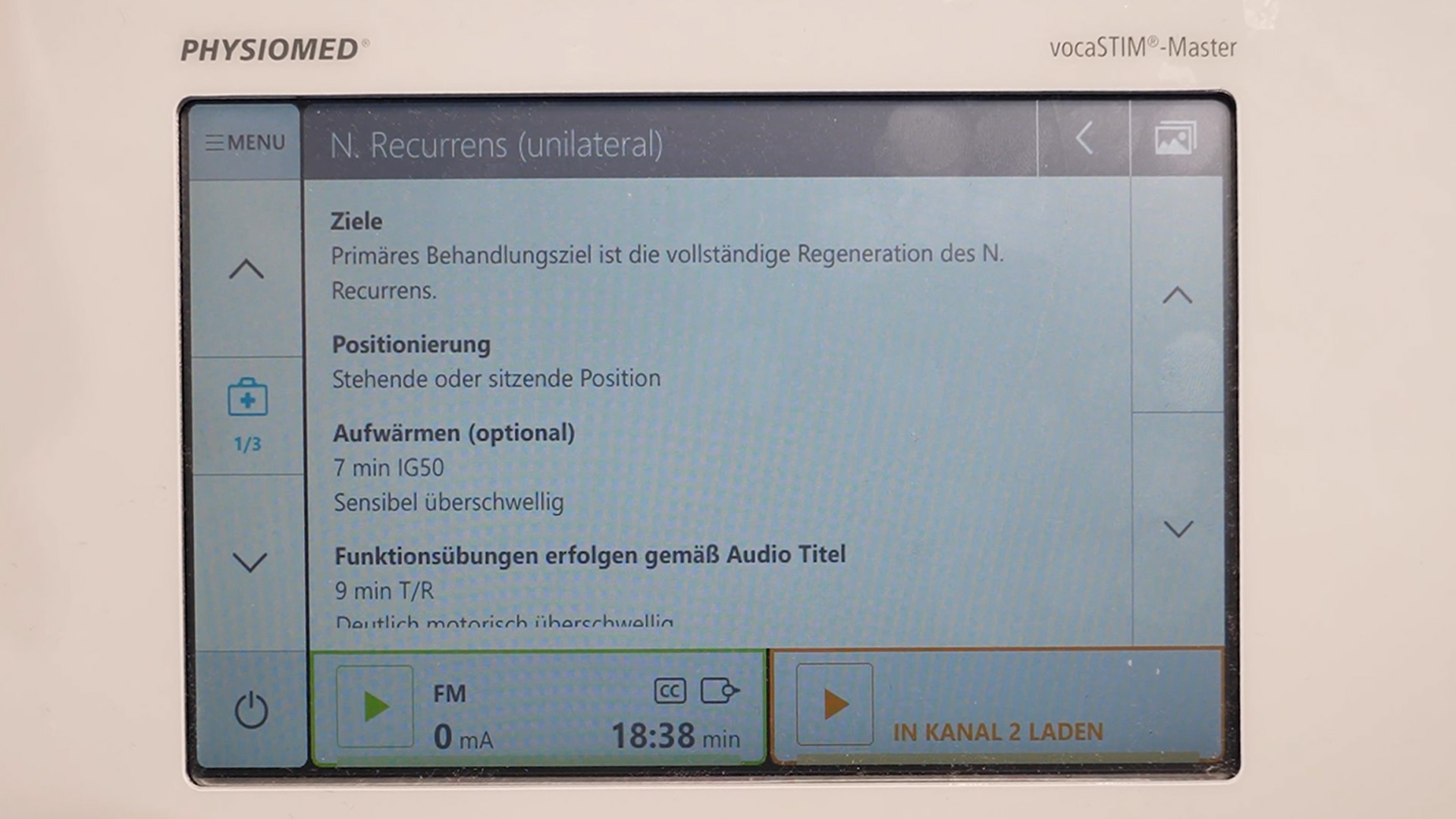
Physiomed has stored predefined indications in the vocaSTIM Master, which significantly simplify everyday therapy. Specific programs can be selected for common disorders such as recurrent nerve paralysis, facial paralysis, or swallowing disorders without having to reconfigure each session. Nevertheless, there is still sufficient scope for individual adjustments. This structure ensures that work can be carried out consistently, even in stressful practice environments. At the same time, it reduces the likelihood of errors, as proven parameters are already stored. The therapist continues to decide on the intensity and sequence, but is provided with a reliable technical basis.
Combination with active exercises and speech therapy techniques
A key advantage of the system is the ability to combine electrotherapy with active speech therapy techniques. During stimulation, for example, voice preparation exercises can be performed or methods such as LAX VOX can be used. As a result, the treatment does not act in isolation from the outside, but supports processes that are also initiated from within. In addition, preparatory measures such as jaw relaxation or relaxation exercises can be integrated. The vocaSTIM Master thus becomes an accompanying tool within a holistic therapeutic approach that takes voice, swallowing, and facial expressions into account in equal measure.
Documentation and patient management in everyday practice
Another focus of the system is documentation. Each therapy can be stored on a patient-specific basis. Settings and treatment progress can be clearly assigned via a patient ID. This is particularly helpful when several therapists are working with one patient or when substitutes have to step in. The stored data provides a quick overview of past sessions without having to spend a long time searching through files. At the same time, the documentation remains compliant with data protection regulations and is limited to what is therapeutically necessary. For everyday practice, this means a noticeable reduction in workload and greater continuity in treatment. Overall, Physiomed's vocaSTIM-Master at Therapro shows how different speech therapy treatment areas can be combined in one device without simplifying or diluting the therapeutic work. Instead, the result is a structured, practical system that provides targeted support where speech therapists work on a daily basis.
Trade fair reporting Germany - Trade fair knowledge, dates & events


