Deutsche Post DHL: Print Mailings im E-Commerce-Marketing
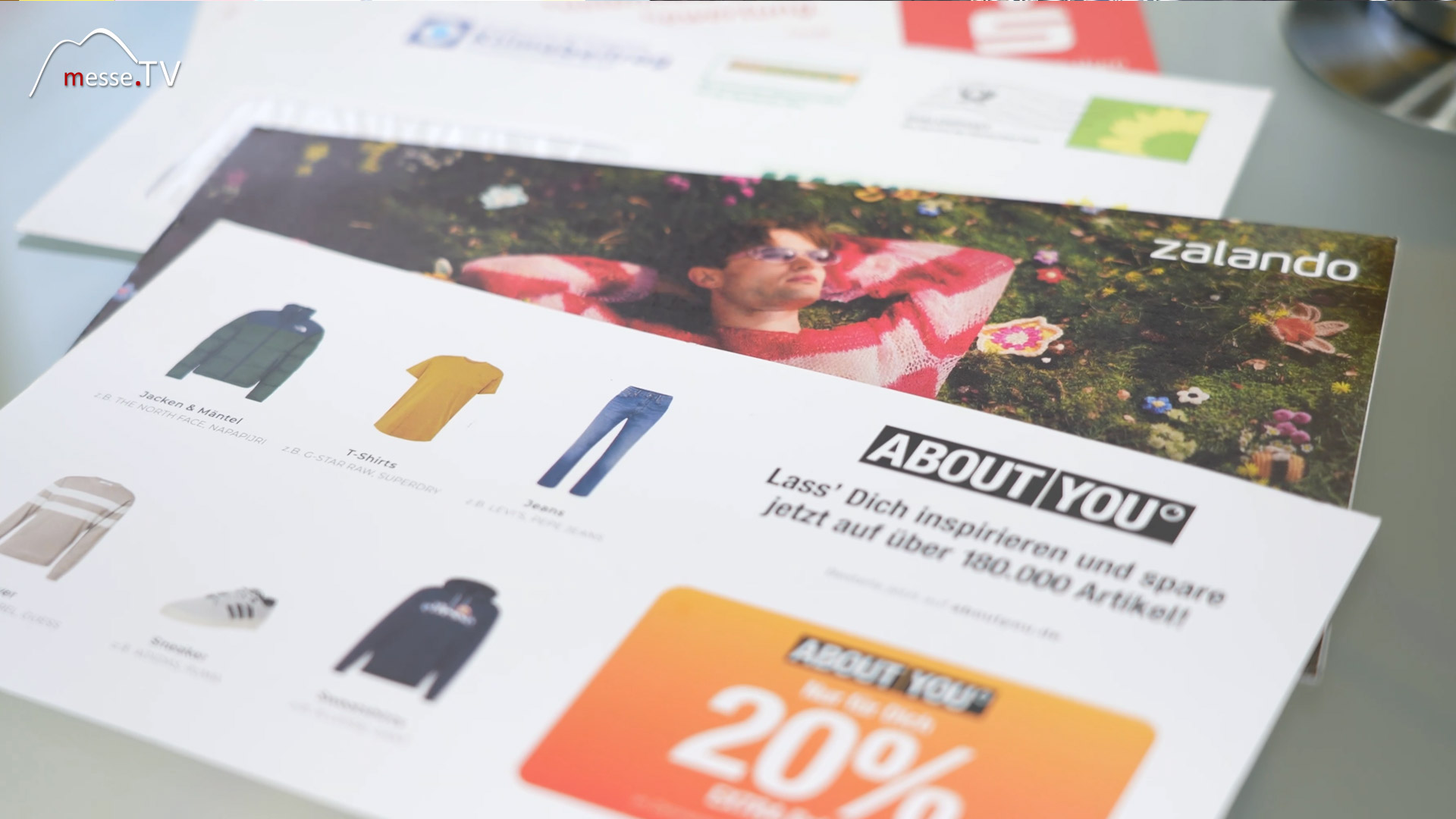
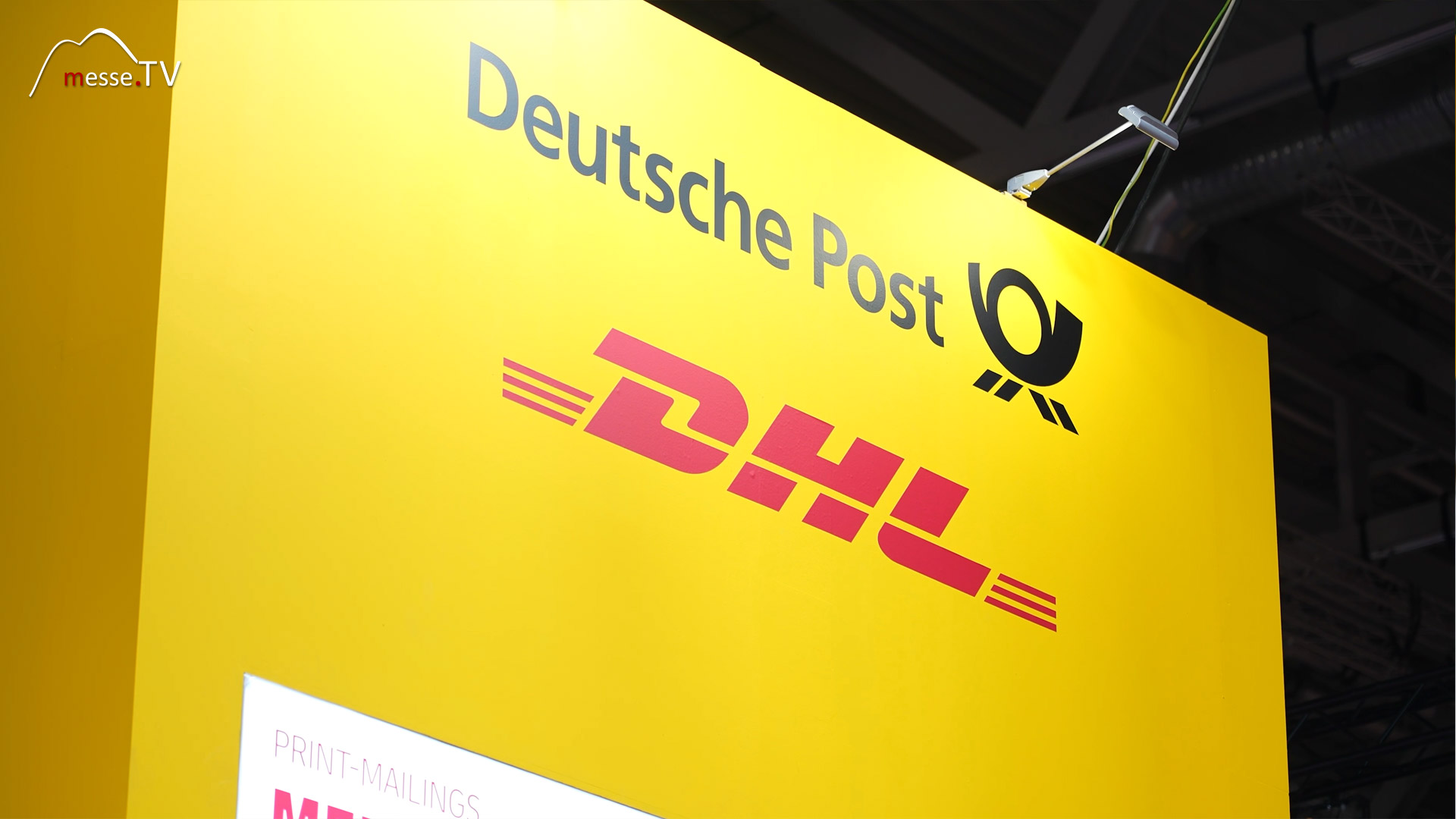
von Andreas Bergmeier - 2024-09-19Der Messeauftritt von Deutsche Post DHL zeigt, dass Print im digitalen Marketing keineswegs an Bedeutung verloren hat. Im Gegenteil: Gerade im Umfeld einer stark digital geprägten Messe wird deutlich, dass physische Mailings eine besondere Wirkung entfalten können. Deutsche Post DHL nutzt die Plattform, um aufzuzeigen, warum Print Mailings im E-Commerce hohe Relevanz besitzen und wie Unternehmen sie gezielt für Conversion, Kundenbindung und Reichweitenaufbau einsetzen können.
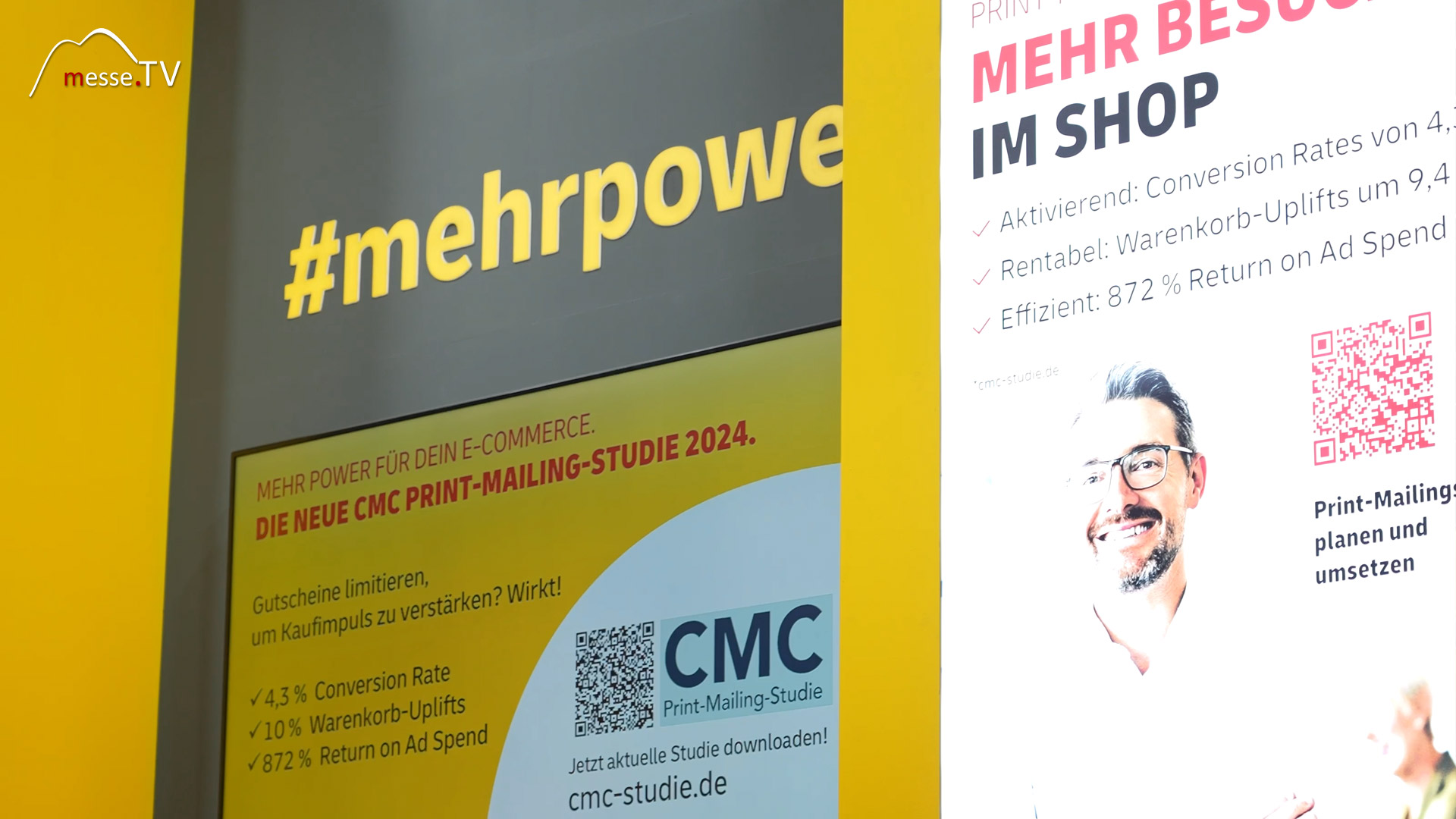
Print im digitalen Umfeld bewusst anders gedacht
Auf den ersten Blick mag das Thema Print auf einer Digitalmesse überraschen. Deutsche Post DHL ist jedoch seit Jahren mit genau diesem Schwerpunkt präsent. Grundlage dafür sind regelmäßig durchgeführte Studien, die gemeinsam mit Agenturen entstehen. Diese Analysen zeigen, dass Print Mailings im E-Commerce sehr gut funktionieren und messbare Effekte erzielen. Besonders hervorgehoben werden dabei hohe Conversion Rates, steigende Warenkörbe und ein überzeugender Return on Advertising Spend. Print wird damit nicht als nostalgisches Medium verstanden, sondern als leistungsfähiger Bestandteil moderner Marketingstrategien, der digitale Maßnahmen sinnvoll ergänzt.
Aufmerksamkeit und Exklusivität im Briefkasten
Ein zentrales Argument für Print Mailings ist ihre heutige Exklusivität. Während E-Mail-Postfächer täglich mit zahlreichen Nachrichten gefüllt sind, hat ein physisches Mailing im Briefkasten eine deutlich höhere Aufmerksamkeit. Es lässt sich anfassen, bleibt sichtbar liegen und verschwindet nicht nach wenigen Sekunden aus dem Blickfeld. Deutsche Post DHL beobachtet, dass Print Mailings oft über einen längeren Zeitraum im Haushalt verbleiben. Sie werden mehrfach wahrgenommen und können dadurch nachhaltiger Kaufimpulse auslösen. Gerade in Zeiten zunehmender Digitalisierung gewinnt dieser haptische Kontakt wieder an Bedeutung.
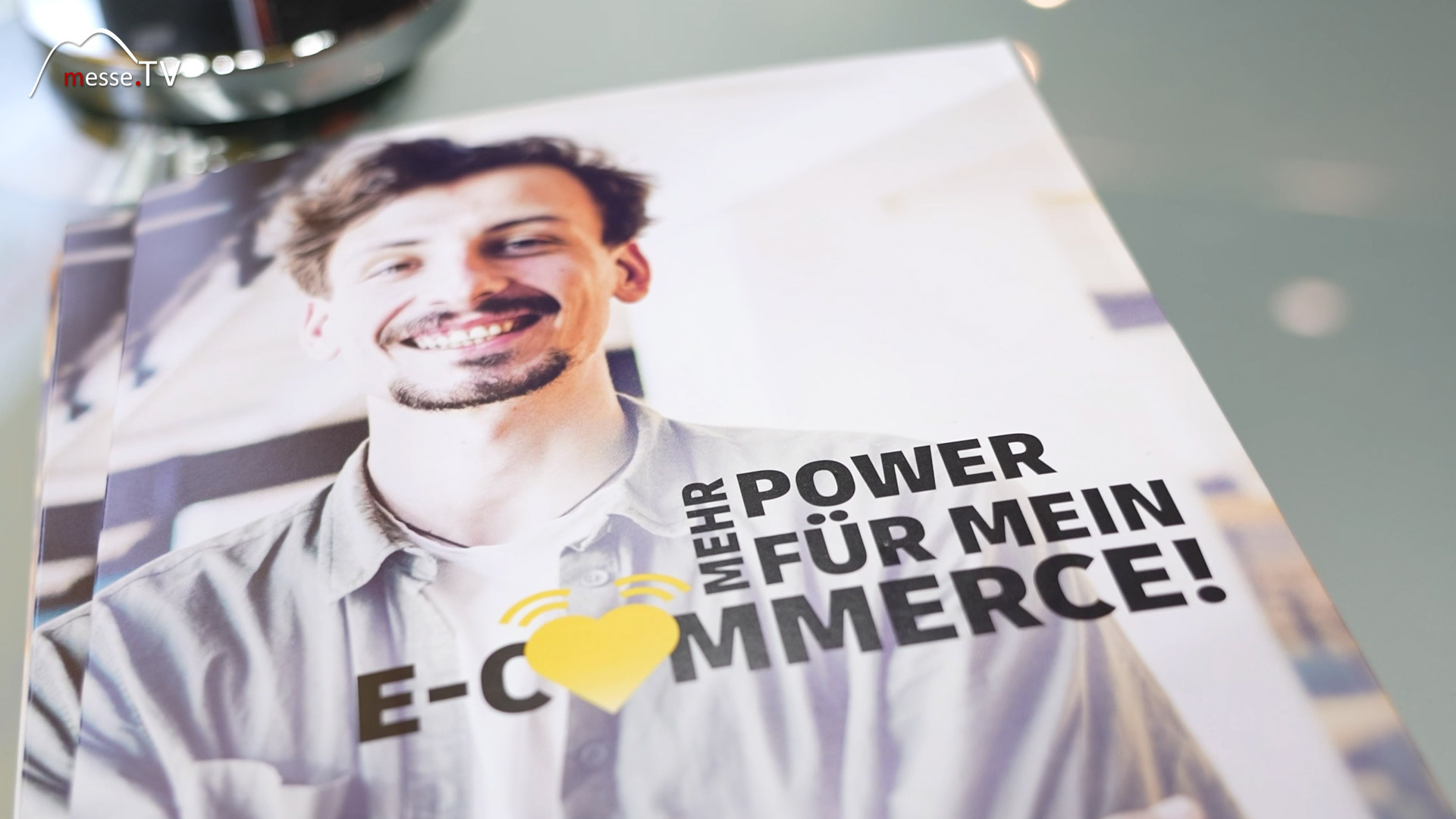
Print Mailings als Conversion-Treiber im E-Commerce
Die Studienlage zeigt klar, dass Print Mailings im E-Commerce konkrete wirtschaftliche Effekte erzielen. Sie unterstützen nicht nur den Erstkauf, sondern wirken auch positiv auf Wiederkäufe und Kundenbindung. Durch gezielte Ansprache lassen sich bestehende Kunden reaktivieren und langfristig an eine Marke binden. Gleichzeitig eignen sich Mailings auch für die Neukundengewinnung. Über breit angelegte oder stark segmentierte Versandmodelle können unterschiedliche Zielgruppen erreicht werden. Print wird dabei nicht isoliert betrachtet, sondern als Teil einer kanalübergreifenden Customer Journey.
Full-Service rund um Print Mailings
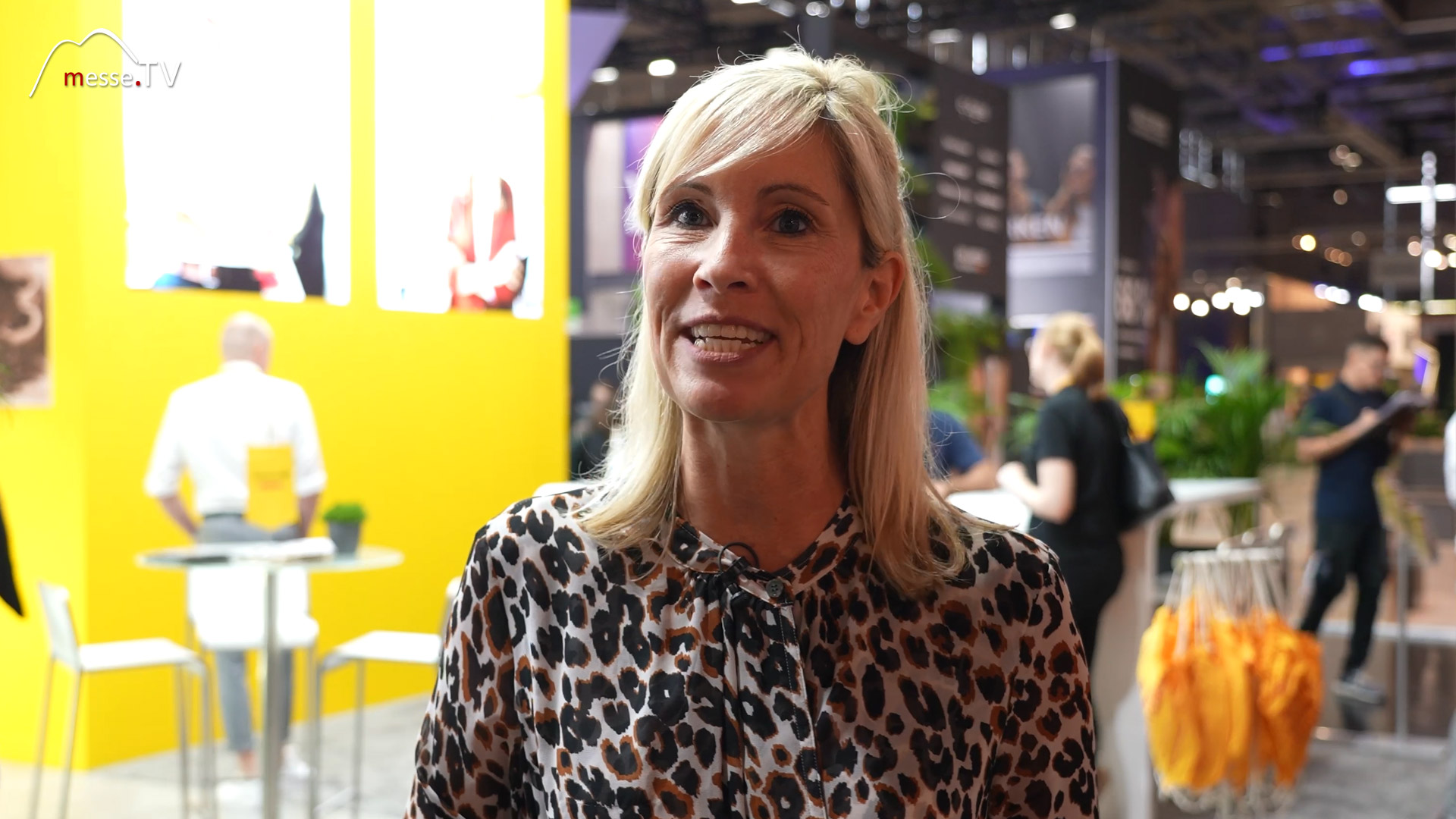
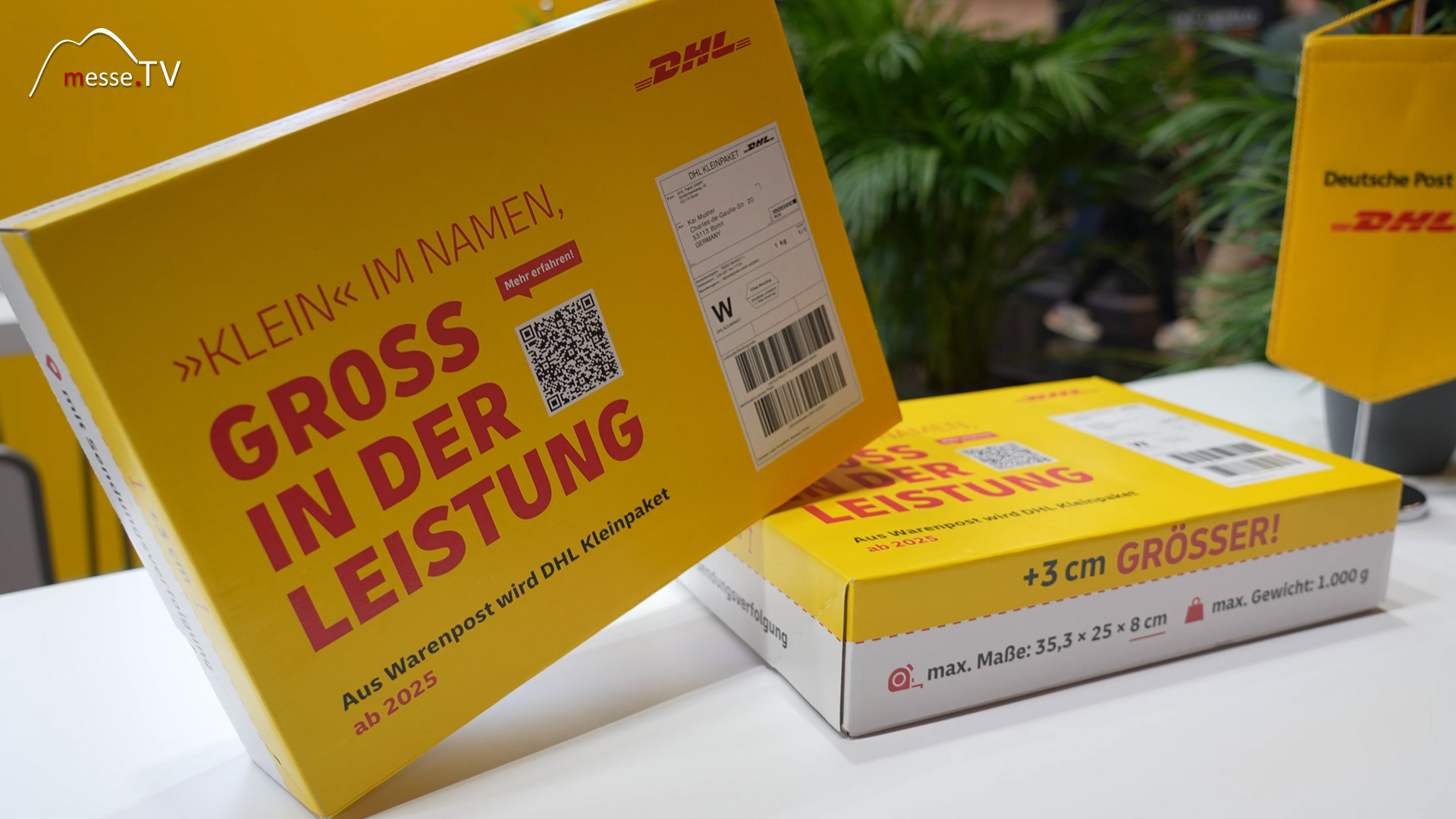
Ein wichtiger Aspekt des Angebots von Deutsche Post DHL ist der Full-Service-Ansatz. Unternehmen müssen sich nicht um einzelne Produktionsschritte kümmern. Von der Beratung über die Konzeption bis hin zu Druck, Aufbereitung und Zustellung wird der komplette Prozess begleitet. Das schließt auch technische Anforderungen ein, etwa die maschinelle Verarbeitung in den Poststraßen. Ziel ist es, Unternehmen eine einfache und sichere Umsetzung ihrer Printkampagnen zu ermöglichen – unabhängig davon, ob es sich um erste Tests oder um umfangreiche Kampagnen erfahrener Kunden handelt.
Rechtliche Vorteile gegenüber digitaler Kommunikation
Ein weiterer Punkt, der im Interview hervorgehoben wird, ist der rechtliche Rahmen. Print Mailings an Bestandskunden sind in einem wichtigen Punkt privilegiert: Es ist kein Double-Opt-in erforderlich. Unternehmen können bestehende Kundendaten somit direkt nutzen, um postalisch zu kommunizieren. Das schafft Planungssicherheit und eröffnet zusätzliche Spielräume im Dialog mit Bestandskunden. Gerade im Vergleich zu E-Mail-Marketing stellt dies einen relevanten Vorteil dar, der Print Mailings weiterhin attraktiv macht.
Reichweite und Zielgruppensteuerung im postalischen Marketing
Deutsche Post DHL bietet unterschiedliche Möglichkeiten, um Reichweite aufzubauen oder gezielt bestimmte Zielgruppen anzusprechen. Unternehmen können Mailings breit streuen oder anhand von Interessen, Regionen und weiteren Kriterien sehr spezifisch aussteuern. Damit eignet sich Print sowohl für Marken, die schnell Bekanntheit aufbauen wollen, als auch für Unternehmen, die gezielt bestimmte Kundensegmente adressieren möchten. Diese Flexibilität macht Print Mailings zu einem vielseitigen Instrument im Marketingmix.
Print als Werkzeug für Kundenbindung und Churn-Prävention
Während digitale Kanäle oft stark auf Wachstum und Neukundengewinnung ausgerichtet sind, spielt Print seine Stärken besonders in der Kundenbindung aus. Mailings können gezielt eingesetzt werden, um bestehende Kunden wertzuschätzen, über Angebote zu informieren oder Beziehungen langfristig zu stabilisieren. Auch im Bereich der Kündiger-Prävention zeigt sich die Stärke postalischer Kommunikation. Persönlich adressierte Mailings können Vertrauen schaffen und eine Bindung erzeugen, die rein digitale Touchpoints oft nicht erreichen.
Zentrale Einsatzfelder von Print Mailings
Die Rolle von Print Mailings im Marketing lässt sich anhand zentraler Anwendungsbereiche zusammenfassen:
- Steigerung von Conversion Rates im E-Commerce
- Erhöhung von Warenkörben und Werbewirkung
- Aufbau und Pflege langfristiger Kundenbeziehungen
- Neukundengewinnung über breite oder gezielte Reichweite
- Ergänzung digitaler Kanäle durch haptische Ansprache
Print als bewusste Ergänzung digitaler Strategien
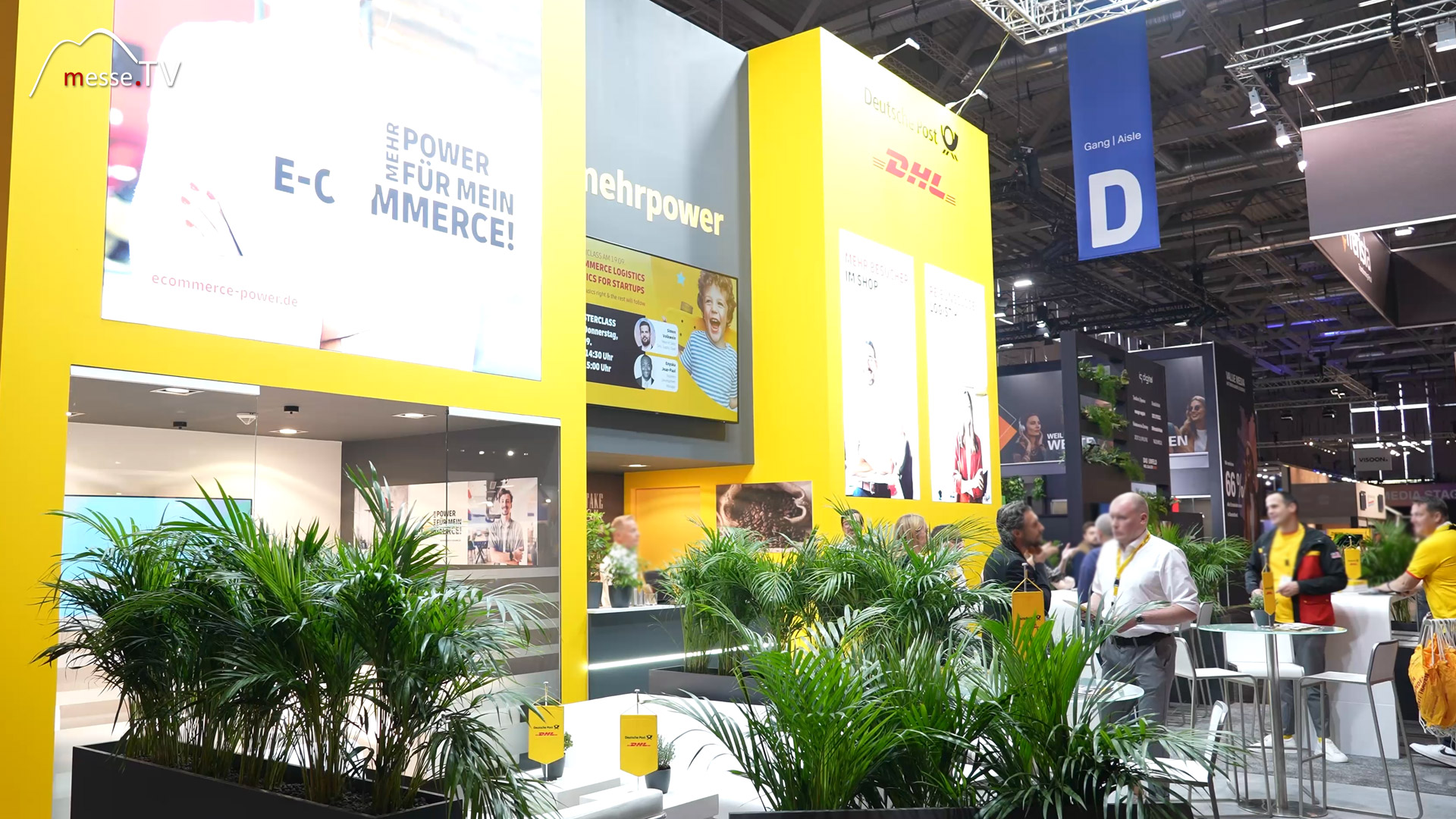
Deutsche Post DHL betont, dass Print nicht gegen digitale Kanäle ausgespielt werden sollte. Online-Wachstum ist in vielen Fällen effizient und sinnvoll. Entscheidend ist jedoch die richtige Balance. Besonders dann, wenn es um Bindung, Vertrauen und langfristige Beziehungen geht, kann Print seine Stärken voll ausspielen. Der Messeauftritt macht deutlich, dass Print Mailings kein Relikt vergangener Marketingzeiten sind. Sie sind ein gezielt eingesetztes Instrument, das im Zusammenspiel mit digitalen Maßnahmen messbare Wirkung entfaltet. Für Unternehmen, die ihren Marketingmix strategisch erweitern wollen, bleibt Print damit ein relevanter und leistungsfähiger Kanal.





Messe-Berichterstattung bundesweit - Messewissen, Termine & Veranstaltungen


