Adform: Identität, CTV, KI und nachhaltige digitale Werbung
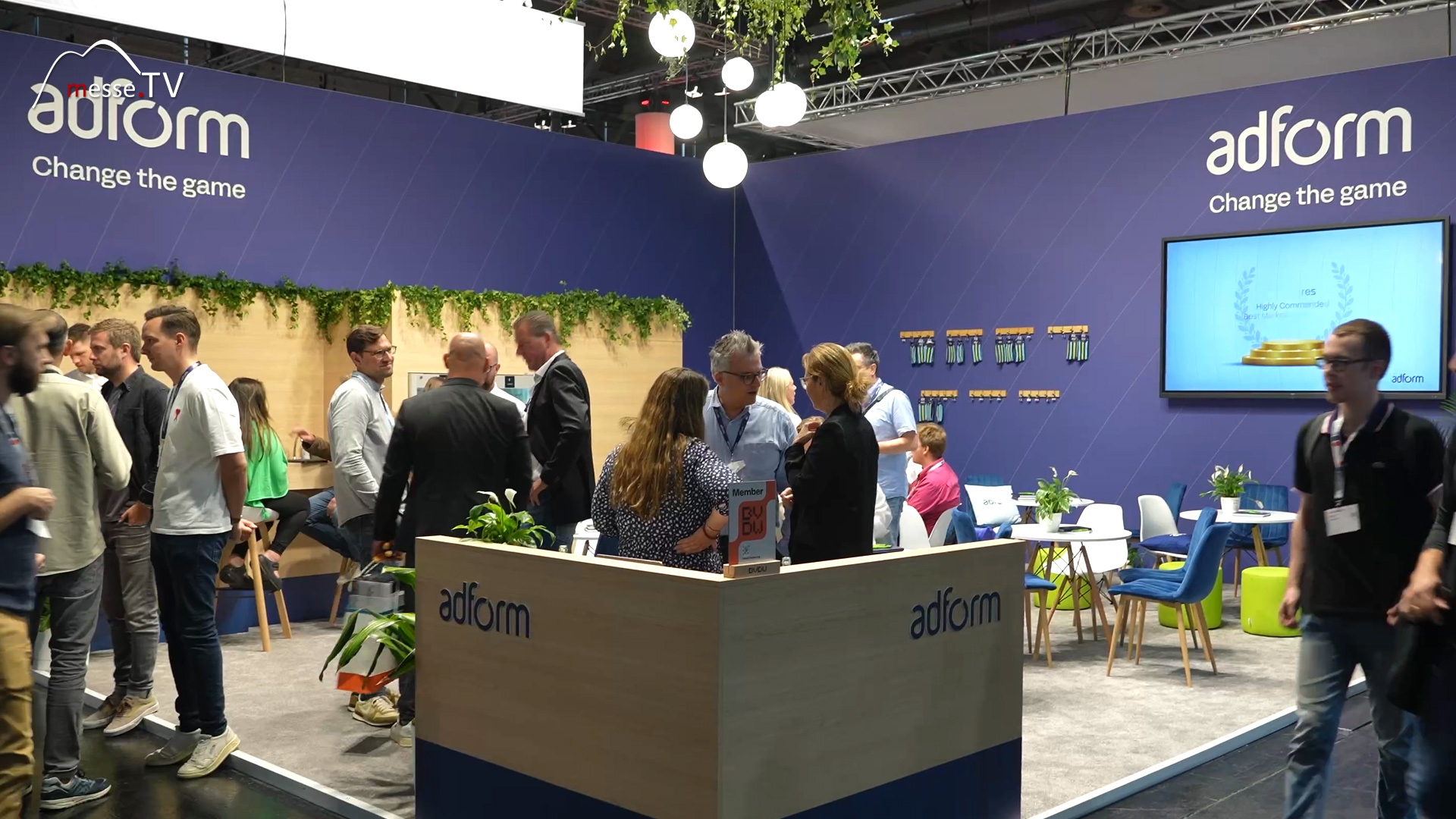
von Bastian Velonavy - 2024-09-27Der Messeauftritt von Adform auf der DMEXCO war klar auf fachlichen Austausch, inhaltliche Tiefe und konkrete Anwendungsbeispiele ausgerichtet.
Im Mittelpunkt standen keine Produktankündigungen im engeren Sinne, sondern zentrale Fragen der digitalen Werbebranche. Dazu gehörten Identität in einer cookielosen Welt, CTV und KI ebenso wie nachhaltige Ansätze für digitale Werbung. Ein wichtiges Thema war dabei die Reduzierung von CO₂-Emissionen in Kampagnen. Zahlreiche Gespräche am Stand sowie die enge Einbindung von Kunden und Partnern ergänzten das Programm.
Fachliche Präsenz durch Masterclasses und Keynotes
Zu den Highlights des Messeauftritts zählten mehrere Bühnenformate, bei denen Adform aktiv als Redner vertreten war. Eine zentrale Rolle spielte eine Masterclass zum Thema Connected TV und Identität. In diesem Rahmen wurde diskutiert, wie Werbetreibende Reichweiten auf CTV-Plattformen sinnvoll adressieren können, ohne auf klassische Third-Party-Cookies angewiesen zu sein. Als Gesprächspartner waren unter anderem Vertreter von Vodafone und Lufthansa eingebunden, was den Praxisbezug der Inhalte unterstrich. Darüber hinaus hielt Adform eine Keynote zum Einsatz von Künstlicher Intelligenz im digitalen Marketing. Dabei ging es weniger um abstrakte Zukunftsszenarien, sondern um konkrete Einsatzmöglichkeiten innerhalb programmatischer Kampagnen, etwa bei Optimierungsprozessen, Zielgruppenansprache oder Effizienzsteigerung. Ein weiterer Vortrag widmete sich dem Thema Nachhaltigkeit in der digitalen Werbung, ebenfalls in Zusammenarbeit mit Vodafone.
Nachhaltigkeit und CO₂-Reduktion in digitalen Kampagnen
Ein besonderer Fokus lag auf der Vorstellung einer Fallstudie, die zeigte, wie sich mit der Carbon-Reduction-Funktion von Adform Emissionen innerhalb digitaler Kampagnen messbar senken lassen. Dabei wurde erläutert, wie Datenströme, Auslieferungswege und technische Prozesse analysiert werden können, um unnötige Emissionen zu vermeiden. Das Thema Nachhaltigkeit wurde nicht isoliert betrachtet, sondern als Bestandteil moderner Mediastrategien verstanden. Ziel ist es, Werbeleistung und ökologische Verantwortung miteinander zu verbinden. Die präsentierte Fallstudie machte deutlich, dass Nachhaltigkeit nicht nur ein kommunikatives Thema ist, sondern auch operativ in Plattformen integriert werden kann.

Kundenkampagne „Gamechanger“ und internationale Beteiligung
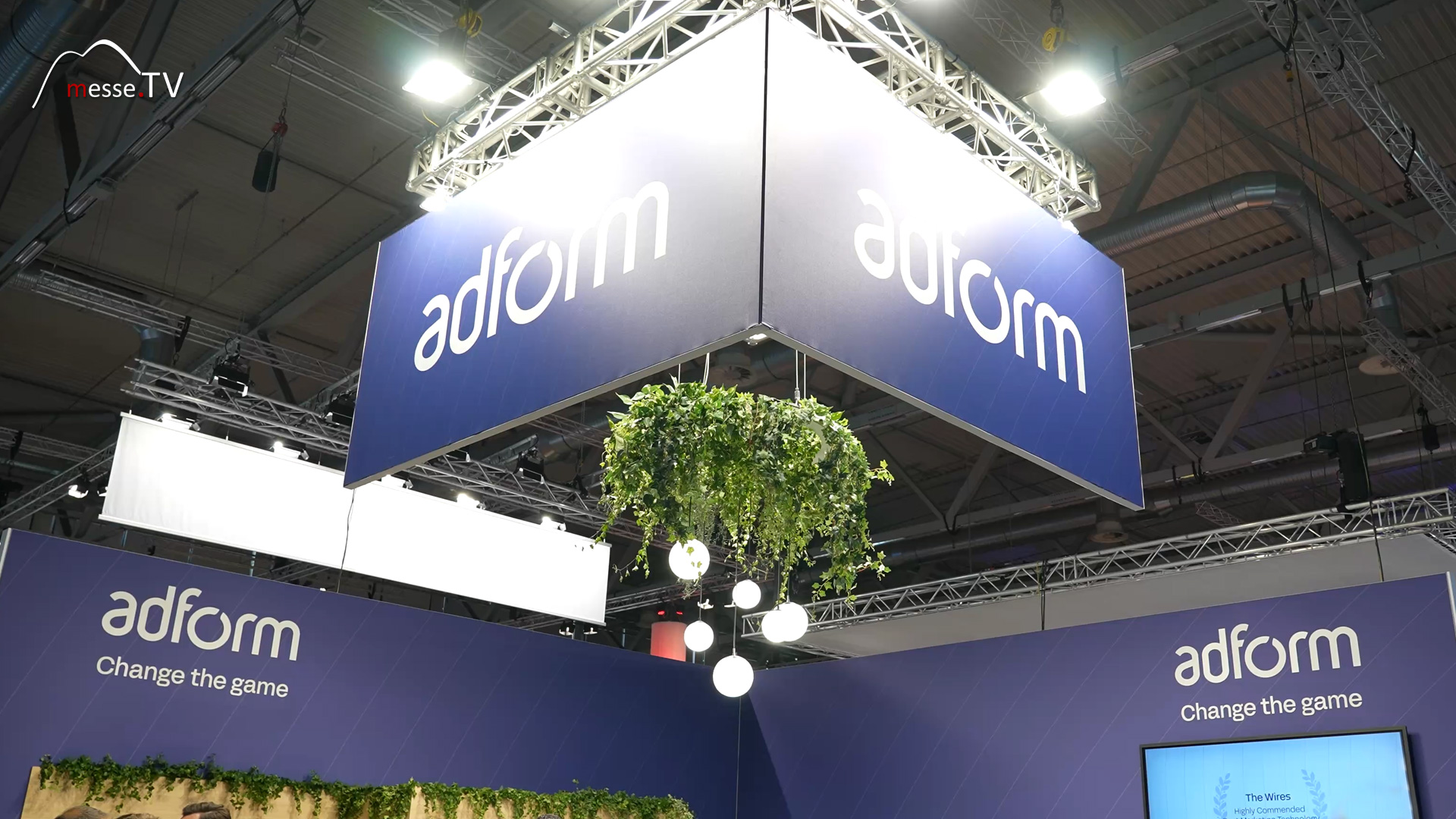
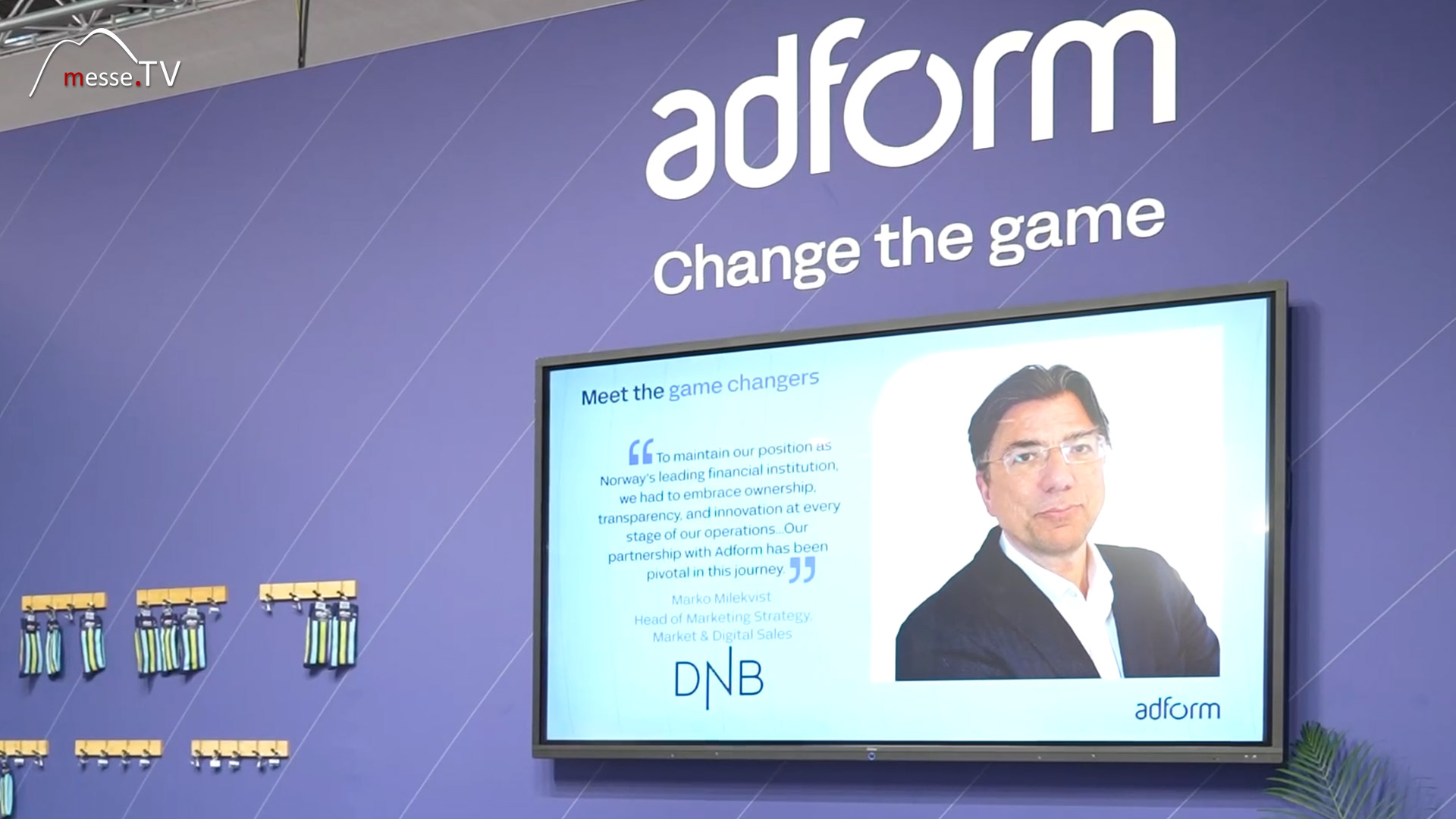
Parallel zu den inhaltlichen Bühnenformaten stellte Adform eine laufende Kundenkampagne vor, die unter dem Leitmotiv der „Gamechanger“ steht. Dabei handelt es sich um eine gemeinsame Initiative mit Kunden, die ihre Erfahrungen mit der Plattform teilen und erläutern, wie Adform ihre Marketingziele unterstützt. An dieser Kampagne beteiligen sich unter anderem Deutsche Bahn, Deutsche Telekom sowie Mediaplus Italien. Darüber hinaus sind Kunden aus verschiedenen internationalen Märkten, etwa aus der Türkei, eingebunden. Die Rückmeldungen aus diesen Märkten verdeutlichen, dass Adform nicht als regionale Lösung wahrgenommen wird, sondern als Plattform mit globaler Relevanz.

ID Fusion als Antwort auf die cookielose Zukunft
Ein zentrales Thema am Stand von Adform war die Identitätslösung ID Fusion. Sie adressiert die Herausforderung, Zielgruppen in einer zunehmend cookielosen Umgebung zuverlässig und datenschutzkonform zu erreichen. ID Fusion basiert darauf, unterschiedliche Identifikationslösungen zusammenzuführen und transparent abzubilden, wie Identität innerhalb der Plattform entsteht und genutzt wird. Die Lösung wurde bereits mit mehreren internationalen Auszeichnungen prämiert. Ein entscheidender Faktor ist dabei die Transparenz der Funktionsweise. Die Identitätslogik wurde von PwC geprüft, was insbesondere für Marketingverantwortliche ein wichtiges Signal darstellt. Sie können nachvollziehen, welche IDs eingebunden werden und wie diese im Kampagnenkontext eingesetzt werden.
Transparenz und Kontrolle für Marketingverantwortliche
ID Fusion ist so konzipiert, dass Nutzer der Plattform jederzeit Einblick in die eingesetzten Identitätsmechanismen erhalten. Anstatt auf eine einzelne ID zu setzen, arbeitet Adform mit verschiedenen Identitätslösungen parallel. Dadurch entsteht eine flexible Struktur, die sich an unterschiedliche Märkte, regulatorische Anforderungen und technologische Rahmenbedingungen anpassen lässt. Gerade vor dem Hintergrund regulatorischer Entwicklungen und steigender Anforderungen an Datenschutz gewinnt diese Transparenz an Bedeutung. Marketingfachleute benötigen Lösungen, die nicht nur technisch funktionieren, sondern auch erklärbar und überprüfbar sind.
Qualität der Gespräche und Geschäftsanbahnung auf der DMEXCO
Neben den offiziellen Programmpunkten spielte der persönliche Austausch am Messestand eine zentrale Rolle. Adform berichtete von einer hohen Anzahl an qualitativ hochwertigen Meetings. Im Vergleich zu früheren Veranstaltungen lag der Fokus weniger auf quantitativer Besucherfrequenz, sondern stärker auf konkreten Gesprächen mit Entscheidern. Die DMEXCO erwies sich damit als Plattform für Geschäftsanbahnung und strategische Diskussionen. Themen wie Identität, Nachhaltigkeit und KI wurden nicht abstrakt behandelt, sondern in konkrete Projekte und Fragestellungen übersetzt.

Einordnung: Adform im aktuellen Marktumfeld
Der Auftritt von Adform zeigt exemplarisch, wie sich Adtech-Unternehmen aktuell positionieren. Gefragt sind ganzheitliche Lösungen, die technologische Leistungsfähigkeit mit regulatorischer Sicherheit und gesellschaftlicher Verantwortung verbinden. Identität, Datenqualität und Nachhaltigkeit sind dabei keine isolierten Themen, sondern eng miteinander verknüpft. Adform positioniert sich in diesem Umfeld als Plattformanbieter, der nicht nur Werkzeuge bereitstellt, sondern aktiv an der Weiterentwicklung von Standards und Best Practices mitwirkt. Die Einbindung von Kunden, Partnern und unabhängigen Prüfstellen unterstreicht diesen Anspruch. Zentrale Themen des Messeauftritts lassen sich wie folgt zusammenfassen:
- Masterclasses und Keynotes zu CTV, Identität, KI und Nachhaltigkeit
- Carbon-Reduction-Funktion zur Senkung von Emissionen in Kampagnen
- Kundeninitiative „Gamechanger“ mit internationaler Beteiligung
- ID Fusion als transparente Identitätslösung für cookielose Umgebungen
- Fokus auf hochwertige Meetings und konkrete Geschäftsanbahnung









Messe-Berichterstattung bundesweit - Messewissen, Termine & Veranstaltungen


