Videos and articles on logistics, transport and supply chain
Logistics processes are becoming increasingly important in almost all industries. Whether it's storage, transport, or digital control of supply chains, modern solutions ensure efficiency, availability, and smooth processes.
Solutions, networks and innovations for modern freight transport
Truck Jobs and appreciation for drivers
The transport and logistics industry is one of the pillars of modern economies, but is often reduced in society to vehicles, goods flows and efficiency indicators. The people who k... Truck driver placement
Two-way vehicles in shunting operations for rail and road
Freight transport by rail has been under pressure for years. Efficiency, costs and flexibility are key factors, especially in shunting operations, where time losses and high person... Two-way vehicles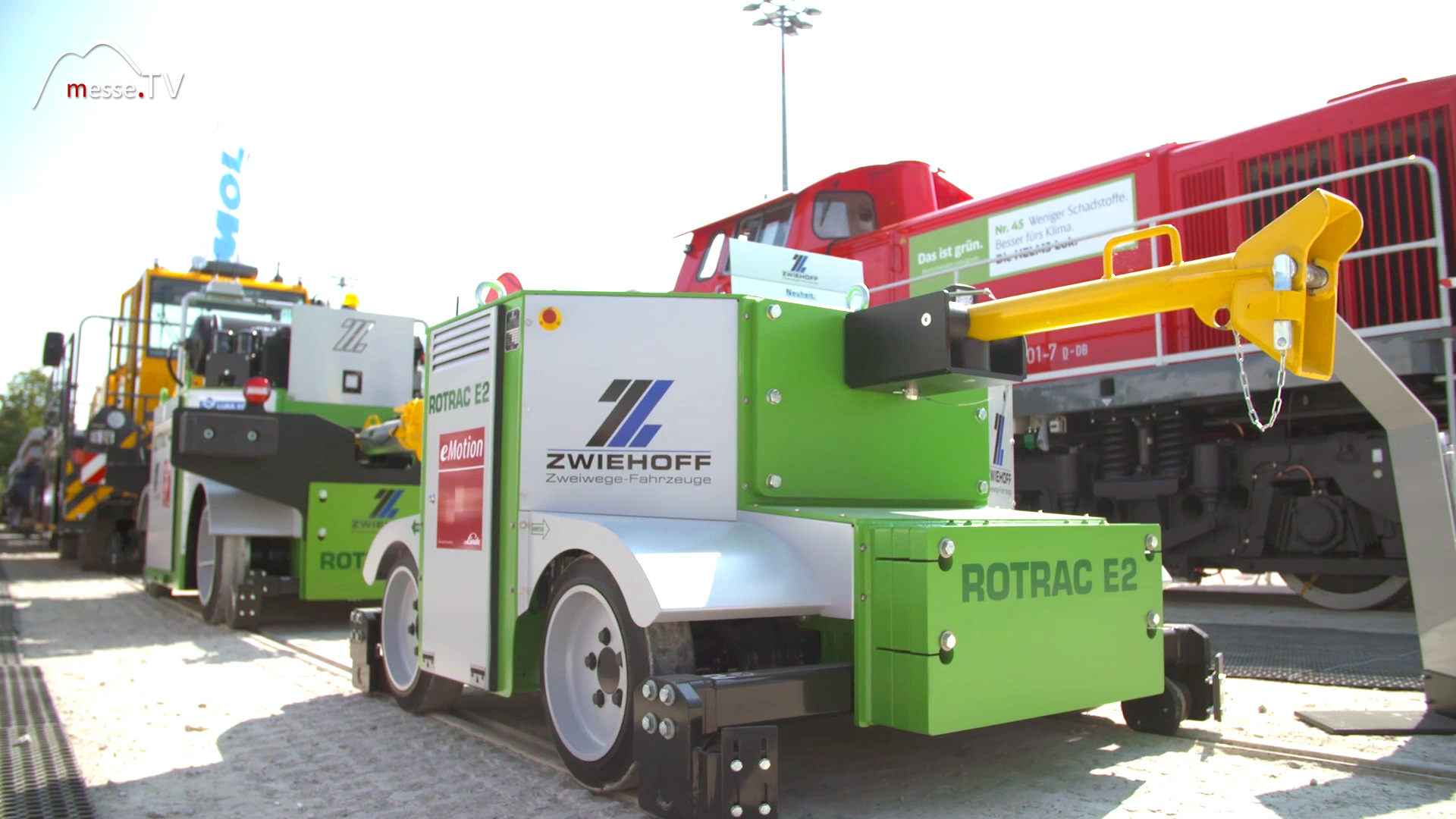
Digital fleet management for small businesses
Fleet management has long been considered the domain of large corporations with their own departments, specialised software solutions and clearly defined processes. For small and m... VW Fleet manager: We Connect Fleet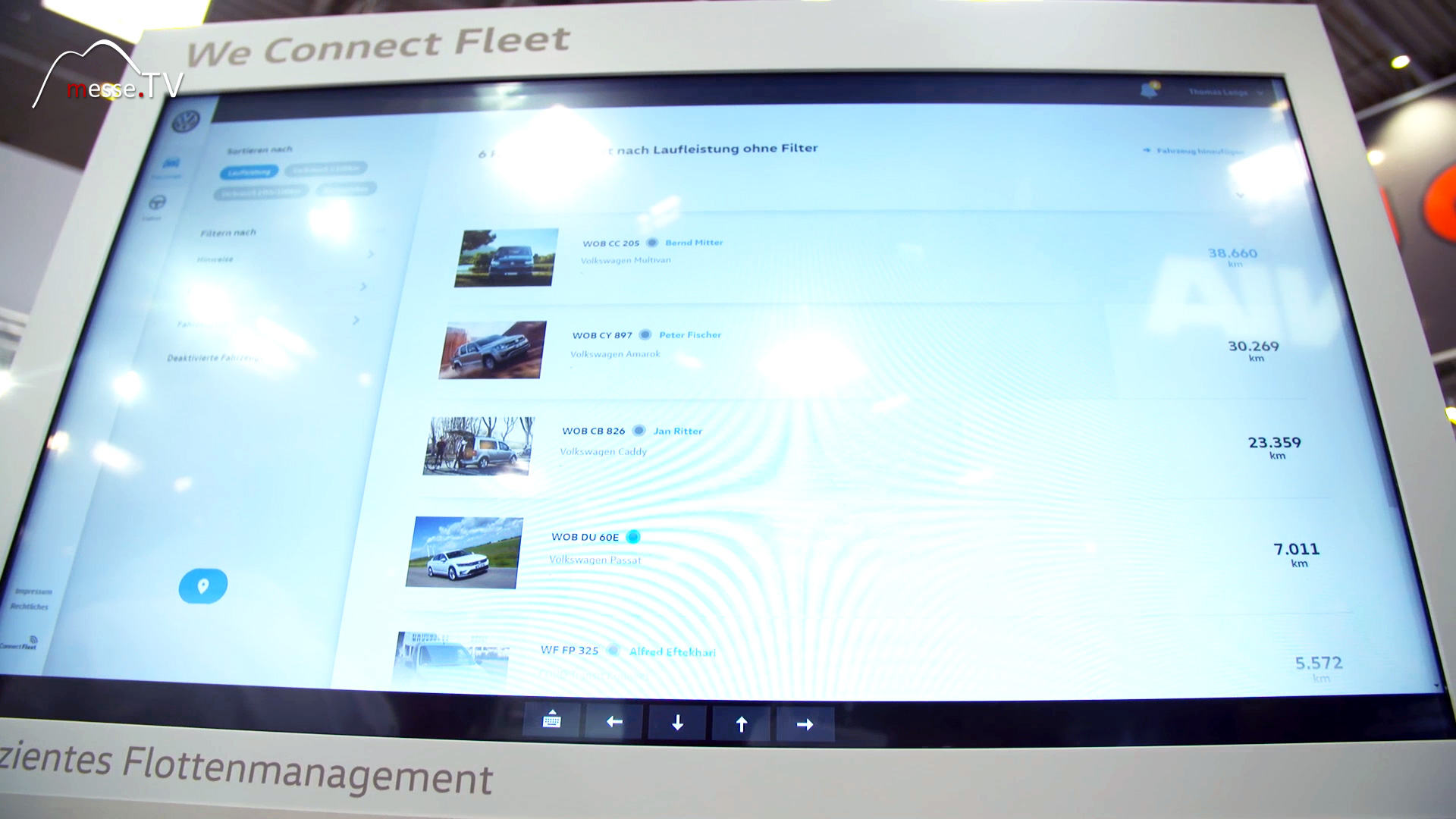
World of Heroes and the image of the transport industry
The transport and logistics industry is systemically important, but often underrepresented in society when it comes to recognition and appreciation. Drivers, freight forwarders and... Team for new mobility
Freedom of trade and innovation as the mission of logistics
Trade does not arise from isolation, but from exchange. Those who talk about customs duties, restrictions and barriers miss the core of what drives long-term economic success. Toda... Andreas Scheuer - Opening transport logistic 2019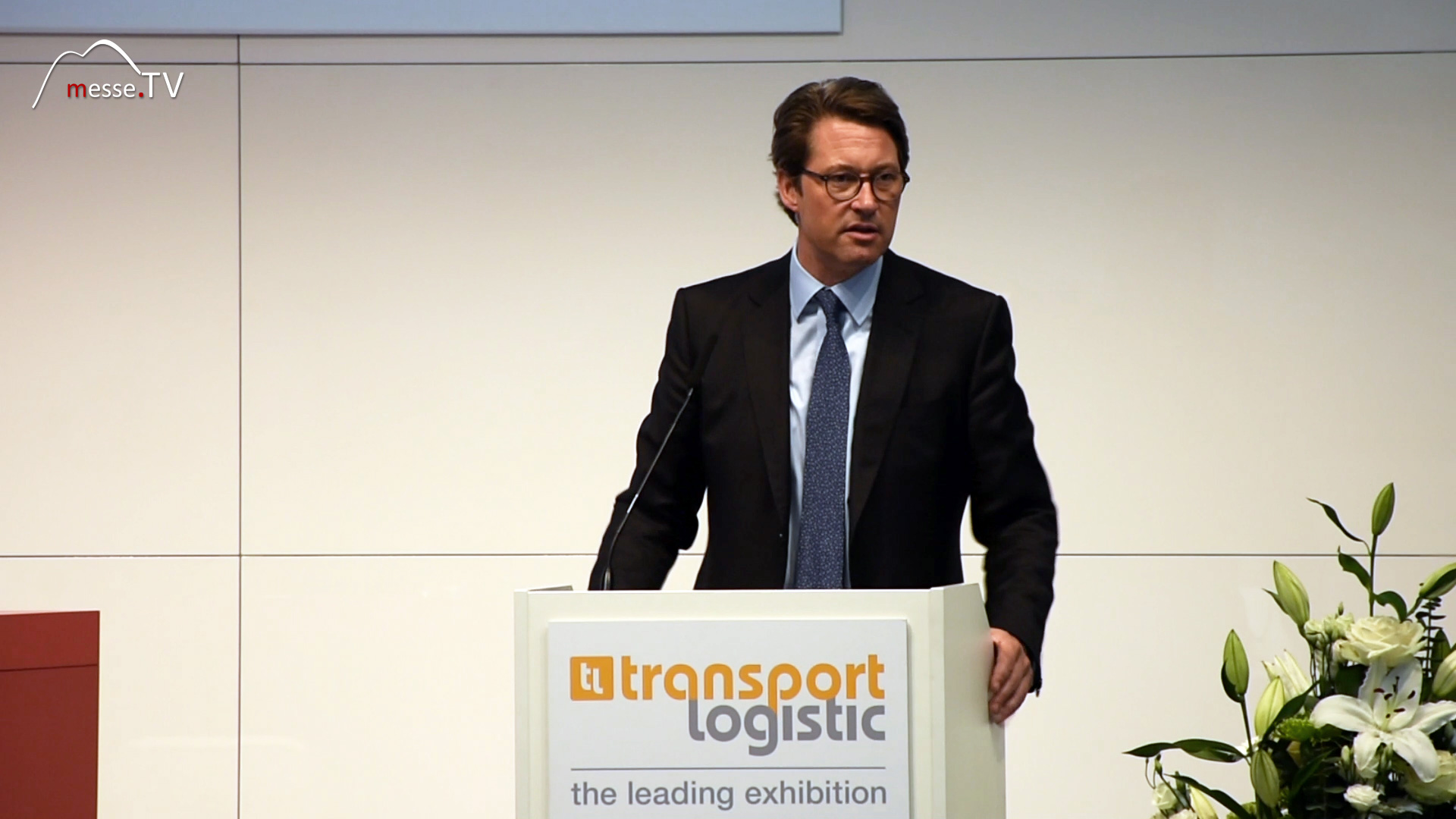
Transport logistics with digital solutions for toll billing
Transport logistics has been regarded as the central platform for the logistics and transport industry for many years. This is where providers, decision-makers and users come toget... ARAL: Tollbox for EETS
Preform production from recycled material for bottles
The manufacture of plastic packaging has been under particular scrutiny for years. Hardly any other industry is so directly confronted with issues of resource use, emissions, and s... Sustainable packaging solutions
Inspection of swing-top bottles - AMS
Swing-top cap bottles pose special technical challenges for bottling plants. Unlike simple closures, several components must interact precisely to ensure hygiene, tightness, and br... Swing-top cap technology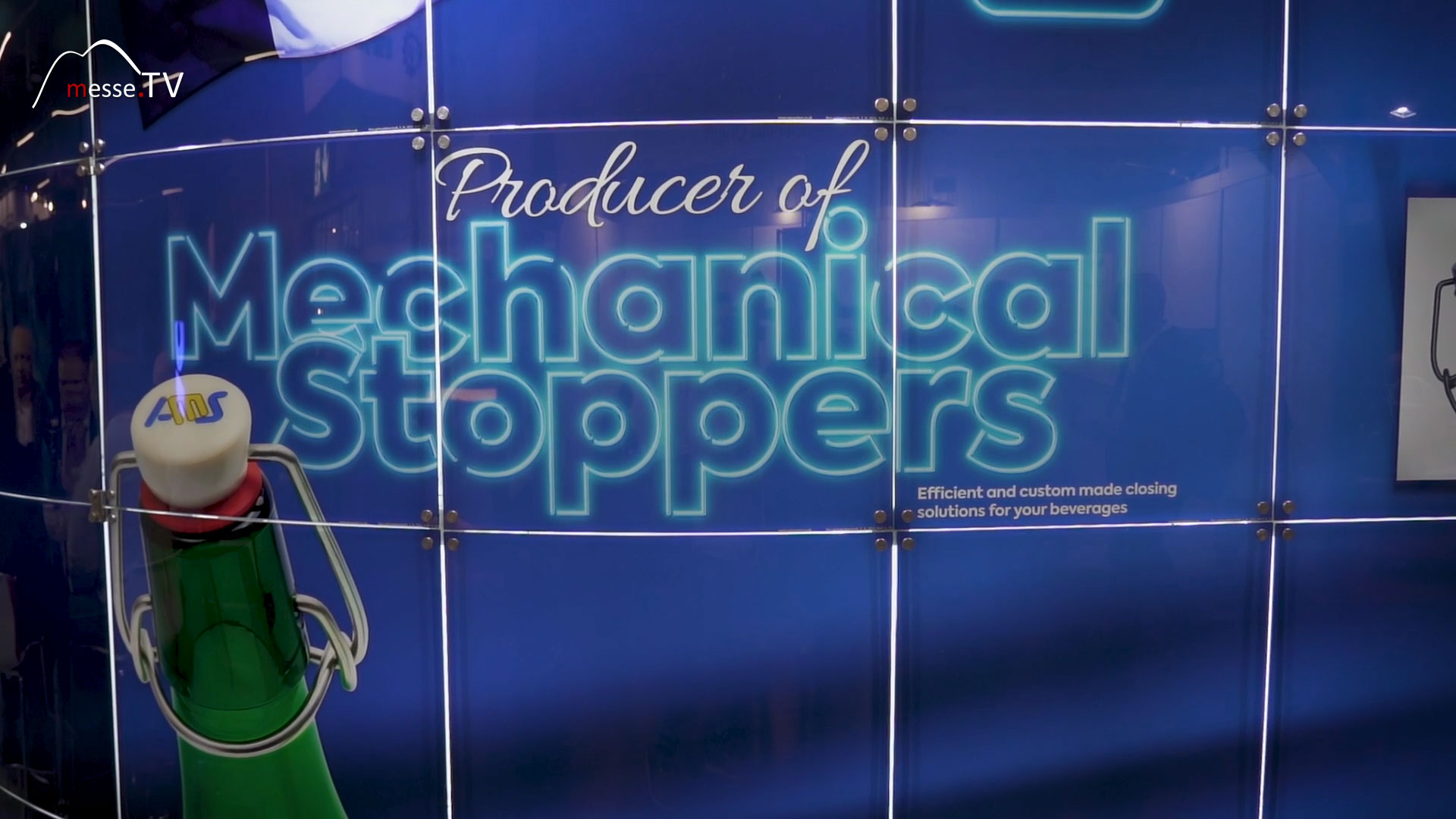
Recycled beverage crates for sustainable reusable logistics
Beverage crates are one of the inconspicuous but central components of reusable logistics. They are constantly in circulation, being stacked, transported, washed and refilled. This... Beverage crates made from recycled material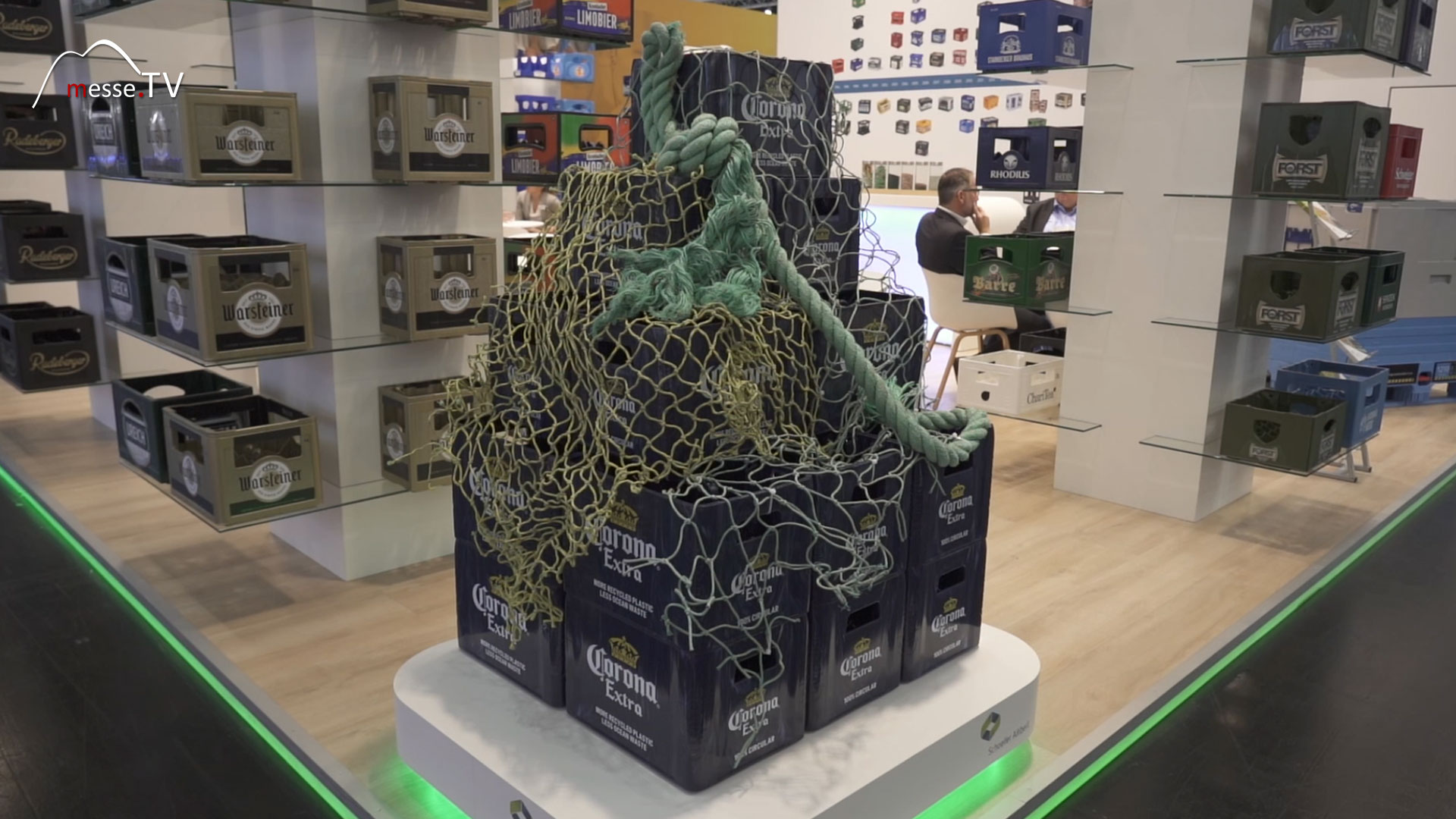
Digital systems for modern logistics processes
Digitalization is fundamentally changing the logistics industry – from planning and execution to analysis. New software solutions and platforms create real-time transparency and increase efficiency along the entire supply chain. Companies are increasingly relying on digital tools to optimize material flows, resources, and routes – whether in warehouse management, transport, or returns management.
- Logistics platforms for automated transport planning
- Software for real-time data analysis and tracking
- Digital solutions for load carrier and returns management
Automation and robotics in intralogistics and transport
With the increasing demand for speed and precision, the requirements for internal logistics processes are also rising. Autonomous mobile robots, flexible palletizing systems, and automated warehouse solutions are being used in more and more industries. The focus is on both safety and efficiency, for example, when navigating AMRs through warehouses or picking orders in high-bay warehouses.
- Mobile robotics for transport and warehouse logistics
- Palletizing robots and flexible end-of-line systems
- Automated small parts warehouses and shuttle systems
Sustainable transport solutions and networked supply chains
The pressure to decarbonize does not stop at the logistics industry. Whether alternative drive systems, reusable packaging, or optimized route planning – many innovations today aim to achieve efficiency while reducing the ecological footprint. At the same time, the issue of resilience is becoming increasingly important: supply chains should not only be networked, but also resistant to disruptions.
- Networked transport concepts and intelligent fleet management
- Sustainable packaging solutions and circular systems
- New forms of mobility for urban logistics
Logistics as a professional field: definition, tasks, and significance for companies
The definition of logistics encompasses much more than the mere transport of goods. It describes the holistic planning, management, and control of material, information, and goods flows—from the point of origin to the end point at the customer. Key tasks include demand-driven supply, optimal use of resources, and coordination of all processes involved along the value chain. In practice, this ranges from procurement and warehousing to delivery and returns processing. Closely linked to this development is supply chain management, which adds a strategic perspective to logistics. The aim is to coordinate entire supply chains across companies and make them resilient. Distribution logistics in particular demonstrates how important transparent processes and reliable control are in order to meet delivery times, ensure service quality, and keep costs under control at the same time. Efficient warehouse structures, intelligent IT systems, and data-based forecasts play a central role in this. As complexity increases, so does the demand for qualified specialists. A degree in logistics or supply chain management not only teaches the fundamentals of business administration, but also provides a technical understanding of digital systems, automation, and process optimization. Graduates work at the interface between IT, production, and transport and play a key role in ensuring that logistics processes function reliably, economically, and in a customer-oriented manner. This makes it clear that logistics has long been a strategic success factor for companies in all industries.
Trade fair reporting Germany - Trade fair knowledge, dates & events


