Wooden glasses, 3D printing and design between craftsmanship and technology
by F. Zuber - 2026-01-21For many years, wooden glasses have shaped the image of a small, specialised eyewear manufacturer that deliberately positions itself outside of short-lived fashion trends. Rolf. has been working with wood for around a decade and a half and has developed a clear design signature.
At the same time, the current range shows that standing still is not an option. Shapes, materials and manufacturing processes are continuously questioned and further developed – not out of fashion-driven activism, but out of a desire for design and technological excellence. Wood remains a central element. It is the material, the identity and the starting point. But precisely because wooden glasses have long been established, there is a constant desire to break new ground without abandoning one's roots. This is exactly where the current development comes in.
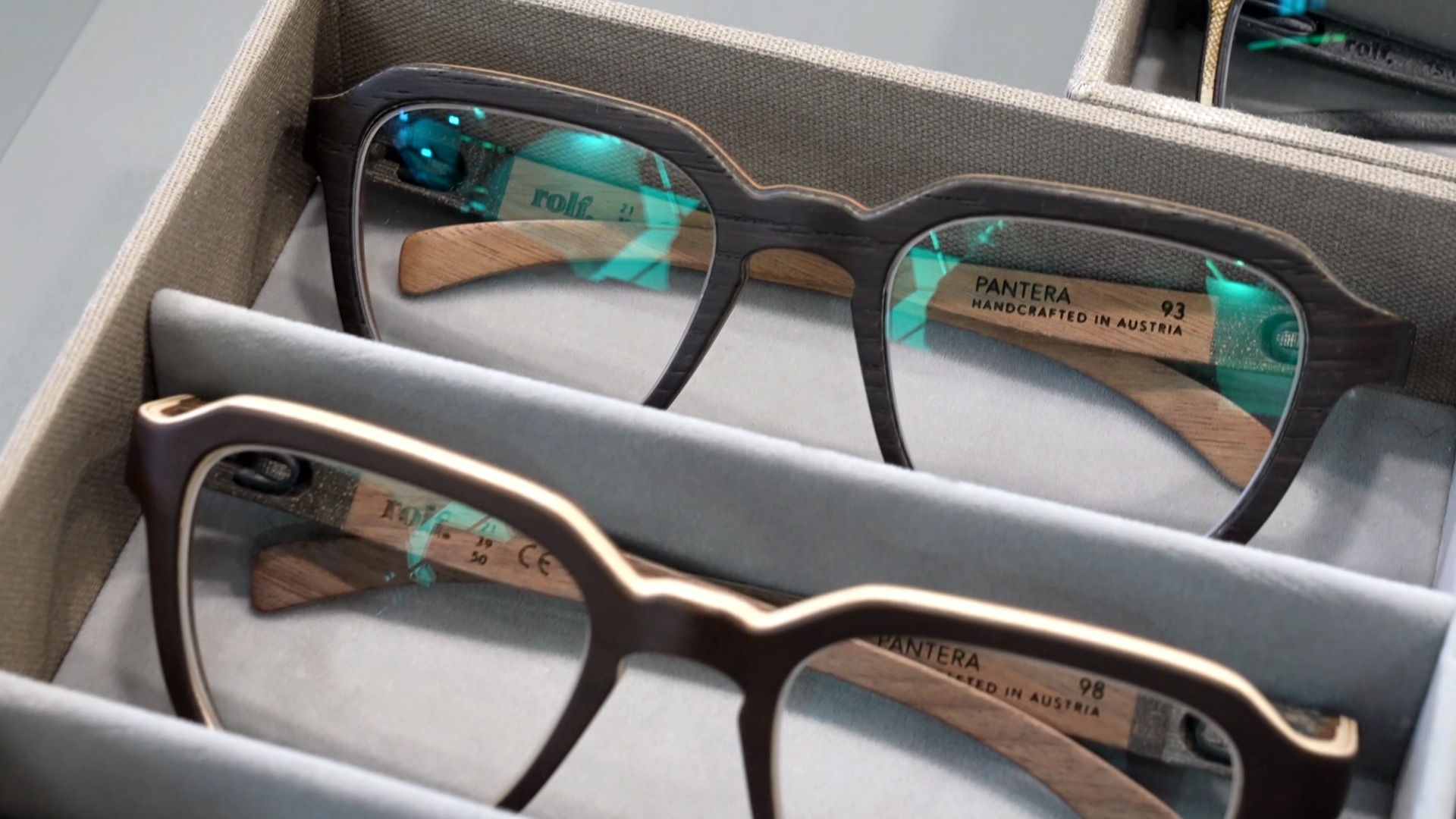

New shapes as conscious further development
The design shows a cautious but recognisable opening. The current models take up more progressive shapes that clearly differ from previous collections without denying their character. It is not about radical breaks, but about nuances: softer transitions, bolder lines, new proportions. This further development is not the result of trend pressure on the drawing board, but rather of the company's own desire to take design to the next level. The collection is intended to radiate freshness without being loud. It is precisely this restraint that is part of the design philosophy.
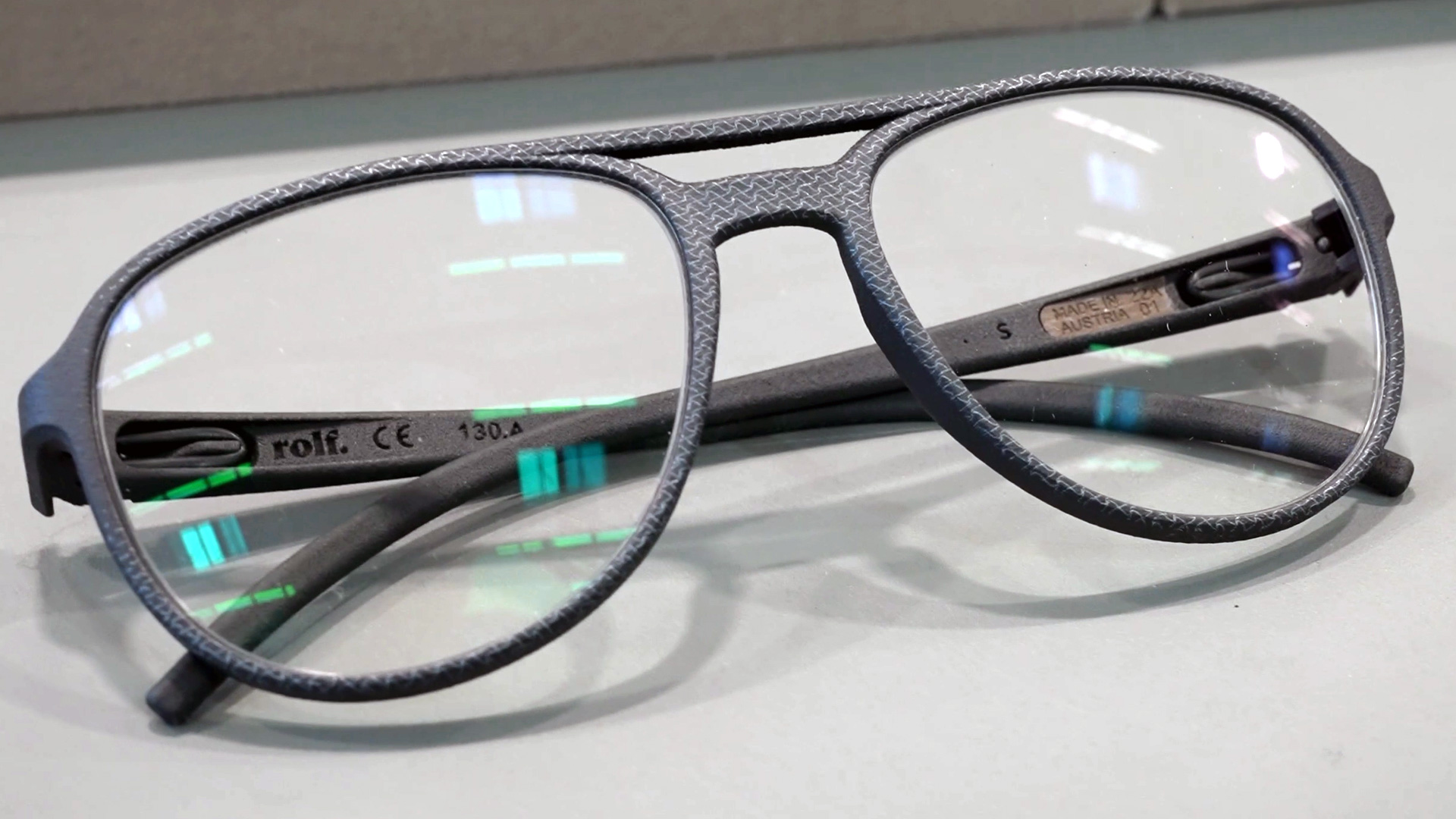
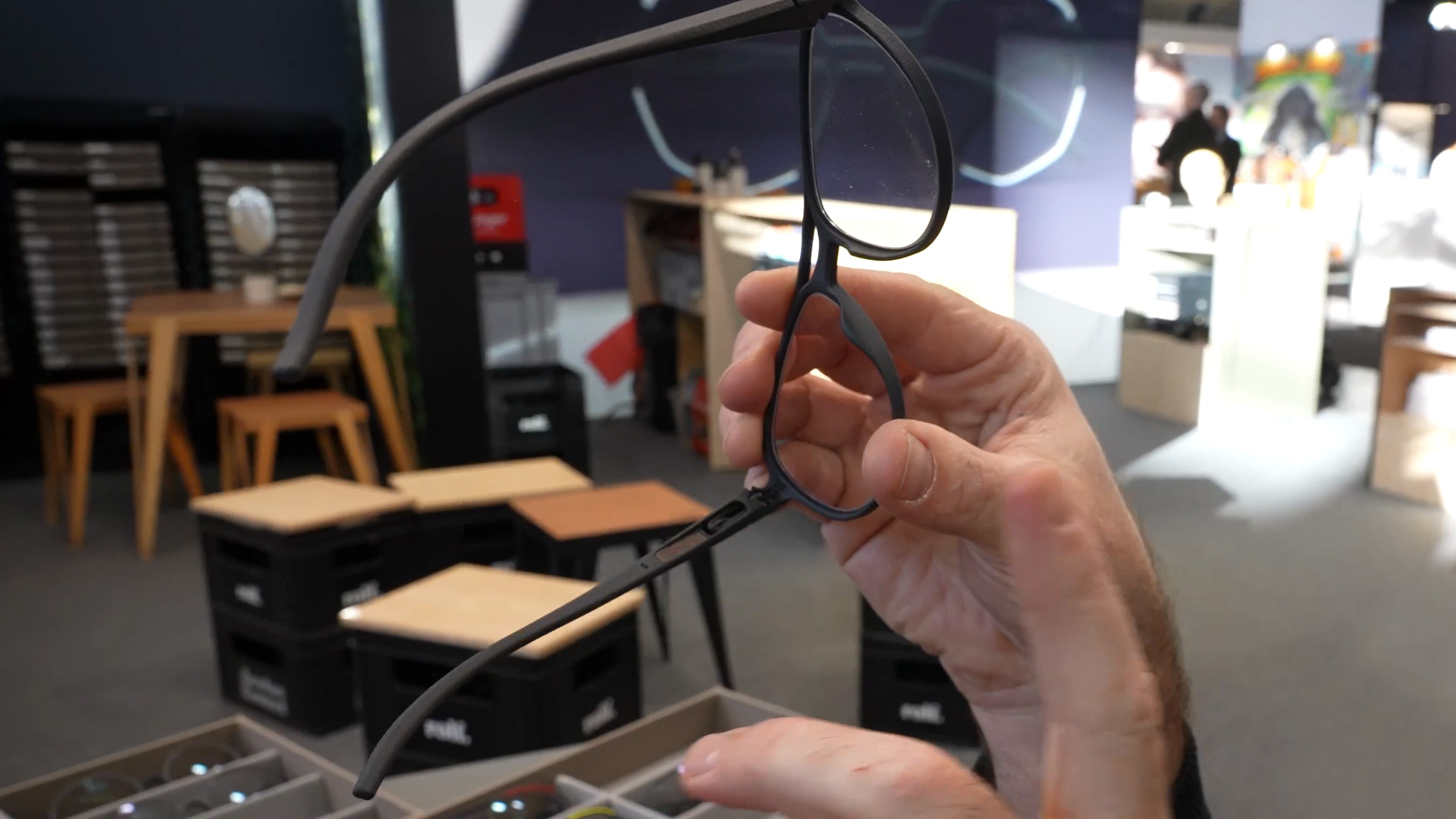
3D printing as a constructive advantage
Parallel to working with wood, 3D printing has established itself as a second pillar. The so-called bean glasses have been manufactured and consistently developed for several years. The additive manufacturing process enables designs that would be virtually impossible to achieve using traditional methods. A central element is the integrated hinge. Instead of using metal parts or assembling separate components, the hinge is printed directly. This reduces the number of components, minimises wear and tear and greatly simplifies assembly. At the same time, design freedom increases. 3D printing brings together several effects that are crucial for production:
- Fewer individual parts thanks to integrated functions
- Reduced assembly effort and less wear and tear
- High flexibility in terms of shapes and geometries
- Production without traditional warehousing
Colour as a technological development step
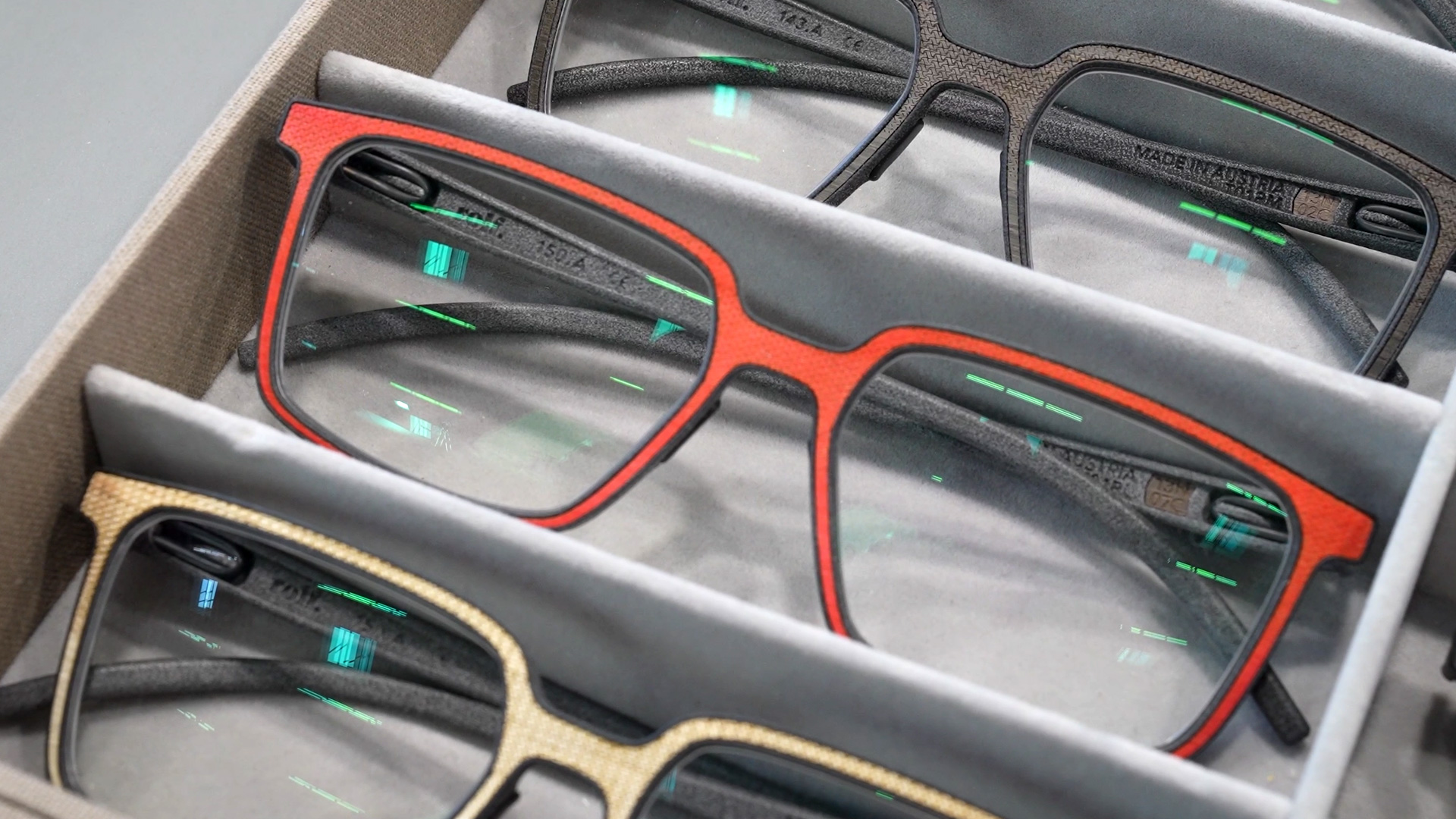
For a long time, 3D printing for spectacles was considered technical, functional and restrained in terms of colour. This is precisely where several years of development work began. In-house research was conducted into how colours could be applied to 3D-printed surfaces in a durable and high-quality manner. The result opens up new design possibilities and, at the same time, taps into markets where colour plays a greater role, such as in France. Colour is not seen as a fashion effect, but as an extension of the design vocabulary. The underlying attitude remains the same: technology is not used because it is available, but because it is understood. Only by understanding the ‘roots’ of a process can its potential be exploited in a meaningful way.
Production to order instead of stock logic
Another key aspect is the production model. Manufacturing is exclusively to order. There is no traditional warehousing with high quantities. Here, too, 3D printing plays to its strengths: production times of just a few weeks are achievable without pre-financing large series. This logic follows a clear philosophy. No one wants to produce thousands of glasses in advance just to anticipate market movements. Instead, production is tailored to demand – efficient, resource-saving and contemporary. In this respect, Rolf. clearly differs from industrial manufacturers.
Fusion of wood and additive manufacturing
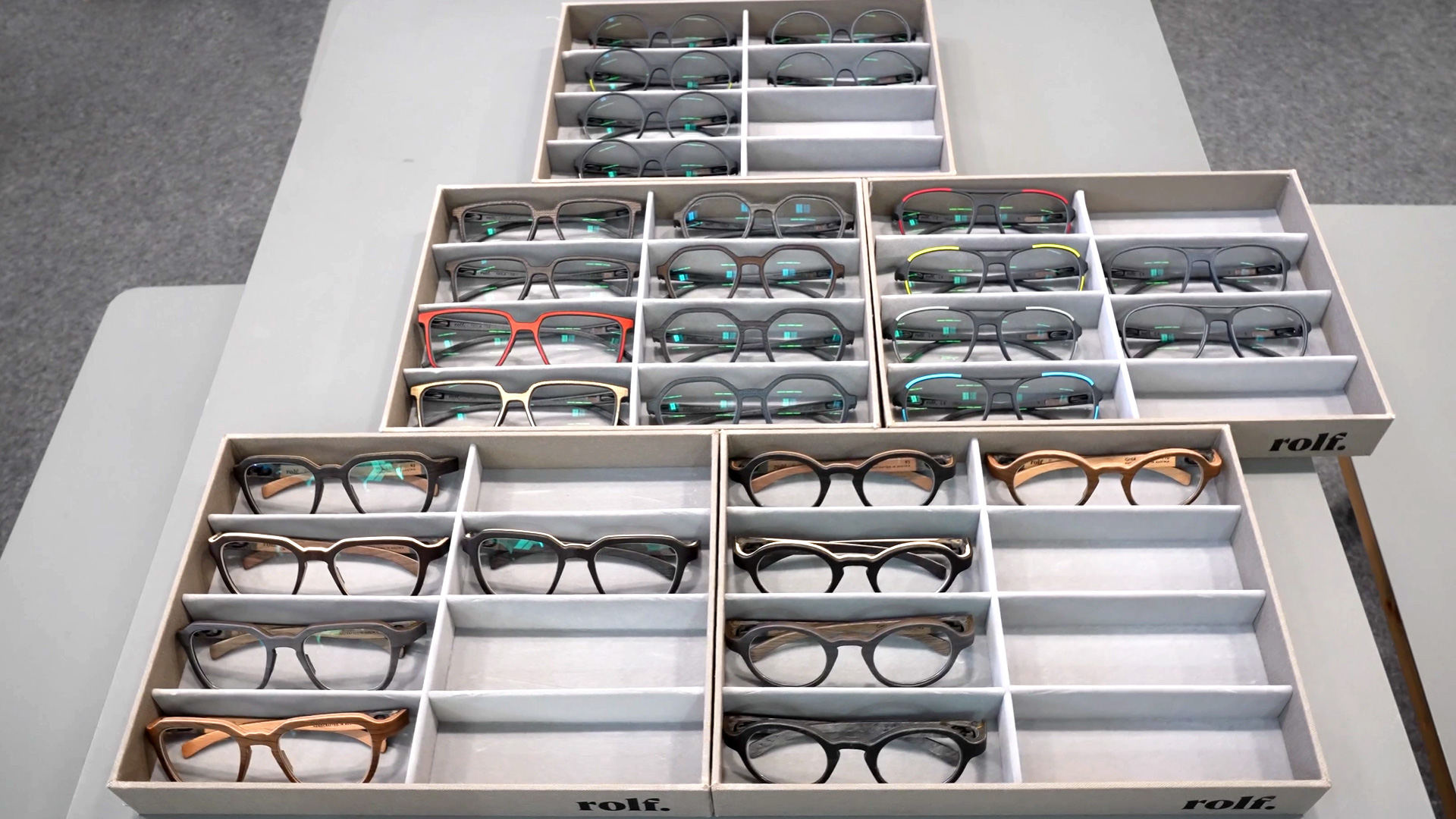
This approach is particularly evident in the Fusion collection. Here, 3D printing and wood veneer come together directly. Real wood veneers with different engravings are combined with additively manufactured structures. The result is not a technical gimmick, but a consistent combination of two areas of expertise. Woodworking and digital manufacturing complement each other. Experience in working with natural materials meets the precision of modern technologies. It is precisely this combination that makes the collection so appealing, without making it seem like it needs to be explained.

Calmness as a design principle
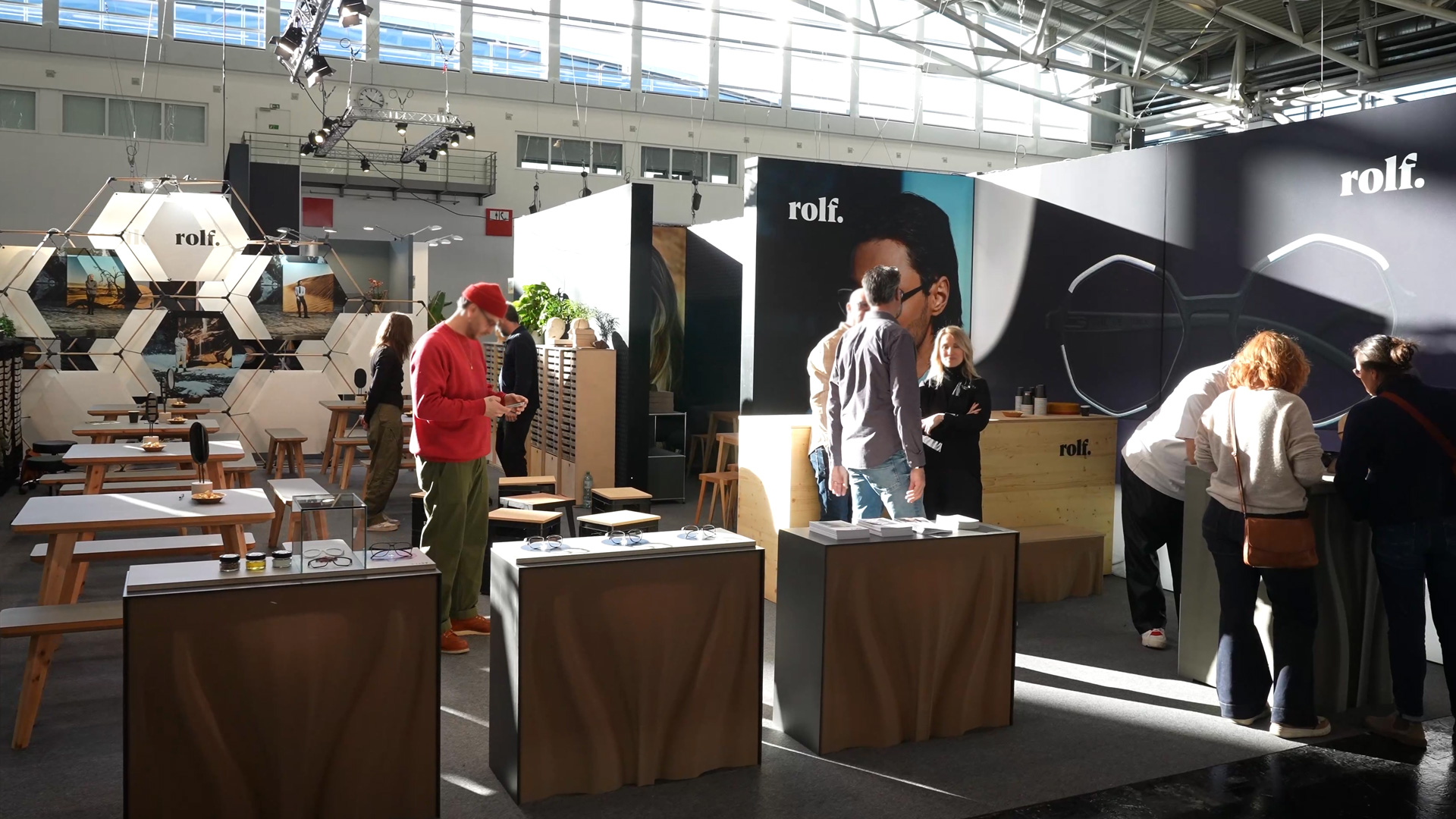
Apart from technical details, location also plays a role. Proximity to nature shapes the attitude. Trends are noticed, but not elevated to a standard. The sensory overload of big cities, such as that experienced on trips to international metropolises, should not determine every decision. The collections remain deliberately calm, sometimes conservative, and do not necessarily follow the annual rhythm of changing fashions. The focus is on technology and craftsmanship, not on quick signals. This is precisely where the continuity of the approach lies. The end result is an image that thrives less on buzzwords than on consistency. Rolf. combines wooden glasses, 3D printing and design to create a unique attitude – between technical curiosity and down-to-earth craftsmanship.
Trade fair reporting Germany - Trade fair knowledge, dates & events


