Lunor presents classic glasses from Pforzheim at opti
by A. Bergmeier - 2026-01-23At opti, Lunor is not presenting fashionable experiments, but an attitude. The focus is on two new products that deliberately focus on classic glasses, clearly setting themselves apart from the rapid trend changes in the industry.
The designs do not follow short-term trends, but rather a creative line based on continuity, an understanding of materials and precision craftsmanship. It is precisely this approach that characterises the company's presence at the trade fair.
Classic glasses as the result of historical research
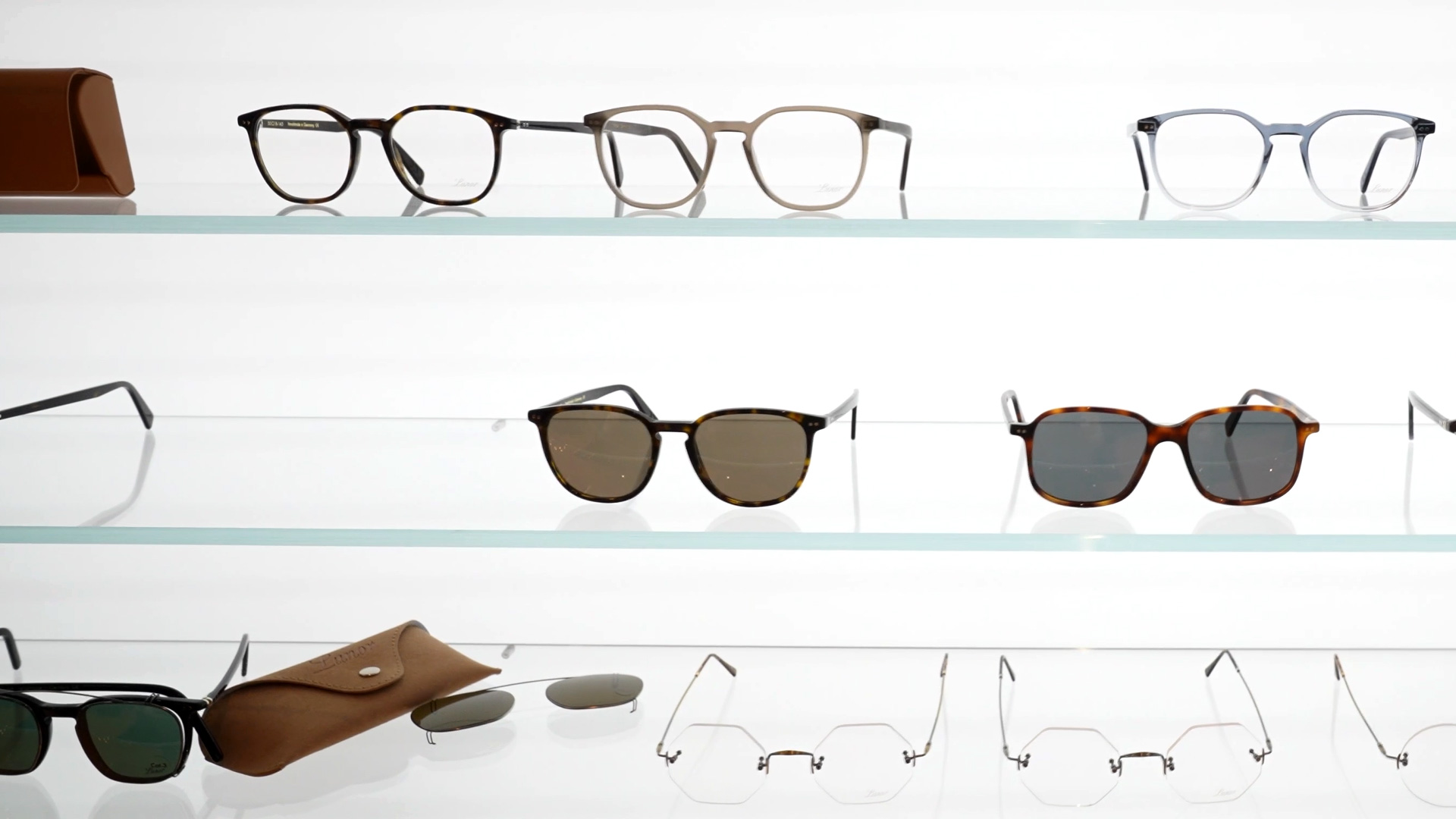
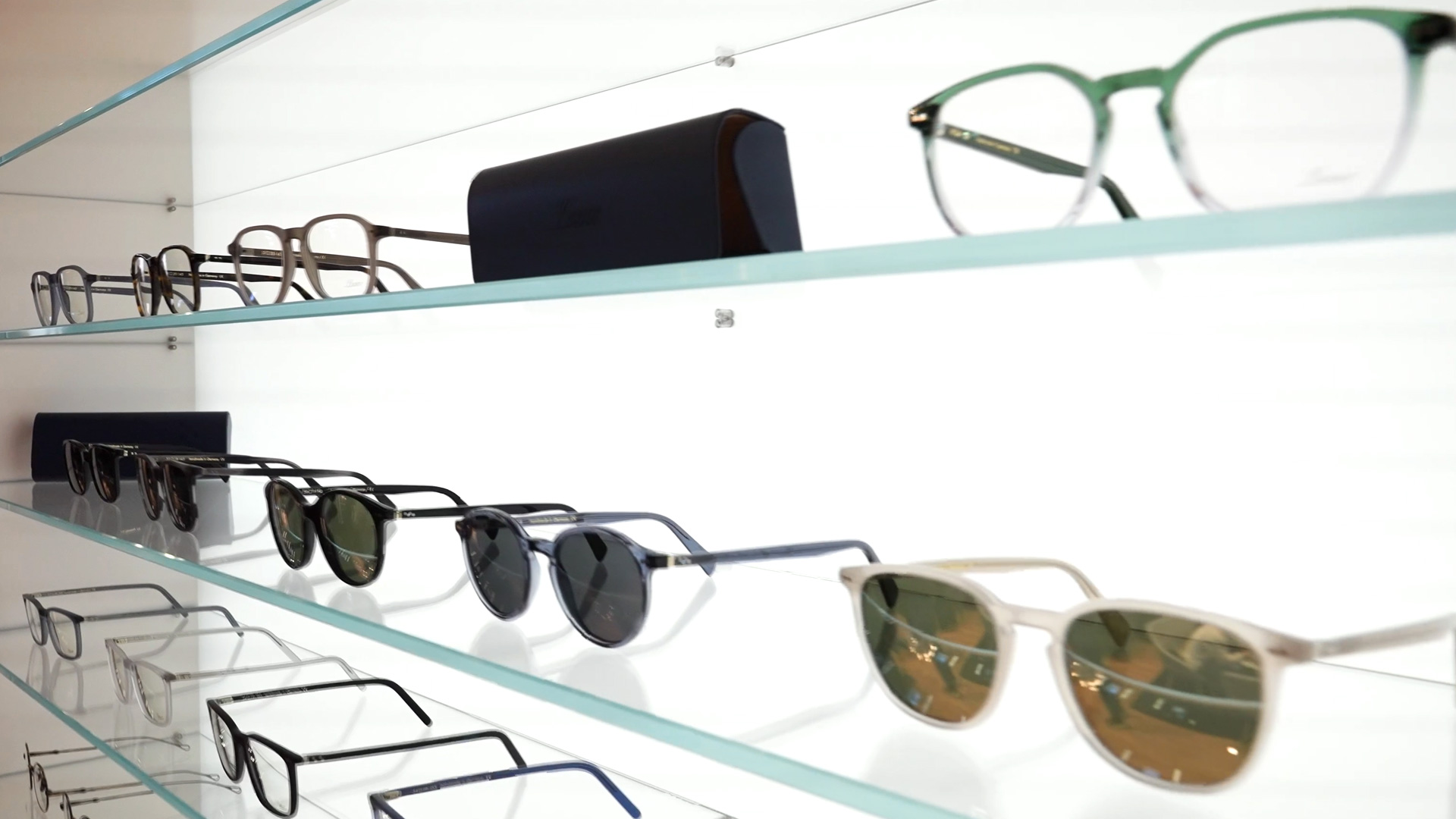
The frames on display are not the result of nostalgia, but rather of a detailed analysis of historical models. Designer Michael, brother of the company's founder, draws on an extensive collection of old spectacle frames spanning several centuries. These historical models serve as a design reference, not as copies. Proportions, lines and details are extracted, reinterpreted and combined with contemporary forms. The result is classic spectacles that look familiar without appearing old-fashioned. It is precisely this restraint that gives the models their individuality. At opti, it becomes clear that this design concept deliberately works against short-lived fashions and instead focuses on durability.

Material quality and construction details
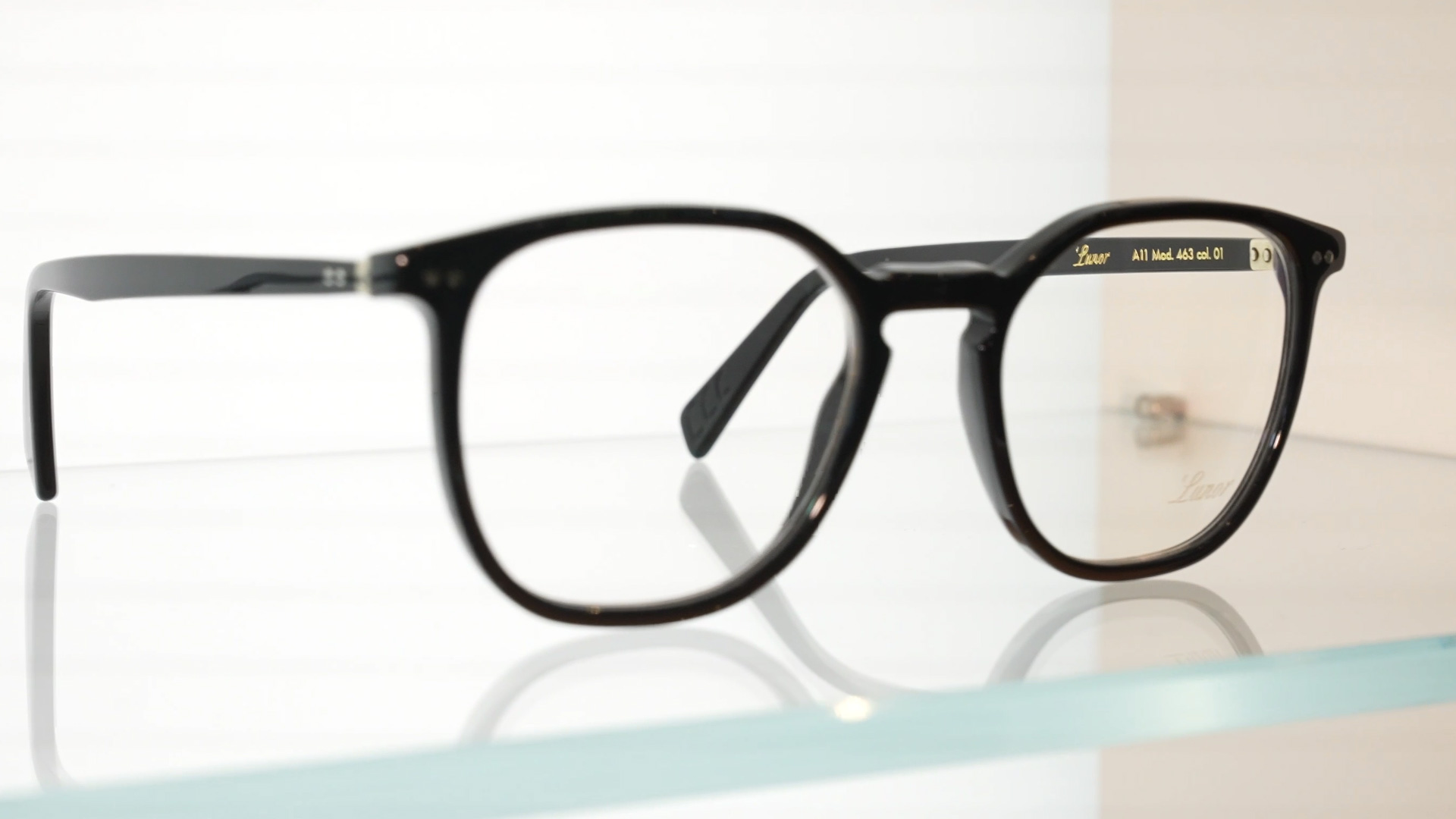
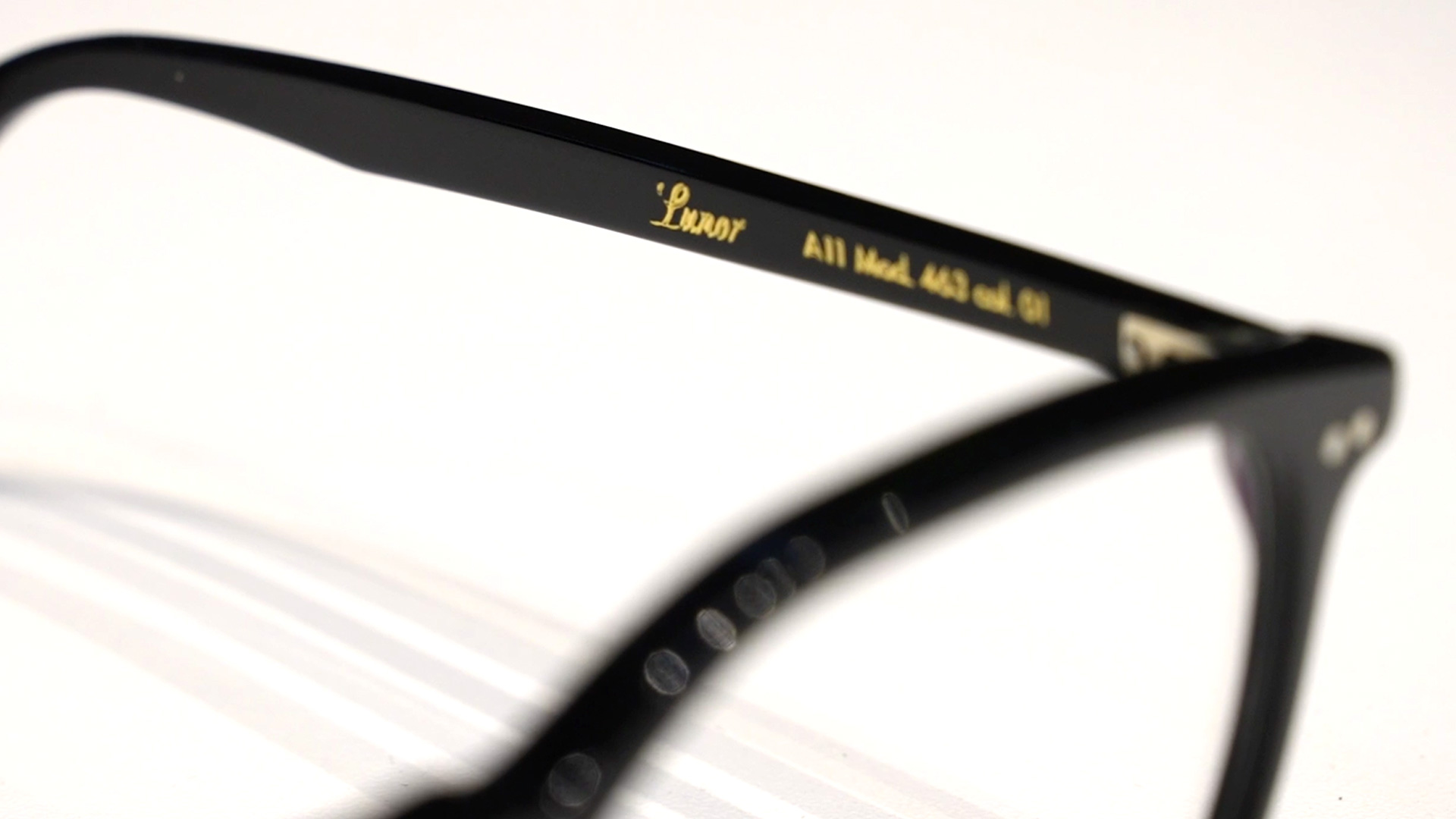
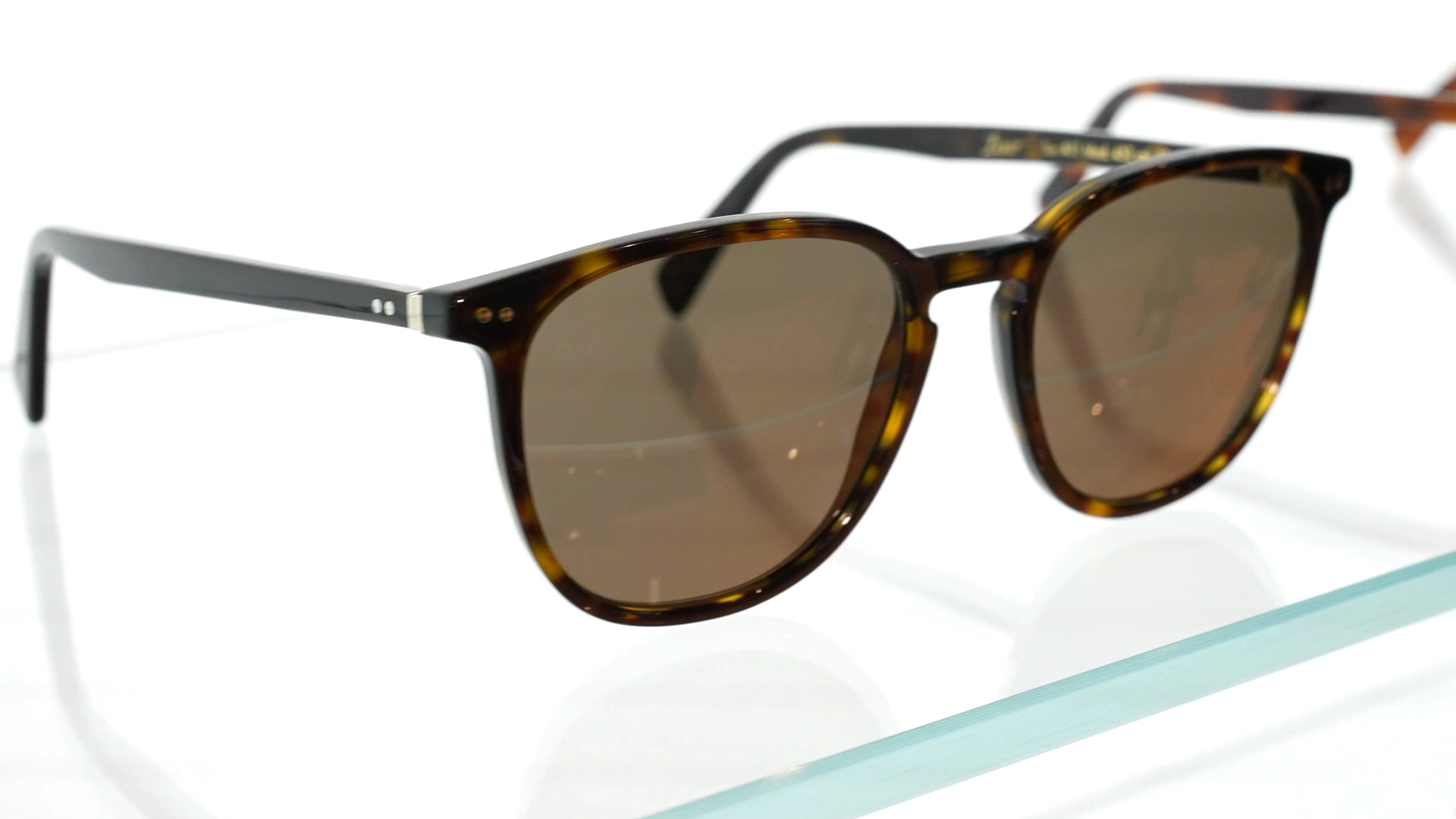
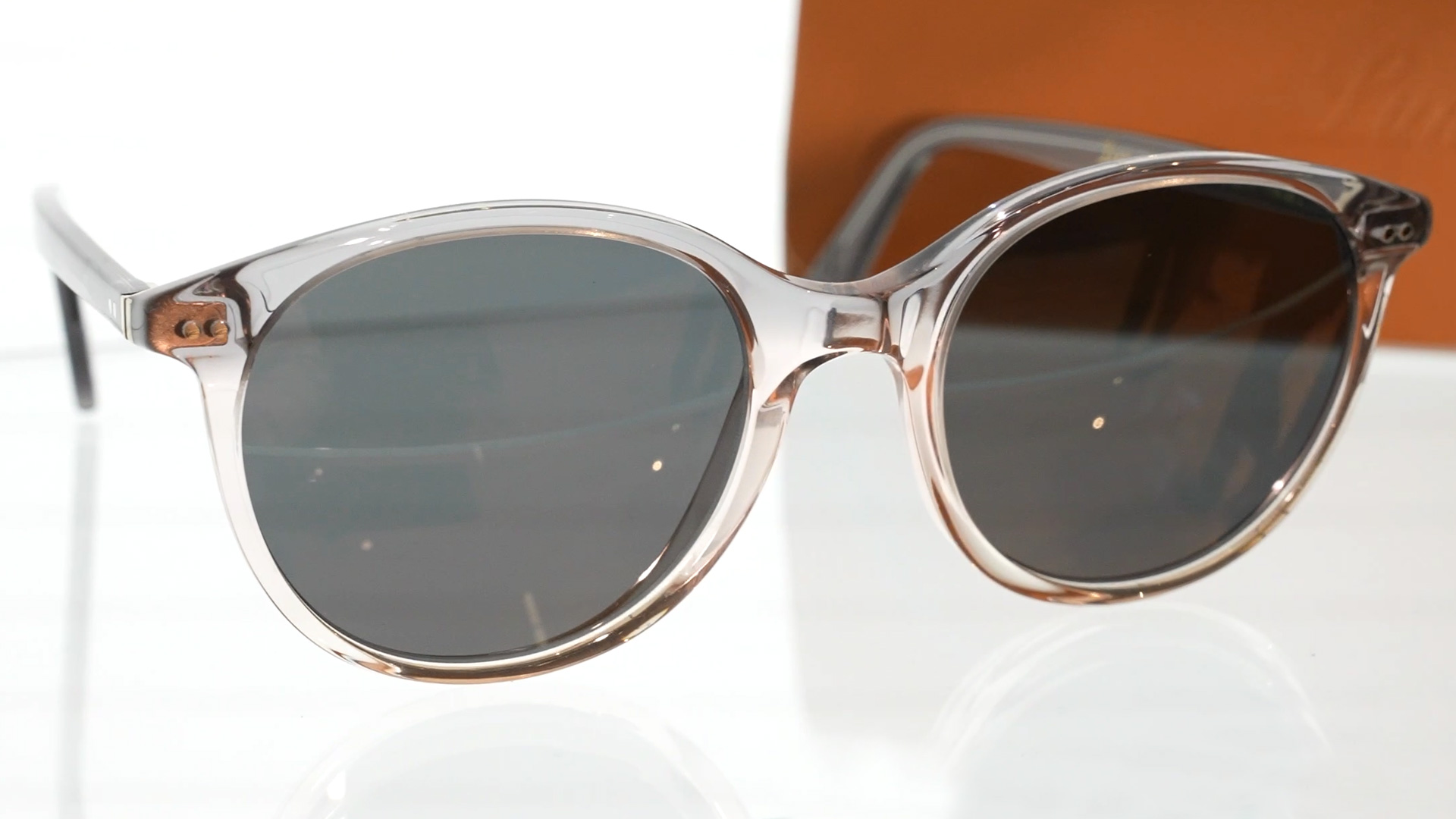
A key feature of the frames is the high standard of materials and workmanship. Lunor attaches great importance to the independent development of every construction detail. Hinges are specially manufactured, not purchased, and are an integral part of the overall design. This consistency is reflected in the stability of the frames as well as in their feel. Acetate, a cotton-based material, is used for the sunglasses. It not only offers creative freedom in terms of colours and transparencies, but also impresses with its durability and repairability. The choice of material is therefore based on both functional and design considerations.
Sustainability beyond buzzwords
For Lunor, sustainability is not an afterthought marketing theme, but part of the company's practice. The company operates in a carbon-neutral manner and sees ecological responsibility as a prerequisite for long-term work. Short delivery routes, durable materials and controlled production are central components of this approach. Especially in the eyewear market, where sustainability is often communicated in a striking manner, the claim here remains closely linked to concrete production decisions. The focus is on substance rather than symbolism.
Manufacturing in Pforzheim and European suppliers
Production takes place in Pforzheim, a city with a deep-rooted tradition of craftsmanship. While the jewellery industry is still present there today, Lunor is building on the region's former importance for eyewear manufacturing. Raw parts are sourced from European suppliers and then further processed on site. The frames are soldered, assembled, stamped and inspected in the company's own factory. The lenses for the prescription frames are later fitted by the optician; demo lenses are used for presentation purposes only. This clear distinction underlines the focus on precision manufacturing rather than industrial mass production. Typical work steps include:
- Manual assembly and soldering of frame components
- In-house production of hinges
- Multi-stage quality controls
- Preparation of frames for use by opticians
Openness to technology within clear boundaries
Despite its strong focus on craftsmanship, the company does not fundamentally reject new technologies. The decisive factor is that any technical additions do not alter the character of the glasses. Craftsmanship should be preserved, but can be sensibly supported by appropriate processes. This attitude is neither backward-looking nor technology-driven. It follows the aspiration to continue manufacturing classic glasses at the same level of quality in the future.

Timeless design as a unifying principle
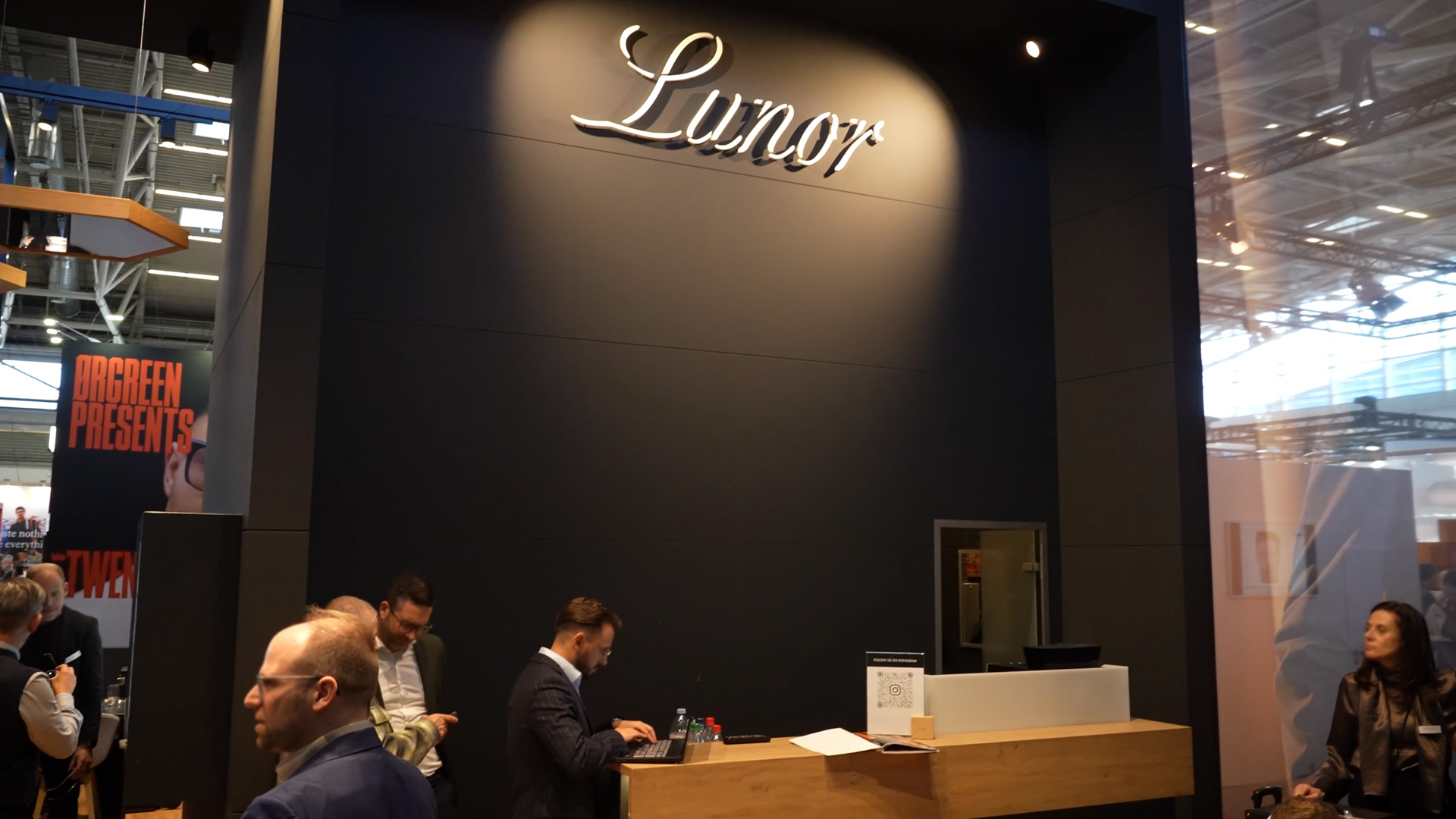
Ultimately, all aspects boil down to two core values: quality and timeless design. Both are visibly the result of hard work, experience and care. Every spectacle frame should convey this attitude without having to explain it. Lunor's appearance at opti shows that classic spectacles can also hold their own in a market dominated by trends. Pforzheim stands not only for a production location, but also for a design attitude that combines the past, the present and precision craftsmanship.
Trade fair reporting Germany - Trade fair knowledge, dates & events


