UVEX prescription safety glasses: sustainability and comfort
by B. Velonavy - 2026-01-17Industrial safety glasses have changed significantly in recent years. It is no longer just about pure eye protection, but also about comfort, suitability for everyday use, sustainability, and optical precision.
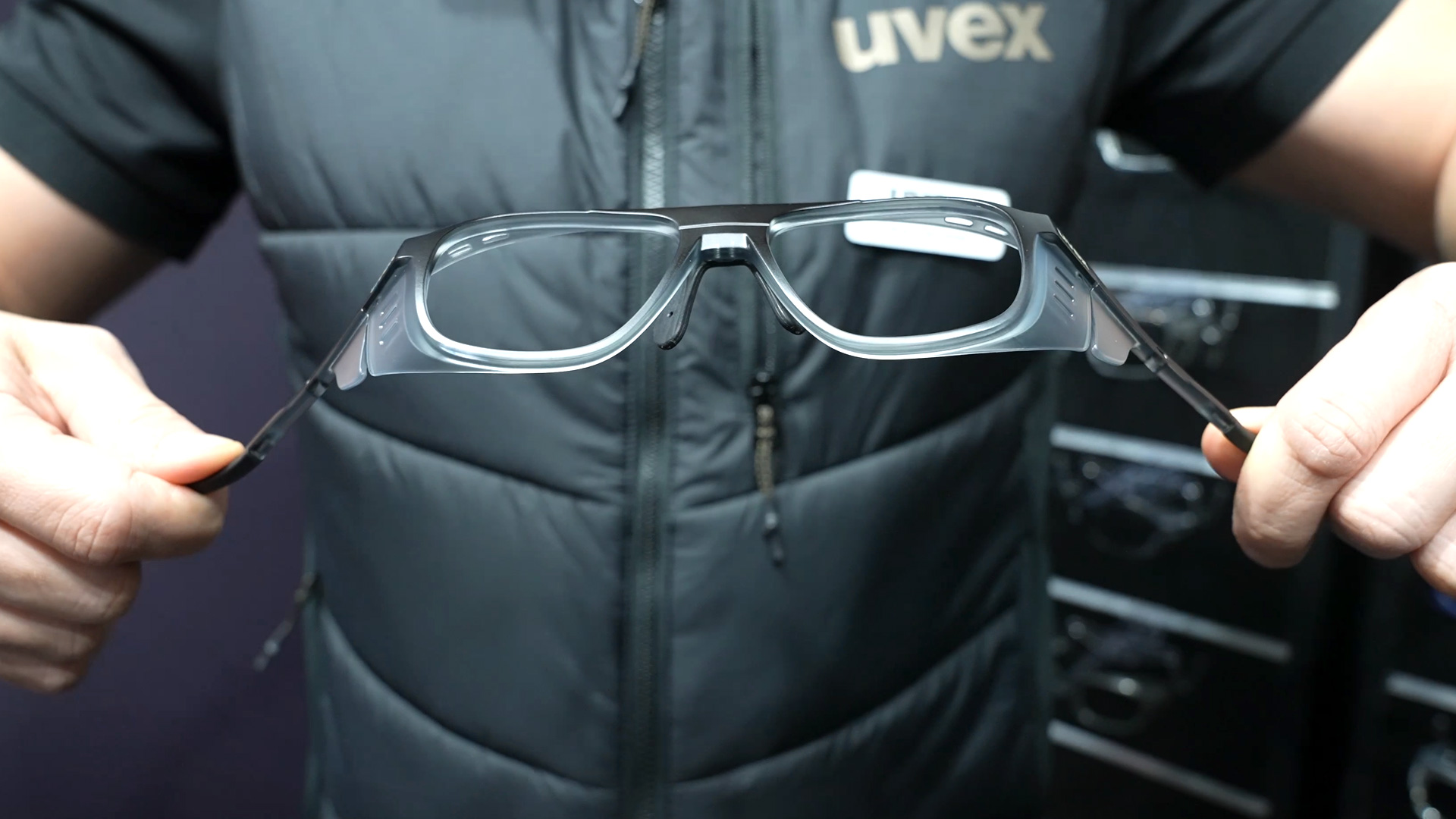
A new pair of prescription safety glasses, which was unveiled on the occasion of an anniversary and specifically responds to modern requirements in the working environment, is positioned precisely at this interface. The focus is on a model that has been specially developed for people who require vision correction in occupational safety. The combination of ergonomic design, durable materials, and a sustainable approach characterizes the entire construction.
Prescription safety glasses as a key occupational safety issue
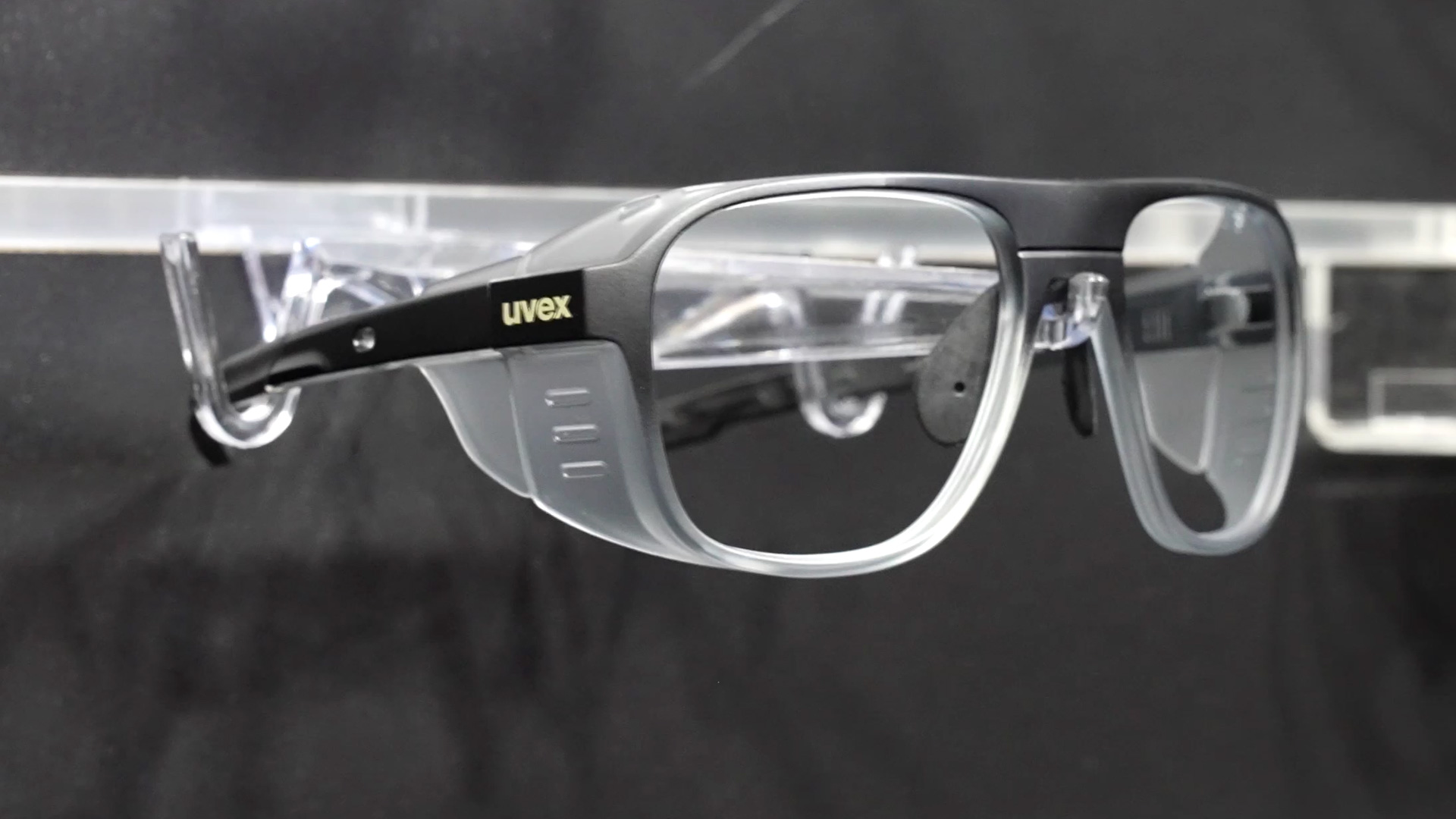
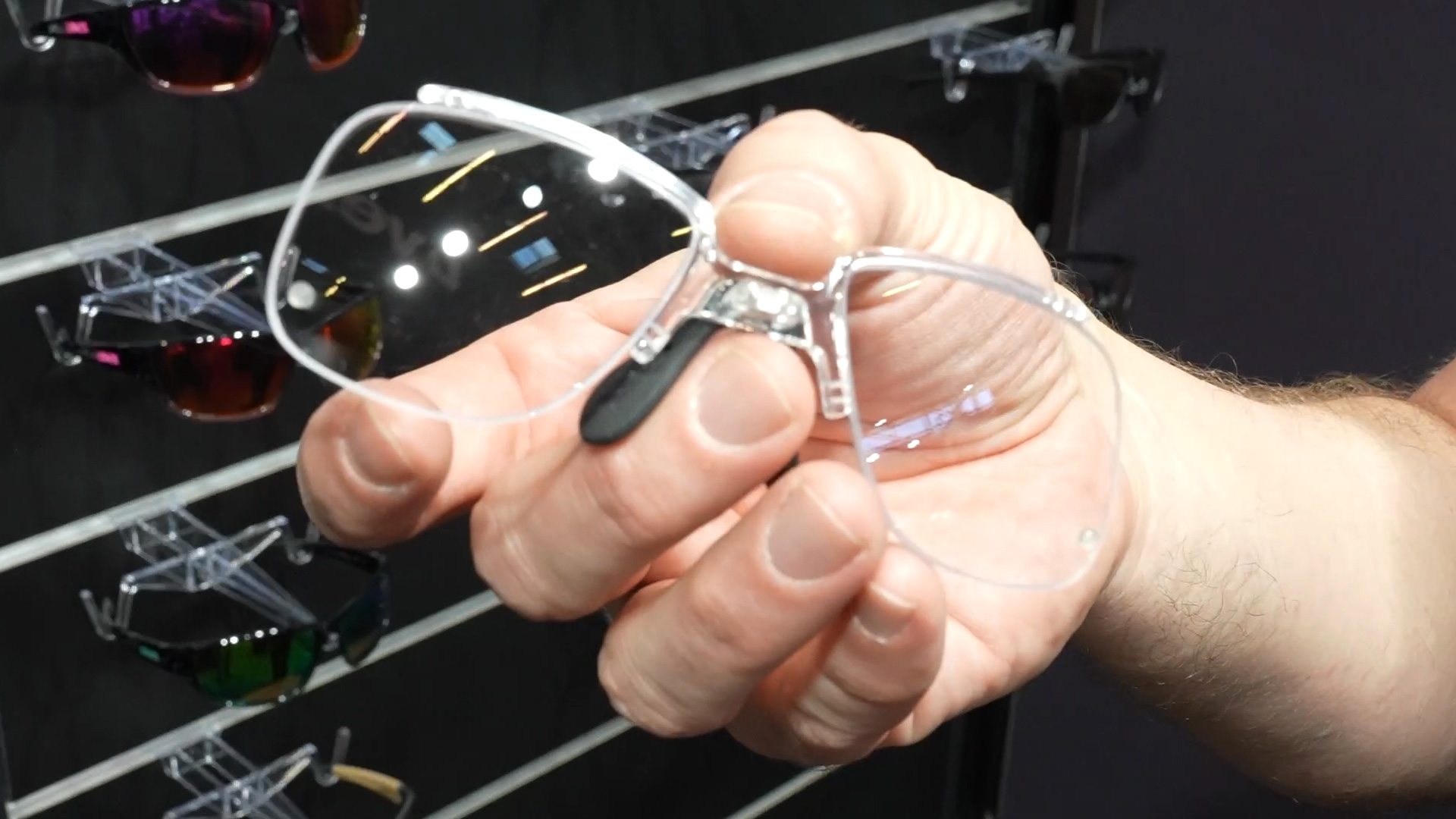
Safety glasses are mandatory in many industrial sectors. For employees with vision problems, this often means compromises, such as wearing additional overglasses or limited wearing comfort. The prescription safety glasses presented here take a different approach. They are designed from the ground up to cover vision problems up to plus or minus six diopters, thereby reaching the majority of people with vision problems in occupational safety. The slightly curved lens geometry enables this range without compromising optical quality. At the same time, the design ensures that the glasses fit snugly against the face. Especially in sensitive work areas, such as in the chemical industry or in dust-intensive activities, this tight fit is crucial for protecting the eyes.

Wearing comfort through adjustable ergonomics
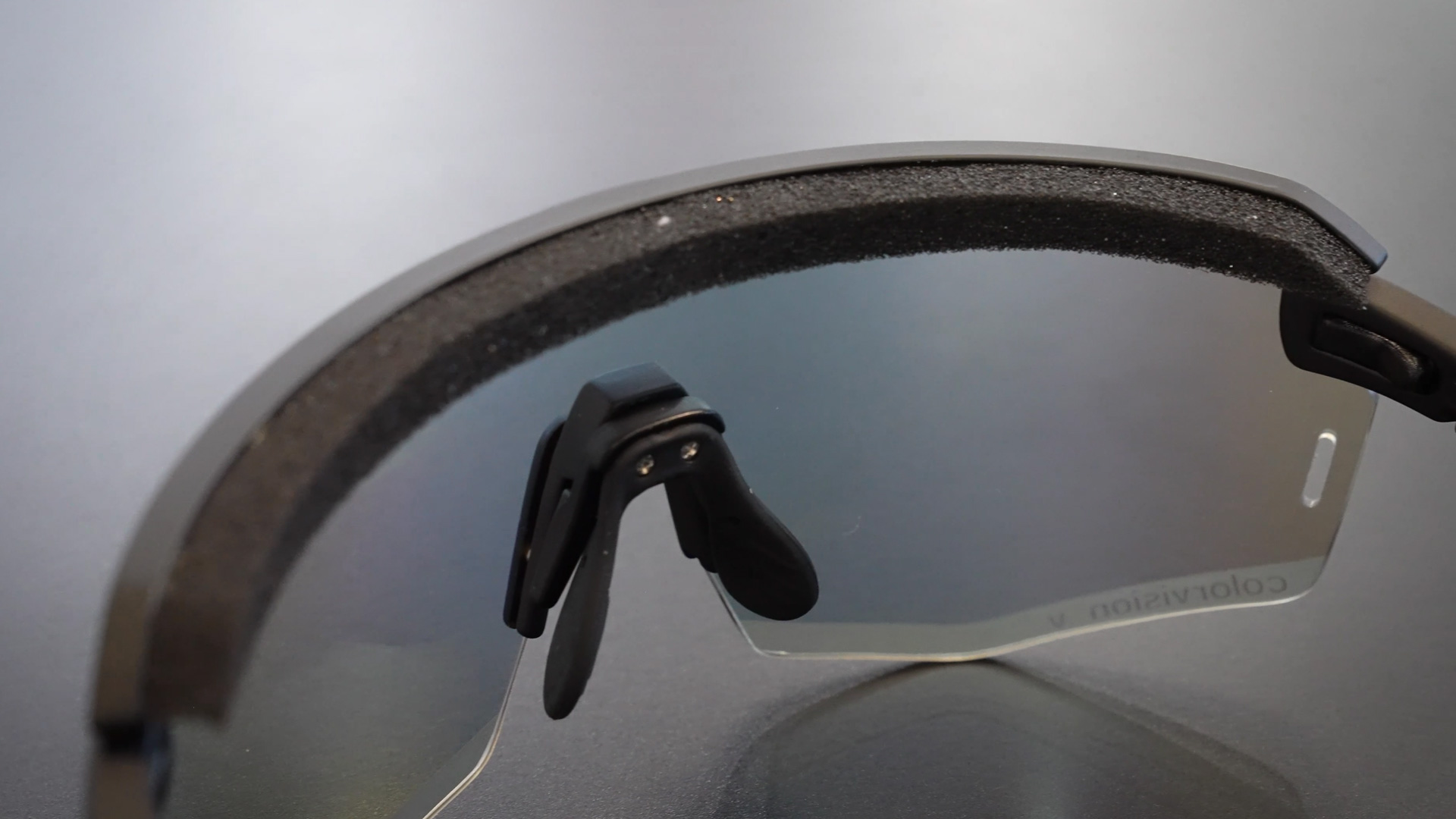
A key development goal was comfort over long periods of time. Safety glasses are often worn for several hours a day in everyday working life, sometimes for years. Details such as an adjustable nose pad and individually moldable temples are therefore important. These elements ensure that the glasses can be adjusted to different head shapes – regardless of whether the wearer has a narrow, wide, small, or large head. The acrylate-based material used is matt and yet flexible enough to withstand repeated bending without any problems. Even greater mechanical stress does not immediately lead to damage. This resistance is a decisive factor, as prescription safety glasses represent a significantly higher investment than simple flat safety glasses.
Sustainable materials in industrial use
Another aspect is the use of materials based on castor oil. This is a sustainable raw material that is becoming increasingly established in the technical plastics sector. Sustainability is not seen here as a marketing argument, but as part of a long-term product strategy. The choice of materials plays an important role, especially in occupational safety, where products are often purchased in large quantities and remain in use for a long time. The combination of durability and resource-saving manufacturing helps to reduce the ecological footprint without compromising on safety or comfort.
Tight-fitting rim as a safety factor
An essential feature of the safety glasses is the surrounding, tightly fitting rim in the upper area. This provides reliable protection against particles, splashes, or dust that could penetrate from above. While narrow metal frames are quite popular in everyday life, they reach their limits in many industrial applications. The solution presented here combines a secure fit with a design that is still suitable for everyday use. This makes the glasses suitable for a wide range of applications, from industrial manufacturing and logistics to automotive assembly.
Typical areas of application at a glance
The versatility of safety glasses is particularly evident in everyday working life. They are used in the following areas, among others:
- Industrial workplaces with mechanical stress
- Logistics and warehouse environments
- Automotive production and vehicle assembly
- Construction and manual trades
- Chemical industry with increased protection requirements
Robustness as an economic factor
Prescription safety glasses are generally used for several years. The requirements for durability and mechanical stability are correspondingly high. The model presented here is designed to withstand the rigors of everyday work. Scratches, deformation, and material fatigue should be avoided as much as possible. This aspect is not only relevant from the user's point of view, but also economically. Companies benefit from lower replacement costs and stable cost structures, while wearers can rely on consistent protection.
Design trends between metal and sportiness
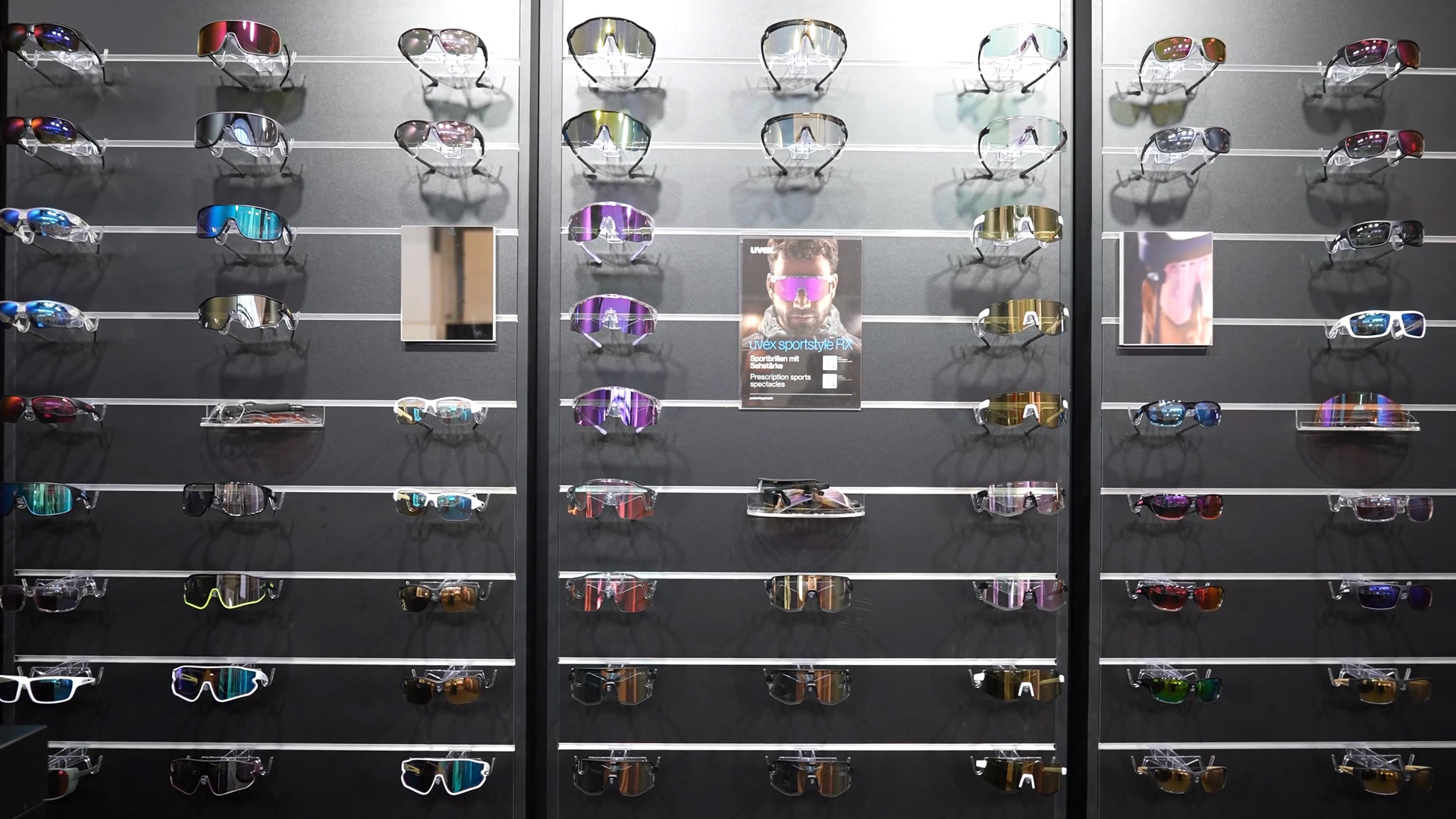
It is also interesting to look at current design trends in occupational safety. While sporty shapes have been around for years, metal is making a comeback as a frame material. In the professional environment, too, there is growing demand for safety glasses that are functional but at the same time convey a high-quality, modern impression. At the same time, multifunctional concepts are gaining in importance. Safety glasses are increasingly being designed in such a way that they are accepted not only in the work environment but also in related activities. Style and safety are no longer mutually exclusive.

Distinction from sporty eyewear concepts
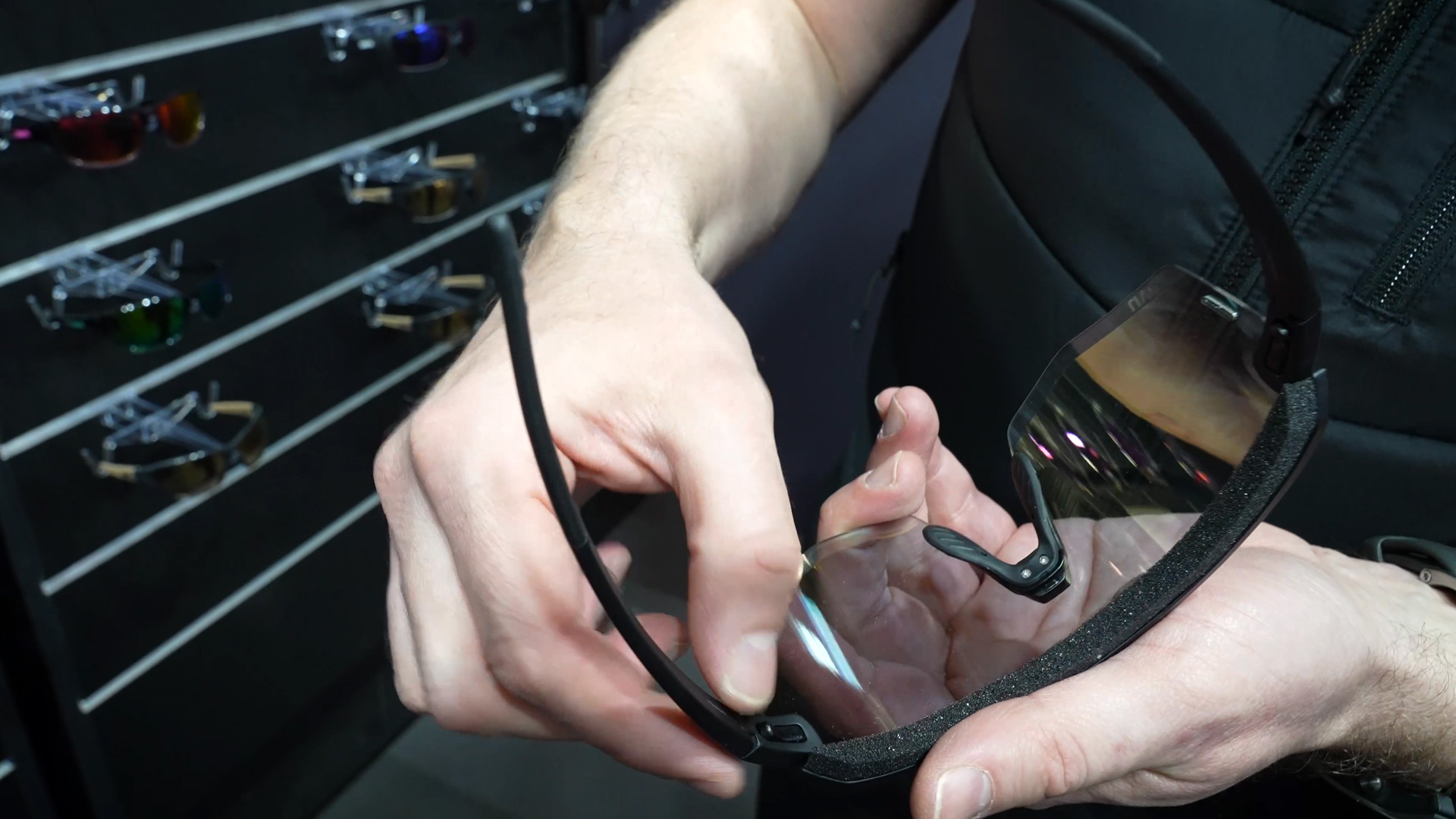
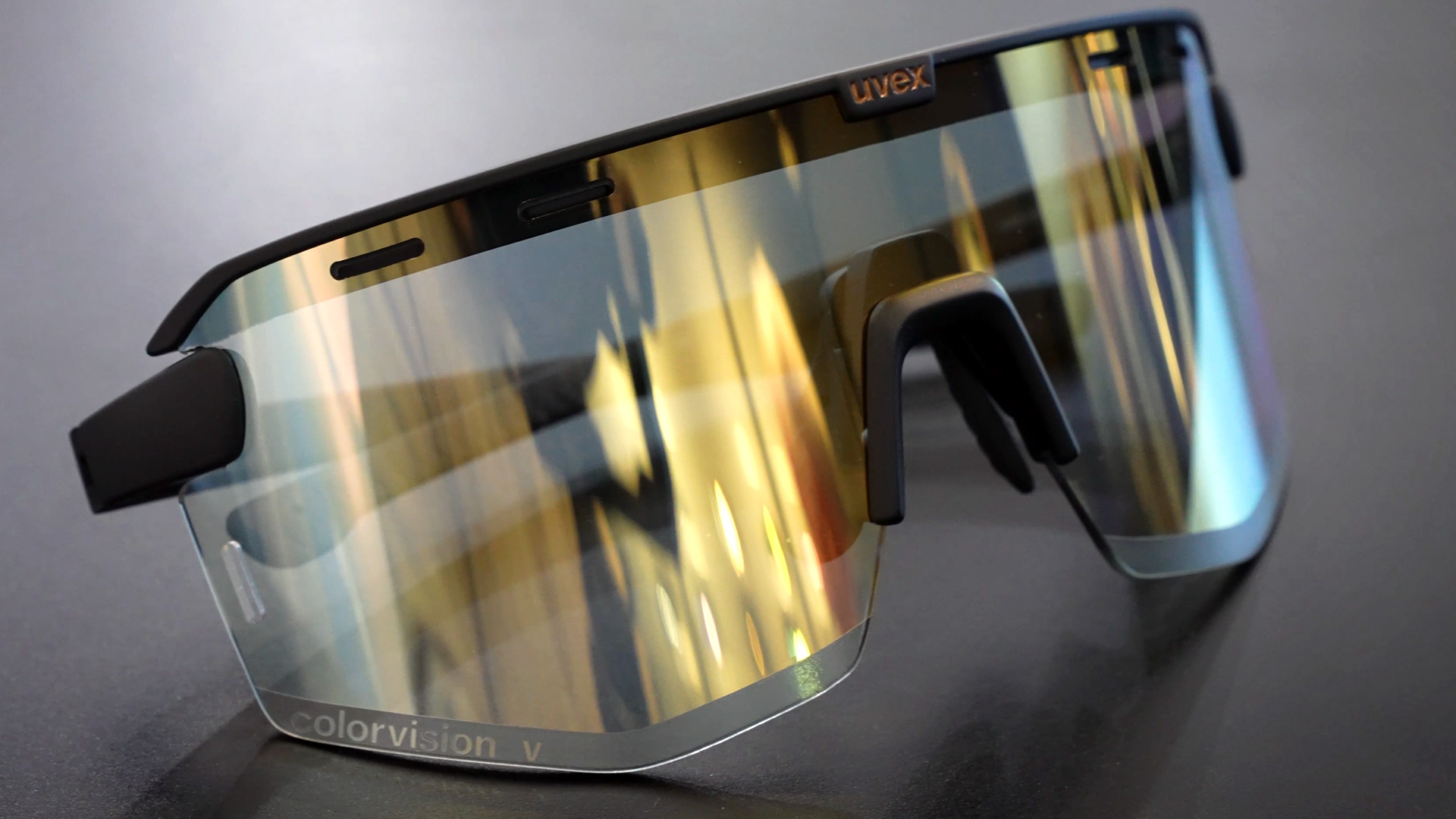
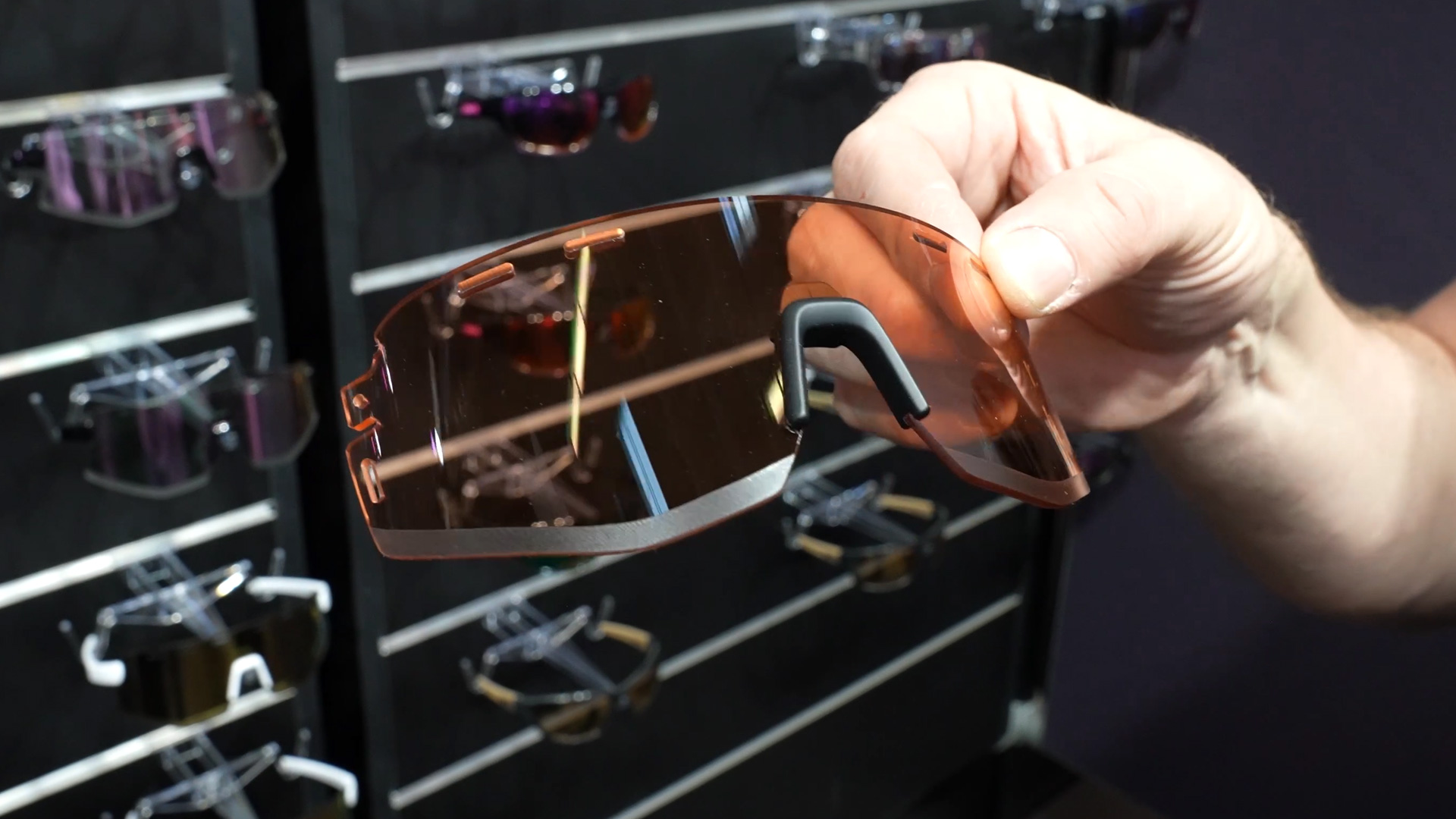
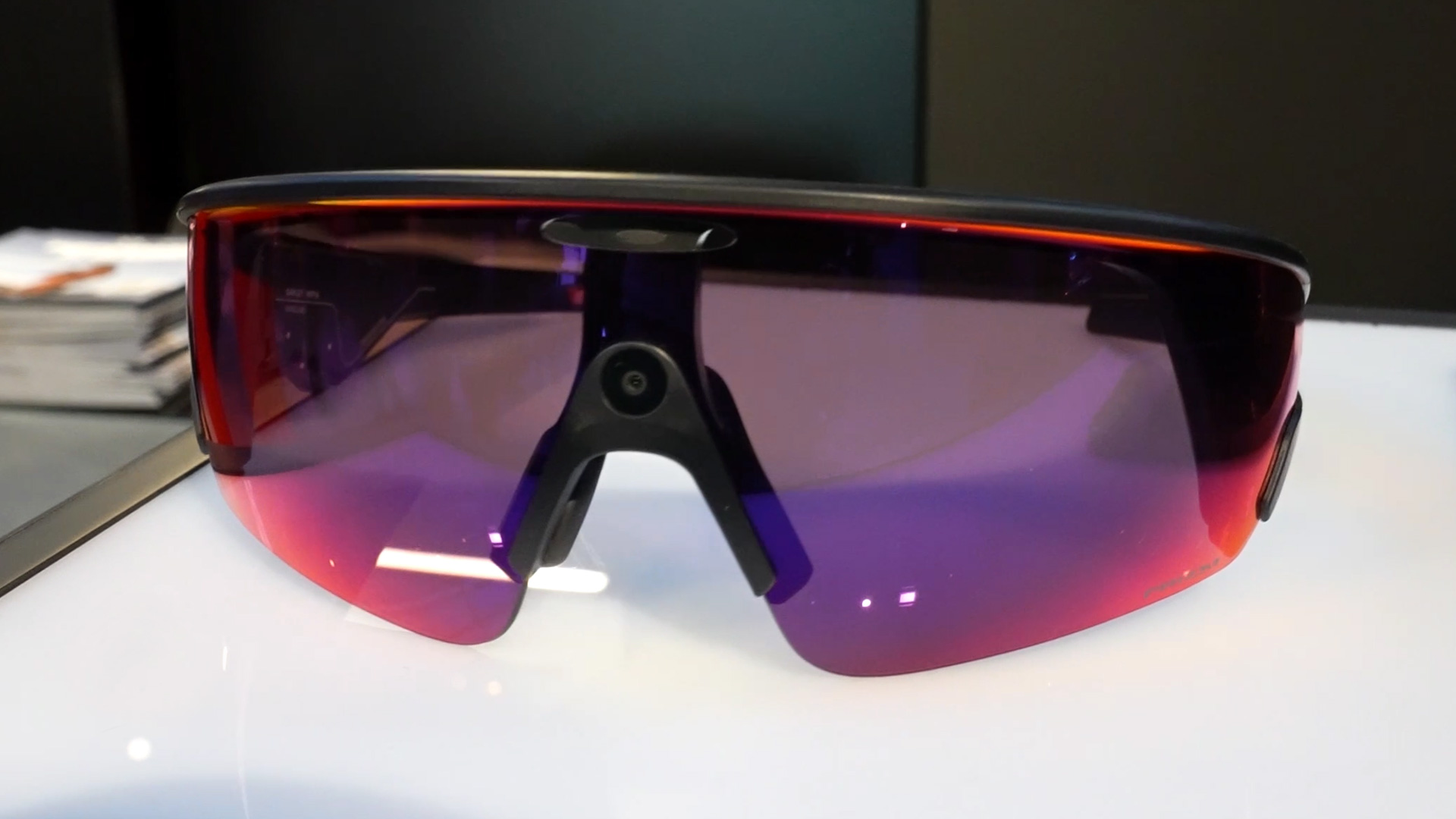
In addition to classic safety glasses, a sporty model was also presented in the same context, but it clearly differs from occupational safety glasses. While this model focuses on interchangeable lenses, contrast enhancement, and UV-dependent tinting, safety glasses with prescription lenses are clearly designed for professional use. Nevertheless, there is a common thread: the widest possible range of applications, high wearing comfort, and a design that can be flexibly adapted to different requirements.
Conclusion on prescription safety glasses
The prescription safety glasses presented here show how occupational safety, ergonomics, and sustainability can be combined in a meaningful way. They address a real problem faced by many employees and offer a solution that is both functional and economically viable. Their robust construction, snug fit, and adjustable ergonomics make them suitable for a wide range of industrial applications. This makes it clear that modern safety glasses have long been more than just protective instruments. They are part of personal work equipment and make a decisive contribution to combining safety and comfort in everyday working life.
Trade fair reporting Germany - Trade fair knowledge, dates & events


