Custom contact lenses for precise vision and lasting comfort
by F. Zuber - 2026-01-20The requirements for modern contact lenses have changed significantly in recent years. Comfort, material quality, sustainability and a perfect fit are now more important than standardised mass-produced products.
Against this backdrop, custom-made contact lenses are regaining importance. They enable precise adaptation to the anatomical and physiological characteristics of the individual eye, thus creating a basis for permanently stable and comfortable vision in everyday life.
Customised care instead of standard solutions
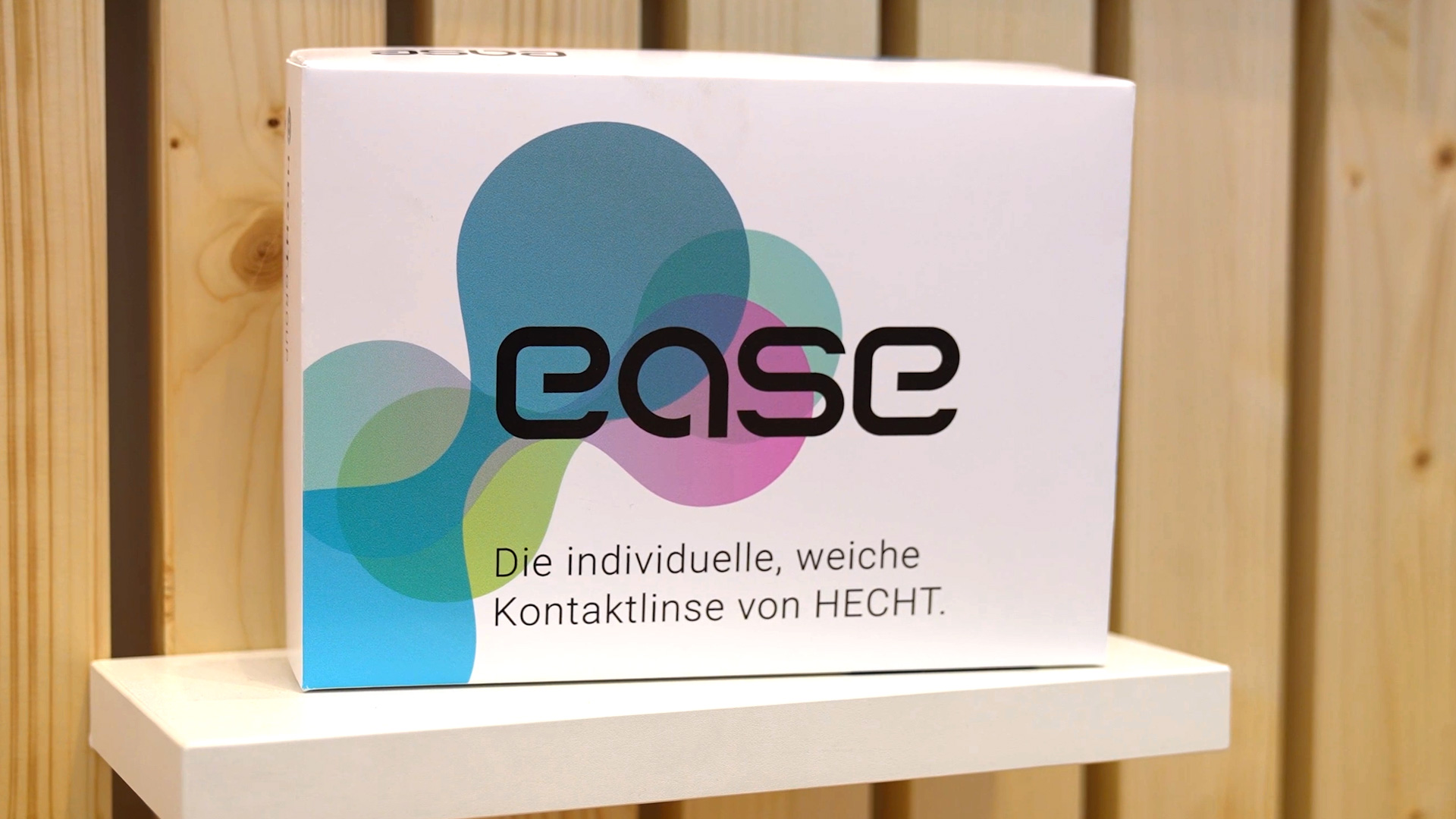
Hecht Contactlinsen has always stood for an approach that sees individuality not as an add-on, but as a starting point. Every eye is different in terms of shape, size, tear film and optical requirements. A contact lens that takes these factors into account cannot be ‘off the shelf’. This is exactly where the new product portfolio comes in, which for the first time includes a custom-made three-month lens. This new soft lens, called ease, closes a gap in the previous range. It combines a comparatively short replacement cycle with complete customisation of all relevant parameters. This means that even demanding eyes, which often reach their limits with standard lenses, can be cared for.

The three-month lens as a conscious alternative
The three-month replacement cycle offers a middle ground between frequent replacement and long-term use. It allows modern materials to be used while at the same time responding flexibly to changes in the eye. This can be a decisive advantage, especially for sensitive eyes or changing vision requirements. The key features of these lenses include:
- Individually defined geometries for each eye
- State-of-the-art materials with stable wetting properties
- A balanced compromise between wearing time and hygiene
- Consistent comfort throughout the entire period of use
On-site manufacturing and short distances
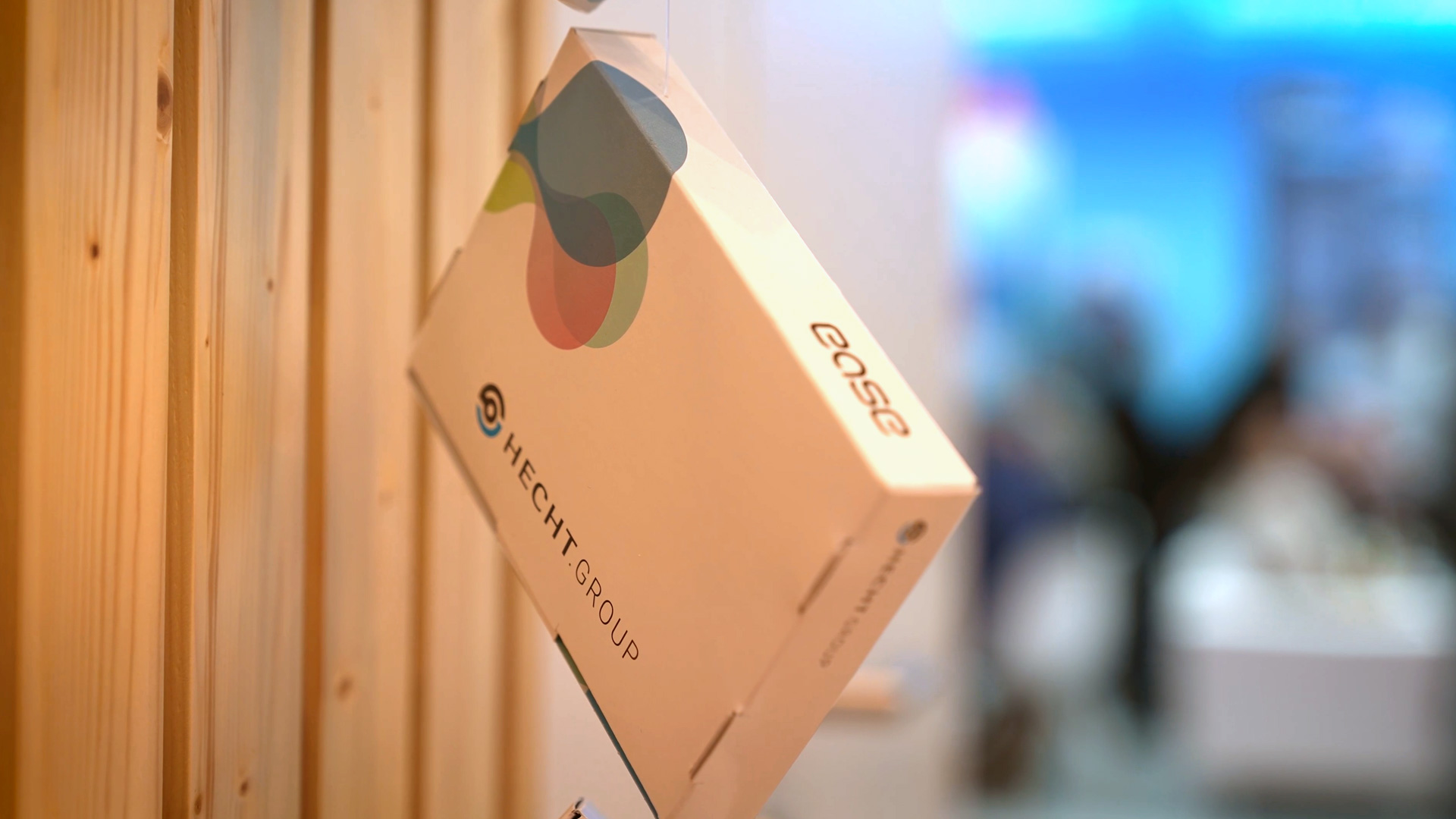
Local production is an essential part of the concept. Manufacturing takes place entirely on site in Au, with short transport and communication distances. This not only facilitates coordination between the fitter and the manufacturer, but also reduces logistical costs. The absence of traditional blister packaging also contributes to the sustainability of the product. The packaging is high-quality and designed for durability. This reduces the ecological footprint without compromising product safety or handling. Sustainability is not used here as a marketing term, but is a logical result of the choice of materials, production structure and distribution model.
Technical expertise as visible added value
A central element of the concept is the conscious strengthening of the optician's role. Since essential ordering parameters are not known to the end user, professional fitting remains indispensable. This enables the fitter to showcase their expertise and position it as an independent service. Individual measurement includes, among other things:
- Determination of visual impairment
- Analysis of eye shape and size
- Assessment of the tear film
- Selection of the optimal material
Cost-effectiveness and time savings in the fitting process
The system also offers economic advantages. The fitting process is efficiently structured and can be completed more quickly than with traditional exchange systems. This saves time on both sides and reduces costs in the long term. At the same time, there is still room to charge appropriately for your own services. Compared to conventional systems, this results in a more cost-effective and sustainable solution for many users. The reduced fitting effort also means that stable care can be achieved more quickly.
Complementary developments in the field of special lenses
Parallel to the introduction of the new three-month lens, work is also being done on specialised forms of care. Orthokeratology is becoming increasingly important, particularly in the field of care for children and young people. Night lenses, which enable glasses- and lens-free vision during the day, are experiencing growing demand. Products such as seefree are responding to this trend. The aim is to support long-term eye health and control myopia. Here, too, the focus is on individual adaptation.
Individuality as a long-term strategy
The new three-month lens fits consistently into a philosophy that makes the individual eye the benchmark. Hecht Contactlinsen thus pursues an approach that combines technological quality, sustainability and professional competence. For users, this means a solution that is not only precise, but also comprehensible and long-lasting.
Trade fair reporting Germany - Trade fair knowledge, dates & events


