Hannover Messe 2026: Automation, AI and robotics
Hannover Messe 2026 stands for industrial transformation under real-life conditions. Messe.TV's coverage will focus on automation, AI and robotics - three areas that can no longer be viewed in isolation.
Innovations for industry at the Hannover Messe
Autonomous robotics for industrial plants and outdoor areas
In industry, autonomous robotics is often still associated with clearly demarcated indoor environments. Many systems work reliably on marked indoor routes, but reach their limits as soon as changing weather conditions, uneven surfaces or co... Robots also for use in complex outdoor areas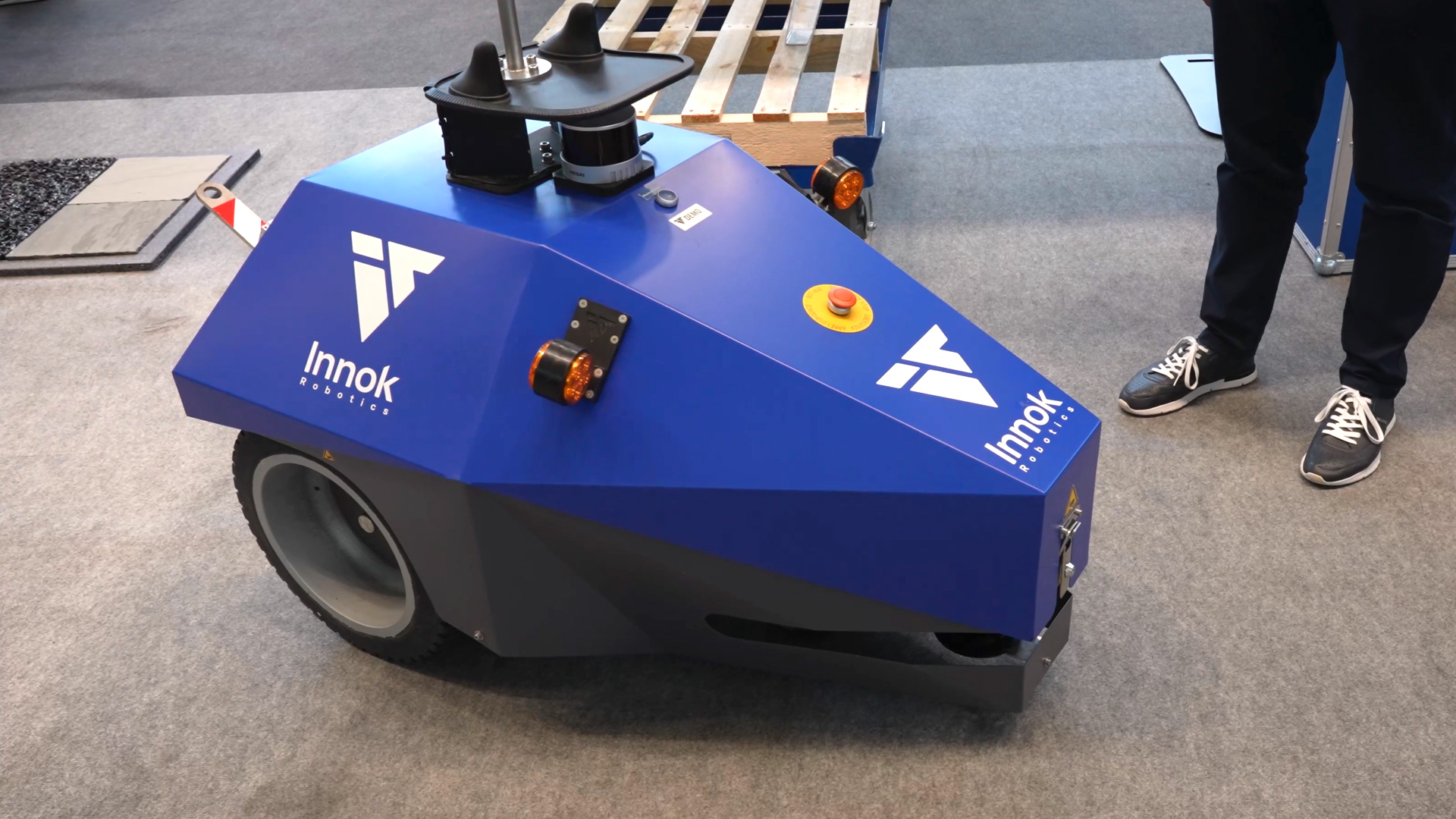
AI infrastructure in data centres: cooling and power supply
AI infrastructure is growing rapidly, yet it remains invisible to many users. Whilst applications are becoming increasingly prevalent in everyday life, the actual processing power is generated in data centres. Rittal: Understanding infrastructure as an integrated system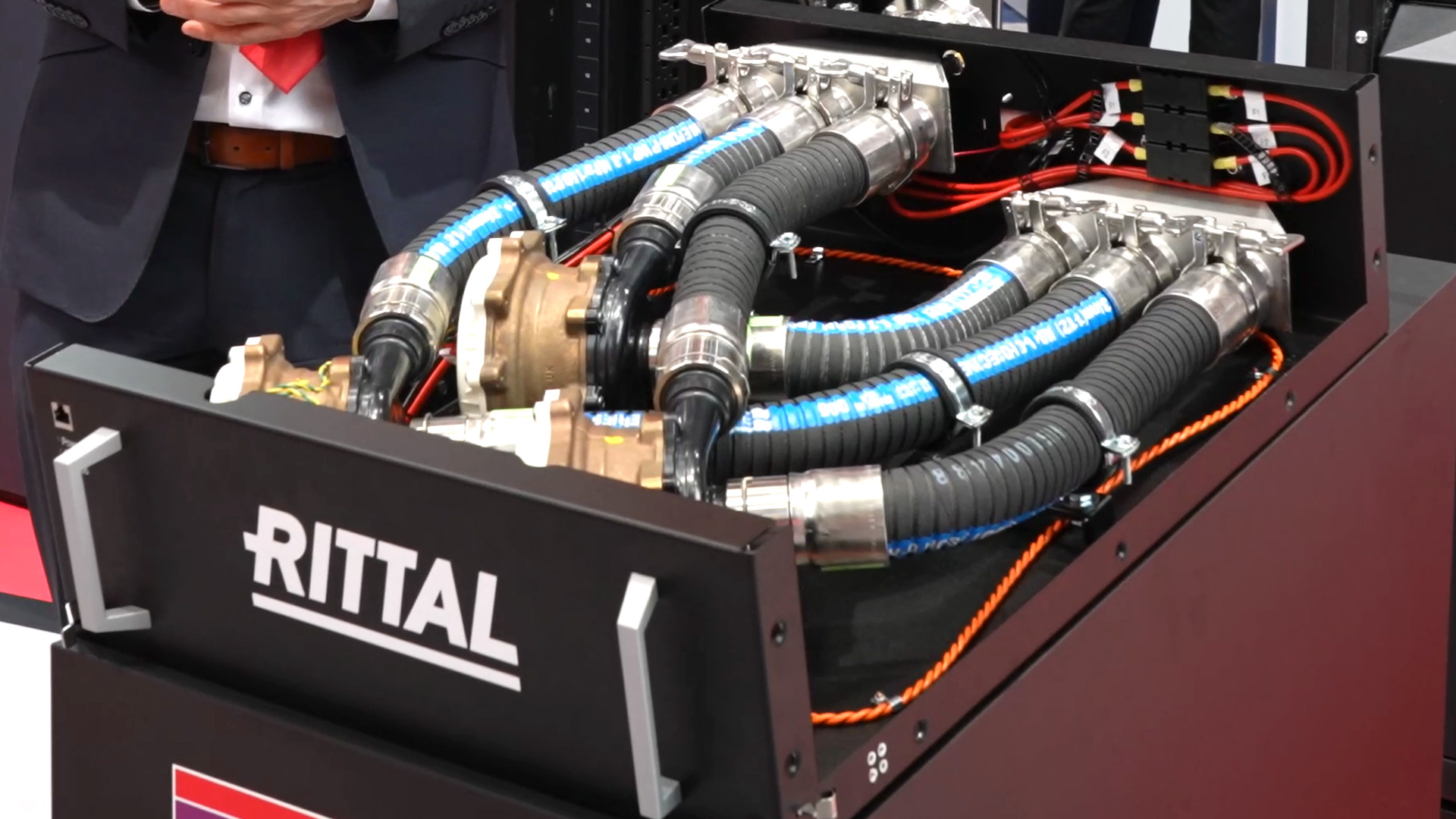
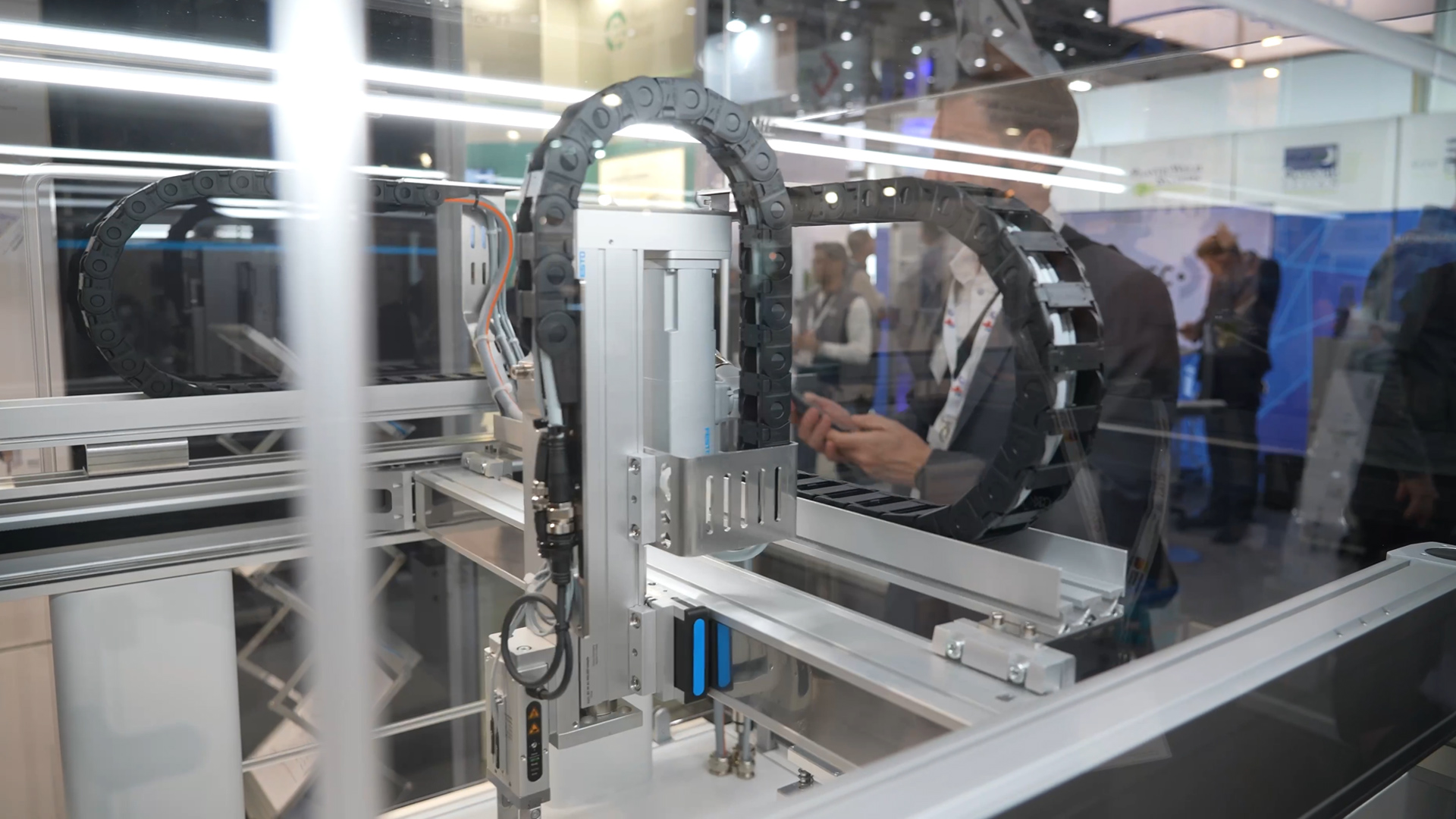
Configurable cantilever handling as a system for applications
In industrial automation, the focus is increasingly shifting from rigid individual components to flexibly configurable system solutions. Configurable cantilever handling is an example of this development. Flexible system solutions in industrial automation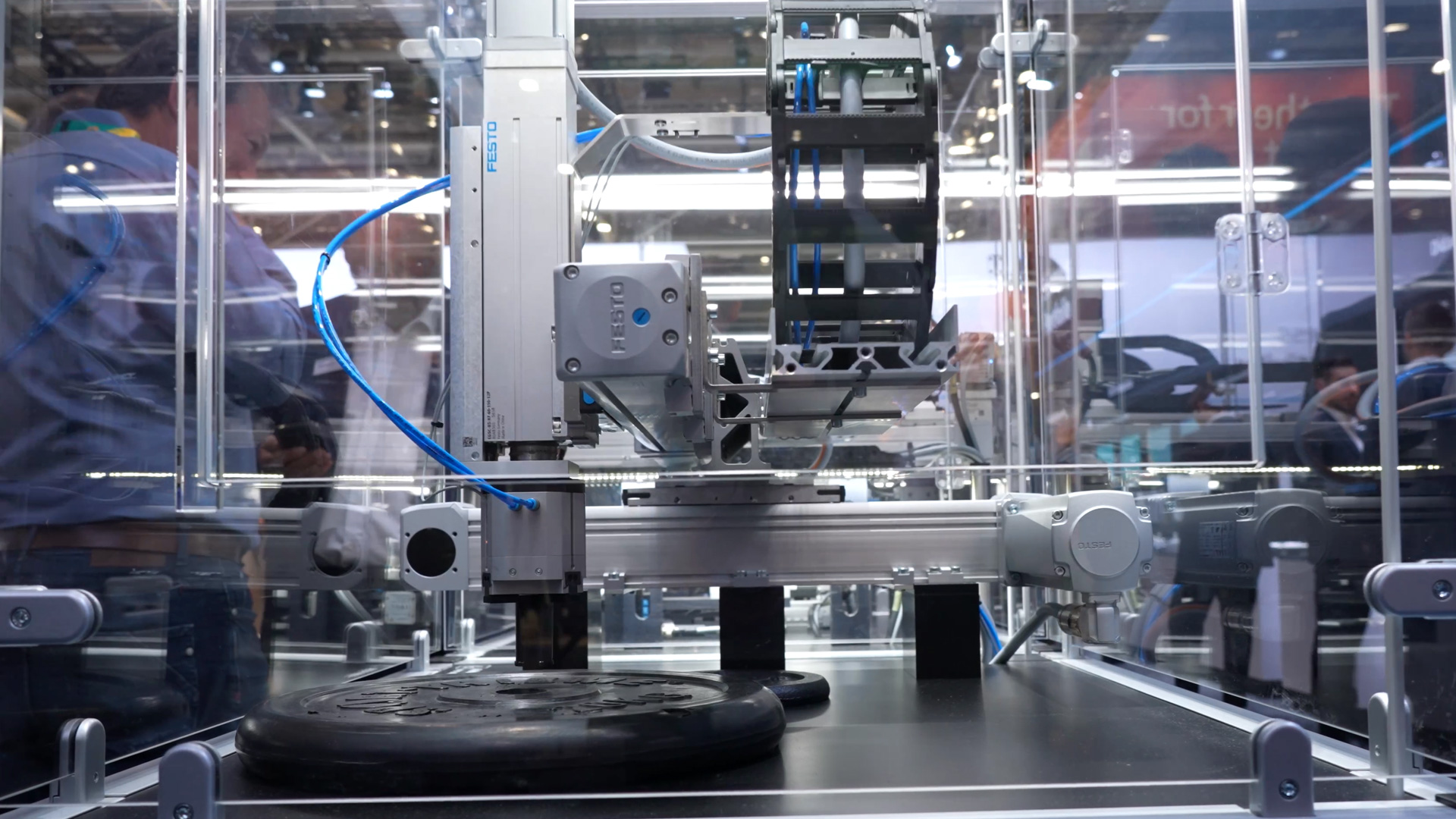
Exoskeleton S700 with data cable in industrial use
Exoskeletons are one of the most visible developments in the industrial working environment. They intervene directly in the physical strain of skilled workers and push the boundaries of what is possible manually over longer periods of time. Reducing physical strain in industrial working environments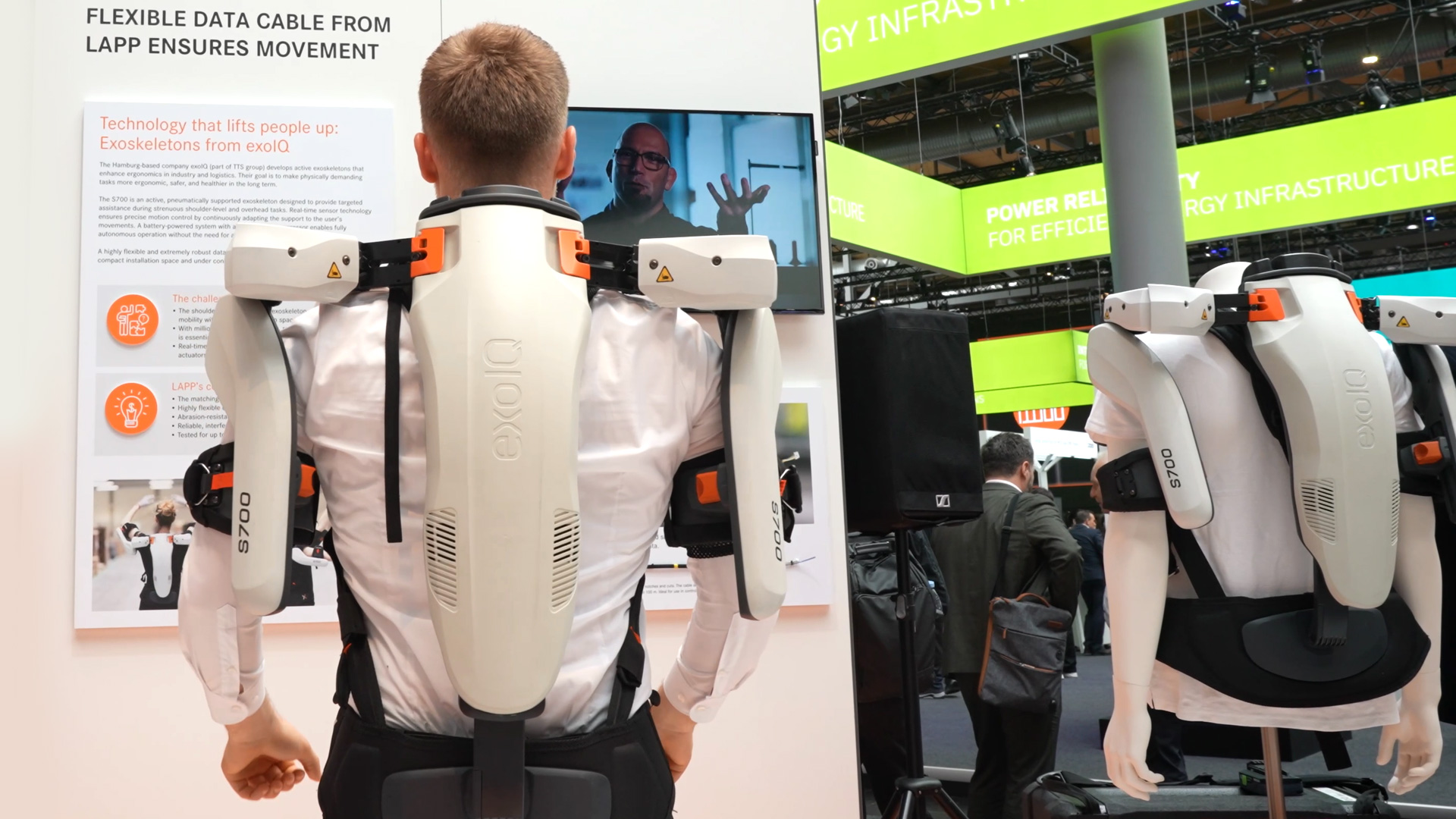
Agile ONE humanoid robot for industrial systems
Industrial robotics is in a phase of fundamental expansion. While traditional industrial robots specialise in clearly defined, repetitive tasks, the focus is increasingly shifting to systems that can be used more flexibly. Industrial robotics in the expansion phase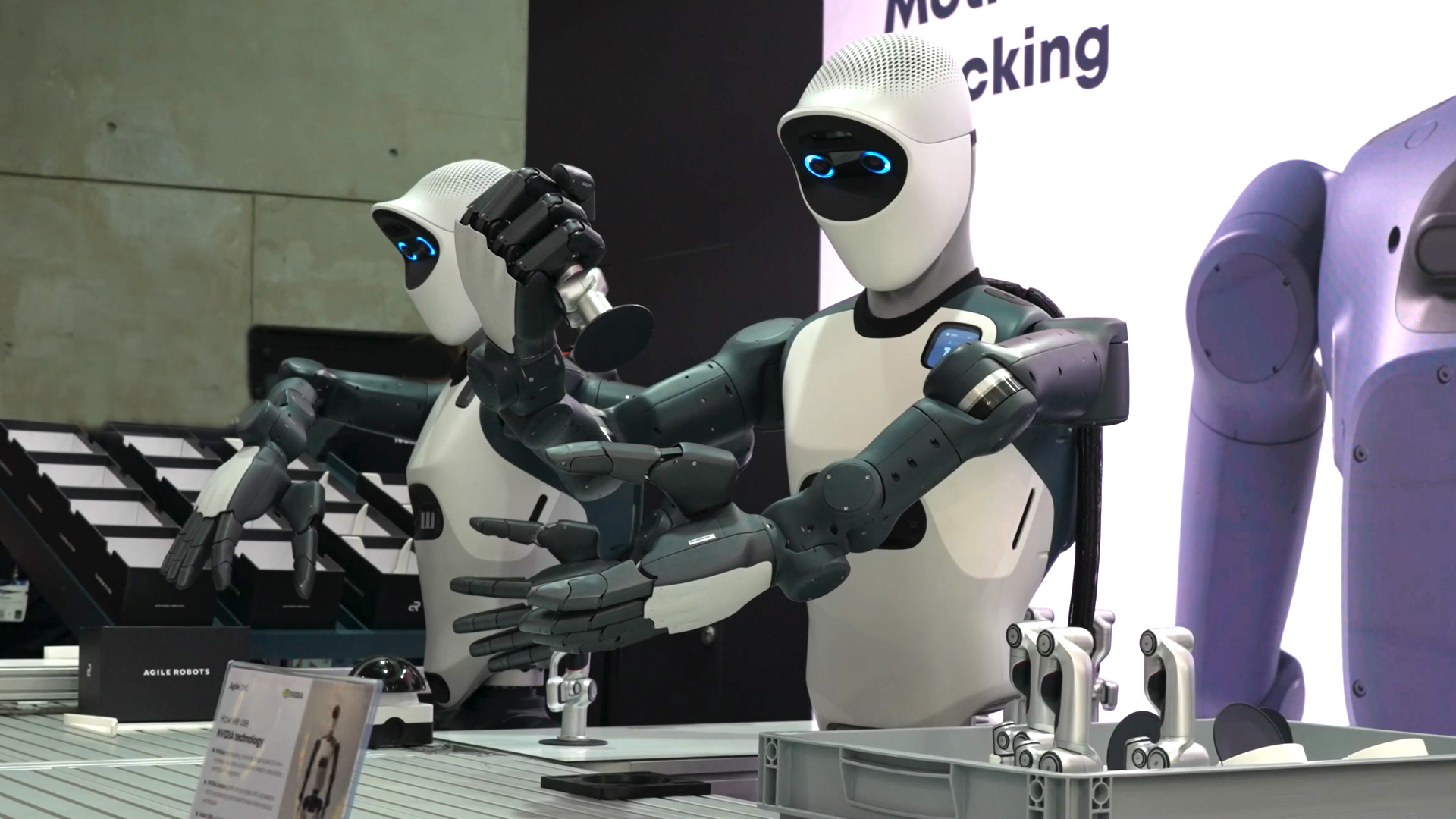
Circuit-breaker 3QD2 for DC systems
The development of modern energy infrastructures is currently visibly shifting towards direct current. What was long considered a special application is increasingly becoming the focus of attention due to rising power requirements in data c... Development of modern energy infrastructures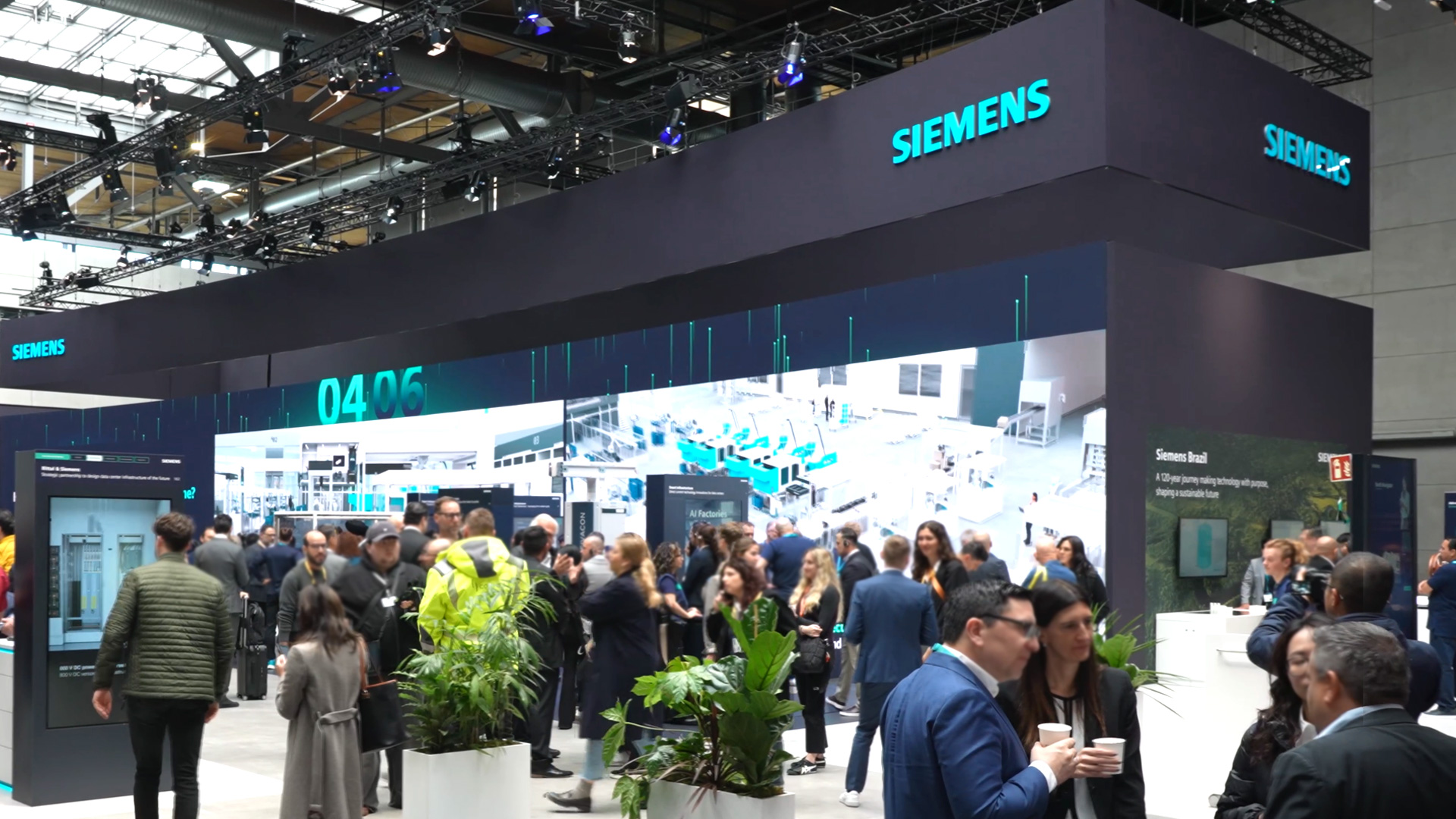
Multifunctional tester for electrical tests with AI
In the industrial testing of electrical components, quality is not only determined by the design, but also by the reliability of the measurement processes. Industrial testing of electrical components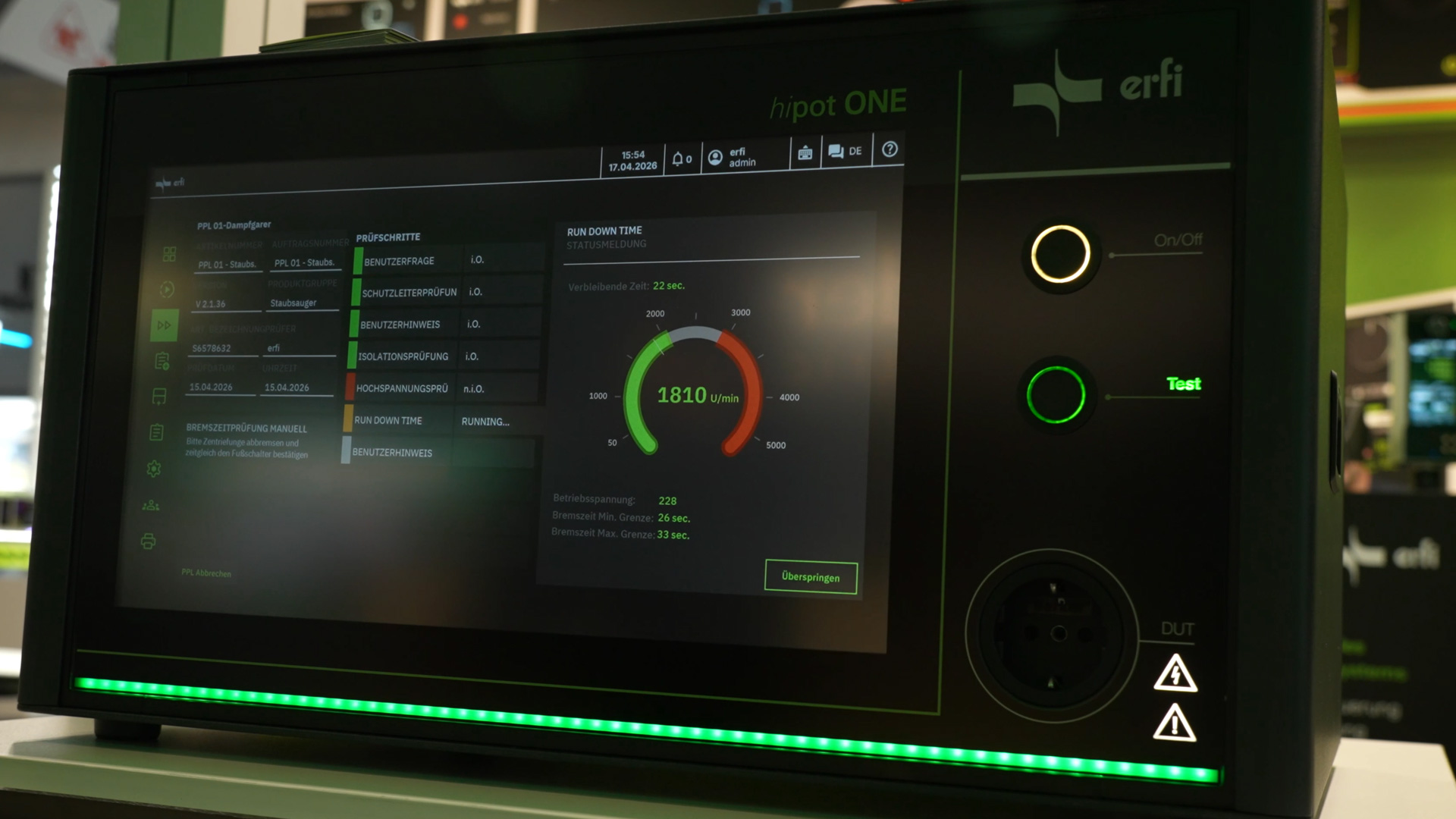
Production systems, logistics processes and industrial services are increasingly merging into integrated, data-driven structures. Discover with us specific applications that are already in use today or are about to be introduced.
Automation as the backbone of modern industrial processes
Automation is no longer just about efficiency. Companies are focussing on end-to-end process chains that extend from production through quality assurance to delivery. The aim is not only to reduce costs, but above all to stabilise processes in an increasingly volatile environment. The focus is shifting from individual machines to networked systems. Sensors, control technology and software are interlinked. Production lines react flexibly to changing requirements without the need for manual intervention. This is particularly evident in modular systems that can be quickly adapted to new products or batch sizes. Typical developments in the field of automation:
- Networked production systems with end-to-end data integration
- Modular system concepts for flexible production
- Real-time monitoring of processes and machine statuses
- Integration of quality assurance directly into production
Artificial intelligence is changing industrial decision-making
Artificial intelligence is evolving from an analytical tool to an active component of industrial systems. Whereas data used to be collected and subsequently evaluated, AI-based applications now make decisions independently - for example, when optimising production parameters or predicting maintenance requirements. One key area of application is predictive maintenance. Machines report deviations in operation at an early stage before failures occur. This reduces downtimes and increases predictability. At the same time, AI is increasingly being used in quality assurance, for example in image processing or automated fault detection. Important fields of application for AI in industry:
- Predictive maintenance to avoid unplanned downtime
- Automated quality control using image and sensor data
- Optimisation of production processes in real time
- Support for complex planning and control tasks
Robotics between precision and flexibility
Robotics has developed significantly in recent years. In addition to traditional industrial robots, collaborative systems are becoming increasingly important. These work directly with humans and take on tasks that require a combination of precision and adaptability. One key trend is the increasing mobility of robot systems. Autonomous platforms move through production halls or storage areas and take on transport or assistance tasks. At the same time, improved sensor technology and AI are enabling robots to perform more complex tasks. Relevant developments in robotics:
- Collaborative robots for flexible application scenarios
- Mobile robotics for internal logistics
- Improved sensor technology for precise and adaptive movements
- Integration of AI for autonomous decision-making
Energy, digitalisation and new industrial structures
In addition to the core areas of automation, AI and robotics, energy efficiency and digitalisation play a central role. Industrial companies are under pressure to make their processes more sustainable and remain competitive at the same time. The combination of digital control and efficient energy utilisation is becoming a decisive factor here. Another aspect is the increasing networking across company boundaries. Supply chains are mapped digitally, production data is exchanged between partners and processes are jointly optimised. This is leading to new forms of collaboration that go beyond traditional business models. Hannover Messe 2026 picks up on these developments and shows how industrial systems are evolving. The focus is not on visions, but on concrete solutions that are already being tested or used in practice today.
Trade fair reporting Germany - Trade fair knowledge, dates & events


