Ceramitec 2026 Munich: Trends in the ceramics industry
Ceramitec 2026 in Munich brings together key topics from the ceramics industry. The focus will be on production processes, material developments and technological solutions relating to both classic applications and new industrial fields of use. The event shows how strongly the industry has developed in the direction of efficient production, automated processes and specialised materials.
Product innovations at Ceramitec 2026
Refractory products for the glass industry and battery cells
Refractory materials are rarely the centre of attention when talking about glass production, battery cells or industrial high-temperature processes. Yet the stability, process reliability and service life of many systems depend precisely on... Refractory materials for extreme temperatures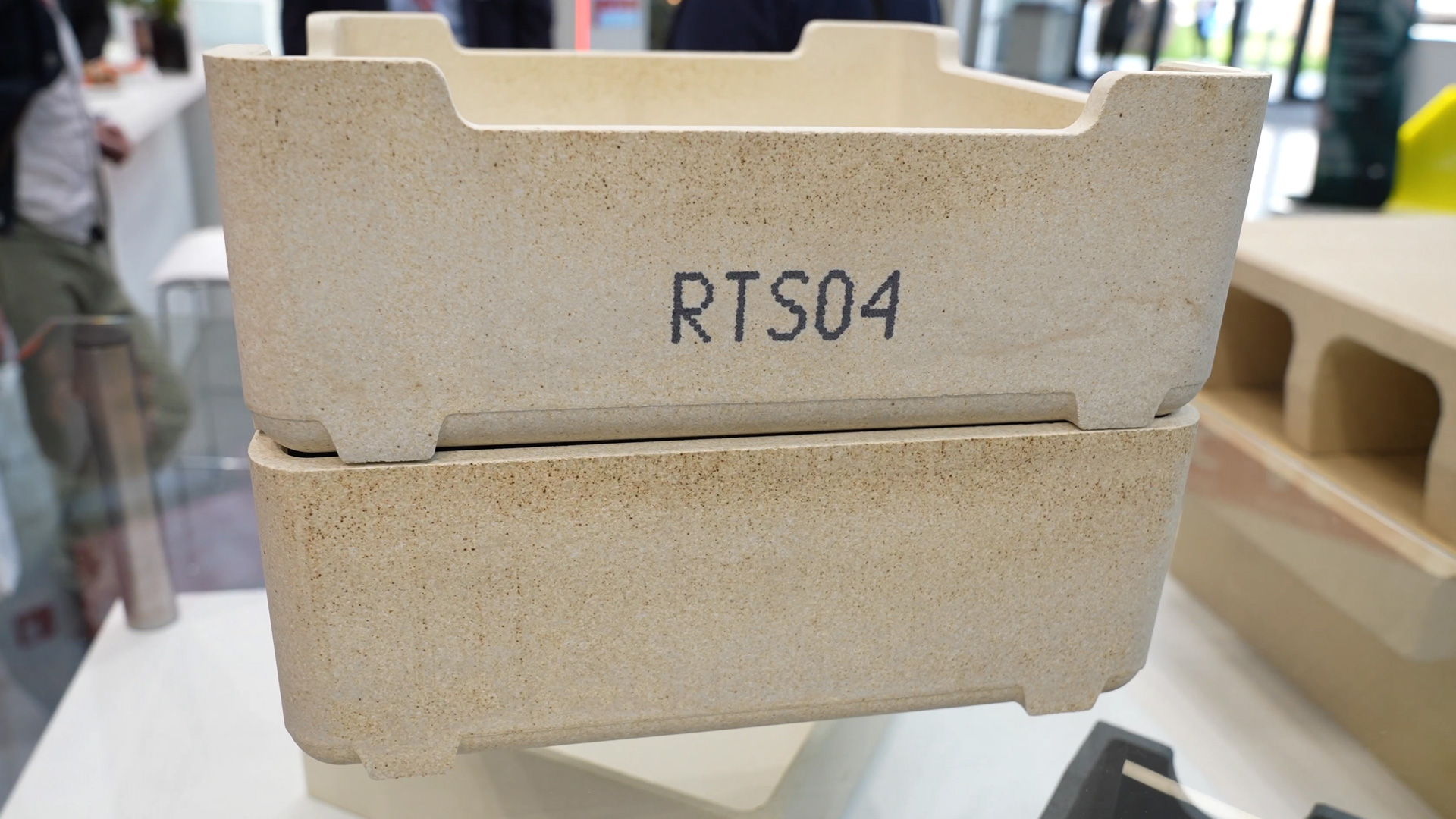

Quality control for plates in crockery production
Surface defects, dark spots, flaking or small flaws in the material can impair usability and at the same time reduce the visual quality. This is precisely where the system presented here comes in. Reliably detect defects in the material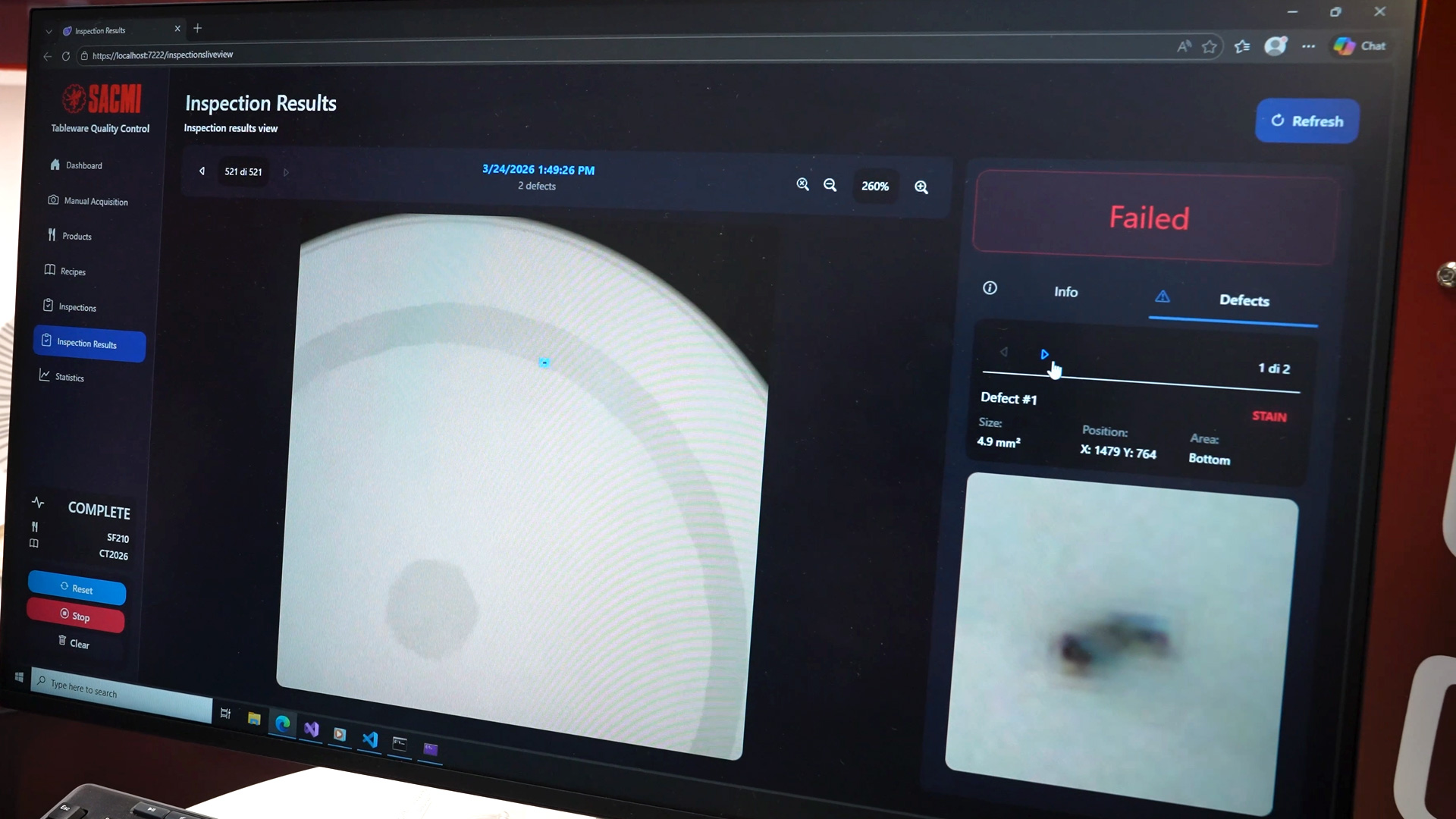
Precision in ceramic and carbide powder pressing
Anyone who manufactures components from ceramics, carbide or other powdered materials is working at a delicate interface between material behaviour, tool technology and process reliability. Even minor deviations can become visible later in ... Manufacturing components from powdered materials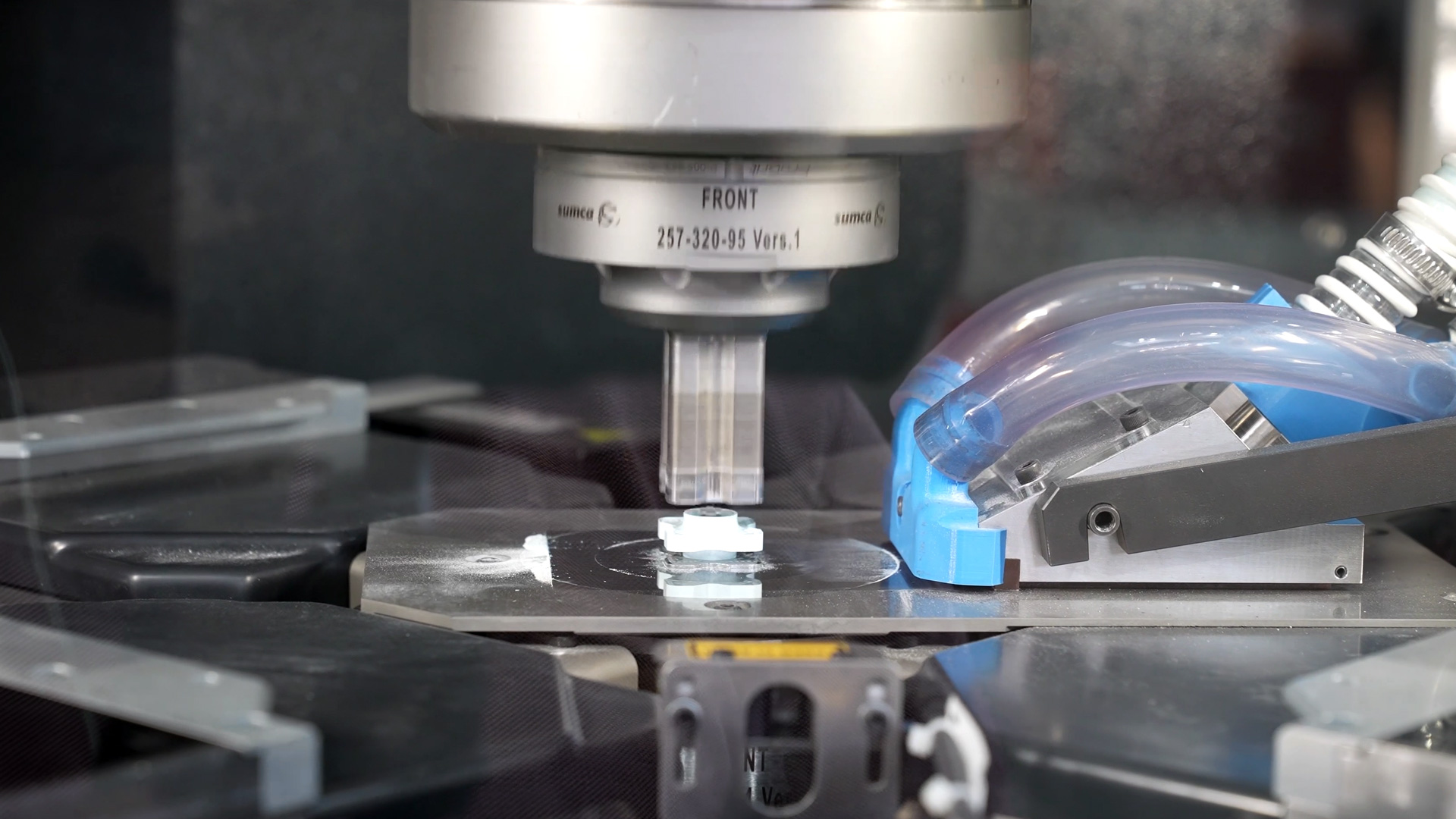

Viaduct brick in kiln car for tunnel kiln systems
The heavy clay industry is characterized by high thermal loads, long operating cycles and clearly defined requirements for material stability. Components used in tunnel kilns must function reliably for years. Solution for the heavy clay industry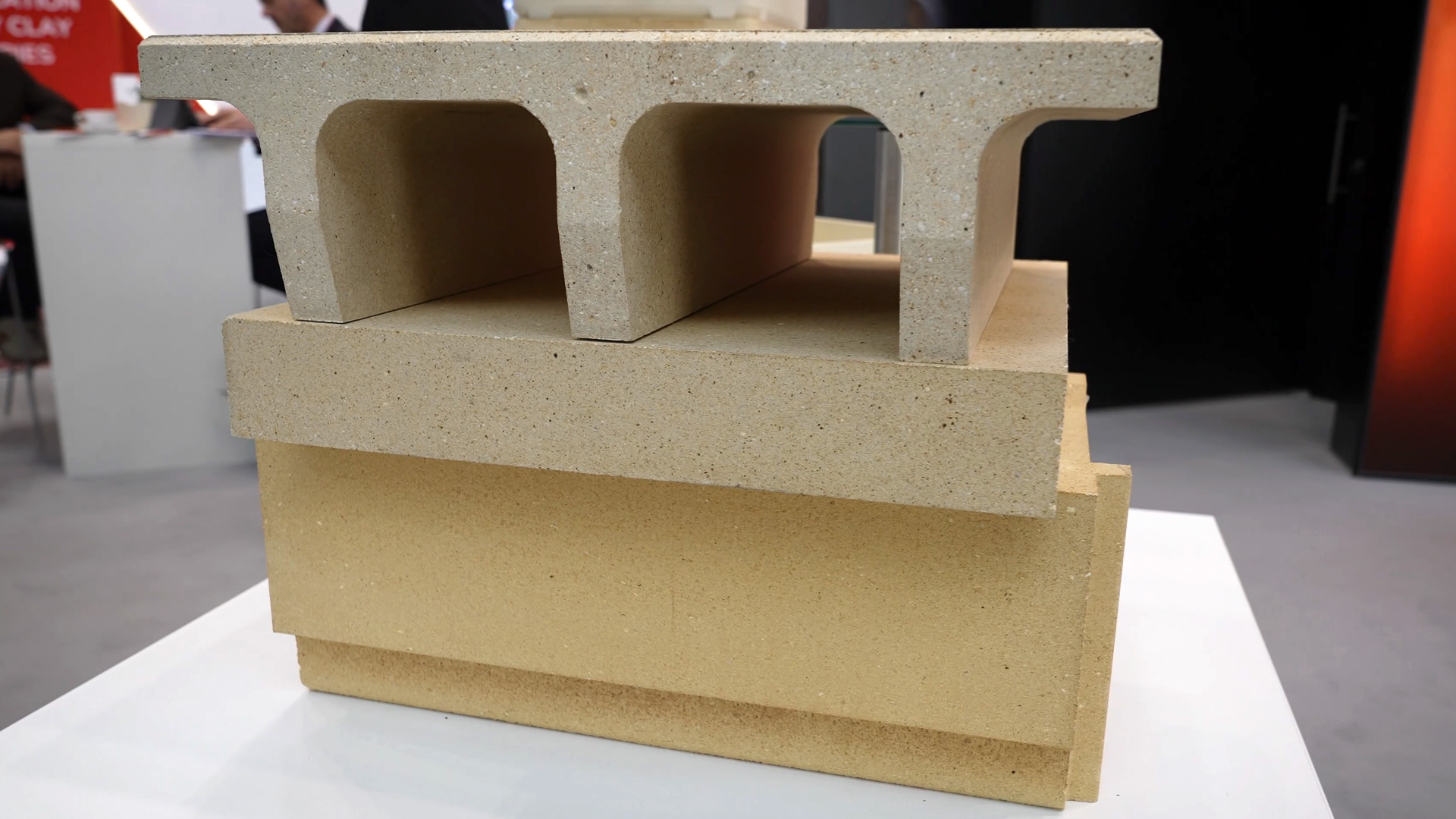
Technical ceramics for implants and industry
Ceramics are a background material in many industries. It is rarely seen as a finished product, although it often plays a central role in key applications. This is precisely where a company like Metoxit comes in. Ceramics for Medical Technology and Industry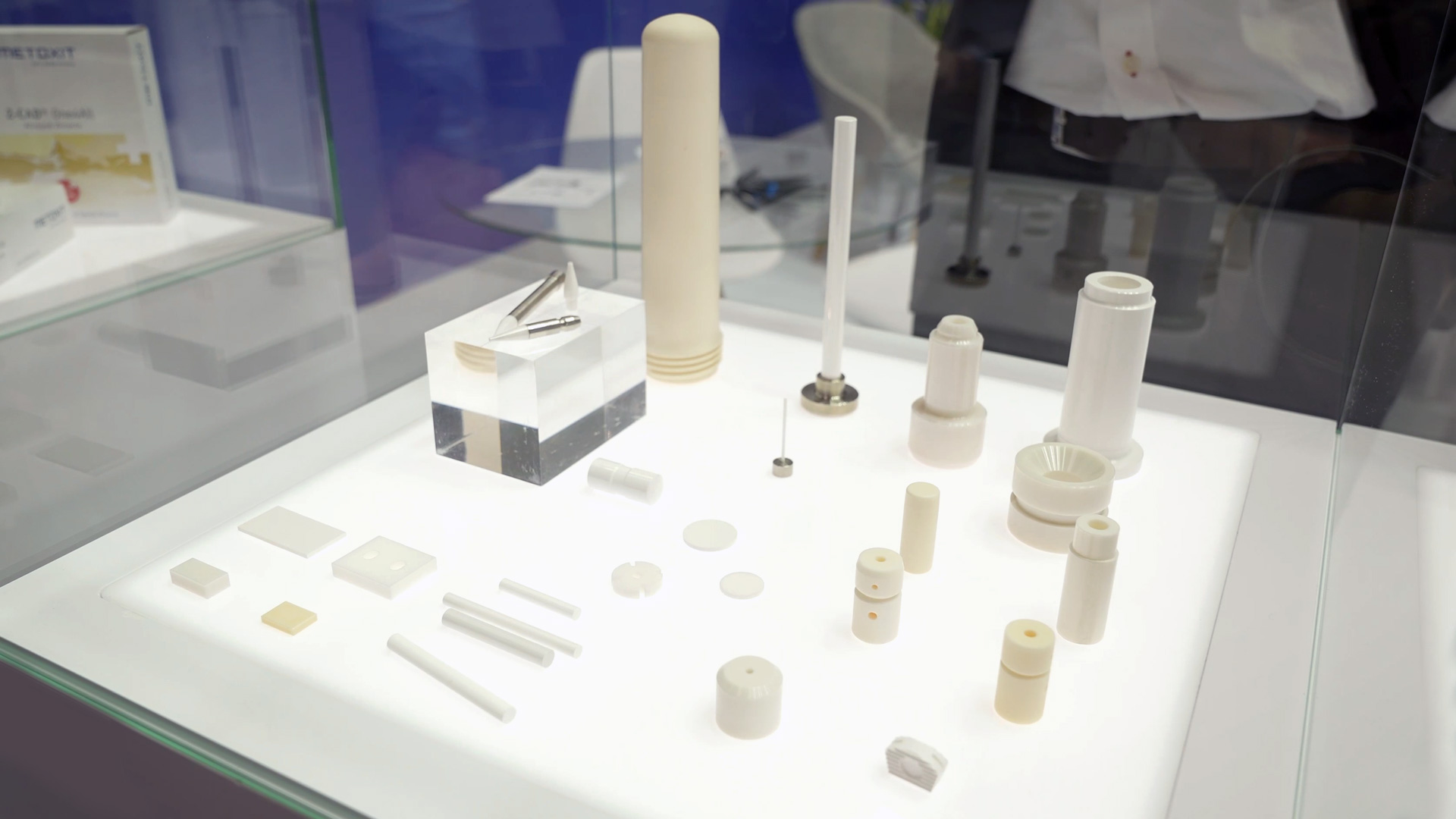
Westerwald clays shape ceramics and industrial production
Clay is one of those raw materials that is hardly noticeable in everyday life and yet is present almost everywhere. What at first glance sounds like a traditional material is now used in everything from pottery, tiles and porcelain to indus... Raw materials that are barely noticeable in everyday life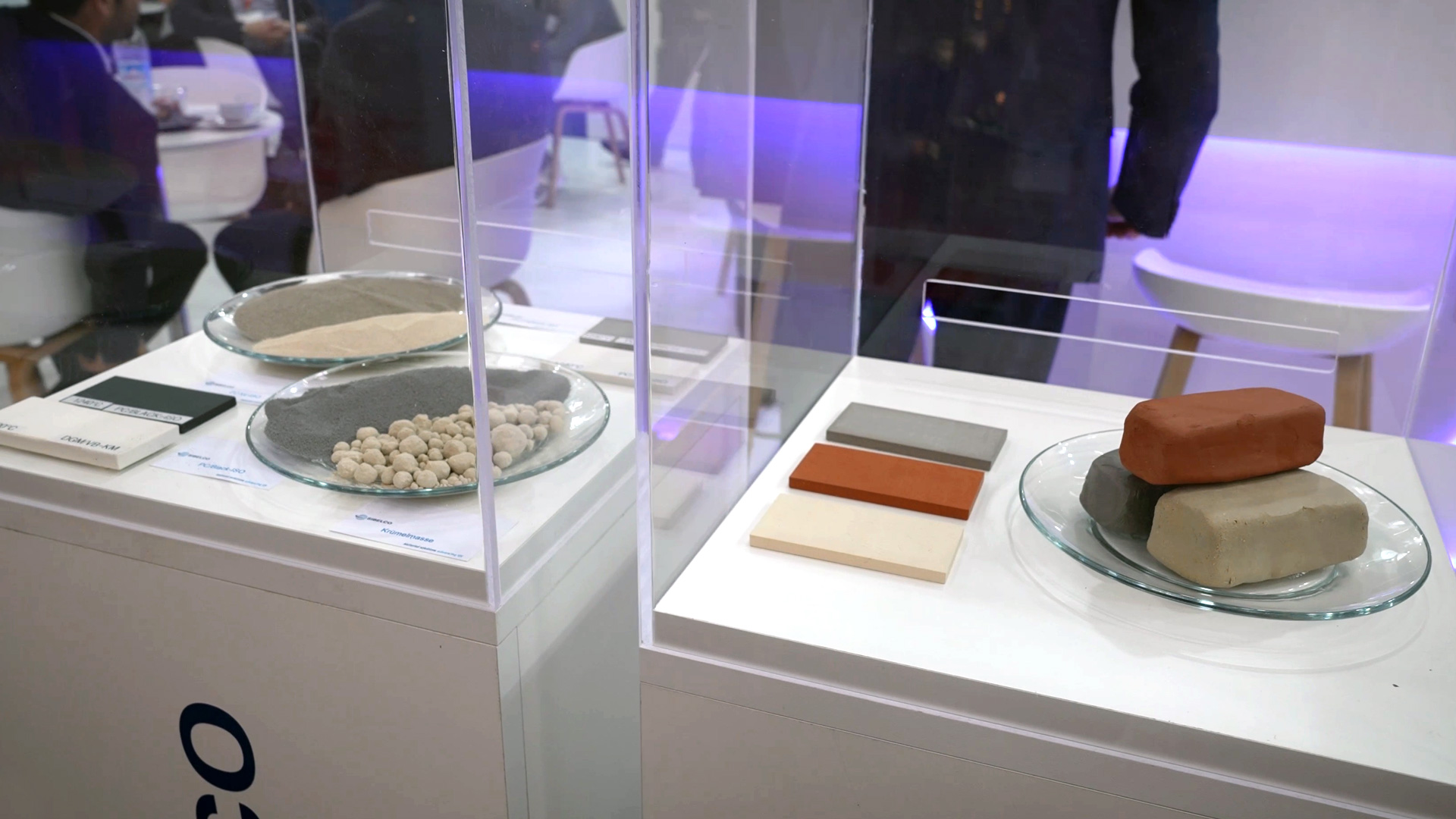
Kiln furniture plates made of SiC reduce energy in the kiln process
In industrial firing processes, it is not only the product that determines efficiency and quality, but also the environment in which it is manufactured. Kiln furniture - i.e. support structures, plates and superstructures in the kiln - play... Energy optimisation for industrial firing processes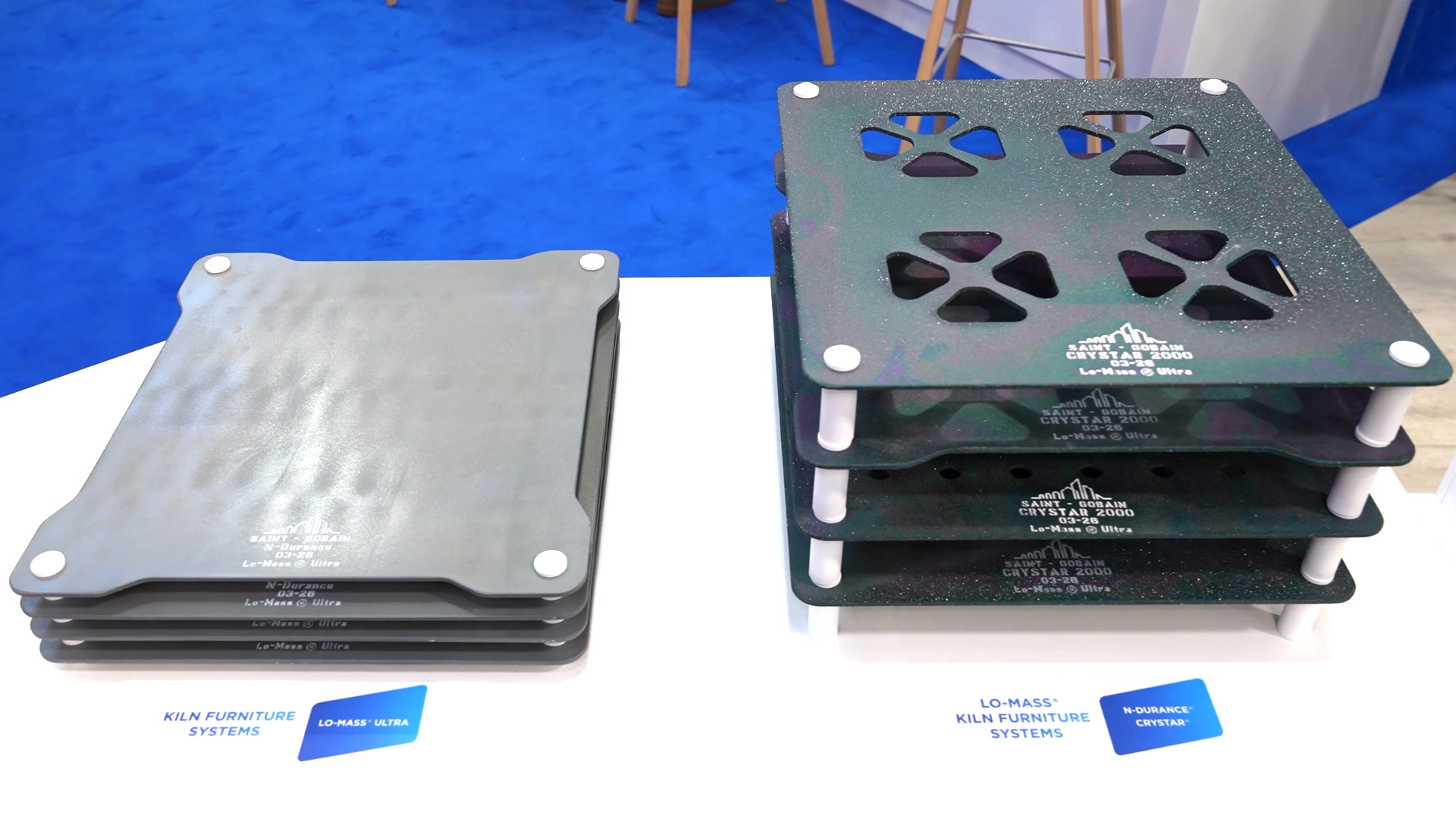
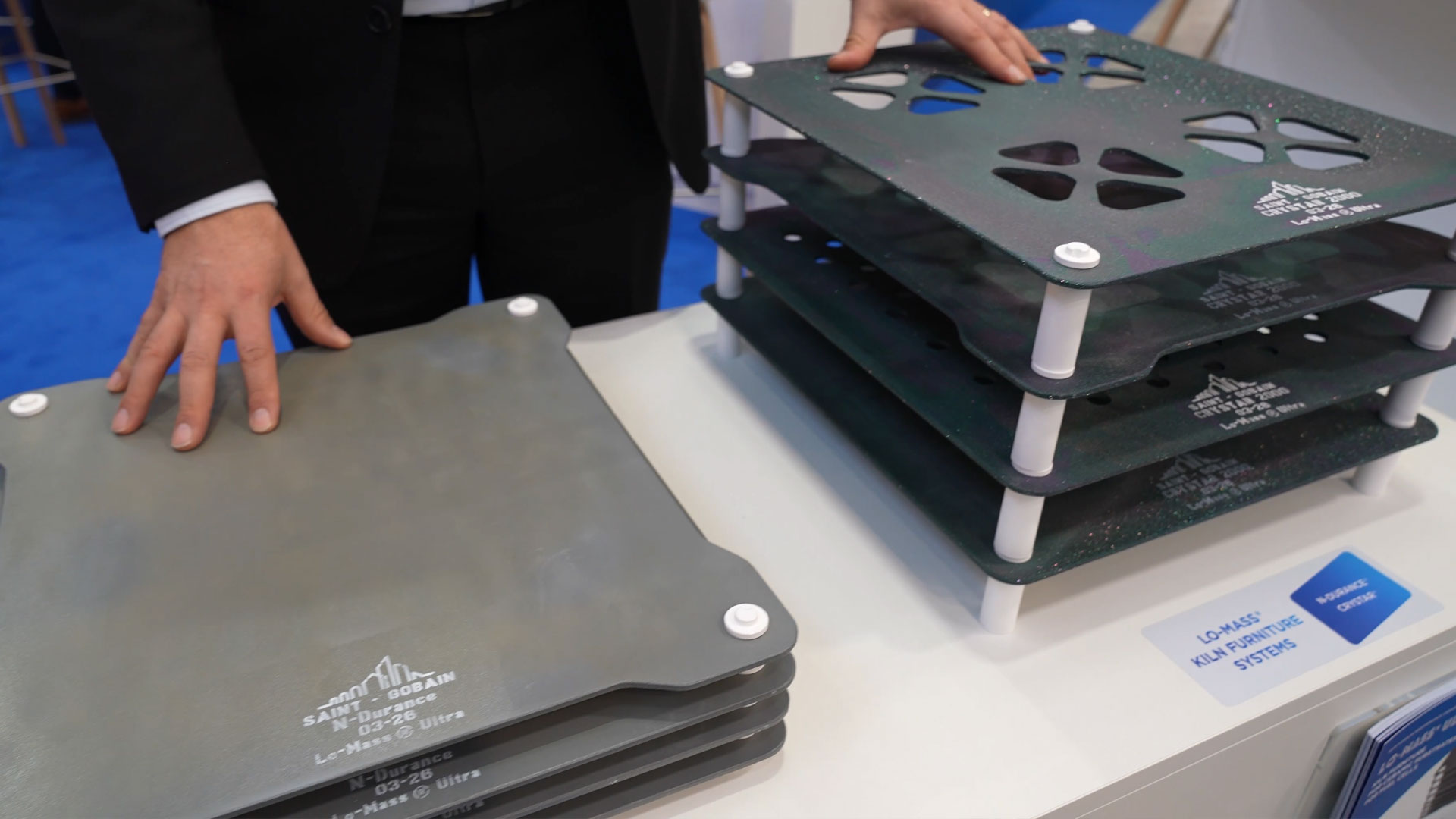
Ceramics are no longer a niche material. In many industrial sectors, ceramic materials are taking on tasks that can no longer be solved economically or in a technically feasible way with metals or plastics. At the same time, there is growing pressure to make processes more energy-efficient and to utilise resources in a more targeted manner.
Industrial ceramics between high performance and specialisation
Technical ceramics are a key topic. They are increasingly being used where extreme conditions prevail - for example at high temperatures, in chemically aggressive environments or under continuous mechanical stress. Applications include electronics, mechanical engineering and energy technology. There is a clear trend towards specialised materials with precisely defined properties. These include
- High-strength oxide ceramics for structural applications
- Non-oxide ceramics for extreme temperature ranges
- Functional ceramics with electrical or magnetic properties
- Bioceramics for medical applications
Digitalisation is changing processes in ceramic production
Digitalisation is a key driver of current developments. Production systems are increasingly being networked and process data is continuously recorded and analysed. This enables more precise control over raw materials, moulding and firing processes. The integration of sensor technology and data-based analyses is particularly relevant here. Errors can be detected at an early stage, rejects reduced and processes stabilised. At the same time, new possibilities for the documentation and traceability of production steps are emerging. Typical developments in this area are
- Networked production lines with centralised control
- Use of AI for process optimisation
- Digital twins for the simulation of firing processes
- Automated quality control through image processing
Energy, sustainability and raw materials as key factors
The energy-intensive manufacture of ceramic products is increasingly coming into focus. Rising energy costs and regulatory requirements are forcing companies to rethink their processes. Ceramitec 2026 will showcase approaches for reducing energy consumption and emissions. One important approach is the optimisation of kilns. Modern systems work with improved heat recovery and precise temperature control. At the same time, work is being done on alternative energy sources, such as the use of hydrogen or electrified processes. There are also changes in raw materials. Recycling is gaining in importance, both for ceramic waste materials and for alternative raw materials. The aim is to reduce dependencies and utilise resources more efficiently.
Plant engineering and automation in production
In addition to materials, the focus is on machines and systems. The manufacture of ceramic products requires precisely coordinated process chains - from the preparation of raw materials to moulding, firing and post-processing. Automation is playing an increasingly important role here. It not only enables higher quantities, but also consistent quality with complex geometries. At the same time, systems are becoming more modular in order to be able to react flexibly to different products. Some of the key developments in plant engineering:
- Modular production systems for different batch sizes
- Robotics in moulding and further processing
- Inline measurement technology for quality control
- Fully automated material feed and dosing
Cross-industry applications as growth drivers
The importance of ceramic materials is growing in many sectors at the same time. In the automotive industry, for example, they play a role in electric drives and power electronics. In medical technology, they are used for implants and wear parts. Ceramic components are also becoming increasingly important in energy and environmental technology, for example in filters and water treatment. Ceramitec 2026 will therefore not only showcase developments within the sector, but also its networking with other branches of industry. It is precisely these interfaces that will determine how demand will develop in the coming years. The trade fair in Munich makes it clear that the ceramics industry is facing structural change. Technological innovations, increasing demands for sustainability and the integration of digital processes are changing both production and areas of application. To survive in this environment, material development, production and application must be more closely interlinked.
Trade fair reporting Germany - Trade fair knowledge, dates & events


