Faltbares Lastenfahrrad für flexible Nutzung im Alltag
von Bastian Velonavy - 2024-08-27Lastenfahrräder gelten als praktische Alternative zum Auto – gleichzeitig bringen sie im Alltag klare Einschränkungen mit sich. Vor allem Größe und Gewicht machen Transport, Abstellen und Nutzung oft unflexibel.
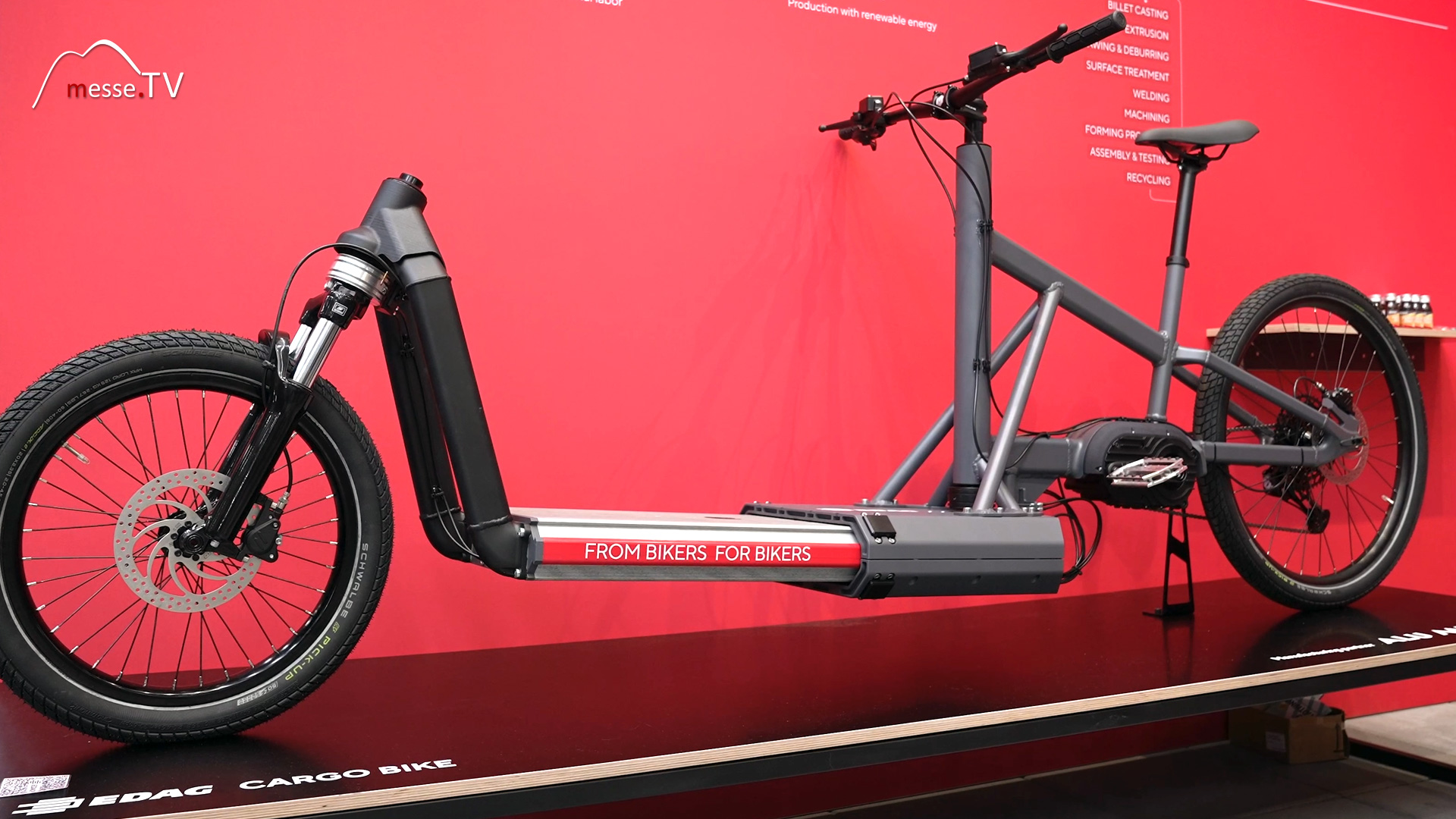
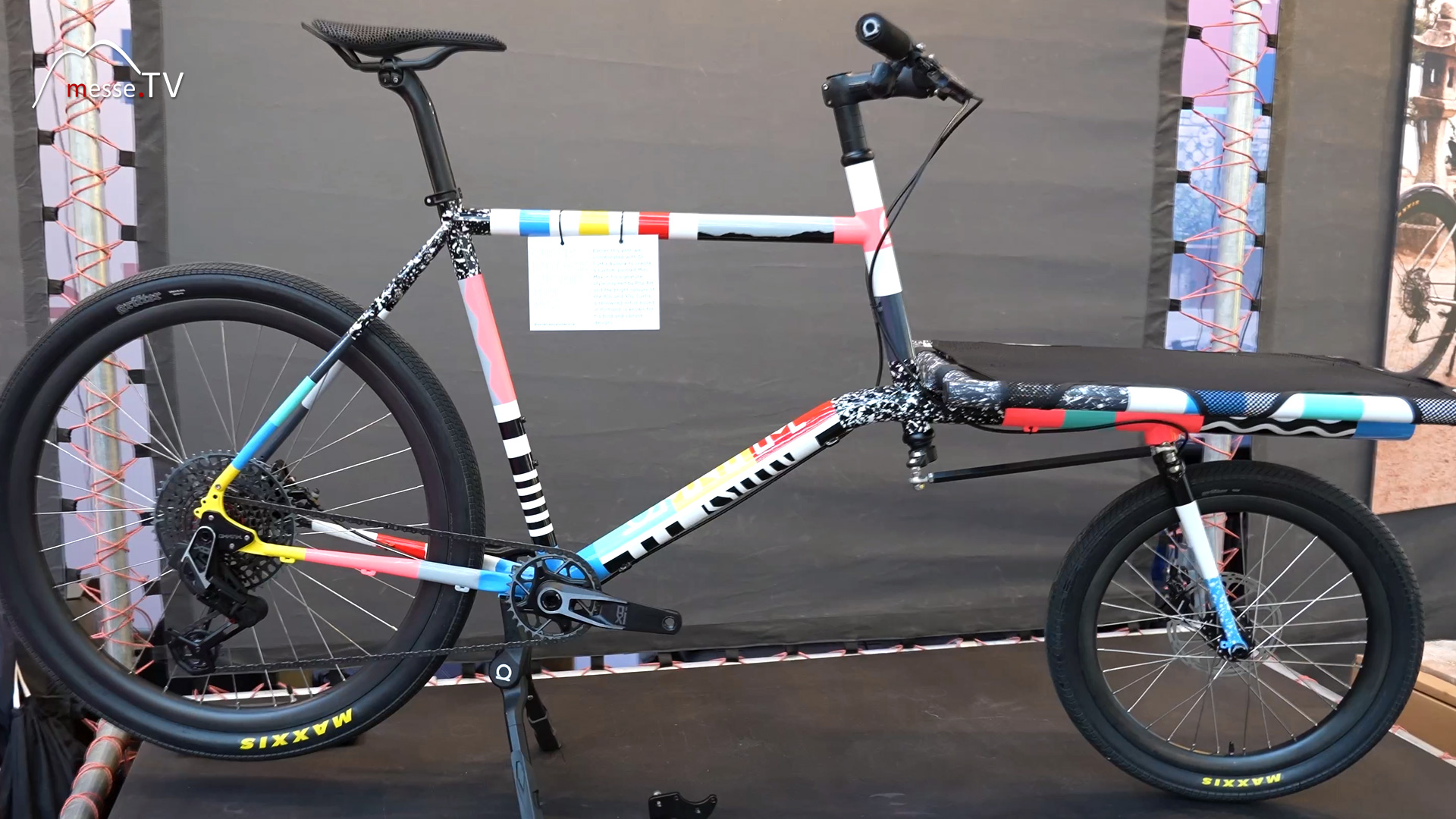
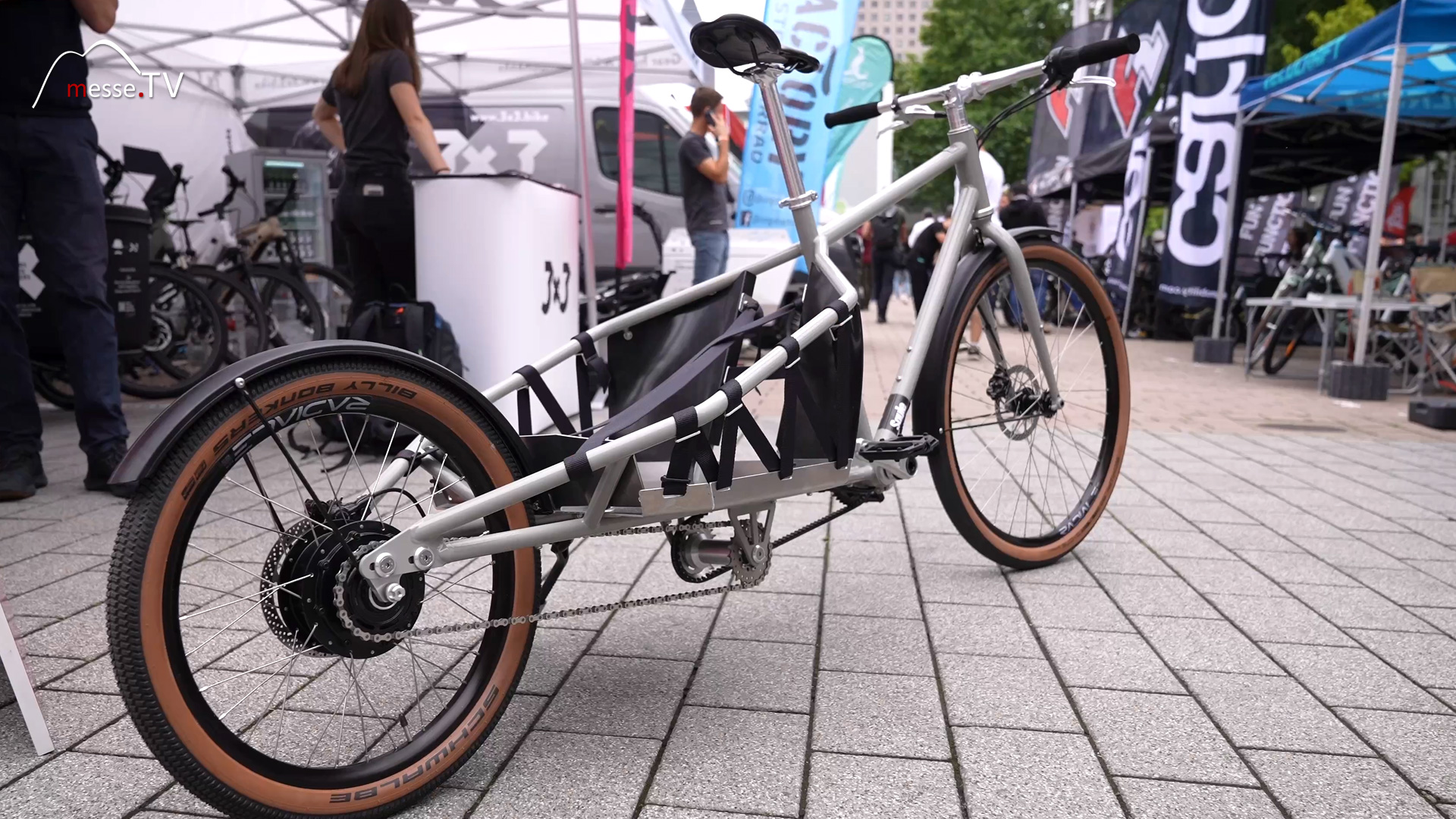
Ein Konzept versucht, genau diese Schwächen zu adressieren, indem es das Lastenfahrrad selbst veränderbar macht. Im Mittelpunkt steht ein faltbares Lastenfahrrad, das sich nicht nur für den Transport von Gütern eignet, sondern auch kompakt zusammenlegen lässt. Damit verschiebt sich der Fokus von reiner Transportleistung hin zu Alltagstauglichkeit.
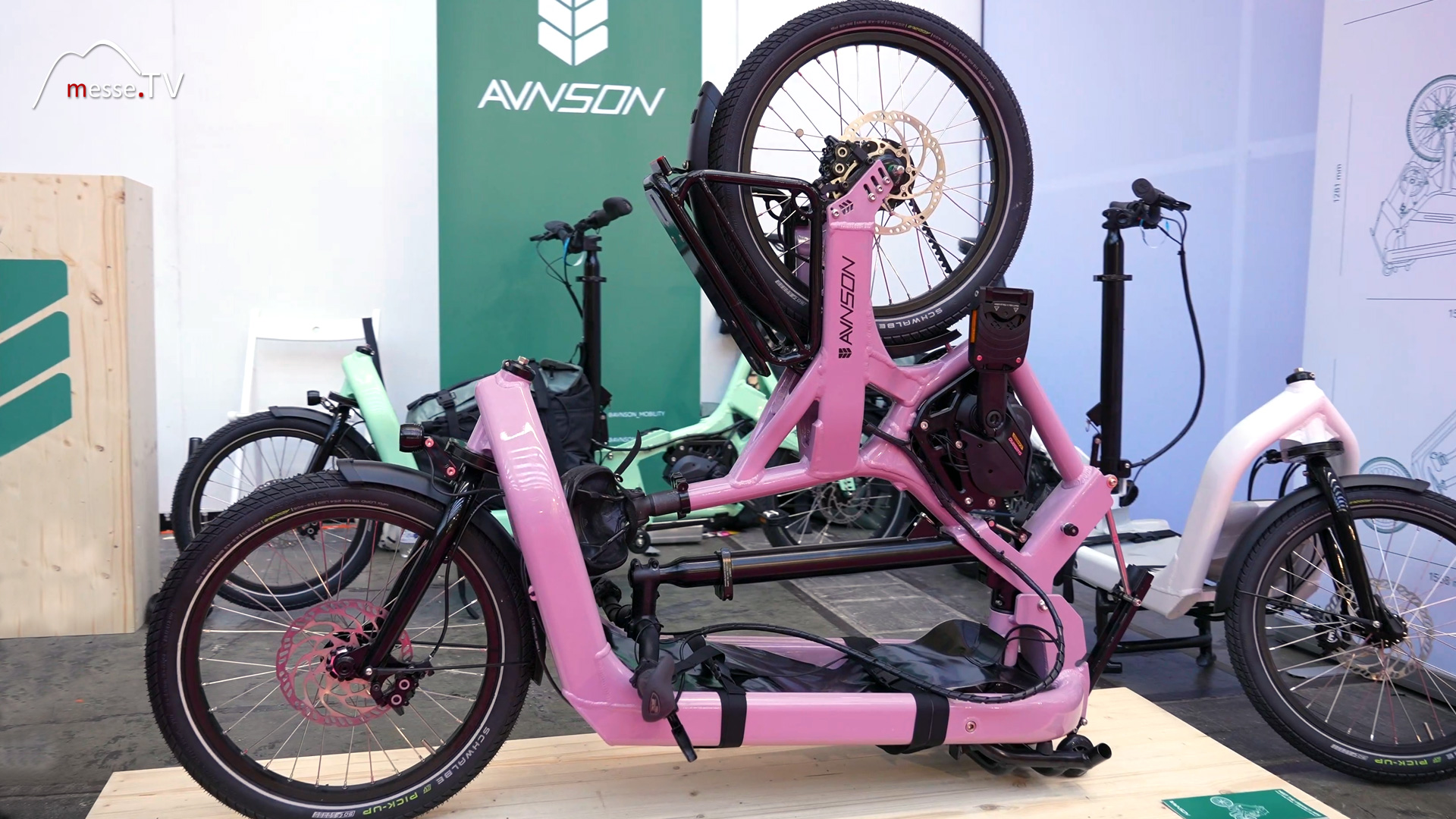

Avnson entwickelt faltbares Lastenfahrrad mit System
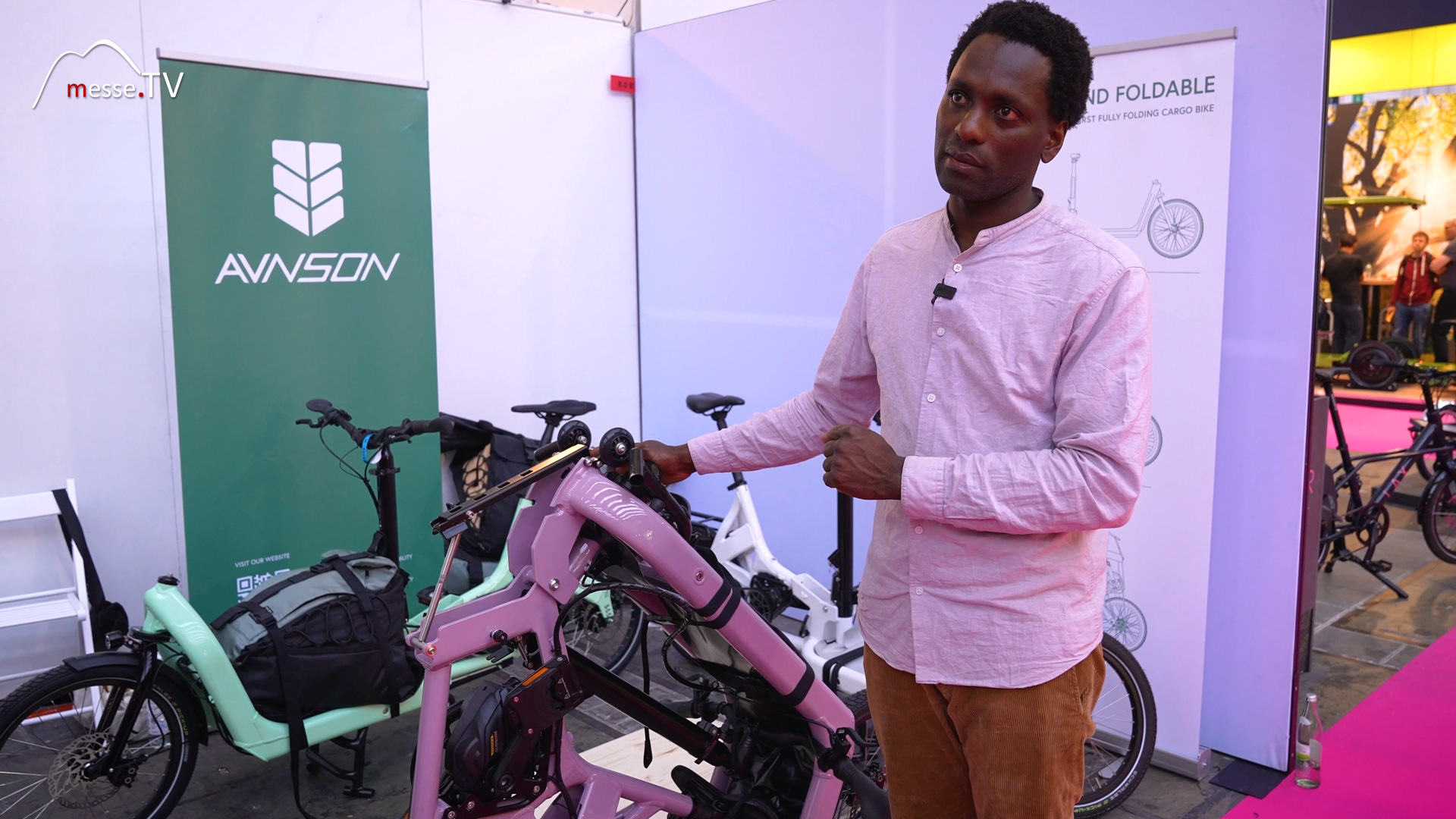
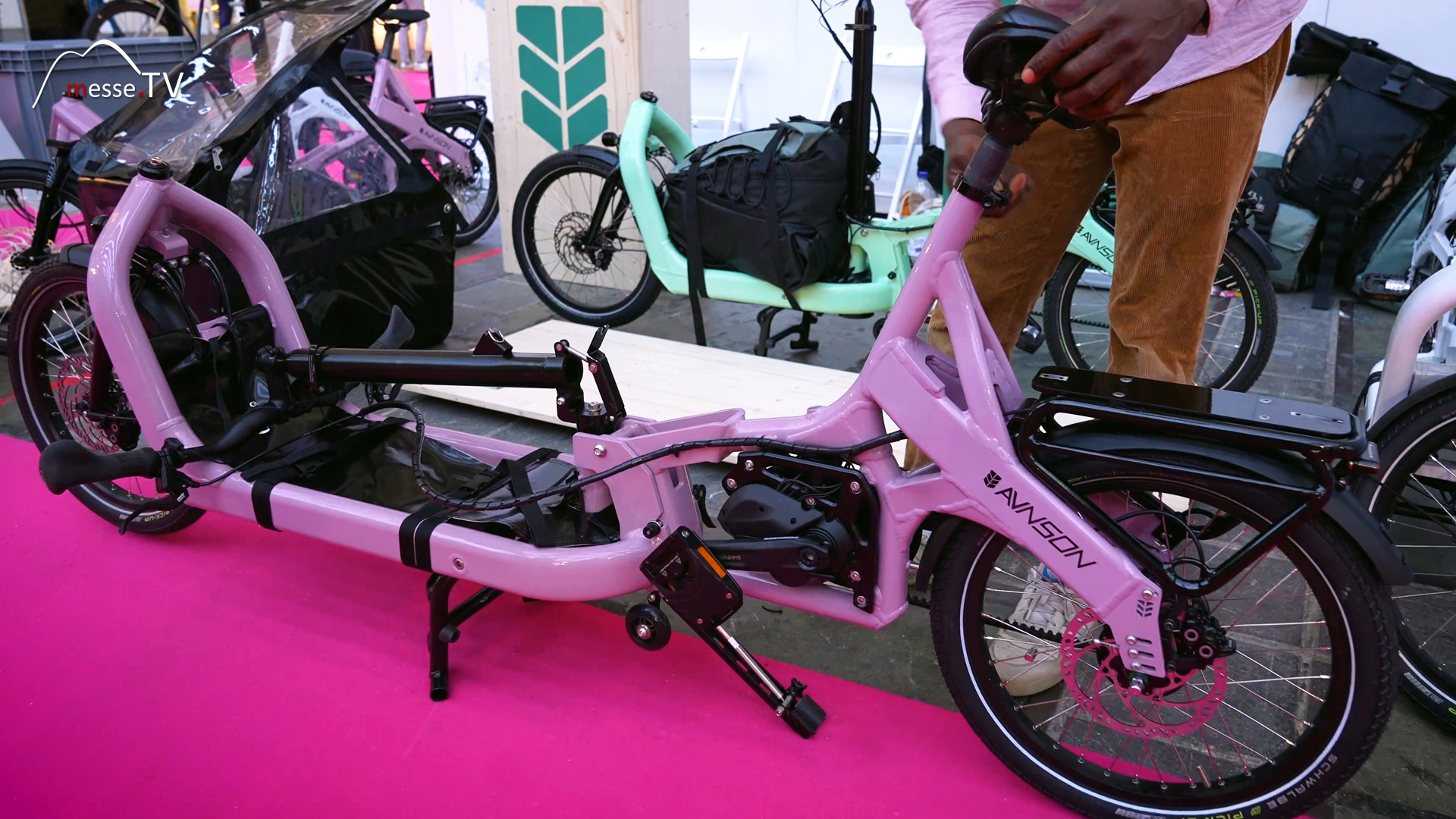
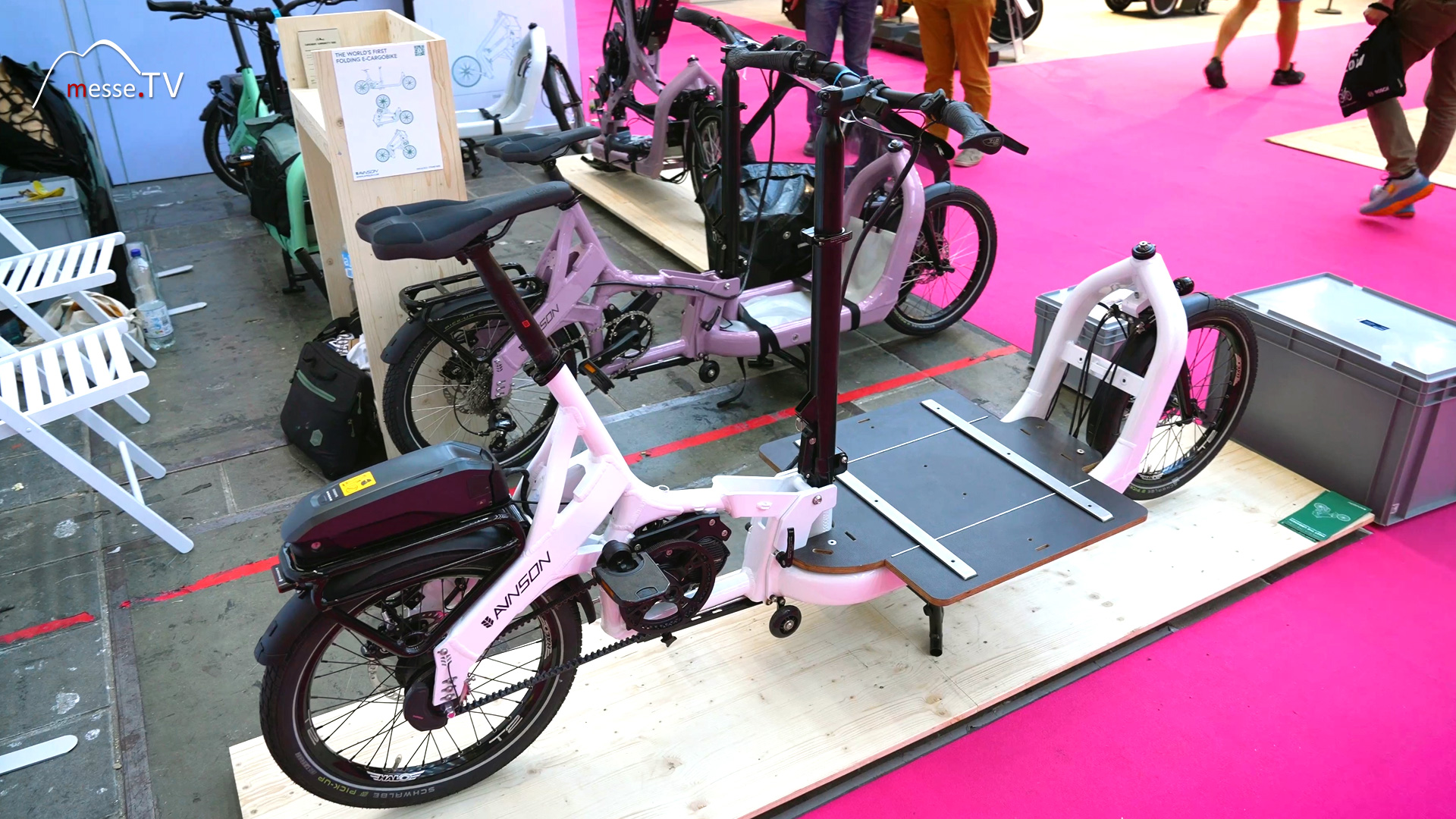
Der Ansatz von Avnson zielt auf mehr Flexibilität im Umgang mit Lastenrädern. Statt ein dauerhaft großes Fahrzeug zu nutzen, lässt sich das Fahrrad bei Bedarf zusammenfalten und platzsparend verstauen. Das System beginnt bei der Lenksäule, die sich einklappen lässt. Anschließend wird über einen Sicherheitshebel und einen Haupthebel der zentrale Rahmenmechanismus gelöst. Der Sattel wird ebenfalls entriegelt, sodass das gesamte Fahrrad in eine kompakte Form gebracht werden kann. Diese Abfolge zeigt, dass das Falten nicht als Zusatzfunktion gedacht ist, sondern integraler Bestandteil der Konstruktion.
Faltmechanismus ermöglicht Transport und Lagerung
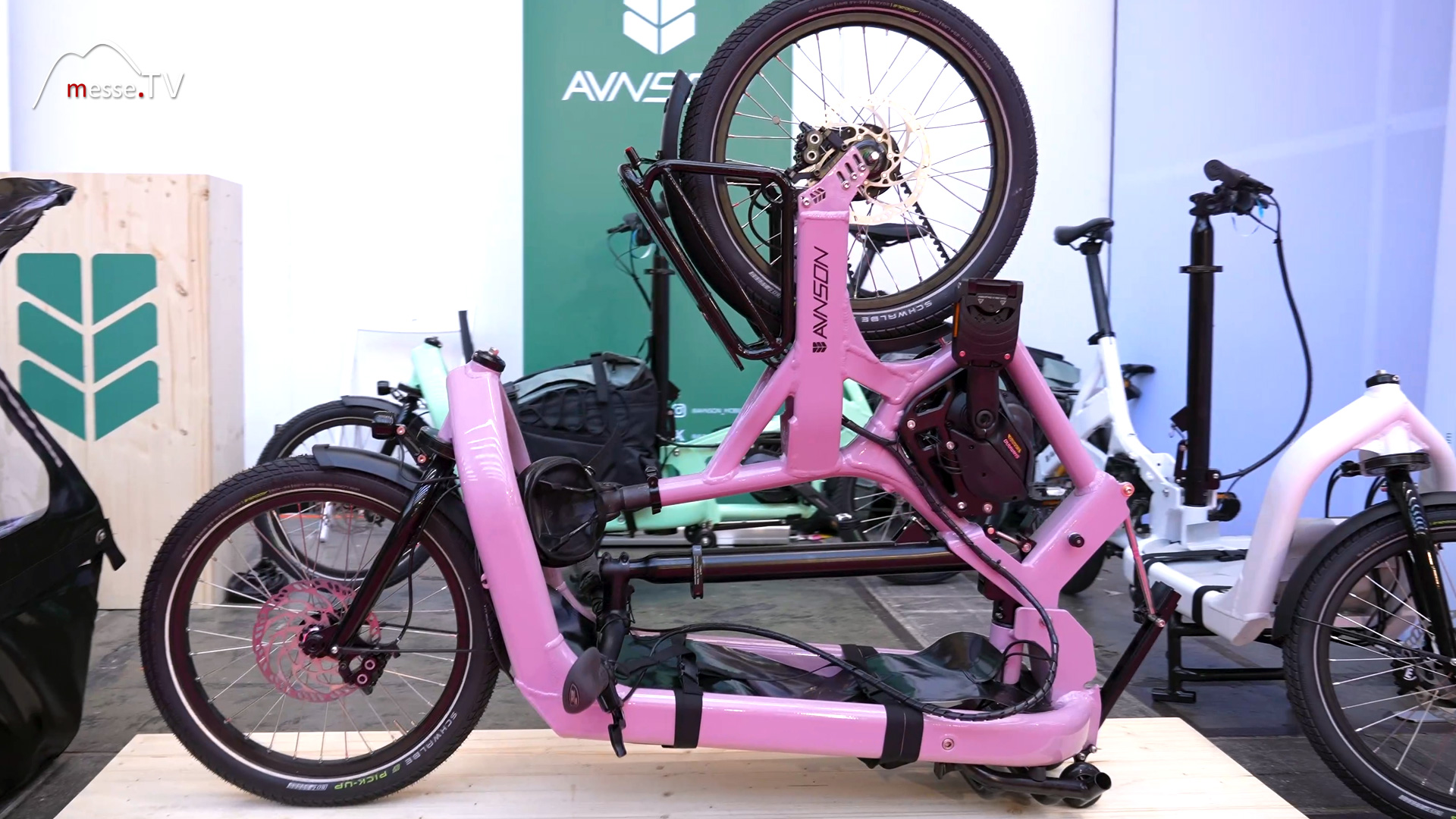
Im gefalteten Zustand lässt sich das Lastenfahrrad rollen – vergleichbar mit einem großen Gepäckstück. Tragen ist nur eingeschränkt vorgesehen, der Fokus liegt klar auf dem Rollen und Abstellen. Ein weiterer Schritt besteht darin, das Fahrrad um 180 Grad zu drehen. Dadurch haben beide Räder Kontakt zum Boden, was den Transport auf einem Heckträger ermöglicht. Diese Lösung erweitert die Nutzung über den reinen Stadtverkehr hinaus. Gerade für Reisen oder den Transport im Auto ergibt sich daraus ein Vorteil. Das Lastenfahrrad kann mitgenommen werden, ohne dauerhaft viel Platz zu beanspruchen.
Adaptersystem für Rahmen und Antrieb
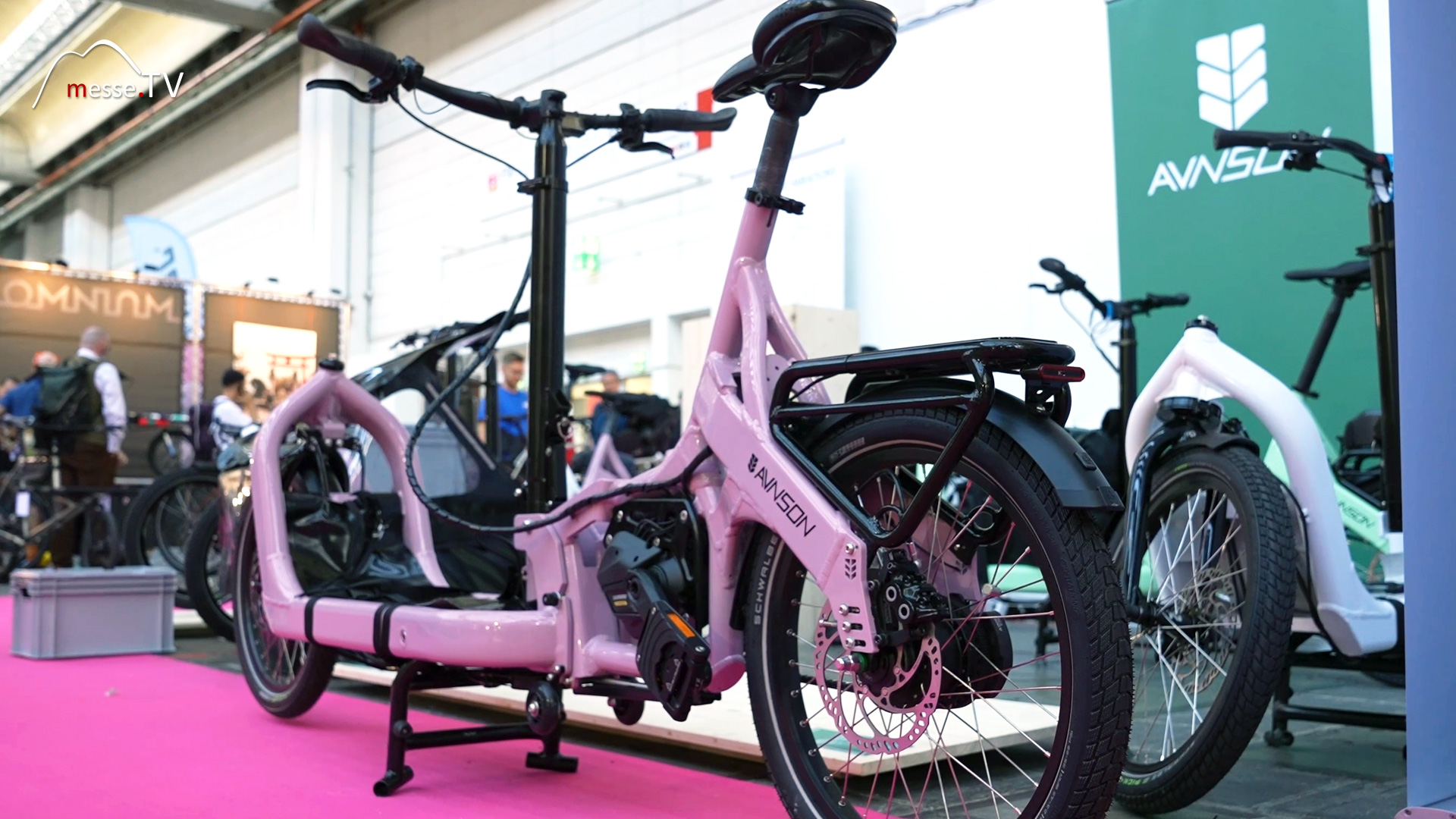
Ein zentrales Element der Konstruktion ist ein modulares Adaptersystem. Die Rahmen bleiben in der Produktion identisch, während unterschiedliche Komponenten über Adapter integriert werden können. Das betrifft insbesondere den Antrieb. Ein vorhandenes Fahrrad kann nachgerüstet werden, ohne dass der komplette Rahmen ersetzt werden muss. Gleichzeitig lassen sich neue Motorsysteme integrieren, sobald sich technische Entwicklungen ergeben. Auch der Gepäckträger folgt diesem Prinzip. Akkus werden über ein ähnliches System befestigt und können entsprechend angepasst werden. Die wichtigsten Merkmale des Systems im Überblick:
- faltbarer Rahmen mit mehreren Entriegelungspunkten
- rollbarer Zustand für einfachen Transport
- Drehfunktion für Nutzung auf Heckträgern
- modulares Adaptersystem für Komponenten
- Nachrüstung von Antrieb und Akku möglich
Nachhaltigkeit durch Nachrüstung statt Austausch
Die Idee hinter dem Adaptersystem ist eng mit dem Thema Nachhaltigkeit verbunden. Statt ein Lastenfahrrad bei technischen Veränderungen vollständig zu ersetzen, können einzelne Komponenten ausgetauscht werden. Das betrifft vor allem den Antrieb. Da sich Motorsysteme schnell weiterentwickeln, ermöglicht das Konzept eine Anpassung ohne Komplettaustausch. Auch bestehende Fahrräder können nachgerüstet werden. Diese Herangehensweise reduziert langfristig Materialaufwand und Kosten. Gleichzeitig bleibt das Fahrrad über einen längeren Zeitraum nutzbar.

Nutzung im Alltag zwischen Transport und Mobilität
Die praktische Anwendung zeigt sich im Alltag. Lastenräder werden häufig für den Transport von Kindern oder Einkäufen genutzt. Mit zunehmender Verbreitung verändern sich jedoch auch die Anforderungen. Viele Nutzer greifen nur in bestimmten Lebensphasen auf ein Lastenfahrrad zurück. Wird es nicht mehr benötigt, wird es oft verkauft oder ersetzt. Das vorgestellte Konzept versucht, diese Nutzung flexibler zu gestalten. Durch die Möglichkeit, das Fahrrad zu falten, lässt es sich einfacher im Keller oder in Innenräumen abstellen. Das schützt vor Witterungseinflüssen und reduziert Wartungsaufwand. Gleichzeitig sinkt das Risiko von Diebstahl, da das Fahrrad nicht dauerhaft im Außenbereich stehen muss.
Einordnung des Konzepts im Markt
Das faltbare Lastenfahrrad verschiebt die Perspektive auf diese Fahrzeugklasse. Statt maximale Transportkapazität in den Vordergrund zu stellen, geht es um Anpassungsfähigkeit. Avnson verfolgt damit einen Ansatz, der Lastenräder näher an den Alltag bringt. Die Kombination aus Faltmechanismus, modularer Bauweise und Nachrüstbarkeit zielt darauf ab, die Einstiegshürden zu senken. Mit einem Preisniveau von rund 6.299 Euro für das Basismodell und etwa 6.499 Euro für die E-Bike-Variante mit Shimano EP6 bewegt sich das Konzept im oberen Segment. Entscheidend ist dabei weniger der Preis als die Frage, ob die zusätzliche Flexibilität den praktischen Nutzen erhöht. Das Ergebnis ist ein Lastenfahrrad, das nicht nur transportieren kann, sondern sich an unterschiedliche Situationen anpasst – und genau darin liegt der Unterschied zu klassischen Lösungen.
Messe-Berichterstattung bundesweit - Messewissen, Termine & Veranstaltungen


