Folding bike with 20 inch and wide tyres
by M. Kollmar - 2024-08-28Folding bikes are traditionally regarded as a compromise solution between mobility and compactness. Small wheels, limited riding comfort and a rather urban range of use have long characterised the segment.
This picture is now changing. Models with larger tyres and a wider range of applications meet requirements that go beyond the classic commuter. One example of this development is a concept that shifts the folding bike more in the direction of a fully-fledged bicycle. The combination of larger tyres, stable riding characteristics and a compact folding mechanism addresses a target group that has previously only been reached to a limited extent.
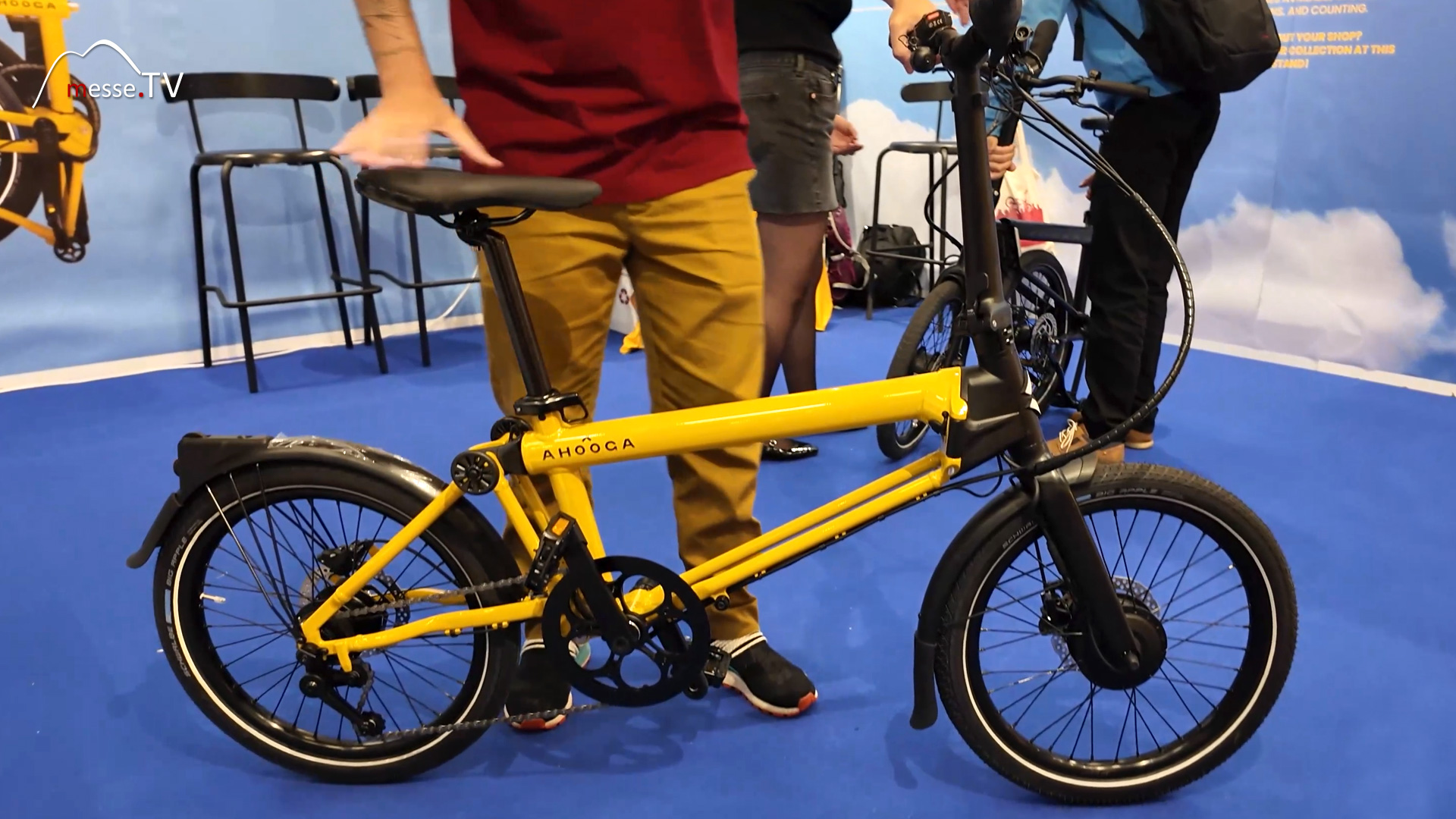

Ahooga MAX folding bike with 20-inch and wide tyres
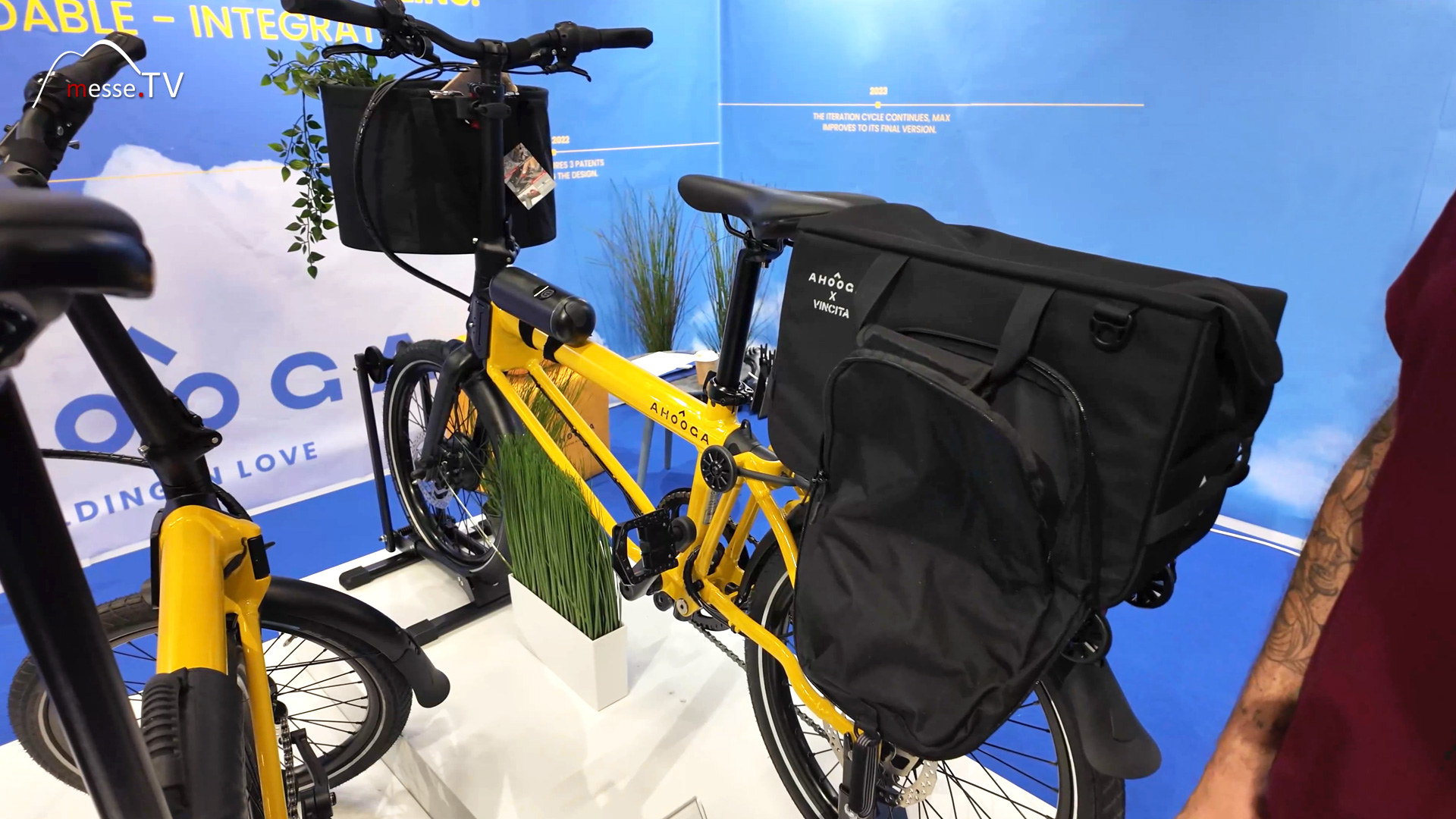
The Ahooga Max model represents an approach that deliberately breaks with conventional design principles. Instead of relying on small wheels, the bike uses 20-inch tyres with a comparatively wide design. This design fundamentally changes the riding behaviour. Unevenness such as cobblestones or unpaved paths can be mastered with greater stability, while at the same time creating a safer riding experience. Ahooga thus positions the model between a classic folding bike and a compact bike. The difference lies not only in the size of the tyres, but also in the perspective of use. The bike is not only intended for short distances or transport on the train, but also for longer journeys and changing surfaces. According to the supplier, experience from test rides shows a significantly different riding experience compared to conventional folding bikes. The decisive factor here is not so much a single technical detail as the interplay of tyres, frame geometry and weight distribution.
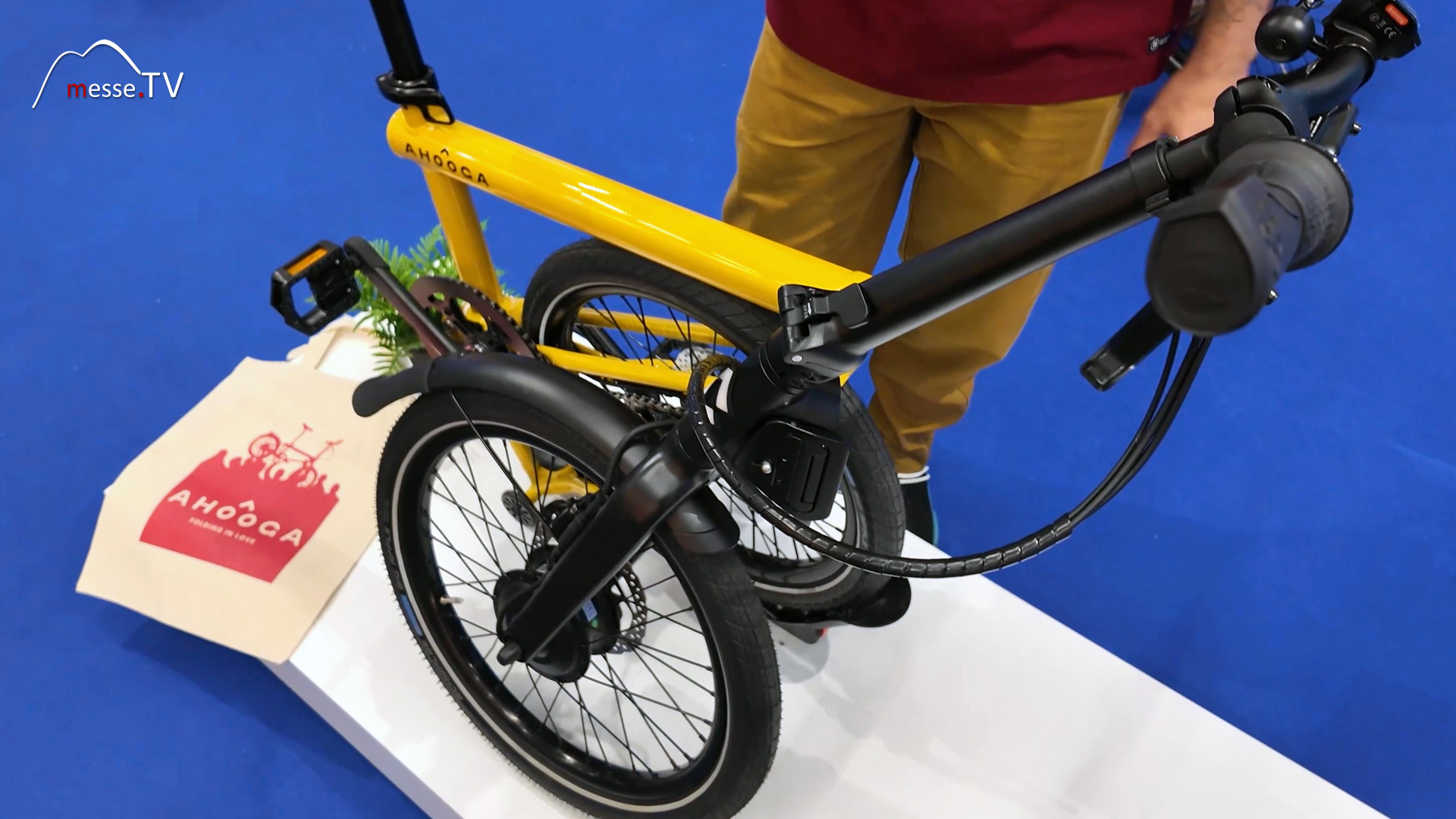
Battery integration in the top tube and balanced balance
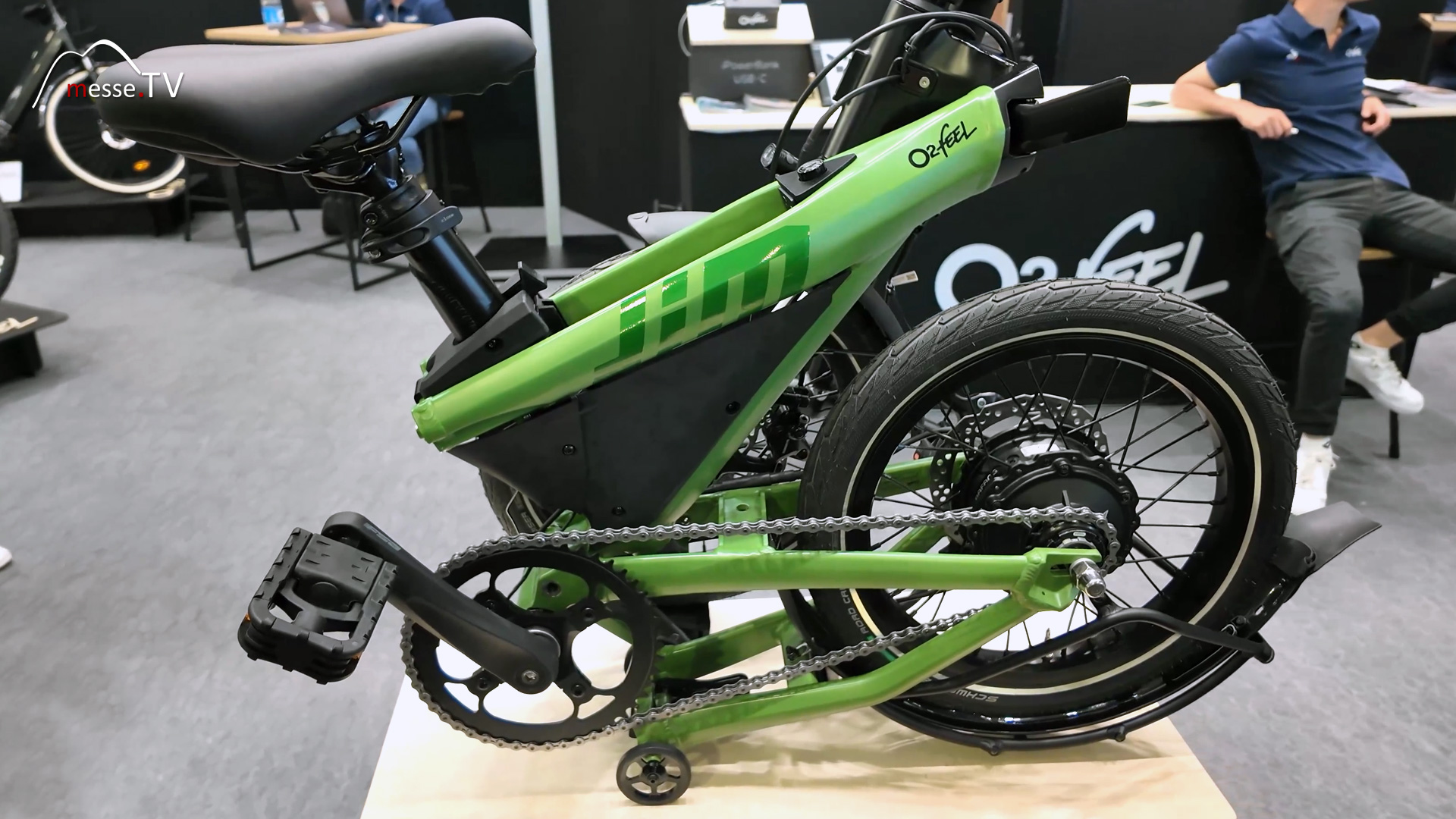
A key design feature is the position of the battery. Instead of being mounted externally, it is located in the top tube of the frame. This integration has several effects. Firstly, the technology remains visually unobtrusive, and secondly, the position influences the balance of the bike. The central position distributes the weight more evenly. The bike does not appear front or rear-heavy, which is particularly noticeable when carrying it. At the same time, the battery remains removable, which is relevant in everyday life for charging or replacement. Weight distribution plays a greater role with folding bikes than with classic bikes. As they are often carried or stowed away, the balance determines their practical usability. This point shows that the construction is not only designed for riding, but also for transport.
Adjustment options for different body sizes
Another aspect concerns customisability. The model offers extensive adjustment options that cater for both smaller and very tall riders. According to the manufacturer, body sizes up to around two metres can be accommodated without any restrictions. It also offers stability for heavier riders. The frame is designed so that even stronger riders can ride comfortably. This combination of flexibility and resilience significantly expands the target group. Adjustments are made using classic parameters such as saddle height, handlebar position and frame geometry. The decisive factor here is not so much the individual setting as the ability to customise the bike as a whole to different user profiles.

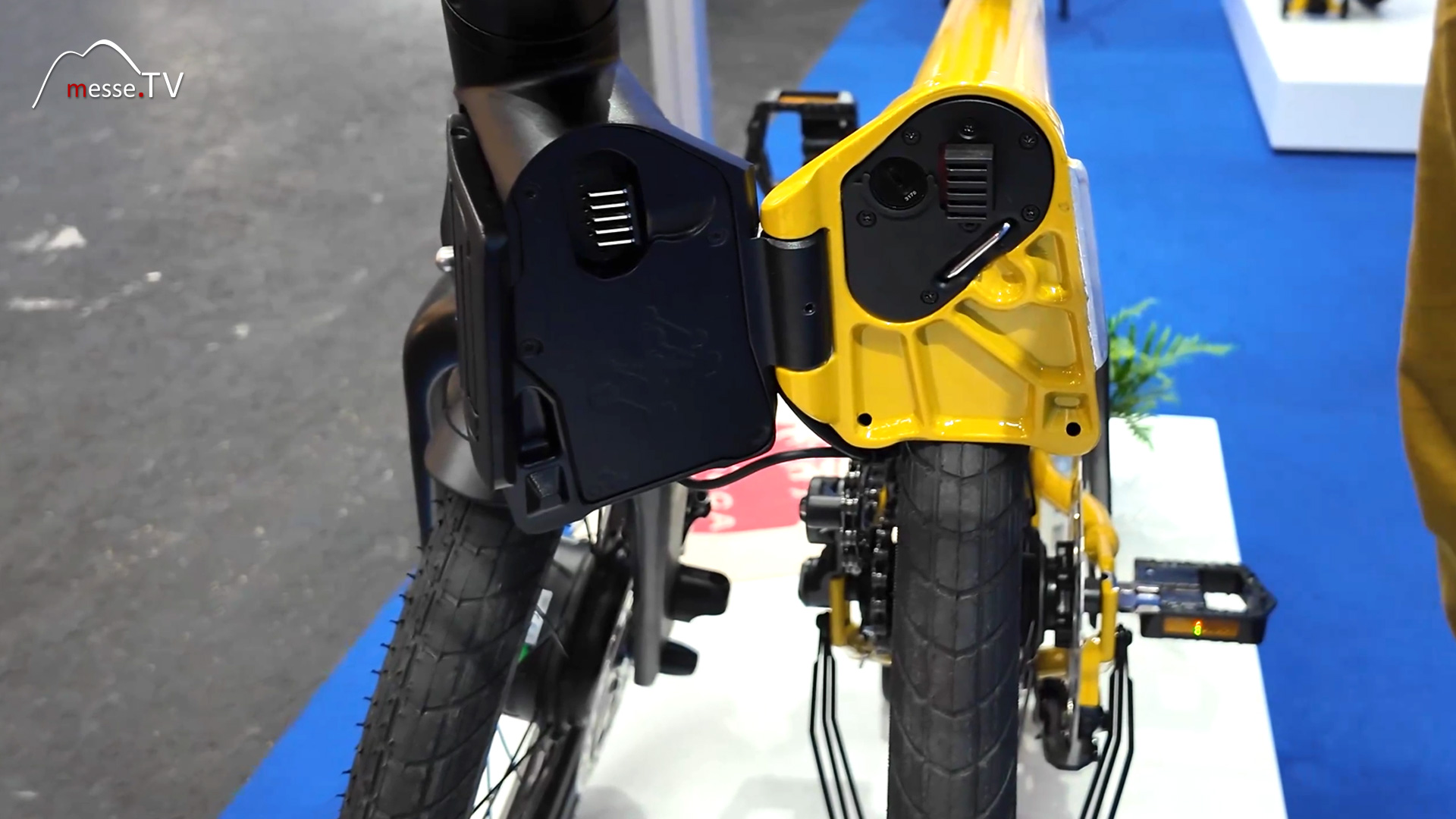
Folding mechanism and compact size for everyday use
Despite the larger design, the core function remains the same: folding. The mechanism follows a different principle to that of many competitors. The rear tyre is folded into the frame instead of swinging out to the side. This design has two advantages. Firstly, the folded bike remains compact, and secondly, it is more stable when folded. This makes it easier to carry and store, for example on public transport or in the boot of a car. The folding size also plays a role for use in the German market. Certain limits determine whether a bicycle can be transported on public transport without additional costs. The model fulfils these requirements and can therefore be used flexibly in everyday life - from the ICE to the underground.
Range of use between city transport and excursions
The combination of riding stability and foldability significantly extends the range of use. While classic folding bikes are primarily designed for short distances, this concept is also aimed at users who plan longer journeys or have to cope with different surfaces. Typical usage scenarios can be summarised as follows:
- Everyday urban commuting with integration into public transport
- Excursions on unpaved paths or cobblestones
- Combination of commuting and leisure use
- Transport on the train without additional costs thanks to compact folding size
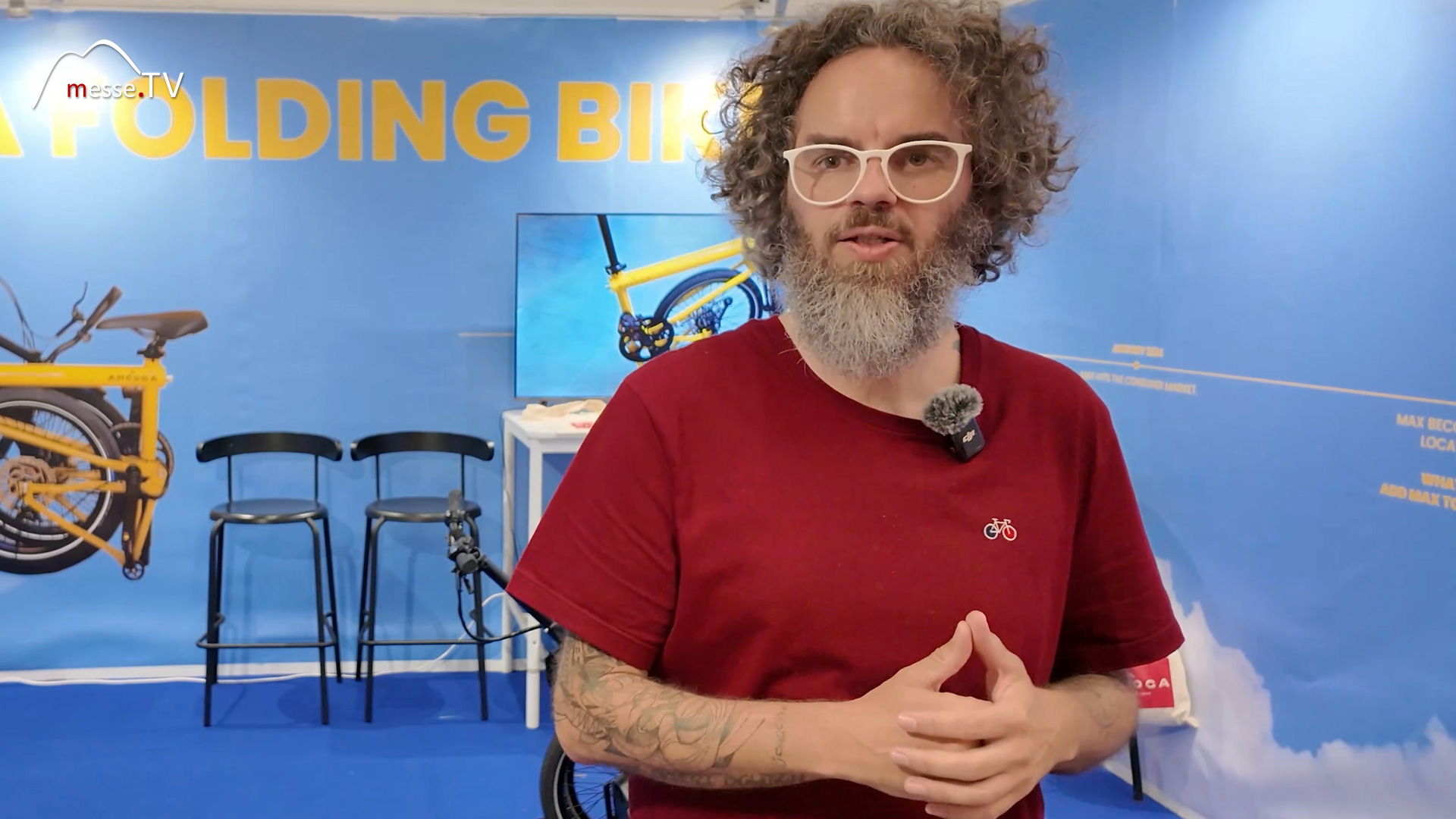
Development of the folding bike segment beyond classic concepts
This example illustrates a fundamental development in the market. Folding bikes are no longer defined solely by their pack size, but by their suitability for everyday use in extended applications. Larger tyres, improved ergonomics and integrated drive components are changing the perception of this vehicle class. Ahooga utilises this development to position a model that consciously stands between the categories. The decisive factor here is not maximum specialisation, but the combination of different characteristics. Riding comfort, stability and compactness are no longer treated as opposites, but as interlinked requirements. The result is a bike that can be used both in an urban environment and for longer journeys without giving up the central function of folding. It is precisely this combination that sets it apart from classic folding bike concepts.

Trade fair reporting Germany - Trade fair knowledge, dates & events


