E-Lastenfahrrad mit faltbarer Ladefläche für flexible Nutzung
von Jürgen Groh - 2024-09-07Schmale Fahrzeugkonzepte stoßen beim Transport schnell an ihre Grenzen. Klassische Lastenfahrräder lösen das über dauerhaft breite Aufbauten, die jedoch im Alltag unpraktisch sein können.
Ein alternativer Ansatz setzt auf eine reduzierte Grundbreite und erweitert die Transportfläche nur dann, wenn sie tatsächlich benötigt wird. Im Zentrum steht eine faltbare Ladefläche, die aus einer schmalen Konstruktion heraus entsteht und sich bei Bedarf ausklappen lässt. Damit verändert sich das Grundprinzip eines Lastenfahrrads deutlich.
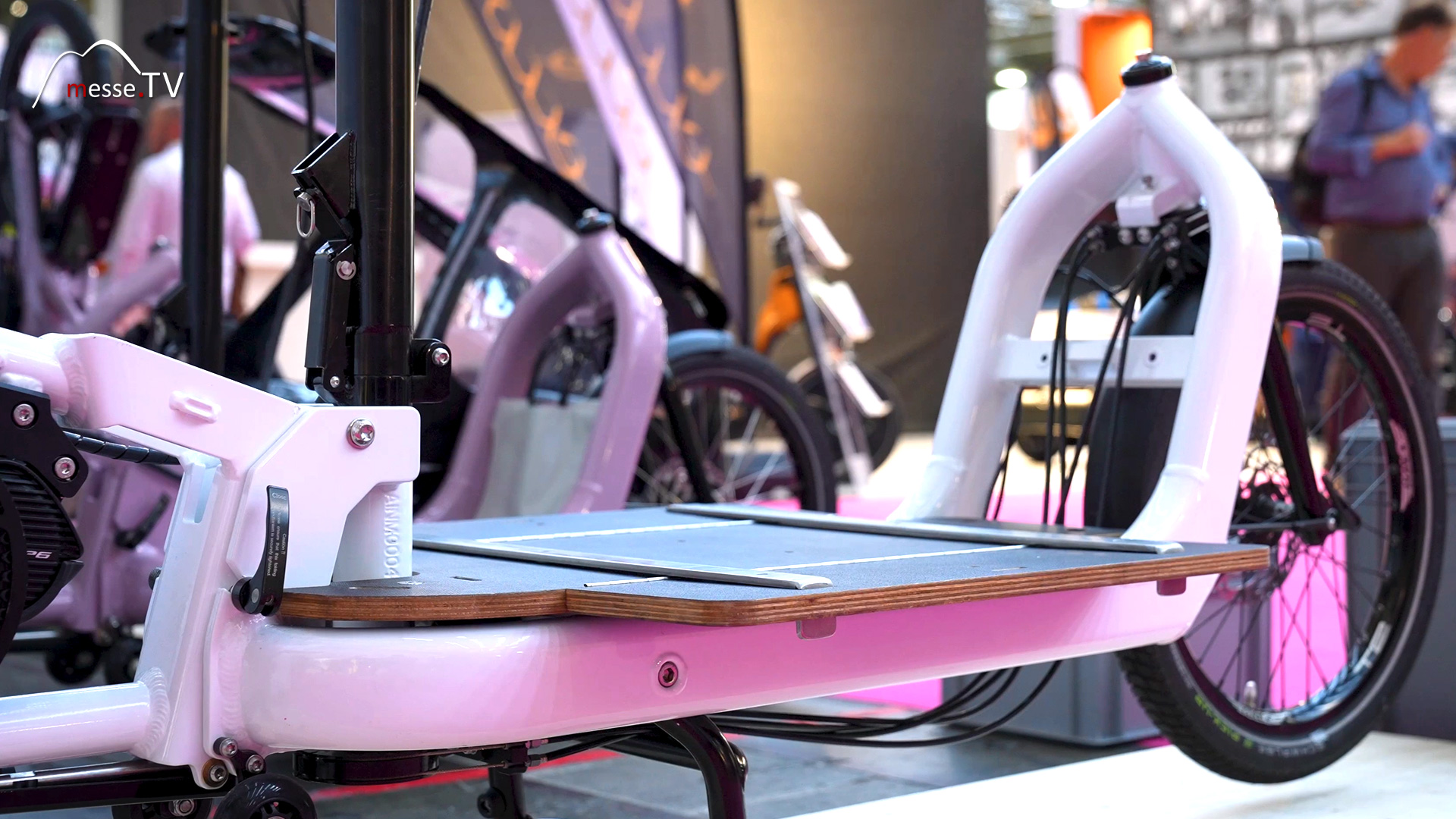

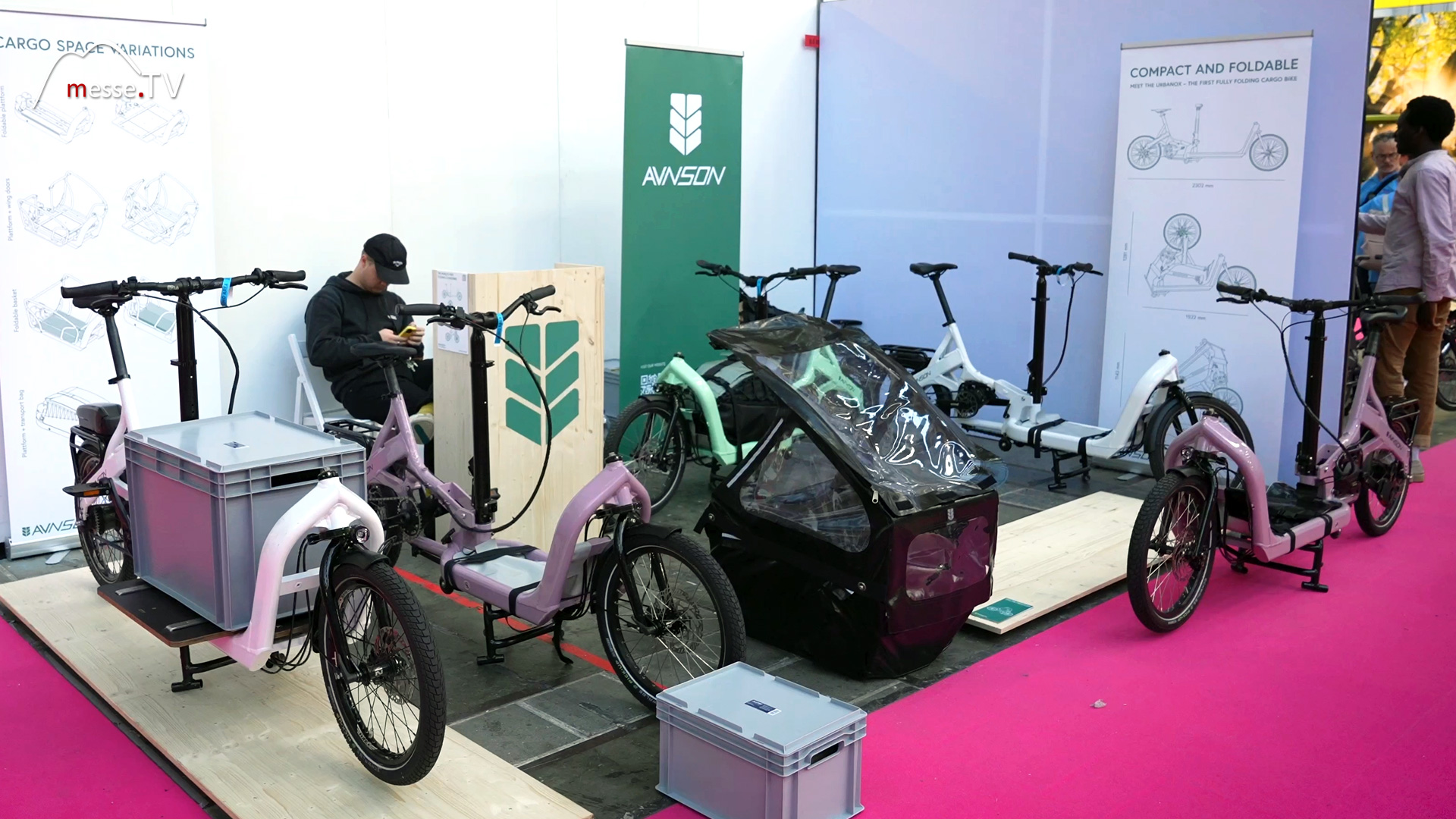
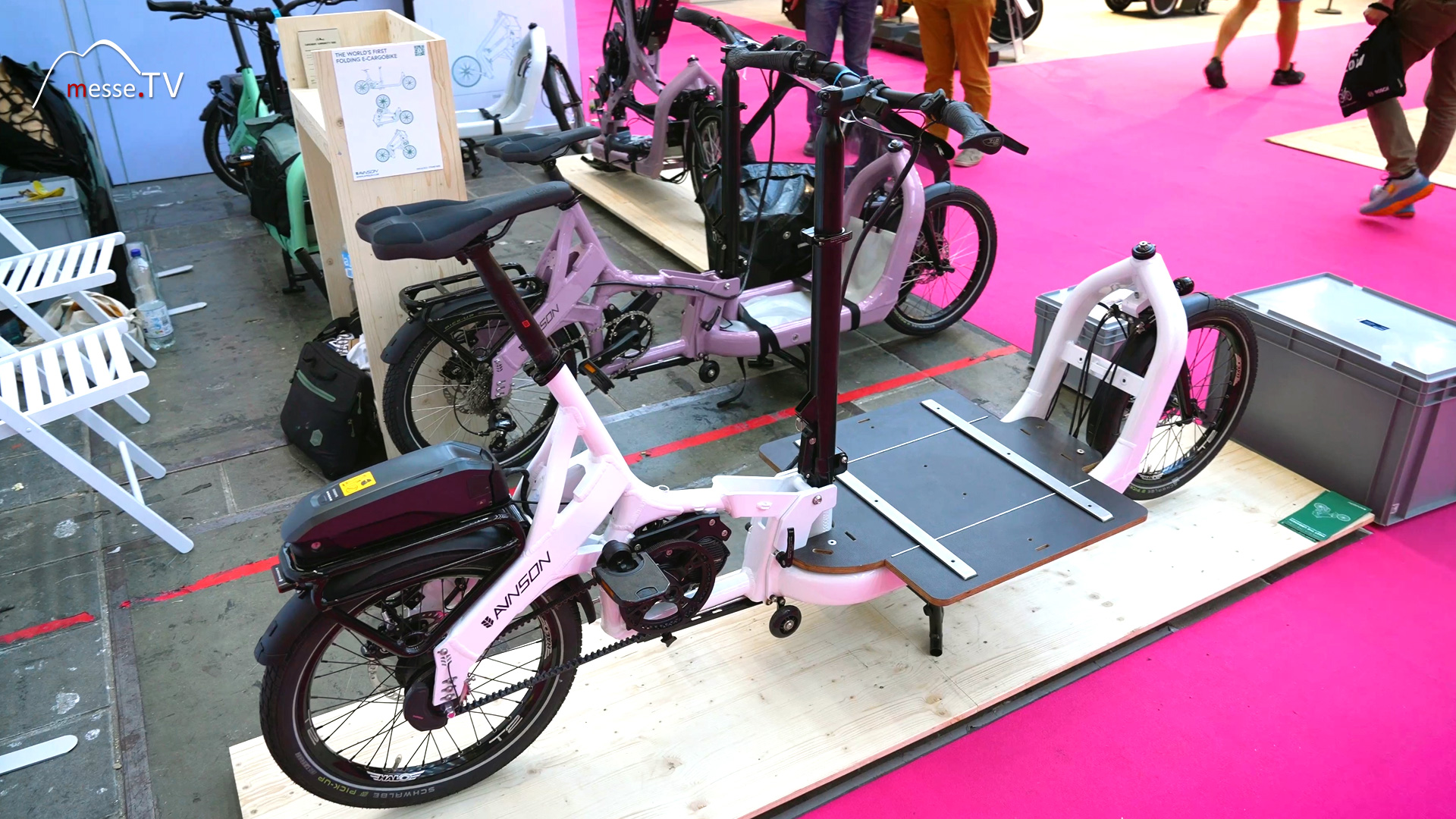
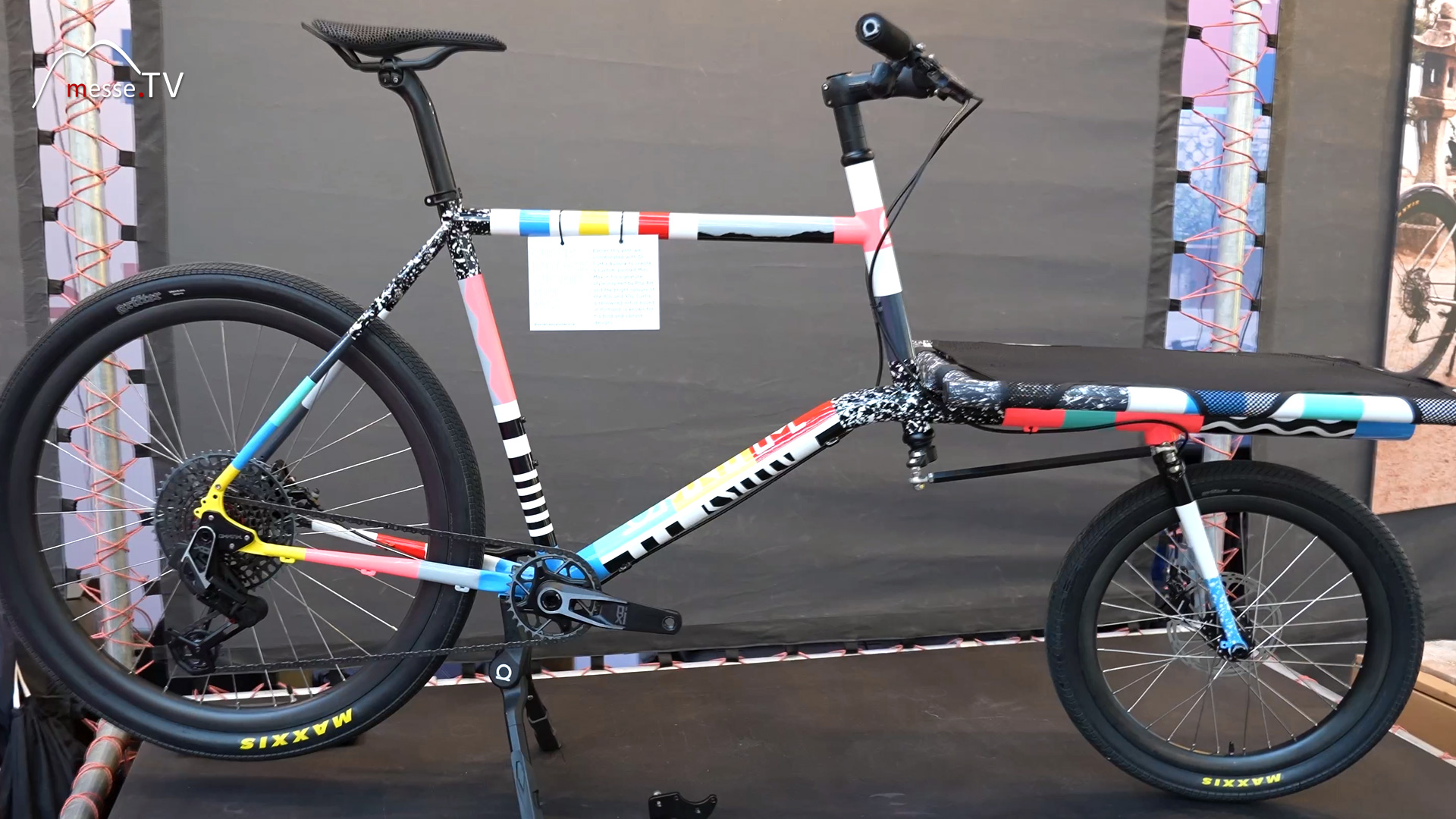
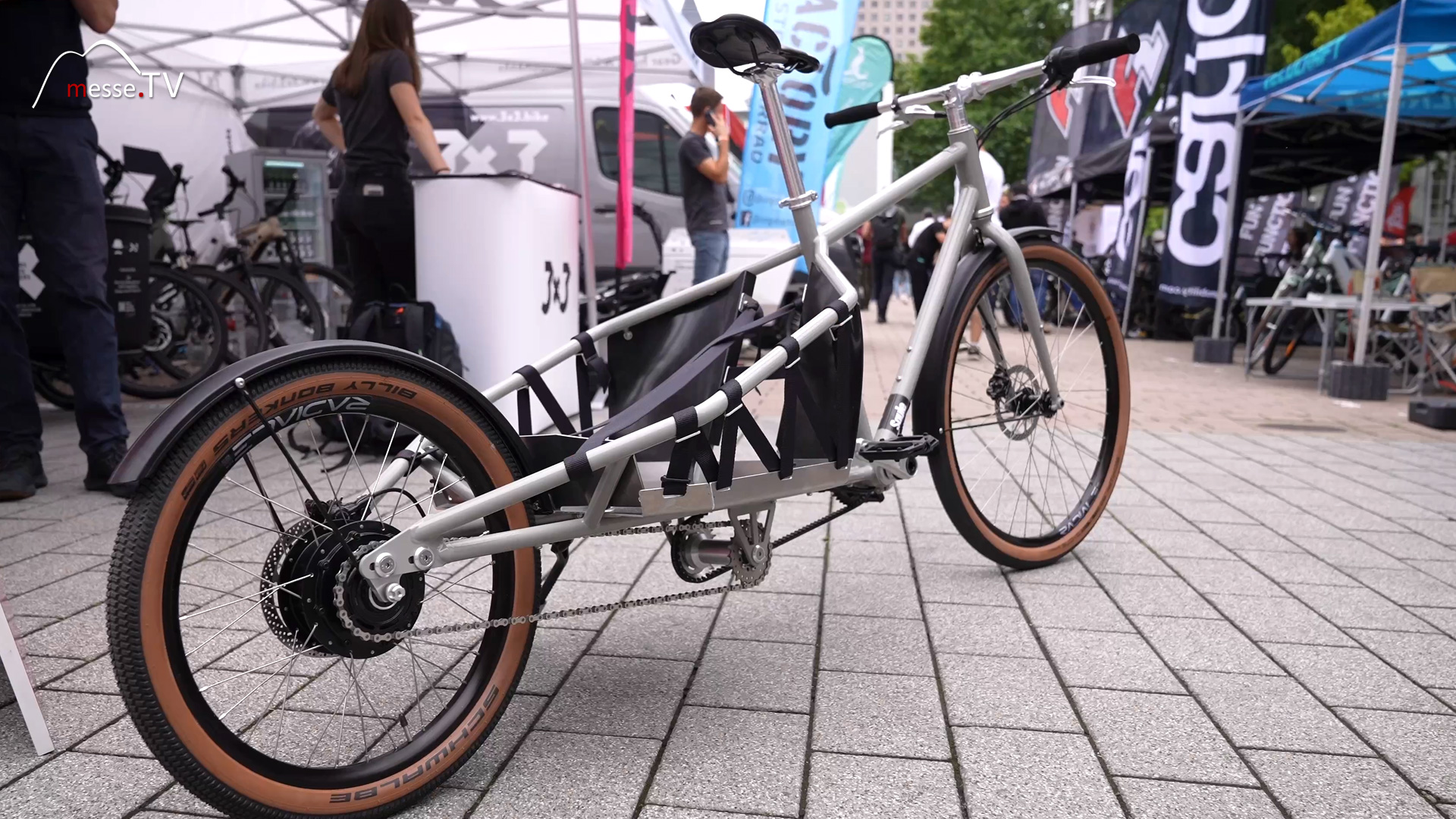
Avnson Prototyp mit faltbarer Ladefläche
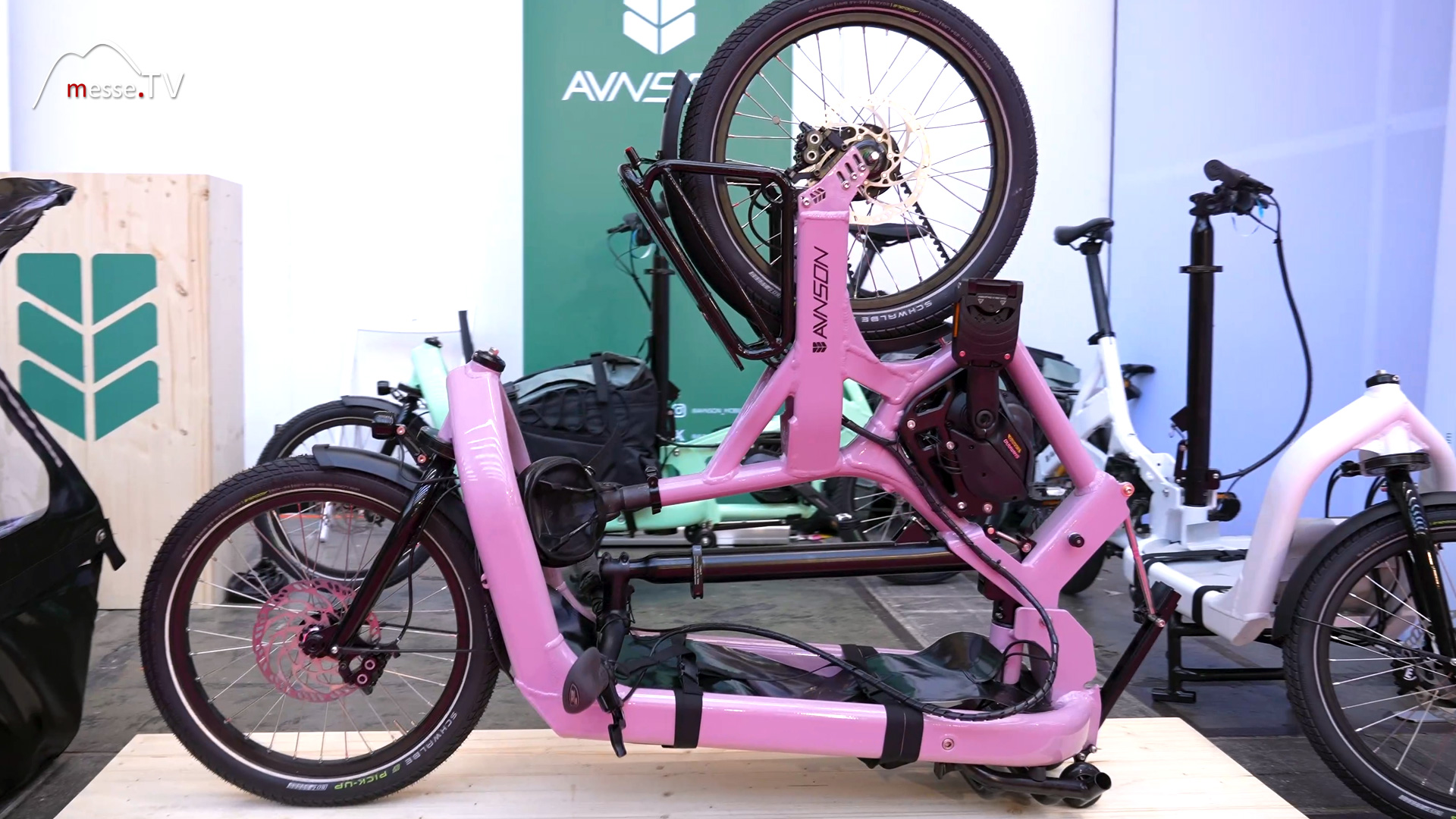
Der gezeigte Aufbau von Avnson ist aktuell als Prototyp ausgeführt. Ausgangspunkt ist eine bewusst schmale Konstruktion, die im normalen Betrieb wenig Platz benötigt. Erst wenn größere oder sperrige Gegenstände transportiert werden sollen, wird die Ladefläche erweitert. Die Erweiterung erfolgt über integrierte Elemente, die ausgeklappt werden können. Dadurch entsteht eine zusätzliche Fläche, ohne dass das Fahrzeug dauerhaft breit gebaut werden muss. Dieser Ansatz richtet sich klar auf Flexibilität im Alltag.
Mechanik der Ladefläche und Stabilität
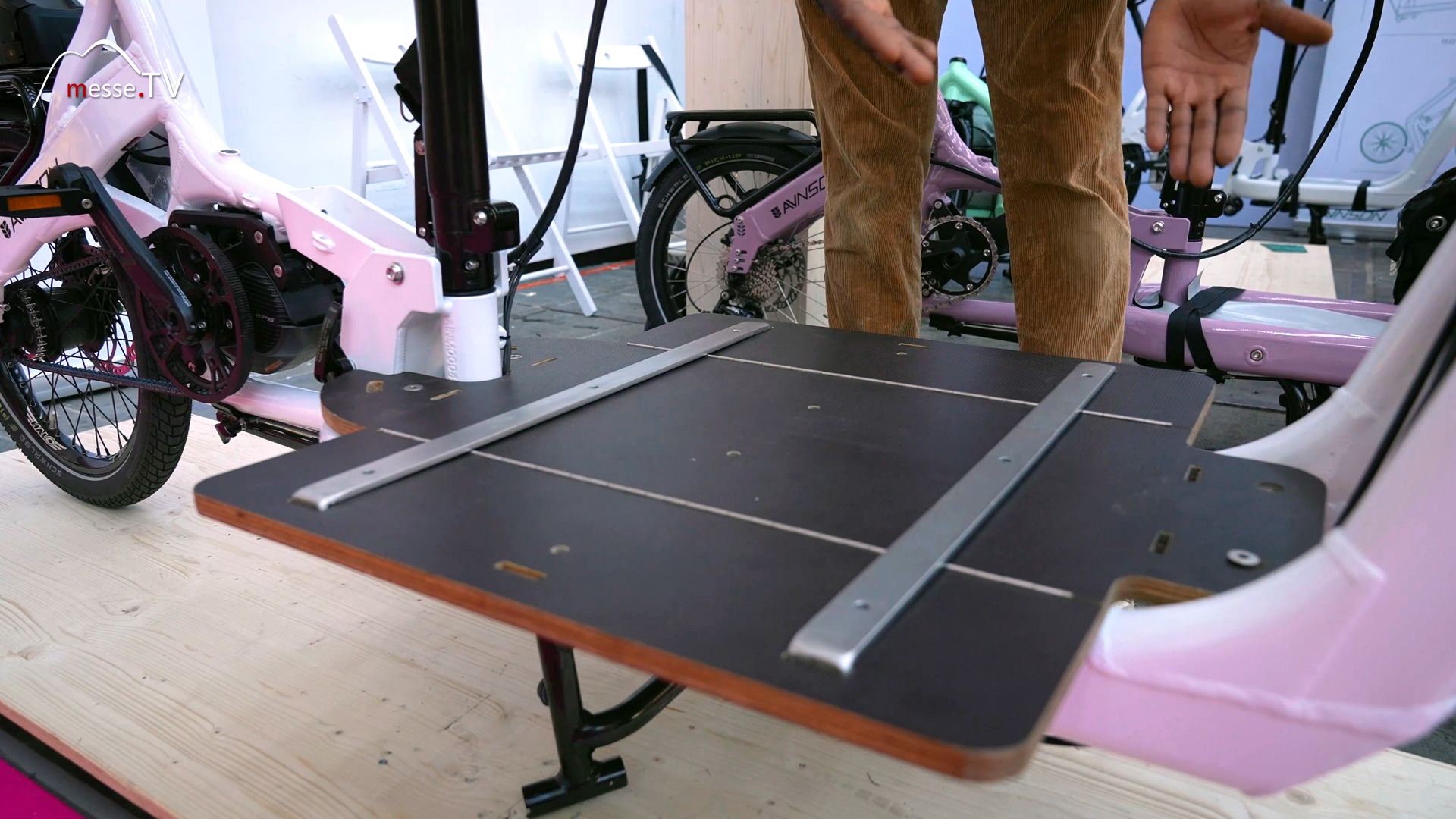
Die faltbare Ladefläche ist so konstruiert, dass sie im ausgeklappten Zustand eine stabile Struktur bildet. Entscheidend ist dabei nicht nur das Ausklappen selbst, sondern die Tragfähigkeit unter Belastung. Die einzelnen Komponenten greifen ineinander und sorgen dafür, dass die Ladefläche auch bei größeren Gegenständen ausreichend stabil bleibt. Das Ziel ist eine funktionale Lösung, die über eine reine Erweiterung hinausgeht und tatsächlich als Transportfläche genutzt werden kann. Gleichzeitig bleibt die Konstruktion im eingeklappten Zustand kompakt. Die Ladefläche verschwindet in der Grundstruktur und beeinflusst die Breite des Fahrzeugs kaum.
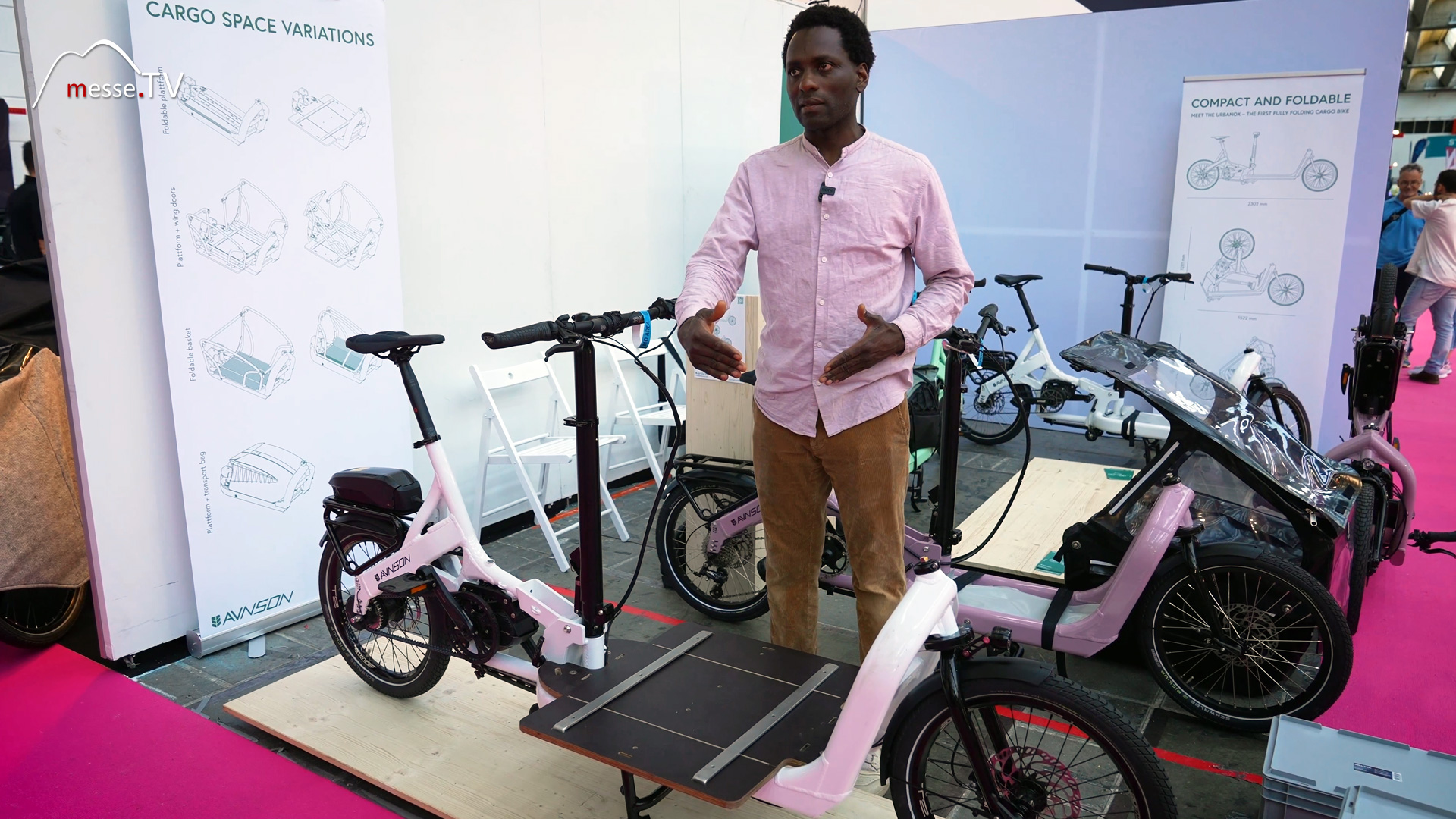
Begrenzungshalterung mit Schnellspanner
Ergänzt wird die Ladefläche durch eine Begrenzungshalterung, die über Schnellspanner befestigt wird. Diese Halterung dient dazu, die transportierten Gegenstände zu sichern und die Ladefläche funktional zu erweitern. In Kombination mit der ausgeklappten Fläche entsteht eine Art Korbstruktur. Die Halterung ist dabei nicht starr, sondern flexibel montierbar. Sie lässt sich zudem wie eine Tür nutzen, was den Zugang zur Ladefläche erleichtert. Eine Einschränkung bleibt jedoch bestehen: Die Halterung ist nicht für ein schnelles Abnehmen während des Faltvorgangs ausgelegt. Der Fokus liegt hier klar auf Stabilität und Integration.
Funktionsprinzip im Überblick
- schmale Grundkonstruktion für den normalen Betrieb
- faltbare Ladefläche für zusätzliche Transportkapazität
- stabile Struktur im ausgeklappten Zustand
- Begrenzungshalterung mit Schnellspanner
- Nutzung als Korb und Zugangselement

Einordnung des Konzepts im Alltag
Im Vergleich zu klassischen Lastenfahrrädern verschiebt sich der Schwerpunkt von permanenter Kapazität hin zu situativer Erweiterung. Das Fahrzeug bleibt im Alltag kompakt und wird nur bei Bedarf zur Transportlösung. Gerade im urbanen Umfeld kann das Vorteile bieten. Enge Wege, begrenzter Abstellraum und wechselnde Anforderungen machen flexible Konzepte interessant. Nutzer, die nicht dauerhaft große Lasten transportieren, profitieren von einer Lösung, die sich anpasst. Avnson verfolgt damit einen Ansatz, der weniger auf maximale Transportleistung ausgelegt ist, sondern auf eine variable Nutzung im Alltag. Der Prototyp zeigt, wie sich Ladefläche und Fahrzeugbreite voneinander entkoppeln lassen.
Messe-Berichterstattung bundesweit - Messewissen, Termine & Veranstaltungen


