Remote-controlled cars: fascination, technology, and trends
Remote-controlled cars, also known as RC cars, are hugely popular around the world. They offer an exciting hobby for technology enthusiasts, amateur racers, and collectors. Whether on the racetrack, off-road, or in your own garden, the diversity and versatility of RC cars knows no bounds. With Messe.TV, we have produced numerous articles and videos in recent years that introduce you to the latest models, technologies, and trends in remote-controlled cars.
Our videos and articles on remote-controlled cars
- Product presentations: Videos about the latest RC cars presented at trade fairs.
- Technology highlights: Articles about innovative features such as brushless motors, all-wheel drive, and electronic controls.
- Interviews with experts: Opinions from industry insiders on the future of RC sports.
- Practical tests: Experience reports showing how remote-controlled cars perform under different conditions.
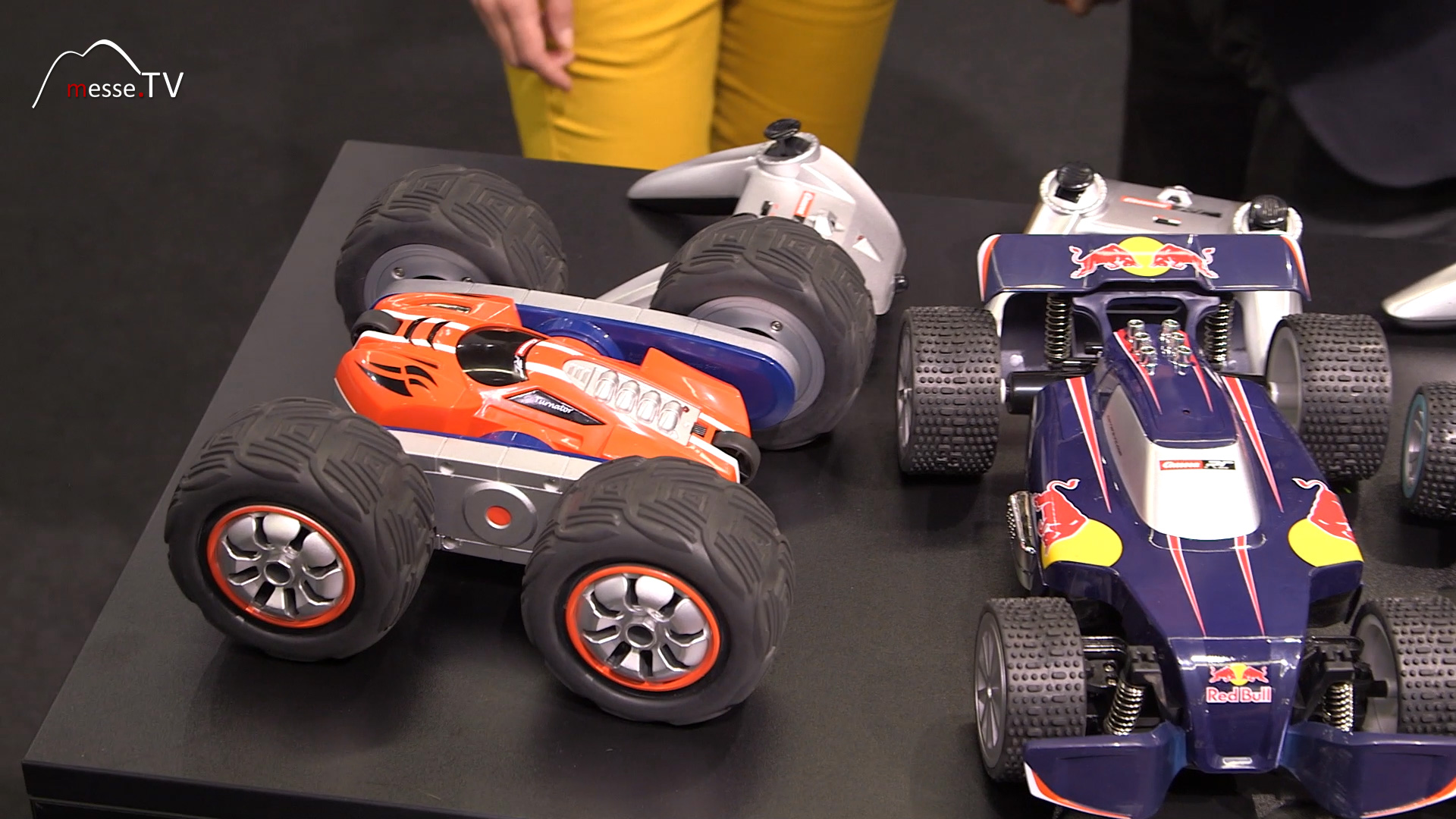

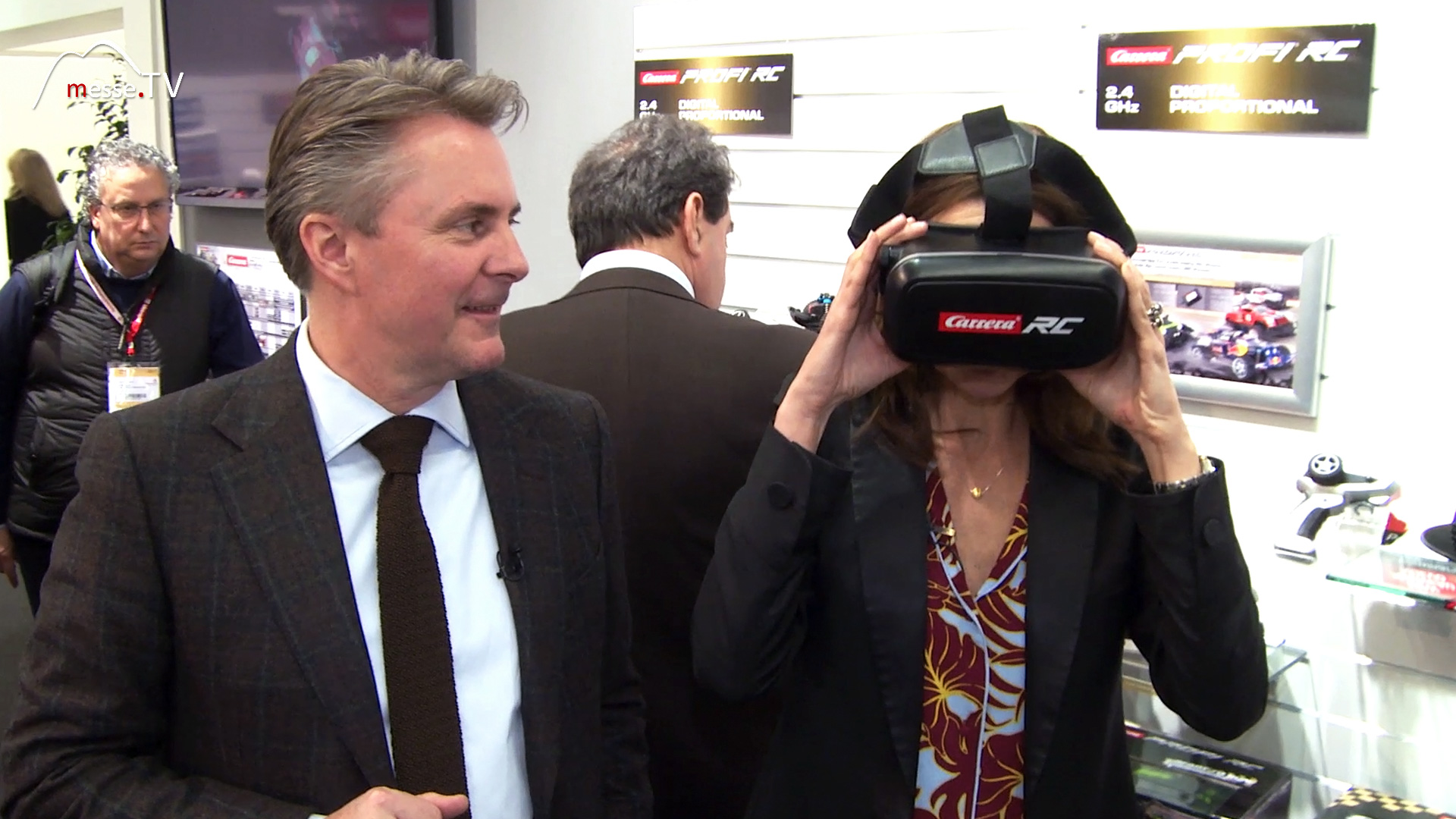
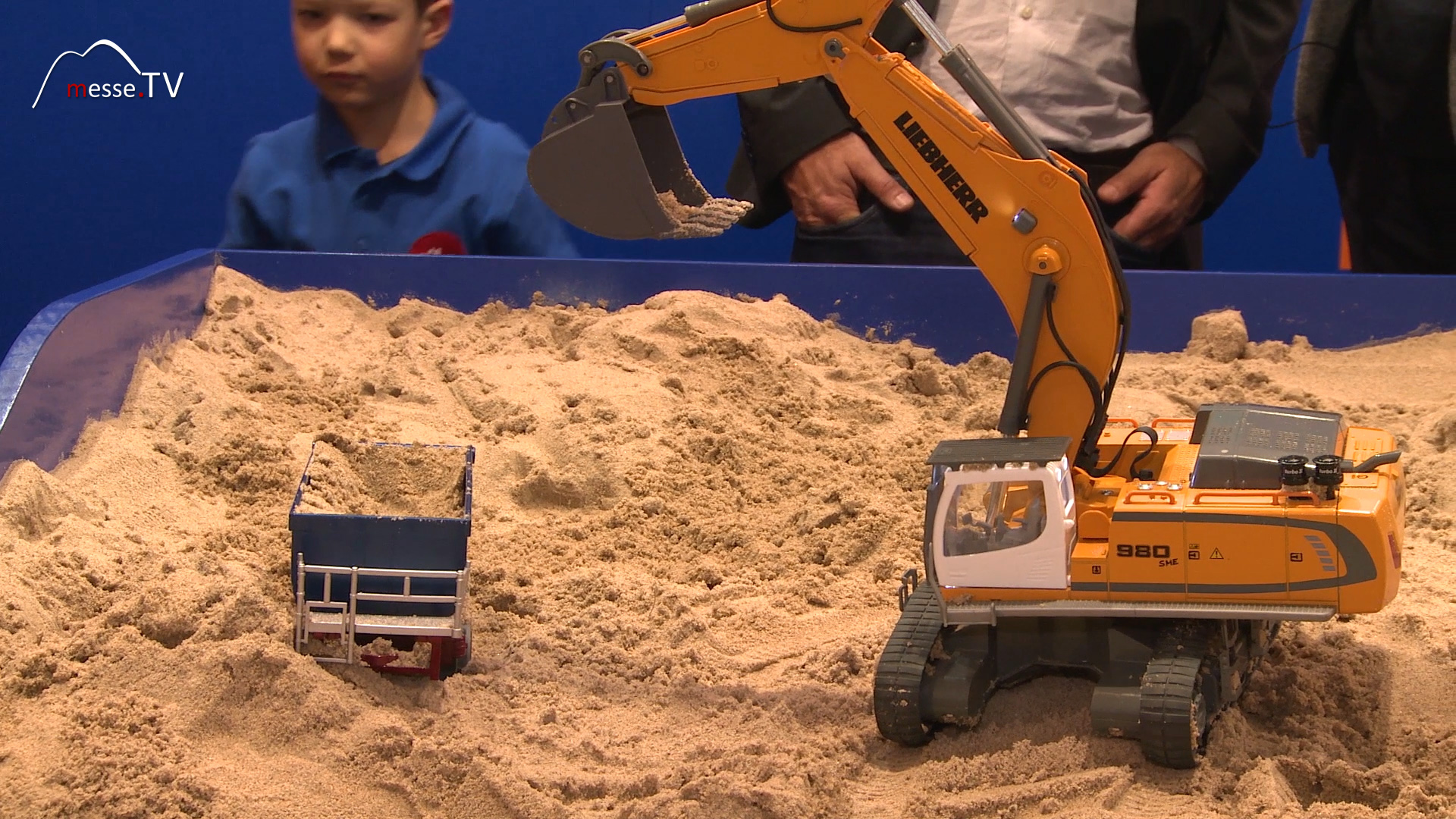
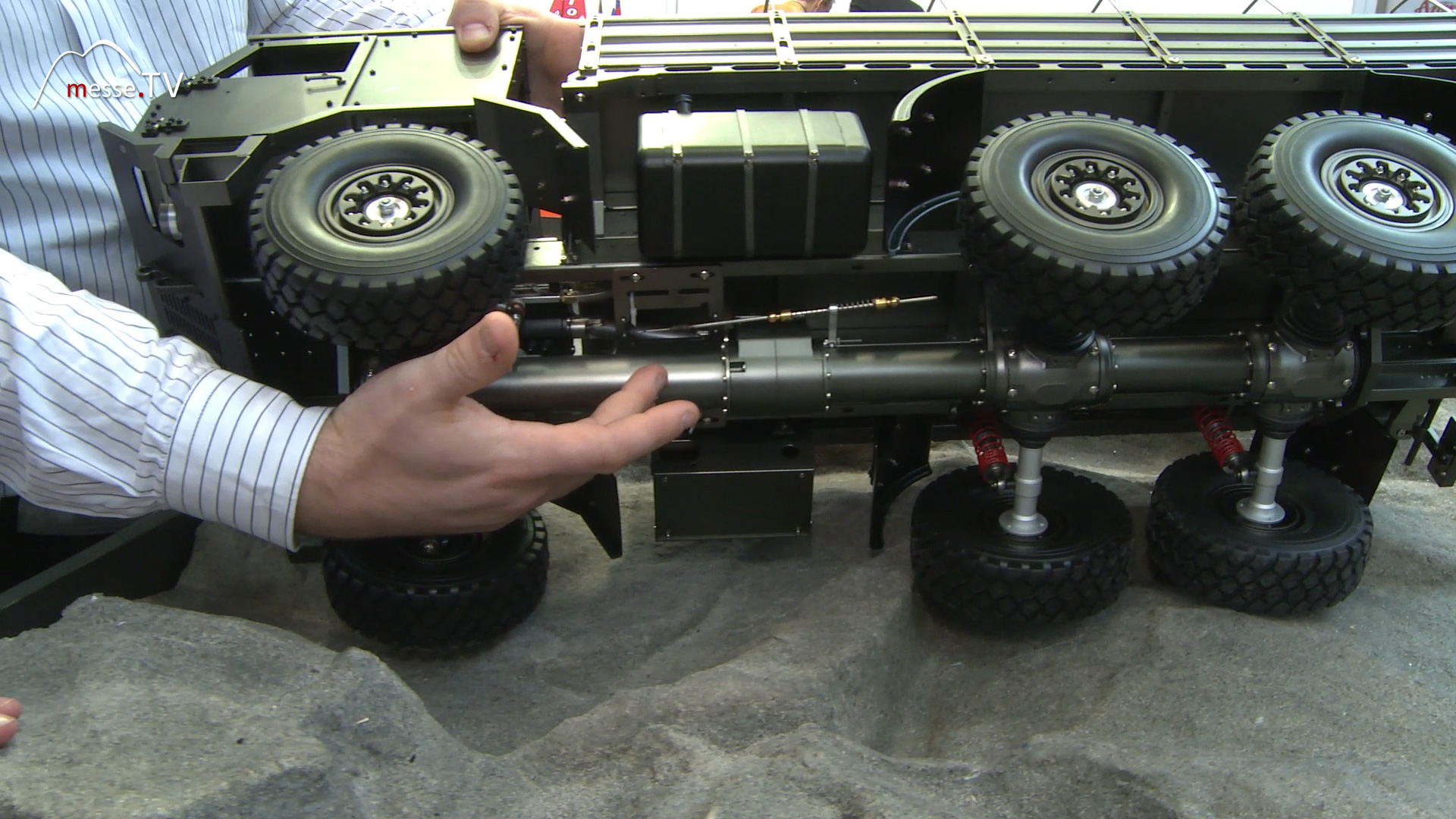
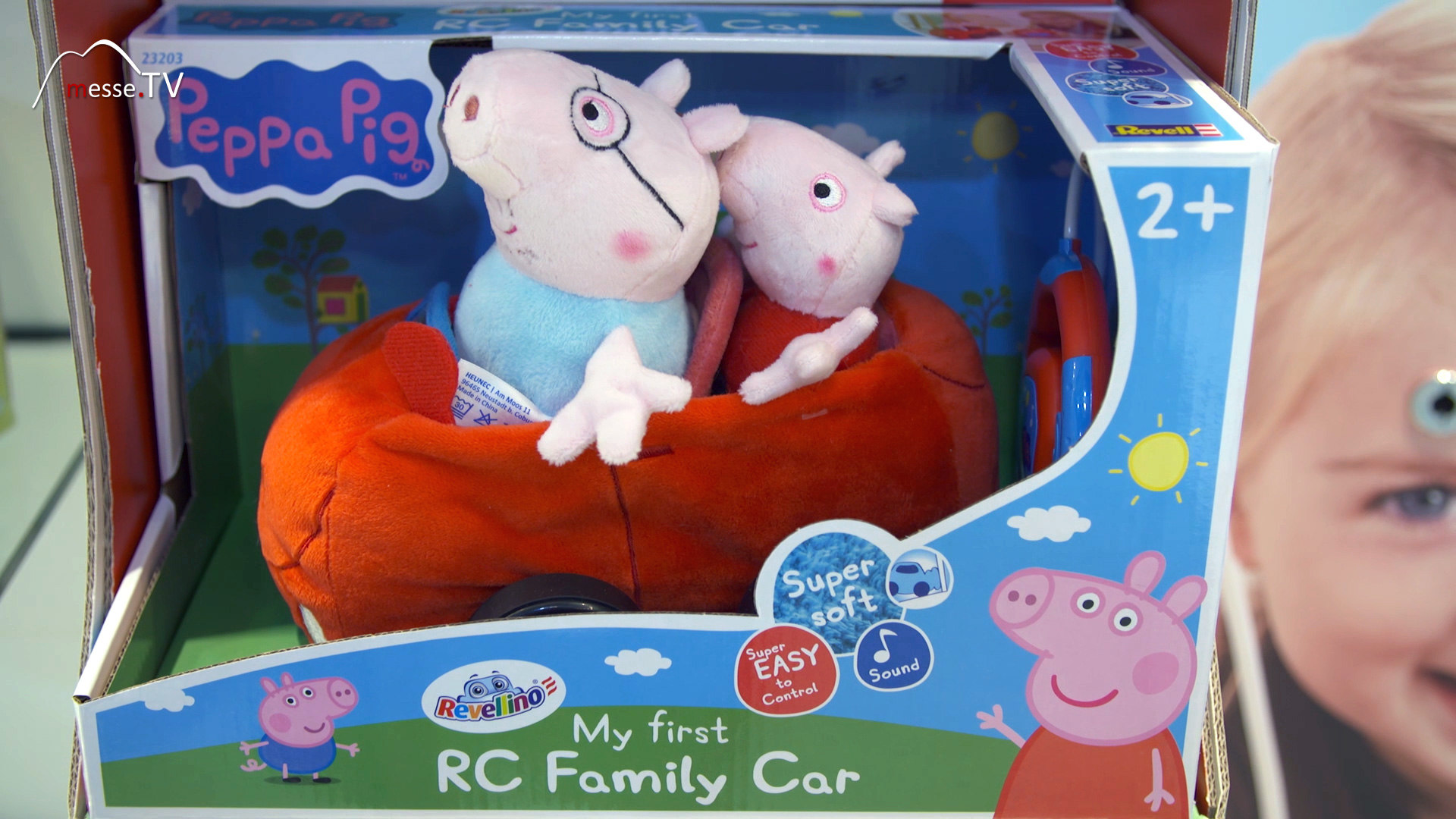
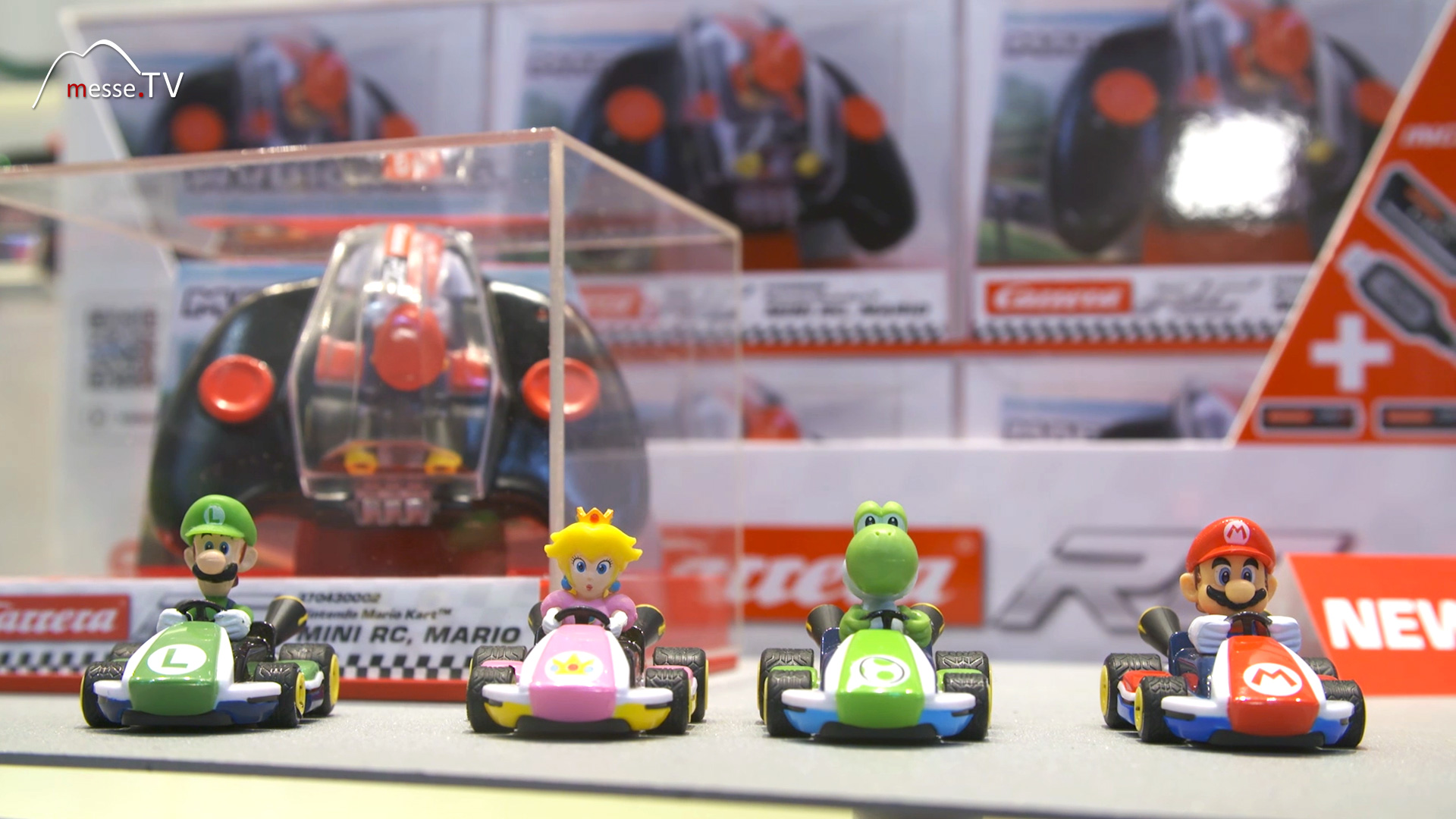
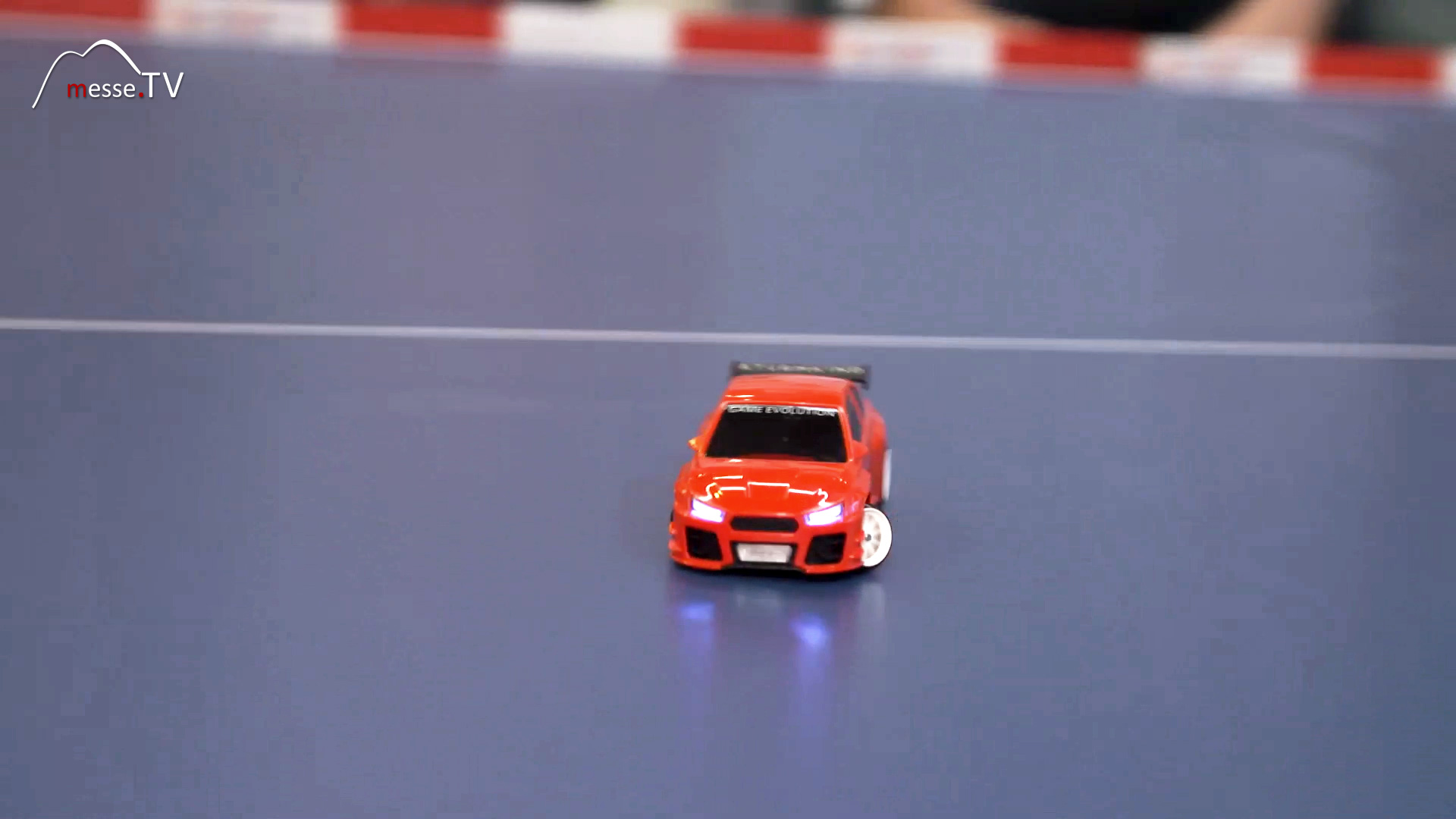
Types of remote-controlled cars
The world of RC cars is diverse and offers the right model for every taste and purpose. Here is an overview:
- On-road cars: These models are designed for smooth, solid surfaces such as asphalt or race tracks. They impress with their high speeds and precise control.
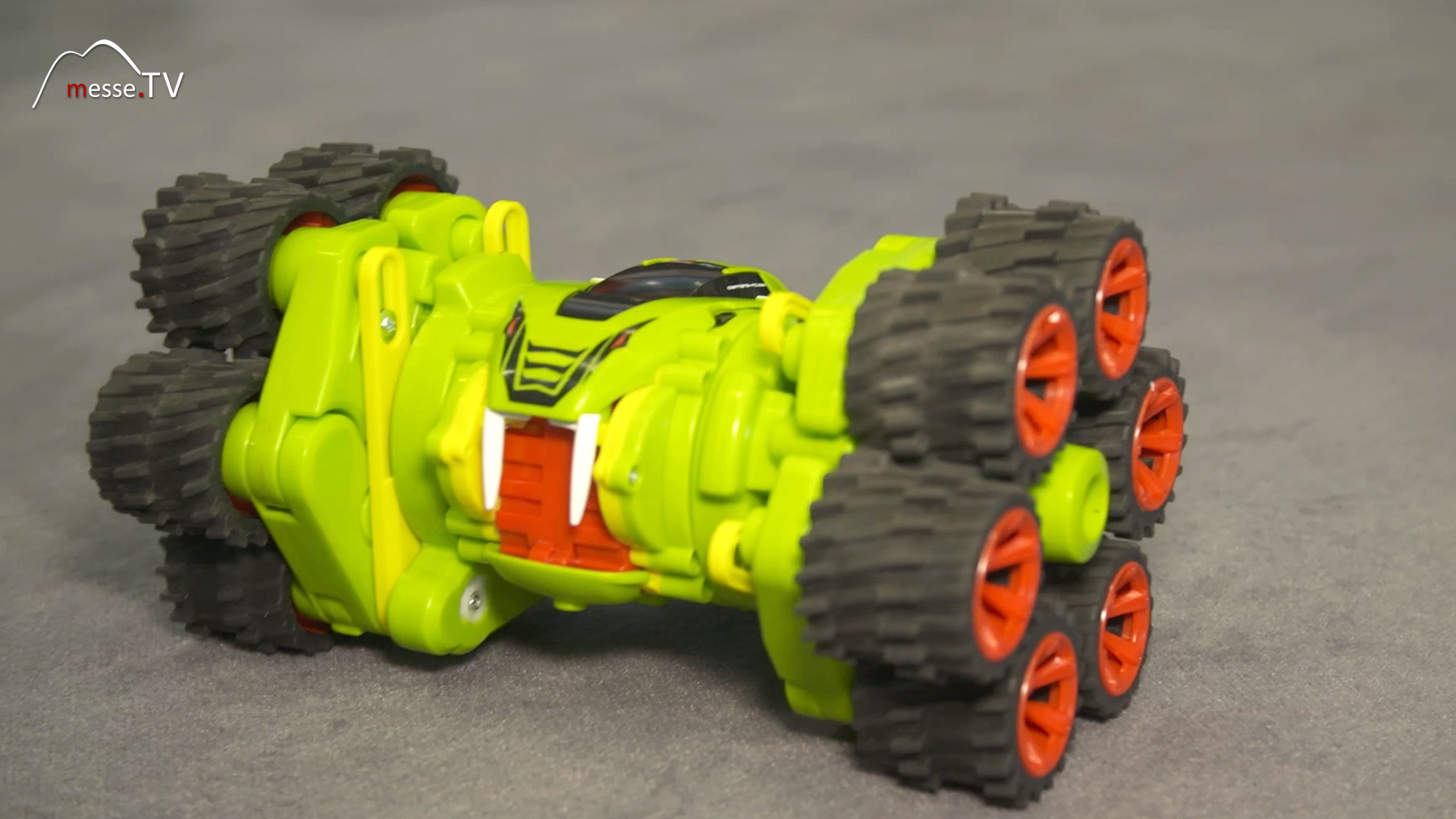
- Off-road cars: These include monster trucks, buggies, and crawlers, which are designed for rough terrain such as sand, gravel, or forest trails.
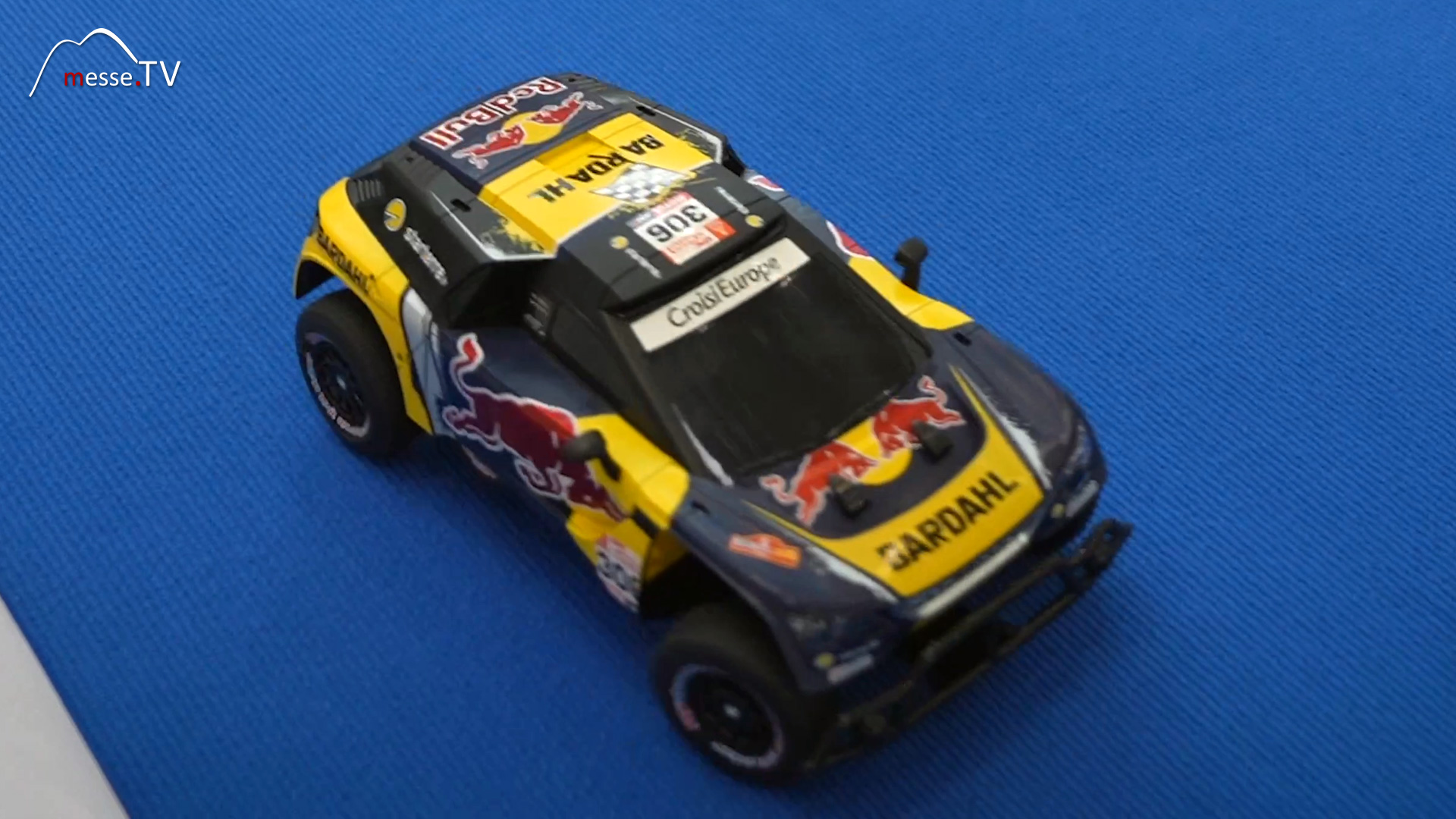
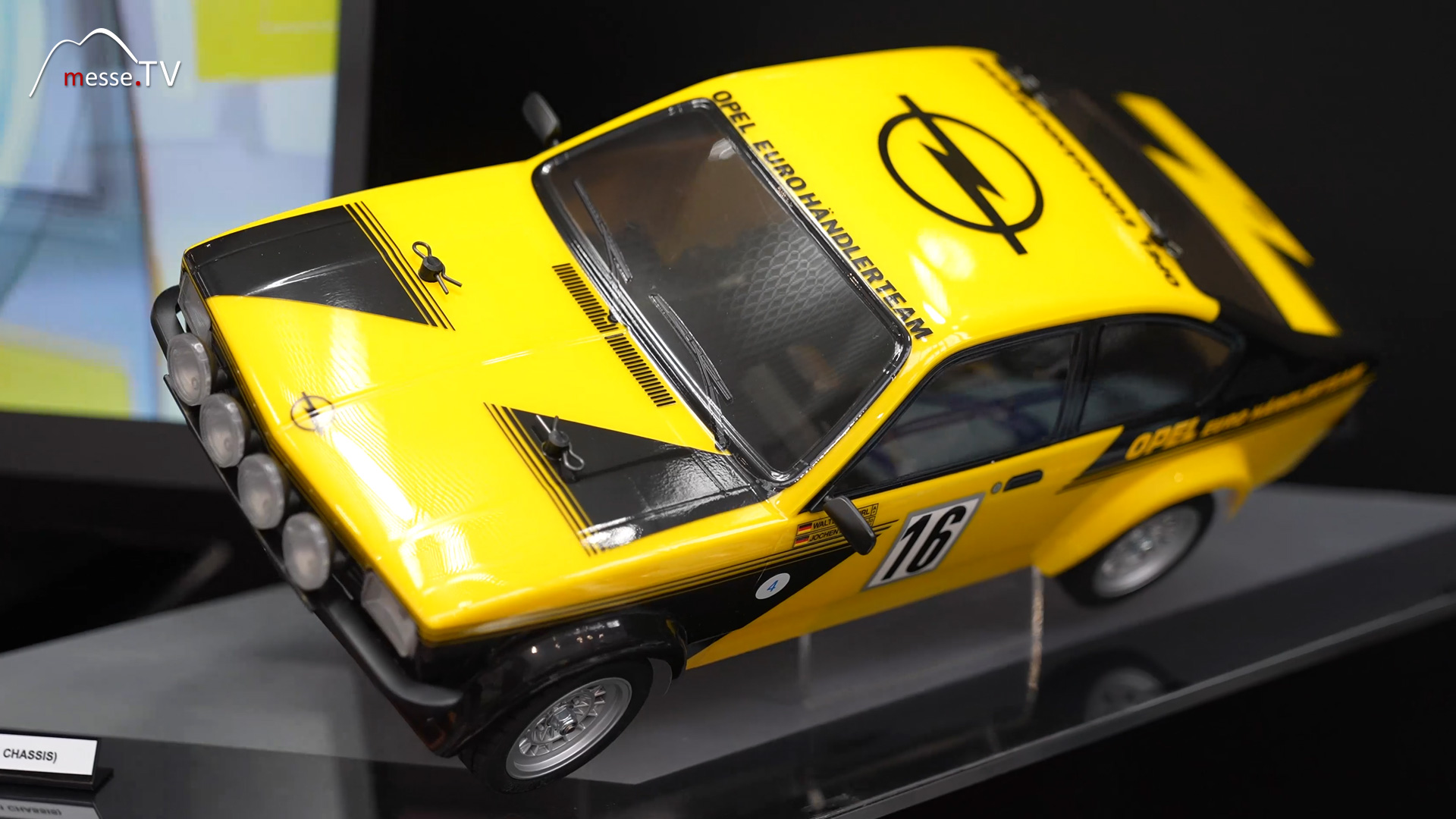
- Scale models: Detailed replicas of real vehicles that are not only fun to drive but also make great collector's items.
- Electric vs. combustion engine cars: Electric models are quiet, low-maintenance, and easy to operate, while combustion engine models offer real engine sound and a realistic driving experience.
- Kits: For technology enthusiasts, there are kits that allow you to assemble and customize the RC car yourself.
Innovations and trends in RC cars
The technology behind remote-controlled cars is constantly evolving. Among the most important innovations and trends are:
Brushless motors: Efficiency and performance at a new level
Brushless motors have revolutionized the world of remote-controlled cars. Compared to conventional brushed motors, they offer significantly higher efficiency, resulting in better energy utilization and longer running times. They are also more powerful and enable impressive speeds, exceeding 100 km/h in some models. Thanks to their durability and low maintenance requirements, they are particularly popular with advanced hobbyists and racers. These motors operate without mechanical wear on carbon brushes, which not only increases their service life but also keeps performance consistent.
LiPo batteries: More power and flexibility
Lithium polymer batteries (LiPo) set new standards in power supply for RC cars. They are characterized by high energy density, which enables longer driving times while keeping weight low. LiPo batteries have shorter charging times than conventional NiMH batteries and also offer stable power output, even during intensive use. They are indispensable for professionals and racers, as they can deliver the higher currents required for powerful motors. However, they require careful handling and special chargers to maximize their service life and ensure safety.
Digital controls: precision and individuality
Modern RC cars are equipped with digital remote controls that offer more precise control and customization options. Many systems use 2.4 GHz technology to minimize interference and ensure a reliable connection between the transmitter and the vehicle. Some remote controls allow you to adjust parameters such as throttle sensitivity, steering angle, or braking force, optimizing the driving experience. For advanced users, there are also telemetry systems that display real-time data such as speed, battery charge, and engine temperature to better monitor the vehicle's performance.
Realistic features: More than just a toy
New technologies are making RC cars increasingly realistic. Models with working LED lights, sound systems, and even hydraulic suspensions offer an immersive driving experience. These features add authenticity, especially in replicas of real vehicles or special model classes such as RC trucks or crawlers. Hydraulic suspensions, for example, enable realistic behavior on uneven terrain, while sound modules simulate real engine noises. These innovations make RC cars not just drivable vehicles, but interactive experiences.
Sustainability: Focus on environmentally friendly technologies
Sustainability is also becoming increasingly important in the world of RC cars. Many manufacturers are using recyclable materials for car bodies and housings in order to reduce their environmental impact. In addition, energy-efficient motors and components are being developed that minimize power consumption and extend battery life. Some manufacturers even offer programs in which old batteries or defective parts are taken back and recycled. These developments contribute to making RC cars not only technologically but also ecologically sustainable. These innovations make RC cars not only more powerful but also more versatile and sustainable.
Tips for getting started in the world of remote-controlled cars
If you are new to the world of RC cars, there are a few important points to consider when choosing the right model:
Area of application: The right RC car for your driving style
The area of use is one of the most important factors when choosing an RC car. On-road models, which are designed for high speeds and precise steering, are suitable for smooth roads or race tracks. If, on the other hand, you prefer uneven terrain, gravel roads, or sand, off-road models such as buggies or monster trucks are the better choice, as they have larger tires and better suspension systems. For indoor racing in halls, there are specialized models that are more compact and maneuverable. The choice of application not only determines the type of vehicle, but also the accessories you need.
Budget: entry-level or professional models?
RC cars are available in a wide price range, so there is something to suit every budget. Beginners can start with models in the $50 to $150 range, which are usually robust and easy to operate. These vehicles offer good value for money and are an easy way to get started. Advanced users and professionals who want more power, more precise control, or customization options should invest in higher-quality models, which can cost $300 or more. It's also worth budgeting for accessories such as batteries, chargers, and spare parts.
Performance: Electric or combustion engine models?
Electric RC cars are ideal for beginners because they are quiet, low-maintenance, and easy to operate. They offer good acceleration and range, depending on the battery capacity. Combustion engine models, on the other hand, are interesting for experienced drivers who are looking for a more intense and realistic driving experience. These vehicles produce real engine sounds, are more powerful, and have longer running times, but require more care and maintenance. The decision between electric and combustion engine models depends on your personal preferences, your technical understanding, and your desired driving style.
Size: Scale and handling
RC cars are available in different scales, which affect their size and possible uses. 1:18 models are compact, inexpensive, and ideal for small spaces or indoor racing. 1:10 models are the most commonly used size, as they offer a good balance between performance, price, and handling. Larger models such as 1:8 or 1:5 are more powerful and realistic, but require more space and are often more expensive. Consider where and how you want to use the vehicle to choose the right size.
Accessories: Important additions for RC fun
In addition to the actual vehicle, accessories are a crucial aspect. Spare parts such as tires, body parts, or transmission components are important for quickly repairing the vehicle if necessary. Batteries and a suitable charger are essential for electric models. Some models are sold as “RTR” (ready-to-run), while others require additional components such as a remote control or batteries. Find out in advance which accessories you need to avoid unnecessary additional costs and to be ready to drive at any time. A well-chosen model guarantees long-term driving pleasure and a successful start to the hobby.
RC cars in competition and everyday life
Remote-controlled cars are not only fun for leisure, but also part of a serious sport. There are numerous competitions and races that require skill, speed, and technology. From local events to international championships, RC racing attracts a large community. In everyday life, RC cars offer an exciting way to experience technology and spend time with family and friends. Children in particular learn motor skills and technical understanding through playing with RC cars.
Practical examples: RC cars in use
Here are some typical applications and uses for RC cars:
Racing: Adrenaline rush on RC race tracks
RC cars offer exciting opportunities for racing enthusiasts. On specially designed RC race tracks, you can take part in competitions that require speed, precision, and skill. On-road models or specially tuned vehicles designed for maximum speed and precise steering are often used here. Competitions range from local club races to international championships, where it's not just driving skills that count, but also vehicle optimization. Adjustments such as aerodynamic tuning, tire selection, and engine performance play a crucial role in success on the racetrack.
Off-road adventures: Unlimited off-road fun
For fans of adventure and outdoor activities, off-road RC models offer the perfect opportunity to explore rough terrain. With large, grippy tires and robust suspension, these vehicles can handle mud, sand, gravel, and even snow. Models such as monster trucks, buggies, and crawlers are specially designed for off-road use. Some feature four-wheel drive, water protection, and powerful engines that can handle steep slopes and obstacles. Off-road driving is not only entertaining, but also a challenge for skill and vehicle control.
Technical projects: Creativity and engineering
RC cars are not only a hobby for drivers, but also an exciting challenge for technology enthusiasts. Many models can be purchased as kits, allowing you to assemble the vehicle yourself. In the process, you learn how engines, transmissions, and controls work. Advanced users have the option of modifying vehicles, for example with more powerful motors, better batteries, or custom bodywork. Programming electronic components such as speed controllers or telemetry systems is also part of the fun for technology fans. These projects not only encourage creativity, but also teach valuable technical skills.
Collection: Detailed models for enthusiasts
In addition to their functionality, RC cars also impress with their detailed appearance. Collector's models in 1:10 or 1:8 scale in particular are often faithful replicas of racing cars, classic cars, or modern vehicles. These models are not only suitable for use, but also as decorative collector's items. Collectors place particular value on precise body details, high-quality paintwork, and rare designs. Whether in display cases or at exhibitions, collector models combine technology with aesthetics, making RC cars a real highlight for enthusiasts. The versatility of RC cars makes them a hobby that offers both fun and challenges.
Future prospects: Where is RC technology headed?
The future of remote-controlled cars is promising. Possible developments include:
- Artificial intelligence: Autonomous RC cars could optimize racing strategies independently.
- Improved materials: Lighter and more robust materials increase performance and durability.
- AR integration: Augmented reality could expand race tracks and challenges.
- Energy efficiency: Advances in batteries and motors are making RC cars more environmentally friendly.
Trade fair reporting Germany - Trade fair knowledge, dates & events


