Analytica 2026: Innovations in laboratory technology, analytics and biotechnology
Analytica is one of the most important international platforms for laboratory technology, analytics and biotechnology. Trade visitors from industry and research meet in Munich to discuss the latest developments, new processes and technological advances. The event is regarded as a reliable indicator of how laboratory work and analytical processes are developing.
Innovative products at Analytica 2026
Cell culture automation reduces costs in biotechnology
The production of cells for medical applications is considered one of the most promising approaches in modern medicine. At the same time, it is one of the most cost-intensive processes. Production of cells for medical applications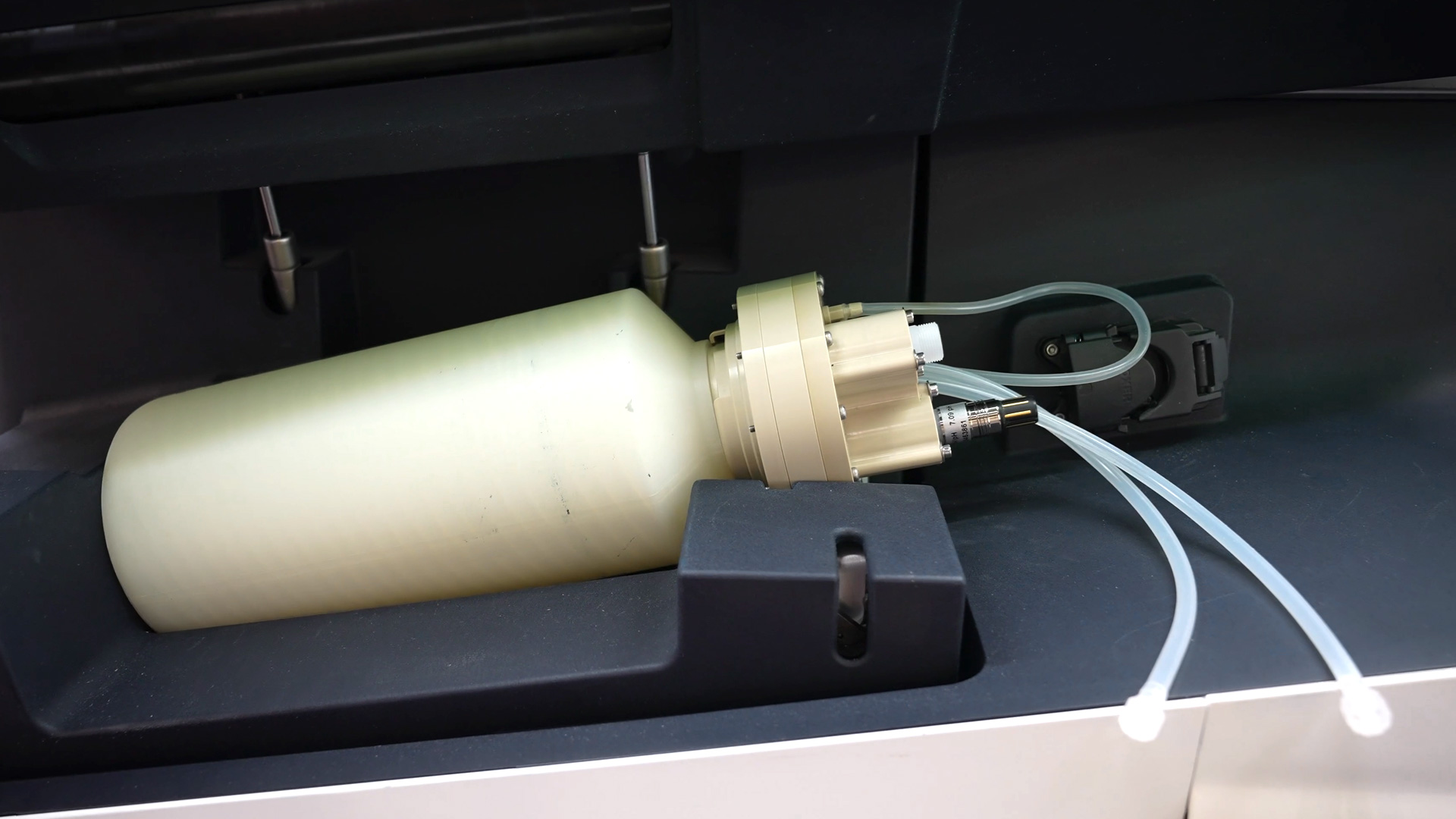

GC-2060 gas chromatograph for laboratory use
The development of modern analytical devices has long since ceased to focus solely on the goal of greater measurement accuracy. Rather, the focus is on ease of use, maintenance and operating costs. Separation and analysis of gaseous substances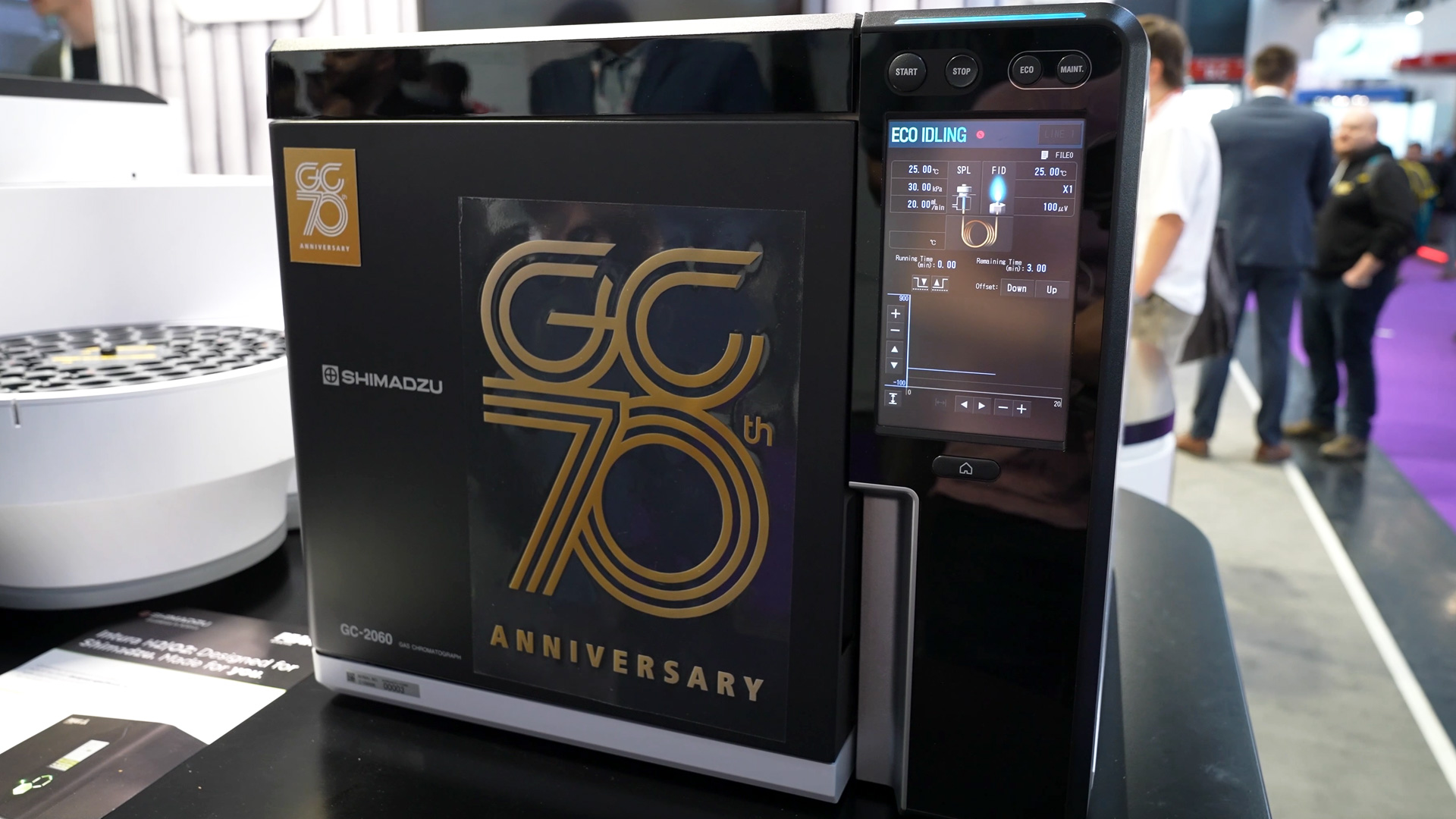
PCR device with disposables and fluidic system
The development of PCR devices has undergone a significant shift in recent years. While traditional laboratory analysis has long relied on centralized structures, compact point-of-care systems are becoming increasingly important. Compact point-of-care system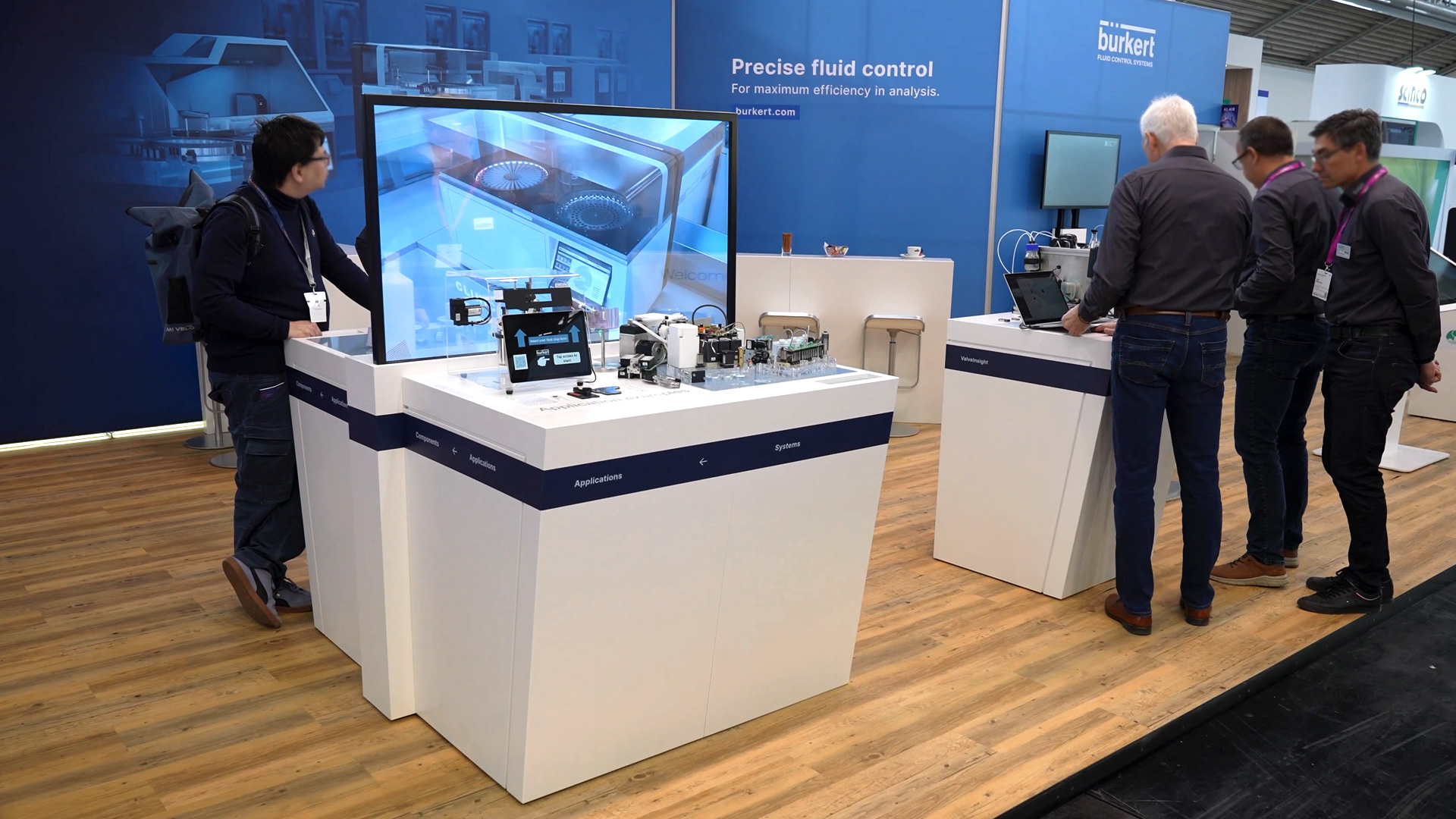

Pipetting robot relieves scientists in the laboratory
Automation in the laboratory is not a new topic, but in many facilities it falls short of the possibilities. While complex devices are available, basic work steps are still carried out manually. Automation in the laboratory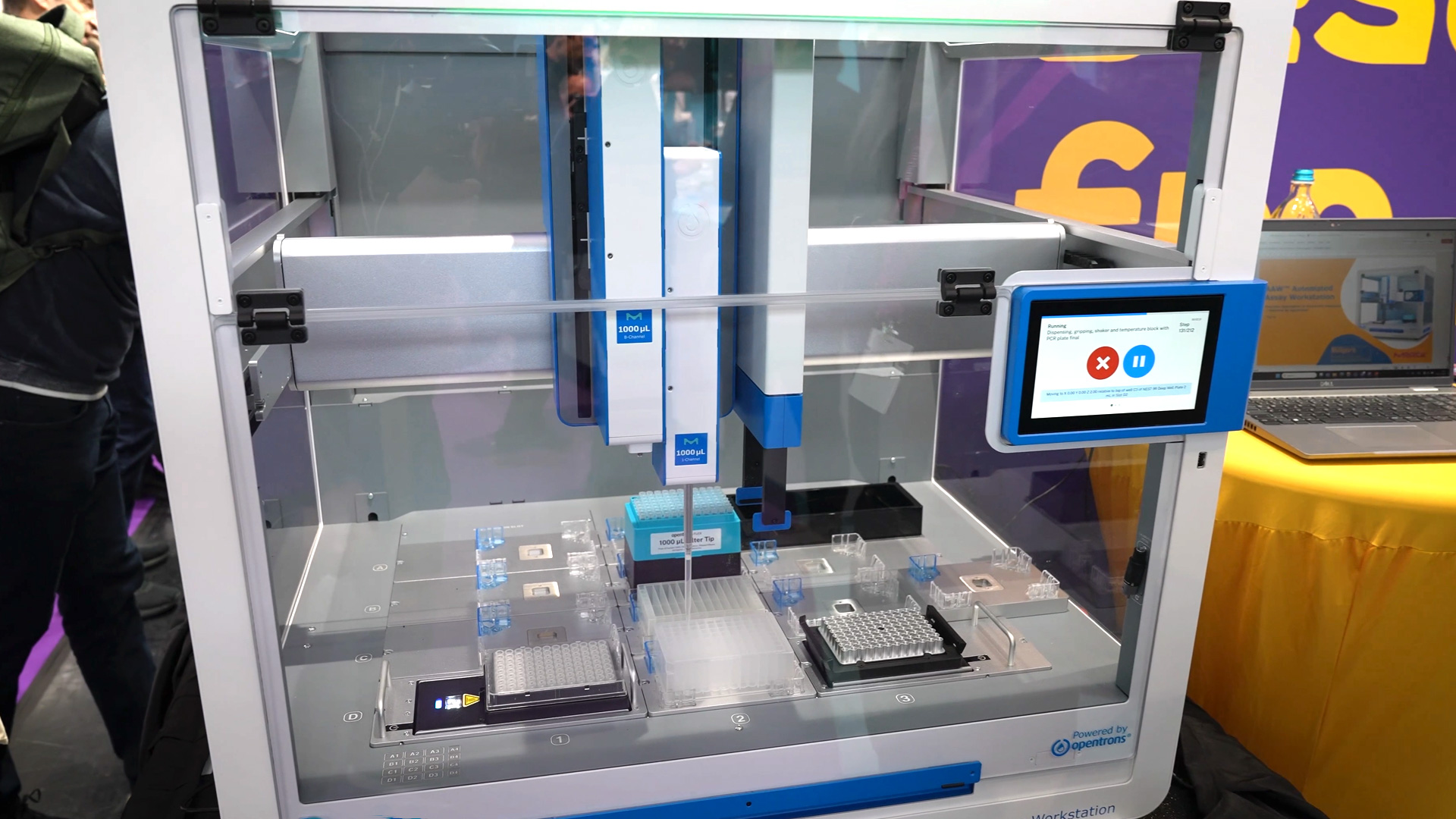
Avio 3000 from PerkinElmer improves ICP OES for elemental analysis
Elemental analysis has been under double pressure for years. On the one hand, the requirements for detection strength, stability and sample diversity are increasing. On the other hand, there is a growing desire for systems that use fewer re... New architecture for ICP OES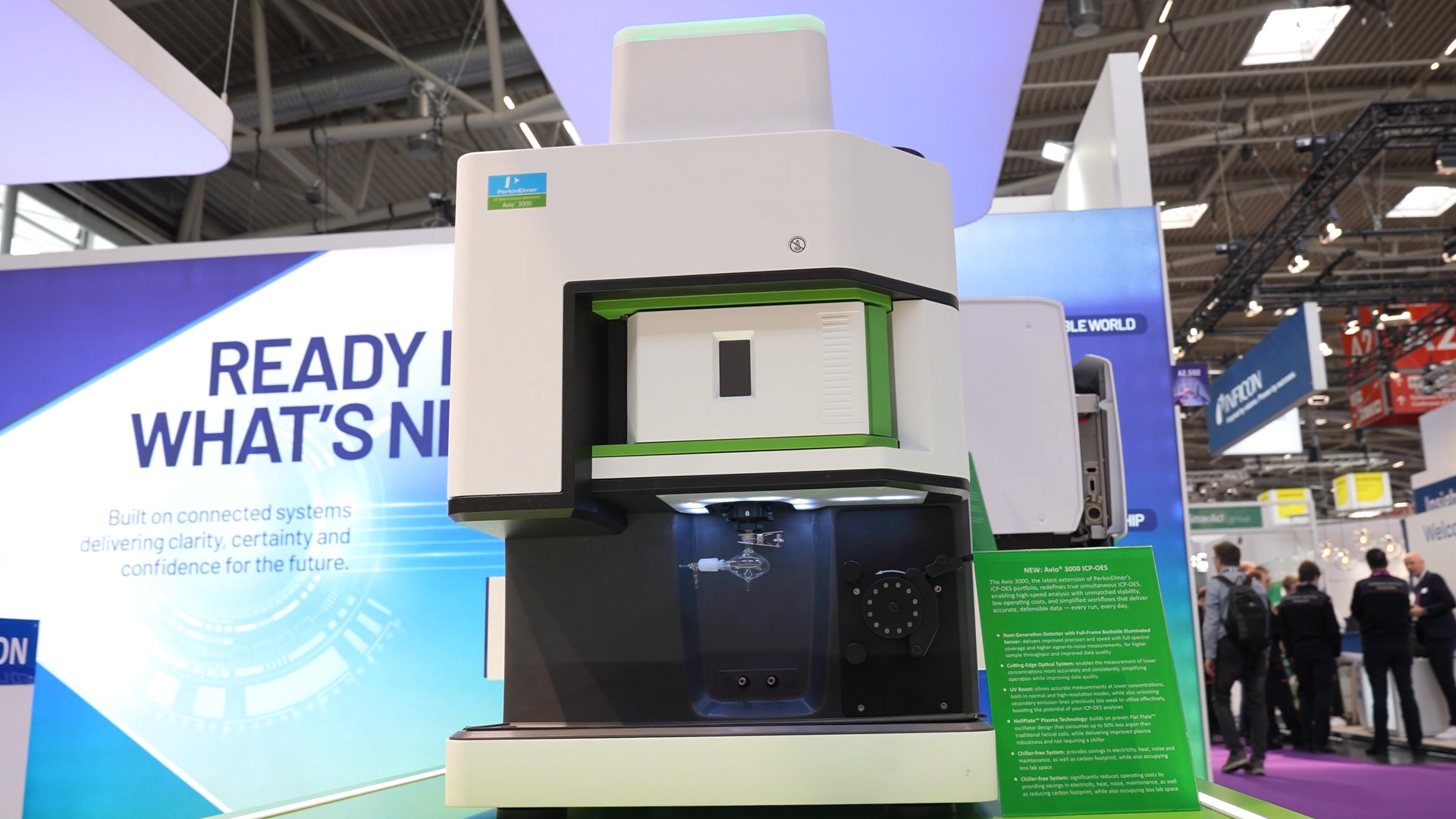
timsMetabo expands TIMS technology for new applications
With timsMetabo, Bruker is presenting a system that significantly expands the existing use of TIMS technology. While the focus to date has clearly been on proteomics, the process is now opening up to smaller molecules and new fields of appl... Additional separation stage Mass spectrometry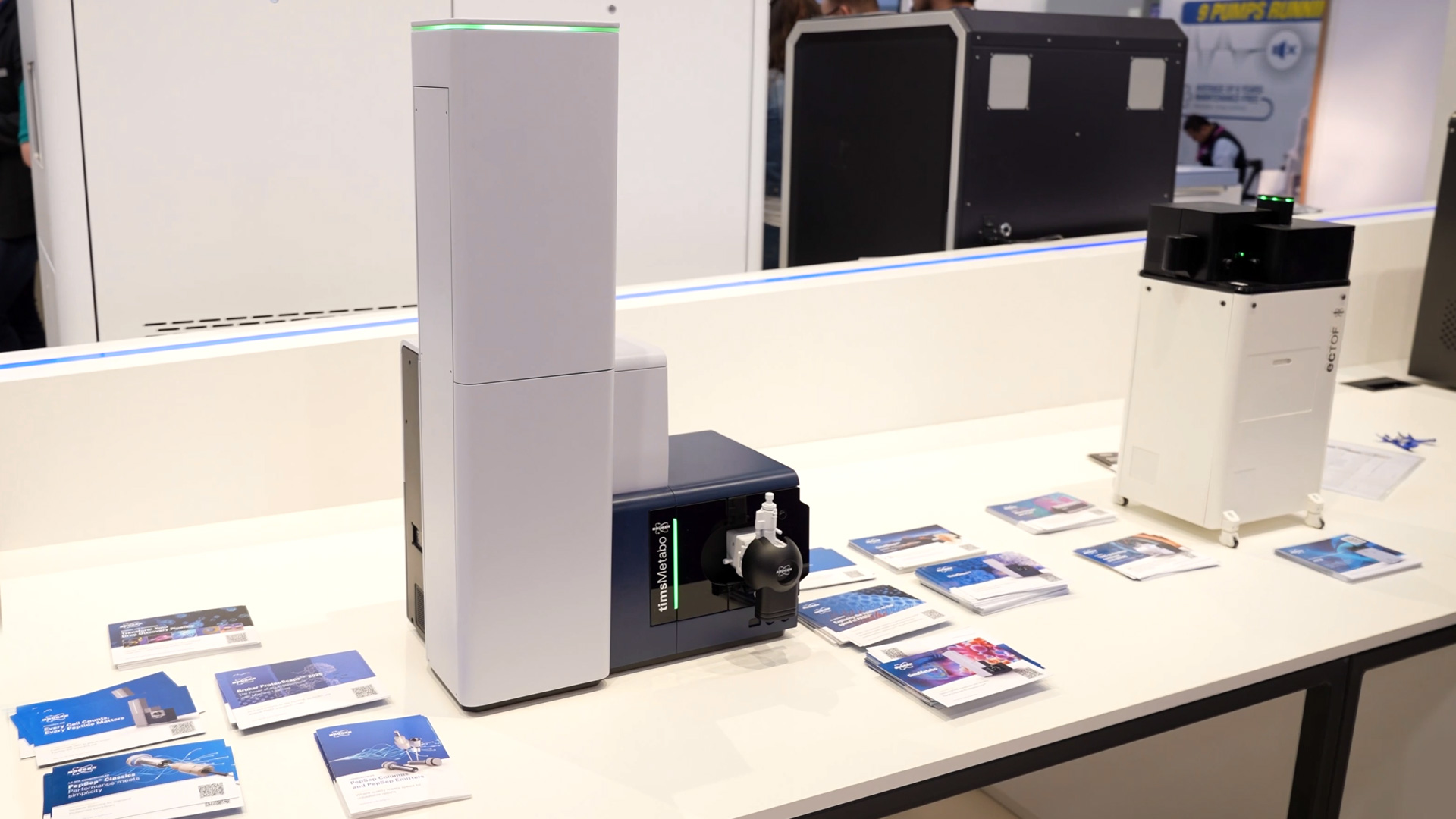
Analytica 2026 Munich showcases trends for laboratories, analytics and research
Analytica 2026 in Munich is regarded as the central meeting place for laboratory technology, analytics and applied research. The focus will be on processes, devices and digital solutions used in industry, science and quality assurance. The exchange between manufacturers, research institutions and users shows how strongly laboratory processes are developing in the direction of automation and data-based analysis. One key aspect is the combination of classic analytics with digital technologies. Modern laboratories are increasingly networked - data is no longer collected in isolation, but integrated into systems that automate analysis, documentation and traceability. This is also changing the day-to-day work in the laboratory: routine tasks are being reduced, while the interpretation of results is gaining in importance.
Focus on automation and digital laboratory processes
The development towards the ‘smart lab’ characterises many areas. Devices communicate with each other, samples are processed automatically and results are analysed in real time. This development is particularly crucial in regulated sectors such as the pharmaceutical and food industries in order to ensure quality and compliance. Typical developments that will be visible at Analytica:
- Automated sample preparation and handling
- Integration of laboratory information systems (LIMS)
- Real-time data analysis and cloud-based evaluation
- Robotic solutions for repetitive laboratory processes
- Digital documentation to ensure standards
Analytics as a basis for industry and research
Analytical methods are no longer limited to traditional laboratories. They play a central role in almost all areas of industry - from chemical production and environmental analysis to medical technology. Advances in sensor technology and miniaturisation enable applications directly in the process or even in the field. Several topics take centre stage here:
- More precise measurement methods for the smallest quantities of substances
- Faster analysis cycles for process optimisation
- Mobile and portable analytical systems
- Connecting analytics with production control
Sustainability and resource efficiency in the laboratory
Another focus is on sustainable solutions. Laboratories are traditionally resource-intensive areas - both in terms of energy consumption and the use of chemicals. New approaches are aimed at reducing this burden. These include energy-efficient devices, optimised consumables and processes that require fewer reagents. At the same time, work is being done to minimise waste and improve recycling processes. Digitalisation also contributes to this by avoiding unnecessary repetition of analyses. The combination of sustainability and cost-effectiveness is crucial here. Companies are under pressure to organise their processes more efficiently without sacrificing quality. Modern analytics provide the necessary data for this.
The role of research and interdisciplinary exchange
Research institutions traditionally use Analytica as a platform for dialogue with industry. New methods are often developed at the interface between different disciplines - for example between chemistry, biotechnology and computer science. It is precisely here that we can see how much the field has changed. Artificial intelligence and machine learning are playing a growing role in the analysis of complex data sets. Instead of individual measured values, patterns and correlations are increasingly taking centre stage. This opens up new perspectives, for example in drug development or materials research.
Analytica 2026 Munich as a mirror of current developments
Analytica 2026 makes it clear that analytics today goes far beyond pure measurement. It is a central component of modern value chains and provides the basis for decisions in production, research and quality assurance. Munich provides the framework for dialogue between international players. The event will show how technologies are developing and what demands will be placed on laboratories in the future. From automation and digitalisation to sustainability - the topics are interlinked and will shape the future of analytics. This makes it clear that Analytica 2026 not only stands for new devices or processes, but also for a structural change in the way data is generated, processed and utilised in the laboratory.
Trade fair reporting Germany - Trade fair knowledge, dates & events


