3D Brillen Customization und transparente Kollektion
von Franziska Zuber - 2024-02-02Individuelle Brillenlösungen haben sich in den vergangenen Jahren deutlich weiterentwickelt. Während klassische Fassungen lange in festen Größen und Formen produziert wurden, eröffnen digitale Fertigungstechniken neue Möglichkeiten der Anpassung.
Besonders der 3D-Druck verändert dabei die Herangehensweise in der Entwicklung und Herstellung von Brillen. Statt standardisierter Serienprodukte entstehen zunehmend Systeme, die sich direkt auf den einzelnen Träger abstimmen lassen. Im Zentrum dieser Entwicklung steht nicht allein die Technologie, sondern deren praktische Anwendung im Optikgeschäft. Entscheidend ist, wie präzise sich Parameter wie Breite, Nasensteg oder Bügellänge anpassen lassen – und wie effizient dieser Prozess im Alltag umgesetzt werden kann.
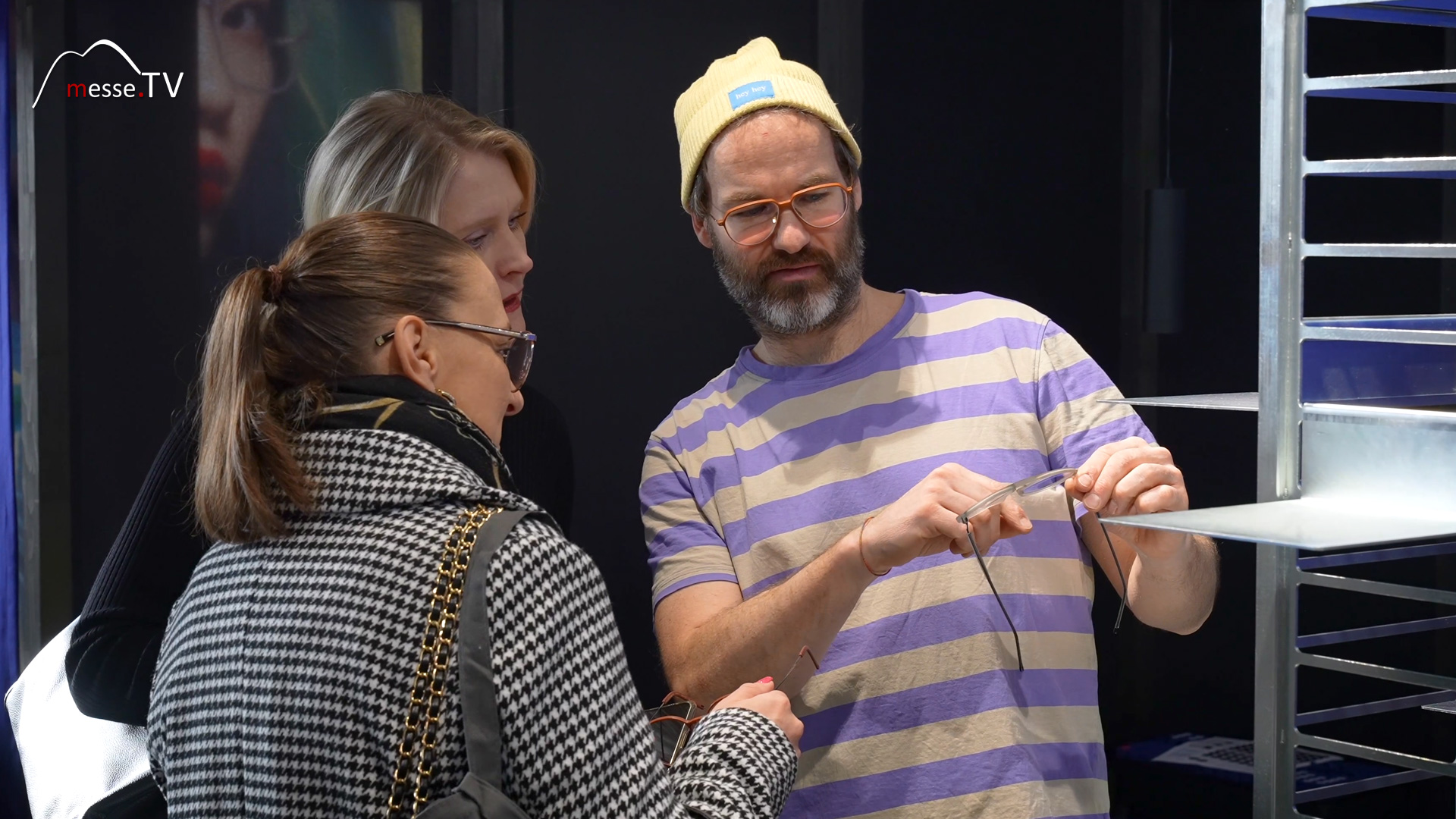
Klenze & Baum setzt auf 3D Brillen Customization
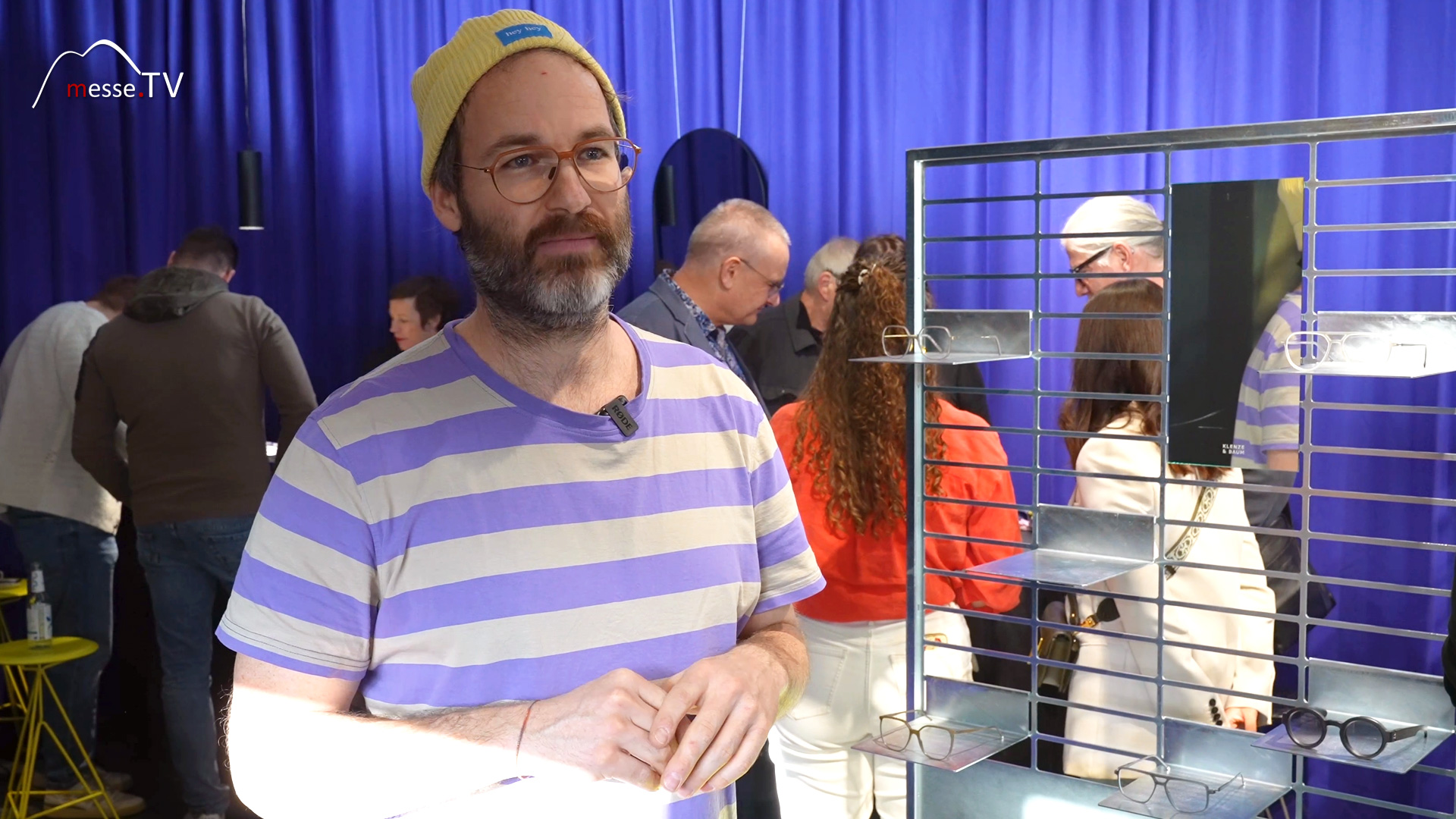
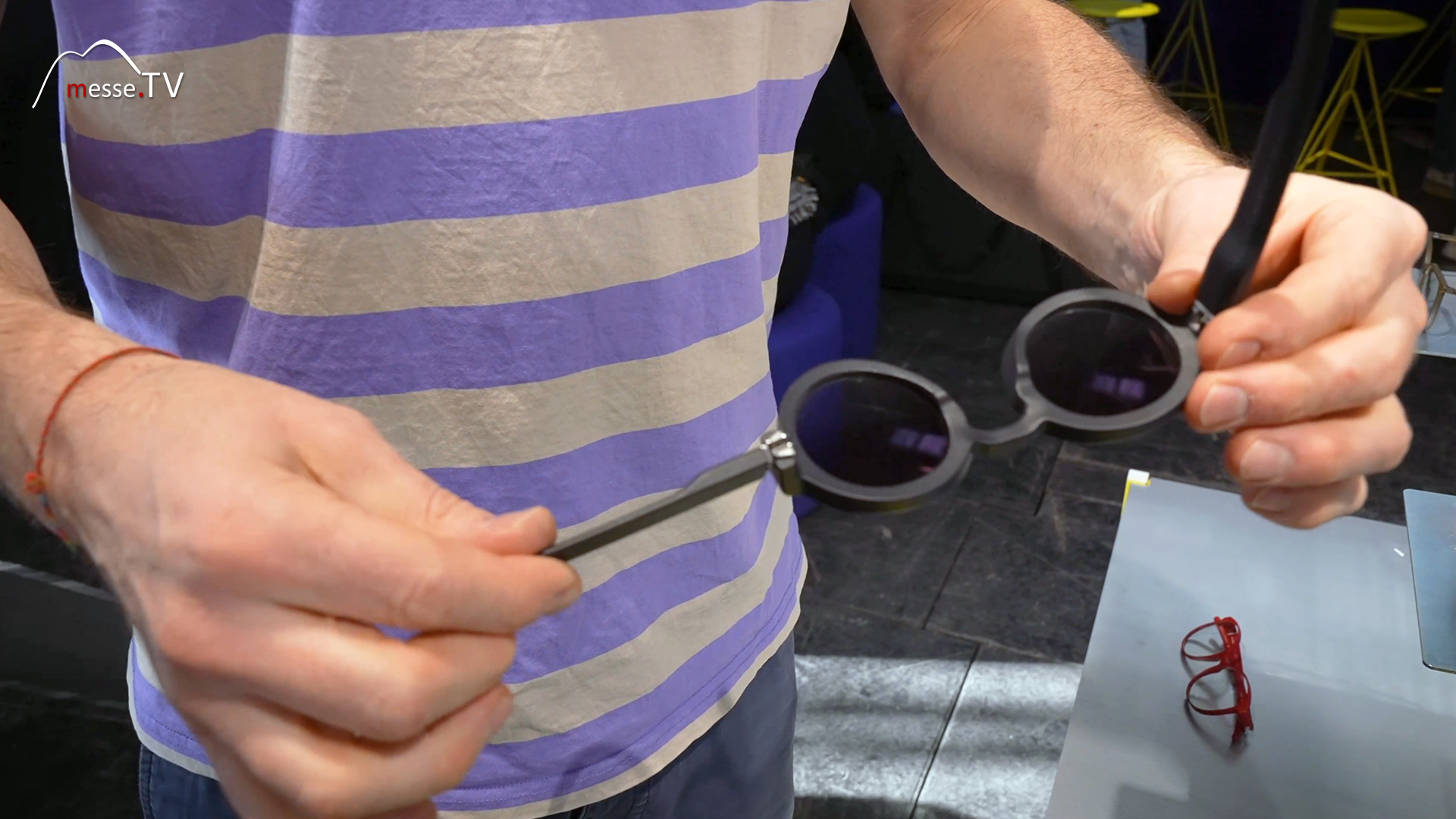
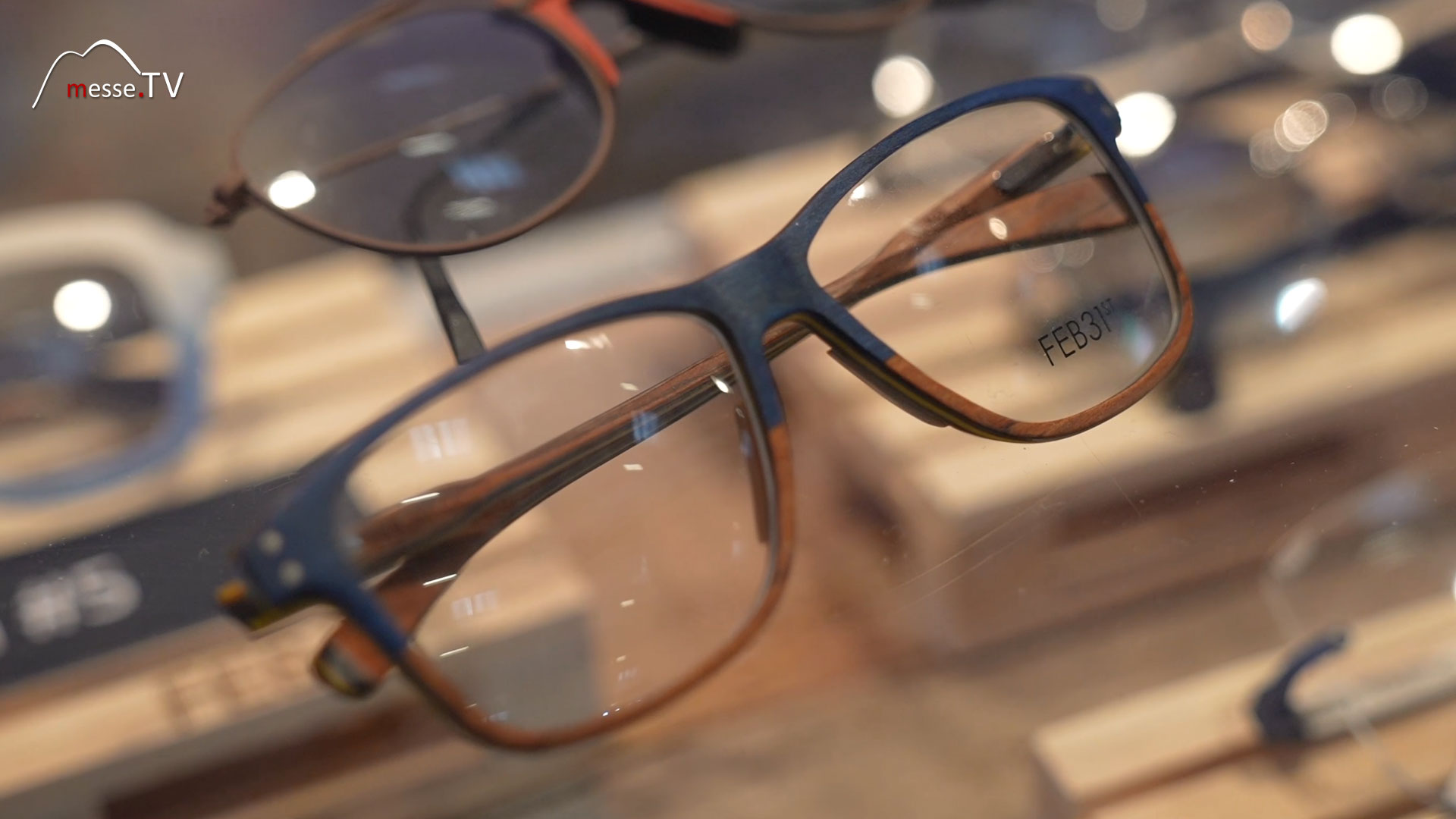
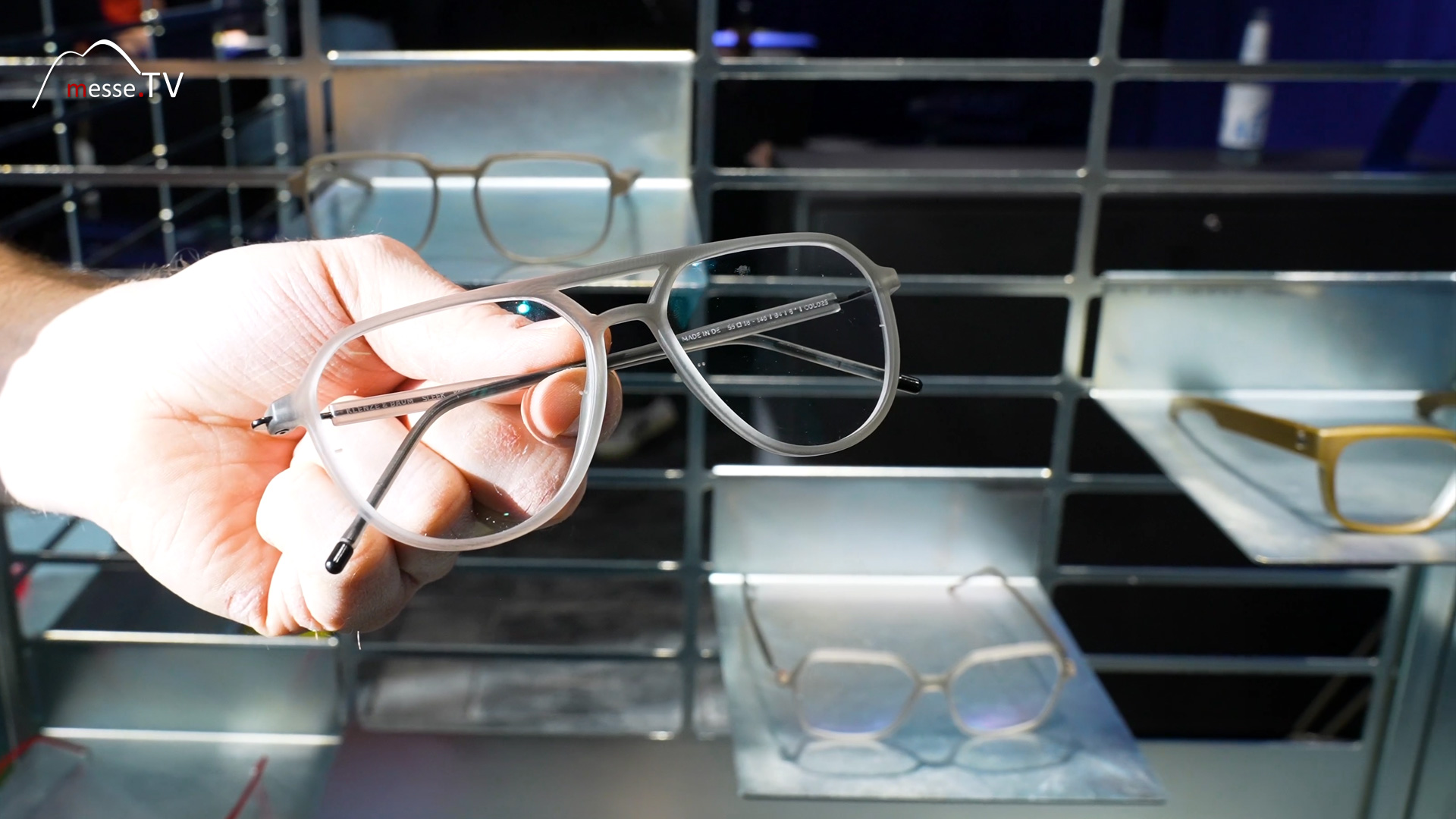
Das Unternehmen Klenze & Baum verfolgt einen klar fokussierten Ansatz. Seit der Gründung im Jahr 2018 konzentriert sich das Team ausschließlich auf Brillen, die vollständig im 3D-Druckverfahren hergestellt werden. Diese Spezialisierung unterscheidet sich bewusst von klassischen Herstellern, die häufig auf unterschiedliche Materialien und Produktionsmethoden setzen. Der Kern des Konzepts liegt in der sogenannten Customization. Jede Brille kann in mehreren Dimensionen angepasst werden. Dazu gehören unter anderem der Nasensteg, die Gesamtbreite, die Länge der Bügel sowie Winkel und Krümmungen der Fassung. Diese Variabilität ermöglicht es, auch bei ungewöhnlichen Gesichtsformen eine präzise Passform zu erreichen. Für Optiker bedeutet das eine neue Form der Beratung. Statt aus festen Modellen zu wählen, lassen sich Parameter gezielt verändern. Die Brille wird damit stärker zum individuell konfigurierten Produkt.
Polaskop2 und 3D Messung als Grundlage präziser Anpassung
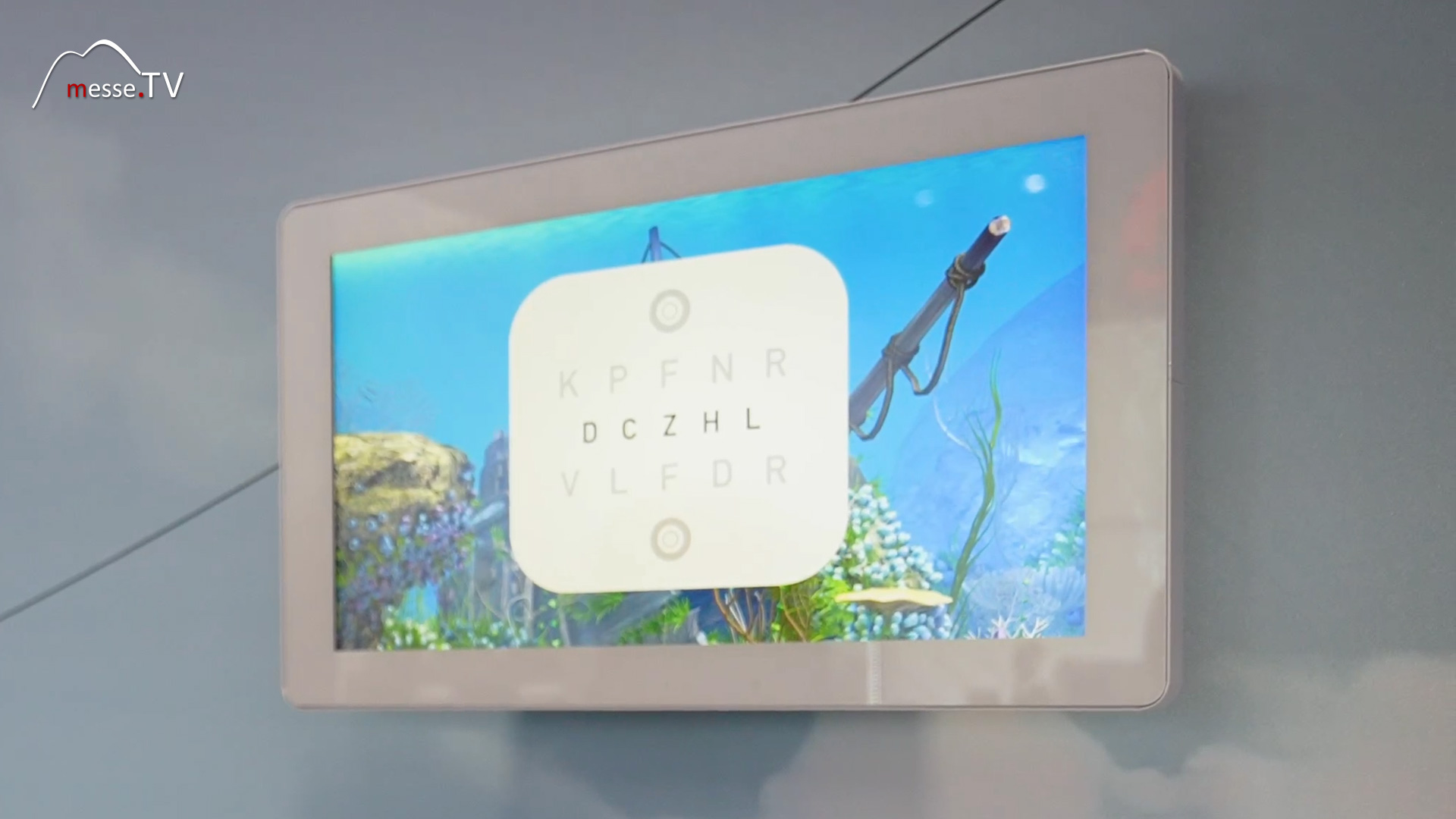
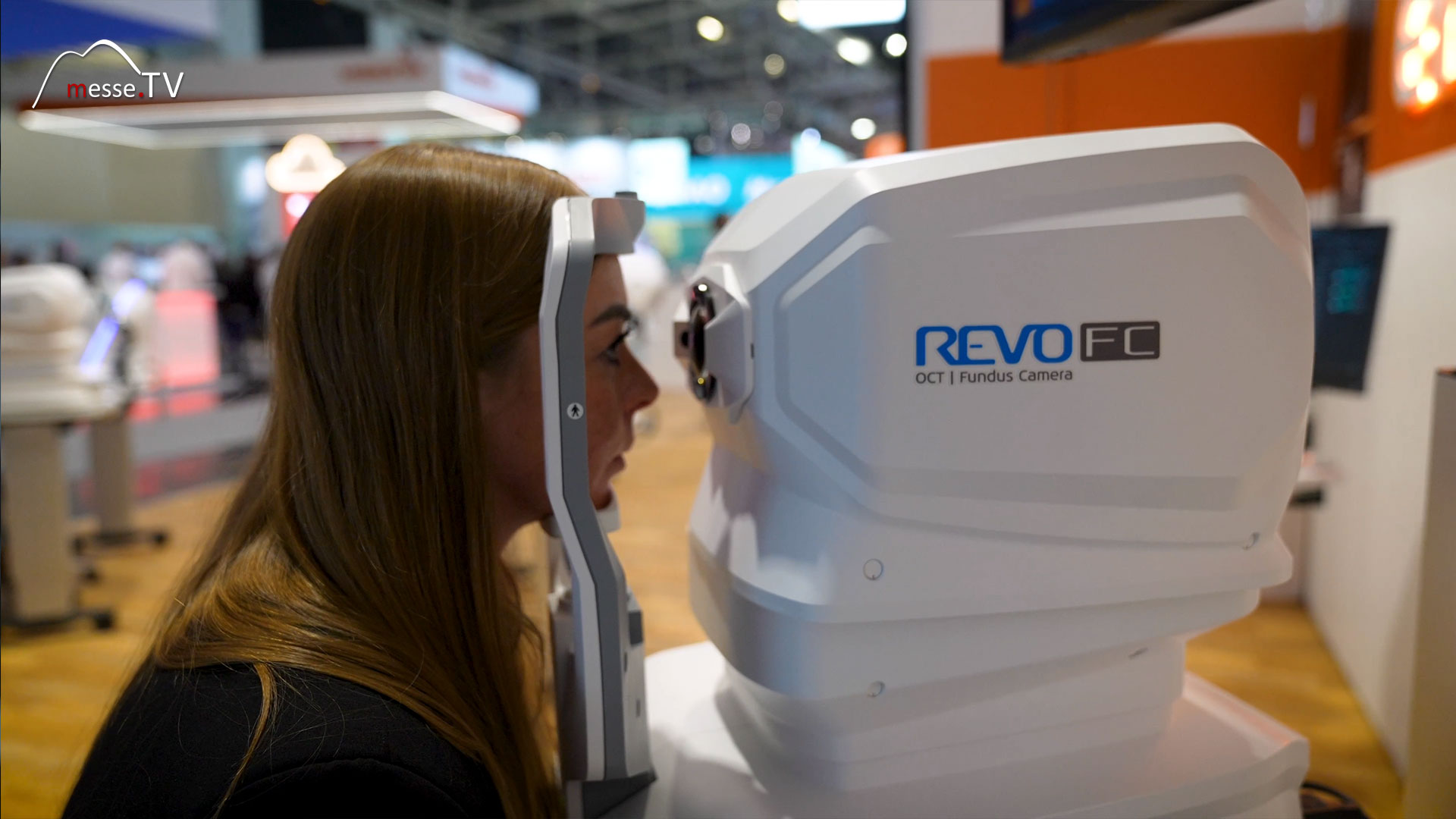
Eine präzise Anpassung setzt verlässliche Messdaten voraus. Systeme wie das Polaskop2 liefern dafür die notwendige Grundlage. Die 3D-basierte Refraktion erlaubt eine differenzierte Analyse des Sehverhaltens und bildet damit die Basis für die weitere Konfiguration der Brille. Die Verbindung zwischen Messsystem und individuell gefertigter Fassung ist ein zentraler Bestandteil moderner Optikprozesse. Je genauer die Daten, desto präziser kann die Brille angepasst werden. Gerade bei komplexeren Anforderungen zeigt sich der Vorteil dieser Kombination. Die Entwicklung geht damit über die reine Fertigung hinaus. Sie umfasst den gesamten Weg von der Analyse bis zur finalen Anpassung und integriert unterschiedliche technische Systeme in einen durchgängigen Ablauf.
Transparente 3D Brillen mit ACELIKE Kollektion
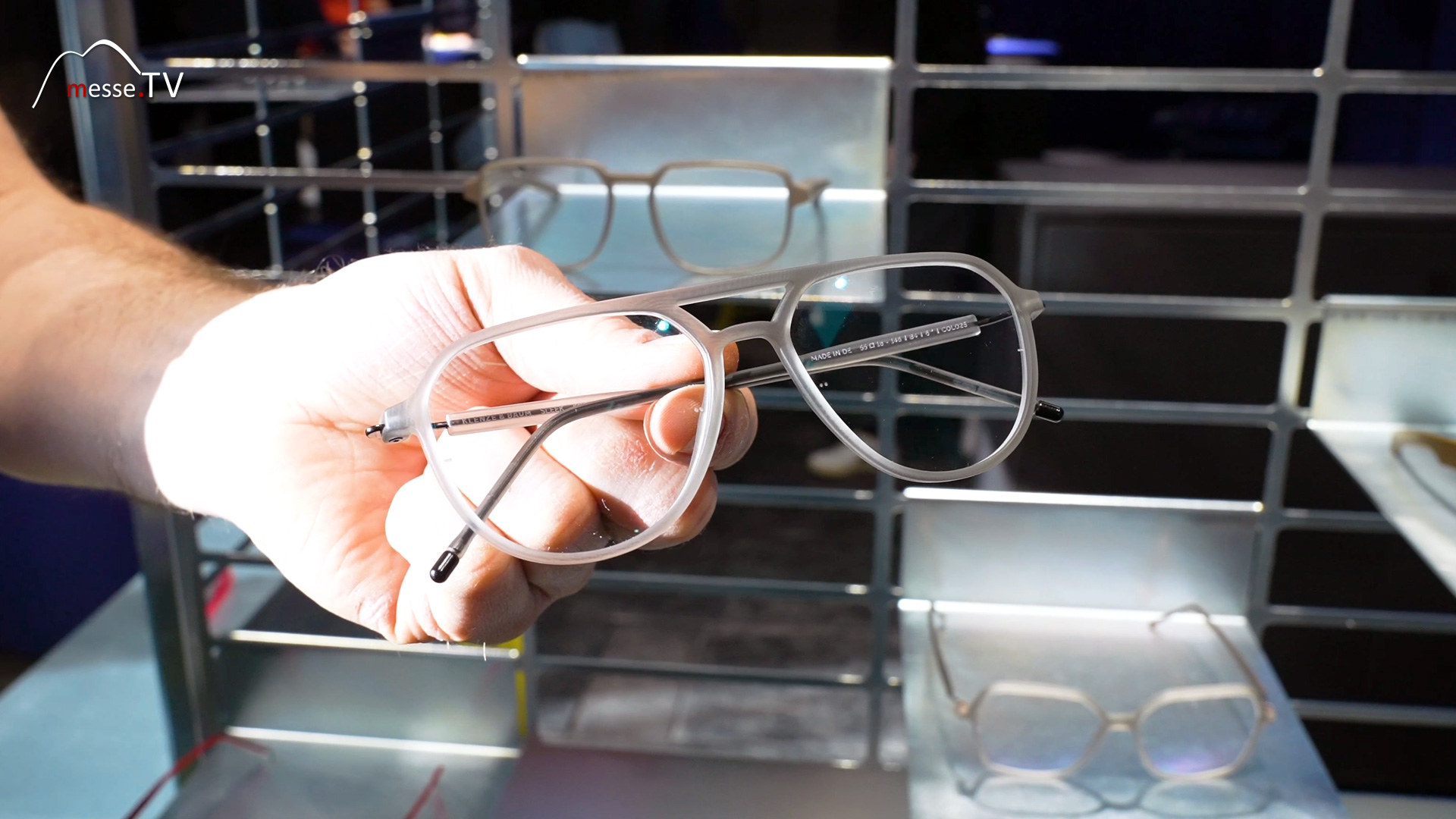
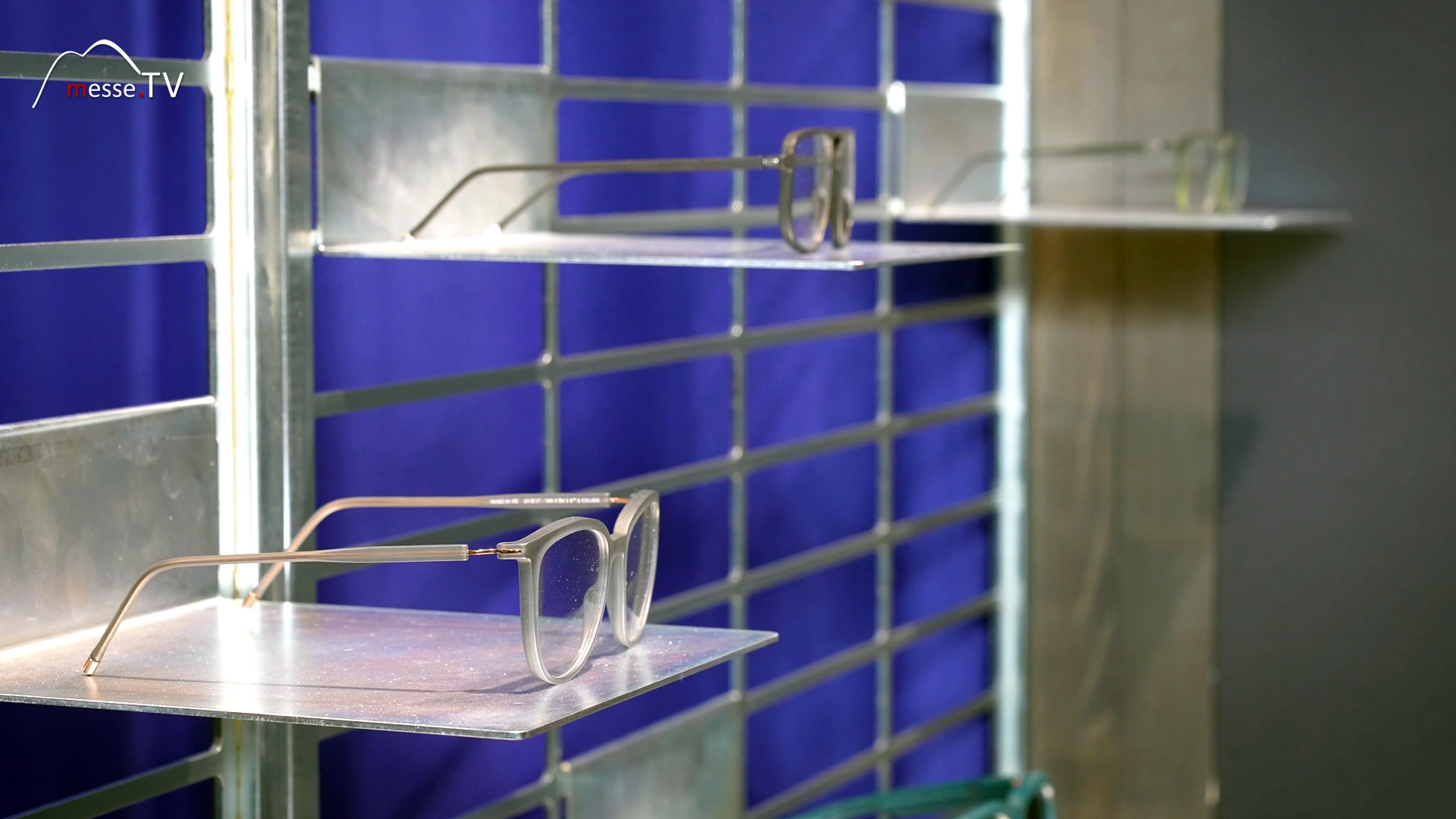
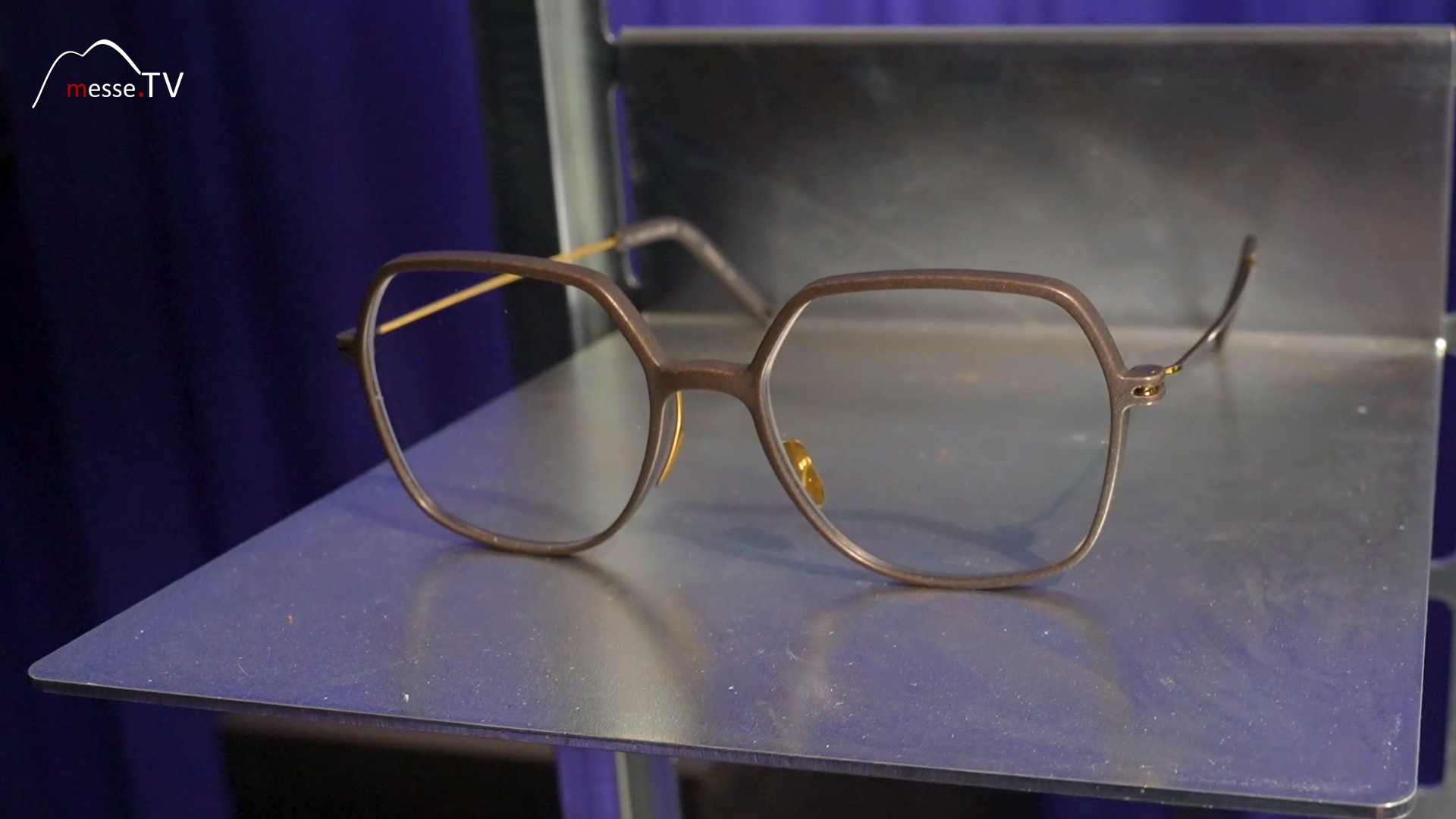
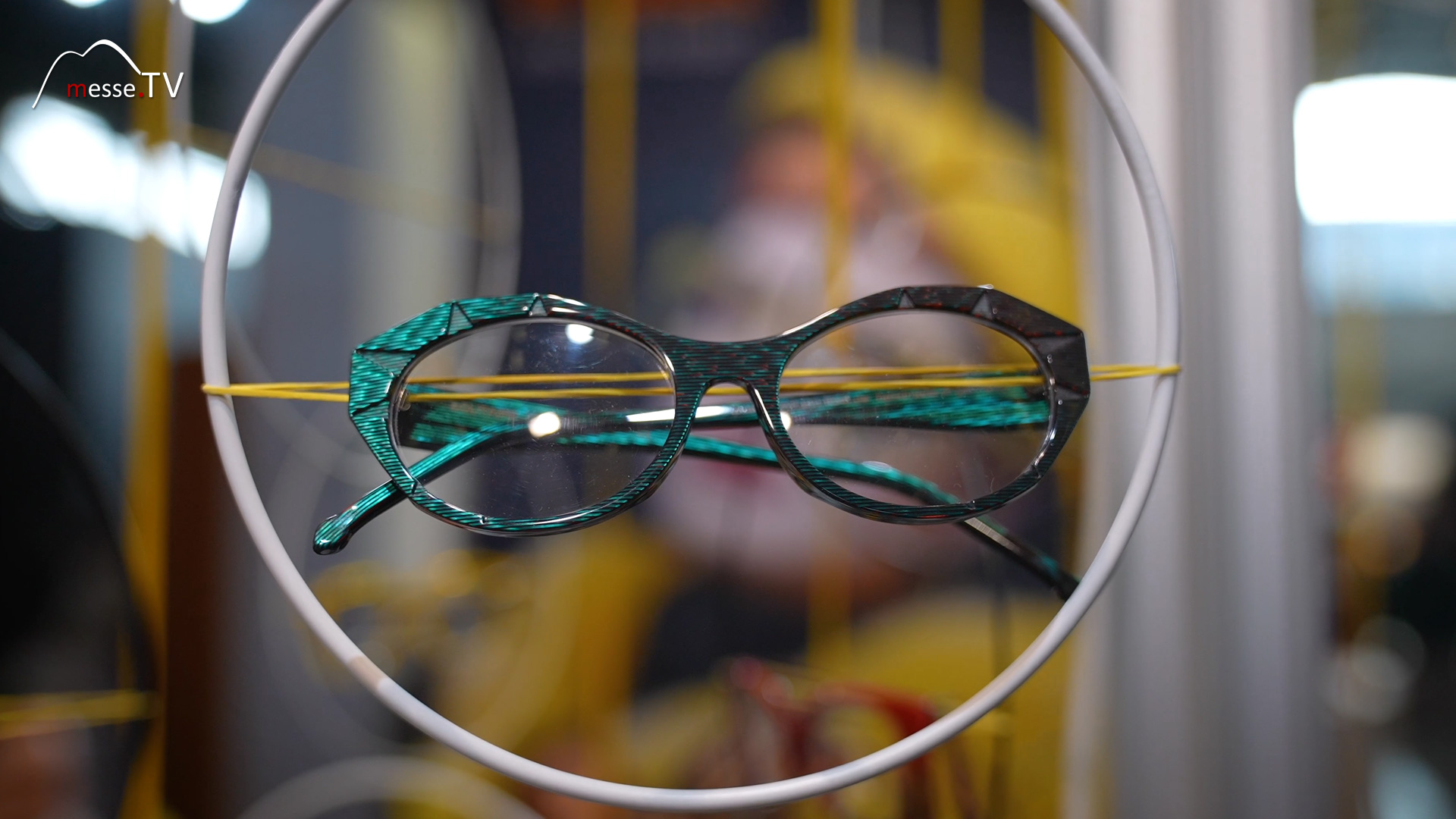
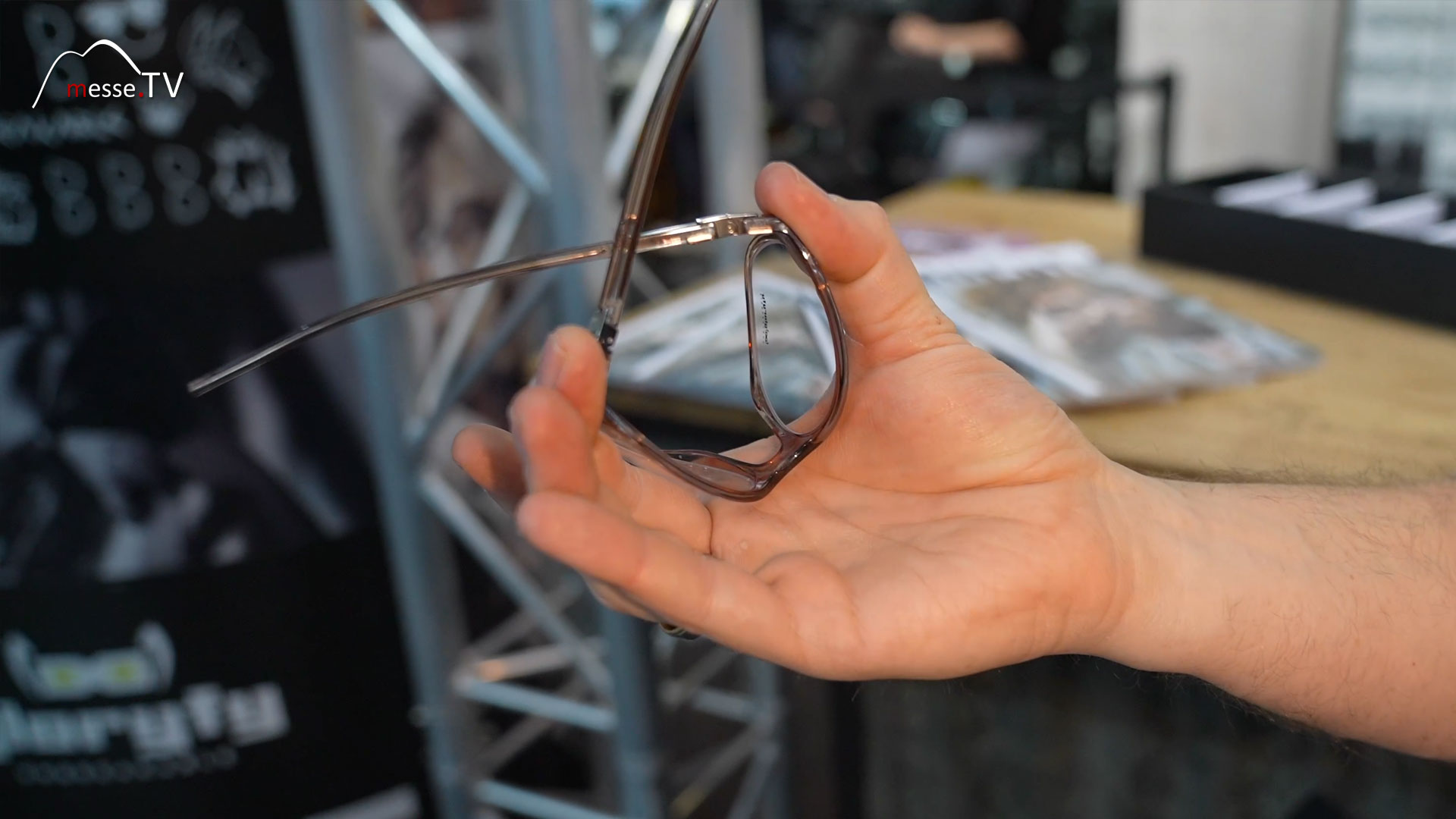
Eine Besonderheit im aktuellen Portfolio ist die Entwicklung transparenter 3D-gedruckter Brillen. Während viele 3D-gedruckte Produkte bislang durch eine eher matte oder opake Oberfläche geprägt waren, eröffnet diese neue Variante zusätzliche gestalterische Möglichkeiten. Die ACELIKE Kollektion greift bewusst die Ästhetik klassischer Acetatfassungen auf, ohne deren Material vollständig zu imitieren. Die Transparenz erlaubt es, Licht durch die Fassung zu führen und gleichzeitig die Struktur des 3D-Drucks sichtbar zu lassen. Diese Entscheidung für eine bewusst „roughe“ Oberfläche setzt einen klaren gestalterischen Akzent. Das Ergebnis ist eine Brille, die sich optisch von herkömmlichen Modellen unterscheidet. Die Kombination aus Transparenz und sichtbarer Struktur schafft eine eigenständige Designsprache, die sich bewusst vom glatten Erscheinungsbild klassischer Materialien abgrenzt.
Konstruktion mit Gelenk Draht und leichter Bauweise
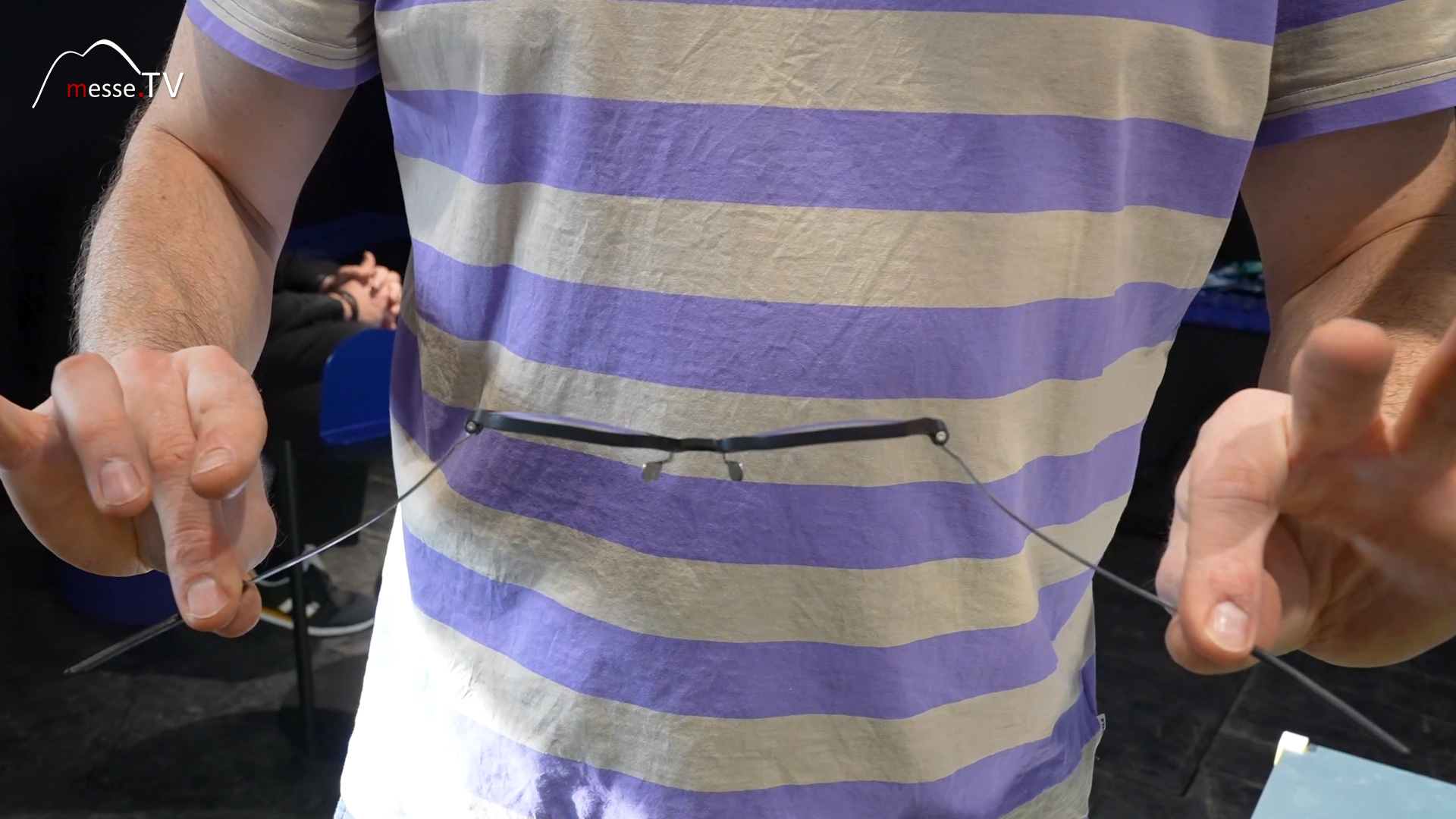
Neben der Optik spielt die Konstruktion eine zentrale Rolle. Ein besonderes Detail ist das entwickelte Gelenksystem, das bei Überlastung gezielt nachgibt. Trifft beispielsweise ein Ball auf die Brille oder kommt es zu einem Sturz, kann der Bügel aus dem Gelenk springen, ohne zu brechen. Anschließend lässt er sich innerhalb kurzer Zeit wieder einsetzen. Diese Konstruktion erhöht die Lebensdauer der Brille und reduziert das Risiko von Beschädigungen im Alltag. Gleichzeitig bleibt die Funktionalität erhalten, ohne dass aufwendige Reparaturen notwendig sind. Ein weiteres Element ist die Integration eines Drahtes im Bügel. Diese Lösung ermöglicht eine Anpassbarkeit, wie sie von klassischen Acetatfassungen bekannt ist. Bügel können gebogen, angepasst und in ihrer Form stabil gehalten werden. Das Verfahren ist technisch anspruchsvoll und wurde entsprechend geschützt. Hinzu kommt die Bauweise der Fassungen. Viele Modelle sind hohl gedruckt, wodurch das Gewicht deutlich reduziert wird. Im Vergleich zu massiven Materialien entsteht so ein spürbarer Unterschied beim Tragekomfort.
- Gelenk mit Absprungfunktion bei Überlastung
- Draht im Bügel für flexible Anpassung
- hohl gedruckte Struktur für geringes Gewicht
- Kombination aus Stabilität und Reparaturfreundlichkeit
Asket Serie kombiniert Titan und Polyamid Struktur
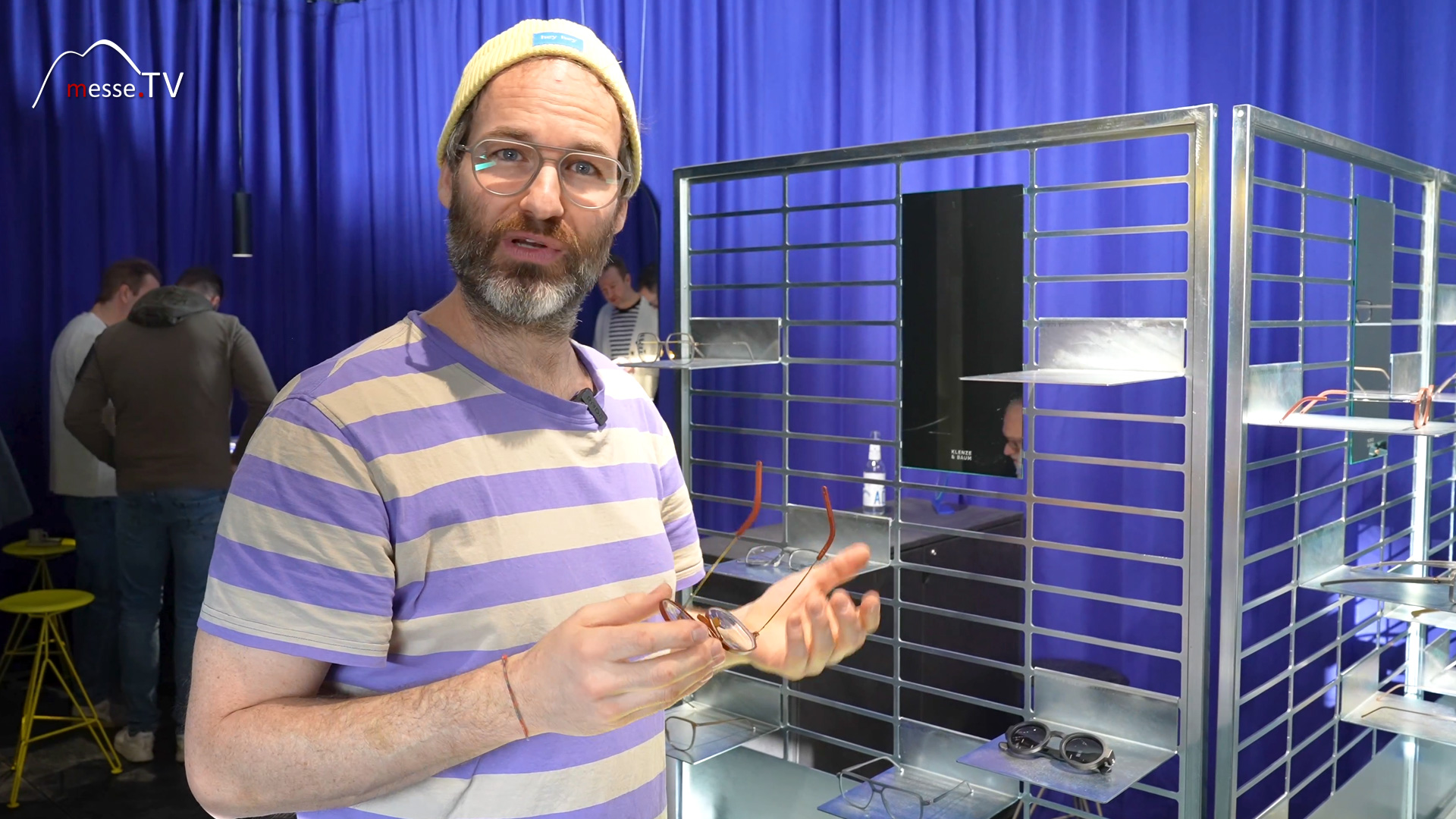
Ein weiterer Ansatz zeigt sich in der Asket Serie. Hier werden unterschiedliche Materialien kombiniert, um spezifische Eigenschaften zu nutzen. Titan sorgt für Stabilität und Langlebigkeit, während der 3D-Druck aus Polyamid Flexibilität und Formfreiheit ermöglicht. Die Konstruktion ist darauf ausgelegt, den Anforderungen im Optikeralltag gerecht zu werden. Bügel lassen sich kürzen, Nasenpads exakt einstellen und Winkel präzise nachjustieren. Diese Anpassungsmöglichkeiten erleichtern die Arbeit im Geschäft und ermöglichen eine genaue Abstimmung auf den Kunden. Gleichzeitig bleibt die Brille robust. Die Kombination der Materialien führt zu einer Struktur, die sowohl flexibel als auch widerstandsfähig ist.
Entwicklung individualisierter Brillen im Optiker Alltag
Die beschriebenen Lösungen stehen exemplarisch für eine Entwicklung, die den Optikmarkt zunehmend prägt. Individualisierung wird zum zentralen Thema, während standardisierte Produkte an Bedeutung verlieren. Kunden erwarten eine Brille, die nicht nur optisch, sondern auch funktional exakt auf sie abgestimmt ist. Für Optiker verändert sich damit die Rolle. Beratung wird stärker technisch geprägt, gleichzeitig steigt die Bedeutung von Messdaten und Konfigurationsmöglichkeiten. Systeme, die diese Prozesse unterstützen, werden zum integralen Bestandteil des Geschäfts. Die Kombination aus 3D-Druck, präziser Messung und modularer Konstruktion zeigt, wie sich Brillenfertigung neu denken lässt. Statt starrer Produktlinien entstehen flexible Lösungen, die sich an unterschiedliche Anforderungen anpassen lassen – und damit einen neuen Standard im Umgang mit individueller Sehhilfe setzen.
Messe-Berichterstattung bundesweit - Messewissen, Termine & Veranstaltungen


