Optiker Versorgung mit Refraktion und Sportbrillen System
von Franziska Zuber - 2024-02-02Die Arbeit im Augenoptikbetrieb hat sich in den vergangenen Jahren deutlich verändert. Während früher einzelne Leistungen – etwa die Refraktion oder die Fertigung von Brillen – oft getrennt organisiert waren, wächst heute der Bedarf nach integrierten Lösungen.
Der Alltag im Geschäft verlangt nach Systemen, die Messung, Beratung und Produktversorgung miteinander verbinden. Genau in diesem Spannungsfeld bewegen sich Anbieter, die nicht nur einzelne Produkte liefern, sondern komplette Prozessketten abdecken. Dabei geht es weniger um spektakuläre Einzelinnovationen als um die Kombination bestehender Bausteine. Entscheidend ist, wie nahtlos sich Geräte, Gläser, Fassungen und Werkstattbedarf in den täglichen Ablauf integrieren lassen. Für viele Betriebe wird diese Bündelung zunehmend zum wirtschaftlichen Faktor.
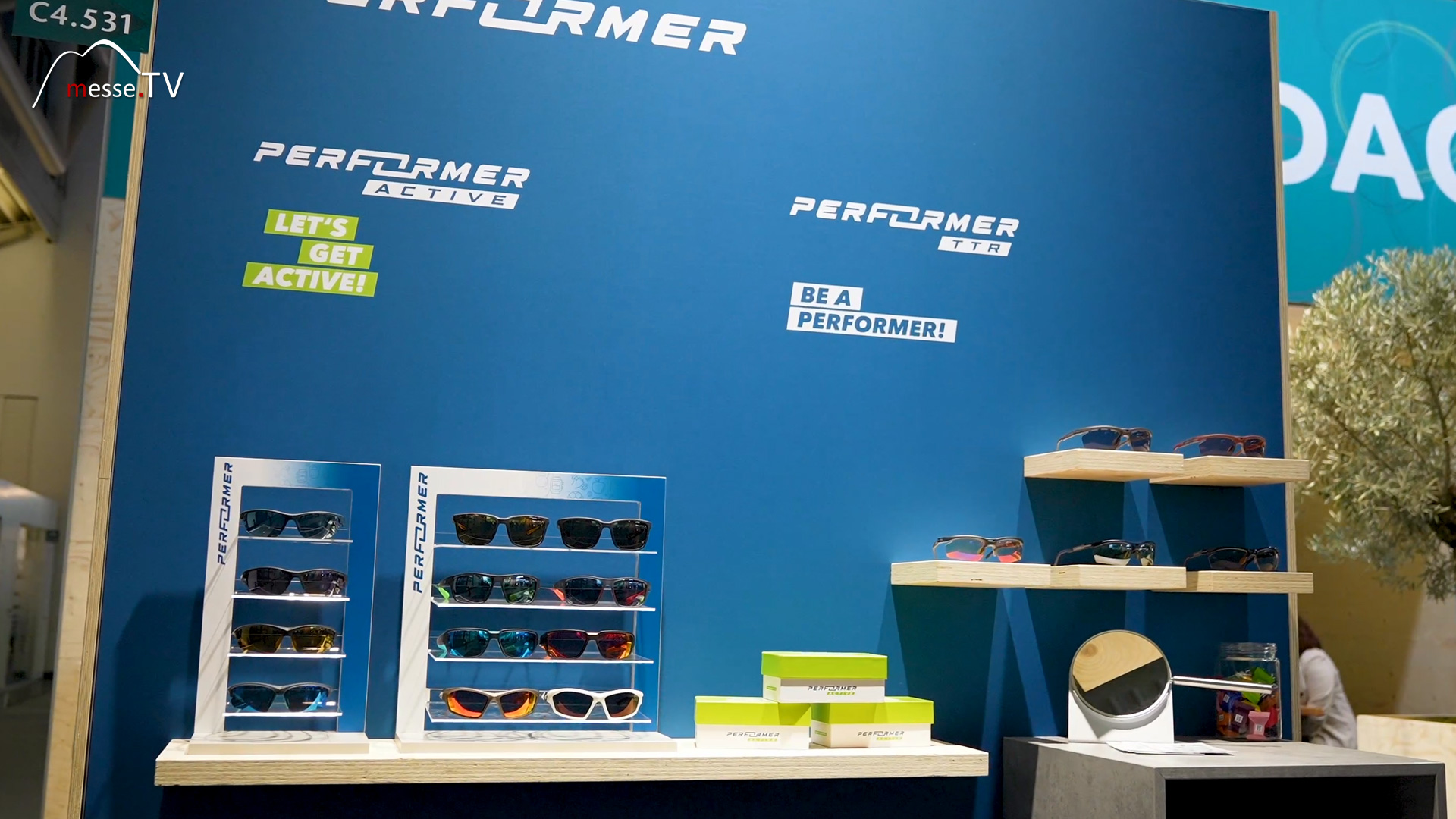

Dao kombiniert Refraktion Geräte und Optiker Bedarf
Der Ansatz von Dao folgt genau dieser Logik. Statt sich auf einzelne Produktgruppen zu konzentrieren, deckt das Unternehmen ein breites Spektrum ab. Dazu gehören Brillengläser, Geräte für Refraktion und Screening, Schleifautomaten sowie Fassungen und Zubehör für den Werkstattbetrieb. Diese Breite ist nicht selbstverständlich. Viele Anbieter spezialisieren sich bewusst auf Teilbereiche, etwa ausschließlich auf Gläser oder auf Messtechnik. Dao setzt dagegen auf eine Komplettversorgung, die Optiker in mehreren Prozessschritten unterstützt. Für Betriebe bedeutet das kürzere Abstimmungswege und eine geringere Komplexität im Einkauf. Gleichzeitig bleibt die Struktur überschaubar. Das Unternehmen ist inhabergeführt und arbeitet stark regional, ohne in einen größeren Konzern eingebunden zu sein. Diese Positionierung beeinflusst auch die Art der Zusammenarbeit, die stärker auf direkte Beziehungen und langfristige Partnerschaften ausgelegt ist.
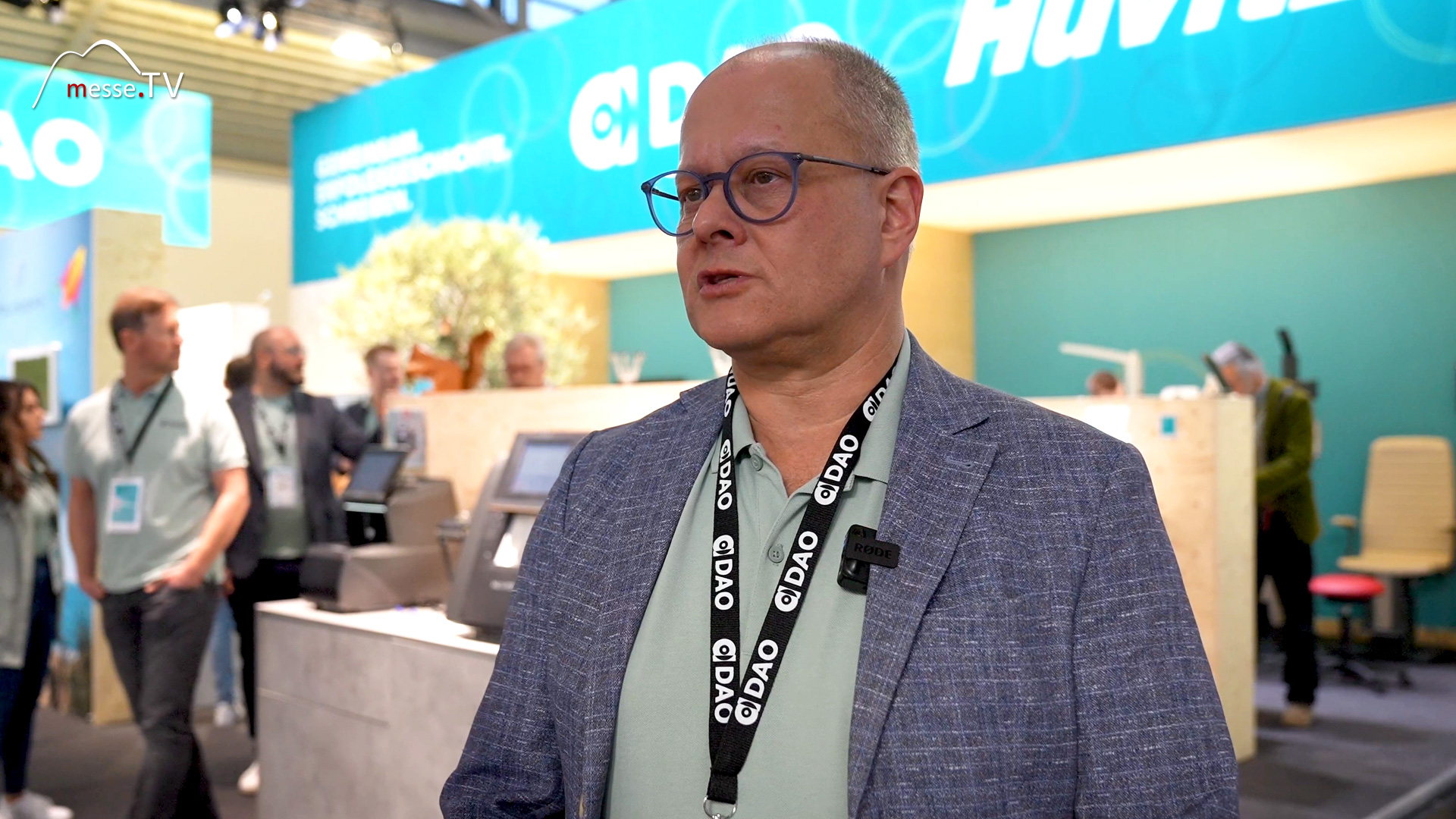
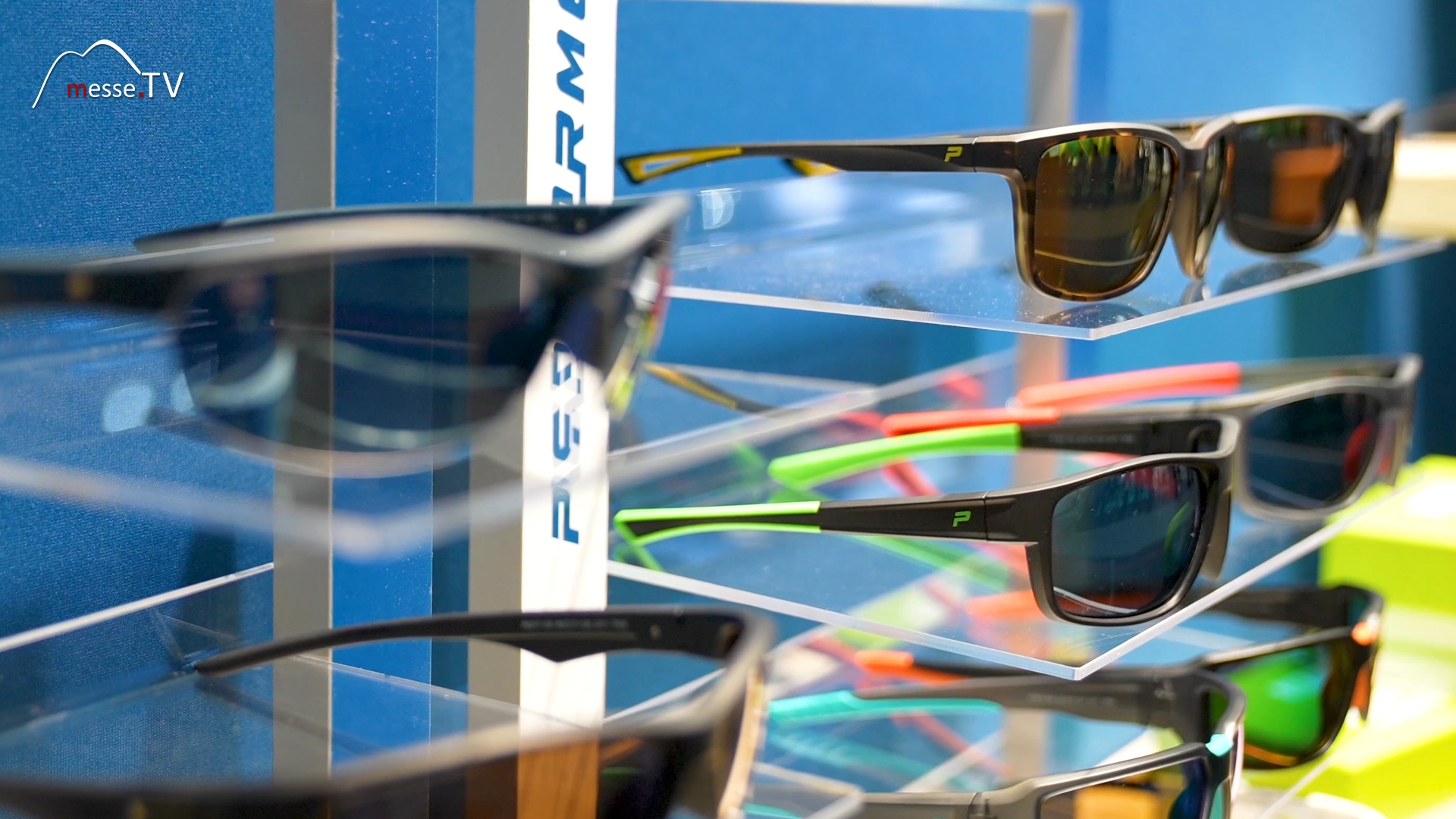
Polaskop2 Erlebnisrefraktion mit 3D Messung und offenen Augen
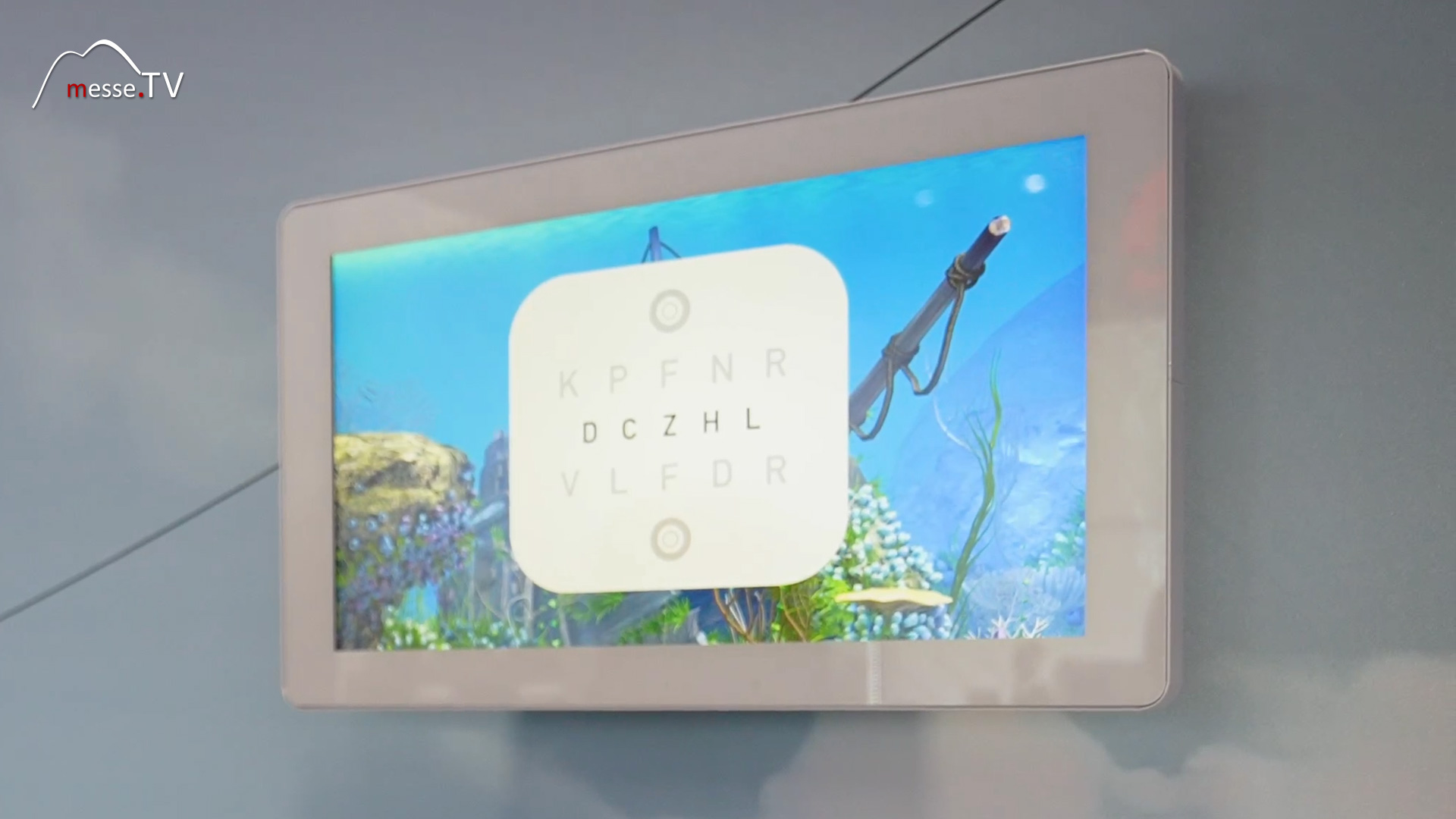
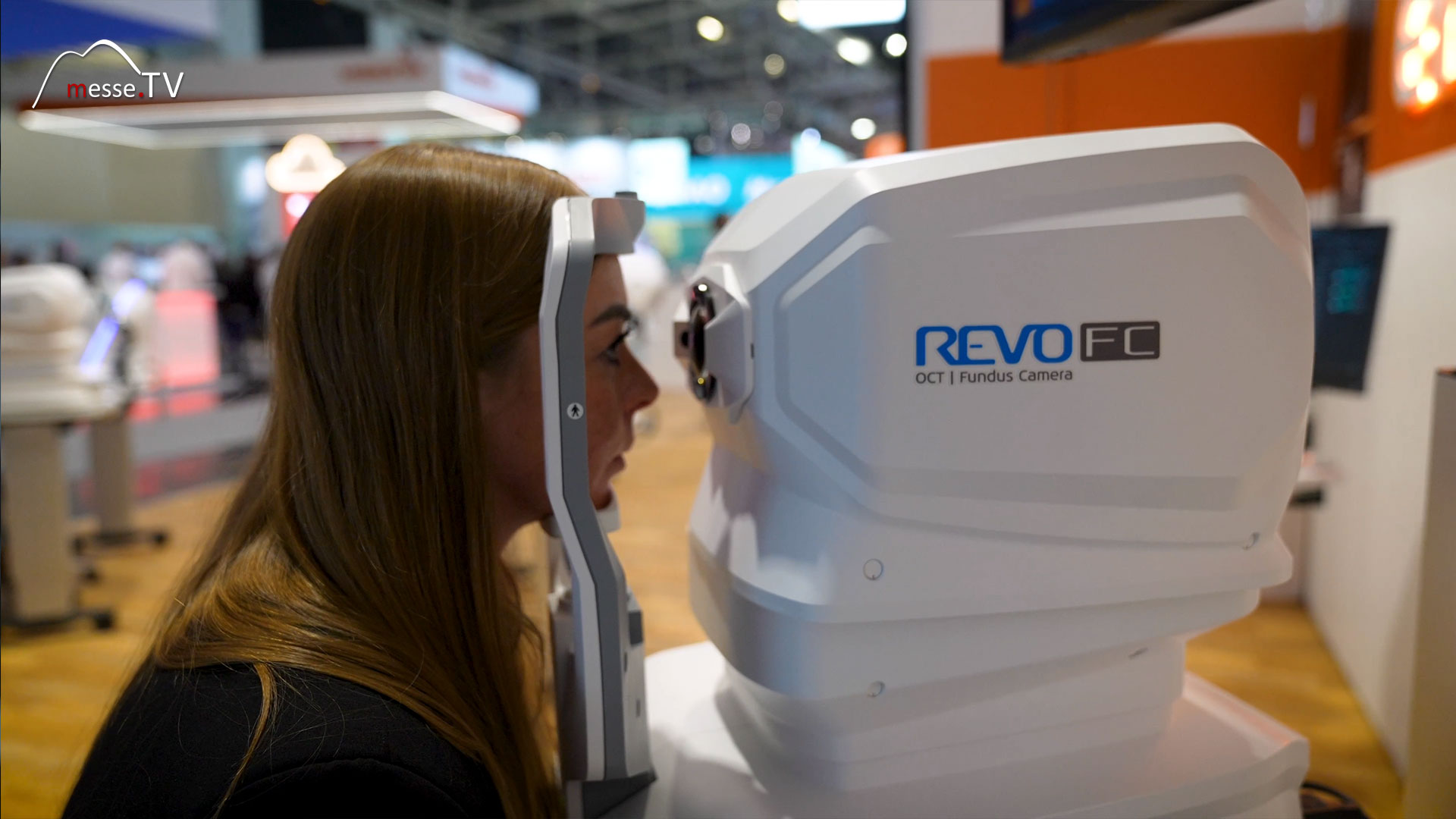
Ein zentrales Element im Portfolio ist das Refraktionssystem Polaskop2. Es steht für eine Weiterentwicklung klassischer Messverfahren und setzt auf eine sogenannte Erlebnisrefraktion. Gemeint ist damit eine Messsituation, die näher an realen Sehbedingungen liegt. Technisch bedeutet das vor allem eine 3D-basierte Refraktion, bei der beide Augen geöffnet bleiben können. Das unterscheidet sich von vielen traditionellen Verfahren, bei denen jeweils ein Auge abgedeckt wird. Die gleichzeitige Nutzung beider Augen erlaubt eine natürlichere Wahrnehmung und kann insbesondere bei komplexeren Sehfehlern zu präziseren Ergebnissen führen. Hinzu kommt die Möglichkeit, Messungen unter unterschiedlichen Lichtbedingungen durchzuführen. Tag- und Nachtsituationen lassen sich simulieren, wodurch sich das Sehverhalten in verschiedenen Alltagsszenarien besser erfassen lässt. Für den Endkunden entsteht dadurch ein höherer Komfort während der Messung. Das System baut auf einem Vorgängermodell auf, das bereits in vielen Betrieben im Einsatz ist. Mehr als 2.500 Optiker haben damit gearbeitet, was eine gewisse Marktdurchdringung zeigt. Das Nachfolgemodell erweitert diese Basis um zusätzliche Funktionen, ohne das Grundprinzip zu verändern.

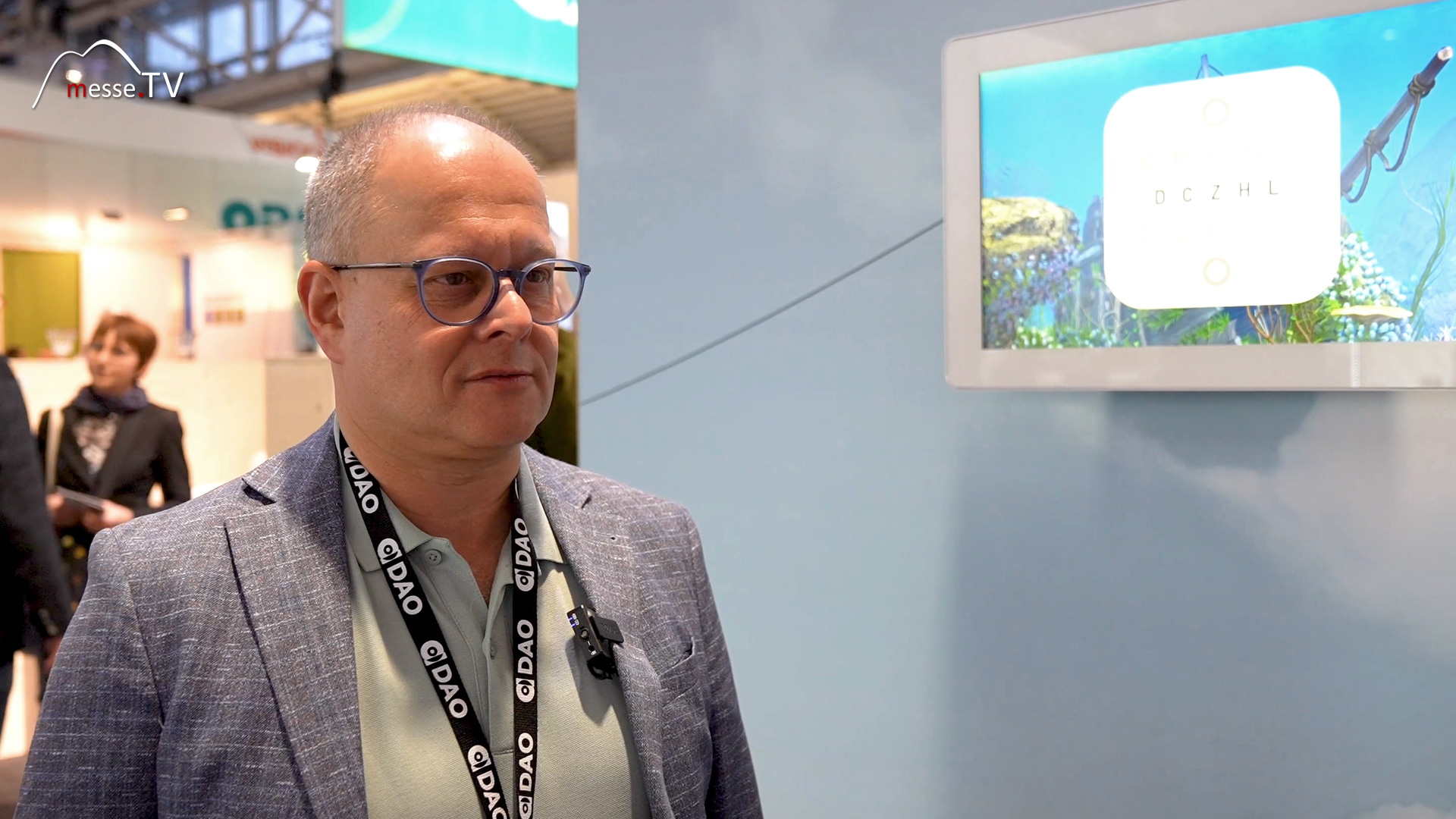
Performer Sportbrillen Kollektion mit individueller Verglasung
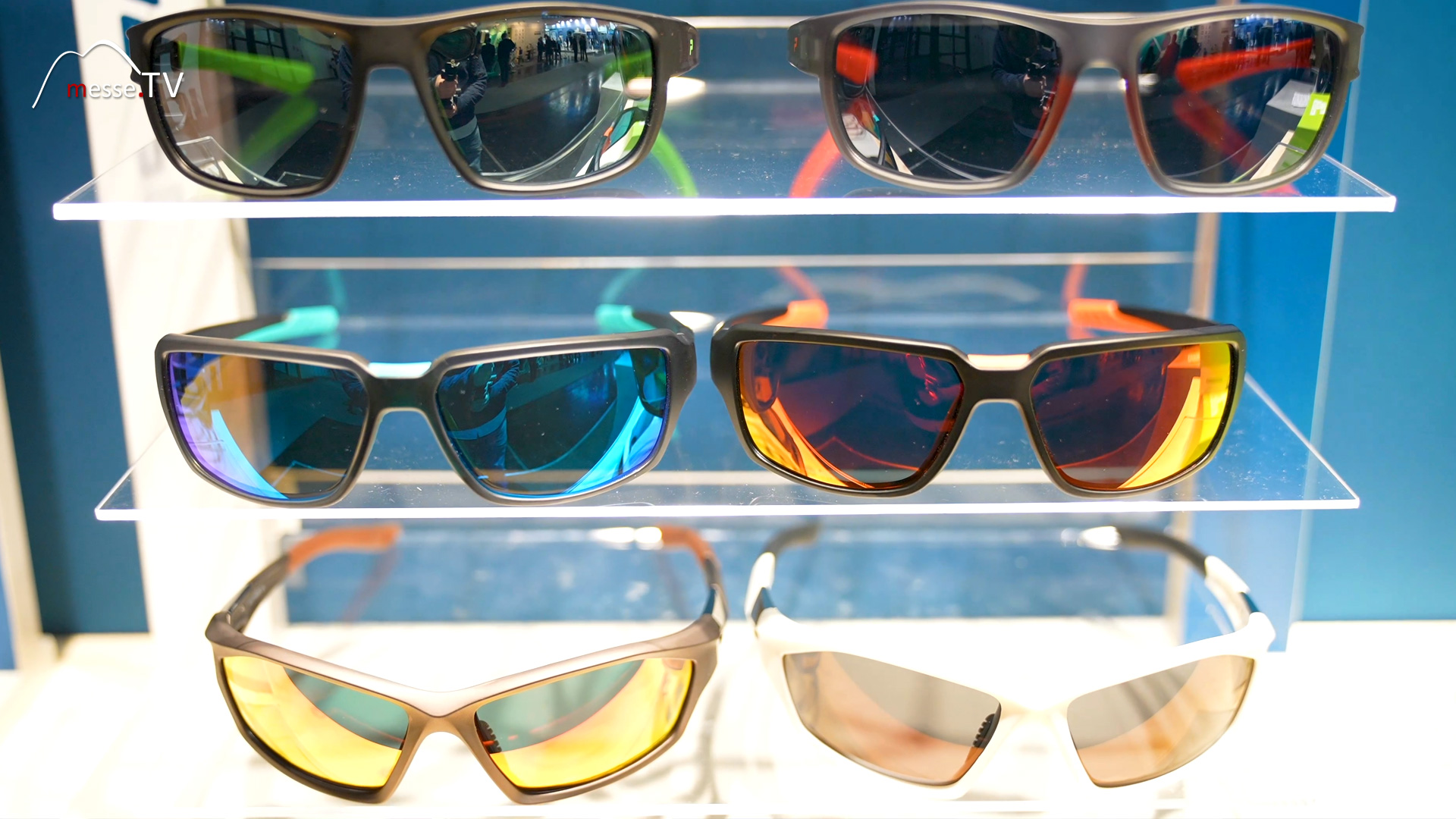
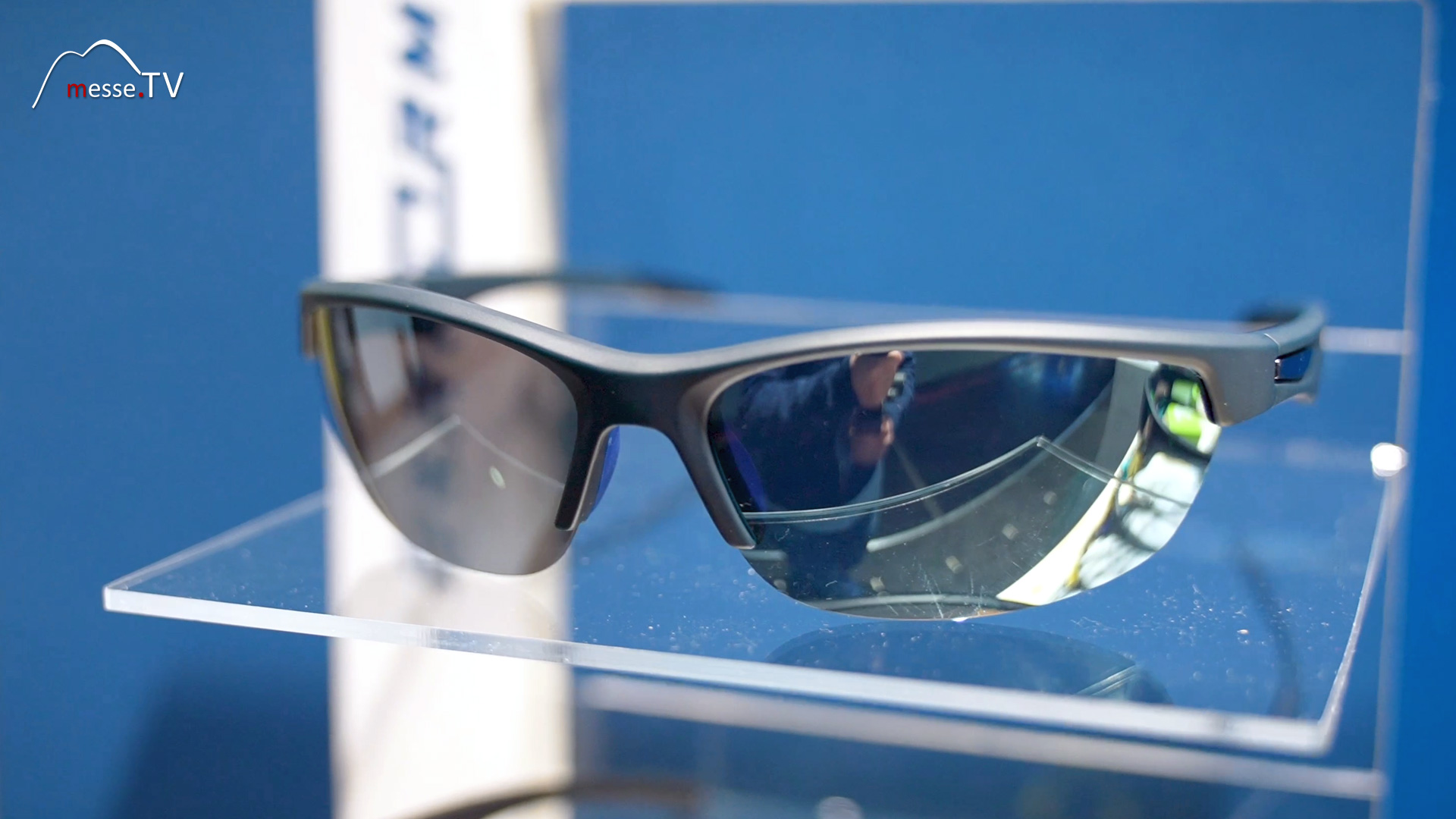
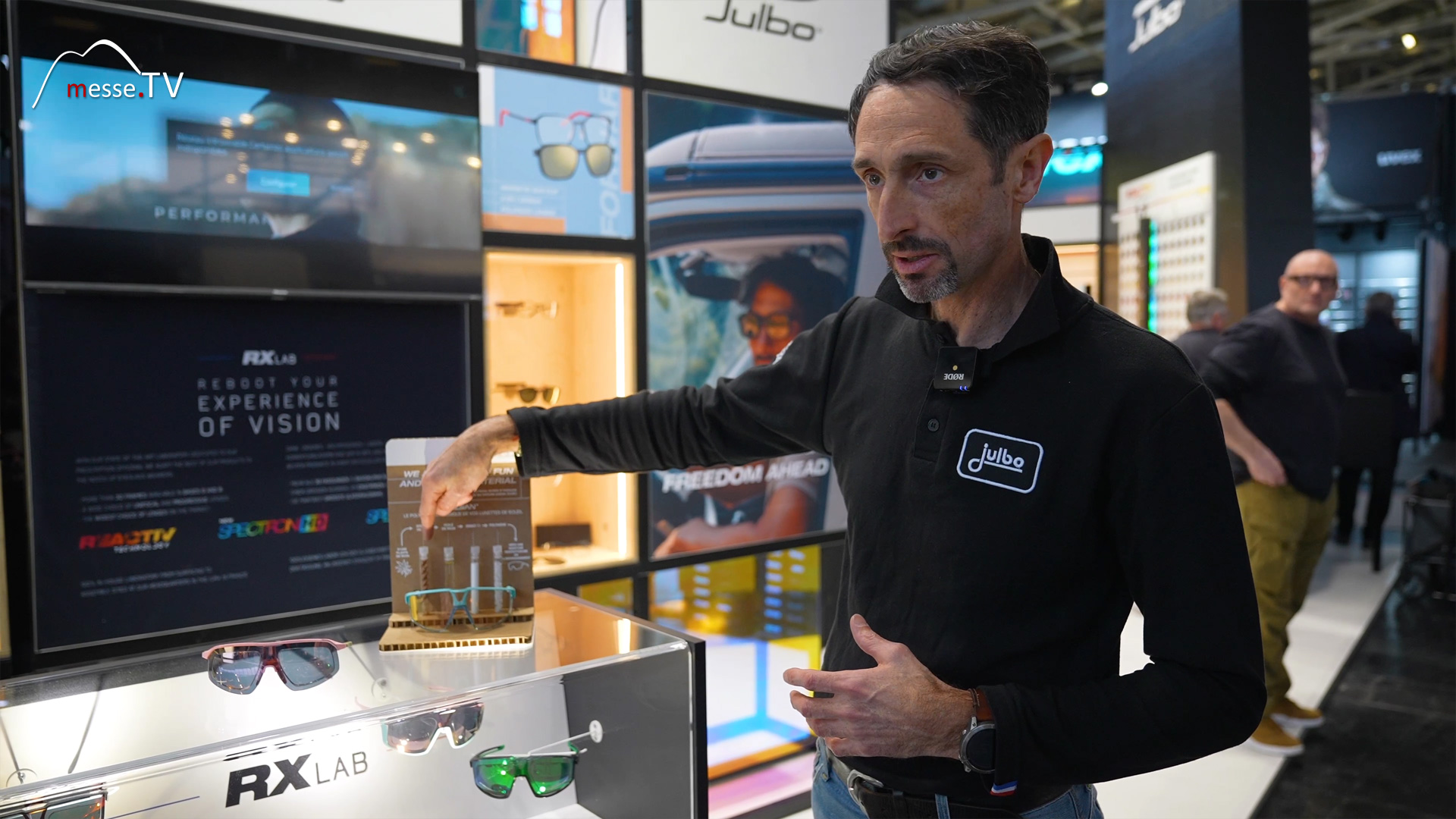
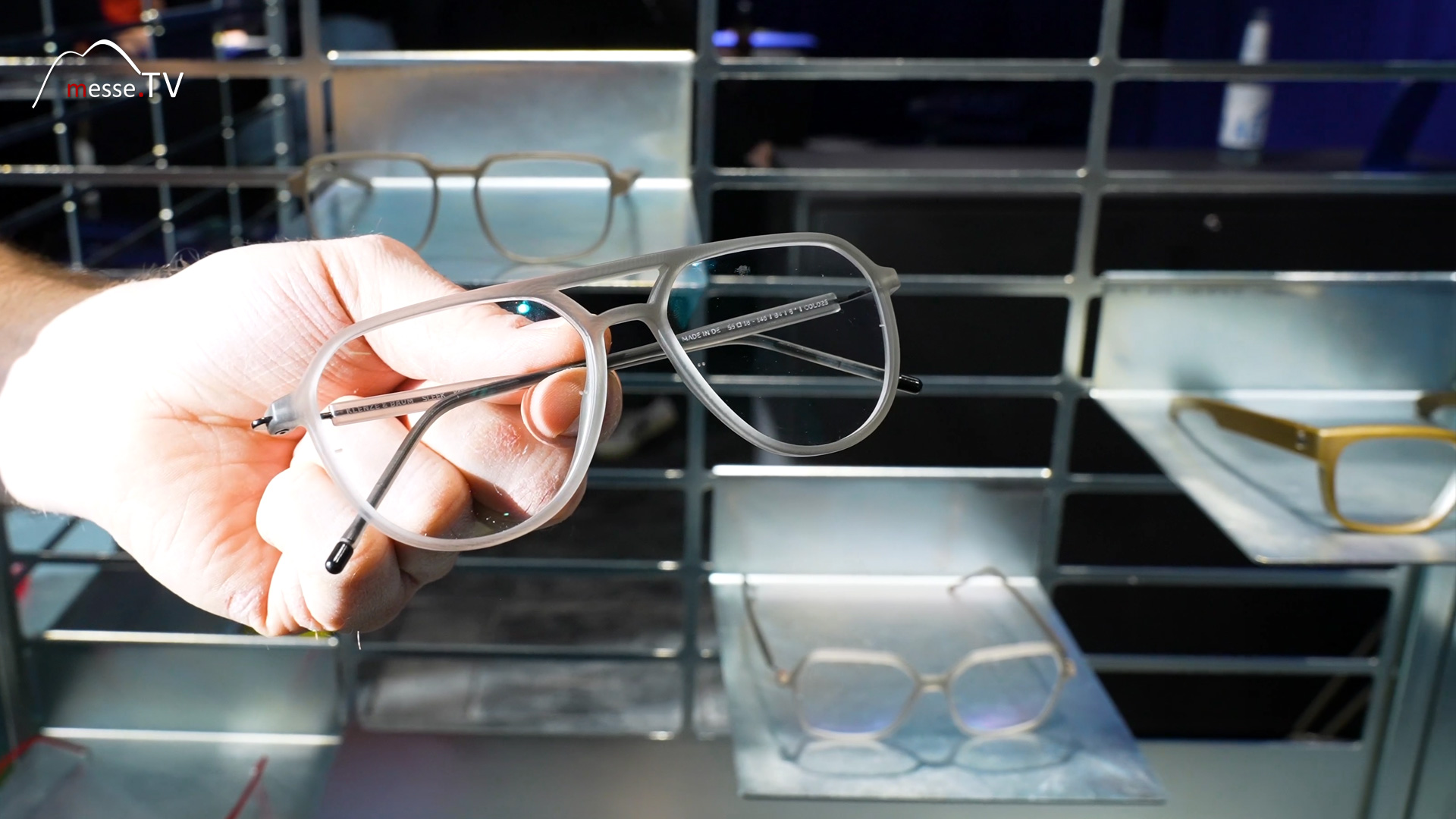
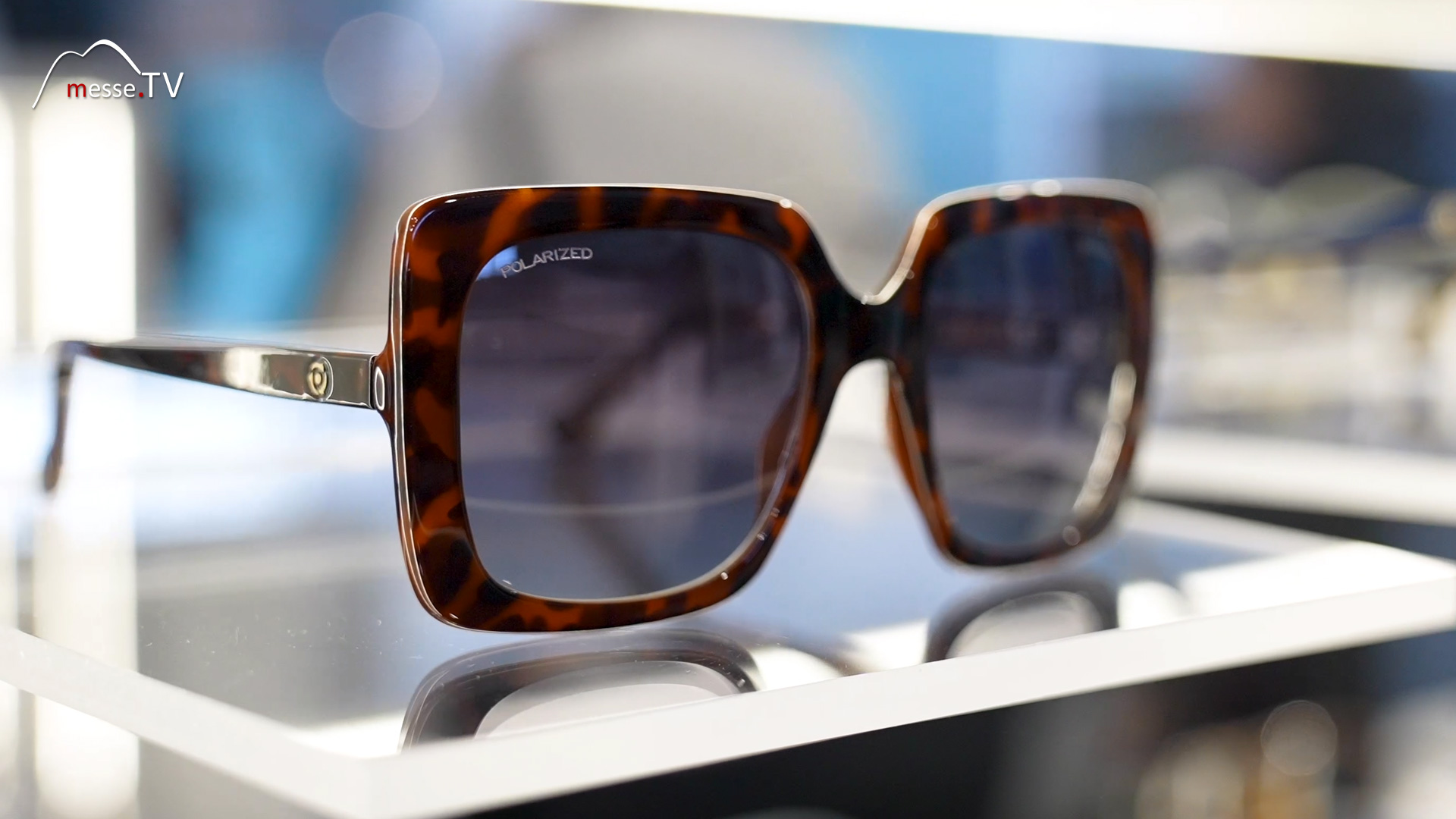
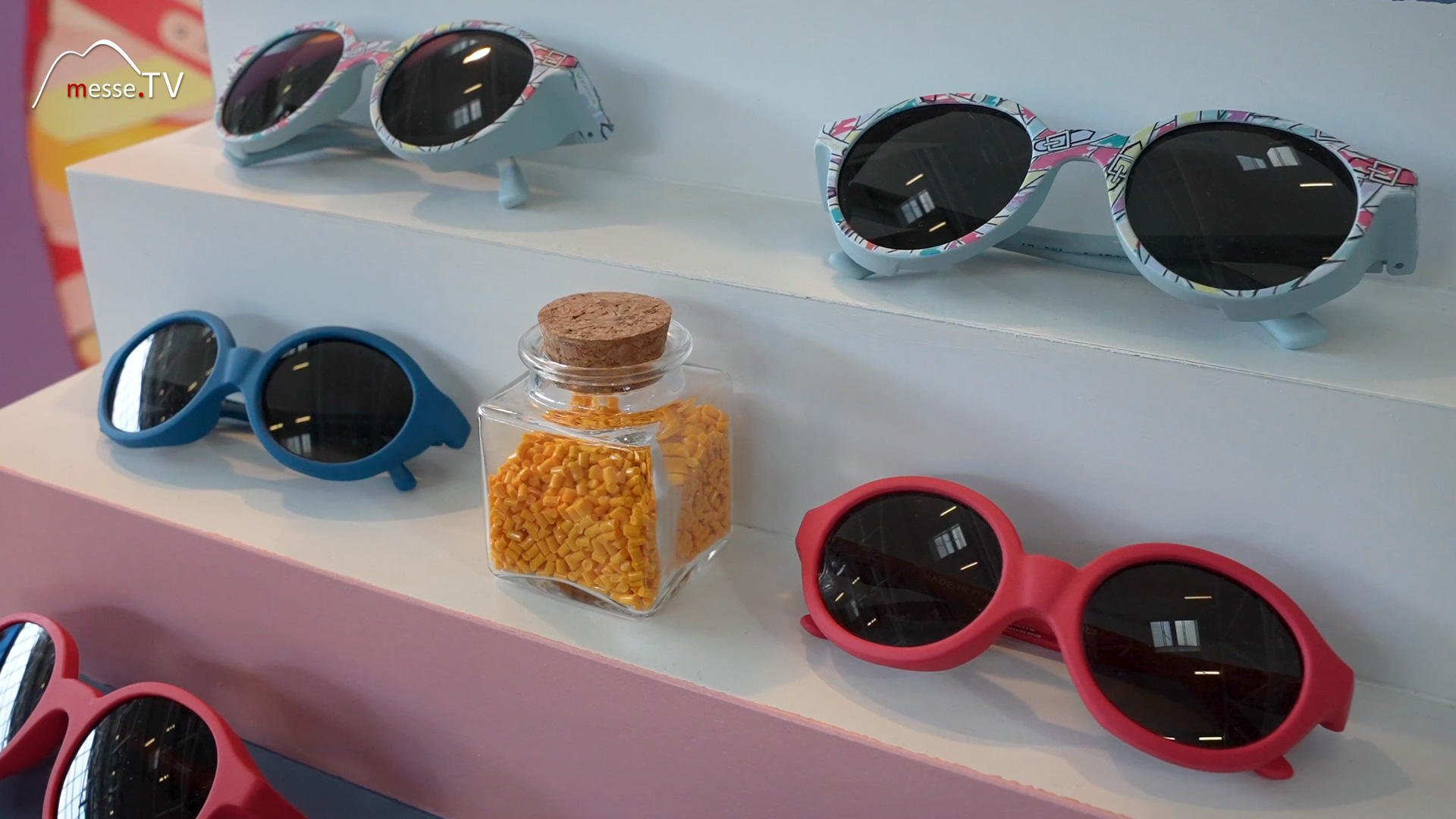
Neben der Messtechnik spielt auch das Produktangebot eine zentrale Rolle. Mit der Performer-Kollektion setzt Dao auf Sportbrillen, die sowohl als fertige Fassung als auch als individuell angepasste Sehhilfe angeboten werden. Der entscheidende Punkt liegt im Bestellprozess. Die Fassungen werden zunächst beim Optiker vorgehalten. Erst bei Bedarf wird die individuelle Verglasung beauftragt. Das Unternehmen übernimmt anschließend die Fertigung und liefert die fertige Brille zurück. Für den Betrieb reduziert sich damit der Aufwand in der Werkstatt. Die Bandbreite der Optionen ist dabei groß. Unterschiedliche Farben, Materialien und Oberflächen stehen zur Auswahl. Polarisierende Gläser, Spiegelbeschichtungen oder klassische Varianten lassen sich kombinieren. Daraus ergeben sich zahlreiche Konfigurationsmöglichkeiten, die auf unterschiedliche sportliche Anforderungen zugeschnitten sind.
- individuelle Glasstärken nach Bestellung
- verschiedene Materialien und Farbvarianten
- Optionen wie Polarisierung oder Spiegelbeschichtung
- Kombination aus Lagerhaltung und bedarfsgerechter Fertigung
Integration von Geräten Fassungen und Werkstattbedarf
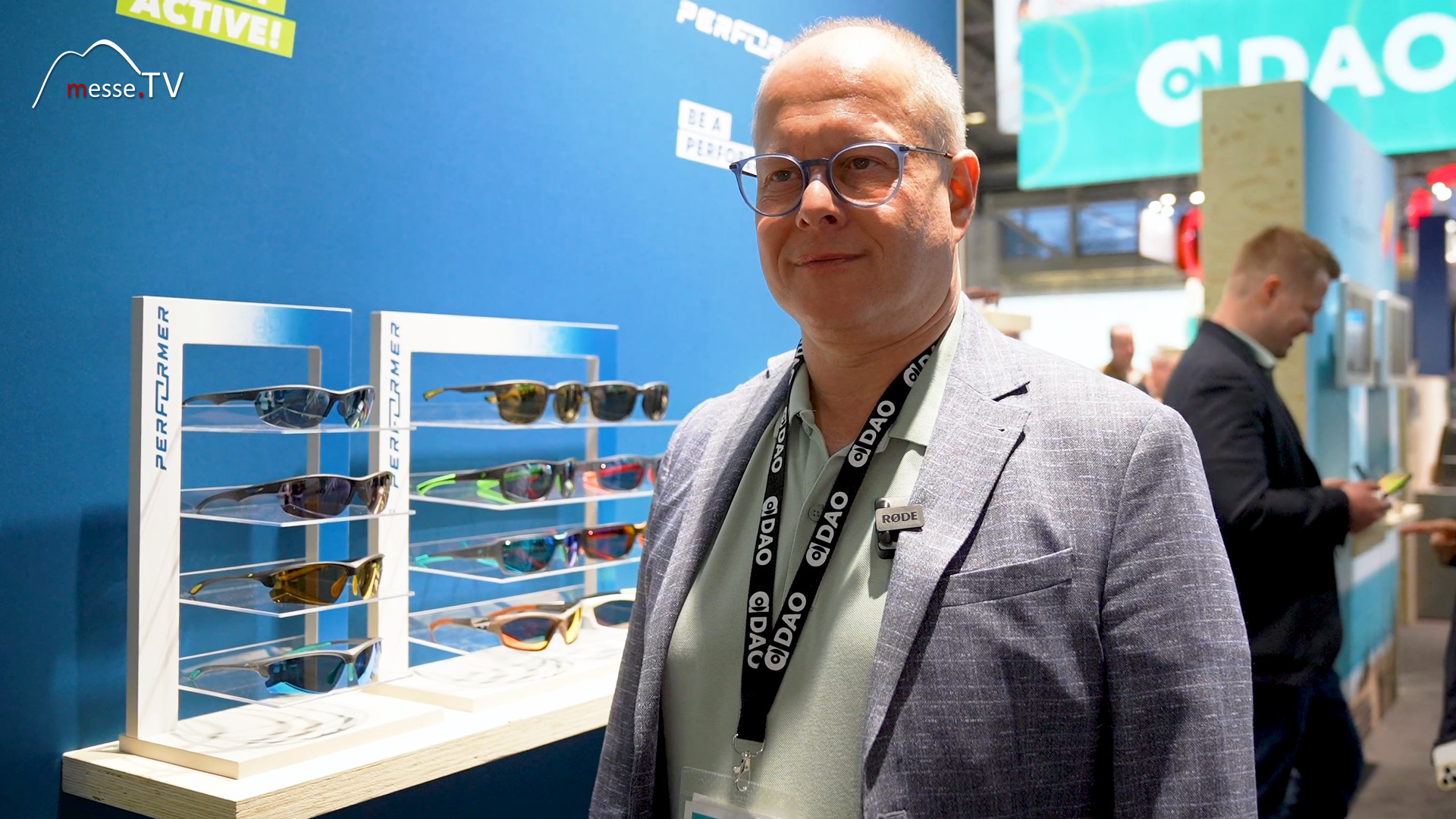
Die eigentliche Stärke des Konzepts zeigt sich im Zusammenspiel der einzelnen Komponenten. Geräte für die Refraktion liefern die Grundlage für die Bestimmung der Sehwerte. Fassungen und Gläser bilden die Basis für das Produkt. Ergänzend kommen Schleifautomaten und Zubehör für die Werkstatt hinzu. In der Praxis bedeutet das, dass mehrere Schritte innerhalb eines Systems abgebildet werden können. Der Weg von der Messung bis zur fertigen Brille lässt sich strukturierter organisieren. Gleichzeitig entstehen weniger Schnittstellen zwischen unterschiedlichen Anbietern. Für kleinere Betriebe kann dieser Ansatz besonders relevant sein. Sie profitieren von einer klareren Struktur und reduzieren den Koordinationsaufwand. Größere Unternehmen wiederum nutzen die Bündelung, um Prozesse zu standardisieren.
Rolle integrierter Systeme im Optiker Alltag
Die Entwicklung hin zu integrierten Lösungen ist kein isoliertes Phänomen. Sie spiegelt eine breitere Veränderung im Markt wider. Steigende Anforderungen an Beratung, Produktvielfalt und Service führen dazu, dass Prozesse effizienter gestaltet werden müssen. Gleichzeitig wächst der Anspruch der Kunden. Sehtests sollen komfortabler ablaufen, Produkte individueller sein und die Auswahl transparenter. Systeme wie das Polaskop2 oder modulare Sportbrillenkonzepte reagieren auf diese Erwartungen. Der Trend geht dabei nicht zwingend in Richtung vollständiger Automatisierung. Vielmehr entstehen hybride Modelle, in denen Technik unterstützend wirkt, während die fachliche Beratung weiterhin eine zentrale Rolle spielt. Optiker bleiben damit Entscheidungsträger im Prozess, erhalten aber Werkzeuge, die ihre Arbeit strukturieren. In diesem Kontext zeigt sich, dass nicht einzelne Produkte über den Erfolg entscheiden, sondern die Fähigkeit, unterschiedliche Elemente sinnvoll zu kombinieren. Anbieter, die diese Verbindung herstellen, prägen zunehmend die Entwicklung im Augenoptikmarkt.
Messe-Berichterstattung bundesweit - Messewissen, Termine & Veranstaltungen


