Boats between leisure, technology and responsibility on the water
Boats represent a special form of transport like no other means of transport. They combine technology and nature, deceleration and performance, individual freedom and clear rules. Whether on inland waters, lakes or coastal regions, boats have shaped people's relationship with water for centuries. Today, boats are less a work tool than a leisure and sporting object, but at the same time they are part of growing discussions about conflicts of use, environmental pollution and safety. Anyone involved with boats always finds themselves caught between personal experience and public space.
Contributions on the topic of boats on Messe.TV
DRAGONFLY 40 Sailboat performance cruiser
Dragonfly builds high-performance trimarans of the highest quality for cruising purposes. The trimarans can be folded, so they do not take up much space at the berth in the harbor. Sailboat performance cruiser - DRAGONFLY 40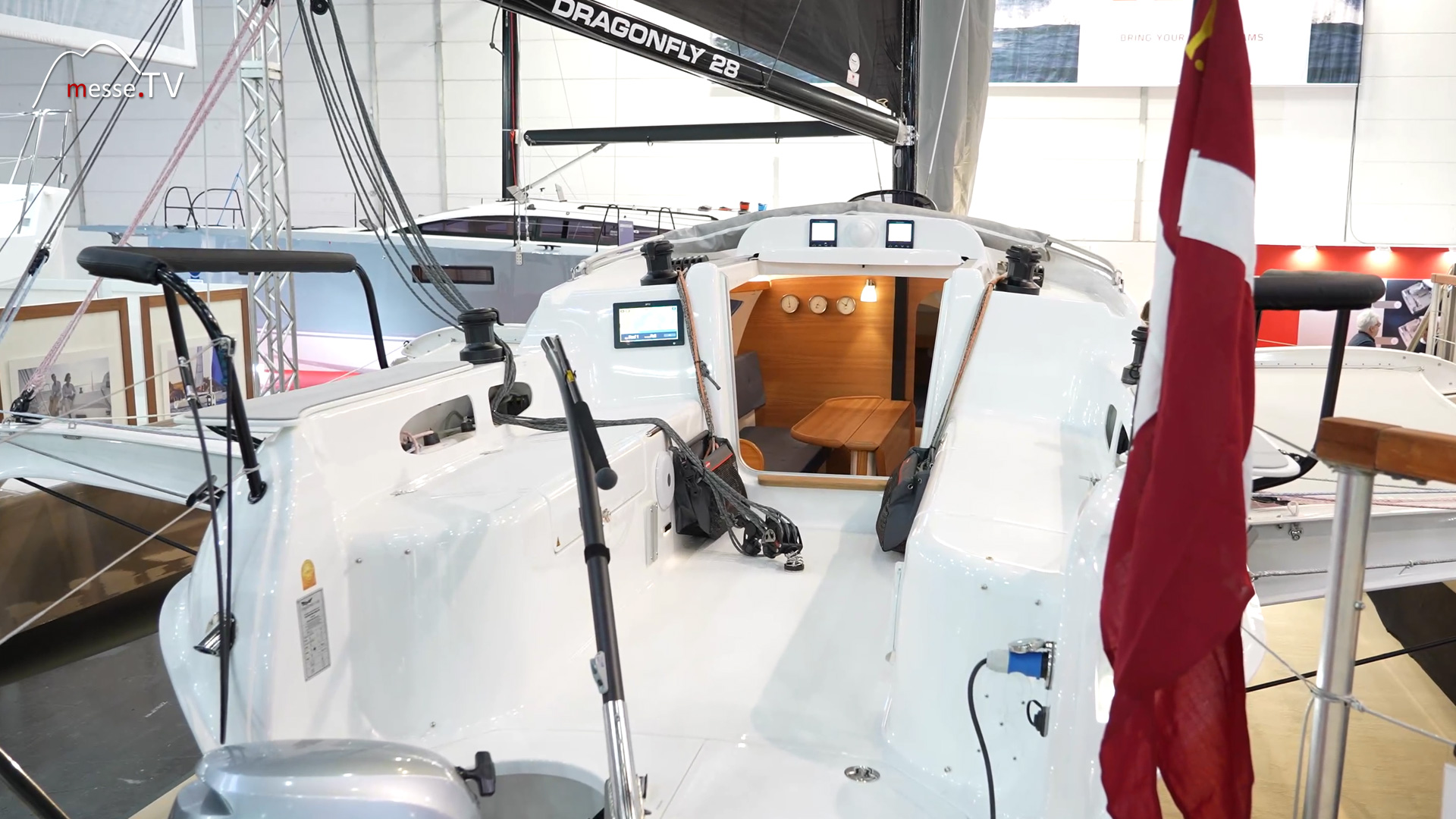
Sailing yachts by Hallberg-Rassy
At the Hallberg Rassy stand, the Hallberg Rassy 69 welcomes us to Düsseldorf as the largest sailing boat of the entire boot 2024. It is the largest and grandest boat ever built by ... Sailing yachts by Hallberg-Rassy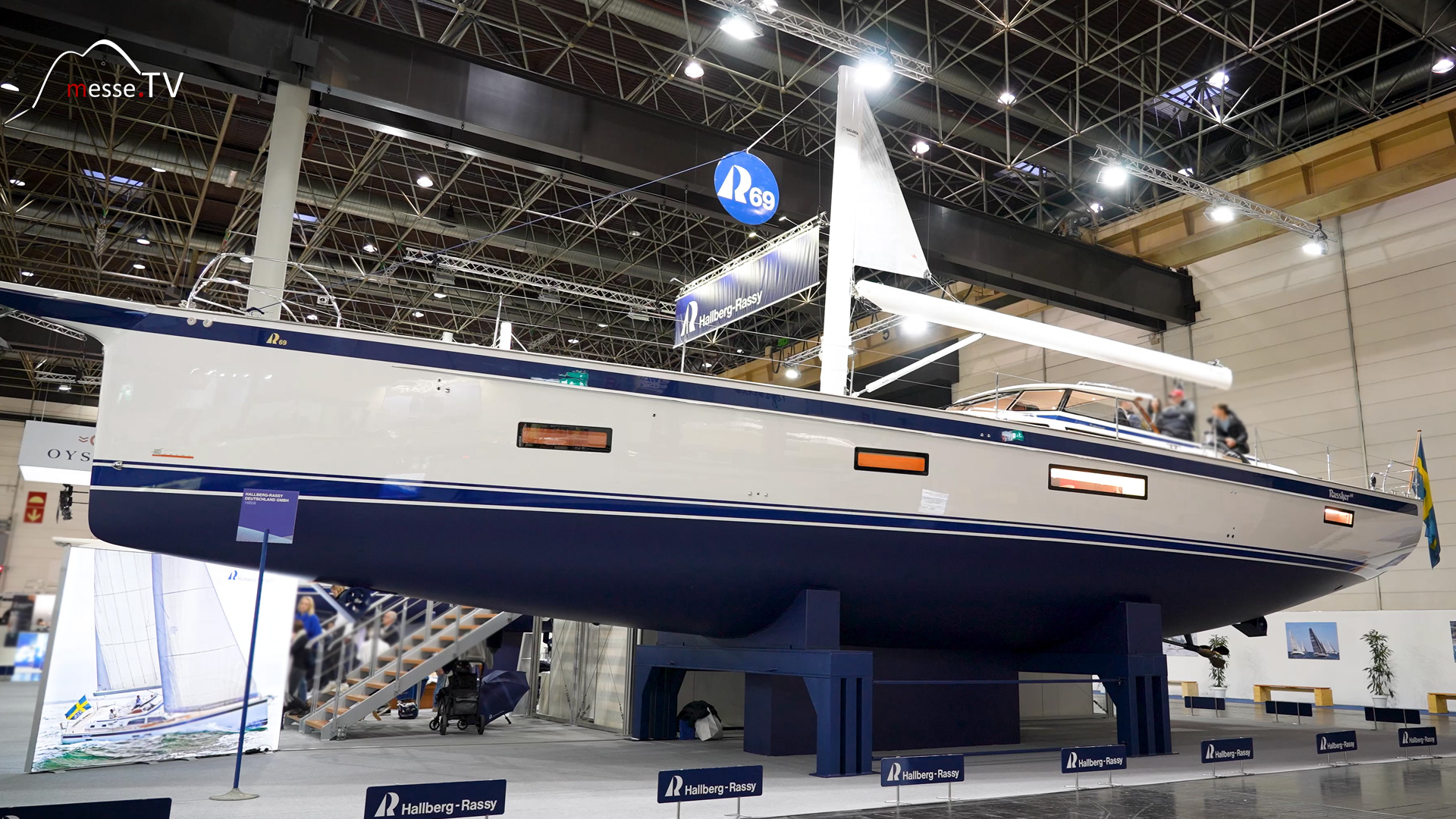
Boat and yacht building - BENTE YACHTS
Christian, head of Bente Yachts based on Lake Constance, will be presenting the Bente 24, 28 and 39 yacht range at the boot 24 trade fair stand. All of the boat builder's boats are... Boat and yacht building - BENTE YACHTS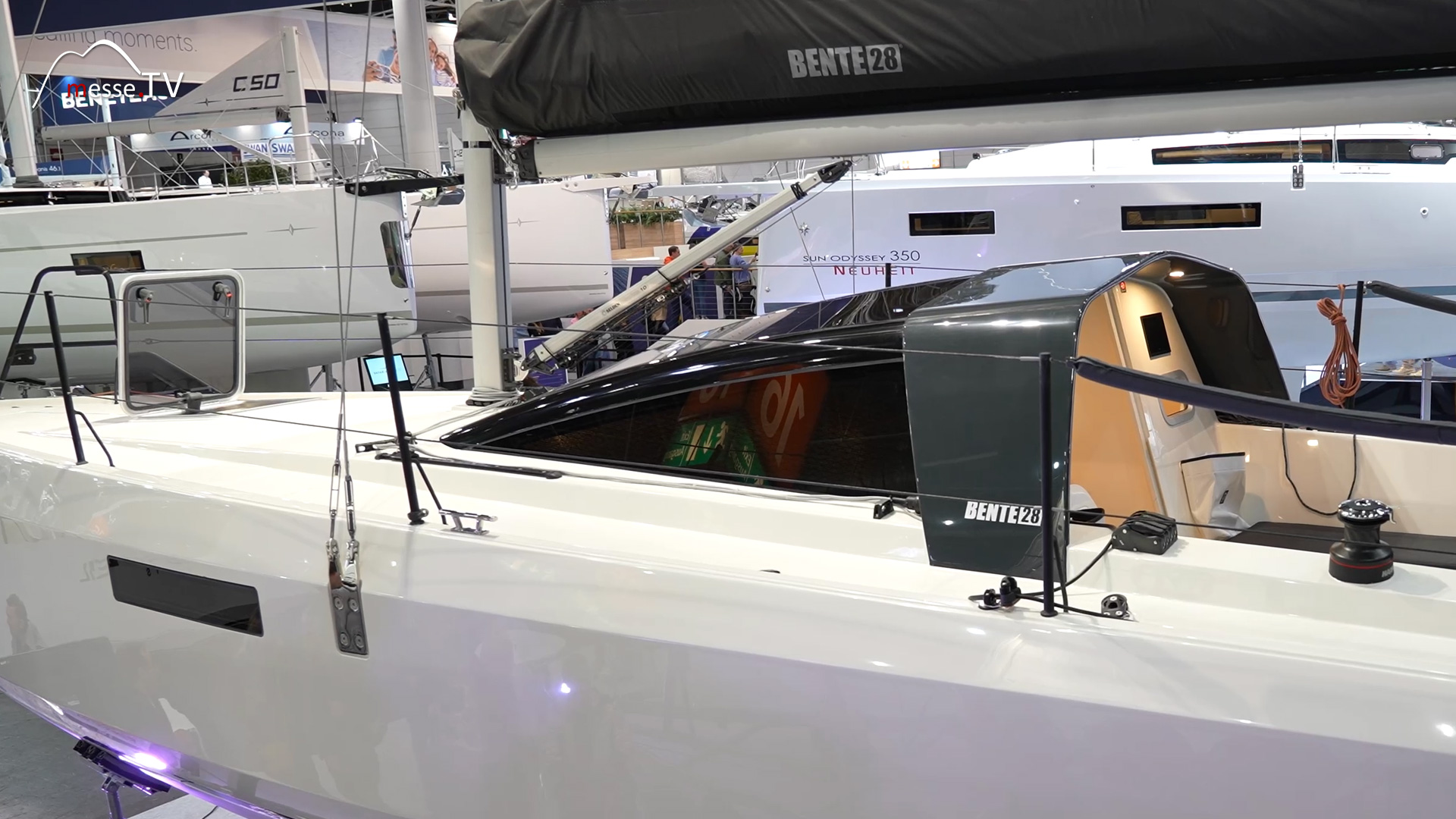
RM YACHTS Sailboat made of plywood and epoxy resin
RM Yachts builds boats from plywood. This unusual construction method does not reveal from the outside that it is a wooden boat. Everything above deck is made of wood, a unique pro... Sailboat made of plywood and epoxy resin - RM YACHTS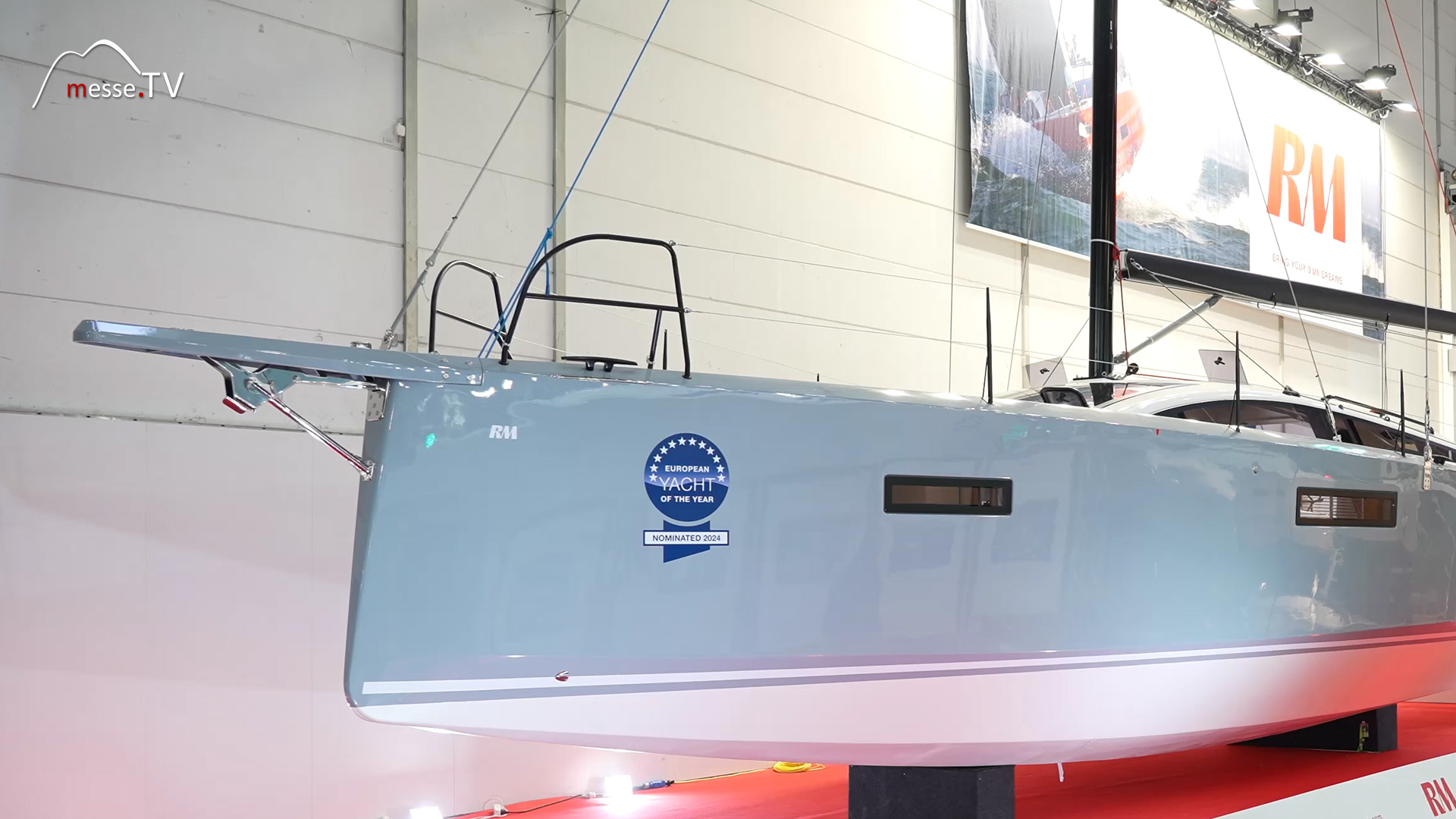
SAFFIER YACHTS Daysailer sailboats and more
Saffier Yachts is a manufacturer of first-class small sailing yachts. The company builds 160 boats a year with a focus on small sailing yachts suitable for day and weekend cruising... Daysailer sailboats and more - SAFFIER YACHTS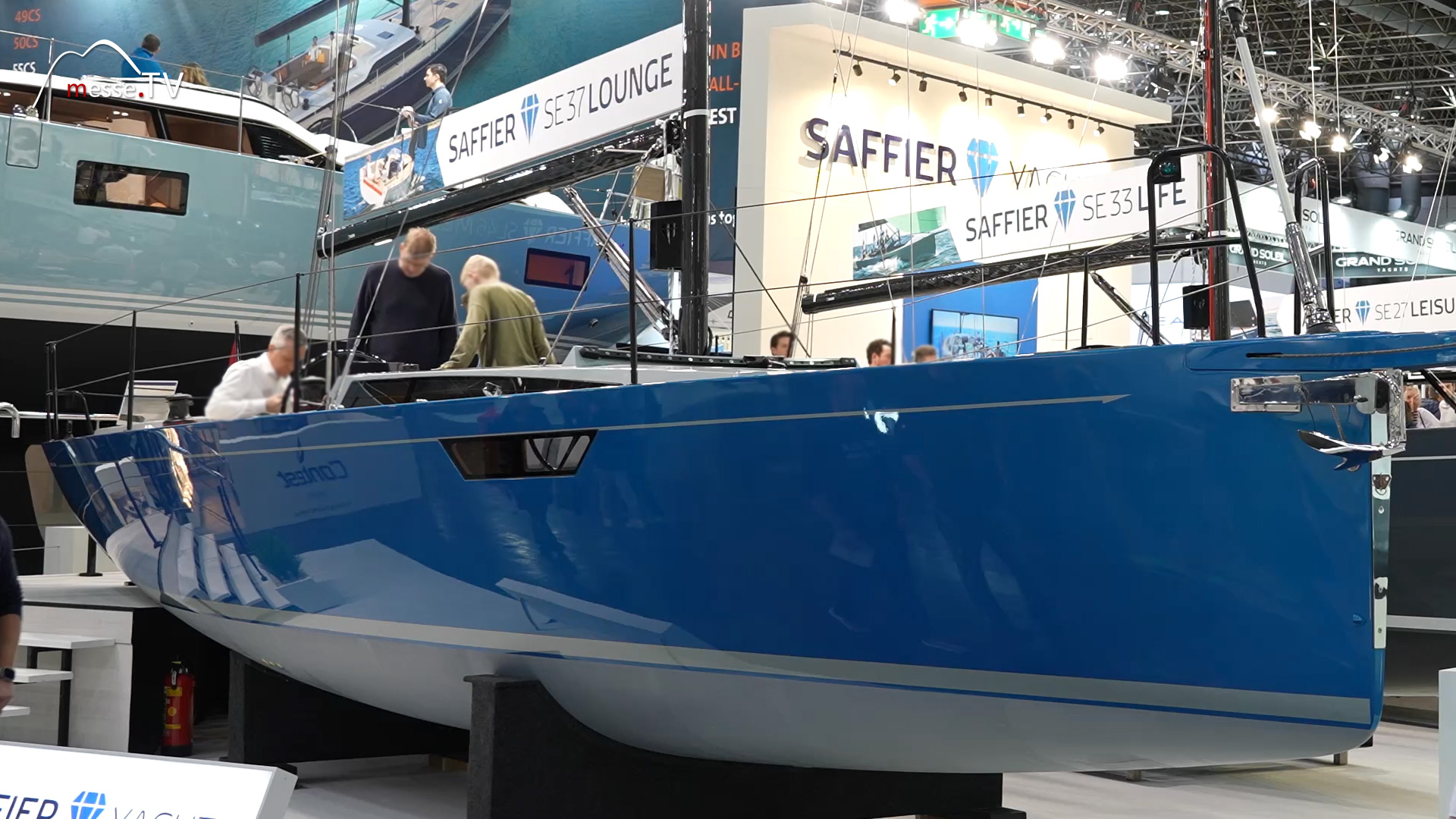
Long-term cruise yachts - SOLARIS
Solaris Yachts sind Spezialisten für Segelyachten auf höchster Qualitätsstufe. Die Produktionswerft steht für soliden Yachtbau in der Verbindung mit High-Tech. Wir lassen uns zeige... Long-term cruise yachts - SOLARIS YACHTS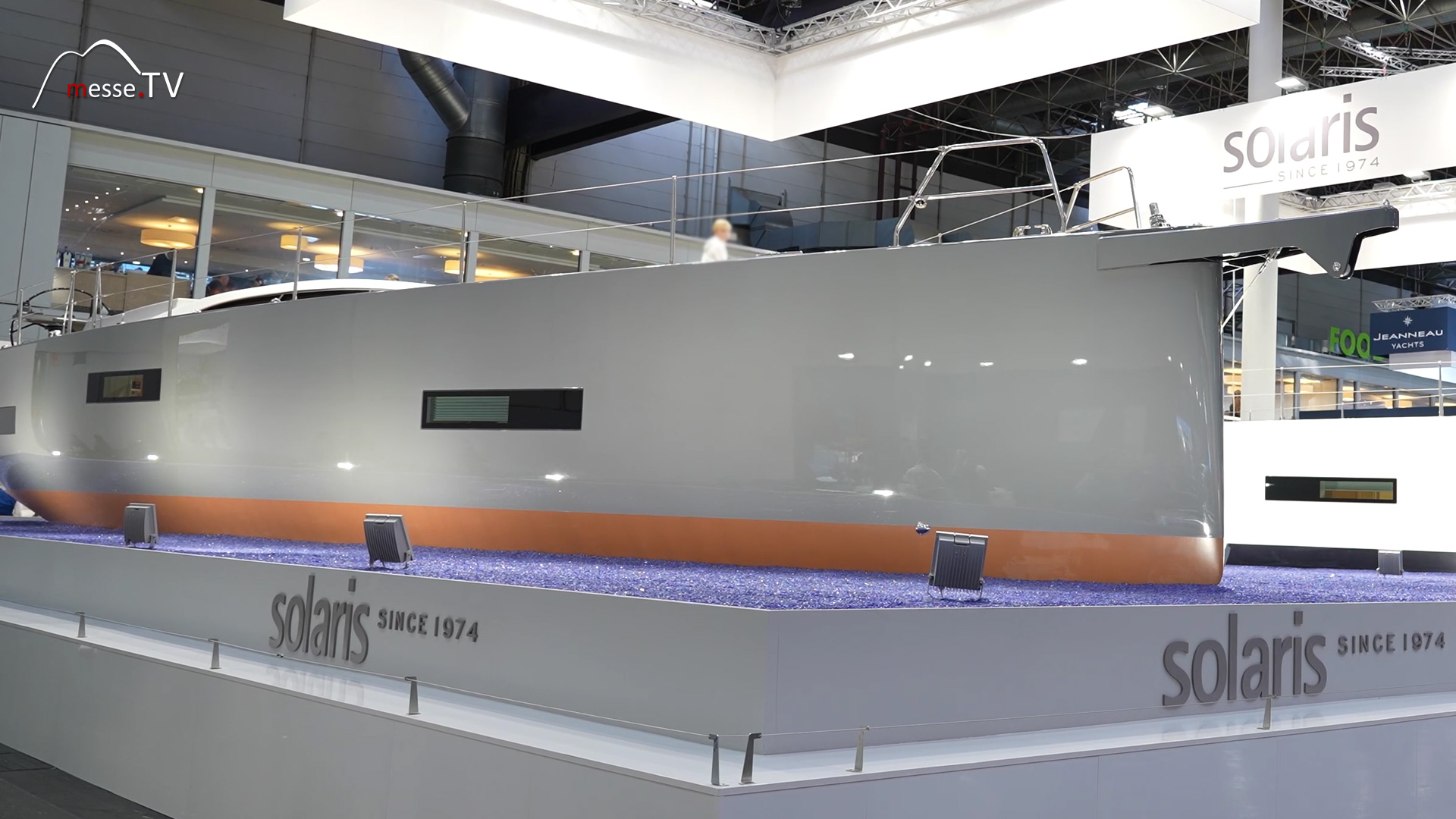

Weekender sailboat - SUNBEAM WATERSPORTS
The concept of the Austrian boat builder Sunbeam is weekenders or daysailers plus. Sunbeam does not build touring boats, but neither does it build pure daysailers. The company buil... Weekender sailboat - SUNBEAM WATERSPORTS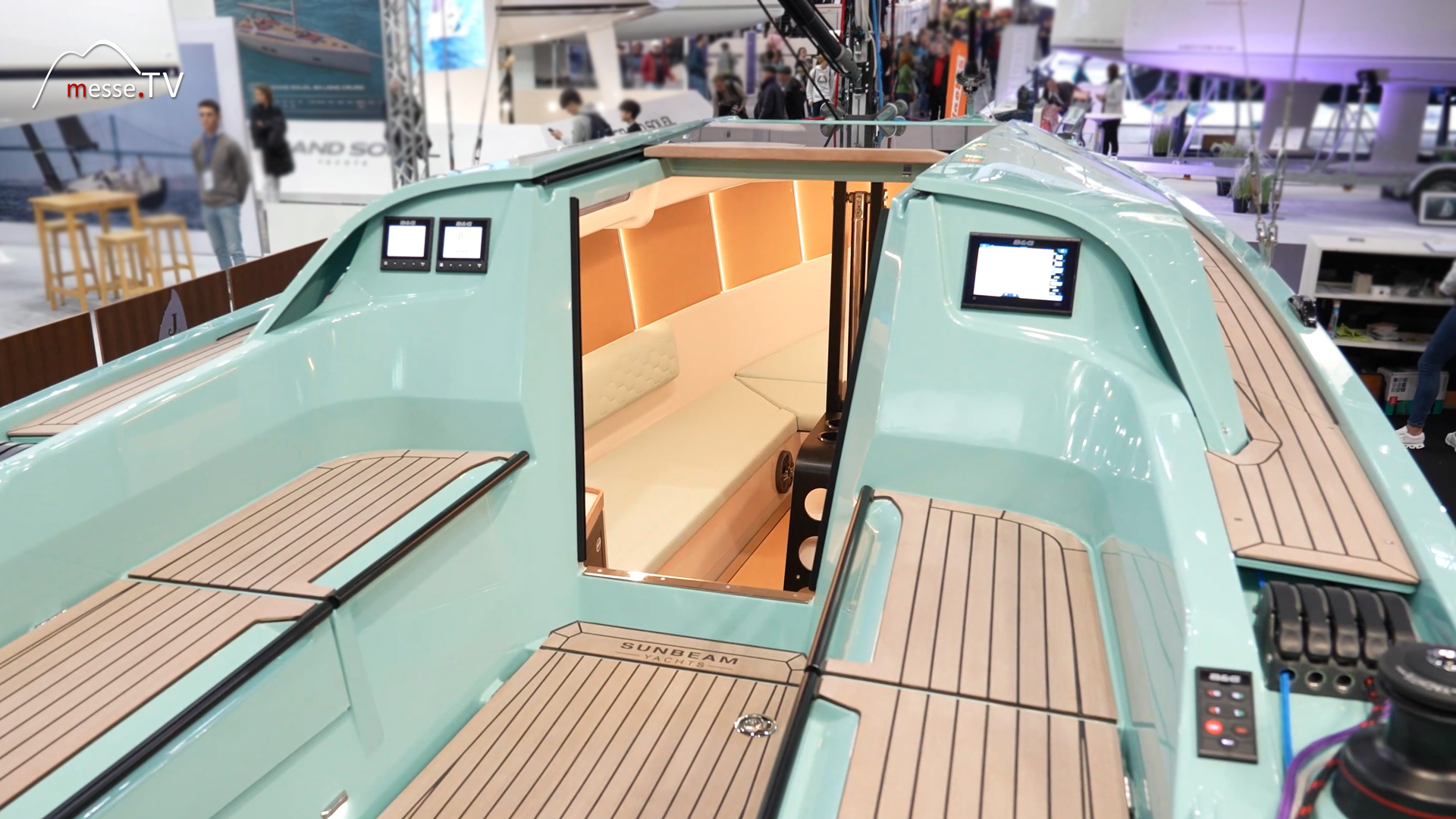
Customized daysailers by Leonardo Yachts
Rachel Boersma from boat builder Leonardo Yachts is presenting the Eagle 38 at boot 2024. The portfolio includes other models such as the Eagle 44, 46 and 54, and this time the Eag... Customized daysailers by Leonardo Yachts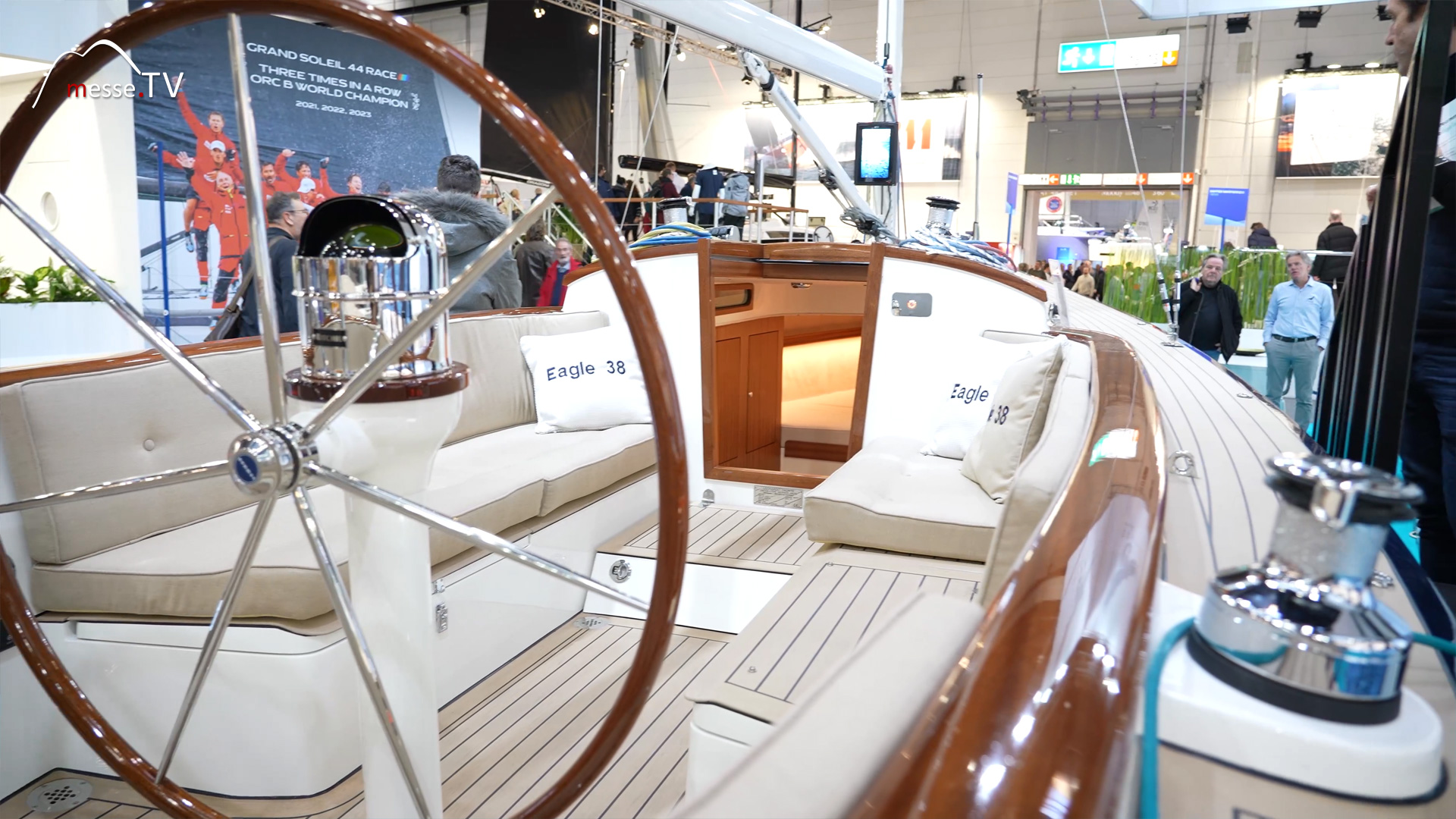
Yacht series manufacturer - BAVARIA YACHTBAU
The series manufacturer Bavaria Yacht builds up to 700 beautiful yachts every year. They are wonderful to sail and offer plenty of space, they are simply beautiful. But what new pr... Yacht series manufacturer - BAVARIA YACHTBAU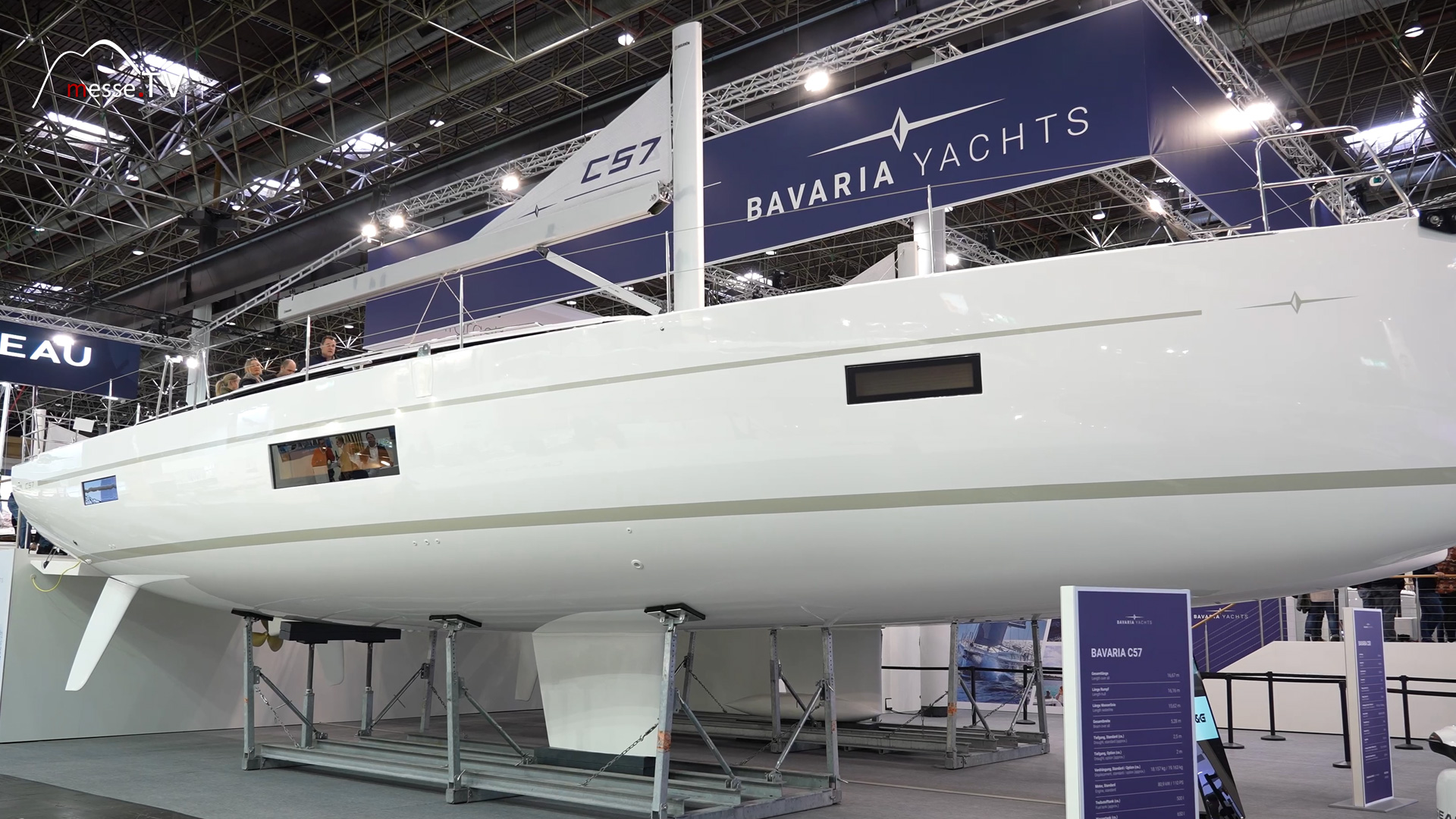
Boat use between everyday life and leisure
For most people, a boat is not an everyday vehicle, but a conscious counter-model to the daily routine. Time on the water follows different rules than road traffic. Speed takes a back seat, while perception and experience gain in importance. At the same time, boat use is no longer a niche topic. Inland waters, lake landscapes and coastal regions have been recording increasing user numbers for years, especially in the leisure sector. The spectrum ranges from small rowing boats and sailing boats to motorised leisure boats. The motives and requirements vary considerably. For some, the focus is on experiencing nature, for others it is a sporting challenge or technical interest. What all forms have in common is that they require planning, responsibility and knowledge. Unlike on land, there is less infrastructure on the water, less immediate help and a clear dependence on the weather and the environment.
Boats: technology on board and its development
Technical developments have also brought about significant changes in the boating sector. Modern materials, improved propulsion systems and digital navigation have made boats safer and more accessible. At the same time, they have become more complex. Electronics, on-board computers and assistance systems are finding their way into even smaller boats. Technology not only serves to enhance comfort, but also, increasingly, safety. The change is particularly noticeable in the drive system. Classic combustion engines continue to dominate, but are coming under increasing pressure. Noise, emissions and restrictions on use mean that alternative drive concepts are gaining in importance. Electric motors are playing a growing role, especially on lakes and sensitive waters. Their limited range is partially compensated for by clear application profiles. Technical progress is slower here than in the automotive sector, but it is noticeable.
Environment, rules and responsibility
Boats operate in particularly sensitive areas. Waterways are habitats, recreational areas and traffic routes all at once. This results in a special responsibility for users. Environmental aspects are not abstract in the boating sector, but can be experienced directly. Noise, waves and exhaust fumes have a direct impact on animals, plants and other people. Regulations, navigation rules and local restrictions are an expression of this area of conflict. They are intended to enable use without causing damage. At the same time, they are not always accepted, especially by recreational users who see boating as an expression of personal freedom. The challenge lies in strengthening knowledge and awareness of responsibility rather than relying solely on prohibitions. Typical aspects of responsible boat use can be summarised as follows:
- Consideration for nature reserves and protected areas
- Adjusting speed and driving style
- Use of low-emission or quiet engines
- Knowledge of and compliance with regional regulations
Boats between sport, tourism and private use
Boats fulfil very different functions. In the sporting arena, the focus is on sailing and motorboating, with clear rules, association structures and competitions. In the tourism context, the focus is on experience, recreation and economic value creation. Charter offers, houseboats and guided tours open up new target groups, often without a long-term commitment to owning a boat. In addition, there is private use, which depends heavily on regional conditions. Owning a boat means not only freedom, but also responsibility for maintenance, mooring and safety. Unlike land vehicles, access is more heavily regulated, for example through driving licence requirements or knowledge of the area. These hurdles have a limiting effect, but at the same time ensure a minimum level of competence. In all areas, it is clear that boats are less standardised than other means of transport. Their use, technology and significance vary greatly. General statements therefore fall short. Anyone talking about boats must take this diversity into account.
Buying boats – future prospects on the water
The future of boats will not be determined by a single trend. Rather, several parallel developments are emerging. Technologically, the focus is on more efficient and quieter propulsion systems, without classic concepts disappearing in the short term. Socially, awareness of environmental issues is growing, which is reflected in stricter rules and changing expectations. At the same time, the fascination with water remains. Boats offer perspectives that do not exist on land. They slow you down, demand attention and reward experience. These qualities do not contradict modern technology, but complement it. The decisive factor is how responsibly these opportunities are used. Boats will continue to be a means of transport chosen consciously rather than one used by the masses. Their significance lies less in efficiency than in the quality of the experience. Between leisure, technology and responsibility, they maintain their place as an independent form of transport. Those who use boats not only move from A to B, but also always move within a sensitive social and natural space.
Trade fair reporting Germany - Trade fair knowledge, dates & events


