Solar systems—technical developments, areas of application
Solar systems convert solar energy into electricity or heat and make an important contribution to decentralized energy supply. The articles show technical developments, areas of application, and combinations of photovoltaics and solar thermal energy.
Solar systems – all articles on the topic of solar energy
Modular commercial energy storage system - Sonnen
Sonnen is a leading provider of intelligent electricity storage systems and energy solutions for private households and businesses. With its products such as the sonnenBatterie and... Modular commercial energy storage system - Sonnen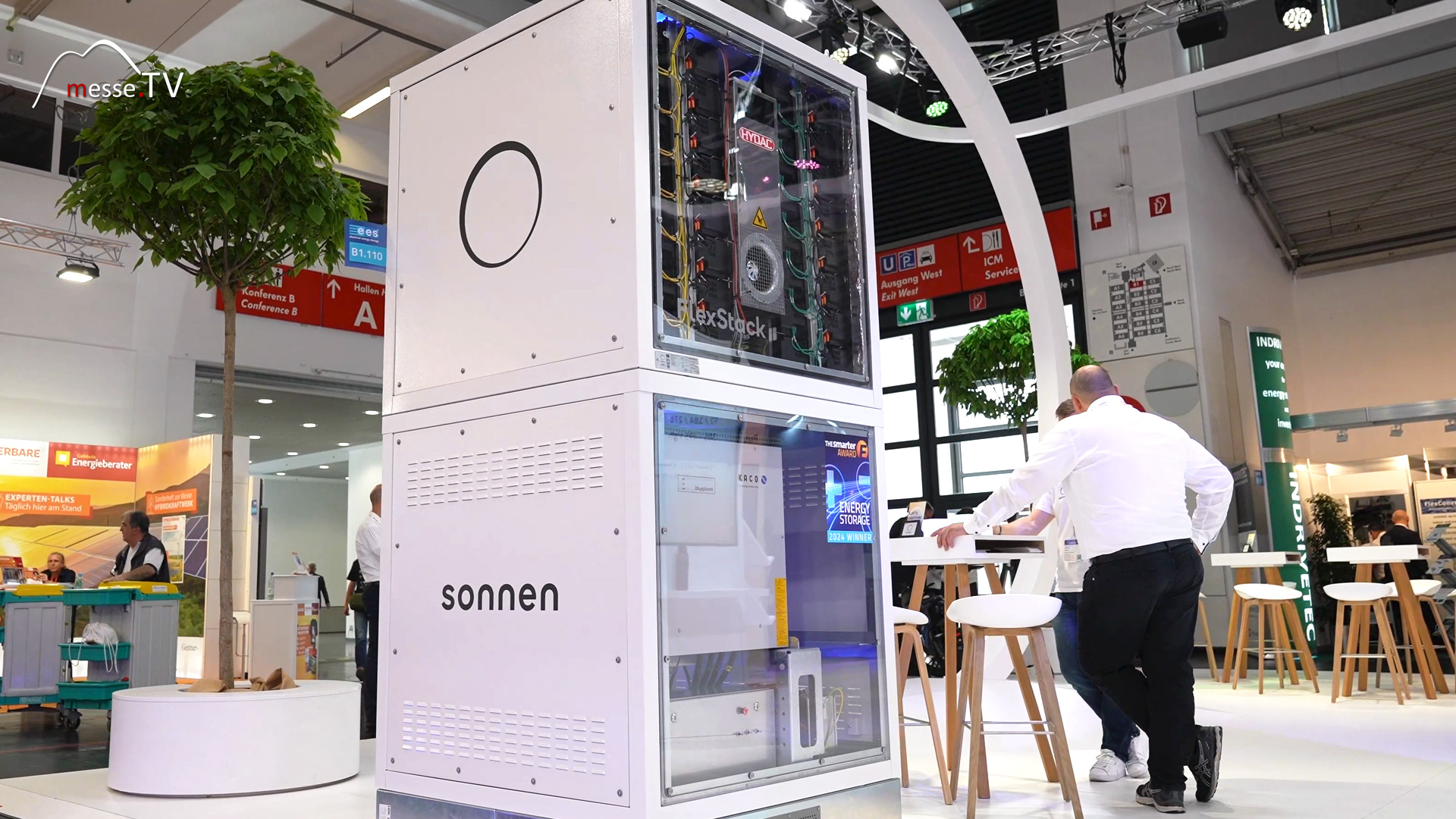
Photovoltaic module manufacturer - Solar Fabrik
Solar Fabrik is a traditional company in the photovoltaic sector based in the district of Aschaffenburg. For over 25 years, the family-run company has been manufacturing high-quali... Photovoltaic module manufacturer - Solar Fabrik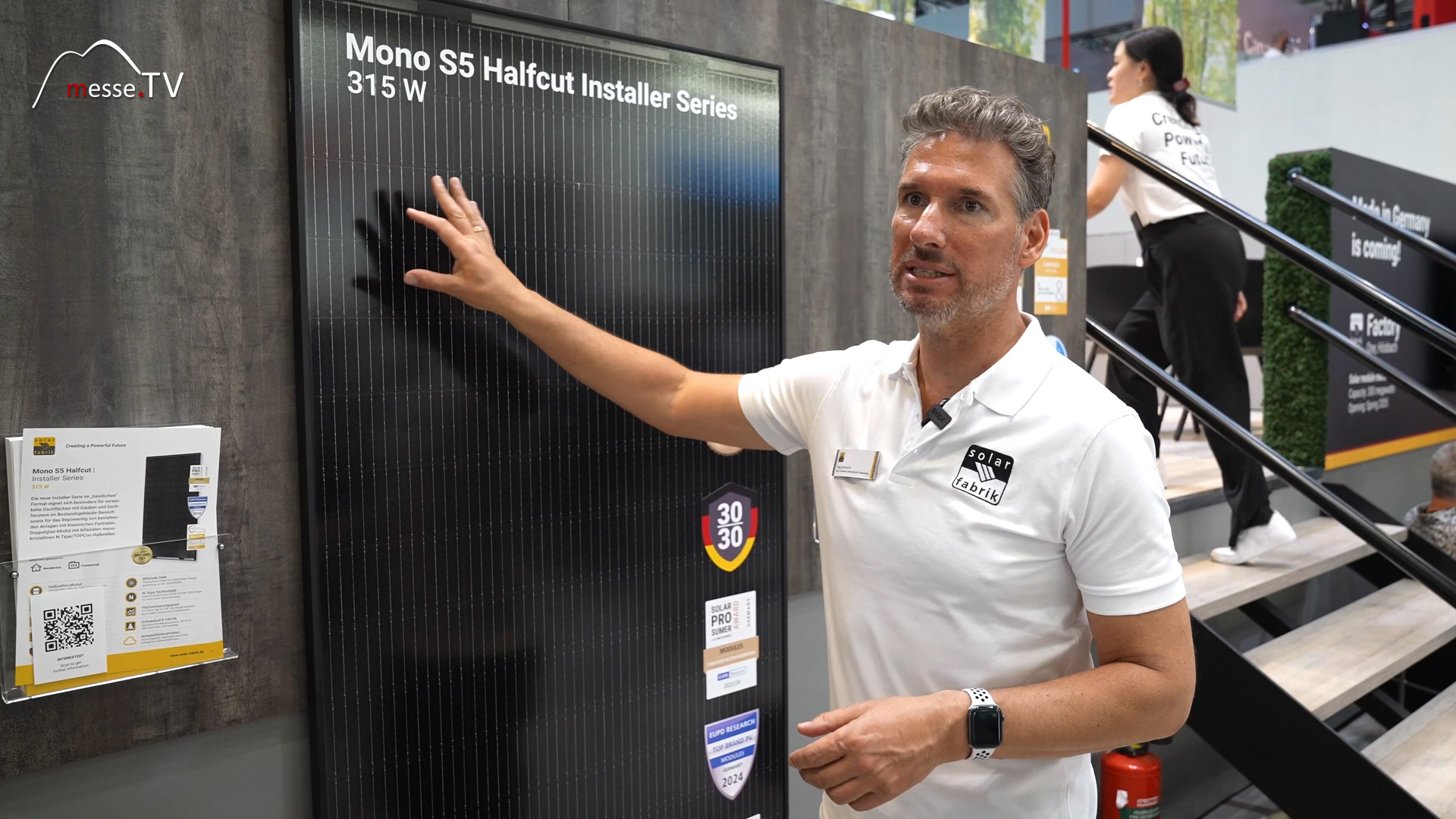
Fraunhofer ISE photovoltaic inverter research
The energy transition is not driven by individual technologies, but by the interaction of different systems. Research institutions play a central role in this because they develop ... Energy transition an interplay of different systems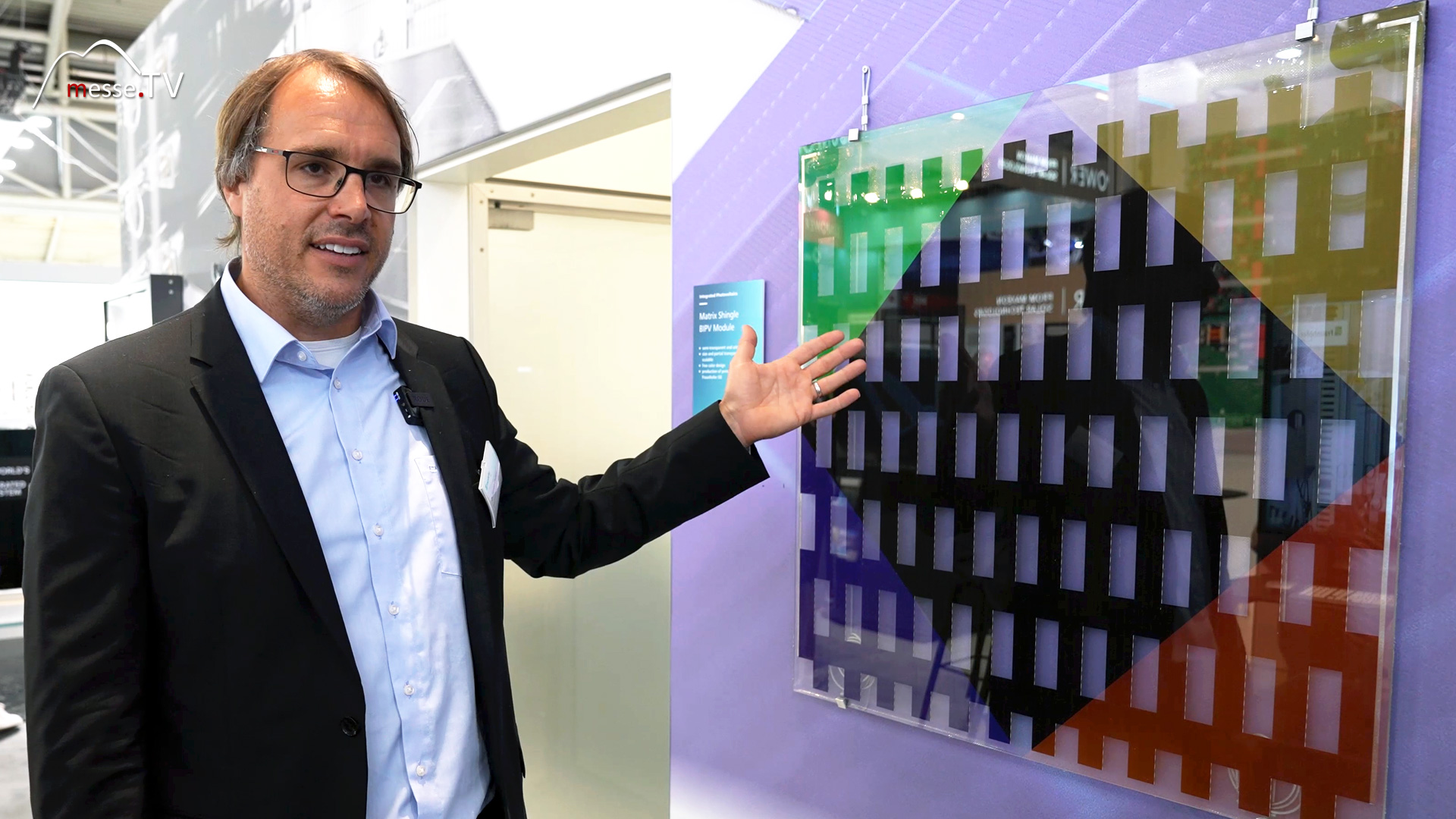
Photovoltaic modules with high efficiency and performance
Photovoltaic modules with high efficiency and performance are increasingly taking centre stage in technical developments. While many suppliers are concentrating on standard solutio... Higher efficiency and more stable output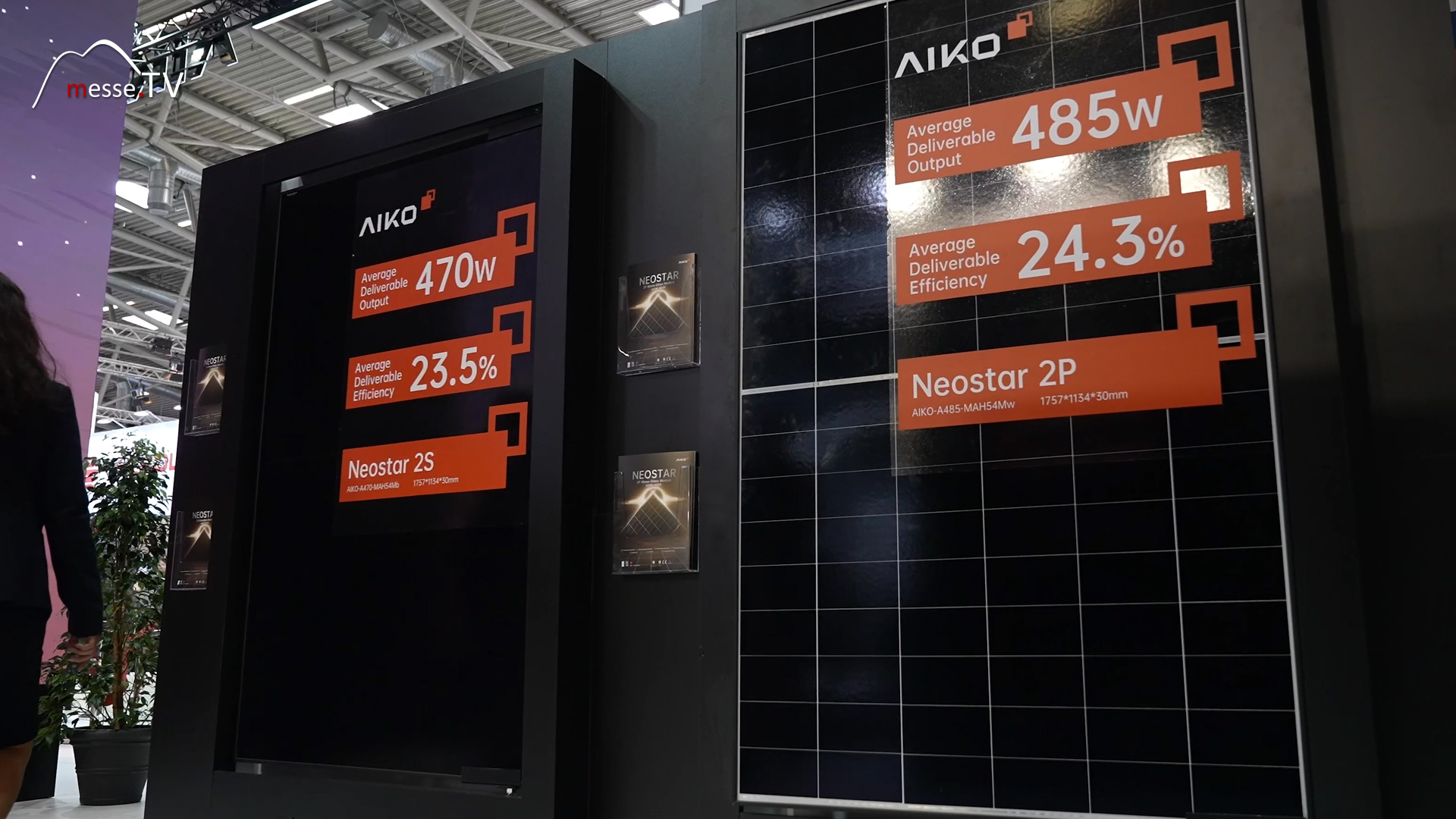
Agri-PV module vertical mounting for field edges
Photovoltaics on agricultural land is often faced with a conflict of objectives. On the one hand, additional land is needed to generate electricity, while on the other, agricultura... Photovoltaics on agricultural land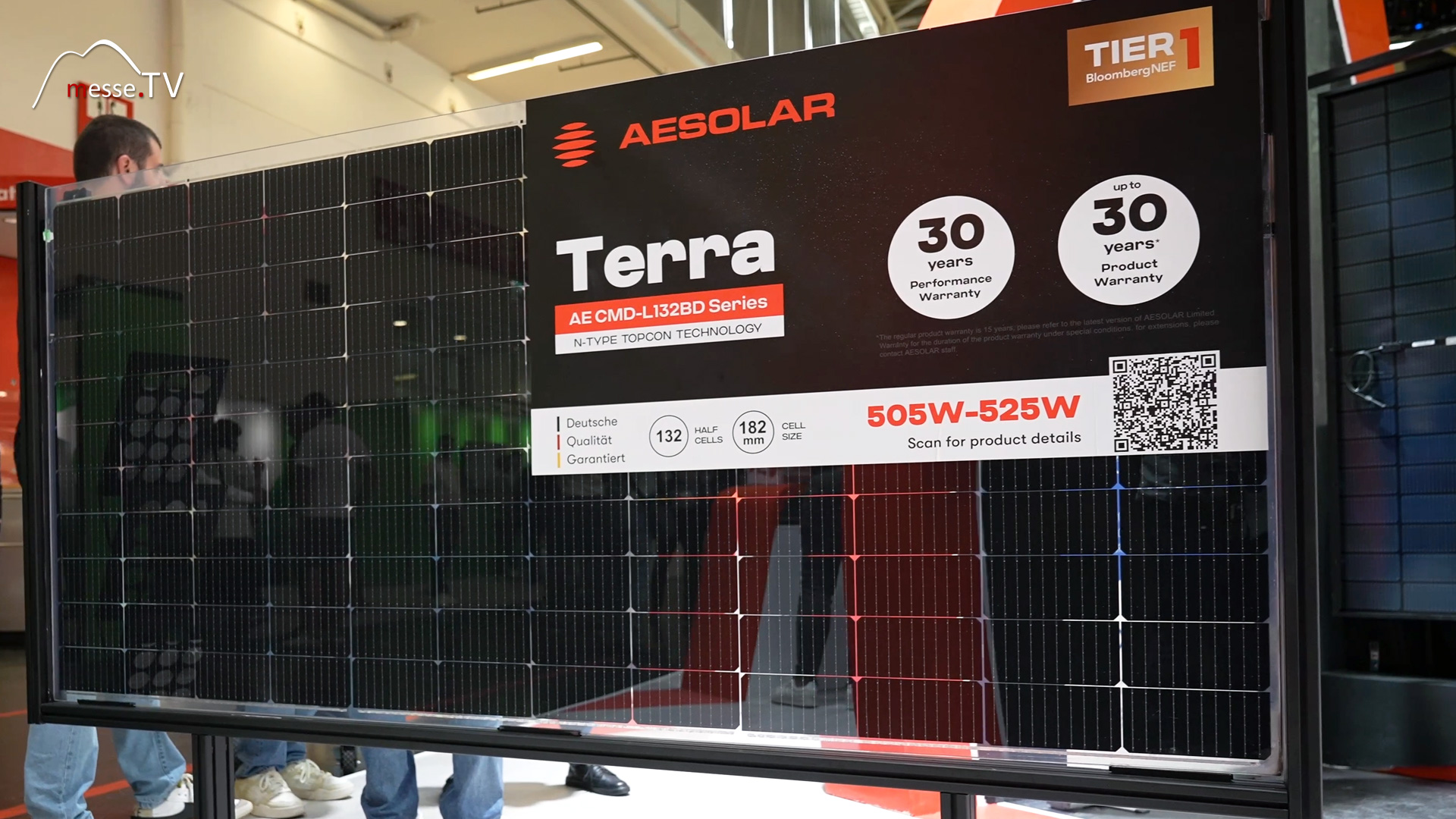
Photovoltaic modules with quality and guarantee on the market
Photovoltaics is no longer just a volume topic. As the market matures, competition is shifting towards differentiation through quality, guarantees and specific fields of applicatio... Coloured photovoltaic modules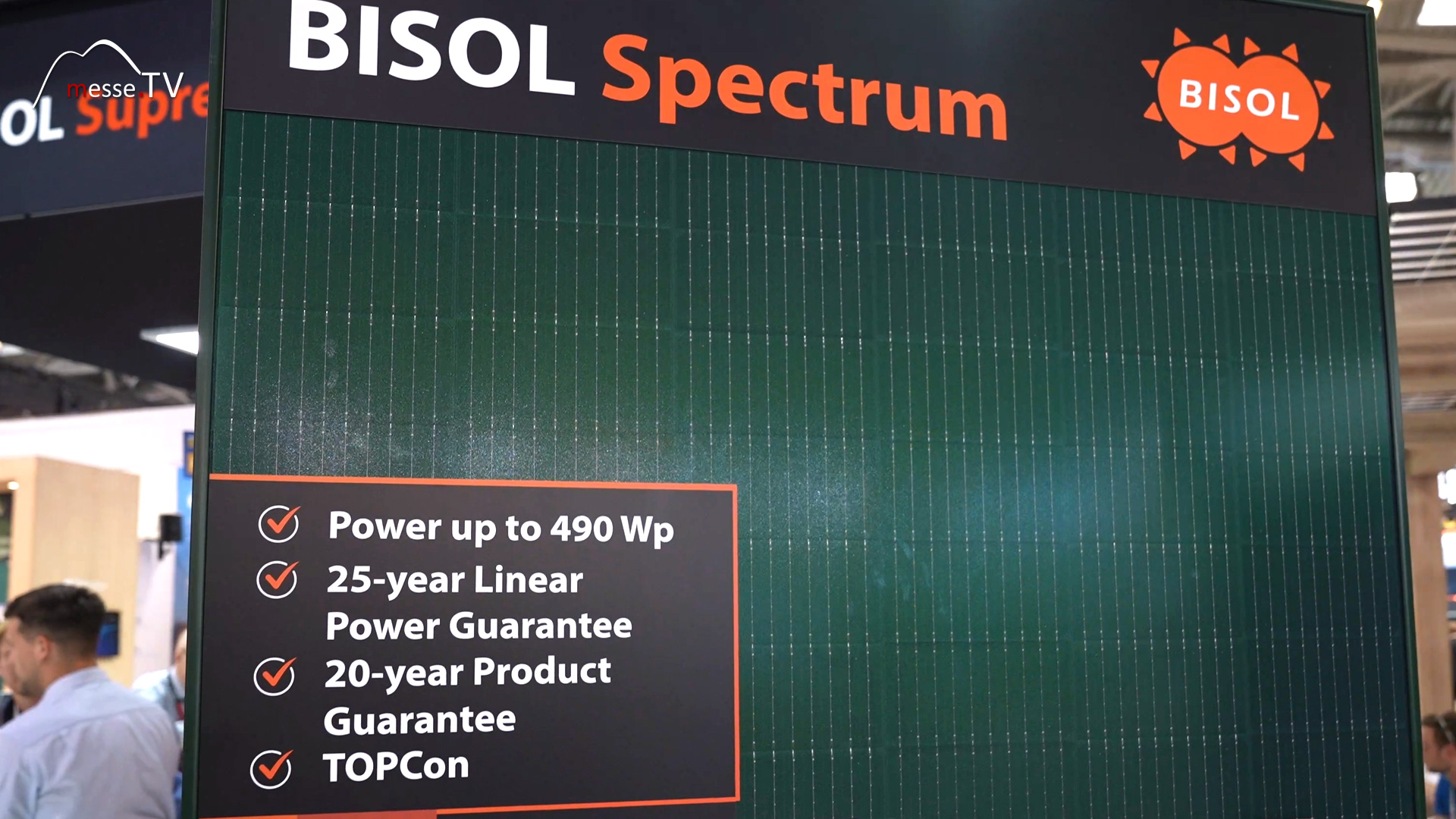
Balcony power plant systems - Green Solar
Greensolar offers a wide range of balcony power plants and plug-in solar systems for private customers. These systems are easy to install and allow solar energy to be fed directly ... Balcony power plant systems with planter box - Green Solar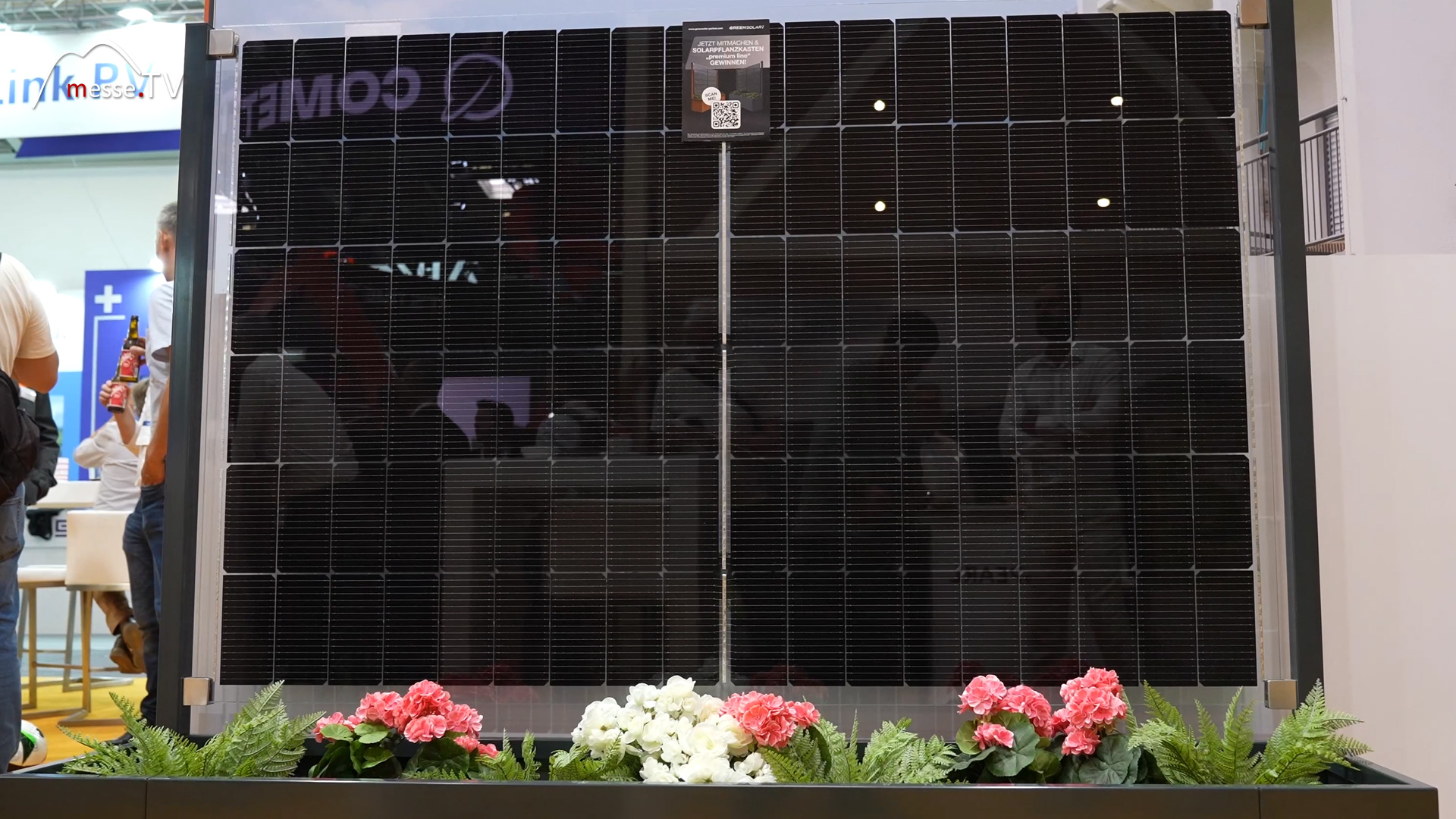
Sustainable innovations for smart e - Siemens
Siemens is a global leader in the fields of electrification, automation and digitalization. It offers a wide range of products and solutions, from industrial automation to building... Sustainable innovations: Charging stations and inverters - Siemens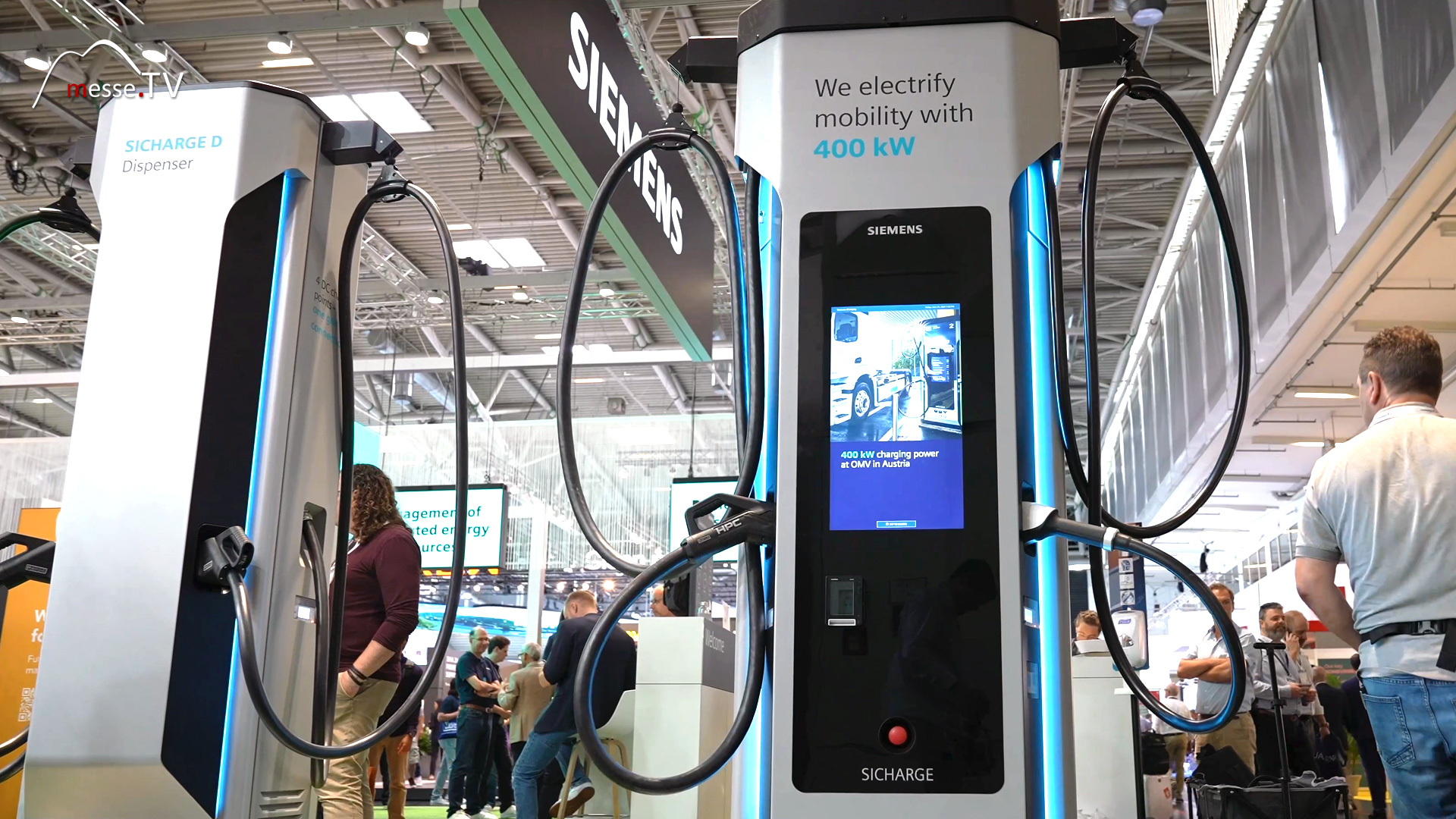
Glass-glass modules with high performance and stability
Photovoltaics is increasingly developing from a pure surface technology into a differentiated product with clear quality and durability features. Bifacial use of photovoltaic modules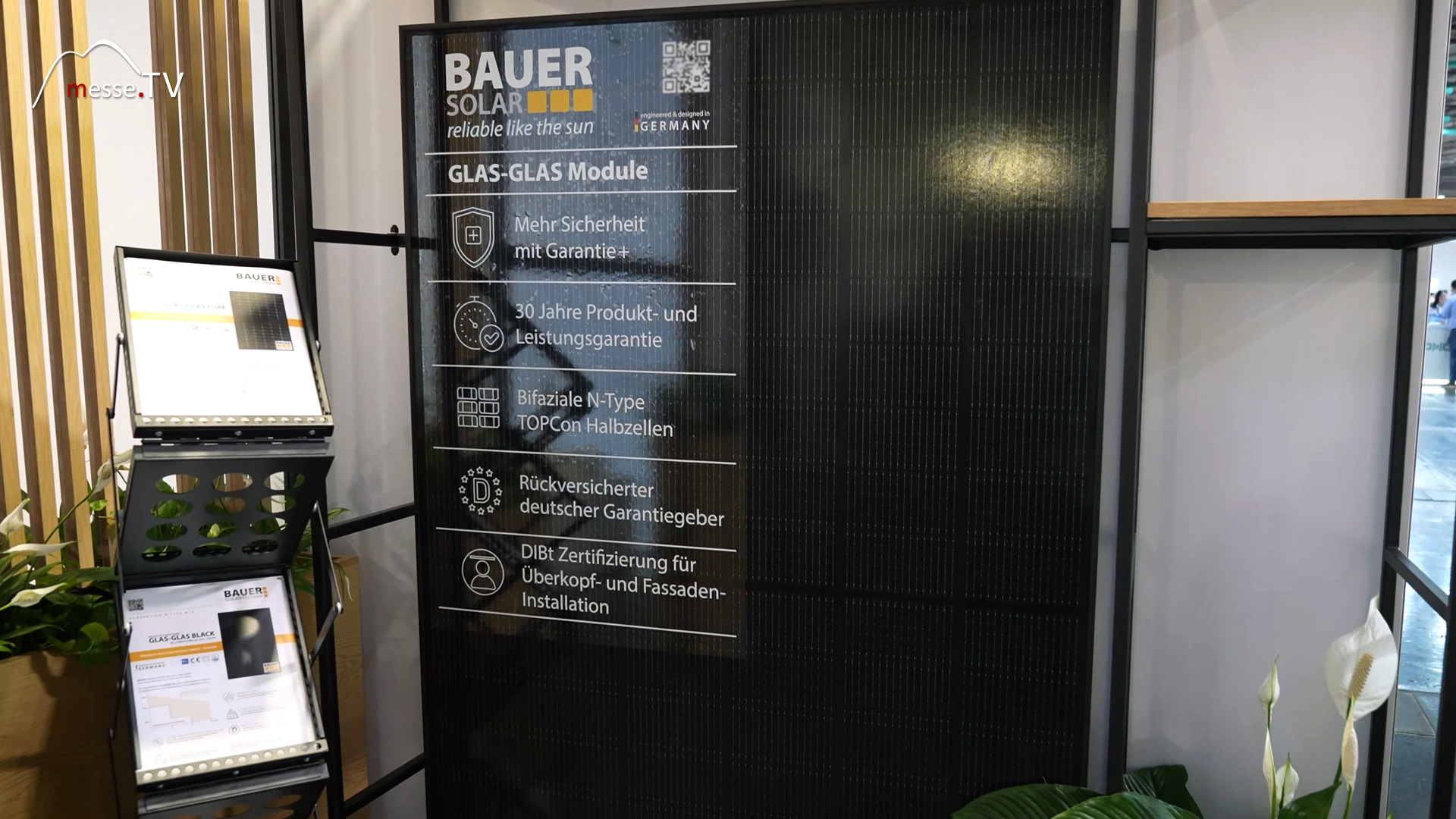
Manufacturer solar modules - Smart Solar
SMART Solar Technologies is a leading solar energy company based in Istanbul, which was founded in 2014. The company offers comprehensive services ranging from the production of hi... Manufacturer solar modules - Smart Solar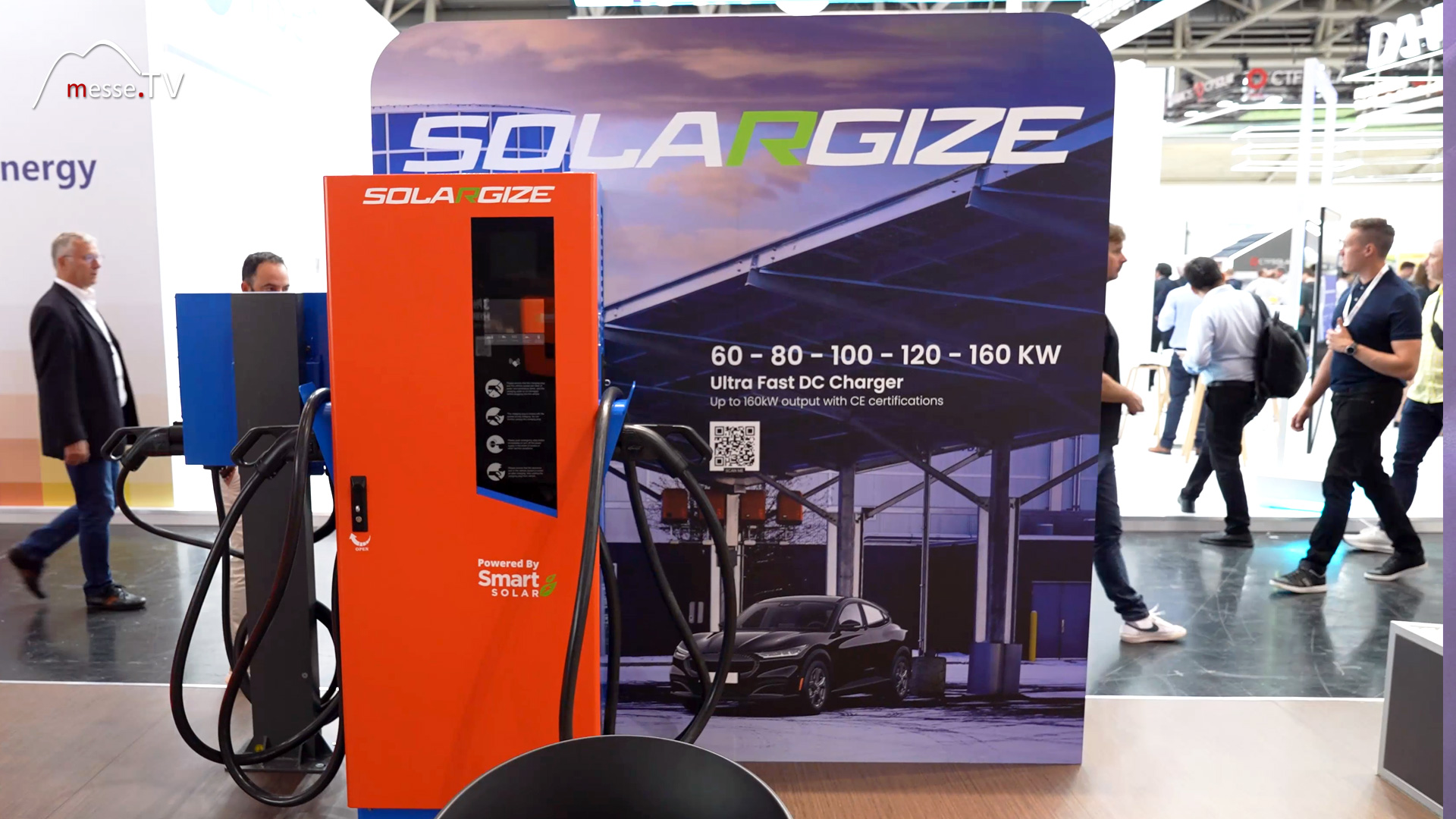
PVT collectors – combining photovoltaics and solar thermal energy
The discussion about renewable energies is often dominated by individual technologies. Photovoltaics stands for electricity, solar thermal energy for heat. In practice, however, it... Solar hybrid technology with PVT modules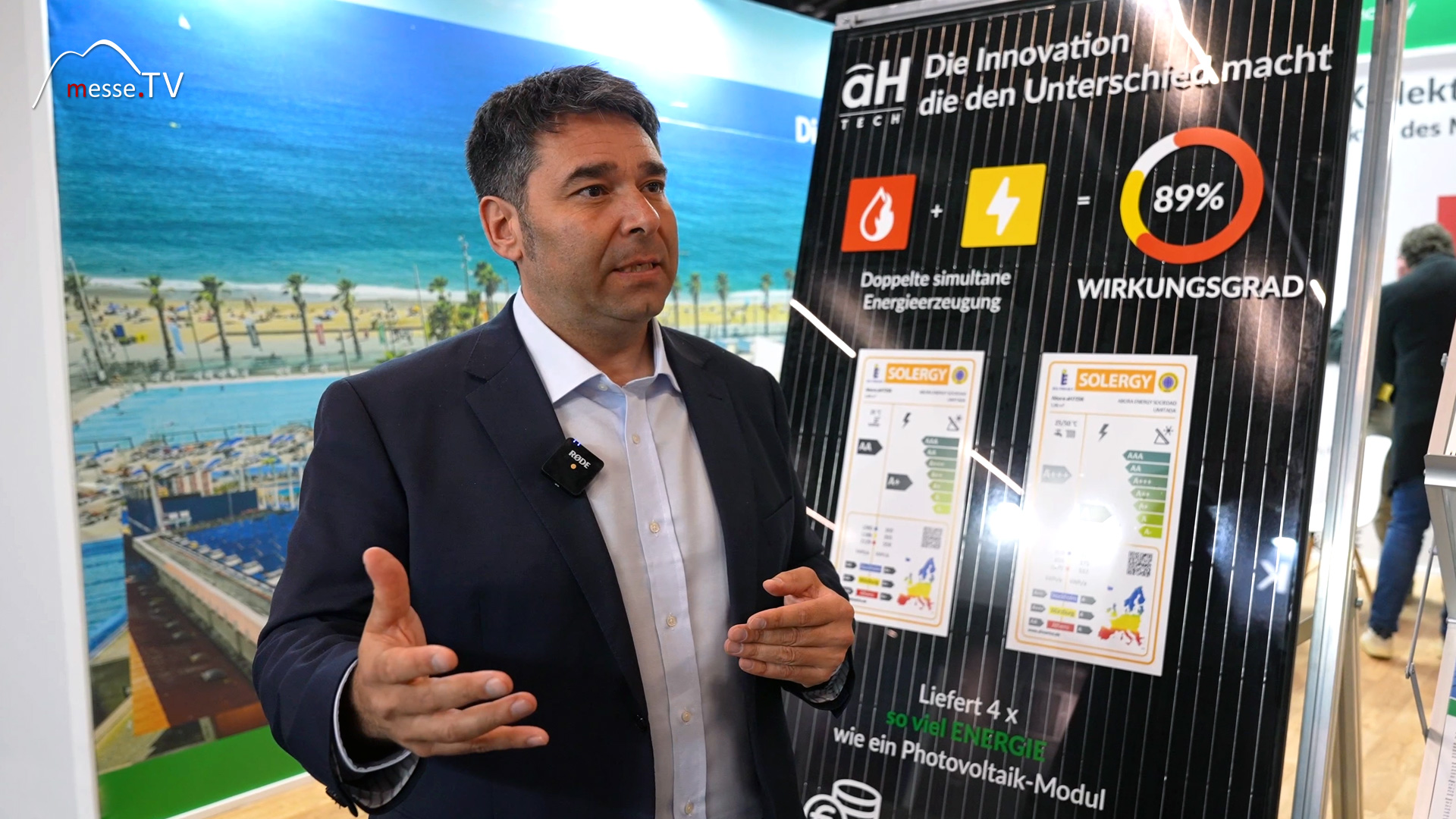
SFC Energy Hydrogen Cabinets for emergency power
At smarter E in Munich, SFC Energy is presenting modular fuel cell solutions for applications where a reliable power supply is crucial. The Munich-based company develops and manufa... Alternative to diesel generators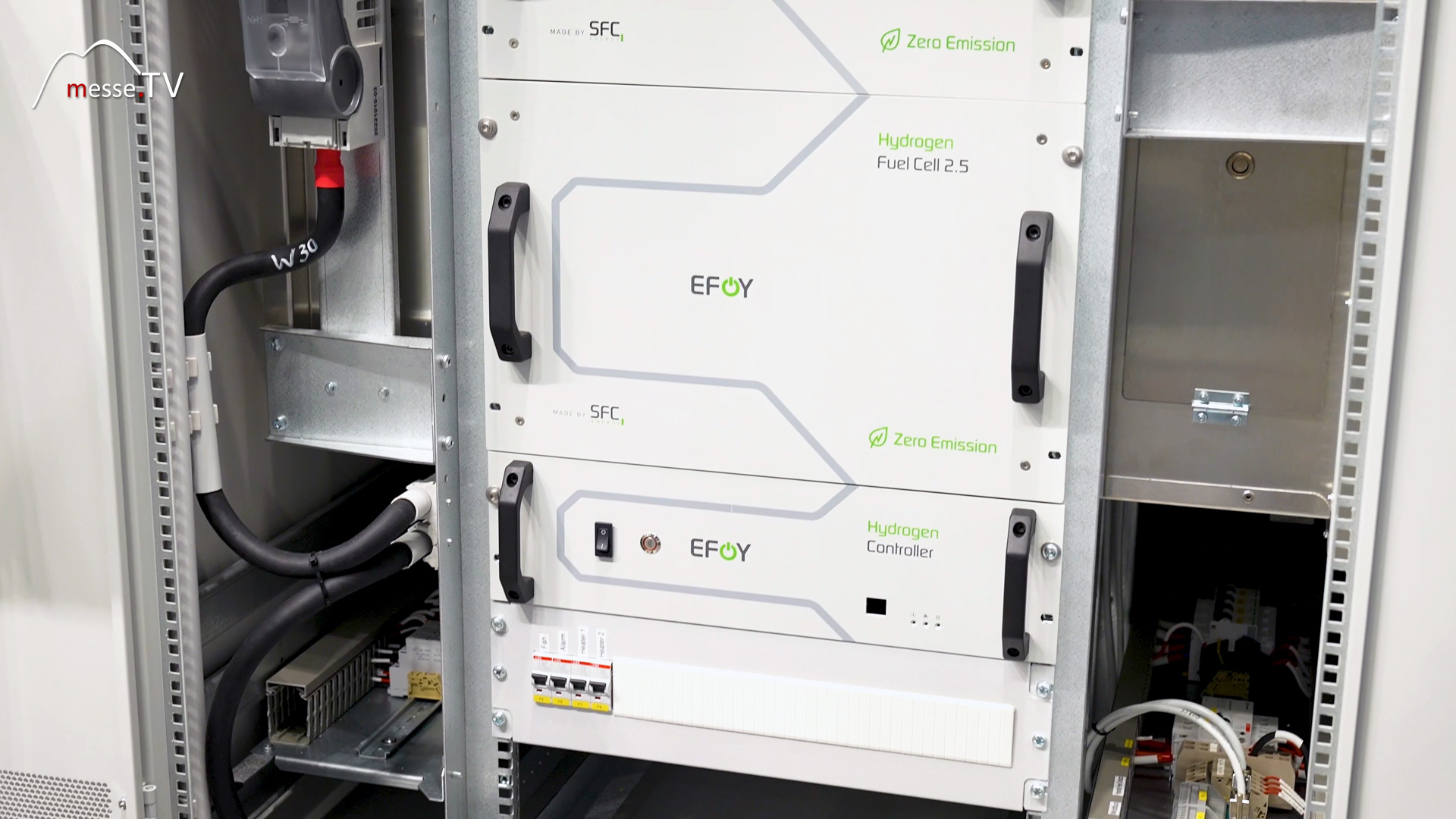
Technical basics of modern solar systems
Today's solar systems are based on mature technical concepts that are continuously being further developed. Depending on their design, they convert solar energy either into electrical energy or directly into usable heat. Factors such as efficiency, system integration, and adaptation to different operating conditions are decisive for performance. In addition to individual components, the focus is increasingly shifting to the overall system. Inverters, control technology, storage solutions, and interfaces to other energy consumers determine how efficiently a system works in everyday use. Modern solar systems are therefore less about individual technology and more about being part of a networked energy system.
Areas of application for solar systems in private and commercial environments
Solar systems are used in a wide variety of areas. In the private sector, the focus is on self-sufficiency, long-term cost stability, and security of supply. In commerce and industry, scalability, load profiles, and economic efficiency play a central role. Planning, dimensioning, and operation vary significantly depending on the application. While smaller systems on residential buildings primarily optimize self-consumption, larger systems are specifically tailored to production processes, office buildings, or neighborhood solutions. Solar systems can be flexibly adapted to the respective energy requirements.
Combination of electricity and heat generation
A key advantage of solar systems is the possibility of combining different technologies. Photovoltaics and solar thermal energy pursue different approaches, but complement each other well within an overall concept. While electricity can be used in many ways or stored, thermal energy is directly available for hot water or heating support. This combination increases yields and closes supply gaps. Particularly in buildings with high heat and electricity requirements, this creates balanced systems that can gradually replace fossil fuels.
Solar systems as part of smart energy Systems
Solar systems are increasingly being viewed not in isolation, but as active components of smart energy systems. In conjunction with energy storage, digital control, and networked load management, they respond flexibly to generation and consumption. For decision-makers and experts, it is important to know how a solar system can be integrated into existing infrastructures. Issues such as grid stability, controllability, and long-term economic efficiency determine the role that solar technology will play in future supply concepts.
The importance of solar systems for decentralized energy supply
Solar systems make an important contribution to the decentralization of energy supply. Energy is generated where it is needed—on buildings, in businesses, or within neighborhoods. This reduces transport losses, relieves the burden on grids, and strengthens regional supply structures. This decentralized approach creates new scope for action for households, businesses, and municipalities. Solar systems are therefore not only technical systems, but also a strategic element of modern energy supply.
Solar modules, balcony power plants, and storage in a compact energy system
Modern solar modules now enable a wide variety of applications – from classic roof solutions to balcony power plants. Compact systems in which generation and use are closely linked are particularly in demand. Such a solar system can be operated with just a few modules and supplies electricity that can be used directly in the household. Many of these systems are offered as complete photovoltaic sets. These include modules, inverters, and, if desired, a storage unit that temporarily stores excess energy. The output is specified in kWp, while the usable amount of energy in the storage unit is measured in kWh. Especially in small systems, a storage unit ensures that the electricity generated is not only available during the day.
Plug-and-play solutions and storage for flexible use
A plug-and-play solar system is specially designed to be operated without complex installation. These systems can be connected directly to existing electrical circuits and are particularly suitable for tenants or households with limited space. Here, too, storage is playing an increasingly important role. A balcony power plant storage unit allows the electricity generated to be used at a later time, for example in the evening hours. This increases self-consumption and makes more efficient use of the solar system. It is crucial to balance the module output in kWp and the storage capacity in kWh in order to adapt the system to actual needs in a meaningful way.
Trade fair reporting Germany - Trade fair knowledge, dates & events


