Videos and articles on art, culture and social topics
Culture emerges where ideas are given space – as works of art, performances, or statements. Sometimes casual, sometimes pointed, but never arbitrary.
Artists, galleries and exhibitions in the spotlight of our coverage
Contemporary art - EXILE GALLERY
When it was founded in 2008, the EXILE GALLERY was based in Berlin; after 10 years, it moved to the Austrian capital of Vienna. Since 2023, the EXILE GALLERY has also had a presenc... Contemporary art - EXILE GALLERY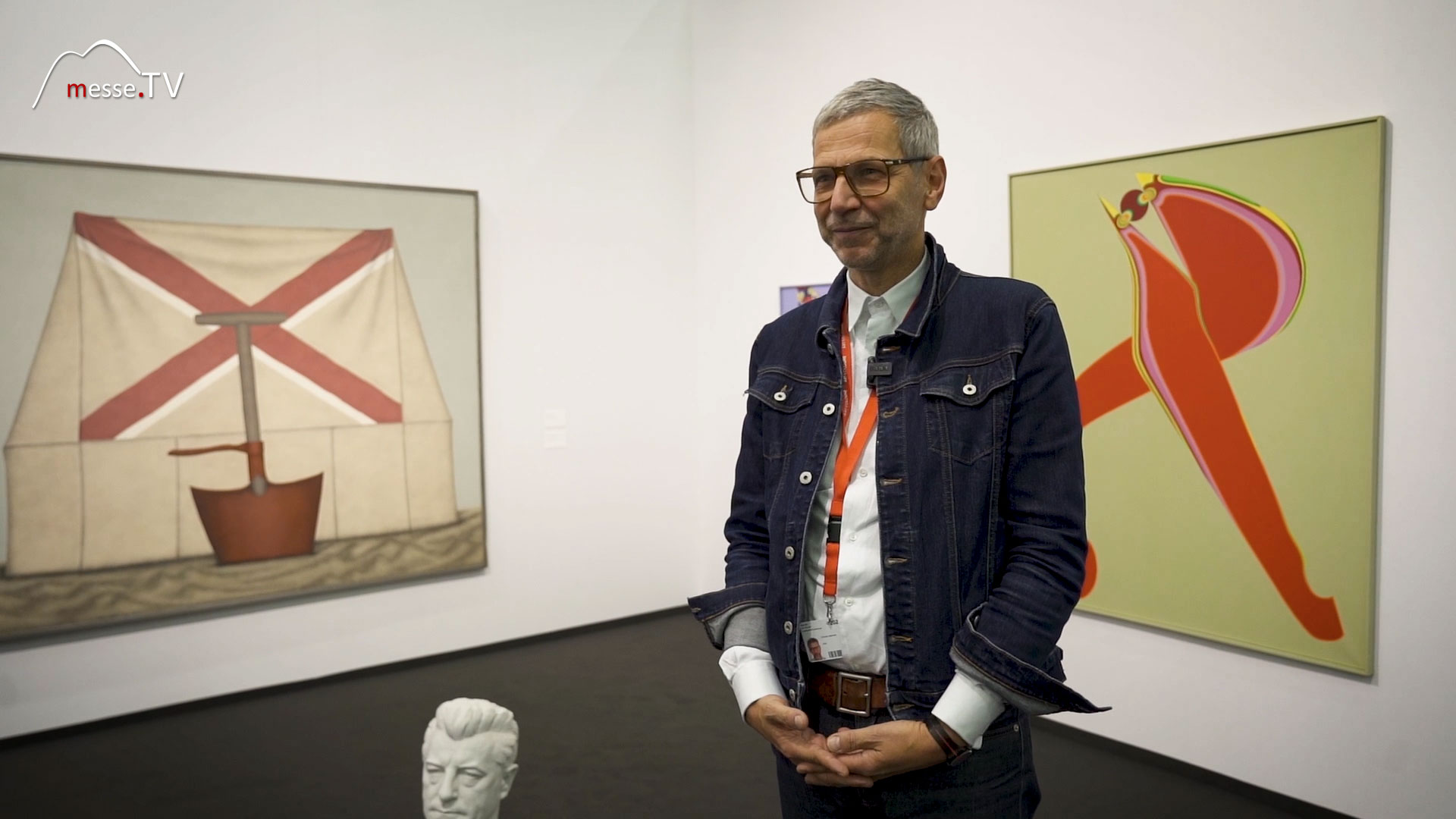
South African Art - BERMAN CONTEMPORARY
The young gallery BERMAN CONTEMPORARY specializes in contemporary art. This new movement is gaining momentum. Many people remember African art as figurative art, whereas contempora... South African Art - BERMAN CONTEMPORARY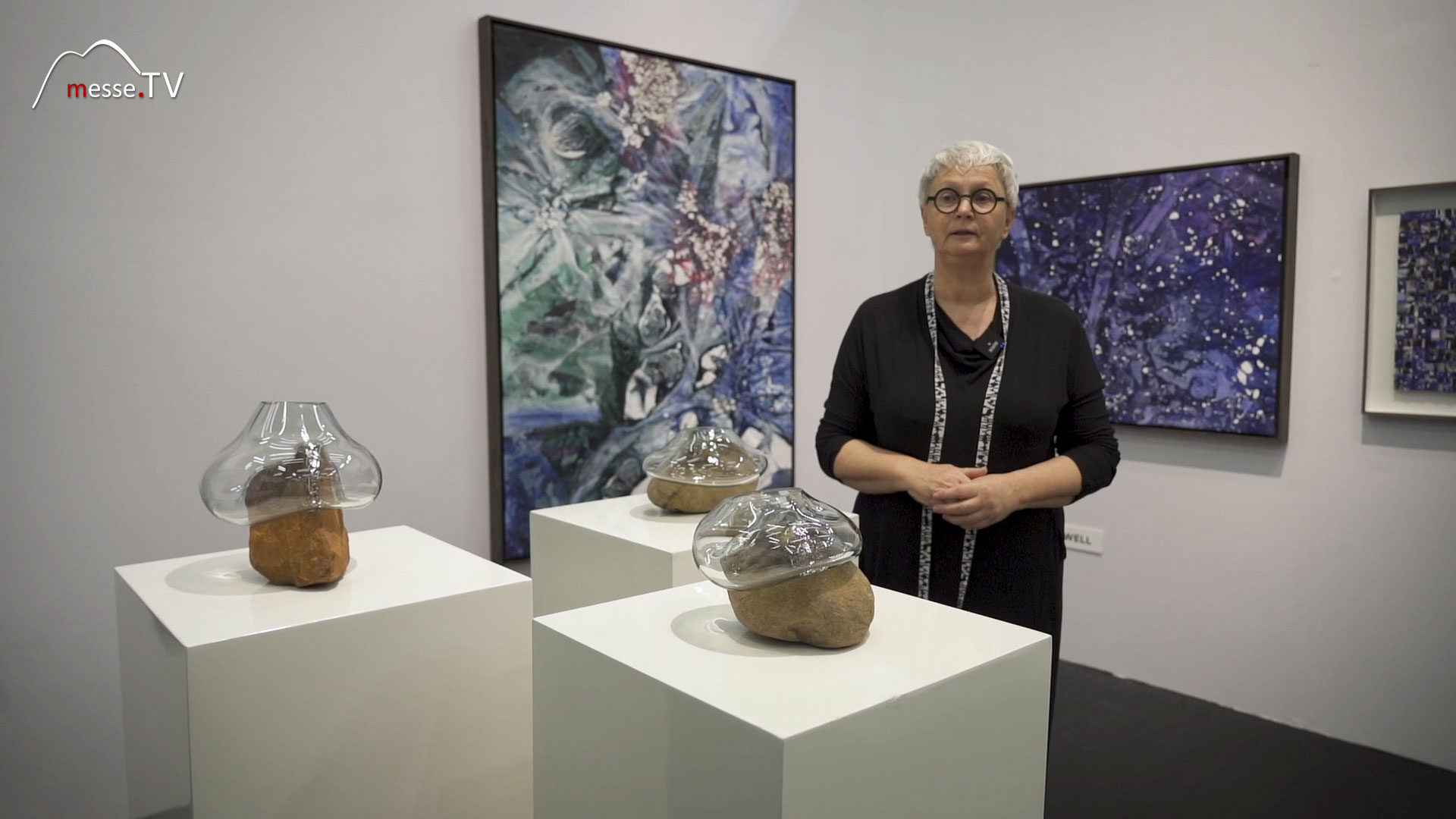
Association of German Art Societies - ADKV
At ART COLOGNE 2023, we speak to Nadja Klier, Managing Director of the Arbeitsgemeinschaft Deutscher Kunstvereine, an umbrella and professional organization for German-speaking art... Association of German Art Societies - ADKV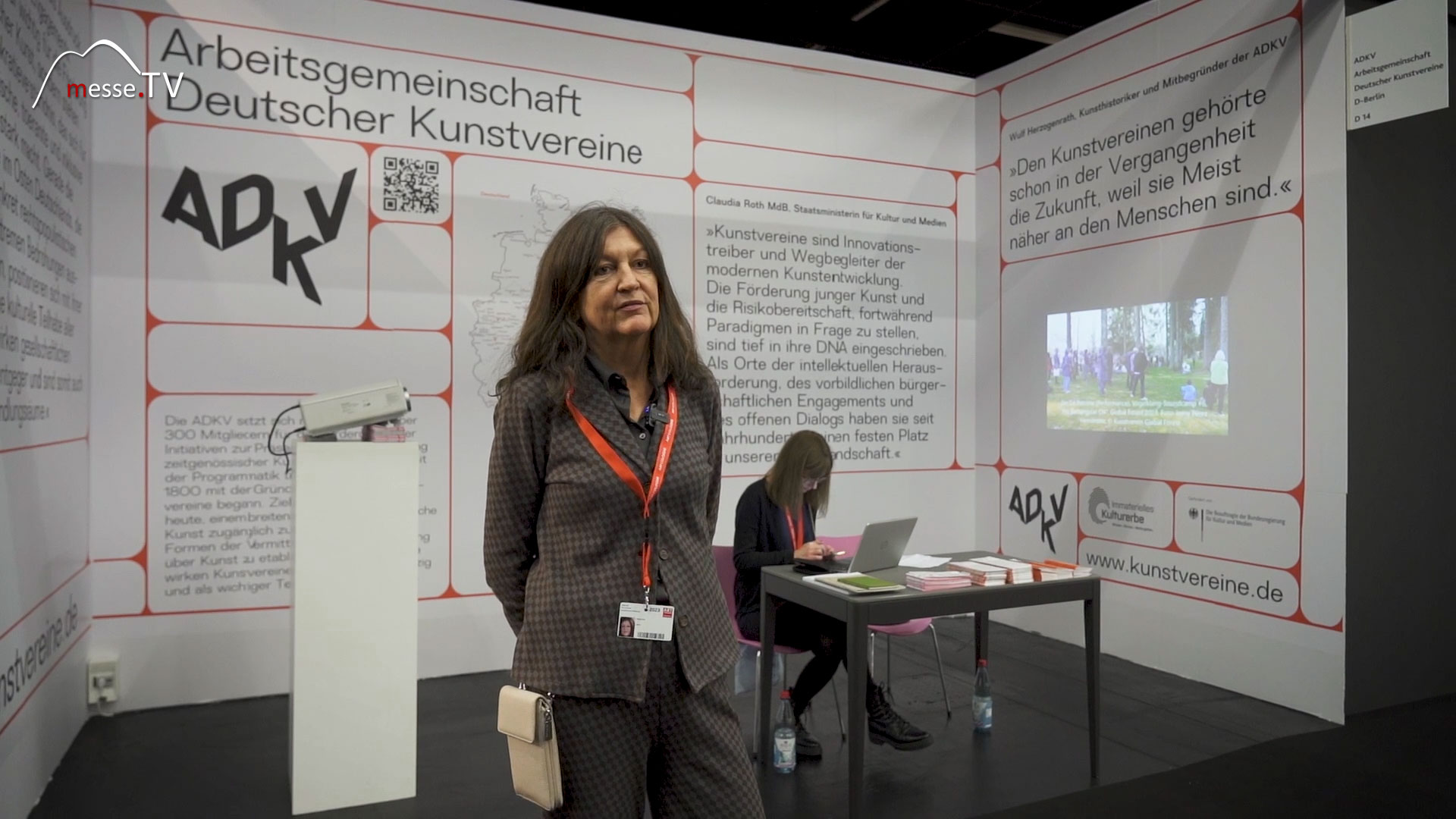
WhatIfTheWorld Gallery
The intention of the WHATIFTHEWORLD GALLERY from Cape Town is a kind of hopeful look into the future. It started mainly with emerging artists. Some of these artists are now exhibit... WhatIfTheWorld Gallery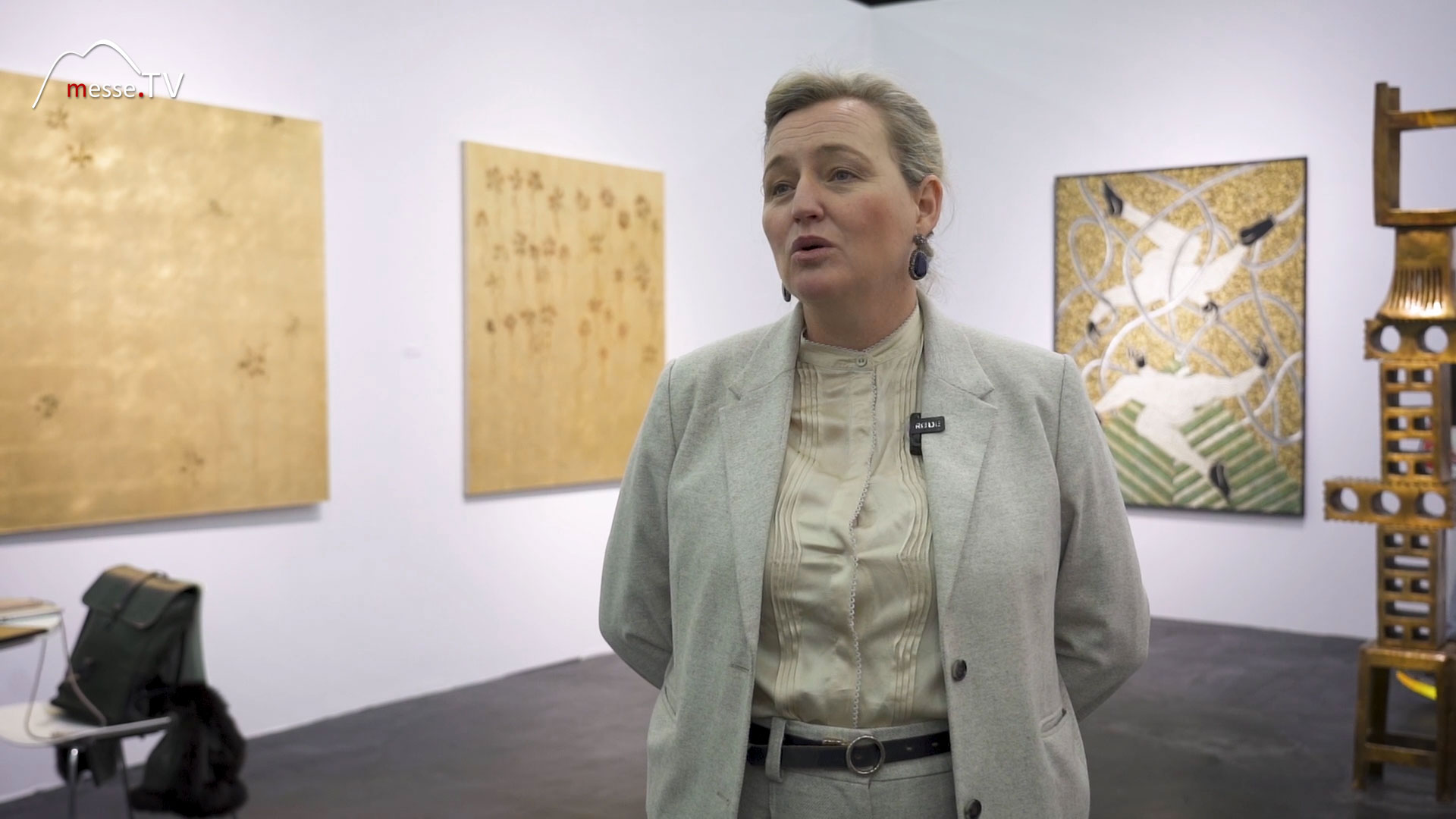
Ser Serpas - JUNGER ANKAUF
The Gesellschaft für Moderne Kunst am Museum Ludwig is showing works by US artist Ser Serpas at ART COLOGNE 2023 in Cologne, democratically selected by the JUNGER ANKAUF initiative... JUNGER ANKAUF: Ser Serpas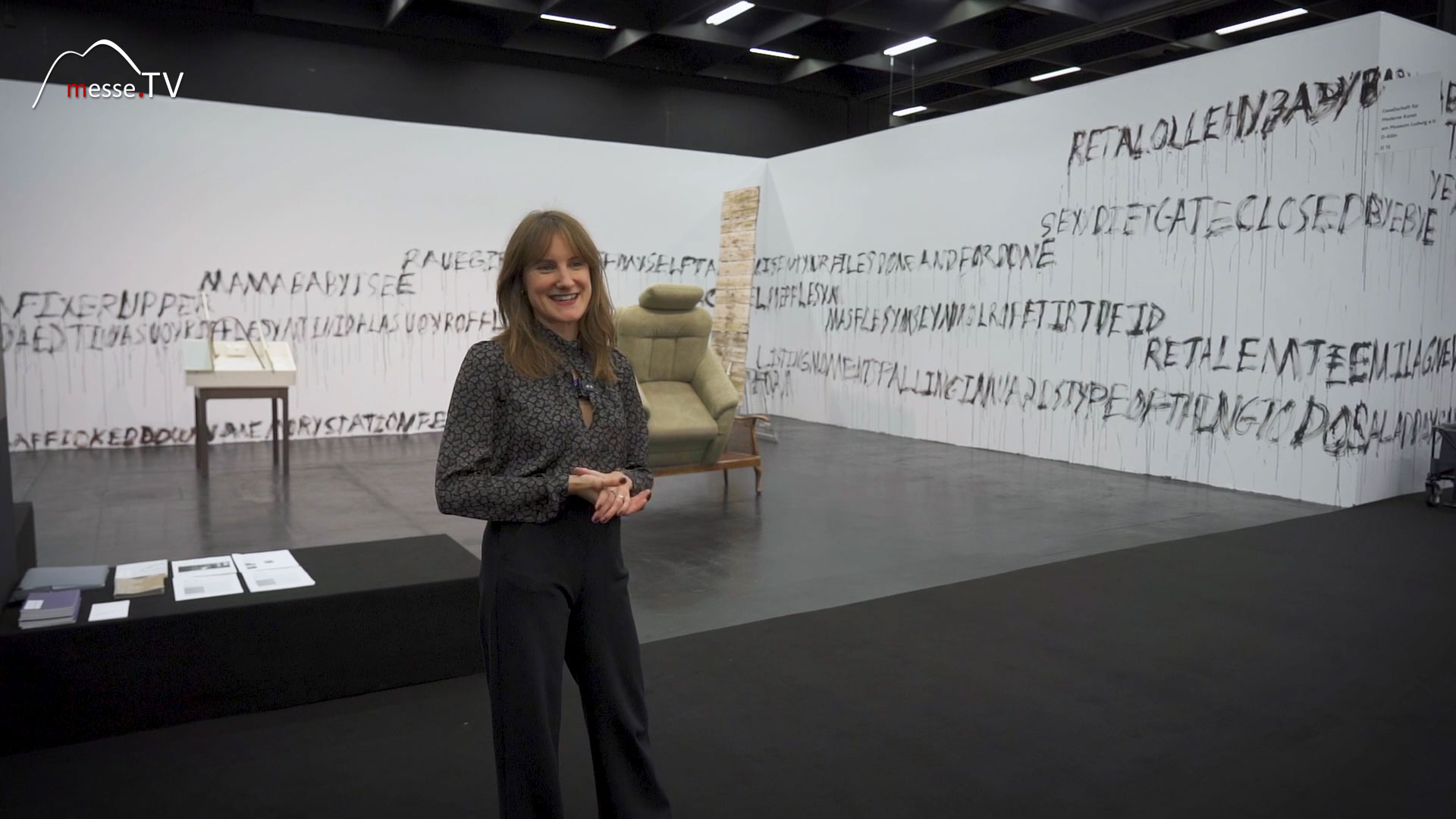
Gallery & Publisher - M29
Started as a project space, M29 is now a gallery and publishing house. A dialog of art and text. The focus is on modern, young art in all areas. M29 Gallery & Publisher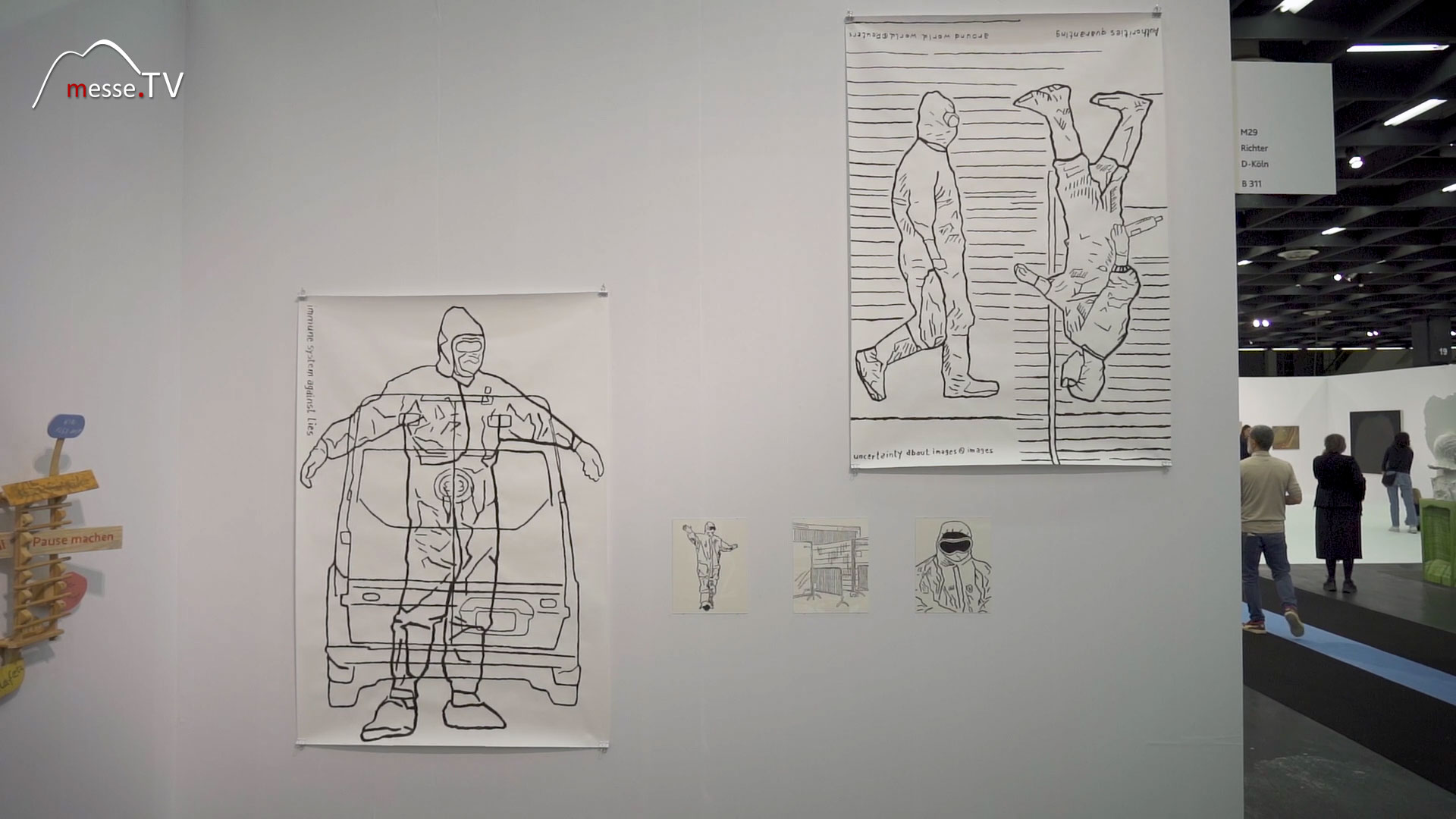
ARTELIER CONTEMPORARY
ARTELIER CONTEMPORARY from Graz has around 150 artists in its program. At ART COLOGNE 2023, Petra Schilcher shows us works by Michaela Konrad and we talk to contemporary artist Mic... ARTELIER CONTEMPORARY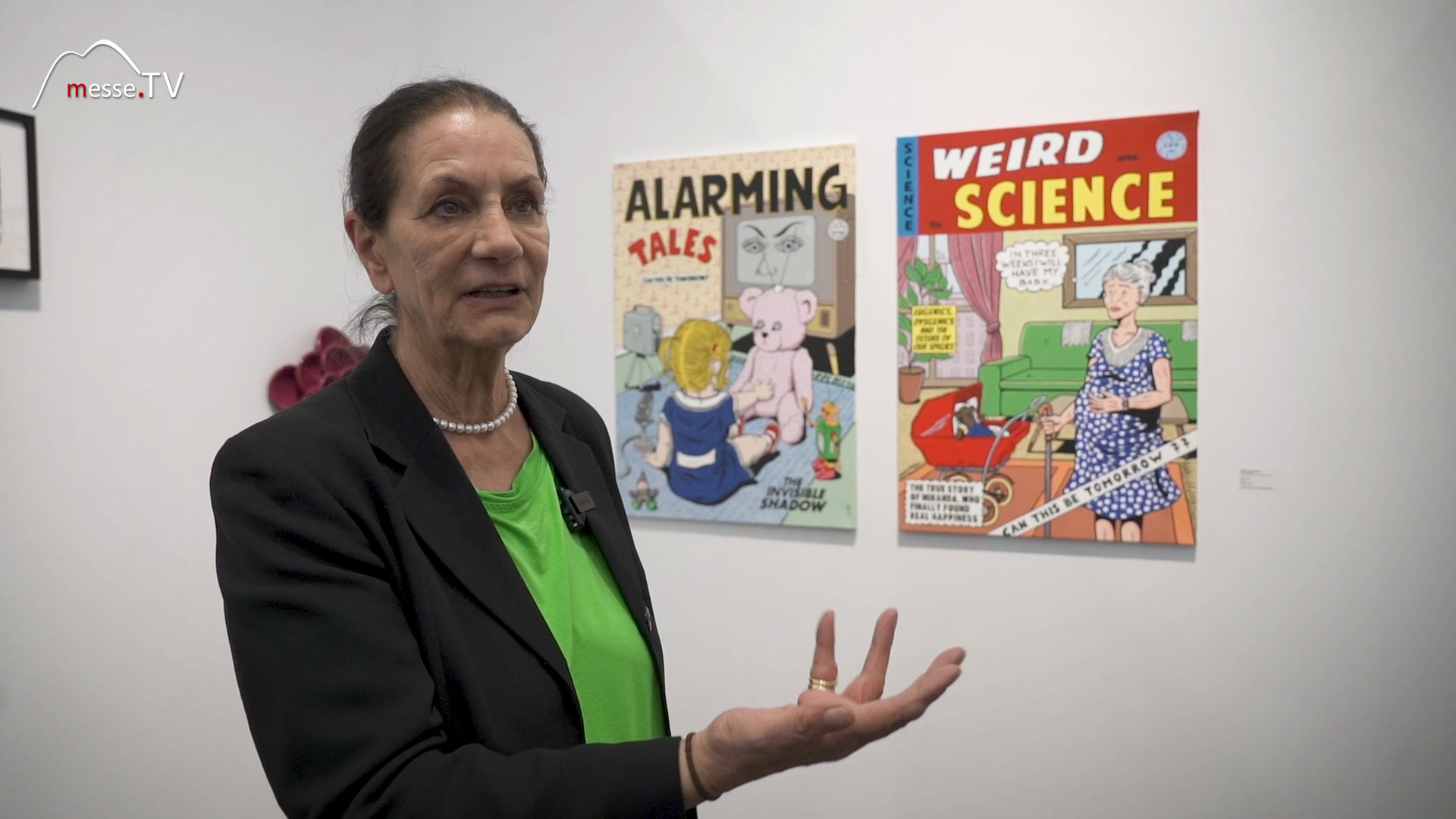
Art as an expression of social issues
Art fairs are not only places of aesthetics, but also of debate. Many contributions on Messe.TV take up cultural discourses that go far beyond arts and crafts. In interviews and trade fair reports, people talk about their personal experiences, social developments, or historical perspectives—whether through sculptures, photography, or interactive installations. The content ranges from socially relevant issues to individual forms of expression:
- contemporary artworks with political references
- socially critical statements in design and object art
- cultural reflections through classical sculpture
Cultural diversity between design and memory
Numerous contributions on Messe.TV deal with cultural heritage and personal memory culture. Both traditional design techniques and modern digital forms of expression come to the fore. The examination of history, identity, and social change is a connecting theme that runs through many trade fair formats in the field of culture. A wide range of creative means are also integrated:
- visual narratives with symbolic meaning
- designs that make cultural origins visible
- narrative forms between documentation and staging
Personalities and perspectives in direct conversation
The “Culture” section regularly features encounters with personalities who shape cultural life – from the arts, media, or society. Messe.TV takes the opportunity to ask specific questions at trade fairs: What motivates artists today? What social developments influence their work? What role do trade fairs play as platforms for cultural visibility? Content of this kind provides personal insights and creates closeness:
- open discussions with players in the cultural scene
- artistic reflection on social developments
- individual perspectives on artistic practice
Cultural education as an interface between art, society, and the public
Cultural education creates access to culture that goes beyond mere observation. It conveys connections, makes backgrounds understandable, and promotes the ability to classify and critically reflect on artistic forms of expression. Especially in the context of exhibitions, art fairs, and public presentations, it becomes clear how closely cultural education is linked to social participation. Here, art is not only shown, but also explained, discussed, and embedded in larger contexts. Education plays a dual role here: on the one hand, as an individual process that strengthens knowledge, perception, and judgment; on the other hand, as a social task. Museums, galleries, and trade fair formats are increasingly taking on educational functions by creating educational opportunities, facilitating discussions, and addressing new target groups. Culture, politics, and the public sphere intersect in this area of tension—for example, when issues of identity, memory, or social change are addressed artistically. Last but not least, funding is a key factor in sustainable cultural education. Public programs, private initiatives, and institutional support determine which projects can be realized and how broad access to culture and education actually is. Trade fair formats and media coverage help to make these processes visible and bring cultural content beyond specialist circles into society. In this way, cultural education becomes a connecting element between art, discourse, and social responsibility.
Trade fair reporting Germany - Trade fair knowledge, dates & events


