Wärmepumpen: Das sollten Sie beachten!
von Andreas Bergmeier - 2024-07-20Wir waren bei führenden Herstellern von Wärmepumpen und haben uns die neuesten Innovationen zeigen lassen. Finden Sie heraus, welche Lösungen für Ihren Bedarf am besten geeignet ist und was Sie beachten sollten.
1. Für wen macht die Anschaffung einer Wärmepumpe Sinn?
Die Anschaffung einer Wärmepumpe kann für viele verschiedene Haushalte und Gebäudetypen sinnvoll sein:
- Neubauten: Bei der Planung eines neuen Hauses ist es besonders einfach, eine Wärmepumpe zu integrieren, da sie von Anfang an optimal in das Heizsystem eingebunden werden kann.
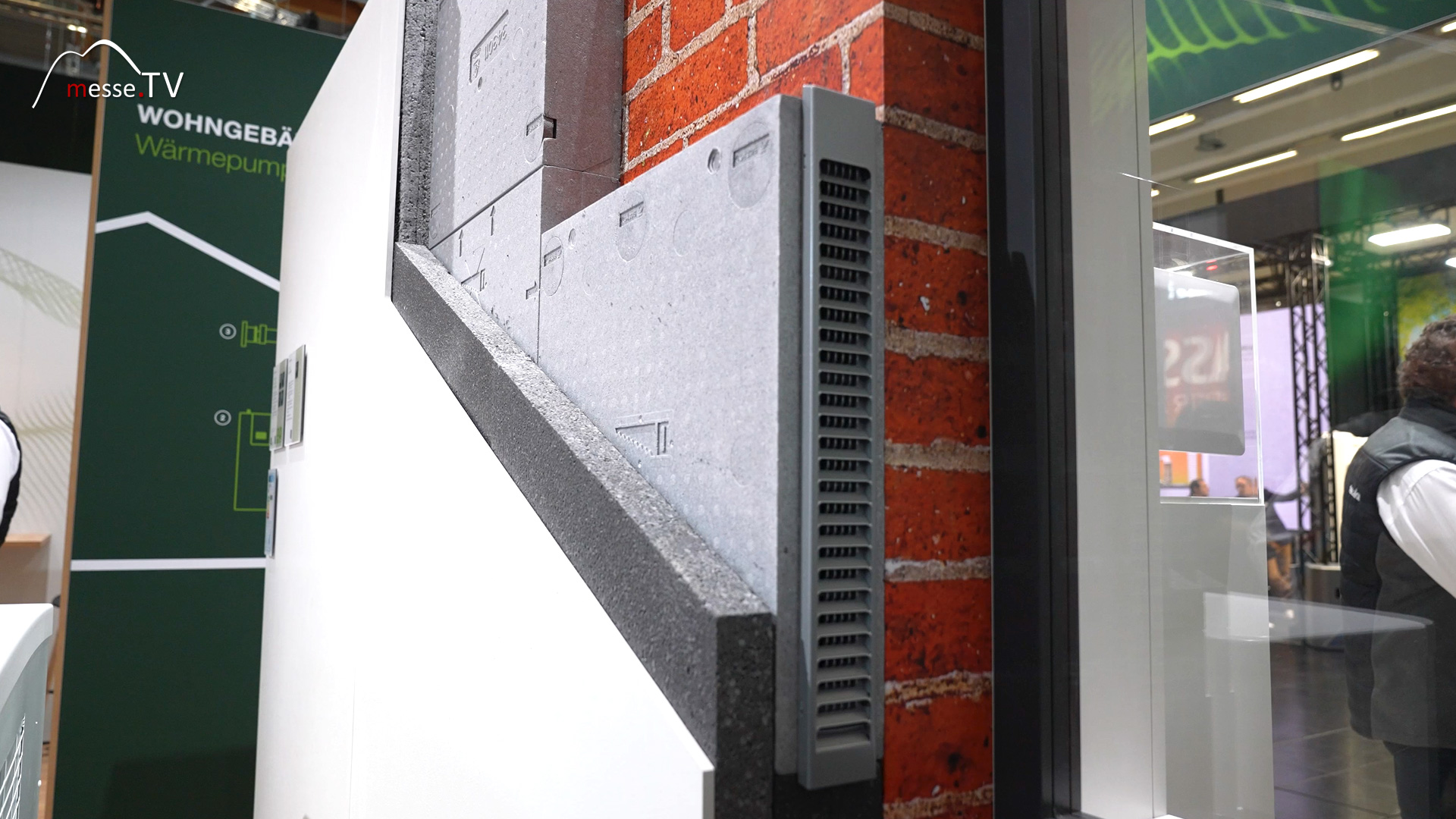
- Energieeffiziente Gebäude: Häuser mit guter Wärmedämmung profitieren besonders von Wärmepumpen, da diese effizienter arbeiten, je weniger Wärme verloren geht.
- Umweltbewusste Eigentümer: Wer Wert auf Nachhaltigkeit und einen geringen ökologischen Fußabdruck legt, findet in der Wärmepumpe eine hervorragende Lösung, um den CO2-Ausstoß zu minimieren.
- Gebäude mit bestehenden Heizsystemen: Auch in bestehenden Gebäuden können Wärmepumpen nachgerüstet oder mit vorhandenen Heizsystemen kombiniert werden, um die Energieeffizienz zu verbessern.

2. Warum haben Wärmepumpen eine so hohe Effizienz?
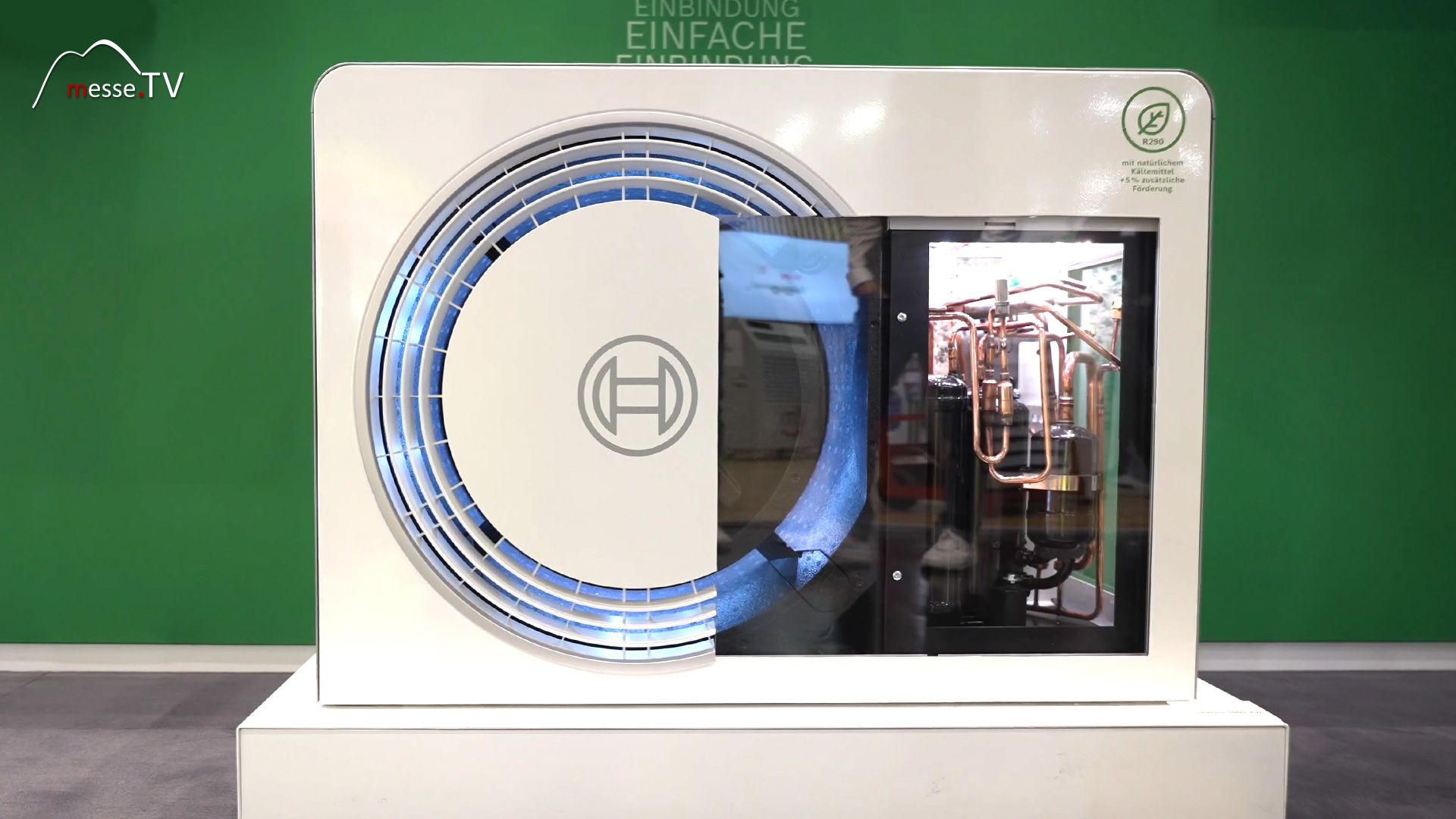
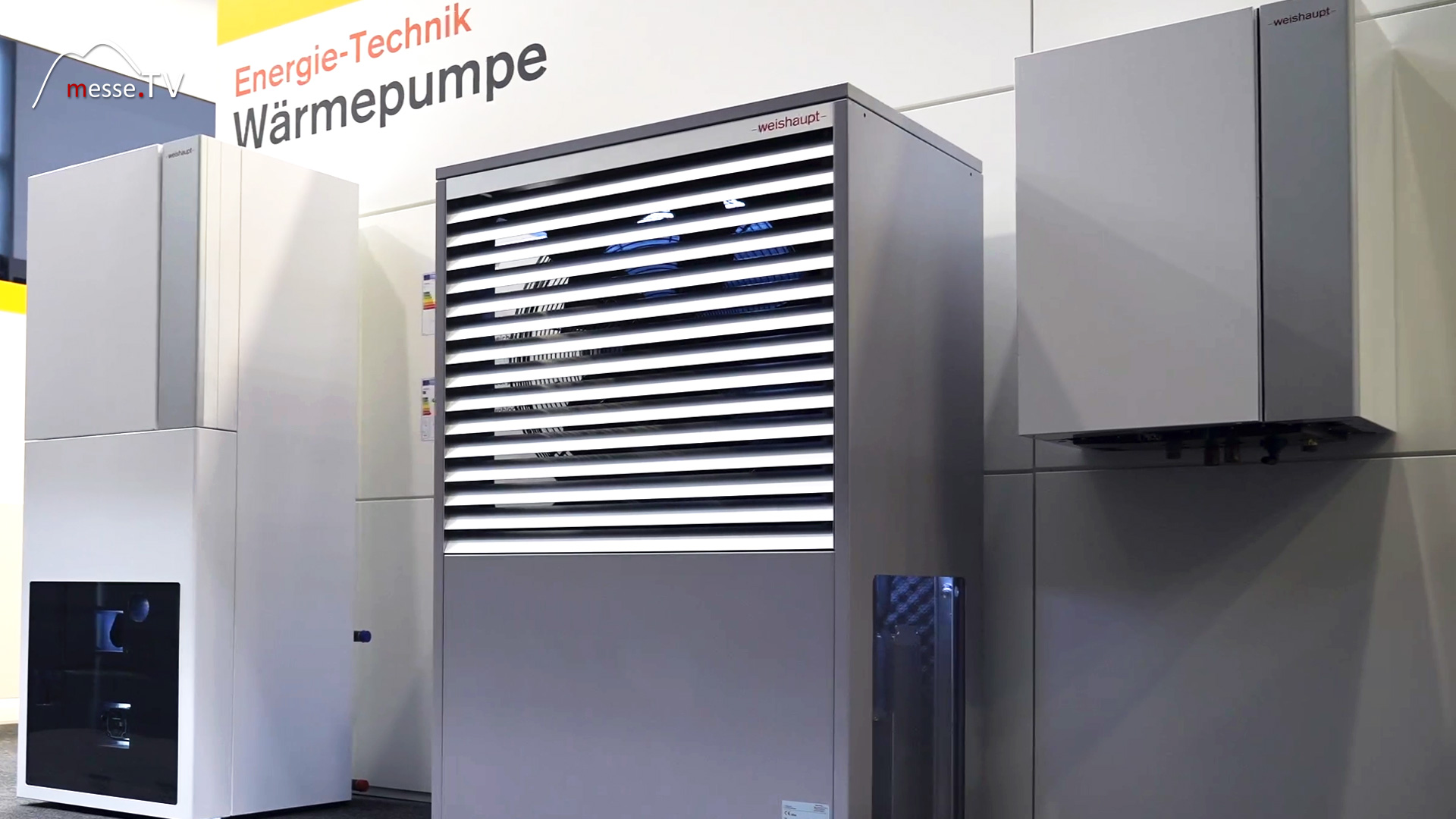
Die hohe Effizienz von Wärmepumpen resultiert aus ihrer Funktionsweise, bei der sie Umweltwärme aus der Luft, dem Wasser oder dem Boden nutzen und in Heizenergie umwandeln. Im Vergleich zu herkömmlichen Heizsystemen, die Energie durch Verbrennung erzeugen, verwenden Wärmepumpen hauptsächlich elektrische Energie, um Wärme zu transportieren, anstatt sie direkt zu erzeugen. Dies ermöglicht es ihnen, mehr Energie in Form von Wärme abzugeben, als sie in Form von Strom aufnehmen. Die sogenannte Jahresarbeitszahl (JAZ) einer Wärmepumpe liegt oft bei 3 bis 4, was bedeutet, dass sie das Drei- bis Vierfache der zugeführten elektrischen Energie in Wärme umwandeln kann. Vergleichen Sie Wärmepumpen führender Hersteller
3. Kann man Wärmepumpen auch nachrüsten?
Ja, Wärmepumpen können auch in bestehenden Gebäuden nachgerüstet werden. Dabei gibt es verschiedene Möglichkeiten, je nach den vorhandenen Gegebenheiten:
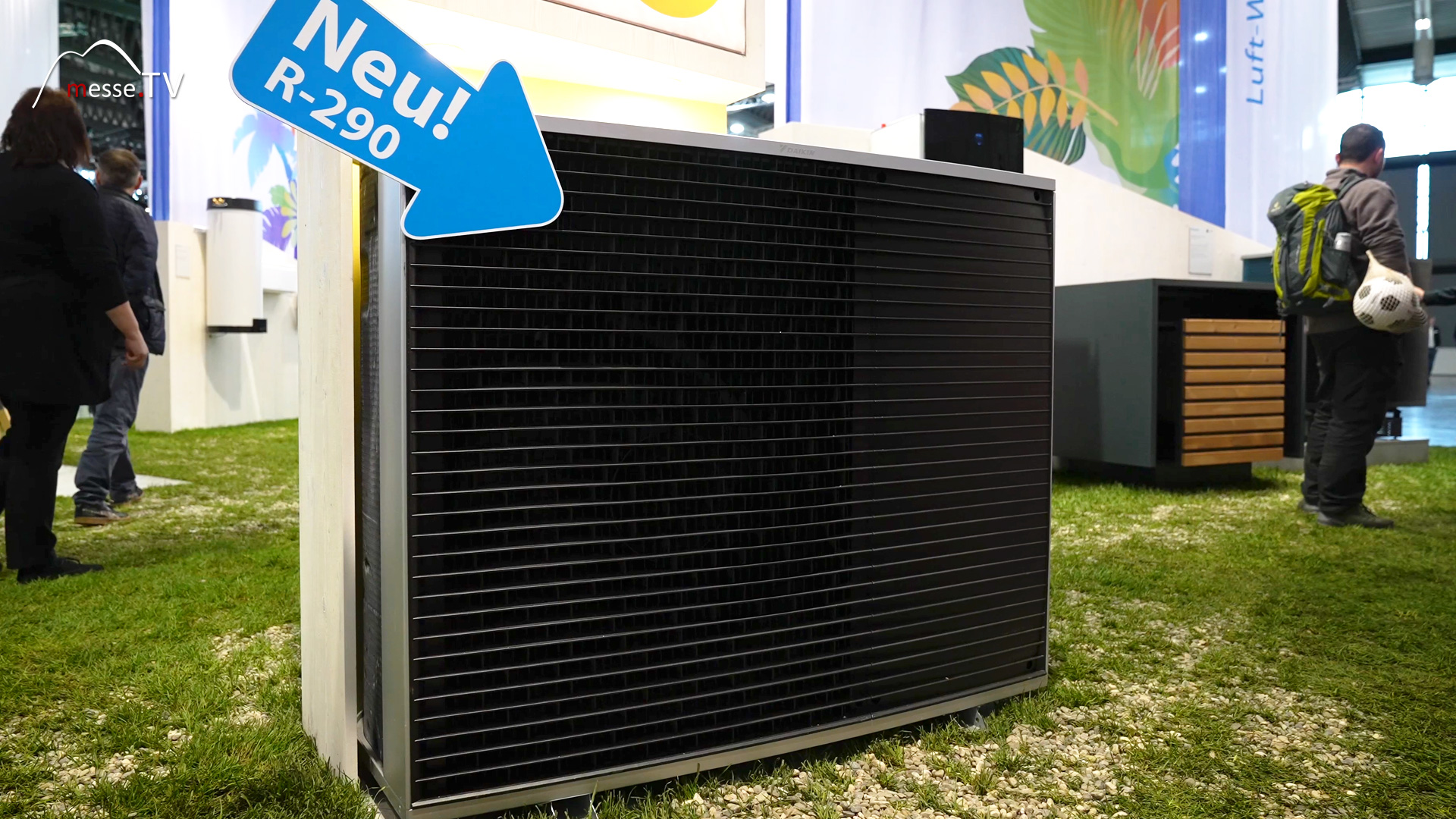
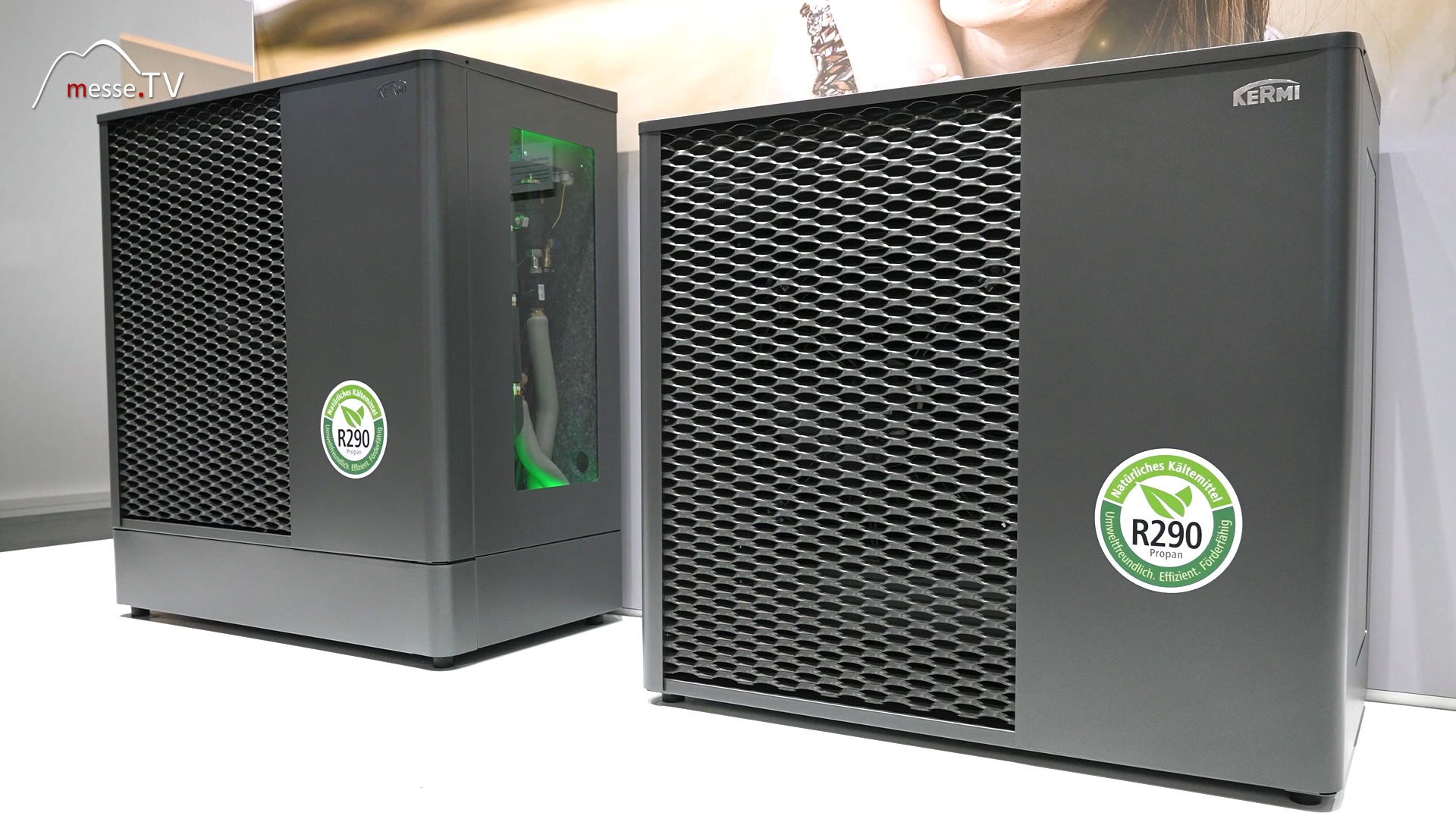
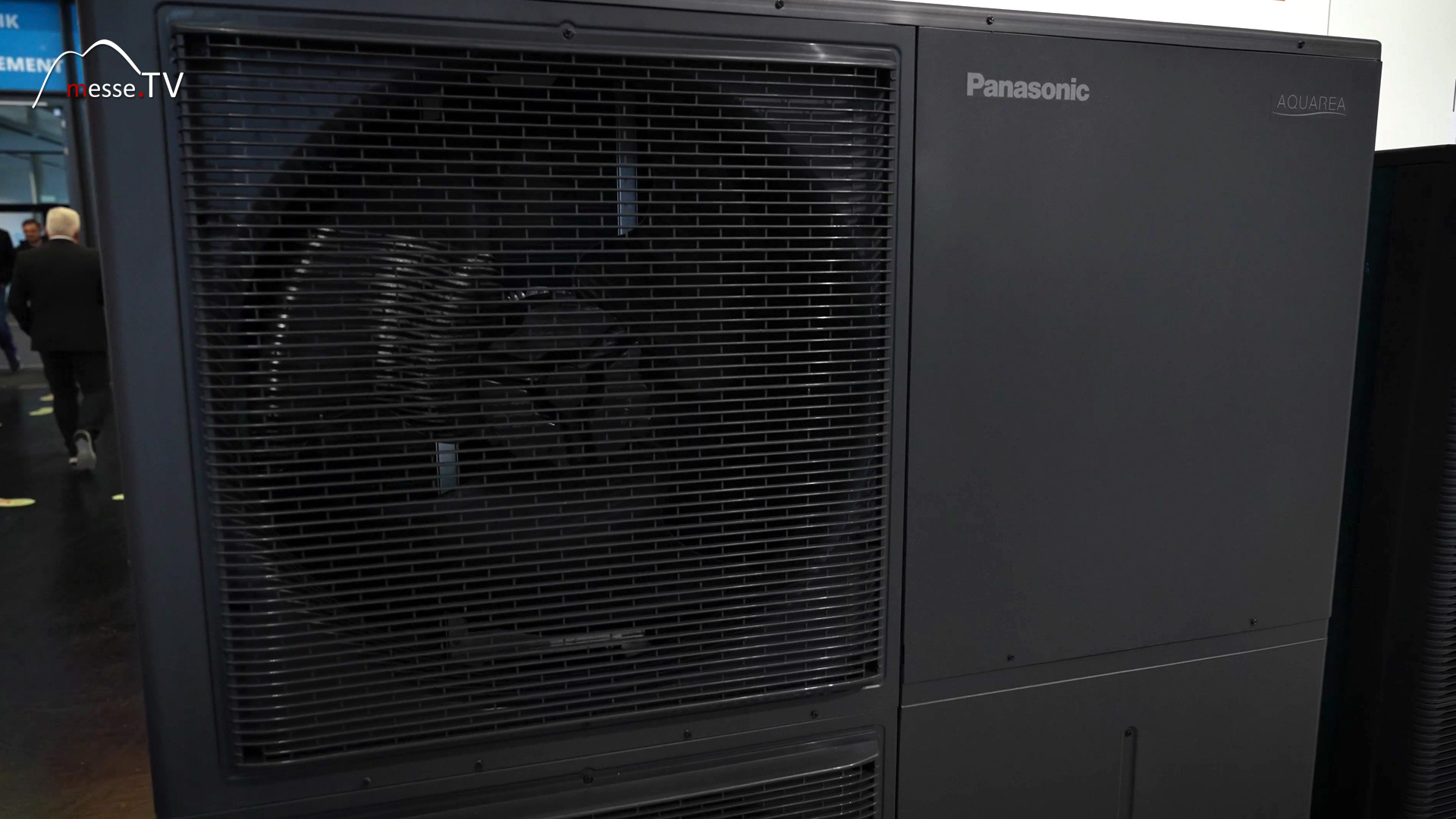
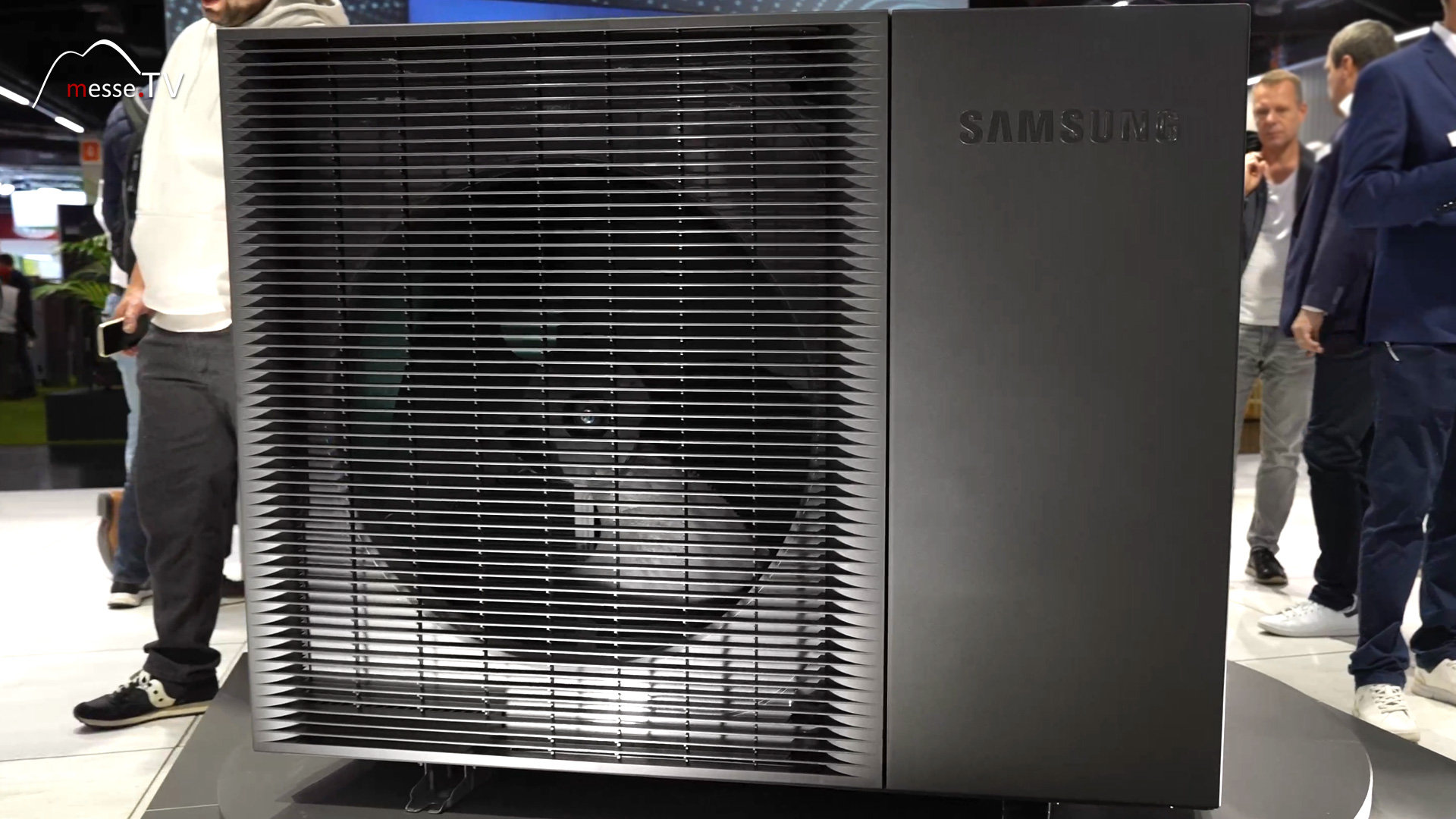
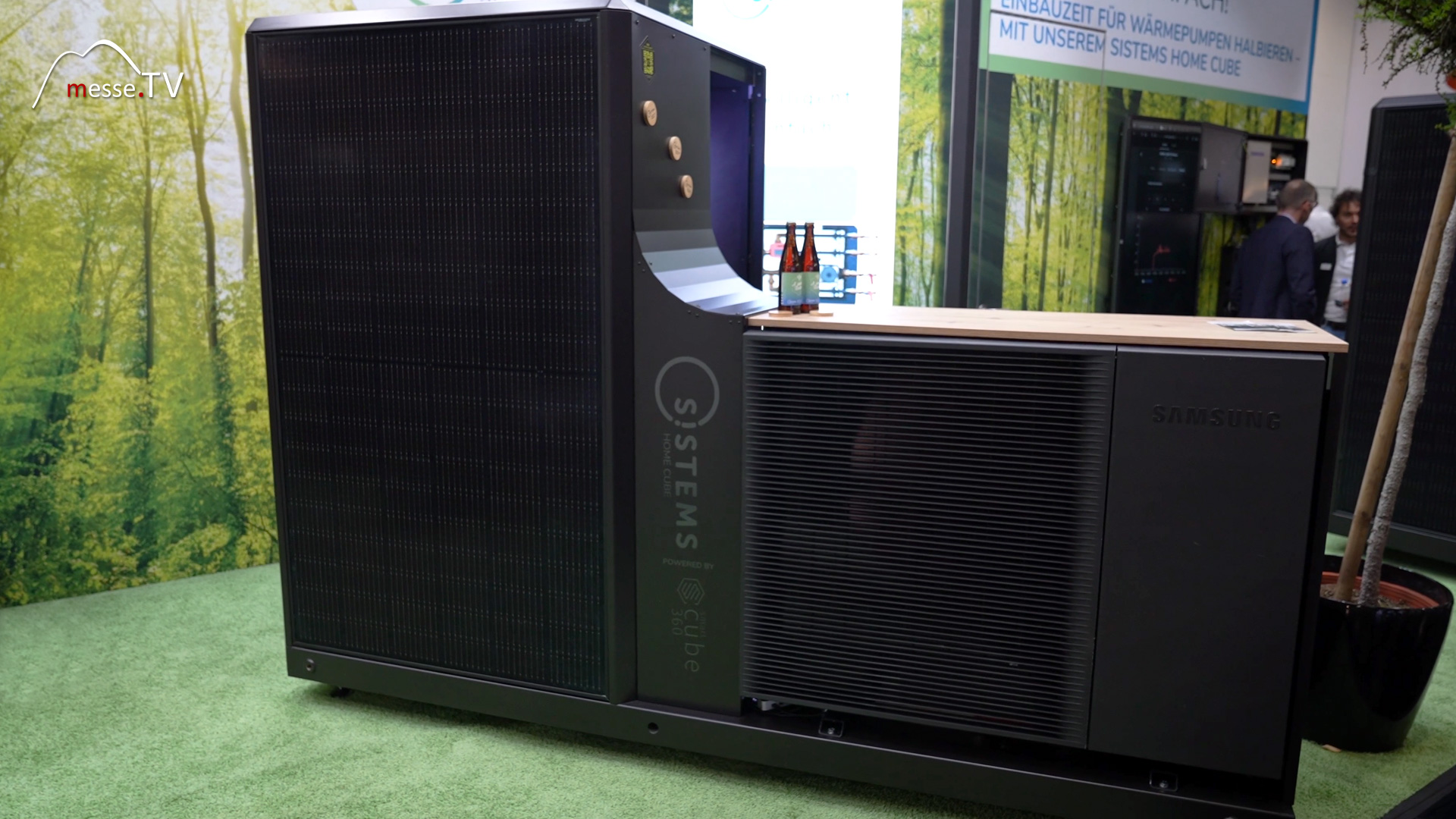
- Luft-Wasser-Wärmepumpen: Diese sind besonders einfach zu installieren, da sie keine aufwendigen Erdarbeiten erfordern und können daher in vielen bestehenden Gebäuden nachgerüstet werden.
- Erdwärmepumpen: Diese erfordern das Verlegen von Erdwärmekollektoren oder Bohrungen für Erdwärmesonden. Dies ist zwar aufwendiger, aber in vielen Fällen machbar.
- Wasser-Wasser-Wärmepumpen: Diese Systeme nutzen Grundwasser als Wärmequelle und benötigen Zugang zu ausreichenden Wasserressourcen.
4. Wie teuer ist die Anschaffung einer Wärmepumpe?
Die Kosten für die Anschaffung und Installation einer Wärmepumpe können stark variieren, abhängig von der Art der Wärmepumpe und den spezifischen Gegebenheiten vor Ort. Grob lassen sich folgende Preisspannen nennen:
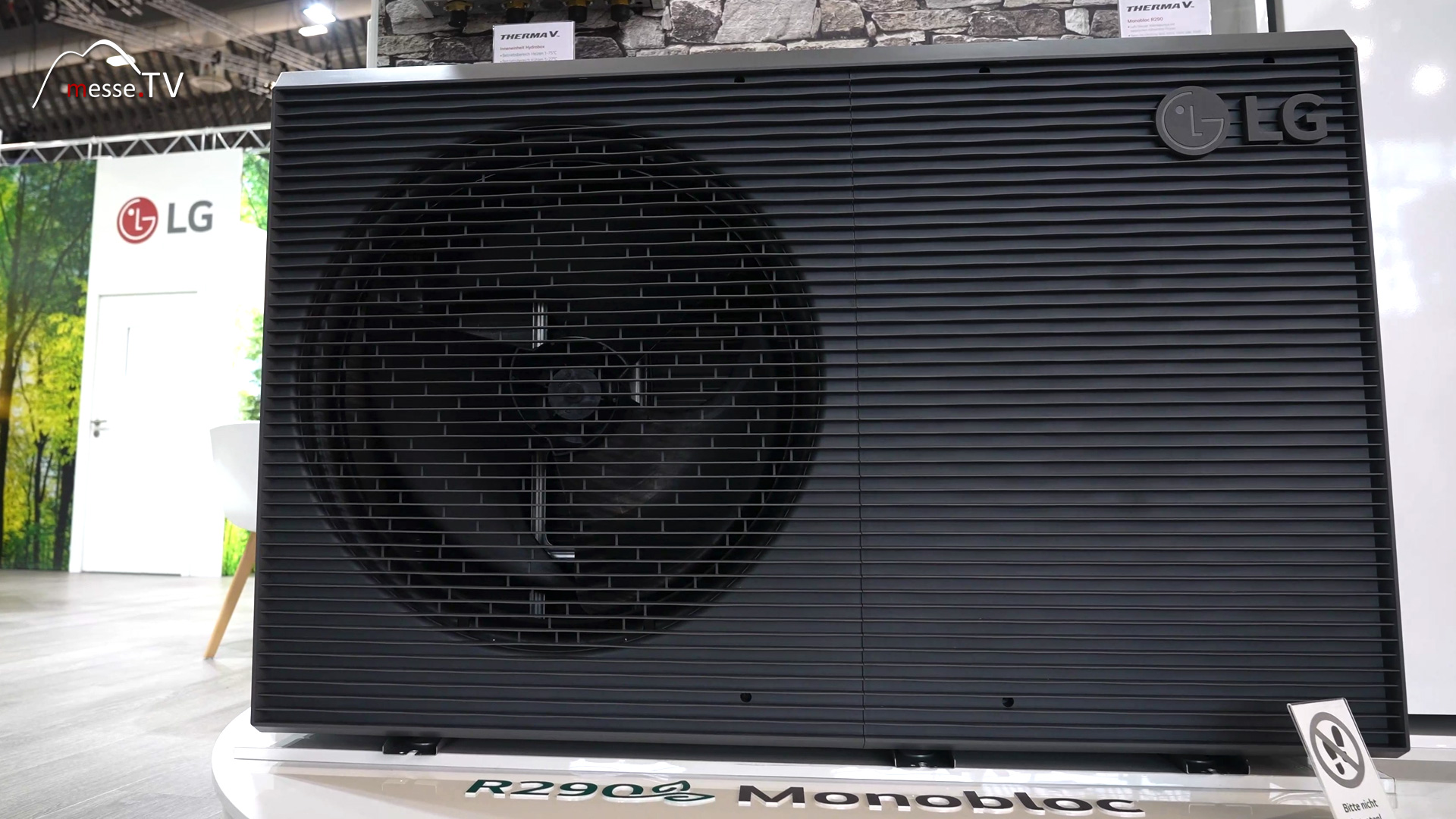
- Luft-Wasser-Wärmepumpen: Zwischen 8.000 und 15.000 Euro, inklusive Installation.
- Erdwärmepumpen: Zwischen 15.000 und 25.000 Euro, inklusive der Kosten für Erdarbeiten und Installation.
- Wasser-Wasser-Wärmepumpen: Zwischen 15.000 und 25.000 Euro, abhängig von den notwendigen Bohrungen und der Installation.
5. Kann man eine Wärmepumpe mit einer konventionellen Heizung kombinieren?
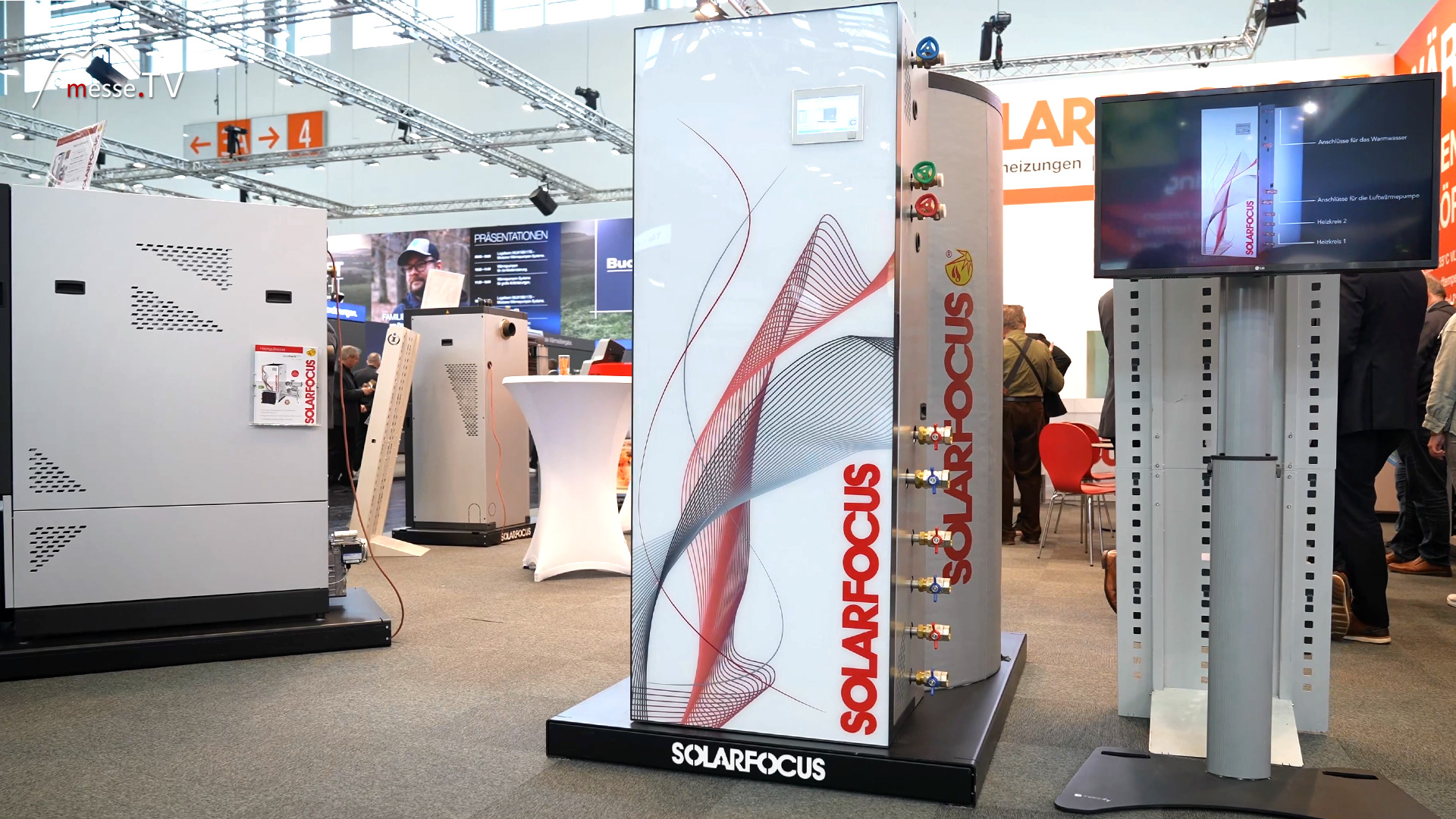
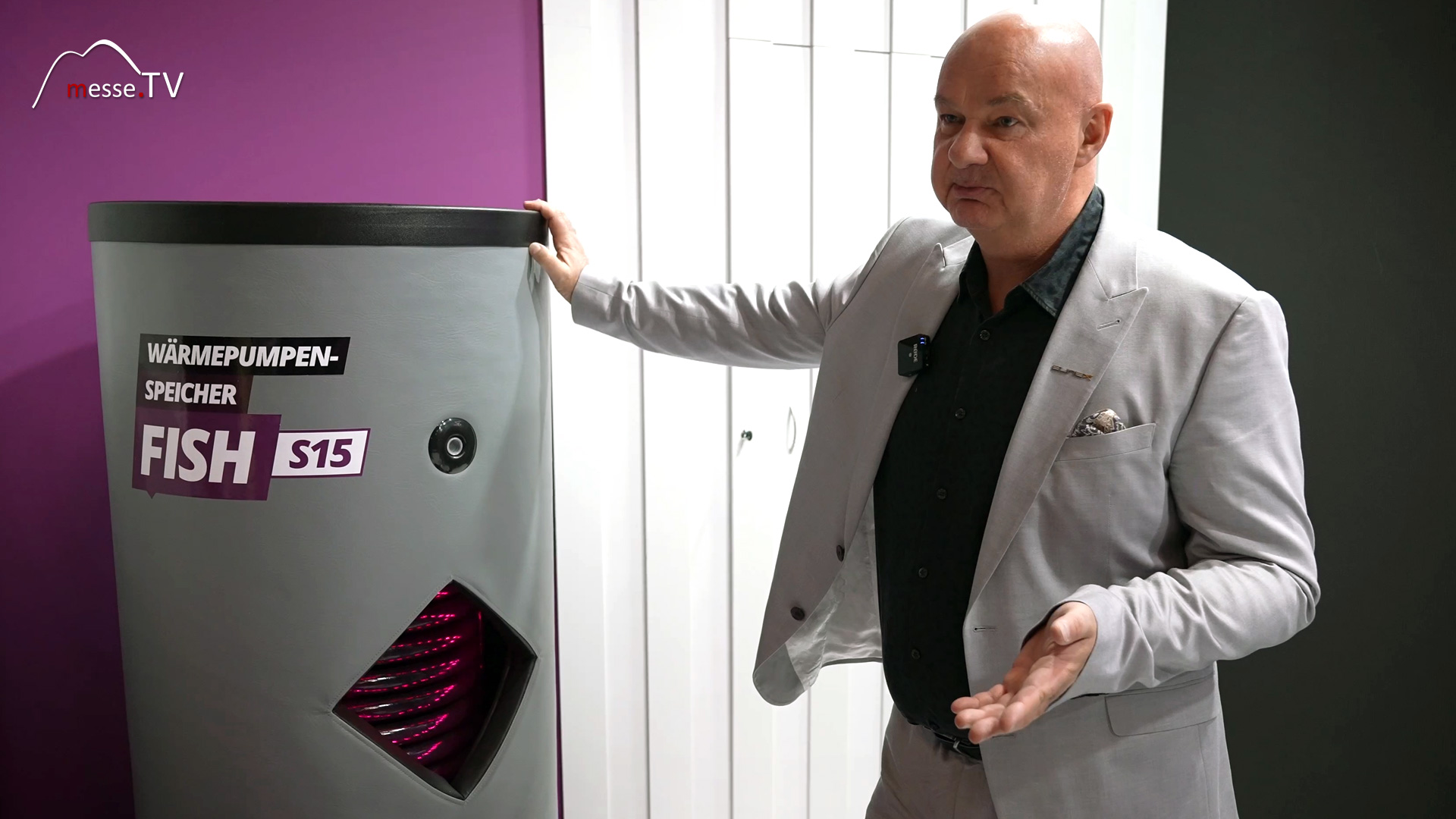
Ja, es ist möglich, eine Wärmepumpe mit einer konventionellen Heizung zu kombinieren. Dieses sogenannte Hybridsystem bietet mehrere Vorteile:
- Flexibilität: Die Wärmepumpe kann bei moderaten Temperaturen die Hauptlast der Beheizung übernehmen, während die konventionelle Heizung (z.B. eine Gasheizung) bei extrem niedrigen Temperaturen zusätzlich einspringen kann.
- Optimierte Energieeffizienz: Durch die Kombination können die jeweiligen Stärken der beiden Systeme genutzt werden, was zu einer höheren Gesamteffizienz führt.
- Kostenersparnis: Ein Hybridsystem kann helfen, Energiekosten zu senken, indem die Wärmepumpe den Großteil der Heizlast übernimmt und die konventionelle Heizung nur bei Bedarf zugeschaltet wird.
Messe-Berichterstattung bundesweit - Messewissen, Termine & Veranstaltungen


