Kolbe modular house – mass-produced housing solution for different plots of land
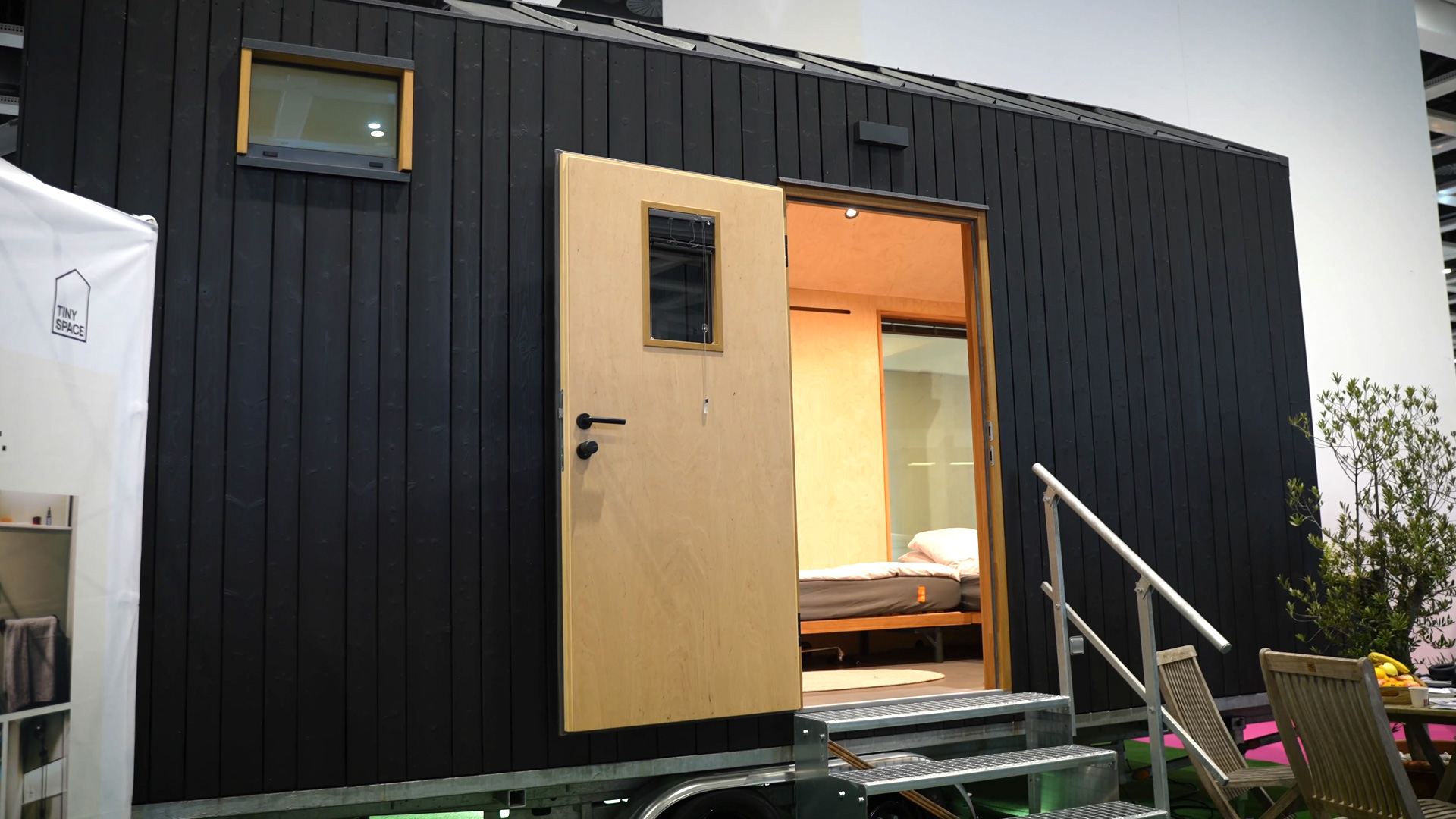
by B. Velonavy - 2025-12-09Kolbe presents modular residential buildings that are not used as mobile homes, but are integrated into existing property structures via a building application. The models are completely prefabricated and then delivered by crane or axle, depending on the location of the property. The concept is aimed at people who are looking for a compact living solution with low energy consumption and clear room organization.
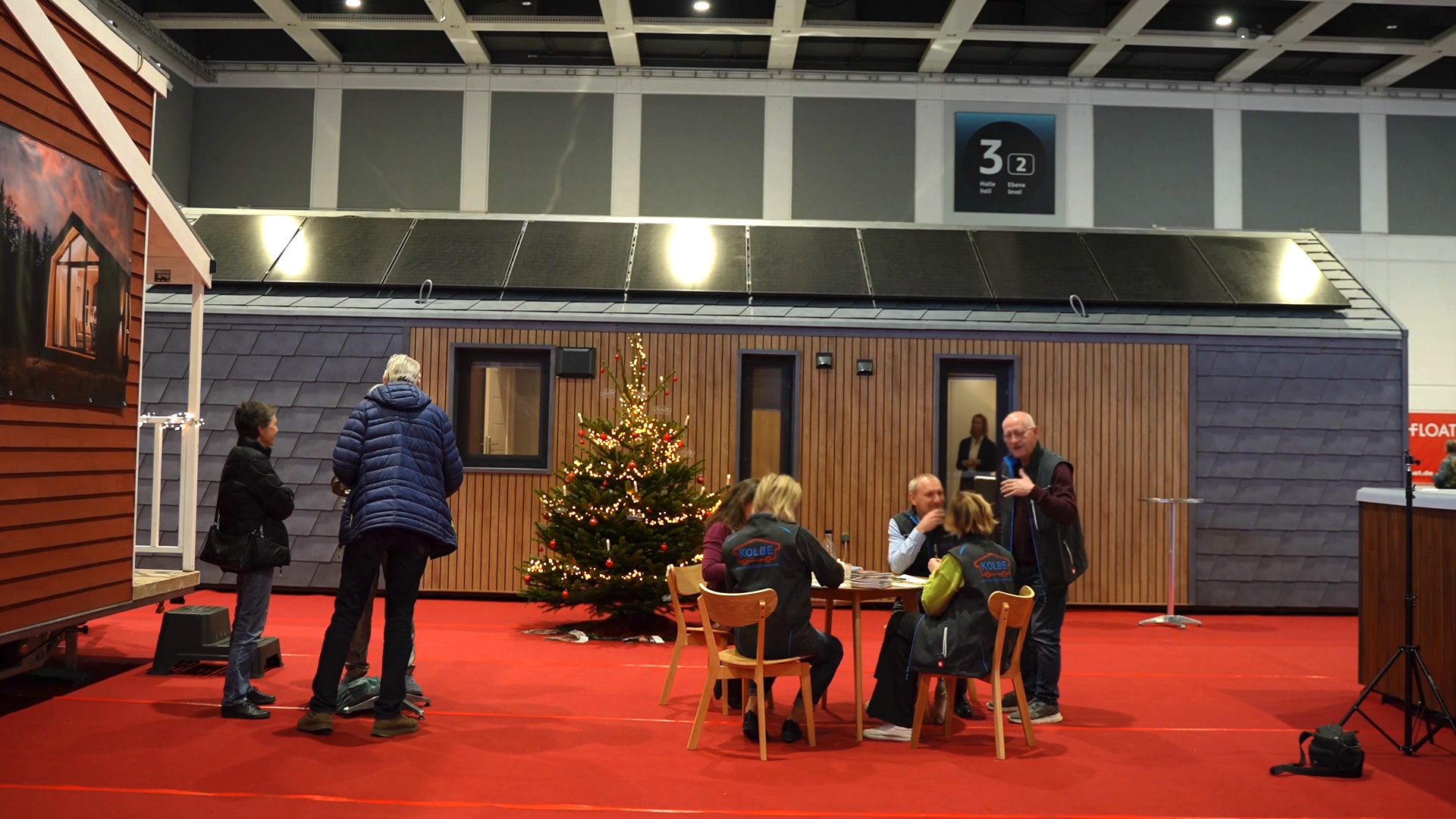
Modular houses with steel frame construction, PUR insulation, and EH55 certification
Kolbe's modular houses are based on a steel frame construction combined with 18-centimeter-thick PUR foam insulation. This combination ensures high stability and contributes to the EH55 energy efficiency class, which is confirmed by a certificate. The basic technical equipment includes infrared underfloor heating, recuperators for heat recovery, and a split air conditioning unit that cools in summer and heats in winter.
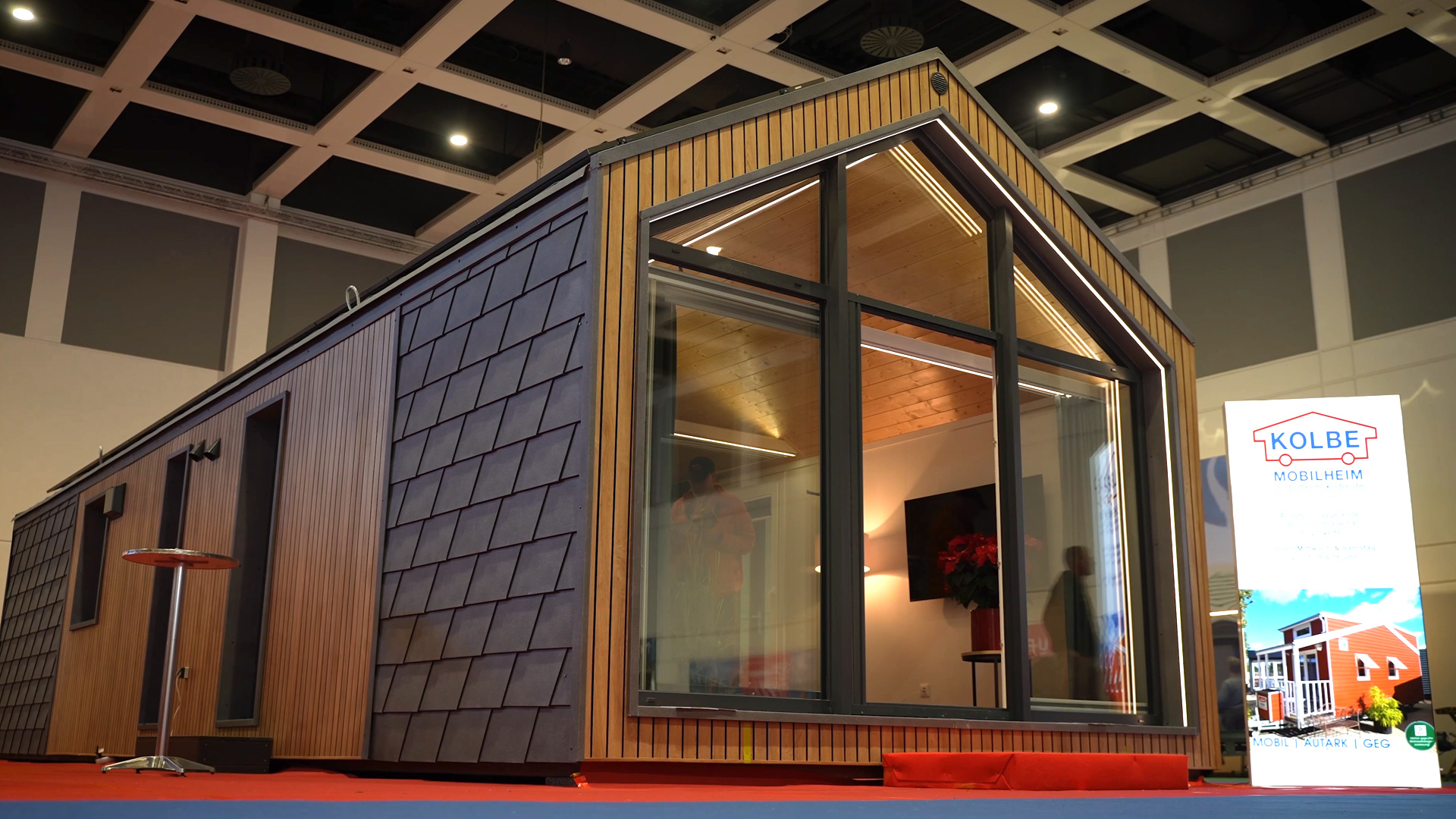
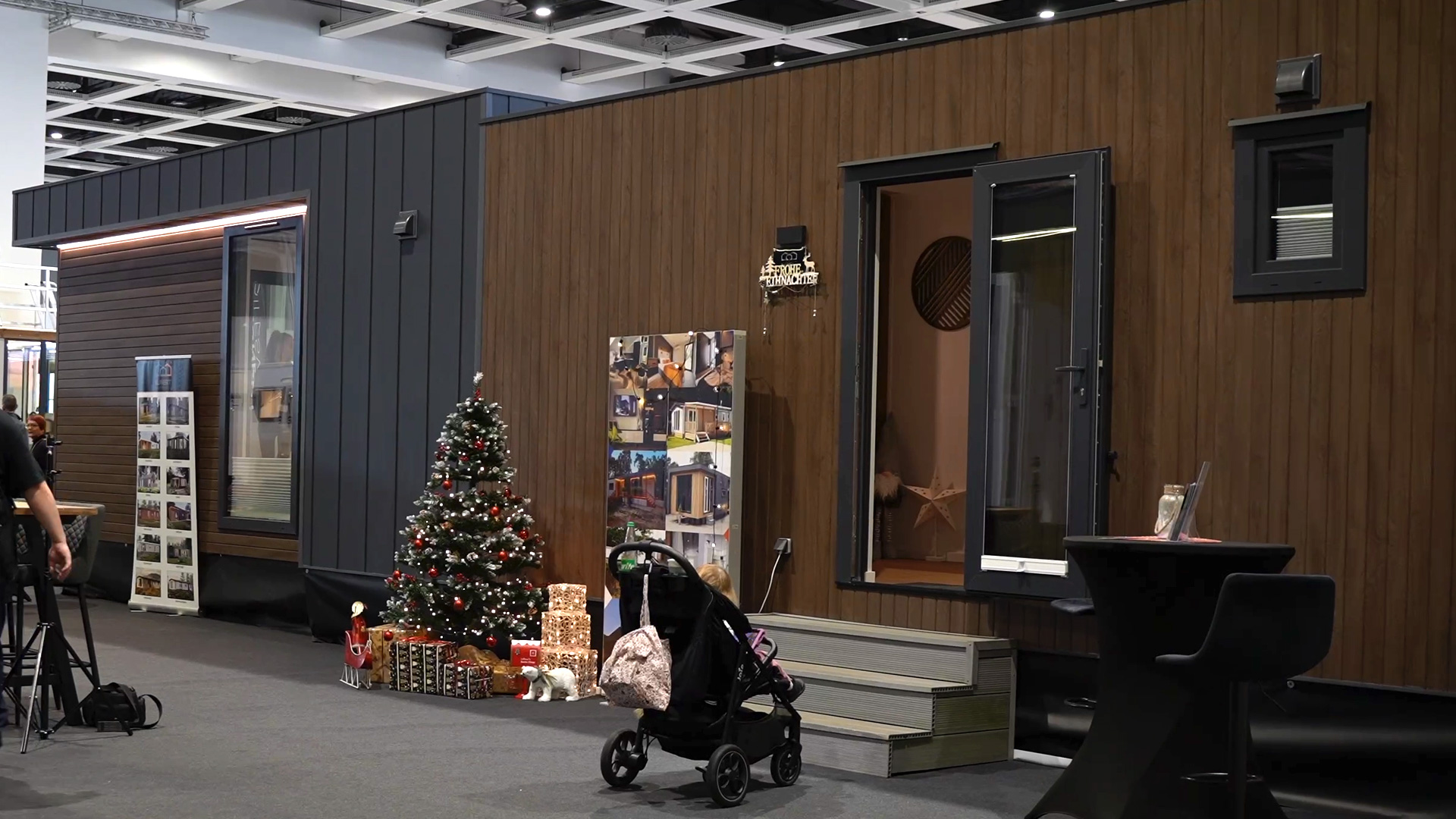
The interior features splash-proof vinyl flooring and wooden walls, while the exterior facades are made of Prefa sheet metal, vinyl, or plastic from recycled window elements, depending on the model.
Kolbe Madeira and Silver Moon with different floor plans and transport routes
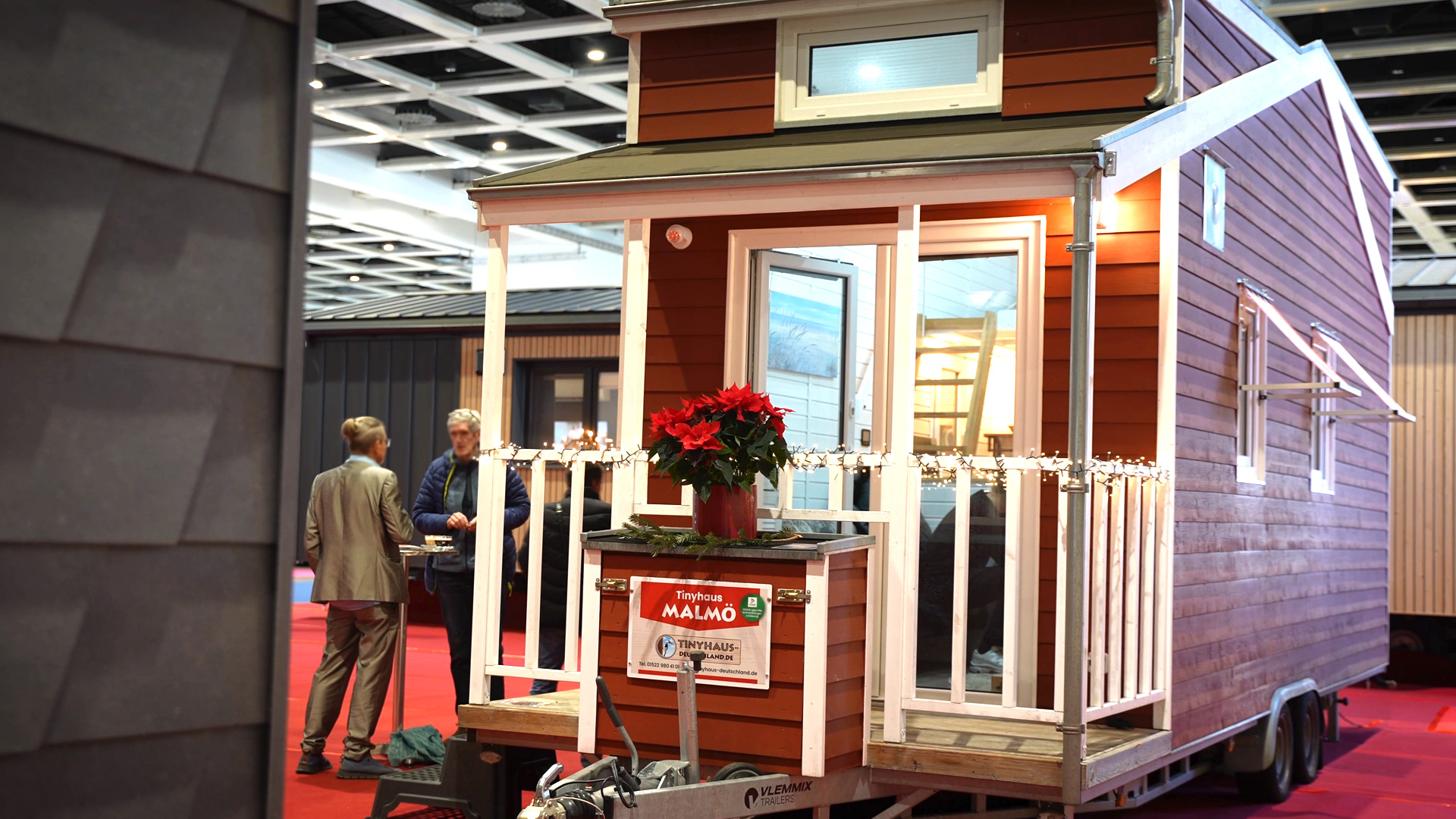
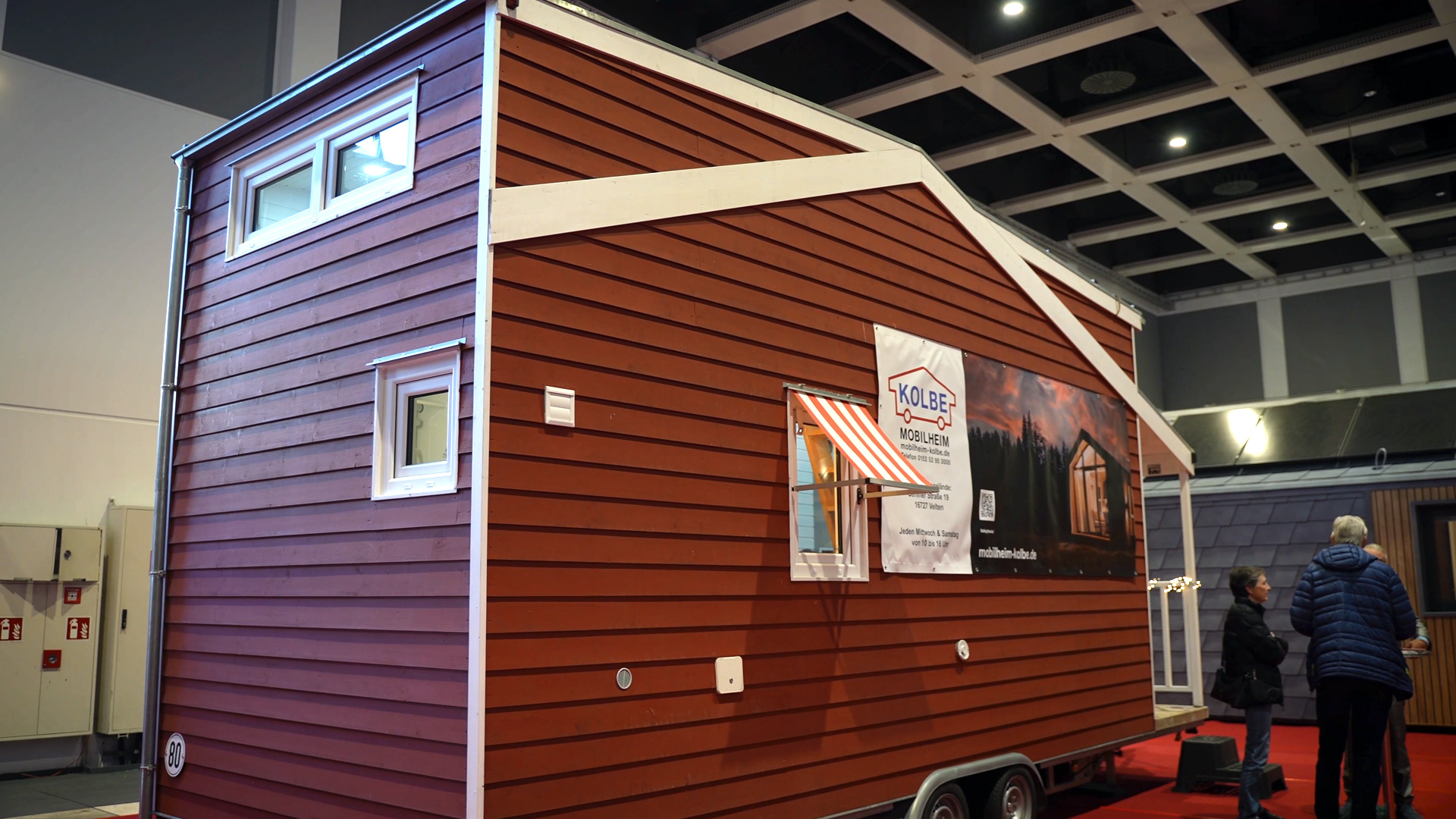
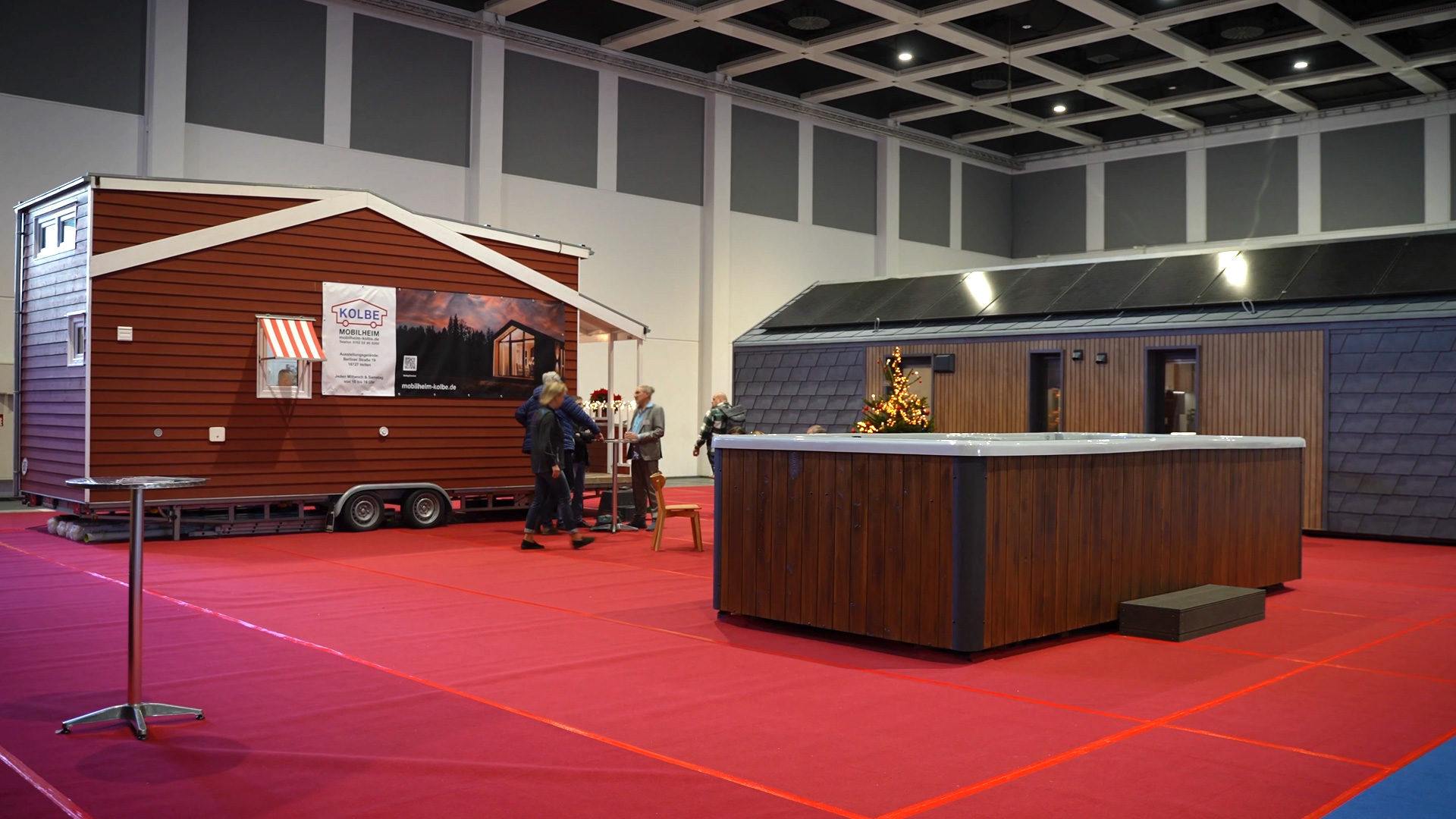
Two models will be on display at the trade fair: Madeira and Silver Moon. Both differ in terms of equipment, layout, and delivery method. Madeira is moved via an axle with wheel bearing transport, while Silver Moon is moved by crane—a solution that is particularly useful for narrow driveways or winding properties.

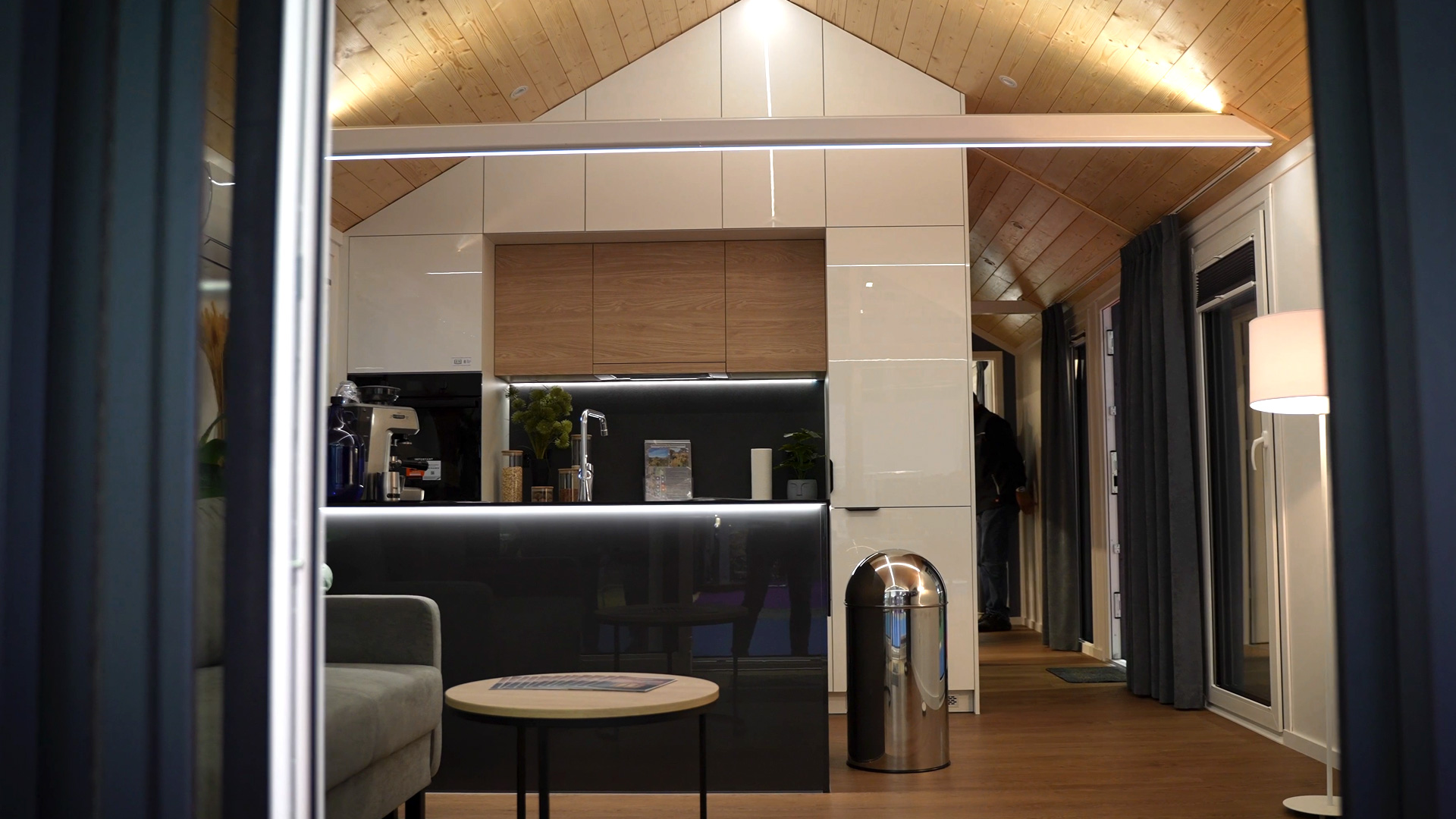
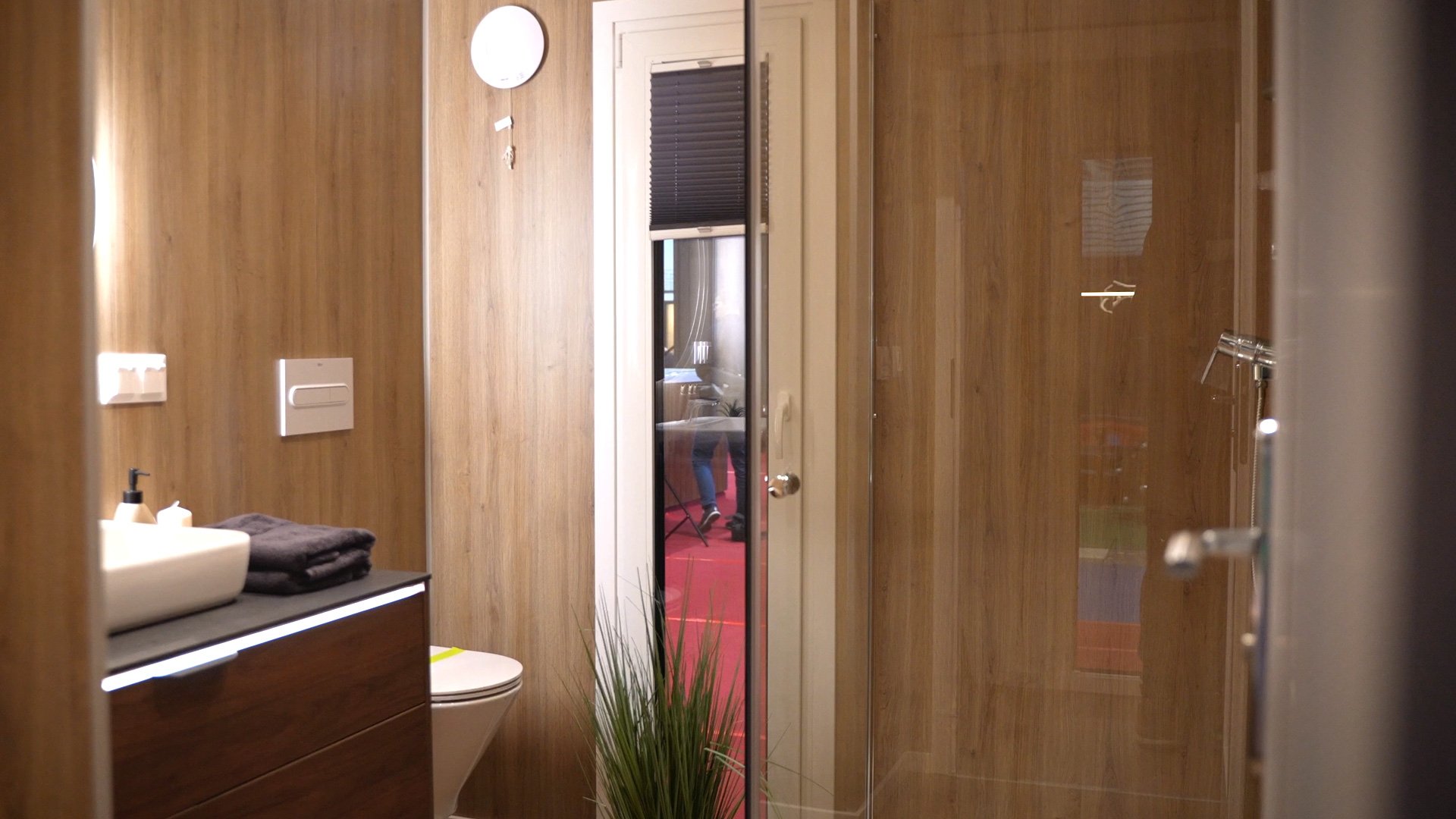
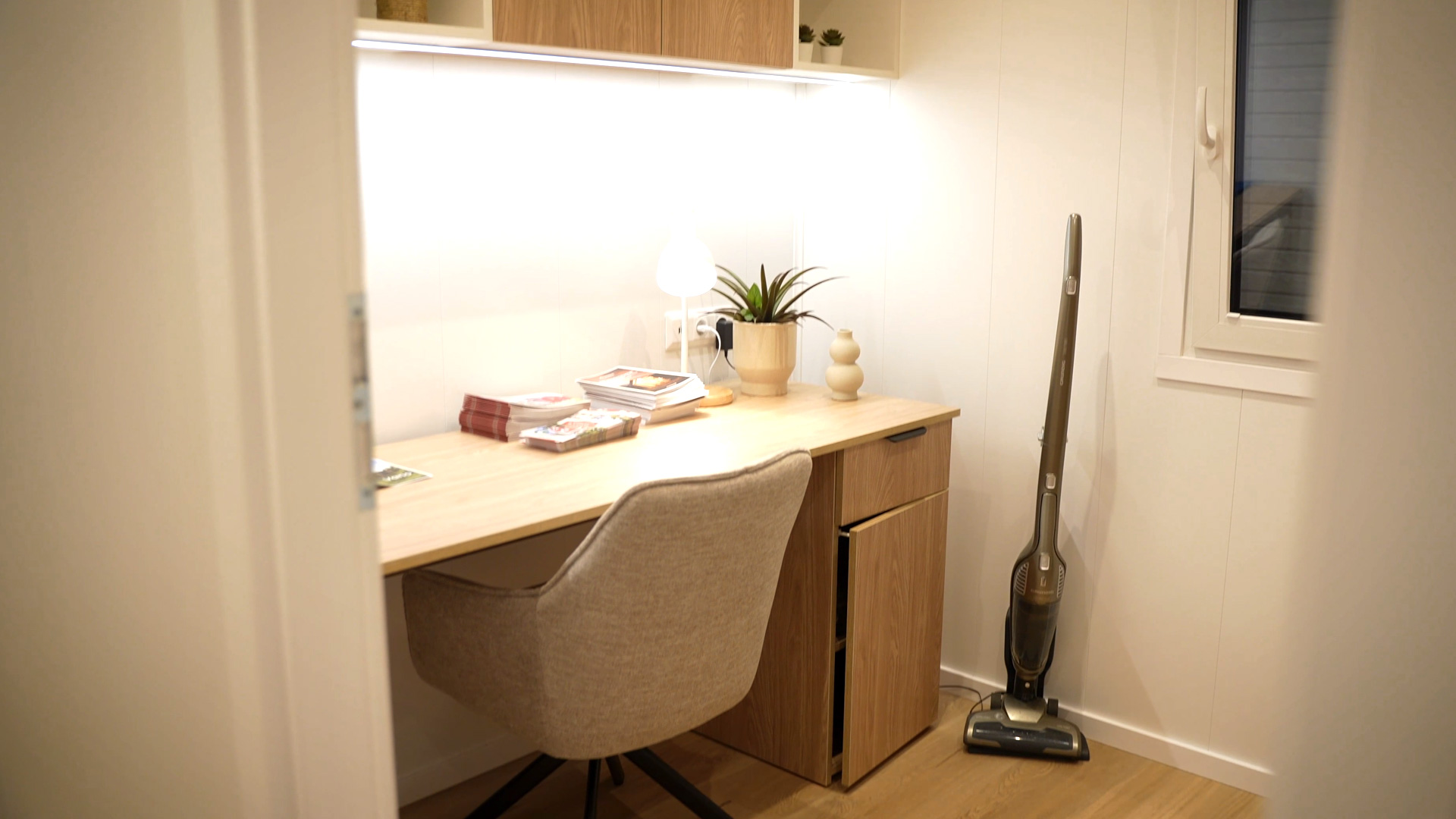
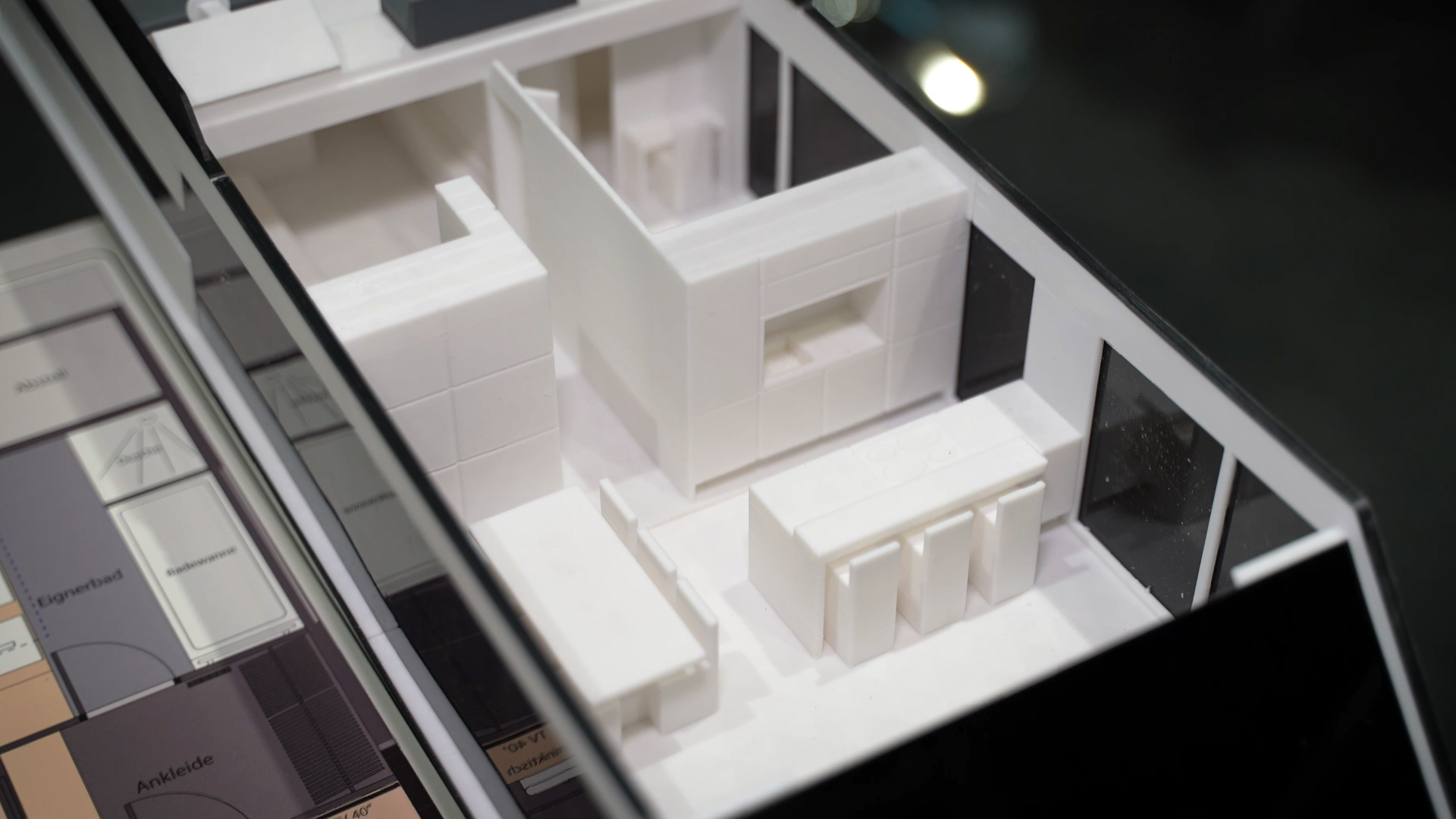
The Madeira model has a bedroom at the rear with an integrated walk-in closet. This is followed by an entrance area with a toilet and shower. There is also a guest toilet and a room that can be used flexibly as an office, children's room, or training room. The spacious living-dining area completes the layout and combines an open kitchen with a glass façade and a spacious seating area.
Kolbe target groups: downsizing, energy efficiency, and affordable living
The main user groups include people who want to downsize and swap the hassle of a large house for a smaller, energy-efficient solution. In addition, there are young adults for whom classic new builds are hardly affordable, but who still want to live in their own property. For both groups, the modular houses offer a clearly structured floor plan, modern building services, and calculable costs.
Transport, weight, and accessibility to different properties
The modular houses have living spaces ranging from around 35 to just under 90 square meters. Depending on the design, they weigh between ten and around fifteen tons. A powerful towing vehicle is required for transport by road; a normal SUV is not sufficient for this. In practice, large trucks or wheel loaders are used.
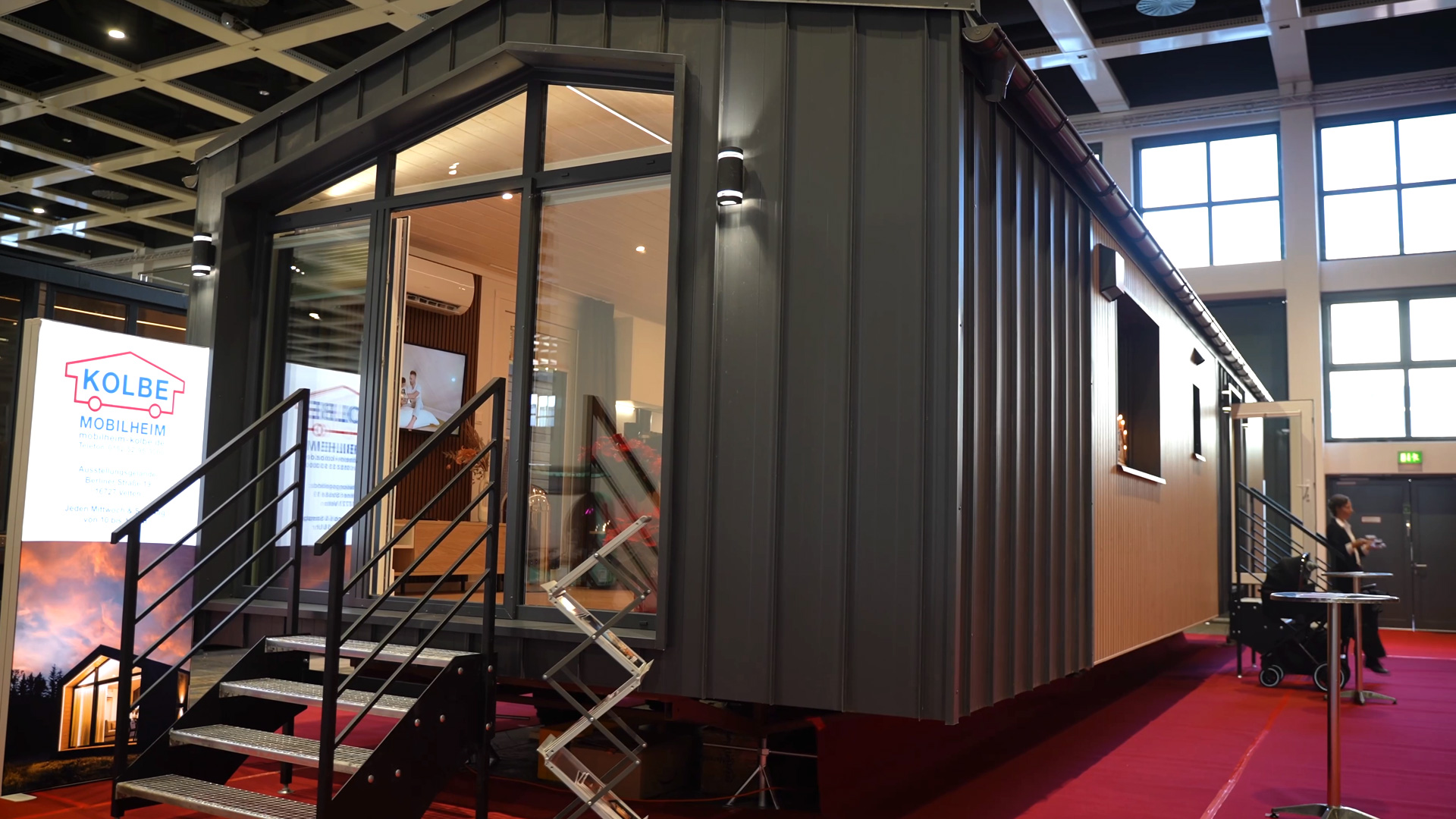
Crane lifting is also possible. The roof construction includes pre-installed crane eyes that allow the entire unit to be lifted safely. Kolbe checks in advance whether there is sufficient space to access the property. If this is not the case, a modular house constructed entirely from wooden studs is available as an alternative, which is erected directly on site.
Assembly, construction time, and advantages of Kolbe modular houses
The prefabricated units are normally delivered complete and then simply set down, connected, and put into operation. The construction time is limited to one day. This principle enables rapid implementation without lengthy construction phases. Other advantages include the comparatively low price compared to traditional solid construction. The modular house also remains flexible: if the situation changes, the building can be removed from the property and used elsewhere.
Trade fair reporting Germany - Trade fair knowledge, dates & events


