Step drill for clean drilling and high speed
by A. Bergmeier - 2024-09-12In metalworking, a seemingly small detail often determines quality and efficiency: the drill bit. Conventional tools quickly reach their limits, especially when drilling manually or with thin-walled materials.
High force requirements, unclean hole exits or necessary preparatory work such as centre punching cost time and impair the result. A new approach starts with the geometry of the cutting edge and thus changes the entire process.
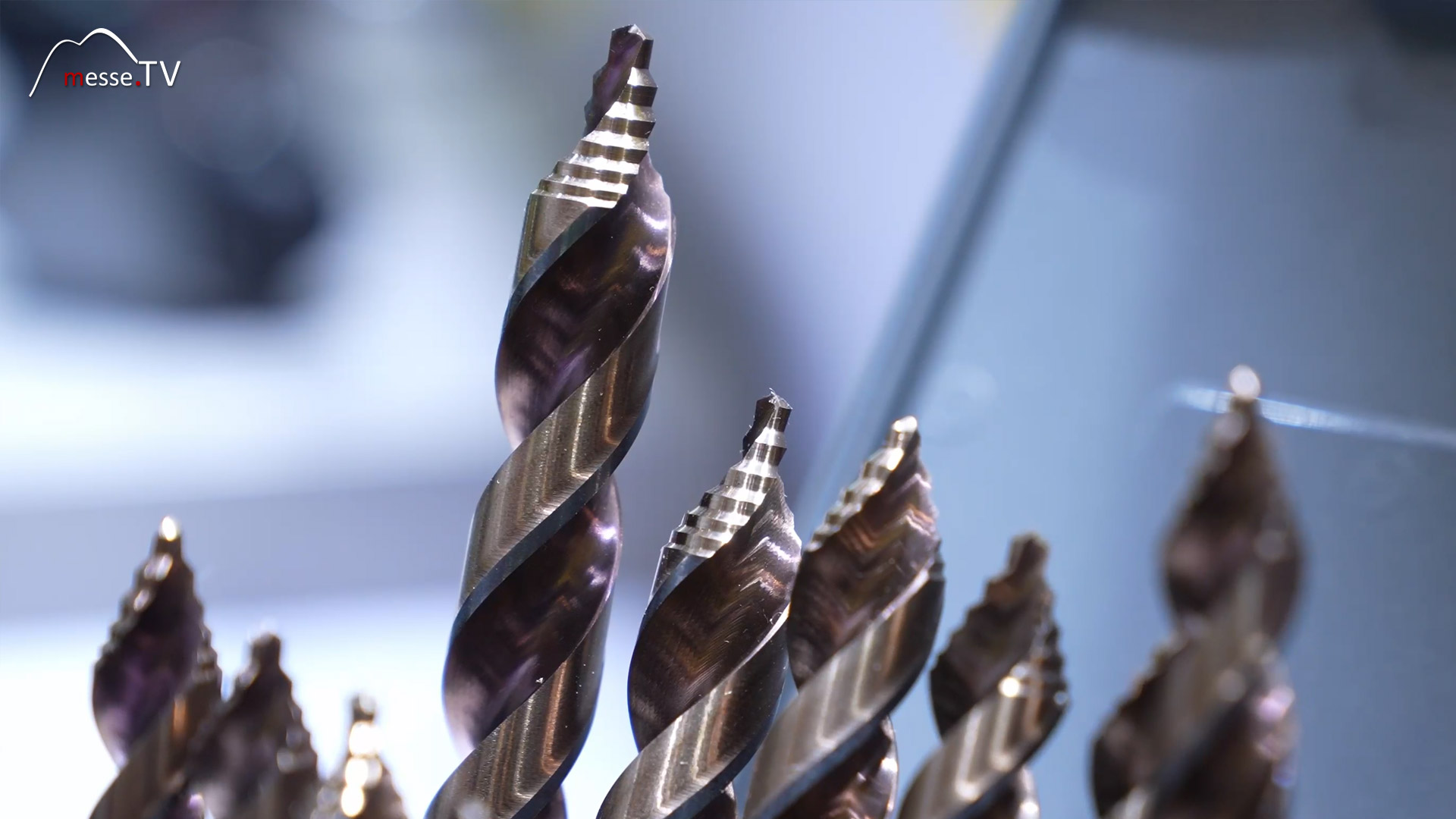
Gühring Step Power drill with eight steps
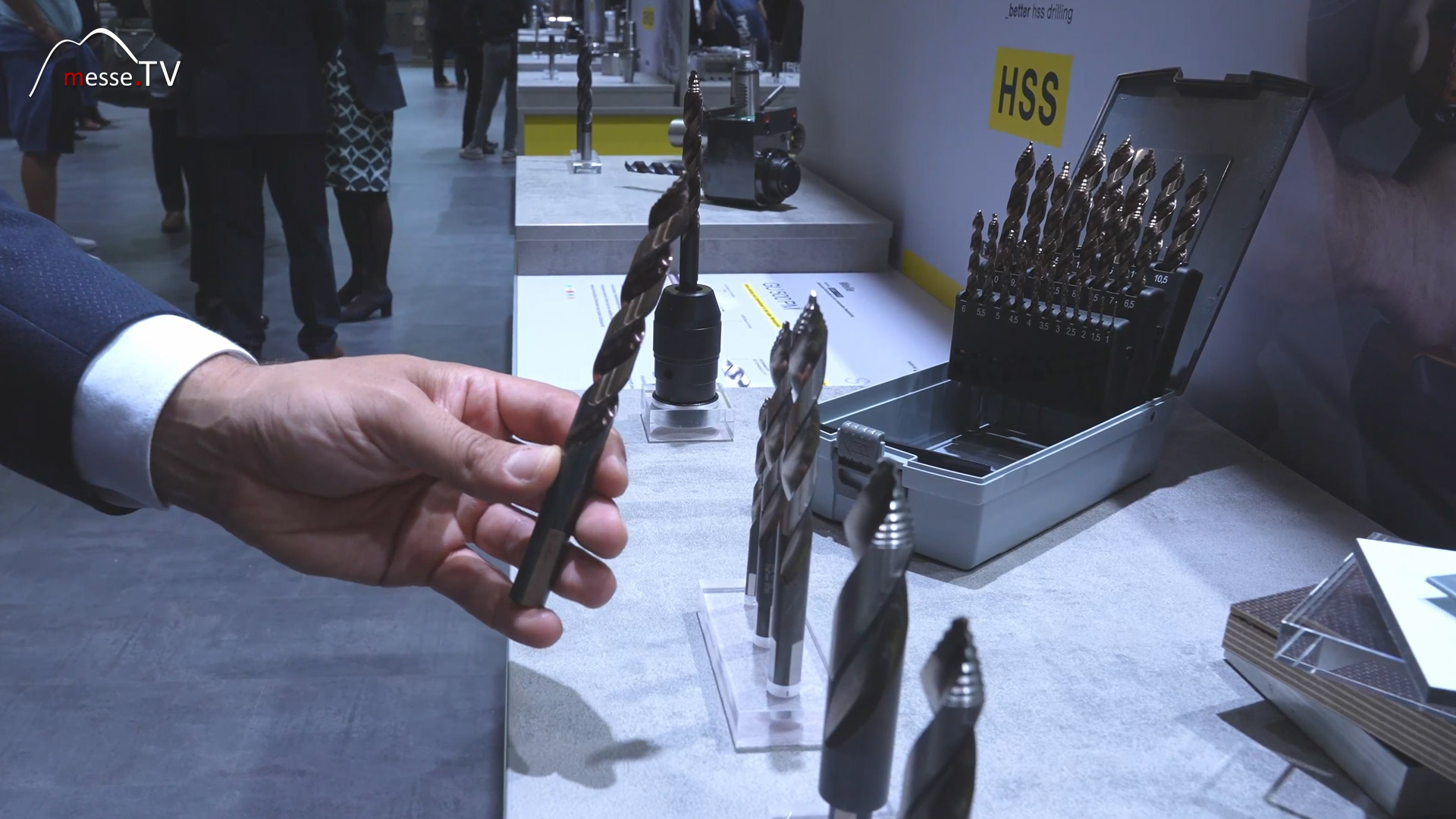
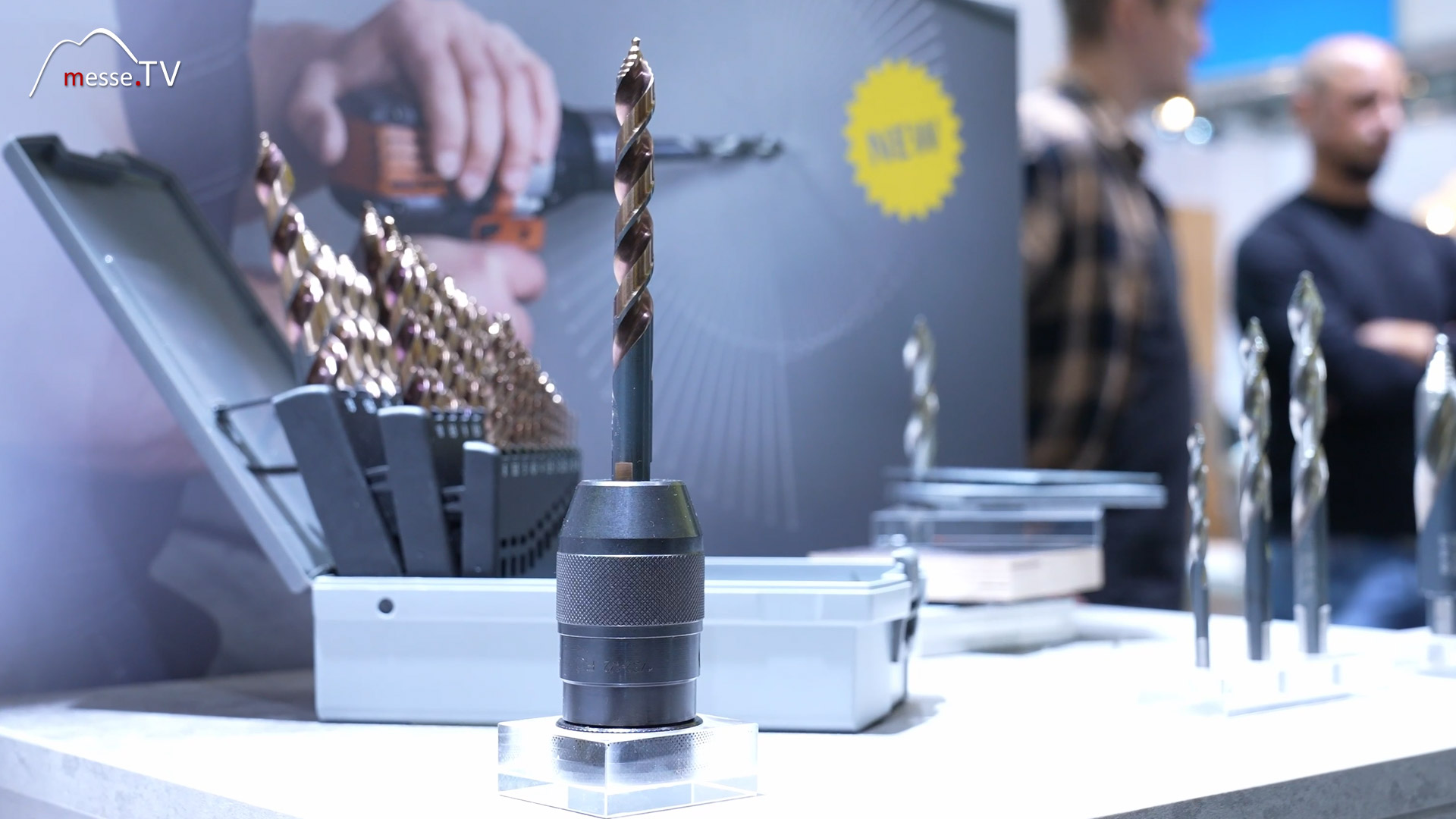
With the Step Power, Gühring is presenting a drill that differs from the classic tool thanks to its multi-stage cutting edge geometry. The cutting edge is divided into eight individual steps, which engage in the material one after the other during drilling. This design distributes the cutting force over several areas. Instead of a punctual engagement, the result is a stepped removal, which reduces the force required and at the same time improves control over the process. This difference is particularly noticeable in manual operation because less pressure is required to produce a hole. The name Step Power therefore not only describes the design, but also how the tool works.
Centre point replaces centre punching and pre-drilling
Another key feature is the distinctive centre point. It is solely responsible for positioning and ensures that the drill is positioned securely. This eliminates the need for preparatory work steps such as centre punching or pre-drilling. In practical use, this significantly simplifies the work process. The user starts directly and begins processing without additional tools or intermediate steps. This feature saves time and reduces sources of error, especially when drilling series or changing positions.

Clean drilling without burrs and fraying
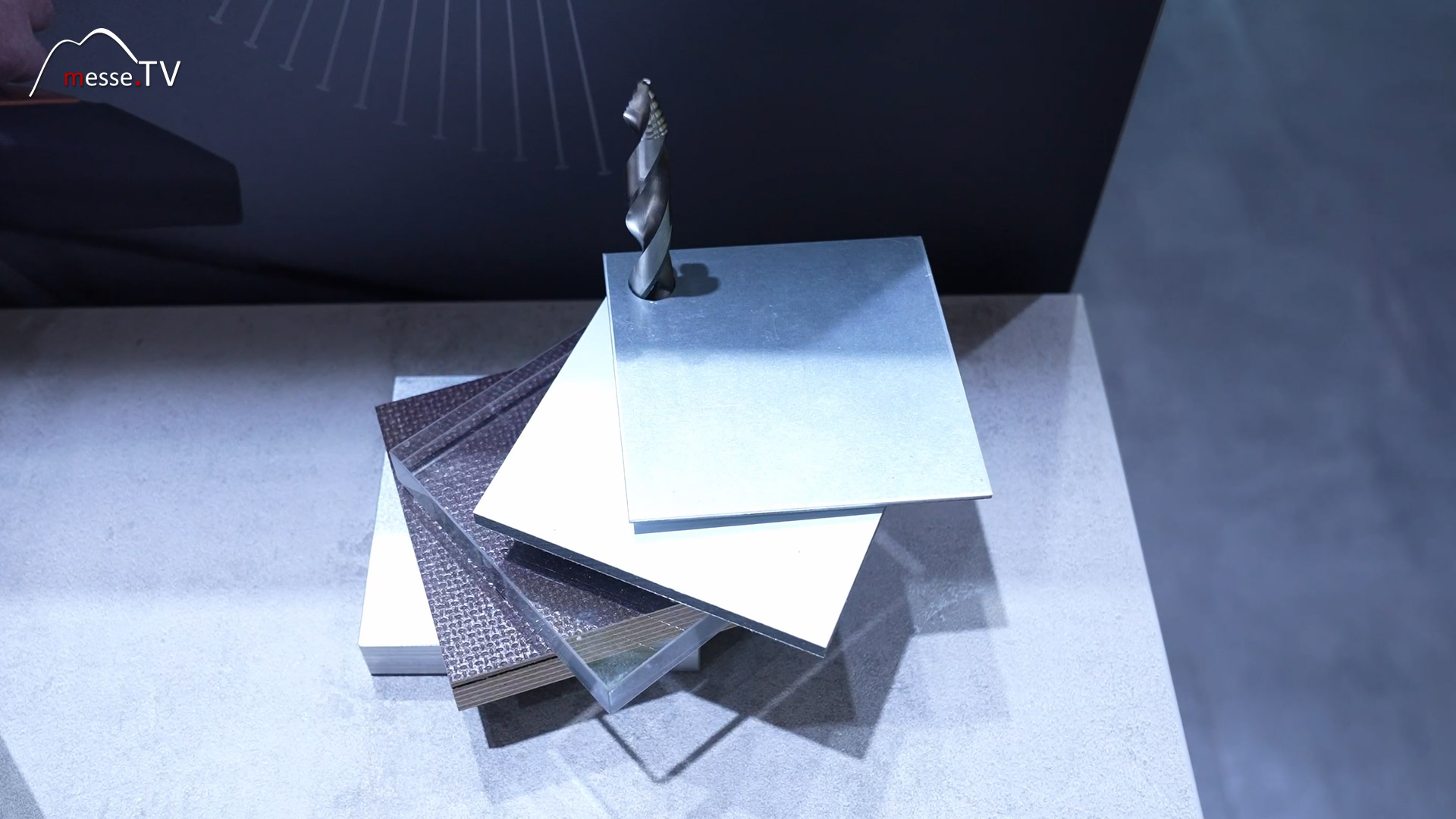
The effect of the stepped cutting edge is particularly evident at the hole exit. Conventional drills tend to tear out material or create burrs. With the Step Power, the load is distributed over several cutting edges so that the material is removed in a more controlled manner. The result is a clean hole without fraying, burr formation or ejection at the exit point. This is a decisive advantage for applications where reworking is to be avoided. This is particularly relevant for visible components or workpieces that are to be processed directly.
Use with thin-walled materials and profiles
The drill shows its strengths above all with thin-walled materials. Sheet metal or aluminium profiles react sensitively to high pressure. Deformations or unclean cuts are typical problems. The reduced cutting force maintains the shape of the workpiece. This is important in window construction or aluminium constructions, for example. It is also an advantage in façade construction or kitchen construction, where precise and clean drill holes are required. The areas of application can be summarised as follows:
- Sheet metal and thin-walled materials
- Aluminium profiles in window construction
- Façade construction and design
- Kitchen construction and assembly work
- Series of drill holes in manual operation
Material variants and service life of the drill bit
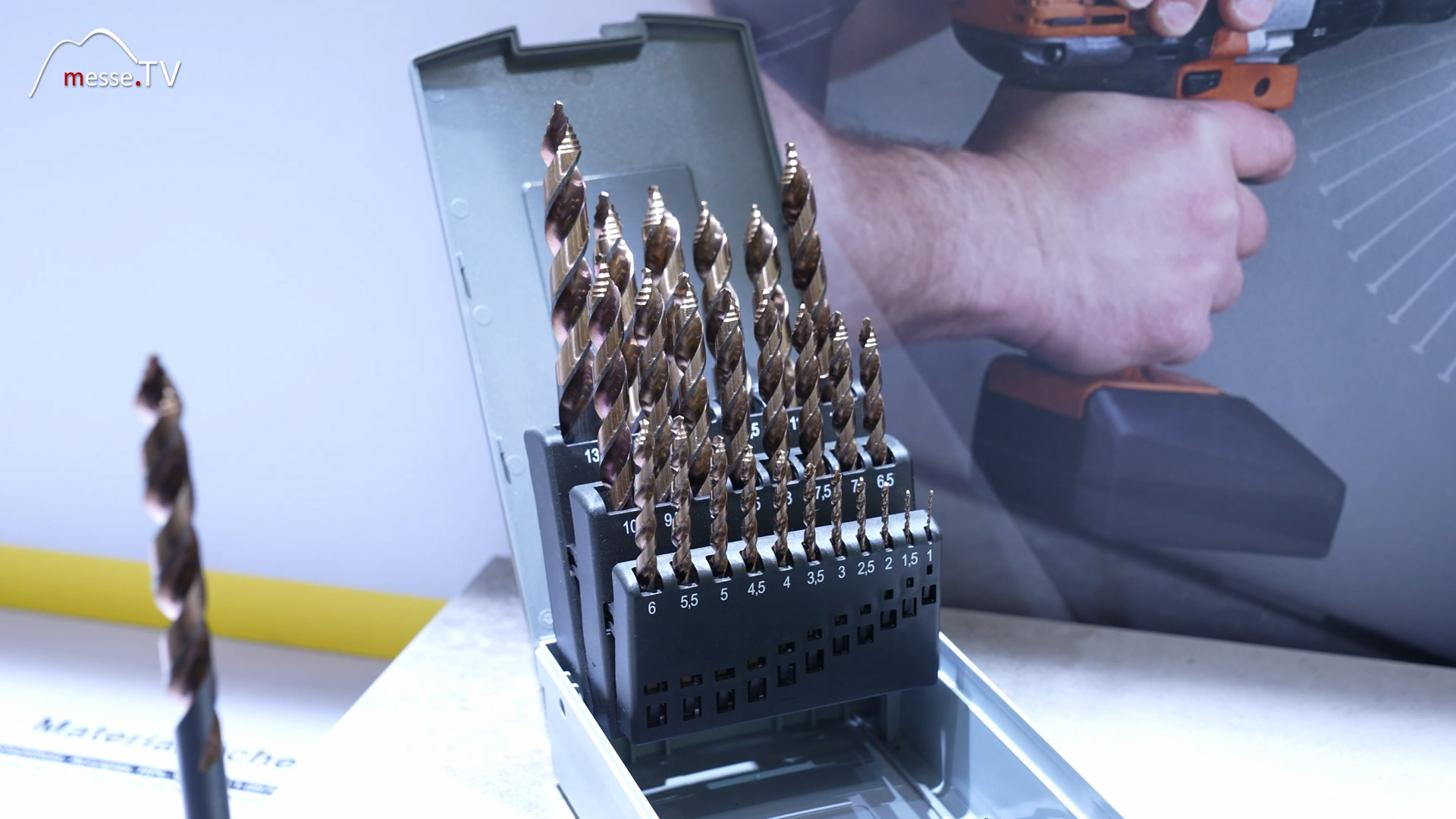
Gühring offers the Step Power in different versions. In addition to a HSS version in a bright finish, a more wear-resistant HSCO version is also available. This is additionally coated and designed for longer tool life. The choice of version depends on the application. While simple work can be covered with the standard version, more demanding applications benefit from the higher wear resistance. The combination of material, coating and cutting edge geometry influences the service life and the consistent quality of the holes.
Higher drilling speed due to distributed cutting forces
One effect of the multi-stage cutting edge is the increased drilling speed. As the forces are distributed more evenly, the drill can work more efficiently. This is particularly noticeable when drilling a large number of holes. Compared to conventional tools with a single cutting edge, this results in a time advantage without compromising the quality of the drill hole. On the contrary: speed and precision go hand in hand here. The Step Power thus demonstrates how a modified geometry can improve both ergonomics in manual operation and process reliability in the application.
Trade fair reporting Germany - Trade fair knowledge, dates & events


